Down Syndrome Diagnosis
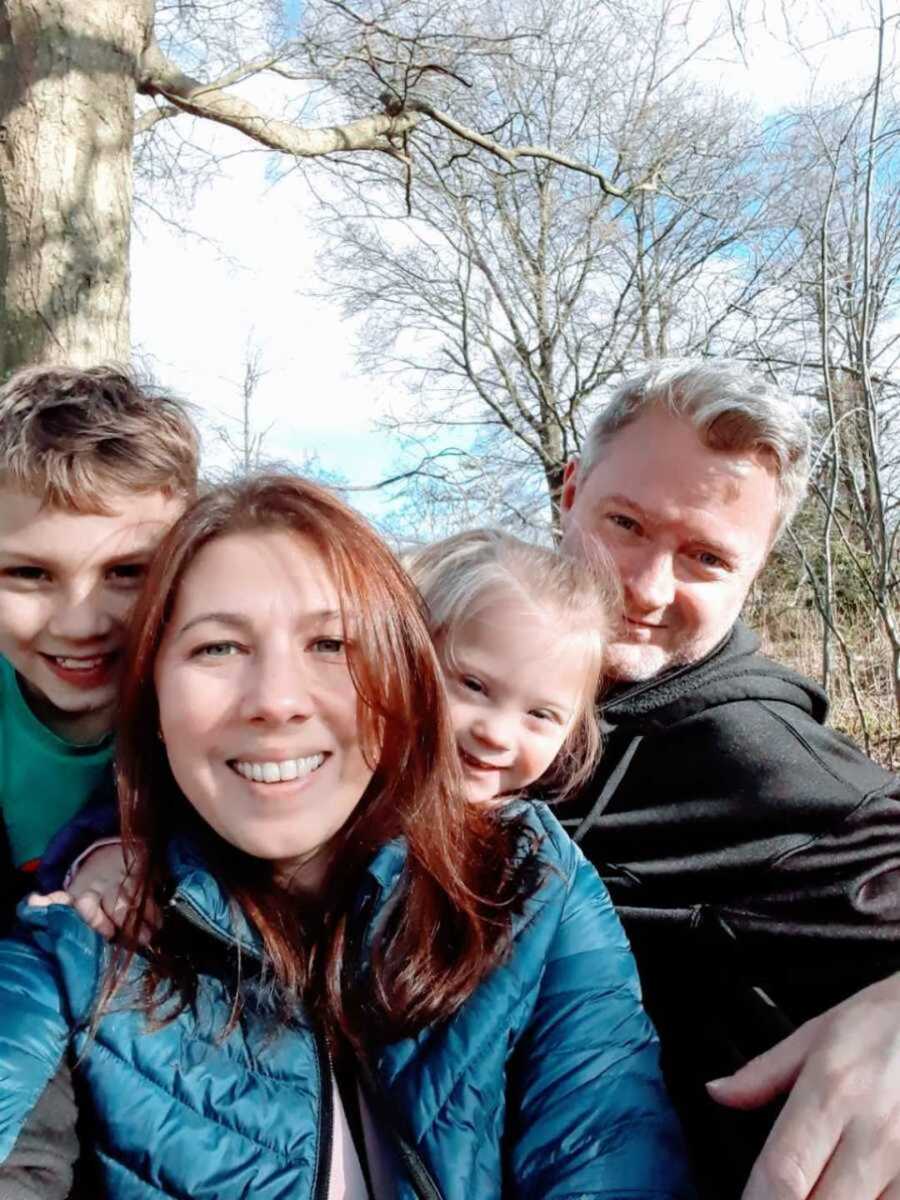
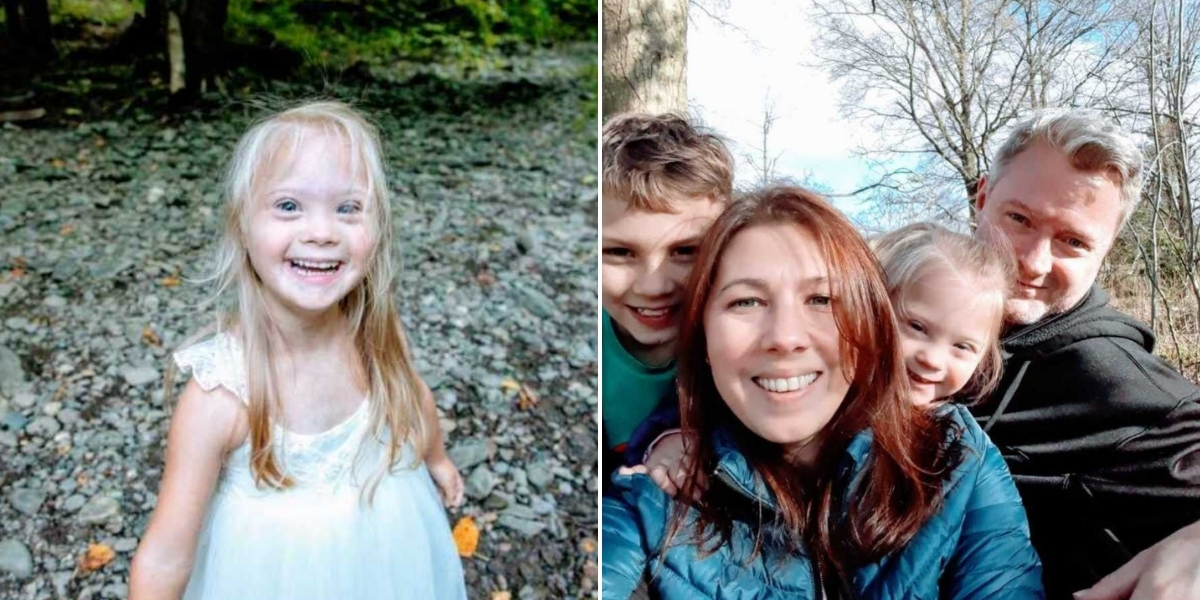
“My daughter Francesca was born on a blustery February night six years ago. When the nurse placed her tiny body into my arms, I leaned down to look into her eyes. They were alert and startlingly beautiful – the shape so unique, the deep blue flecked with kaleidoscopic streaks of light.
They literally took my breath away. In that instant, a quiet certainty settled in my chest: my baby had Down syndrome.
Almost immediately, fear and sadness took hold. Everything I thought I knew about Down syndrome pressed down on me like a weight I couldn’t lift. My mind raced with visions of delays, both physical and intellectual, of exclusion, dependence, and setbacks. All of the hopes I had held for the fiercely independent woman I imagined my daughter becoming seemed to crumble in an instant.
We pleaded with the hospital to let us leave the day after Frankie’s birth. I wanted to escape, to leave behind the place that had already marked one of the hardest days of my life. I longed to be alone, to grieve for the baby I thought I had lost. Yet, beneath my sorrow, there was another agenda.
After an international move from London back to New York and a year-long stay with my parents, we were finally ready to move into the little house we had rented just outside the city. For over two years, we had struggled with infertility, and Frankie’s arrival was meant to complete our family – the cherry on top. I was eager to settle in, get my five-year-old son Tristan started at his new school, and begin our new life.
My schedule was tight. Frankie was due at the beginning of the February school break. My plan had been precise: welcome her into the world, move into the house within the week, and have Tristan start kindergarten when everyone returned from vacation, making the transition smoother. And in many ways, it happened as planned – Frankie was born in the middle of the night, ahead of her due date. We were released on Tuesday, and by Thursday, we were packed into a U-Haul. I followed in our little Corolla with Tristan and our barely six-pound bundle of mystery strapped in the car seat.
But her diagnosis was not part of the plan.
Special Needs Parenting
Once my husband and son settled into their routines of work and school, the reality of my new life hit me like a tidal wave. Endless doctor appointments, therapies, and the steep learning curve of caring for a baby with Down syndrome loomed ahead. I was still figuring out how to parent a child I barely understood, and the weight was crushing.
Alone in our quiet house, I crumpled on the stairs, still in my robe, ugly-crying through nap times, overwhelmed by the sheer unfairness of life. My parents came to visit. ‘I can’t do this!’ I confessed to my mother. ‘You can. We will. You have to do this,’ she replied, calm and unwavering.
In our new home with no friends, no cable, and no roadmap, I spent days staring out frosty windows, trying to breastfeed a baby with low muscle tone while melancholy Minecraft music floated in from Tristan’s room.
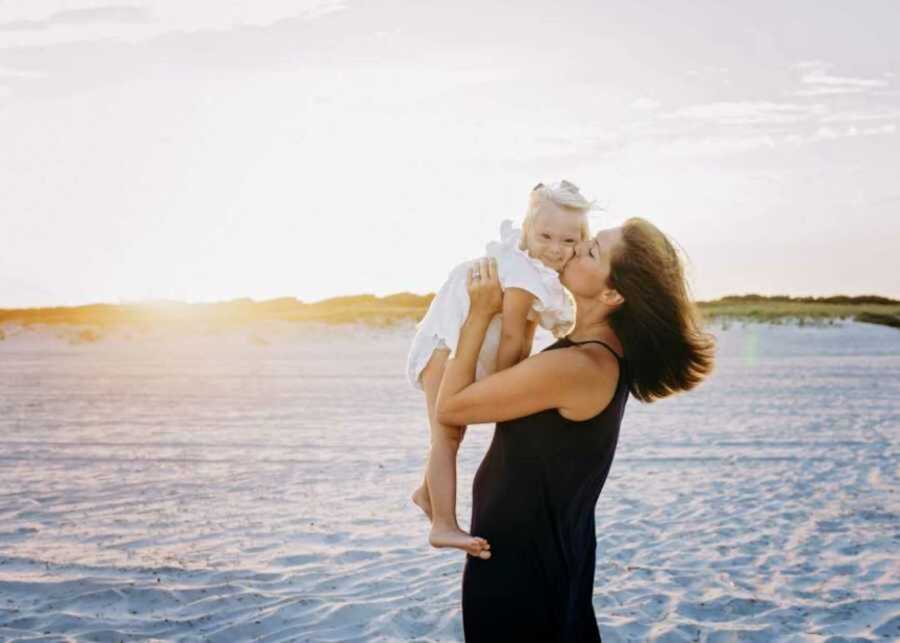
Slowly, in spite of my self-pity, we began to find our rhythm. Frankie was an incredibly sweet baby, and to my surprise, she started meeting milestones one by one. As winter receded and spring’s warmth crept in, so too did a new optimism, born from the growing bond and all-consuming love I felt for her.
I thought I knew what a baby with Down syndrome would be like. Frankie was teaching me I had been wrong. She stole my heart every day, and by summer, it felt like it was time to throw open the windows, both figuratively and literally.
One bright June day, that turning point became clear. My sweet son had weathered so much while I was absorbed in caring for his sister – new home, new school, new baby. So it shouldn’t have surprised me when he heard the laughter of children outside our open window and darted for the back door. ‘Mom! There’s kids!!!’
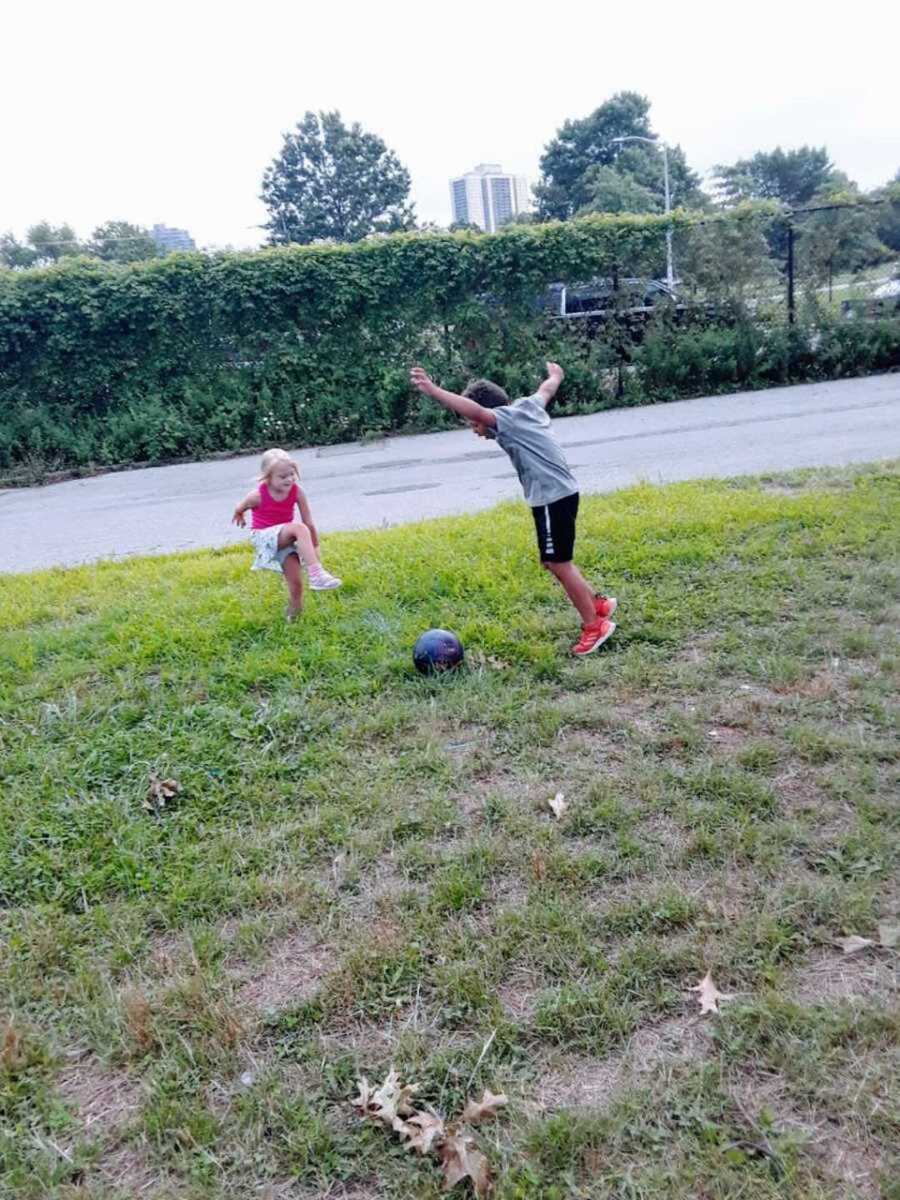
I followed, gathering what I could for Frankie and stepping into the alley behind our house. We were greeted by a family with boys around Tristan’s age and a soccer ball. Tristan immediately joined the game. I hung back, cradling Frankie, wondering how she would fit in. Could she run out the back door one day, chasing the same joys and friendships? At first, I struggled to picture it, but by the summer, more families joined in, and the ‘Alley Gang’ of about ten boys was born.
Finding an Inclusive Community
I don’t remember exactly when I first told our neighbors about Frankie’s diagnosis. Each introduction carried a twinge of anxiety – would they notice? Would they judge? Sometimes I never said a word. Even as the boys grew older and Frankie’s differences became more apparent, it never seemed to matter.
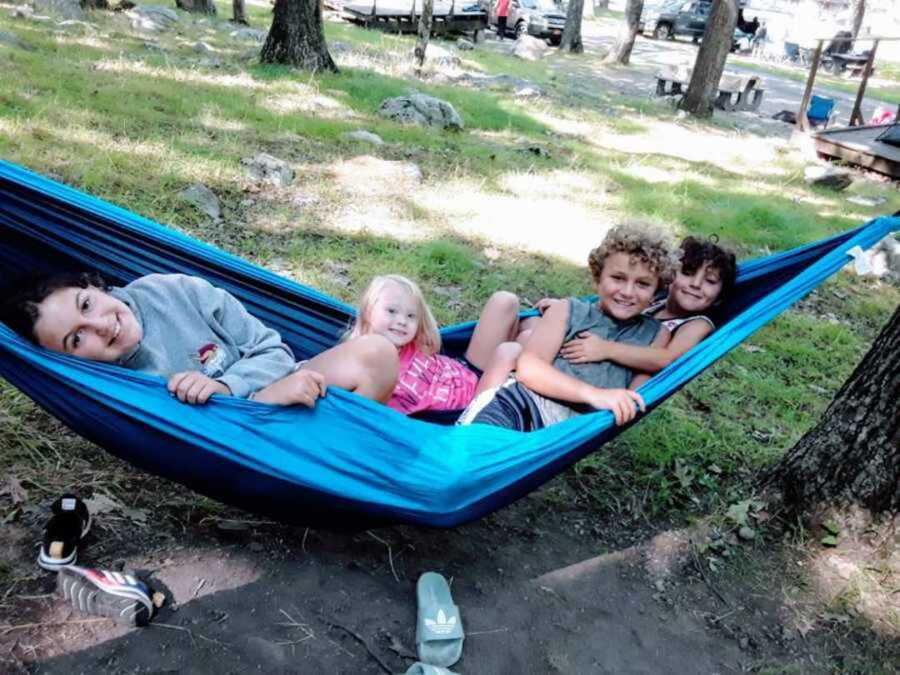
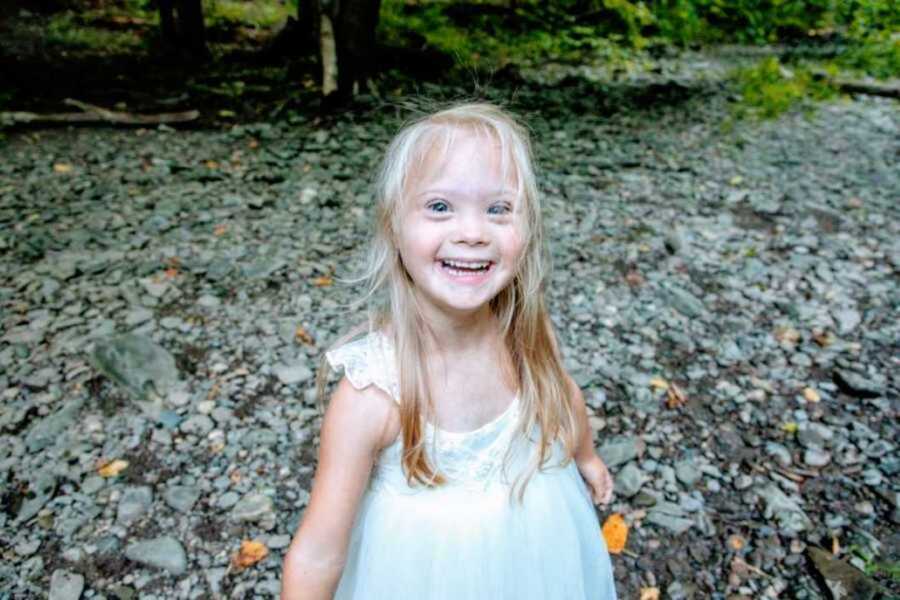
She is almost always the youngest, and the only girl for miles, yet she has become fully part of the gang. There have been beach days, barbecues, holidays, birthdays, Halloweens, and camping trips. She is always in the middle of it, adventurous, mischievous, endlessly energetic. I joke that she doesn’t even know she’s not a ten-year-old boy.
Do the boys get frustrated when she gives away their hiding spot in Manhunt? Absolutely. But more often, they cheer her on, ask for hugs or high-fives, and recount funny moments from school. Frankie beams at every visit, grabbing hands and dragging friends into our house to show them every little thing. She craves attention and thrives in inclusion.
Looking back to that first month of despair, to the hollow stereotypes and bleak predictions I let consume me, I see how unfounded they were. Sure, we manage therapies, speech delays, and school challenges, but Frankie is surrounded by a network of support that has grown around her like a protective fence.
These boys love her unconditionally, teaching her – and reminding us – that different does not mean incapable. Inclusion, kindness, and openness matter. She is a little sister to all of them, treated with genuine affection, and in return, she nurtures their hearts as much as they enrich hers.
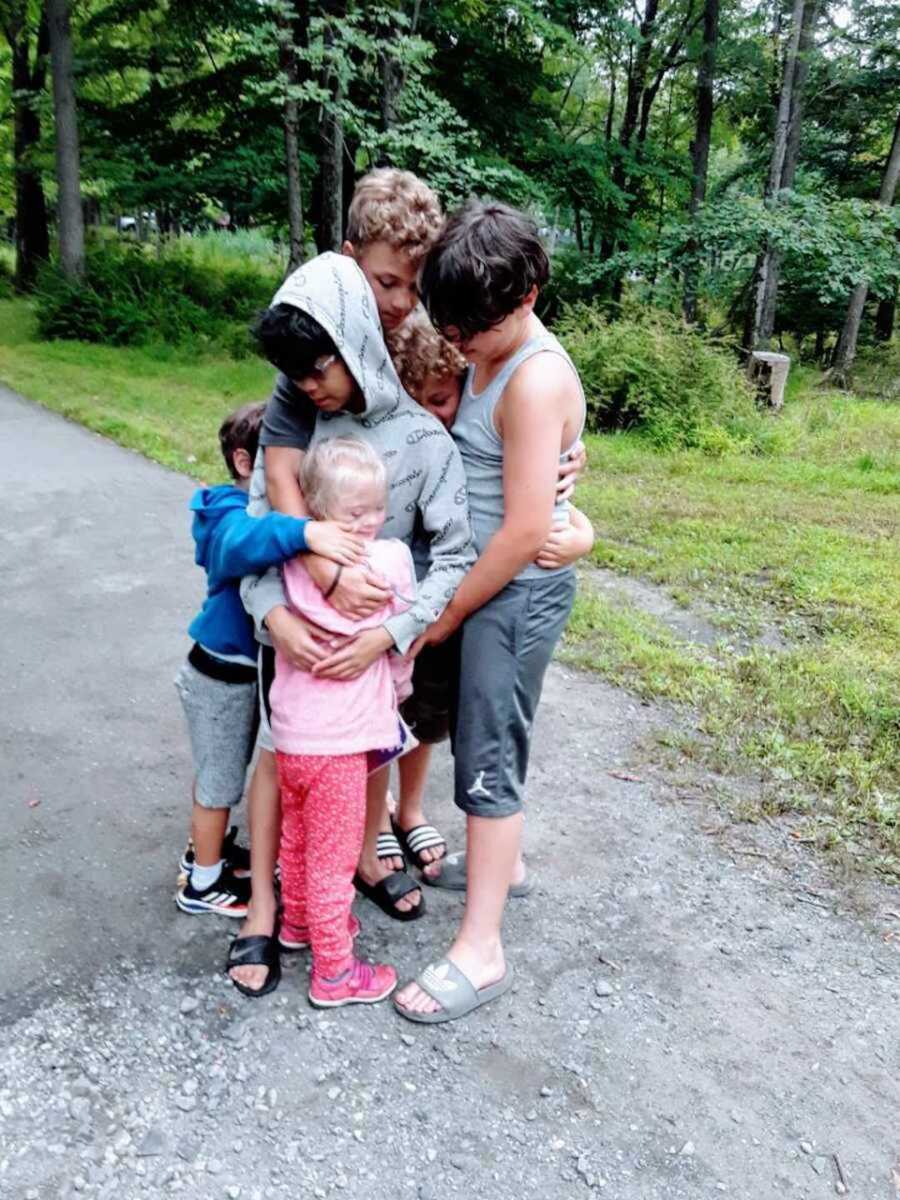
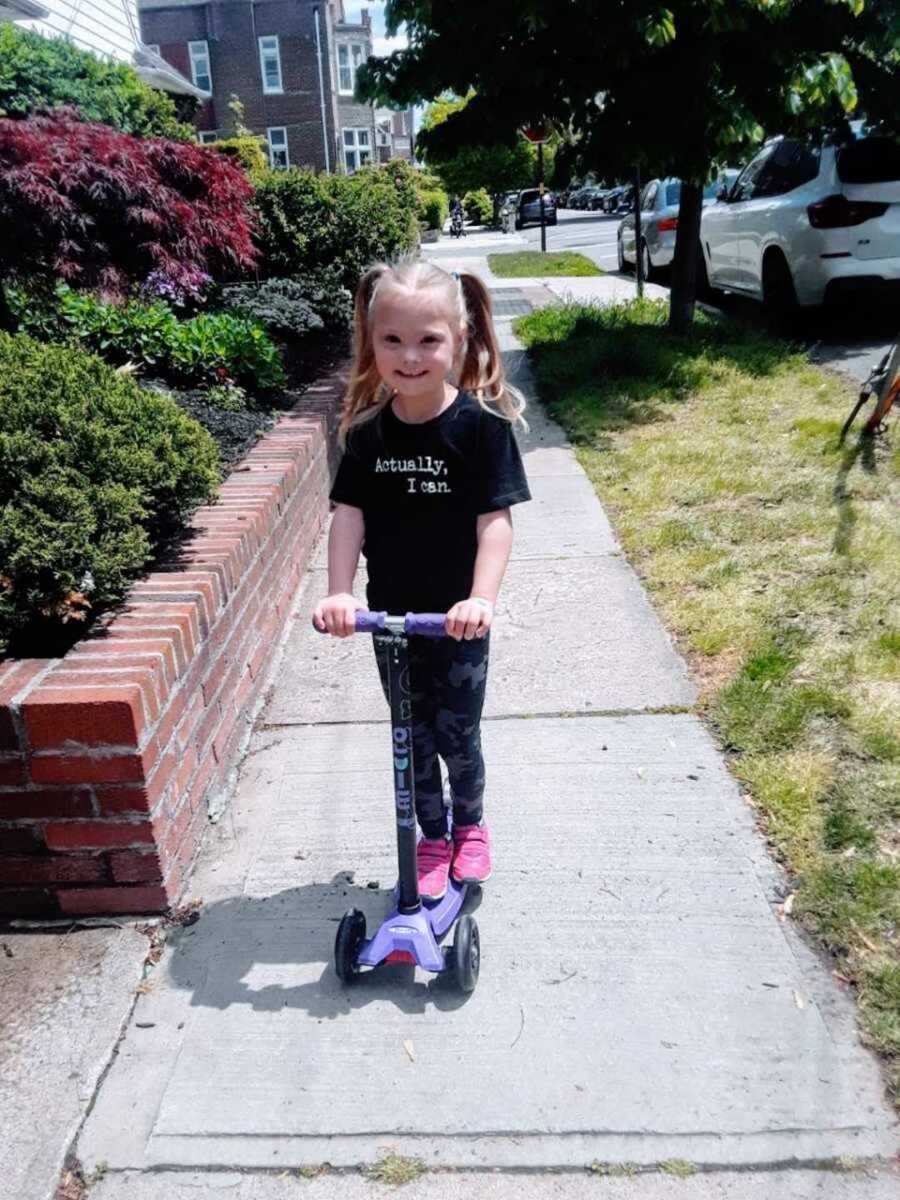
So if you can, surround yourself with a horde of friends who love you as fiercely as these boys love Frankie.”