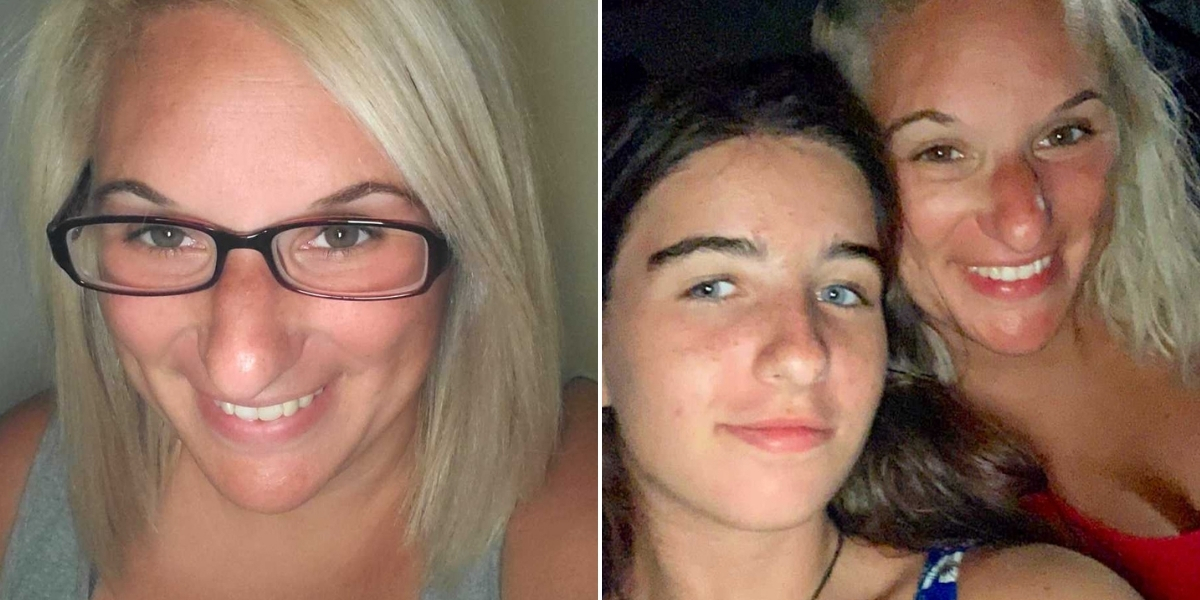
Life is made up of moments. For me, there is a clear line between the moments before and the moments after. Most of my “before” moments were ordinary and predictable. I grew up in the suburbs, attended Catholic school, and followed the path that seemed laid out for me. By 23, I had a cushy desk job that paid well, demanded long hours, and rewarded ambition. I chased promotions and success without much hesitation. I was also a mom to twin girls who brought me endless joy—and very, very little sleep.
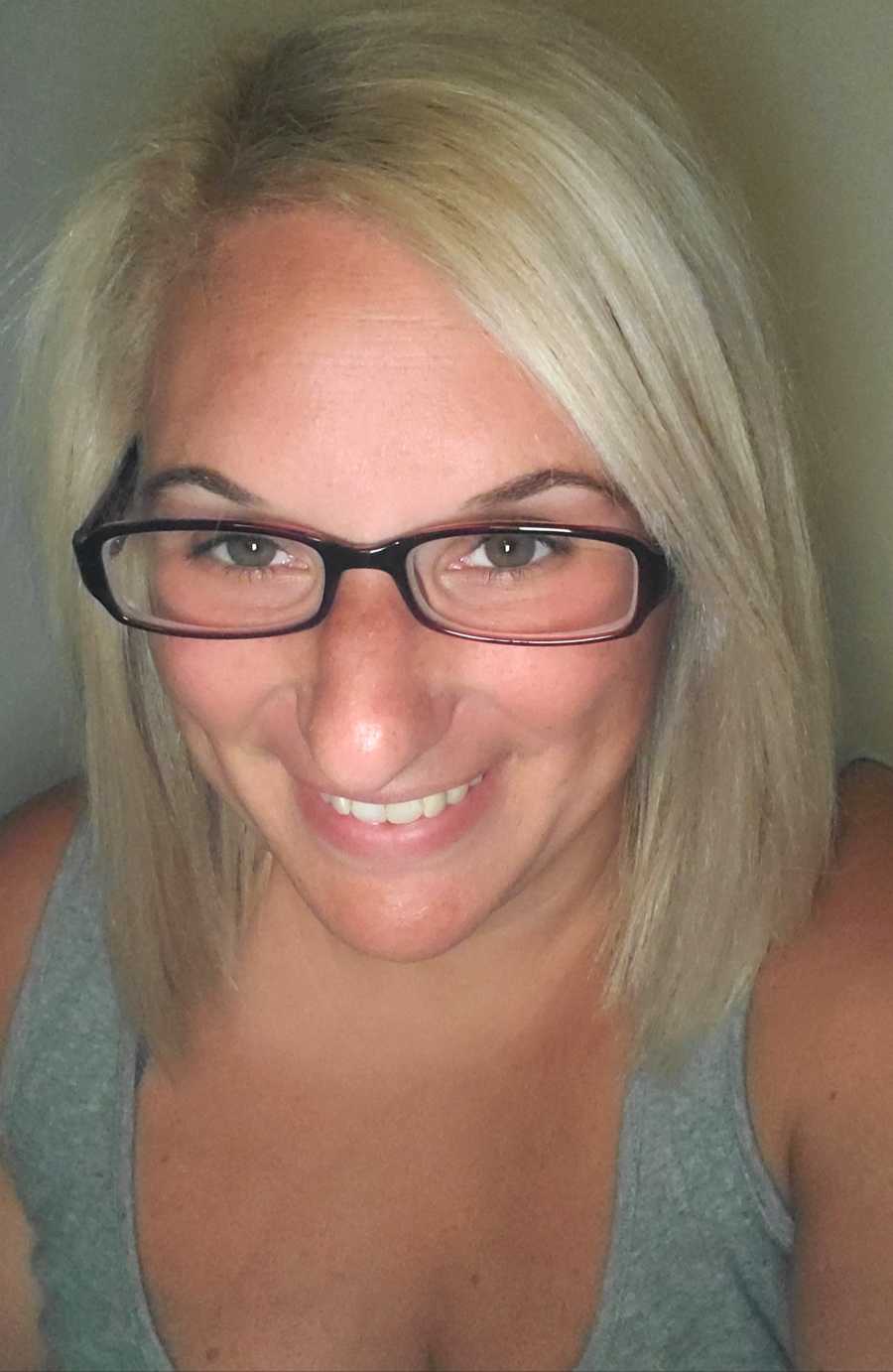
I was born and raised in Delaware, a place where everyone knows everyone and connections come easily. I had a wide circle of friends, a full social life, and a sense of belonging. I was married, owned a house on a hill, had a dog, and lived a life that looked good from the outside—and felt good enough on the inside. I was happy in the uncomplicated way people are when life hasn’t yet forced them to stop and reevaluate. There were hiccups, sure, but I moved past them easily. My life was simple. It was planned. It was comfortable.
Until it wasn’t.
On October 1, 2017, I was in Las Vegas after a weekend of celebration and live music at the Route 91 Harvest Festival. I had planned the trip months earlier, the moment I heard there was a country music festival in Vegas. Two of my favorite things in one place? I was all in.
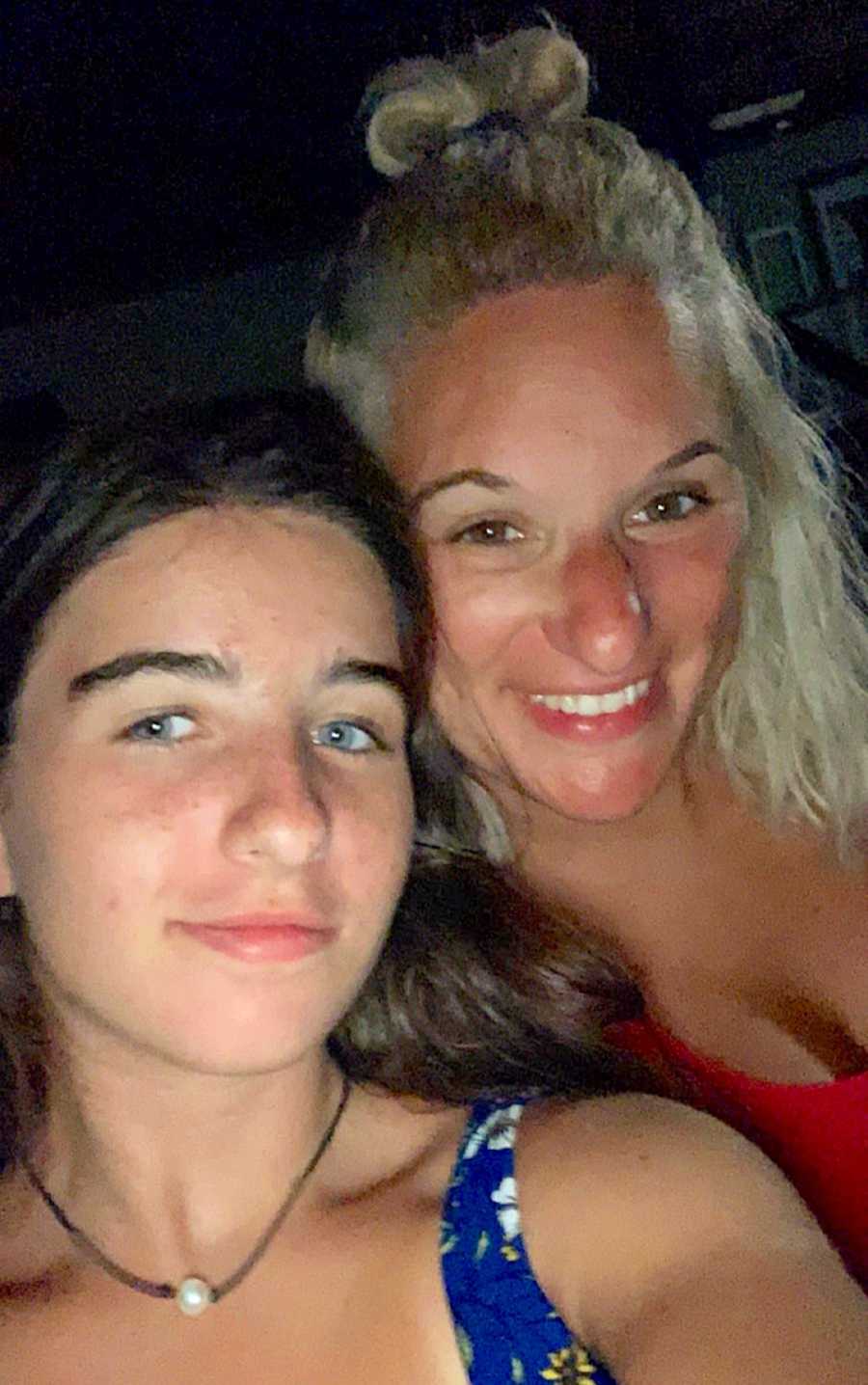
My friend Andie and I edged closer to the stage for the final performance of the weekend. The desert air had finally cooled, a welcome break from the relentless daytime heat. Jason Aldean was singing “When She Says Baby,” and we sang along loudly and proudly—completely off-key, but happy. Life felt full and easy in that moment.
Then we heard what sounded like fireworks. I remember thinking how perfect it was, a celebration to end an already incredible weekend. The only thing that didn’t make sense was that I couldn’t see them.
Rat-a-tat-tat. Pop. Pop. Pop.
I kept scanning the sky, waiting for bursts of color that never came. No red, no white, no blue. Just the sound—again and again—layered over the music still playing. And then, suddenly, the music stopped. The popping didn’t.
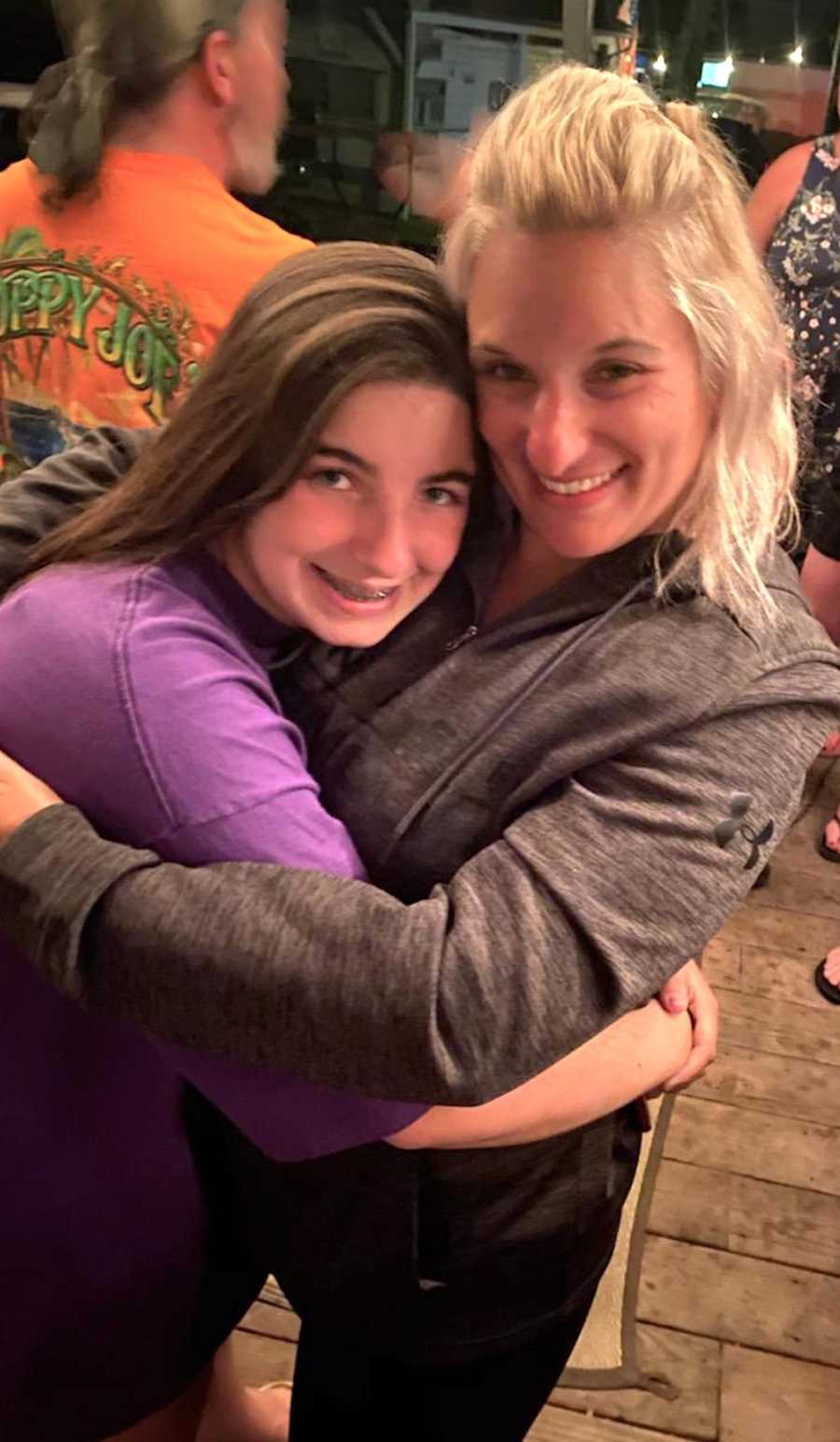
In slow motion, I saw people running from the opposite side of the stage. Confusion hit first. Why were they running? Where were the fireworks?
That moment—the instant your brain finally connects the dots and realizes those aren’t fireworks but gunshots—is one you never forget. It’s the exact point where everything shifts. Fight-or-flight takes over. Your thoughts race ahead to your kids, your spouse, your family thousands of miles away. You think about everything you might never get to say or do. Every fear you’ve ever had crashes into one terrifying realization: this could be the end.
And then comes another moment—the decision to survive.
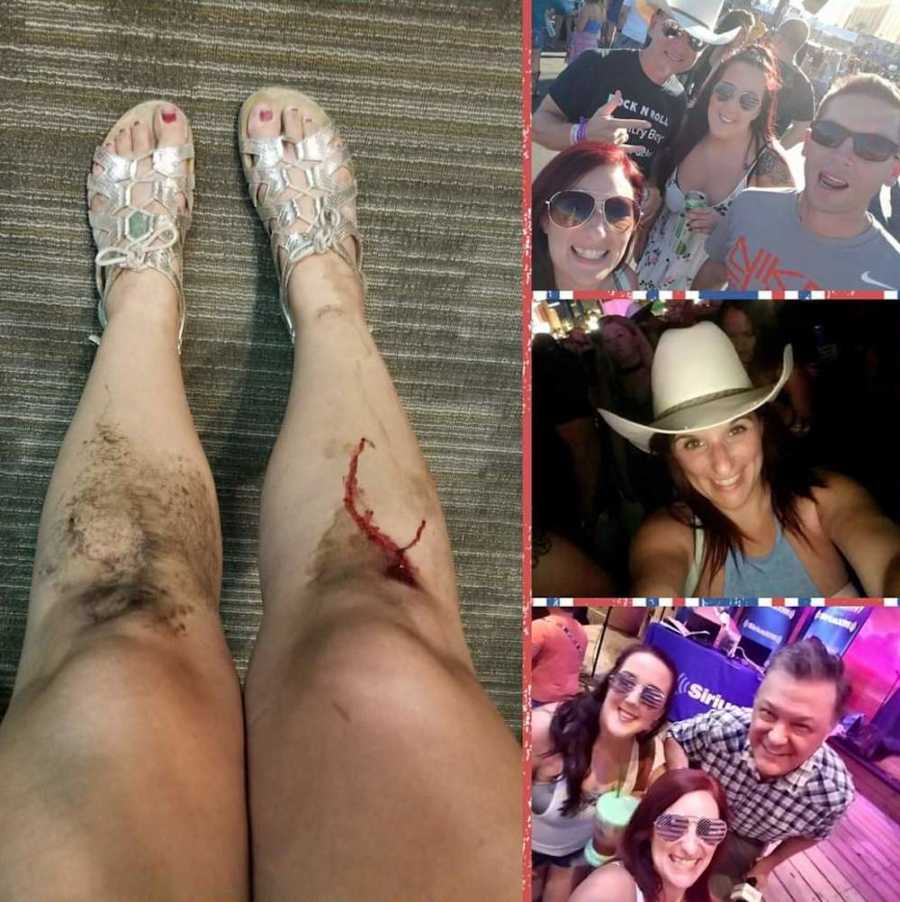
I grabbed Andie’s hand and yelled, “Run!” We made it only a few steps before the crowd surged toward us. Her hand slipped from mine, and I was knocked to the ground, trampled beneath thousands of people running for their lives.
“Go!” I screamed at her. I was convinced if she stayed, she’d die too. If only one of us made it out alive, it had to be her. But she didn’t leave. She pulled me up, bleeding and bruised, and we ran again—ducking behind a cardboard beer sign for cover.
Another realization hit almost immediately: cardboard doesn’t stop bullets. We could feel the vibrations in the ground as shots continued to hit nearby. So we ran again.
We reached a tall chain-link fence with no gate. That moment—the one where you realize you’re trapped—is suffocating. There was no choice but forward. Together with others, we tore through the fence, creating an opening just big enough to escape.
We ran onto a private runway at McCarran International Airport, pounding on hangar doors, desperate for shelter. Finally, one opened. We rushed inside, slammed the door shut, and took our first real breath.
The shooting lasted about eight minutes.
Eight minutes was all it took to permanently change the direction of my life.
After that night, I was no longer the same person. The woman I am today wouldn’t recognize the woman I was before. I stopped settling for “my life is fine.” Money, titles, and promotions no longer mattered. What mattered was honoring the second chance I had been given—one that so many others didn’t receive.
So I changed everything.
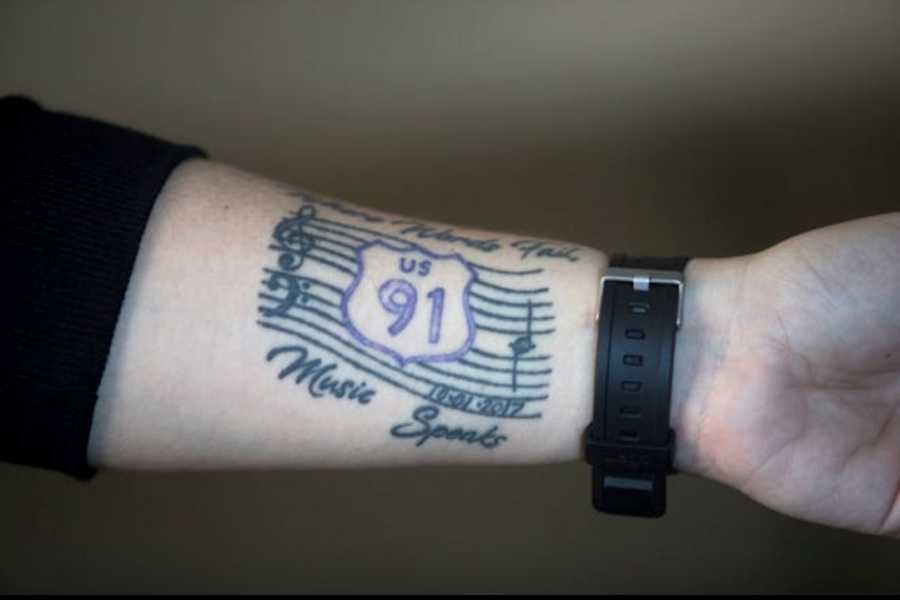
I quit my desk job and walked away from the comfort it provided. I became certified in personal training and group fitness because I wanted to build a life rooted in health and purpose. The only physical reminder of that night is a scar on my knee, fading a little more each year—but the lesson never fades.
I became a mindfulness coach, learning and teaching tools to cope with PTSD. When panic flares unexpectedly, when exits feel blocked or fear creeps in, I remind myself: right here, right now, I am safe. That practice has quite literally saved my life.
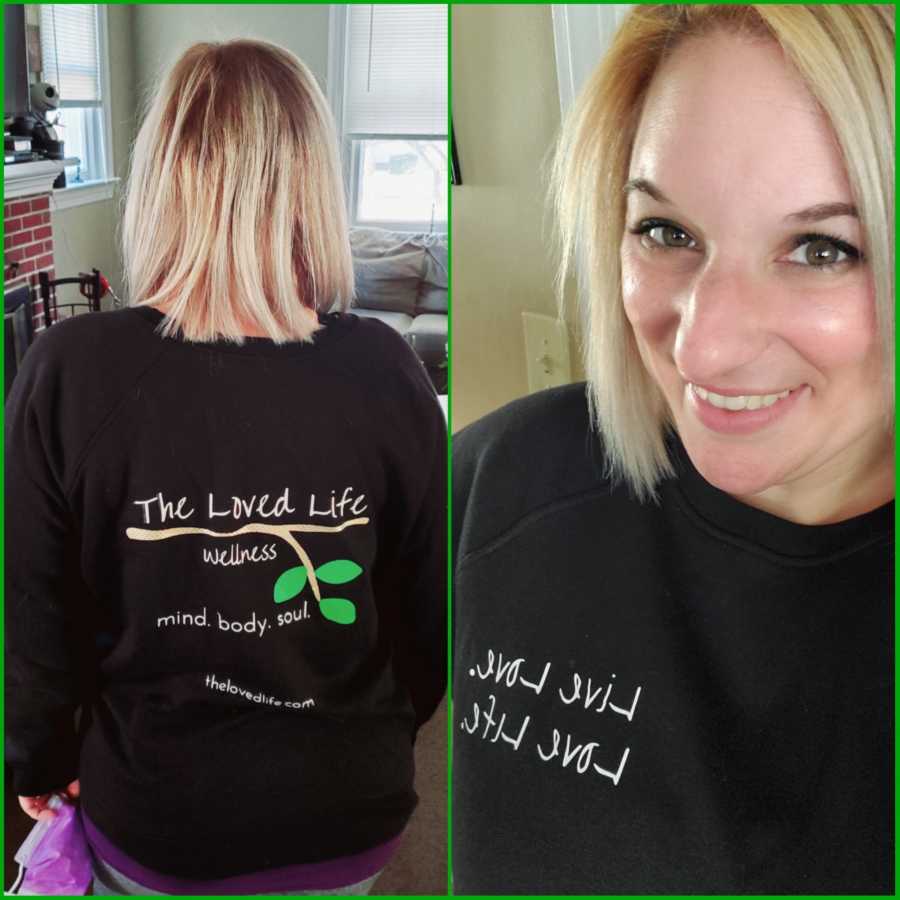
I also started a blog, The Loved Life, centered on wellness of mind, body, and soul, and living with gratitude first. Because waking up grateful—to hug my kids, taste dark chocolate, breathe in ocean air—is what fuels me.
Hard days still exist. Plenty of them. But perspective has changed everything.
Before, one bad thing could consume me. Now, even when something goes wrong, I can’t ignore the good surrounding me. I have a home, a family who loves me unconditionally, friends who show up without hesitation, and a career that helps others find strength within themselves.
Most importantly, I’m still here.
Today, life is still made of moments—but now I cherish the small ones. The quiet. The ordinary. The love. This different life isn’t a loss; it’s a blessing. Life no longer happens to me—I happen to it.
Because nothing is guaranteed. And the only question that truly matters is this:
If today were my last day on earth, how would I love, and how would I live?