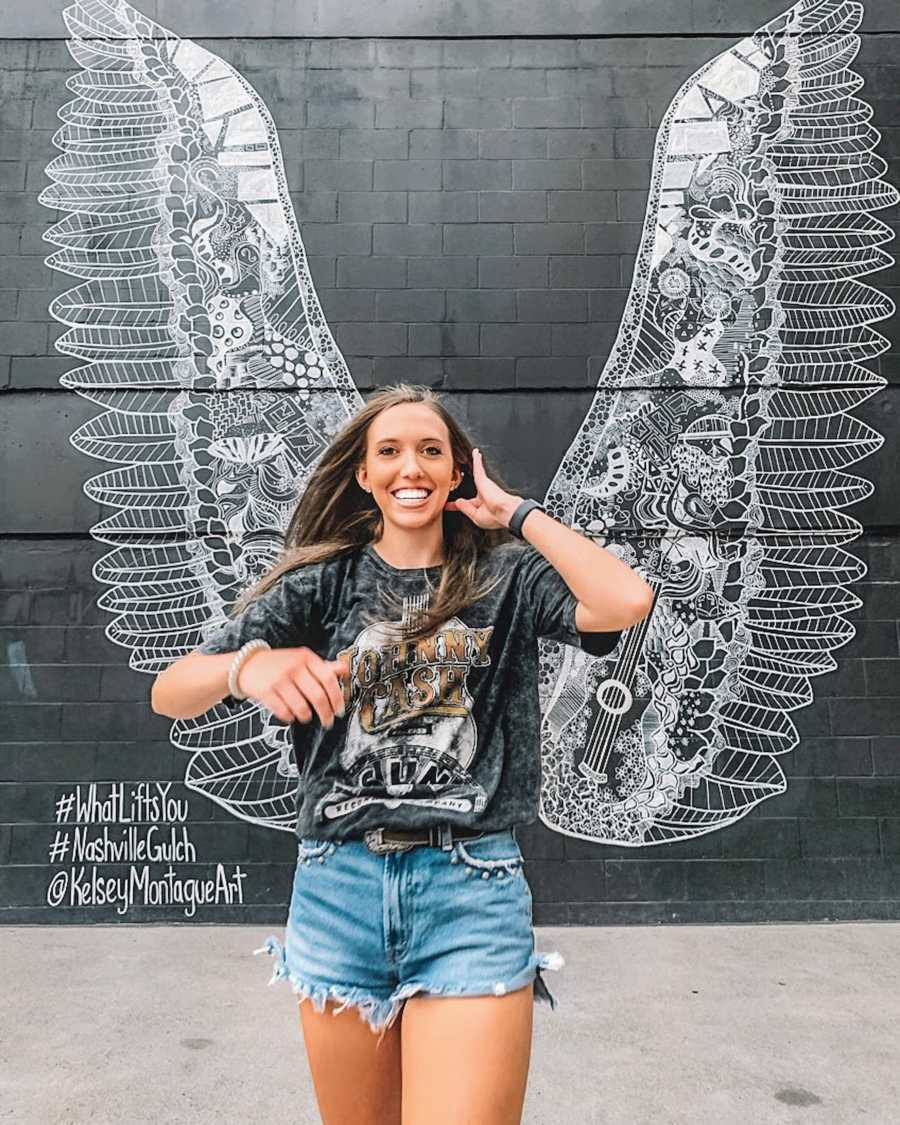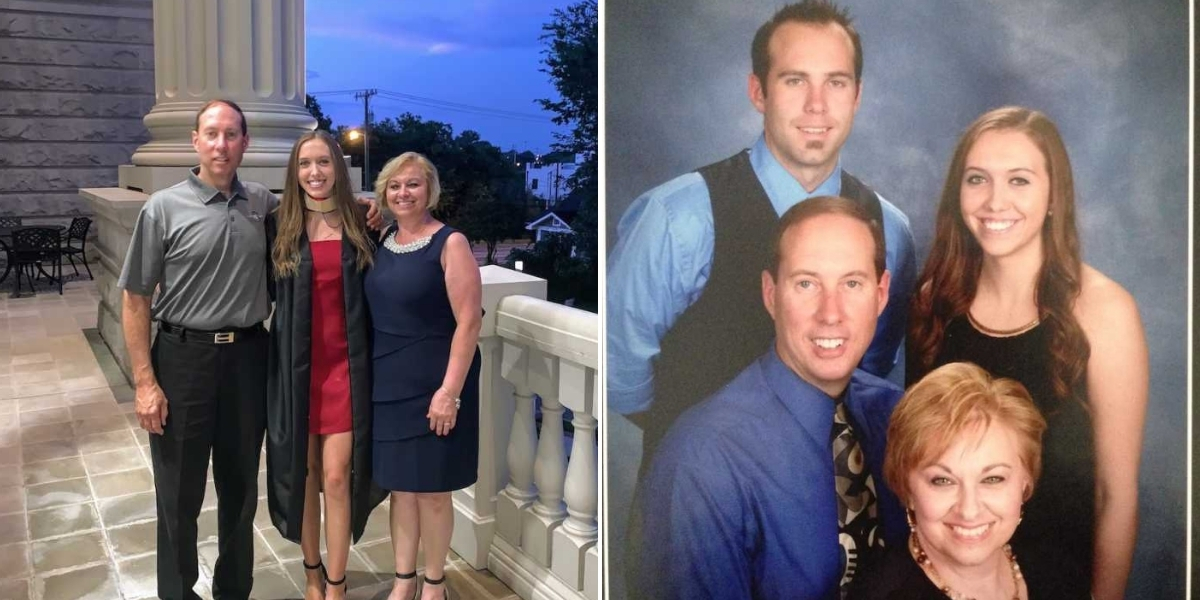
“Hey, Mom, I signed up to be a living organ donor.”
She replied, “I’m an organ donor on my license, too.”
“No, Mom… a living organ donor.”
She was caught completely off guard. To be honest, she didn’t really know what that meant—and neither did I until just a few hours earlier.
I had been scrolling through Instagram when I came across a post from a friend proudly sharing her gnarly abdominal scar. Her caption briefly explained that she had donated a portion of her liver to a family friend and was celebrating both of their successful recoveries. I was instantly taken aback—first by how selfless, brave, and compassionate she was, and second by the realization that I had never even known living organ donation was possible.
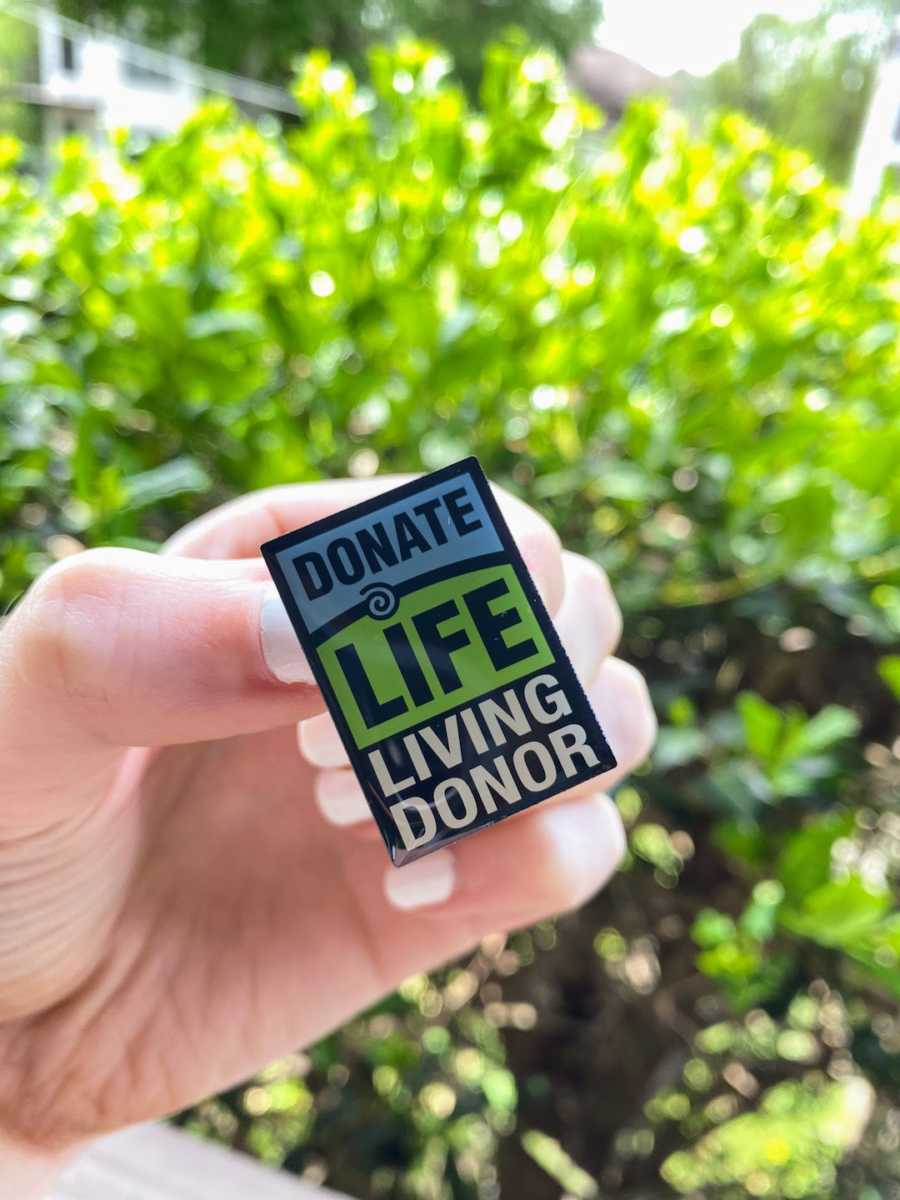
Like my mom, I had always associated being an organ donor with checking a box on my driver’s license—something that indicated whether my organs could be donated after death. The idea of donating while alive was entirely new to me. Curious, I turned to Google and started researching. I remember stumbling upon a statistic from DonateLife.net from 2019 that stopped me in my tracks: “Sadly, 8,000 people die each year—about 22 people each day—because the organs they need are not donated in time.”
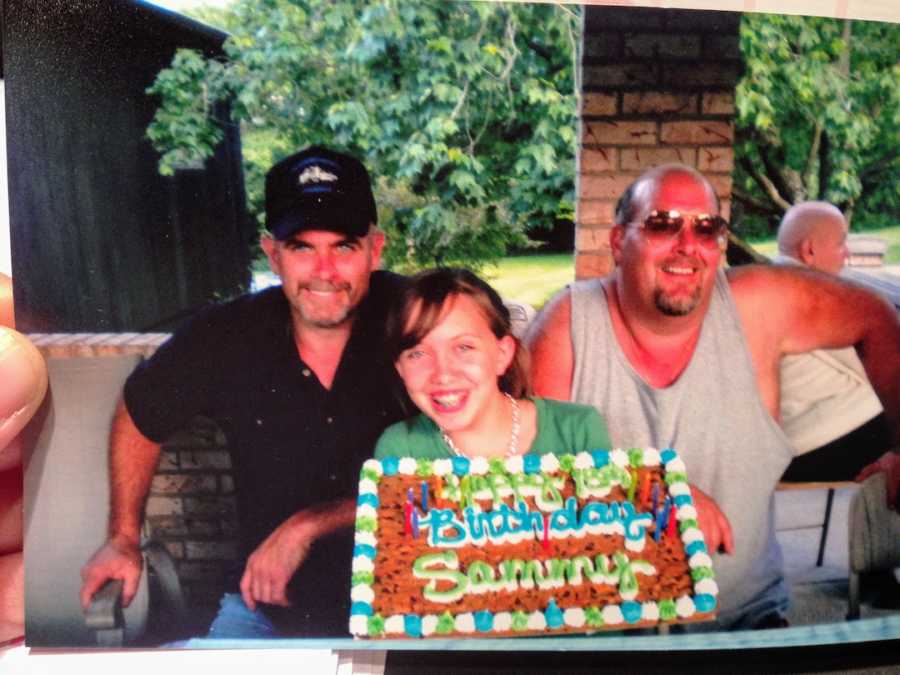
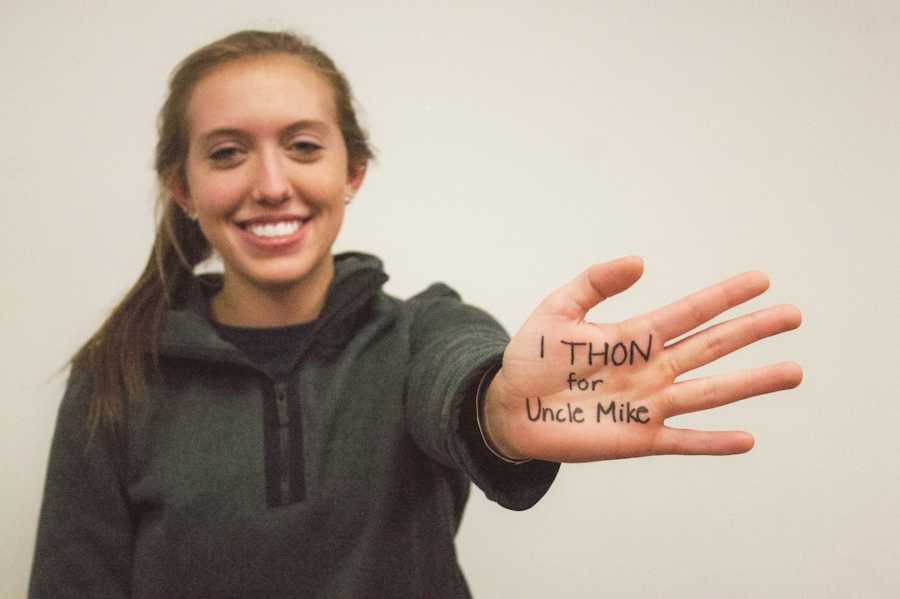
That statistic hit home immediately. I thought of my uncle, who passed away in 2012. He had been diagnosed with pulmonary fibrosis and was told he would eventually need a lung transplant. After finally making it onto the transplant list, he was diagnosed with lung cancer, which disqualified him from receiving a transplant due to the risk of recurrence. Losing him at just 49 years old devastated our family. Even now, I still find myself wishing he were here—wishing for more memories, more conversations, more time. I know my family feels the same ache.
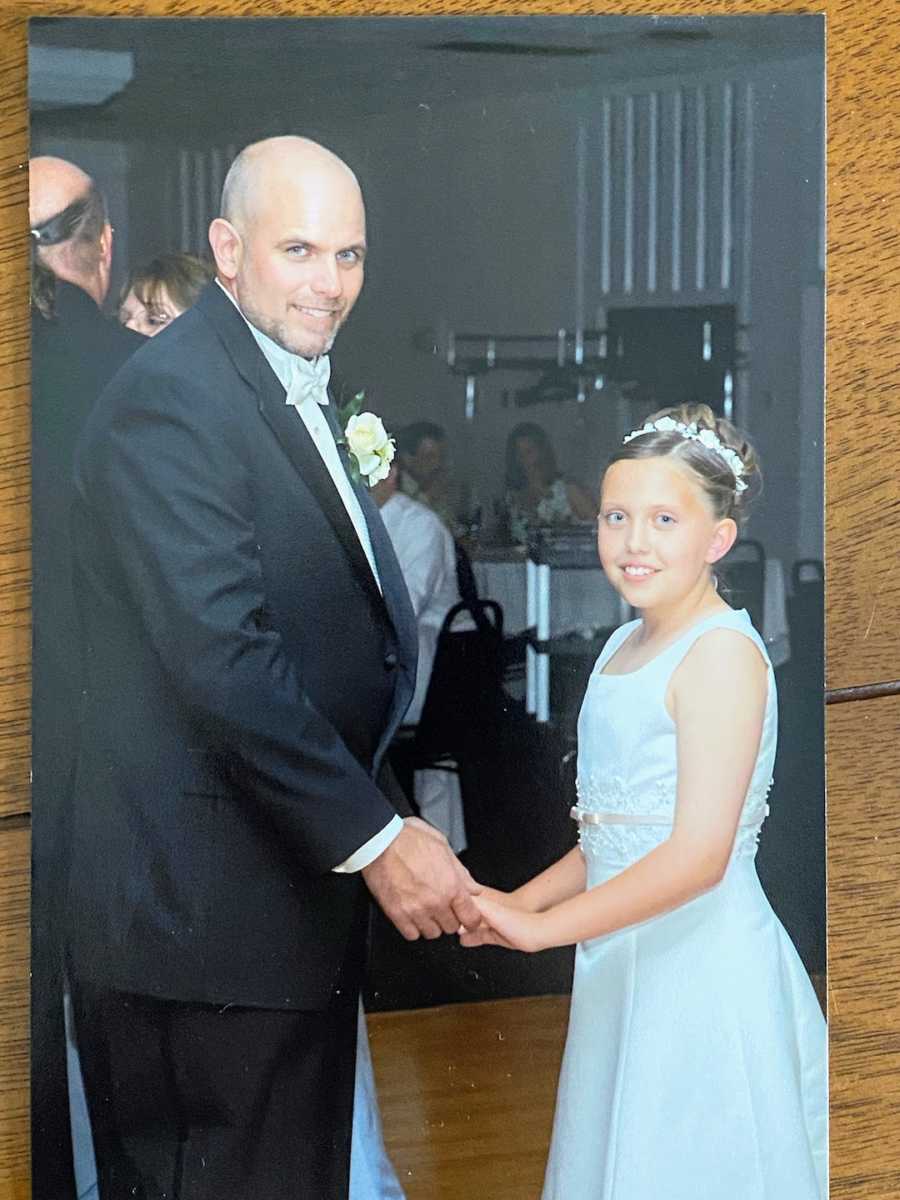
No matter how someone is lost—whether to cancer, organ shortages, or any premature cause—we always wish we had more time. In that moment, something became very clear to me. I wanted to donate. It felt simple and undeniable. I had no hesitation about sacrificing a few months of my life to recover from surgery if it meant sparing another family the heartbreak mine had endured. I quickly applied to be a living liver donor through the transplant institute’s website. During my research, I learned that kidneys and livers are the most commonly donated organs by living donors.
Although kidney donation typically involves a shorter and less intense recovery, I chose to donate a portion of my liver because it is the only organ that regenerates, often returning to full function within two to three months after surgery. Just a few weeks after submitting my application, I was called in for the evaluation process. It involved extensive bloodwork, imaging scans, X-rays, and meetings with specialists, surgeons, and the care team. While most of the focus was on my physical health, I also met with a psychologist. Her role was to understand my motivation, ensure I fully grasped the risks, and confirm that I had a strong support system.
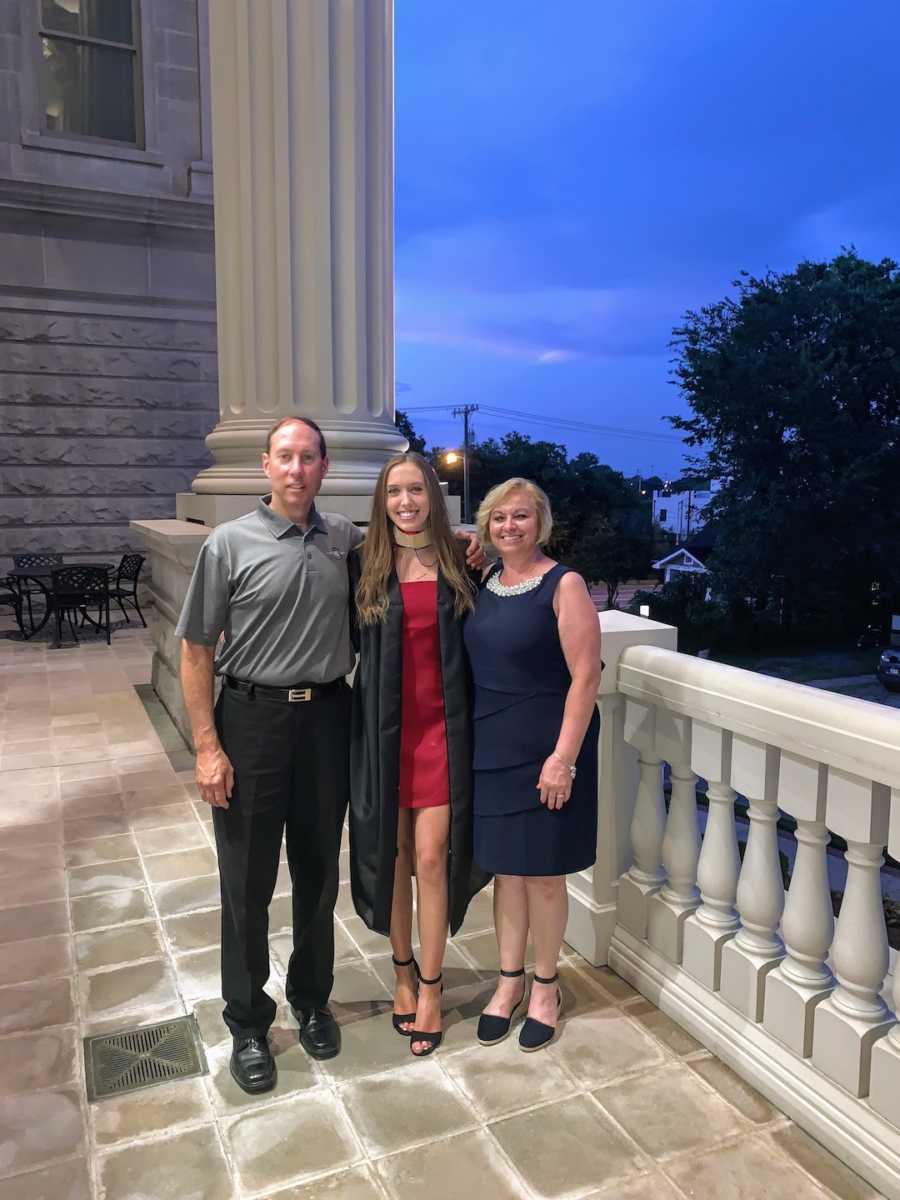
Most donors give to friends or family members, making their motivation clear. My case was different—I was a non-directed donor, meaning I had no specific recipient in mind. While the psychiatrist was moved by my reasoning, she reminded me that even as a healthy 24-year-old, I had much to lose if something went wrong. I appreciated her honesty. Despite being someone who normally overthinks and prepares for worst-case scenarios, I felt an unusual sense of peace. I had no doubts.
That confidence surprised not only me, but my family and friends as well, since I’m typically cautious by nature. Maybe it was naïve, but believing so deeply in my decision made the process feel effortless. I trusted the care team, the surgeons, and ultimately, I placed everything in God’s hands. One week after my evaluation, I was approved to be a living donor. Five weeks later, I received the call that I was a match. I cried as soon as I hung up. What had once been an idea was now becoming real.
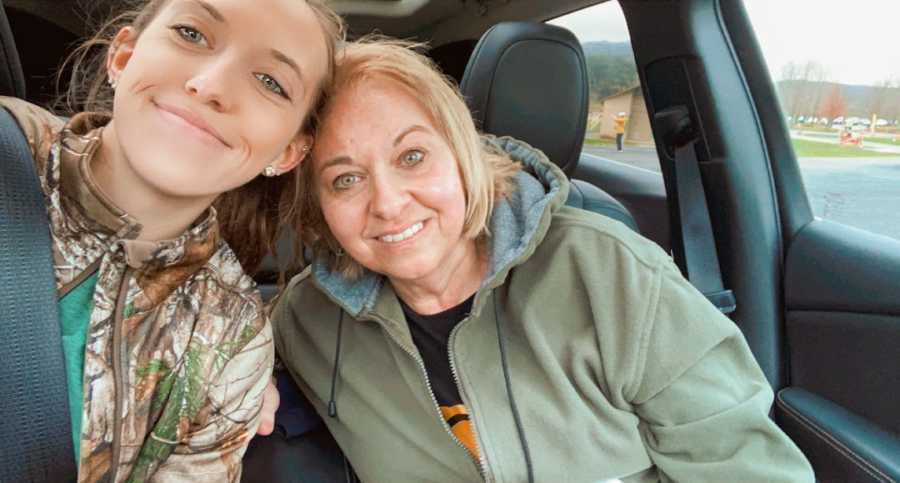
My surgery was scheduled six weeks later. To manage my nerves—especially during a global pandemic—I stayed as busy as possible. I moved most of my belongings from Nashville, Tennessee to my parents’ home in Pittsburgh, Pennsylvania, where I would recover for three months. Pittsburgh was also home to the transplant institute. I worked out often, knowing I would miss it during recovery, and continued working until the day before surgery. On the morning of the procedure, my mom and I left the house at 4:30 a.m. to head to the hospital.
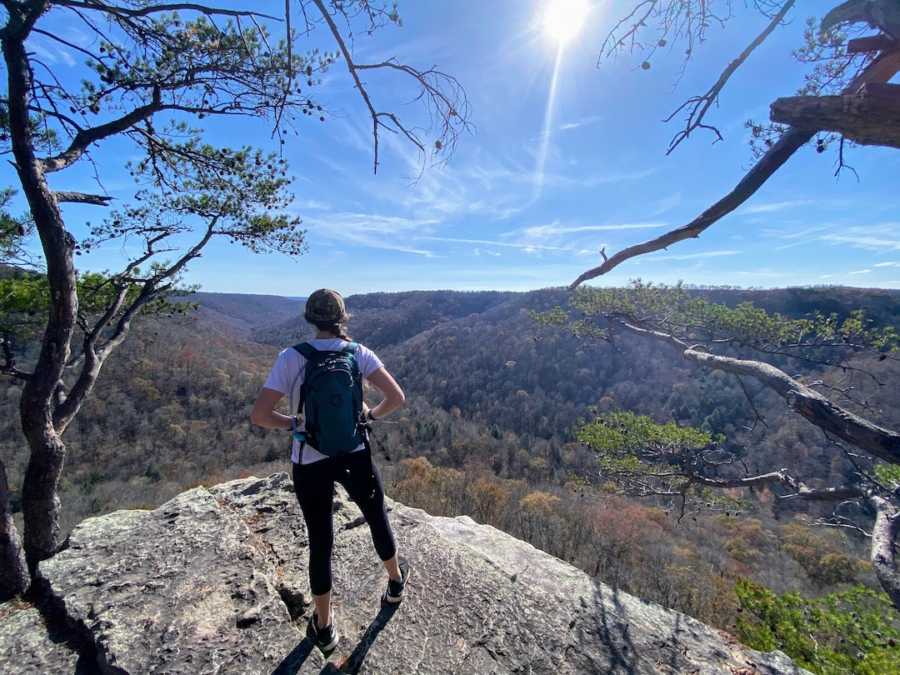
The drive felt like an early-morning airport trip—tired, nervous, and filled with anticipation. I could tell my mom was trying to be brave. Due to COVID restrictions, she was my only allowed visitor, meaning my dad couldn’t come to support us. My parents were incredibly proud, but understandably anxious. Wanting to lighten the mood, I played “How To Save A Life” by The Fray, and we both laughed.
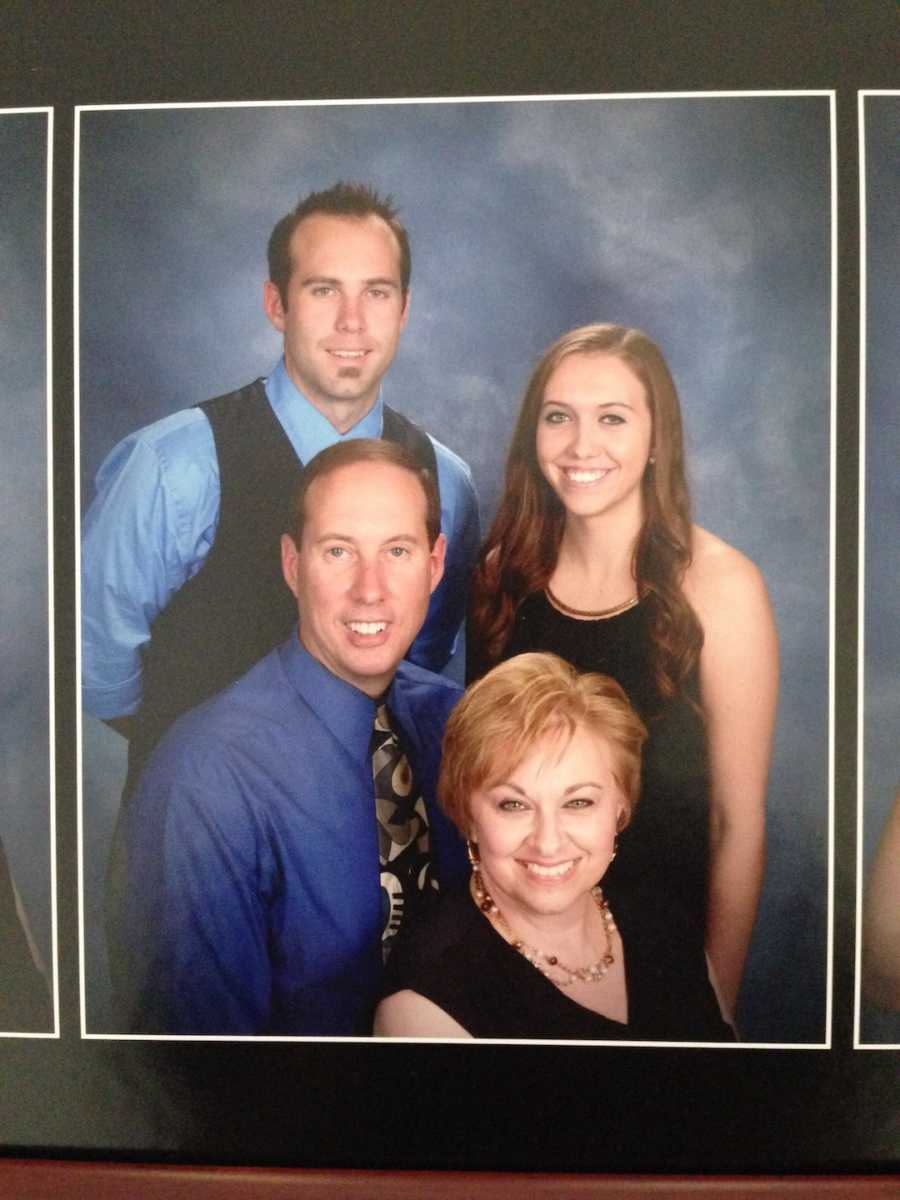
The surgery went smoothly. When I woke up, the first thing I asked was how the recipient was doing. Due to HIPAA laws, the doctors could only tell me that their surgery was successful and they were doing well. The following days were the hardest part of the journey—mentally and physically. Going from perfectly healthy to significant pain was difficult to accept, but I kept reminding myself that the recipient had gone from critically ill to renewed life.
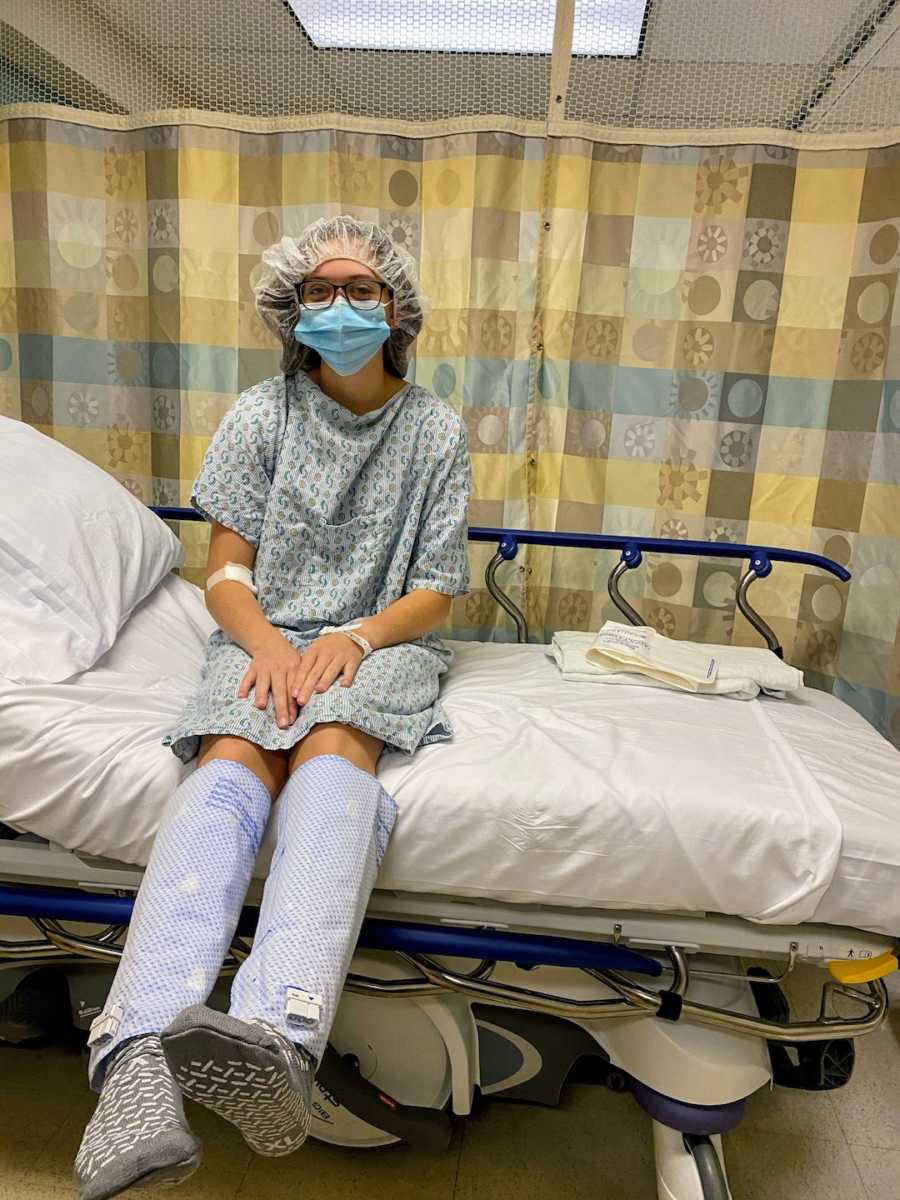
I was discharged four days later. Each day brought less pain, and by day ten, I no longer needed pain medication. Two weeks post-op, I had my first follow-up appointment and was told I was healing exceptionally well. I was cleared to drive, though restrictions remained. By two and a half weeks, I was walking miles on the treadmill. By seven weeks, I was jogging. I returned to working from home at five weeks and gradually resumed my routine.
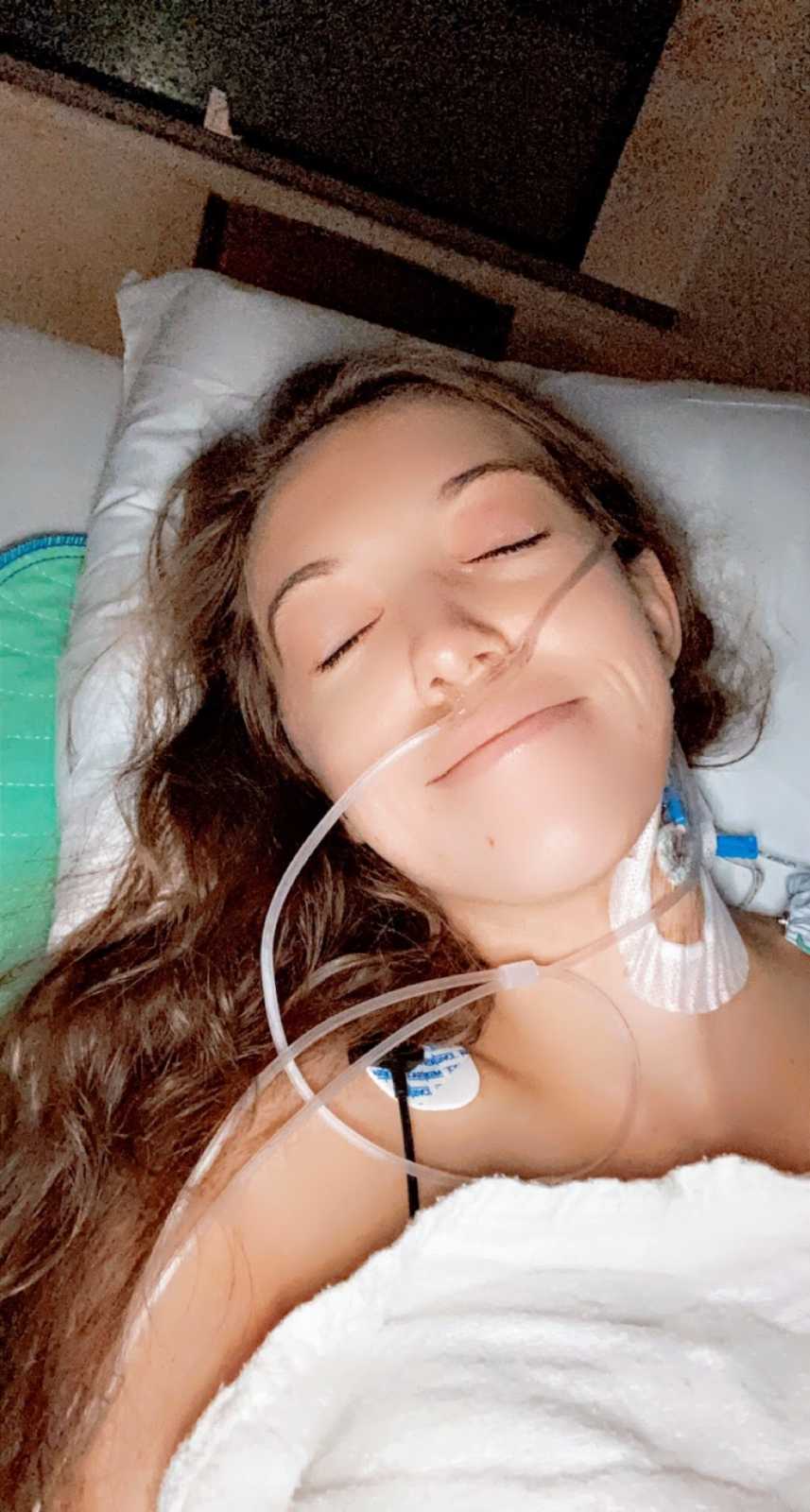
Three months after surgery, I returned for another follow-up, hopeful to be cleared completely. My surgeon showed me my CT scan—it was incredible to see how much my liver had already regenerated. I left that appointment smiling and restriction-free. I shared my experience on social media to raise awareness for living organ donation, the same way my friend’s post had inspired me months earlier.
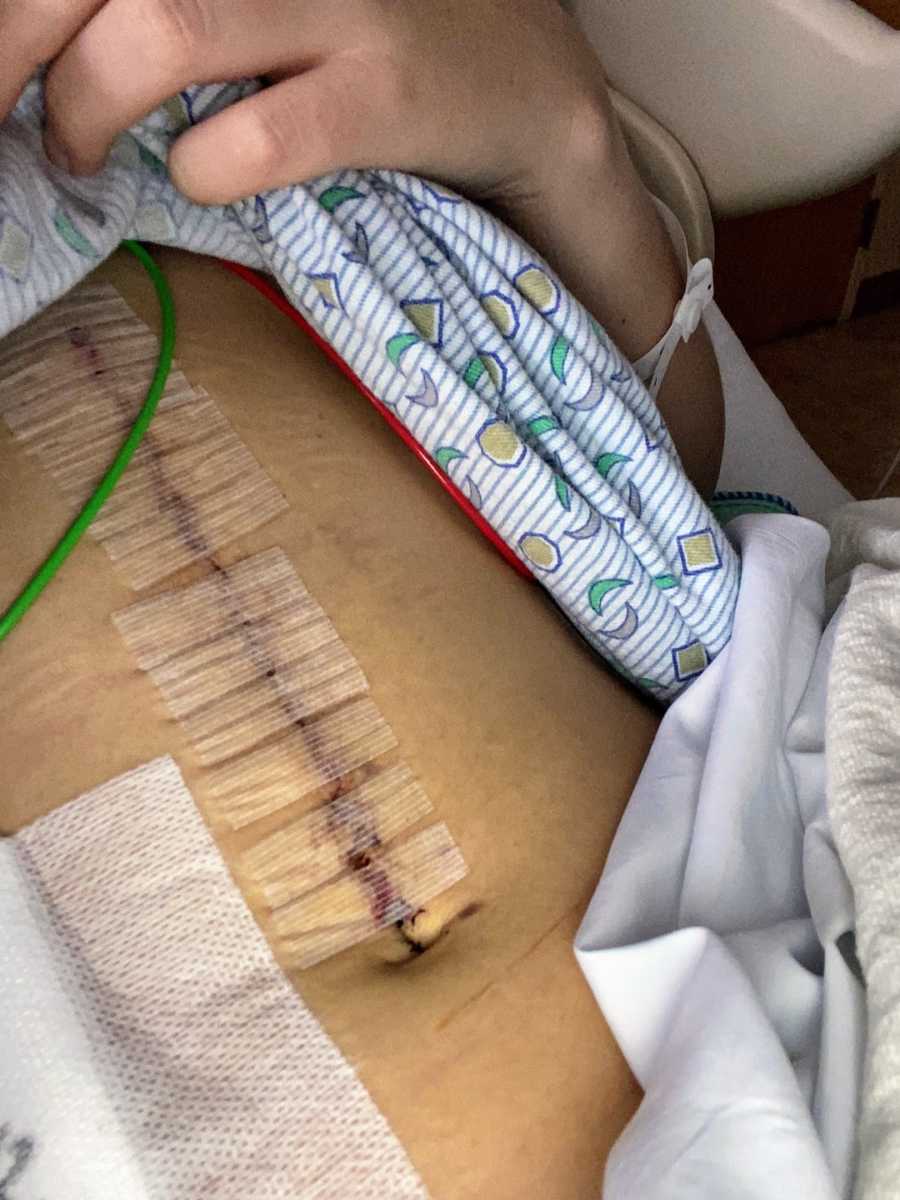
The response was overwhelming. People reached out wanting to learn more or share their own connections to donation. Yet, this never felt like just my story—it always felt unfinished. There was someone else at the center of it all, someone I hadn’t met. I often wondered if we had passed each other in hospital hallways or waiting rooms, and what they felt when they got the call that a match was found.
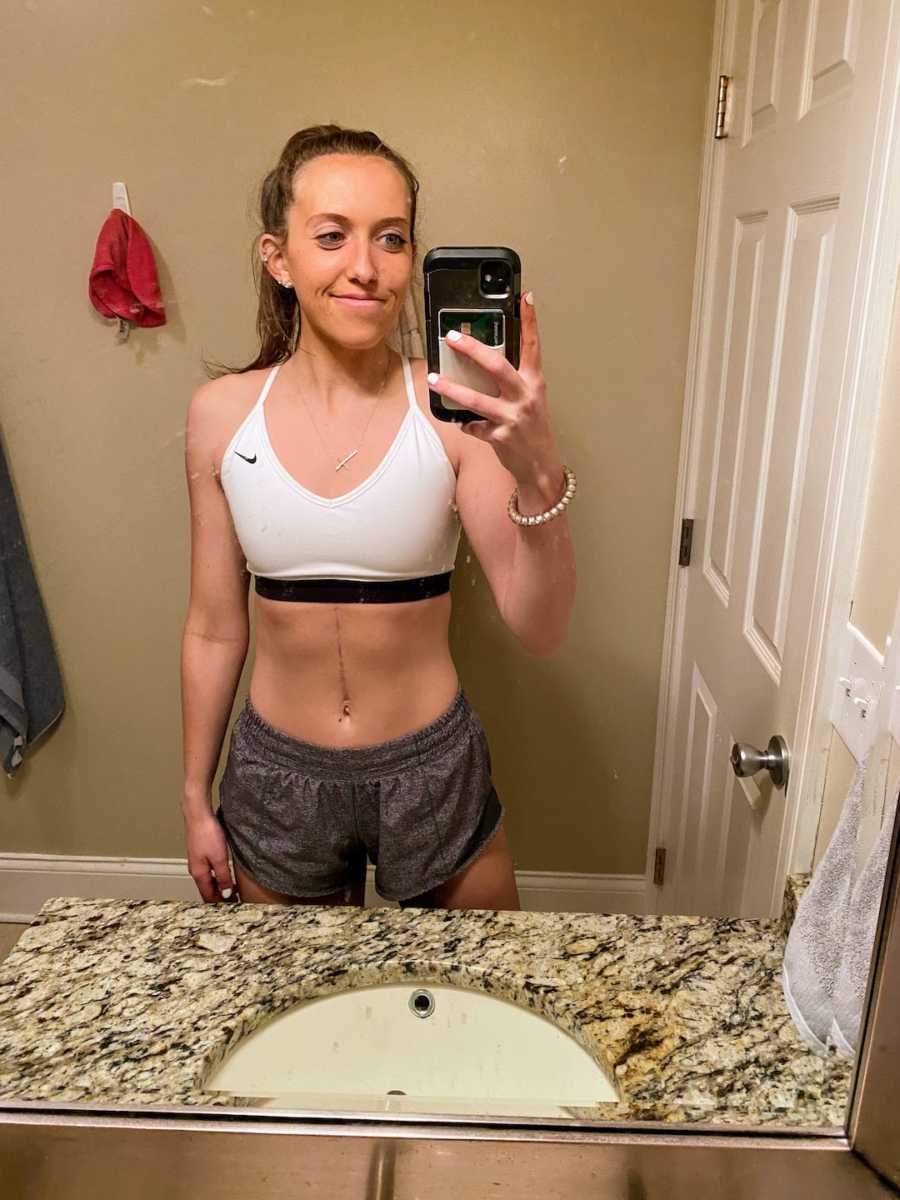
As a non-directed donor, anonymity is maintained unless both parties choose to connect. From the beginning, I said I was open to meeting my recipient. Four months after surgery, my coordinator called to tell me the recipient had requested my information. Though we haven’t connected yet, I’m eagerly waiting, hopeful to complete this story together.
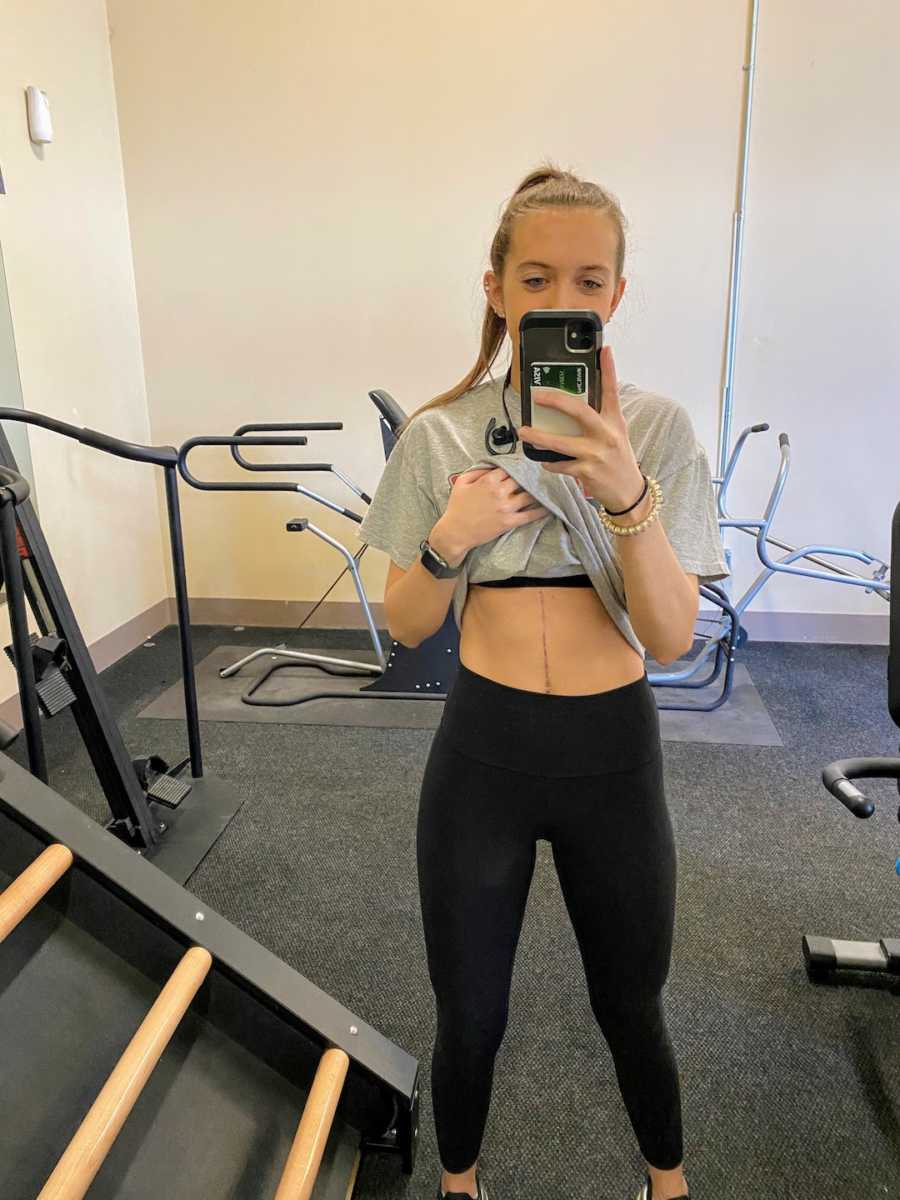
I would do it all again if I could. While I may have changed someone else’s life, this experience forever changed mine. It revealed my strength, deepened my faith, and gave new meaning to gratitude. When I look at my scar, I see more than surgery—I see purpose. This journey showed me that it doesn’t take a superhero to make a difference. Sometimes, it just takes a willing heart.