Who am I, really? Where do I belong in this family? Why was I given up for adoption? Those are impossibly heavy questions for a 9-year-old, yet I’ve carried them quietly since the day I discovered a photograph tucked away in a box in my bedroom closet. My birth date was written on the back, and I instantly recognized the handwriting as my birth mother’s. The photo had been hidden rather than placed in our family albums alongside the rest of my baby pictures — and I couldn’t stop wondering why. I had always known I was adopted, but I was terrified to tell my parents how desperately I longed to understand the people and story I came from. Would I hurt them by admitting how much I wanted to know?
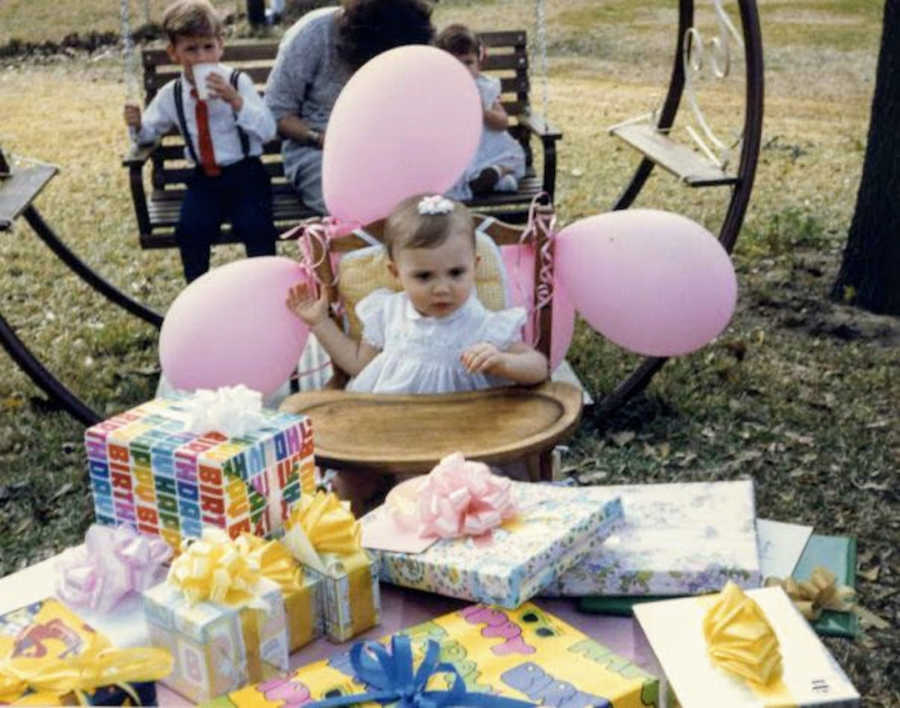
Because adoption rarely came up in everyday conversation, I found my own secret way to cope. Under my bed, inside a shoebox, I built an imaginary family from magazine clippings and scraps of paper. I created the brothers, sisters, and relatives I thought I might have. The only piece I could never quite find was her — the woman who carried me. No picture ever seemed right. Alone in my room, I let the questions spill out: What does she look like? Does she laugh like I do? Does she think about me? And the one that scared me most — did she love me?
When I was 14, I stumbled onto another box — this time filled with letters addressed to me that I had never seen, legal forms covered with blacked-out names, and photographs of a face I didn’t remember, yet somehow knew: my birth mother. I read the letters over and over until I nearly memorized them, tracing every word in hopes of piecing together my story. I was stunned to realize my parents had known my birth family and exchanged messages with them. Why hadn’t they shared this with me?
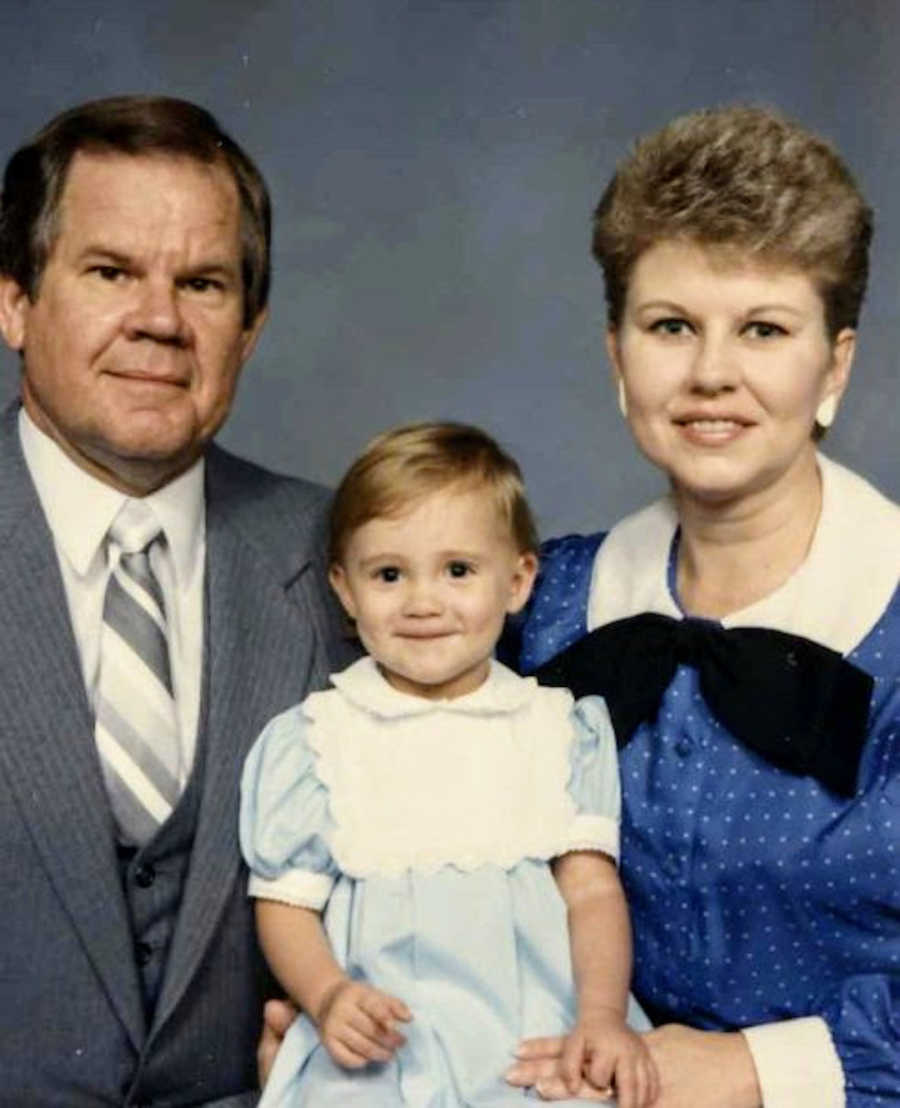
Among the paperwork, a single document still held my birth mother’s name. That small detail changed everything. Years later, as a college junior living four and a half hours from home, I finally found her online — and, incredibly, she lived less than an hour from my campus. Shaking with equal parts terror and excitement, I wrote her a letter asking if she wanted to meet while giving her room to say no. When her reply finally came, my heart nearly stopped: she wanted to see me.
We met halfway at a Chili’s. The moment I spotted her across the parking lot, I knew. We were unmistakably related. Reconnecting physically, however, was only the beginning. We had to learn how to build something real out of two decades of distance. Relationships take time, patience, and effort — especially a mother-daughter relationship that never had a chance to grow.
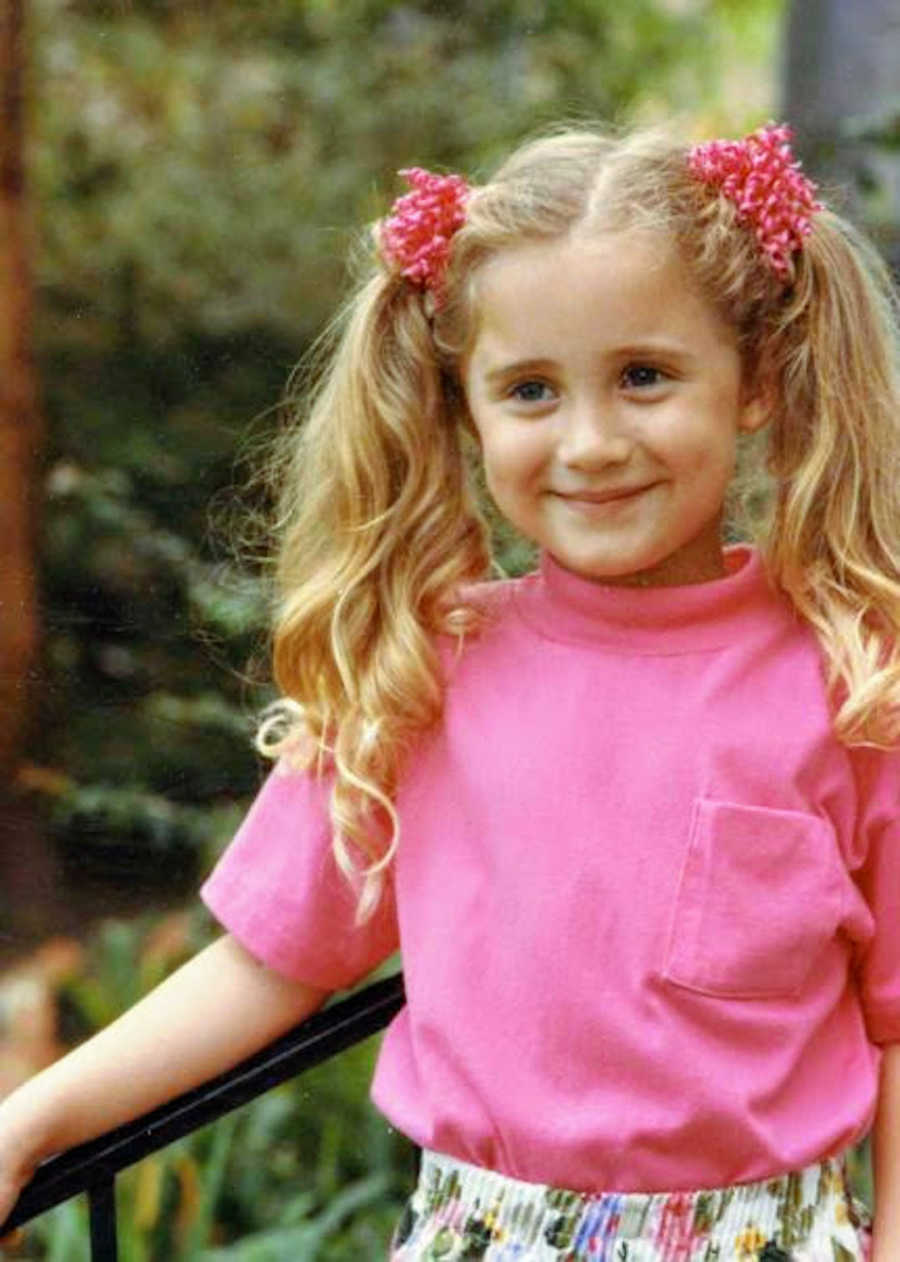
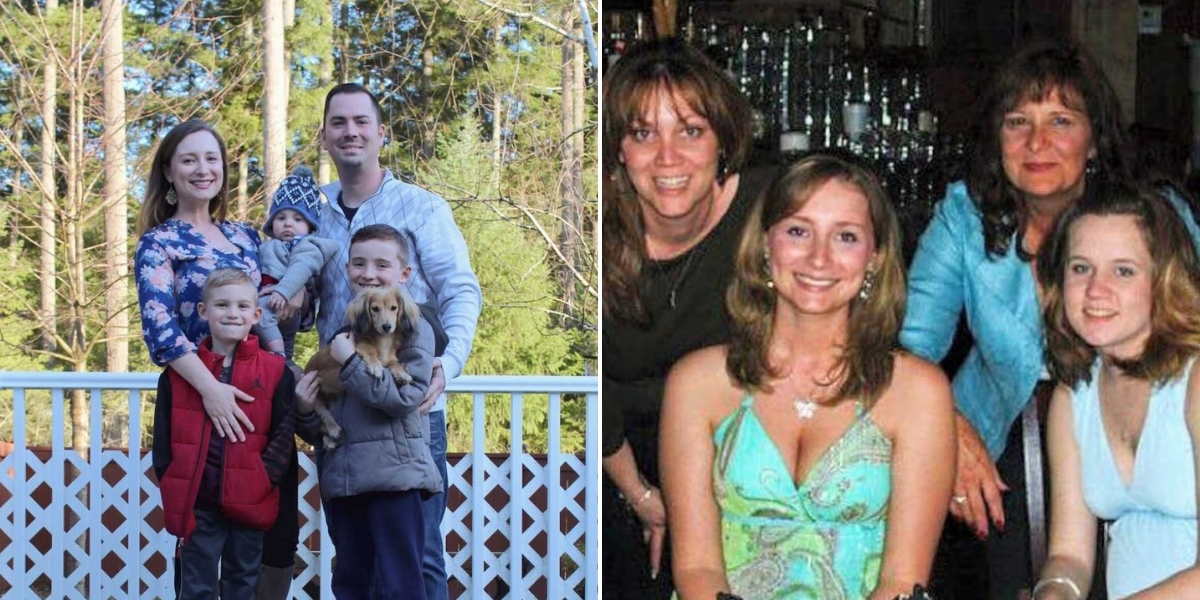
Over the years that followed, I slowly got to know her and the rest of my birth family while also figuring out who I was becoming. I realized there were two versions of me: the dependable young woman my adoptive parents raised, and the fragile little girl who had lost everything the day she was born. Those two selves needed to meet and make peace.
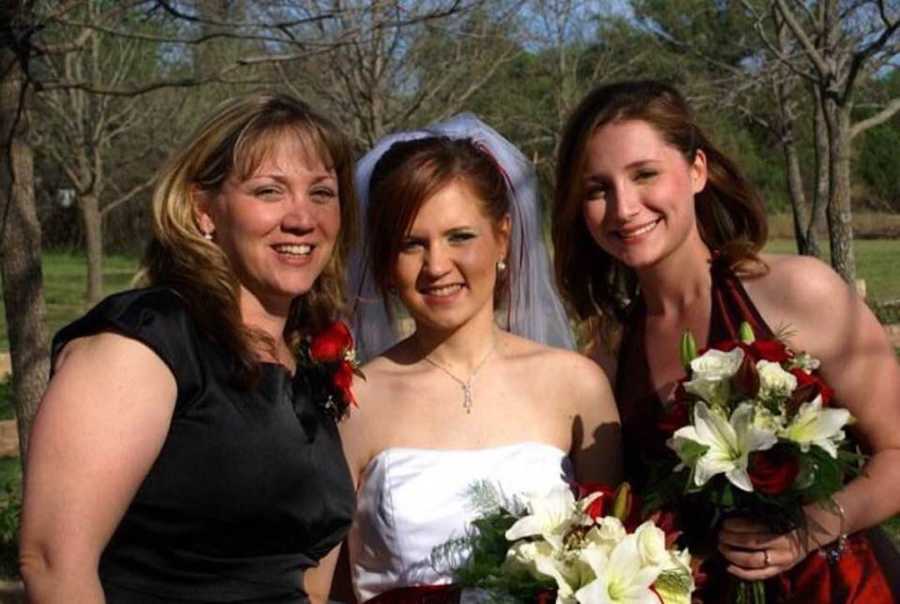
Therapy helped heal what I hadn’t had words for. I learned adoptees often carry deep grief and deserve space to process it. I had to mourn the person I might have been, and the childhood I didn’t get to experience with my birth parents and siblings. For so long, I believed I wasn’t allowed to feel that loss — or that acknowledging it betrayed the parents who loved me. Slowly, I began to see that silence around my adoption wasn’t meant to hurt me; it was meant to protect me. What I had interpreted as betrayal was, in reality, love lost in translation. I came to understand that both families — birth and adoptive — are part of me, and I need both relationships.
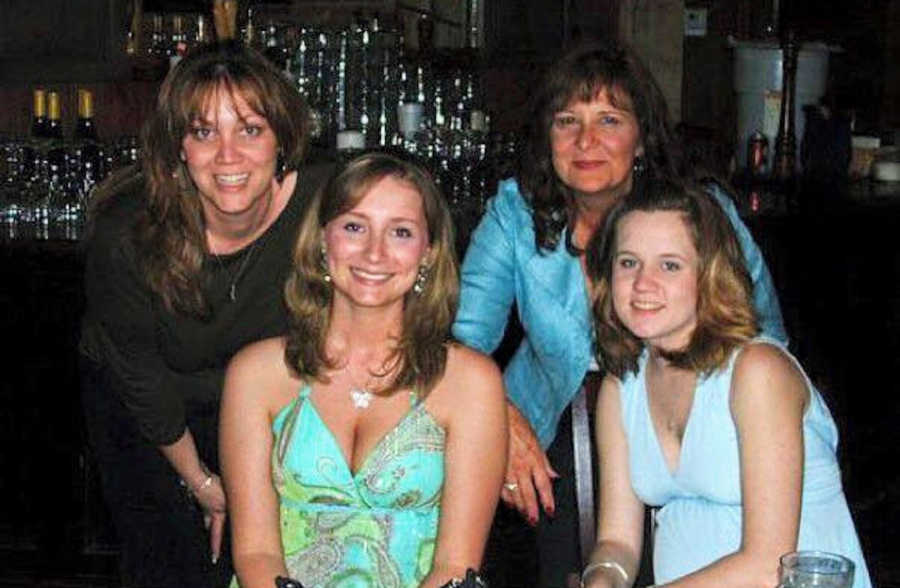
Eventually, healing nudged me toward helping others. In 2019, my husband and I became licensed foster parents. Not long after, we received the call we’d been waiting for: a newborn needed placement. Without hesitation, I said yes. The next morning, I walked into the hospital nursery and cradled a tiny baby boy in my arms for the first time. As I rocked him, an unexpected ache settled over me — I thought of his mother. I prayed he would never grow up wondering about her face, her voice, or her love the way I once had.
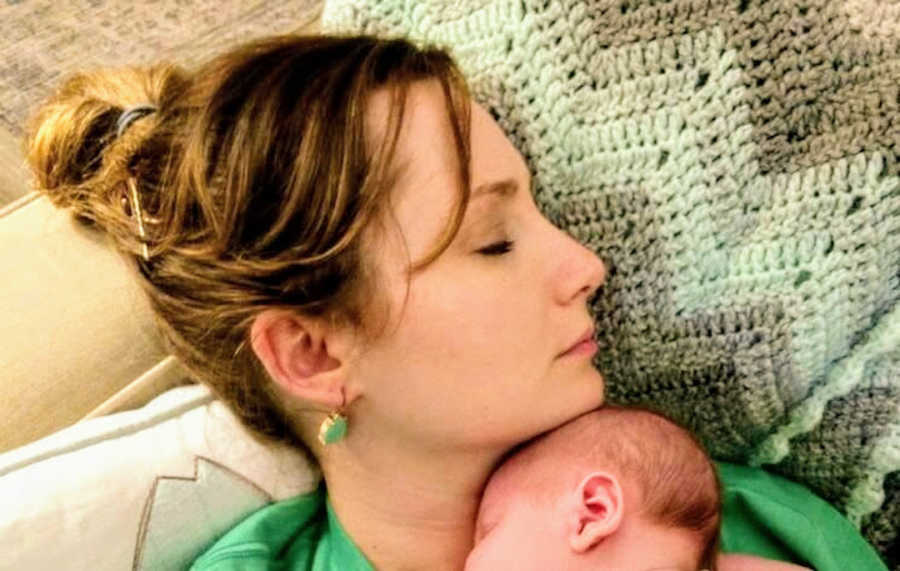
I met his birth mother soon afterward in a stark waiting room. Her expression softened the instant she saw him, and I could feel how deeply she loved her son. I promised myself — and silently promised her — that I would not keep secrets. For as long as he was with us, he would know who she was.
At first, my attempts to stay connected went unanswered. Still, during the pandemic, online visits opened a fragile doorway. Four mornings a week, she glimpsed our life, and I glimpsed hers. I watched her heart slowly open, even as circumstances kept her from parenting in the way she desperately wanted. Two years later, when the social worker told me parental rights had been terminated, I gasped. Relief and heartbreak crashed over me at once. Adoption had shaped my life — and now it would shape my son’s, too.
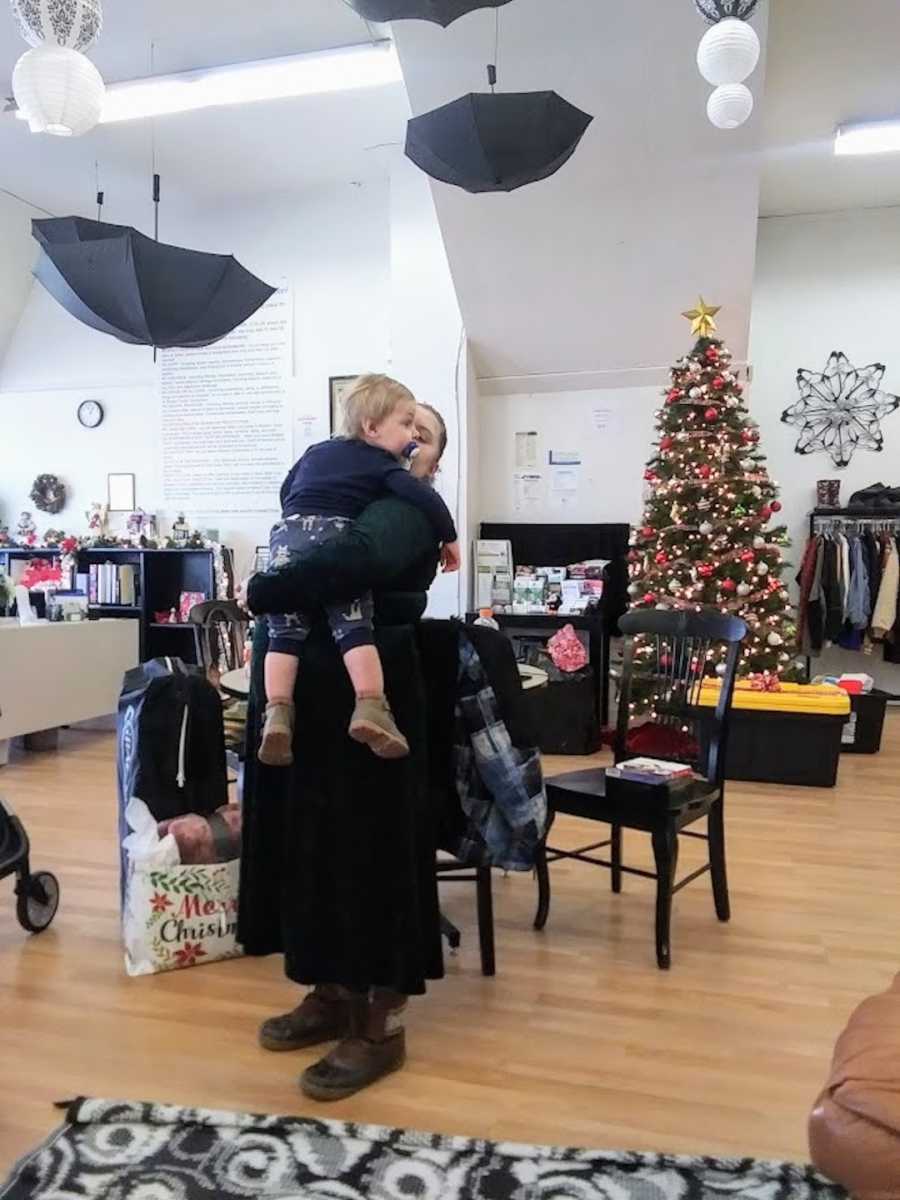
Today, we honor the promise I made. We maintain open communication, and she remains present in meaningful ways: video calls, birthdays, doctor visits, shared holidays, and memories that belong to all of us. Some moments still stir complicated emotions — jealousy, gratitude, sadness, joy — all wrapped together. But my son will never wonder who his mother is. He knows.
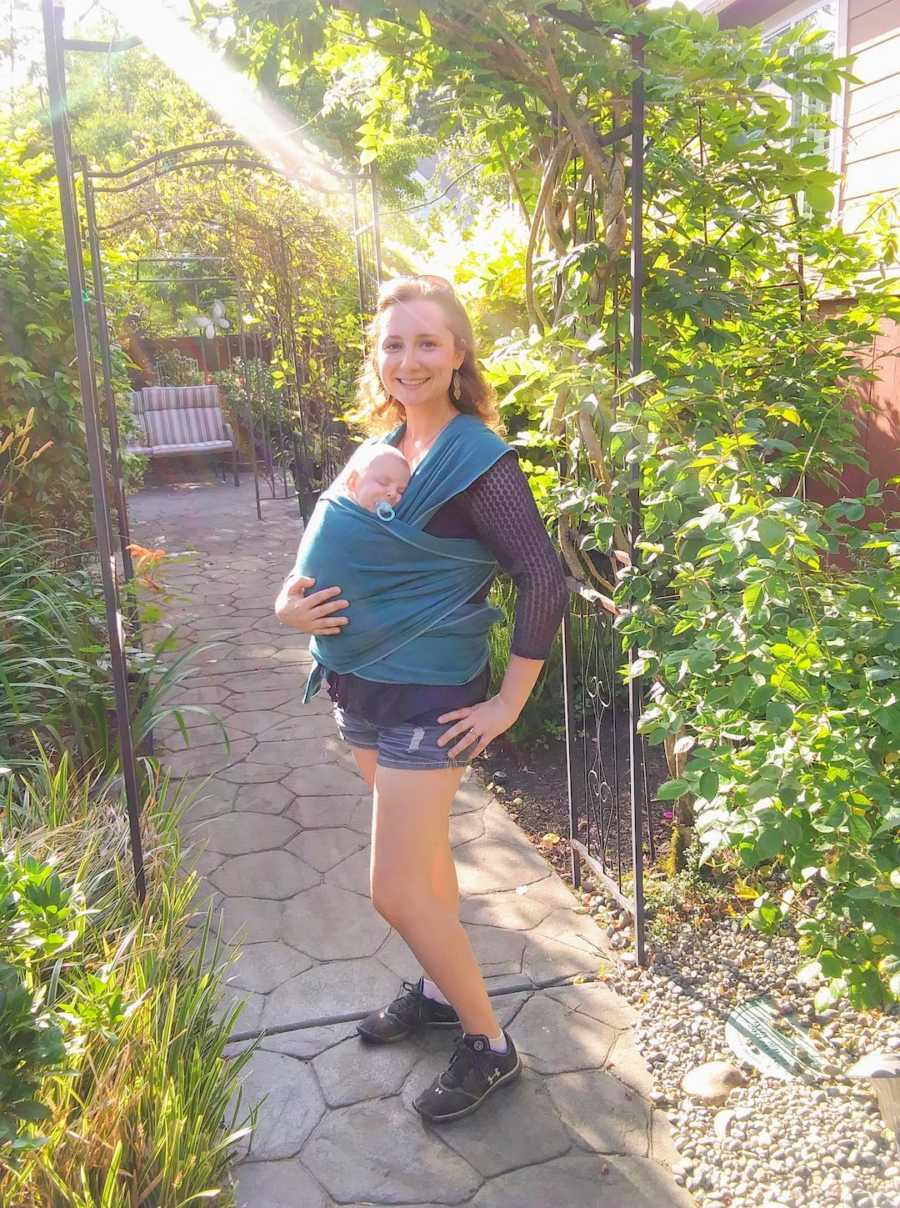
Through both experiences — finding my birth family and loving my son’s mom — I’ve learned that adoption is messy, raw, and sometimes painfully complicated. But when it’s safe, it doesn’t always have to close one circle in order to draw another. Instead, it can widen the circles and stretch our understanding of family.
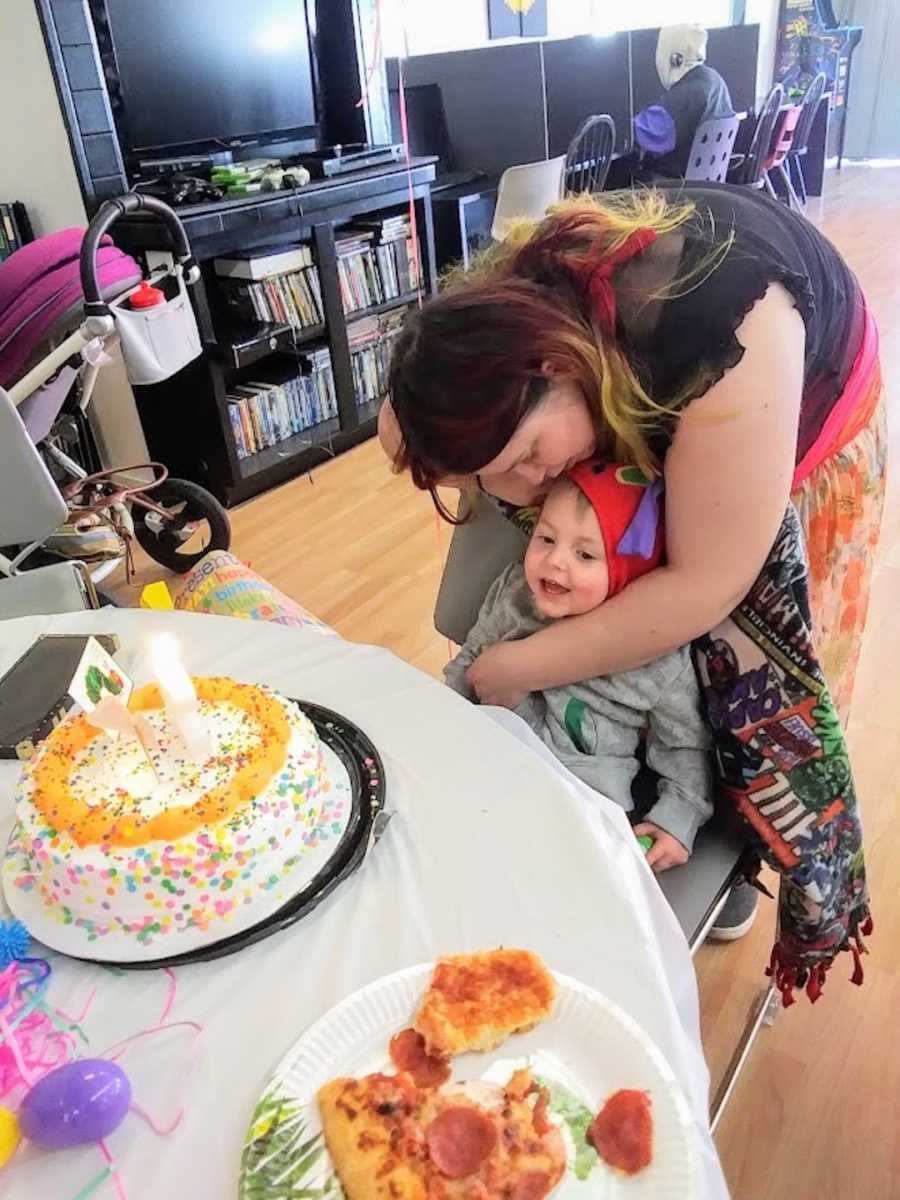
Being my son’s mom alongside his mom is humbling and holy ground. It isn’t me versus her. It’s me with her — for him. And in the space between us, where love stretches beyond fear, I believe God gently reminds us there is more than enough grace to go around.