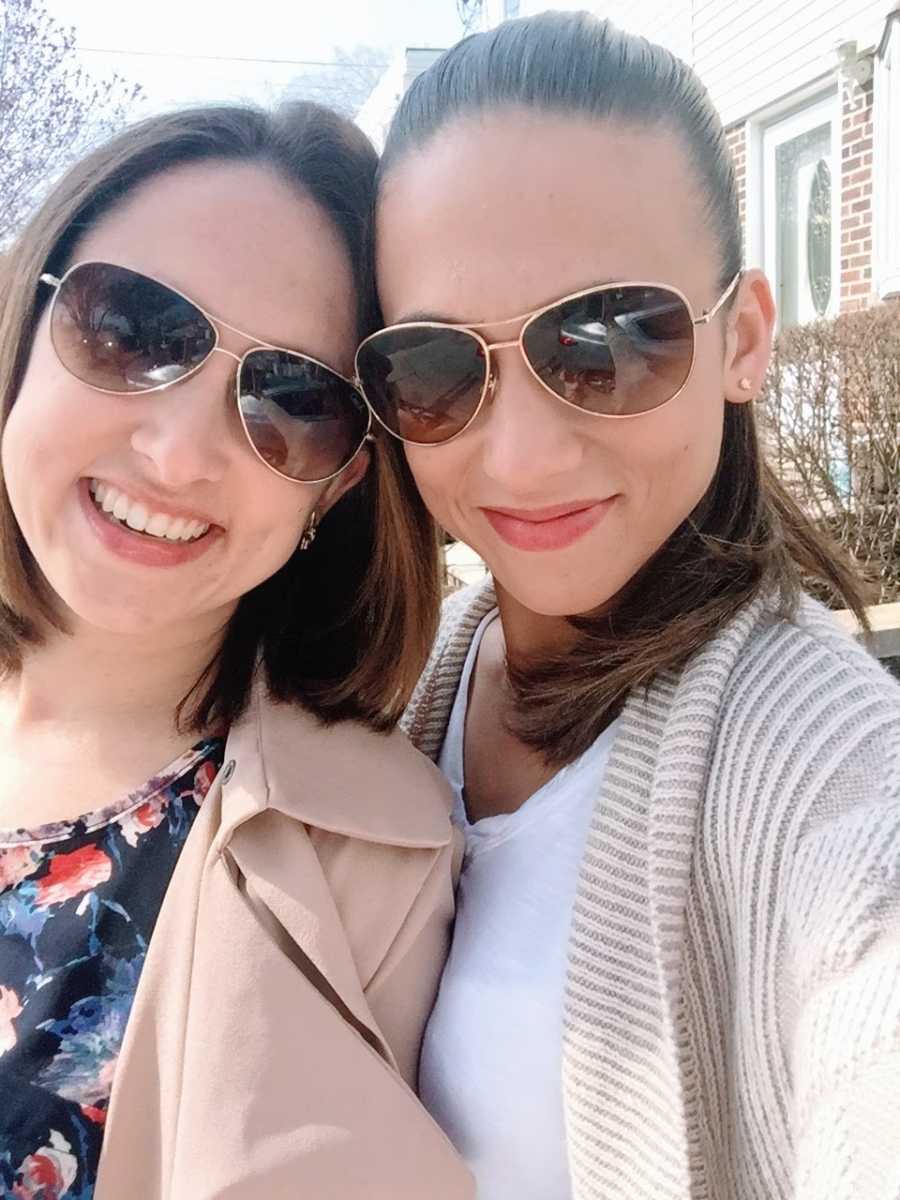
In October of 2019, my sister Alex received life-altering news: she was diagnosed with breast cancer. She was just 34 years old and eighteen weeks pregnant. This pregnancy was especially precious—Alex had suffered two previous miscarriages, making every heartbeat feel like a miracle. She had always dreamed of becoming a mother, and entering the second trimester brought a sense of relief and joy she had been longing for. For a few fleeting weeks, she allowed herself to breathe, to believe that everything was finally falling into place. That peace, however, would soon be shattered.
At eight weeks pregnant, Alex noticed a rash on her left breast. She assumed it was nothing more than irritation from a bra in the summer heat. Her OBGYN examined her and reassured her there was no cause for concern—no lumps, no irregularities. But by week fifteen, she noticed something alarming: dimpling near the rash, an appearance she likened to the texture of an orange peel. When she Googled “dimpling of breast,” cancer appeared on almost every page. The next day, she went to urgent care and was prescribed antibiotics for what they thought was a clogged milk duct causing an infection. A follow-up with her OBGYN led to a referral to a breast surgeon.
During her first visit with the breast surgeon, no lumps or swelling were found. Alex was instructed to finish her antibiotics and return in a week. When she came back, she requested imaging before a skin biopsy. It was during the ultrasound, at seventeen weeks, that a mass and a swollen lymph node were discovered. The surgeon tried to reassure her, saying it didn’t look like cancer, but Alex’s gut told her otherwise. That Wednesday marked the beginning of an agonizing wait for results.
Over the weekend, her boyfriend Jeff tried to distract her by shopping for maternity clothes. But on Monday, while walking her dog, Alex received the call that would change everything. The skin biopsy came back negative—but the mass had tested positive. “It is a small cancer,” the doctor said. Alone, pregnant, and in shock, Alex walked home, her mind spinning. That moment—the sheer terror of hearing “It’s cancer”—was a heartbreak none of us will ever forget. I had to tell our parents, and seeing the anguish in their faces was unbearable. Sharing the news with the rest of our family and friends felt surreal, almost impossible. Is this really happening? I still sometimes ask myself the same question.
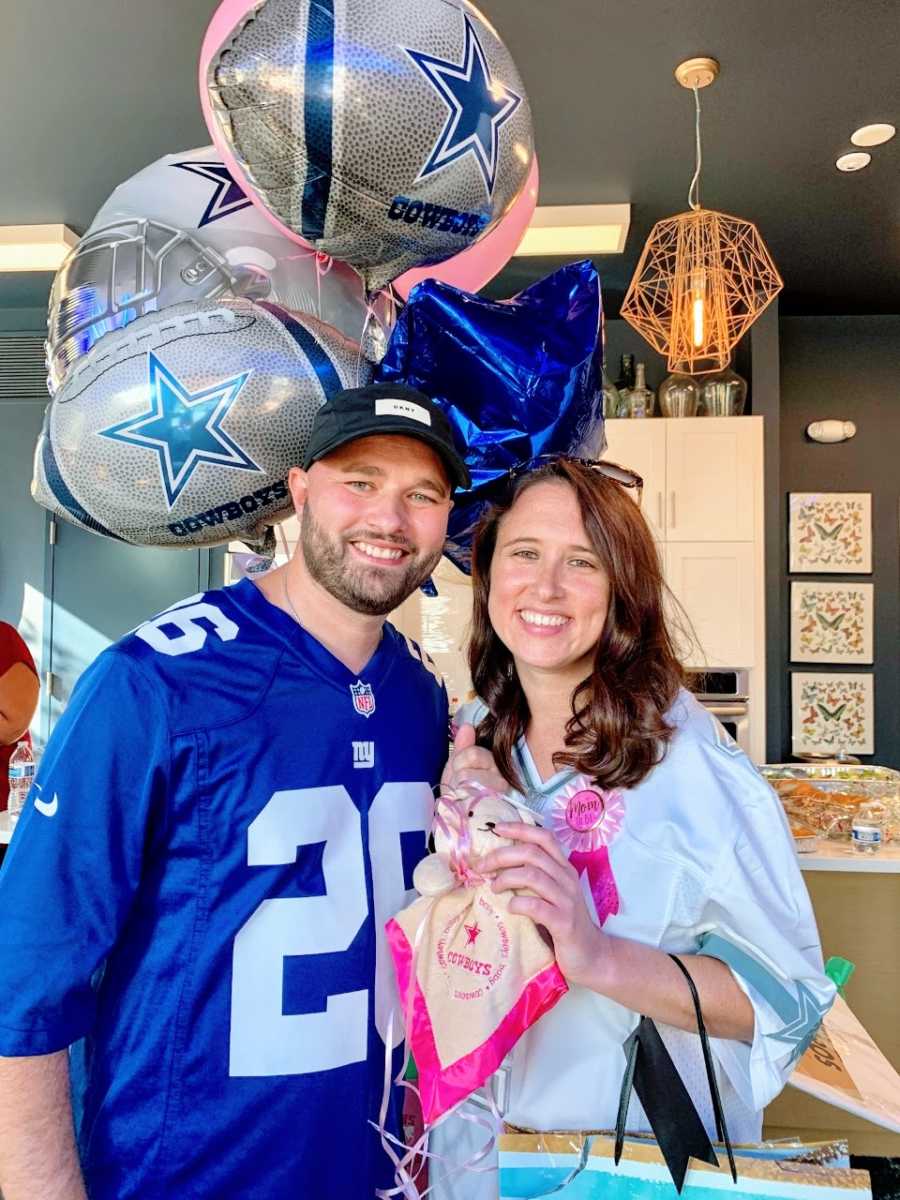
Initially, Alex was told it was Stage 1, but further testing was needed. The lymph node biopsy had missed its mark, and she would undergo four more skin biopsies to rule out Inflammatory Breast Cancer due to the dimpling. Jeff and I spent the entire day with her as she went through five more biopsies, a mammogram, liver ultrasound, and chest X-ray. Despite the chaos, Alex still thought of her baby first. That evening, she ate two slices of pizza, pointing to her belly and saying, “I need to make sure she is okay.” Her focus on life, even in the face of terror, was unwavering.
From the moment of diagnosis, Alex’s priority was always her baby. At doctor appointments, her first question was always, “What about the baby?” She even asked if treatment could be delayed until after birth, but the doctors explained that was not an option. Cancer, she realized, was relentless—a full-time job of fear, procedures, and uncertainty.
One day, I got a text from her saying, “Alex’s breast surgeon called—get to the hospital immediately.” I rushed over and found Alex in tears, terrified it was Inflammatory Breast Cancer. That day, she had 21 markers placed inside her while awake, and she even felt the baby move during one of the procedures. A few days later, she met her oncologist. Sitting in the oncology suite, Alex was the youngest patient, pregnant, and everyone stared. But then came a small miracle: all skin biopsies were negative, and the rash was due to psoriasis, unrelated to cancer. Alex believed her pregnancy had revealed the tumor in time, saving her life. We all believe it too.
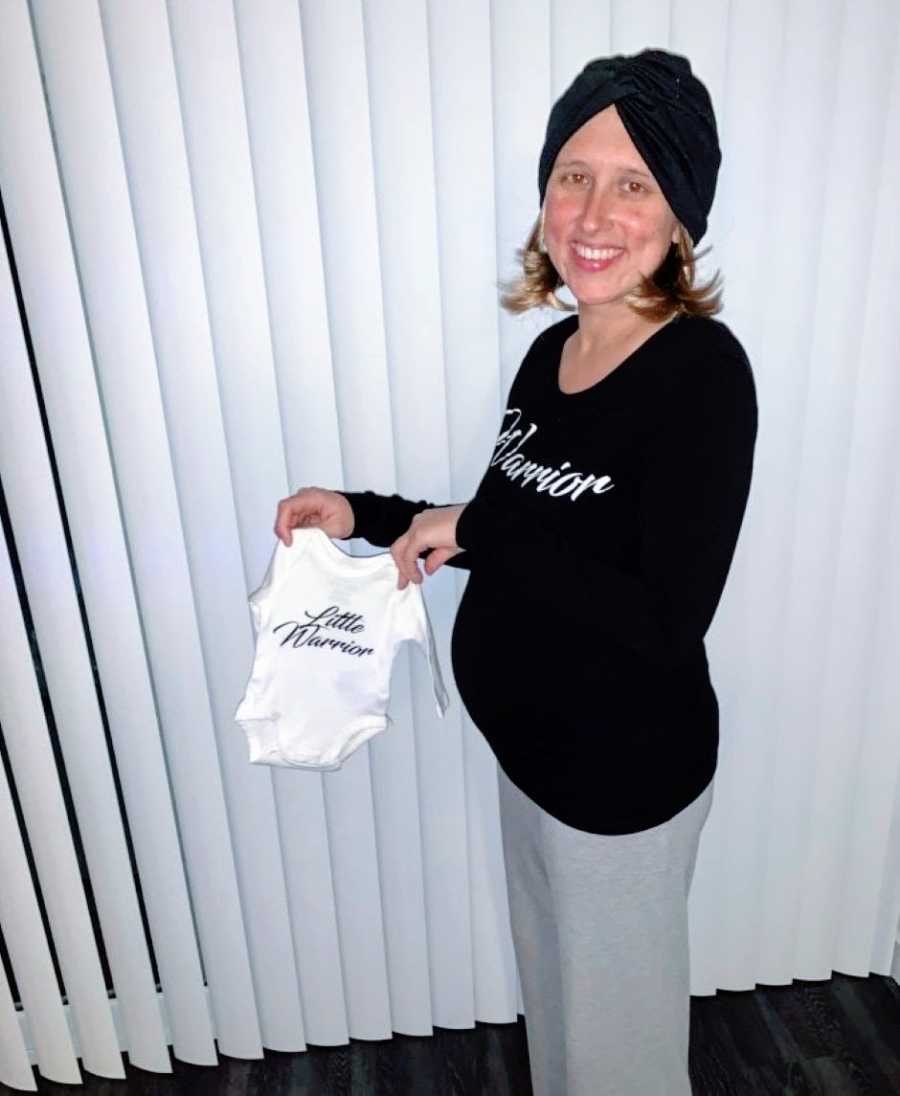
Alex’s tumor was triple-positive, meaning it had estrogen, progesterone, and HER2 receptors. The lymph node was initially negative, giving her hope, but later pathology confirmed a small trace of cancer there, classifying her as Stage 2 Invasive Ductal Carcinoma. Her doctors recommended an aggressive treatment plan while carefully protecting her baby. Alex’s words during her chemo consult said it all: “You can take my hair, you can take my boobs, I just want to live. I love my life.” Those words will stay with me forever.
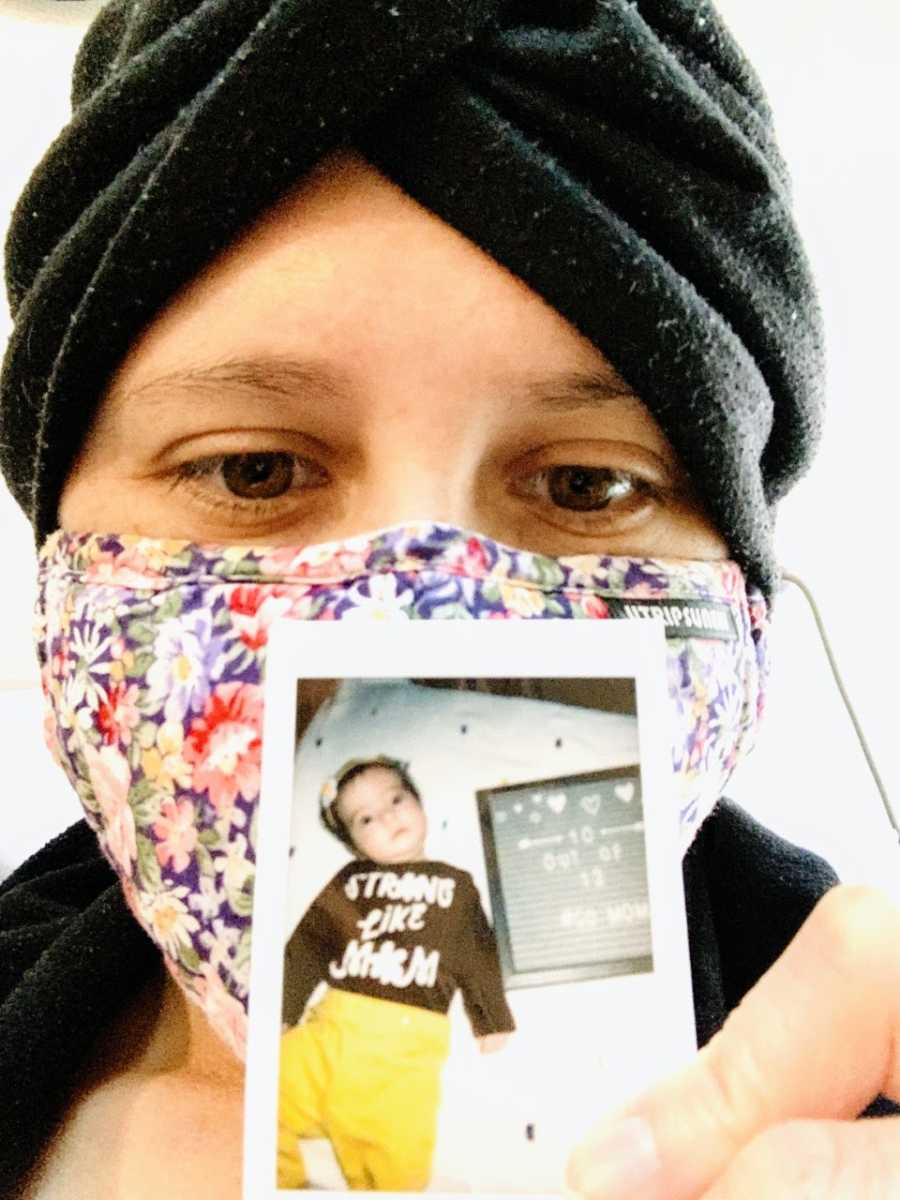
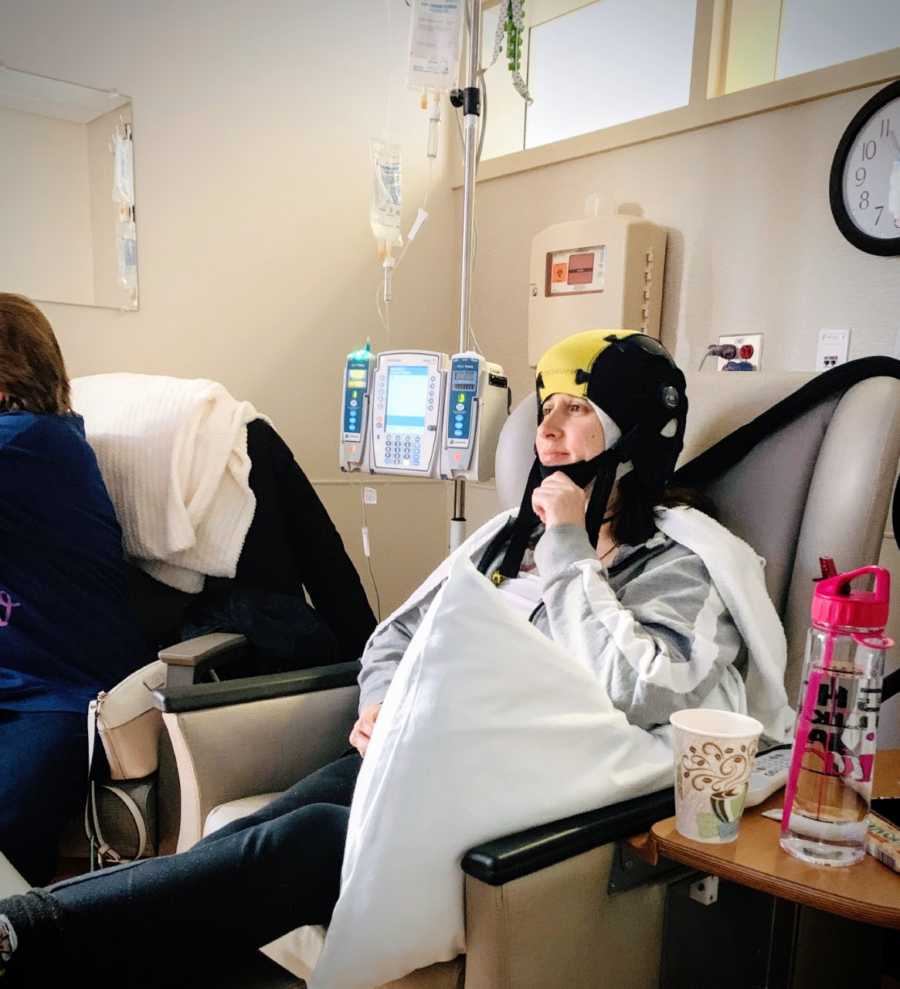
Chemo began just three weeks after diagnosis. Alex faced one of the strongest chemotherapy drugs, Adriamycin and Cyclophosphamide—nicknamed “red devil.” We packed a chemo bag with comfort items, and Alex cried, saying, “I should be opening baby gifts, not cancer gifts.” She endured hair loss, freezing caps, and hours in the infusion chair with resilience I could barely comprehend. She braved the process for her identity, for her sense of self, and for her baby.
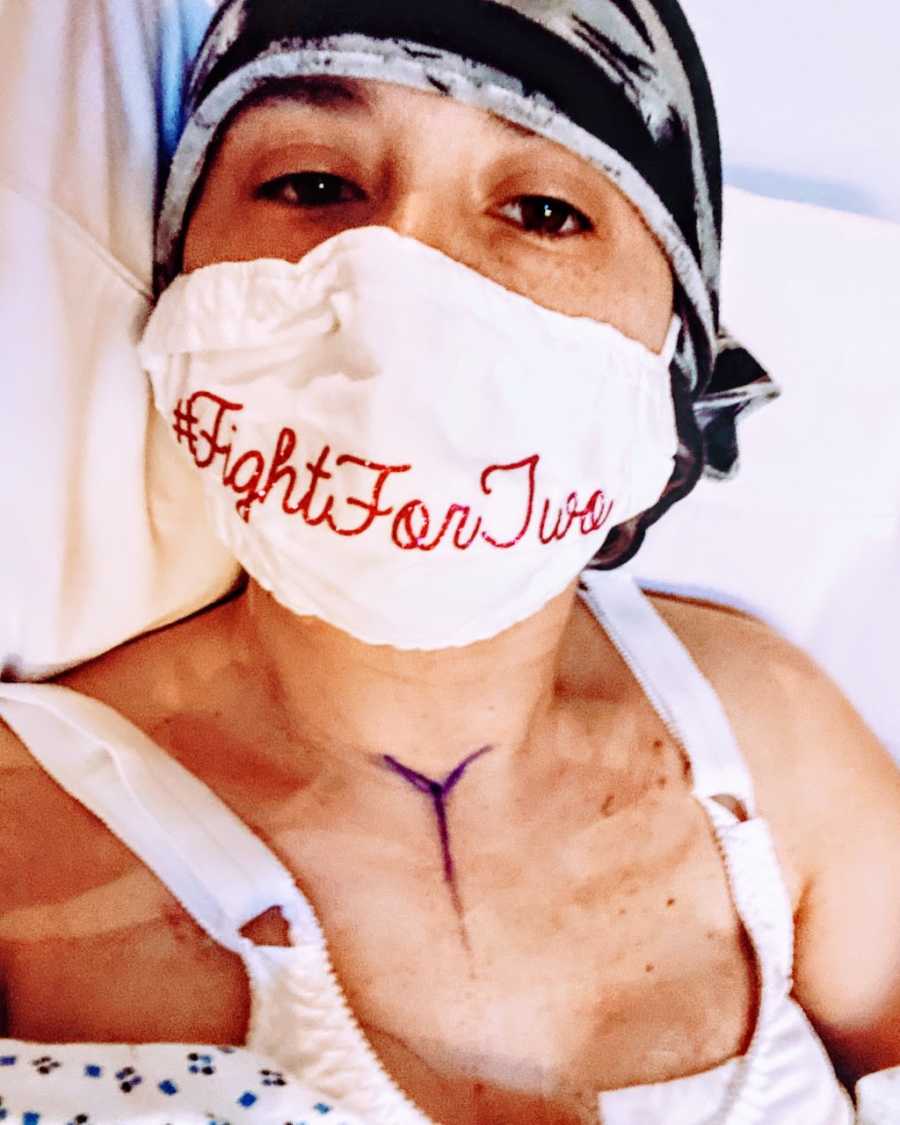
Throughout treatment, Alex clutched her belly before every round, silently pleading with Daniella to hold on. The doctors decided Daniella would be delivered four weeks early to avoid exposure to certain chemo drugs. Born at thirty-six weeks and four days, weighing just four pounds, Daniella was tiny but fierce. Eleven days in the NICU prepared her for the world, and Alex resumed weekly chemotherapy three weeks after her birth.
The pandemic added another layer of fear. Alex drove herself to treatments, saw family only through glass doors, and lived with the constant anxiety of Covid exposure. One night, she texted me detailed instructions for Daniella’s care, gifts for birthdays through eighteen years, and passwords—all in case something happened to her. Her foresight and love were unimaginable.
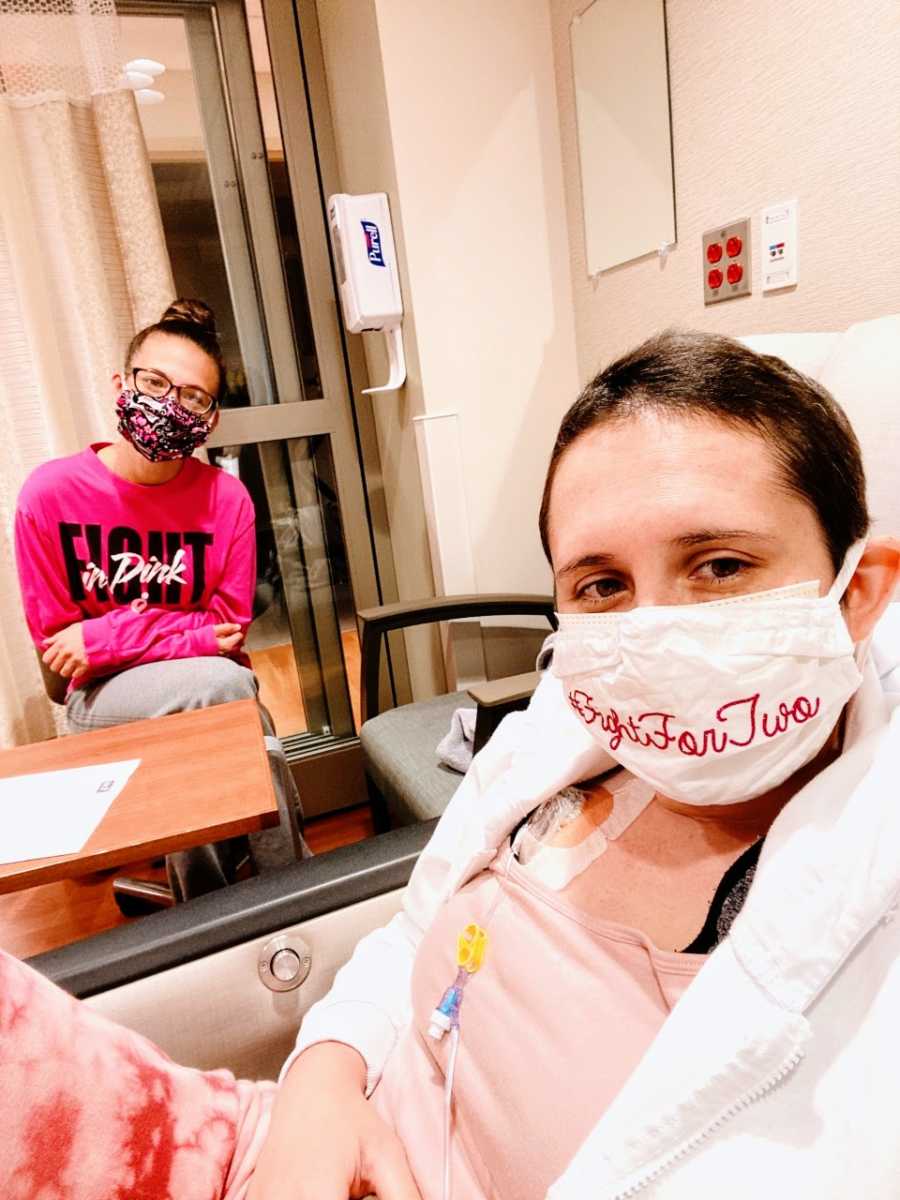
After sixteen rounds of chemo, scans showed no evidence of cancer. She faced surgery decisions, ultimately choosing a double mastectomy after setbacks. Surgery, twenty-eight rounds of radiation, sixteen rounds of immunotherapy, and ongoing hormone therapy followed—each step a testament to her determination. Doctors say her treatment gives her a 30+ year survival chance. Alex smiles every day, saying, “I’ll take those 30 years!”
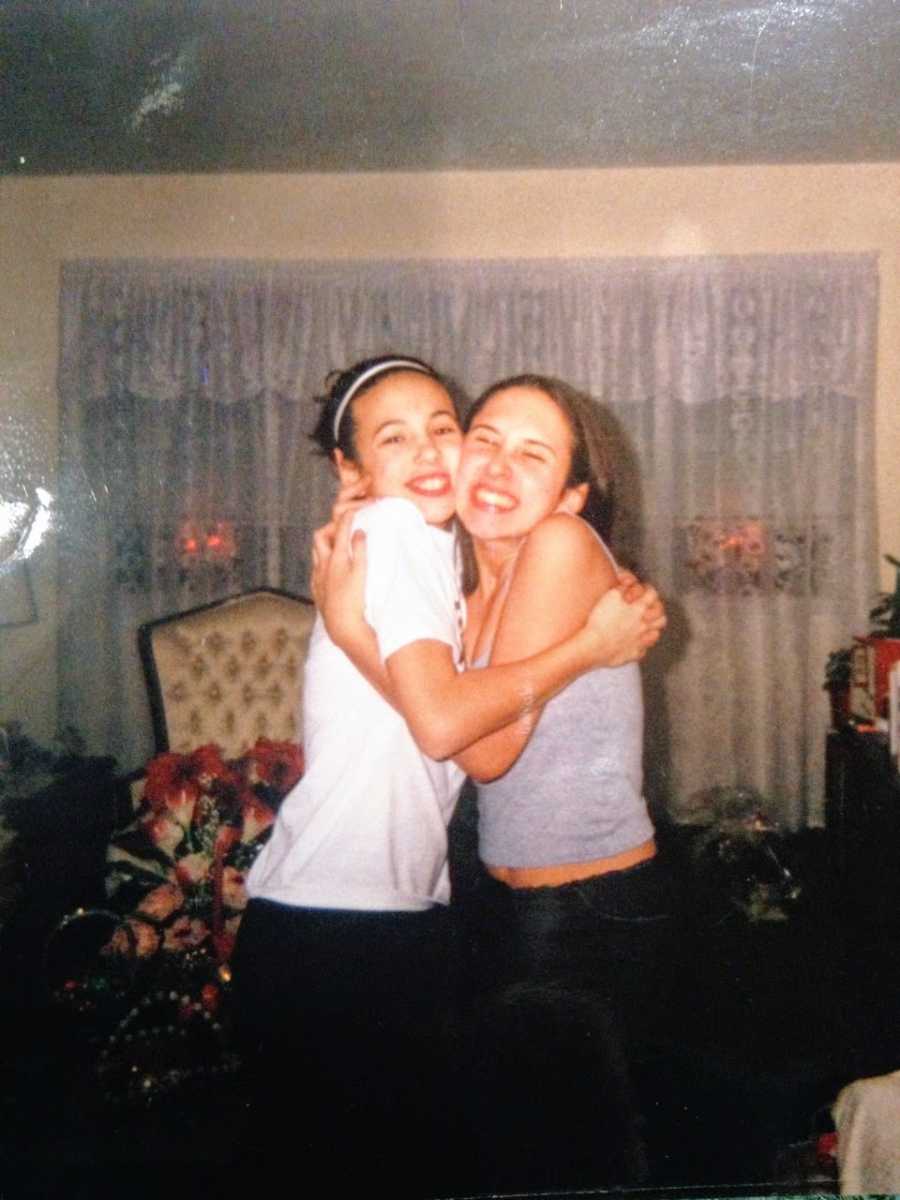
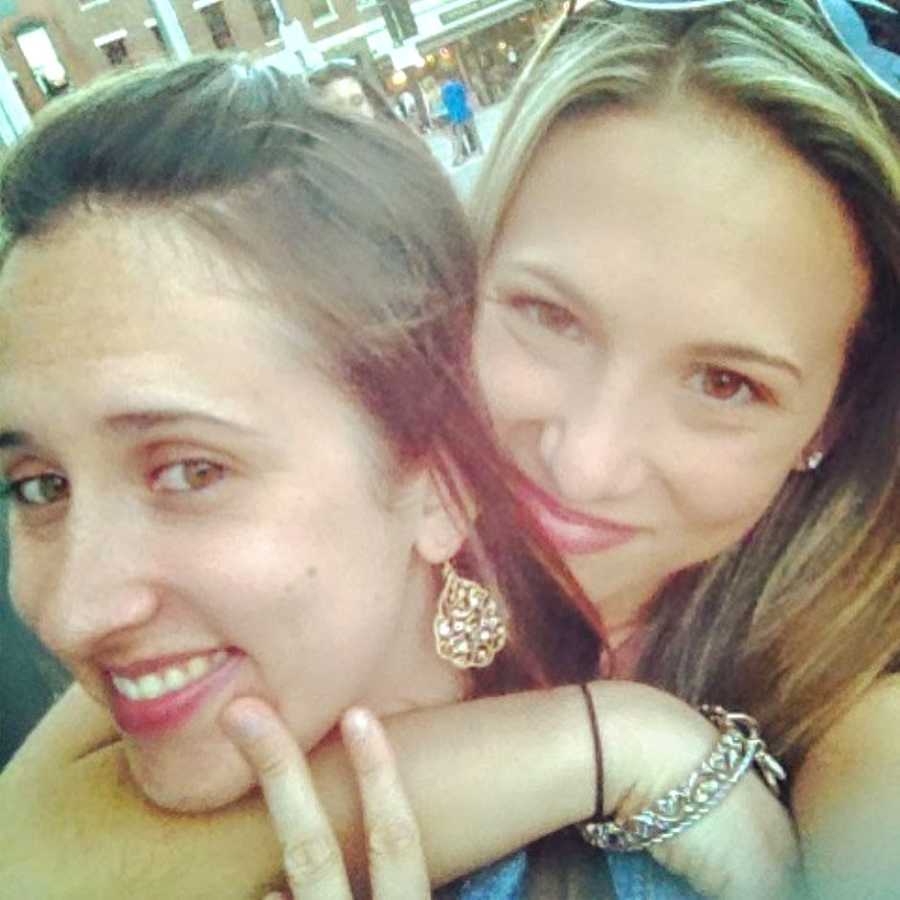
Cancer changed her body, but never her spirit. She wakes every morning reminded of what she has endured, yet finds joy in simple things—a cheeseburger, a laugh, a sunny day. Her fight continues, but her will to live has never wavered. Daniella, now thriving and recently turned one, is the source of her strength. Cancer, though unimaginable, brought a gift: precious time together.
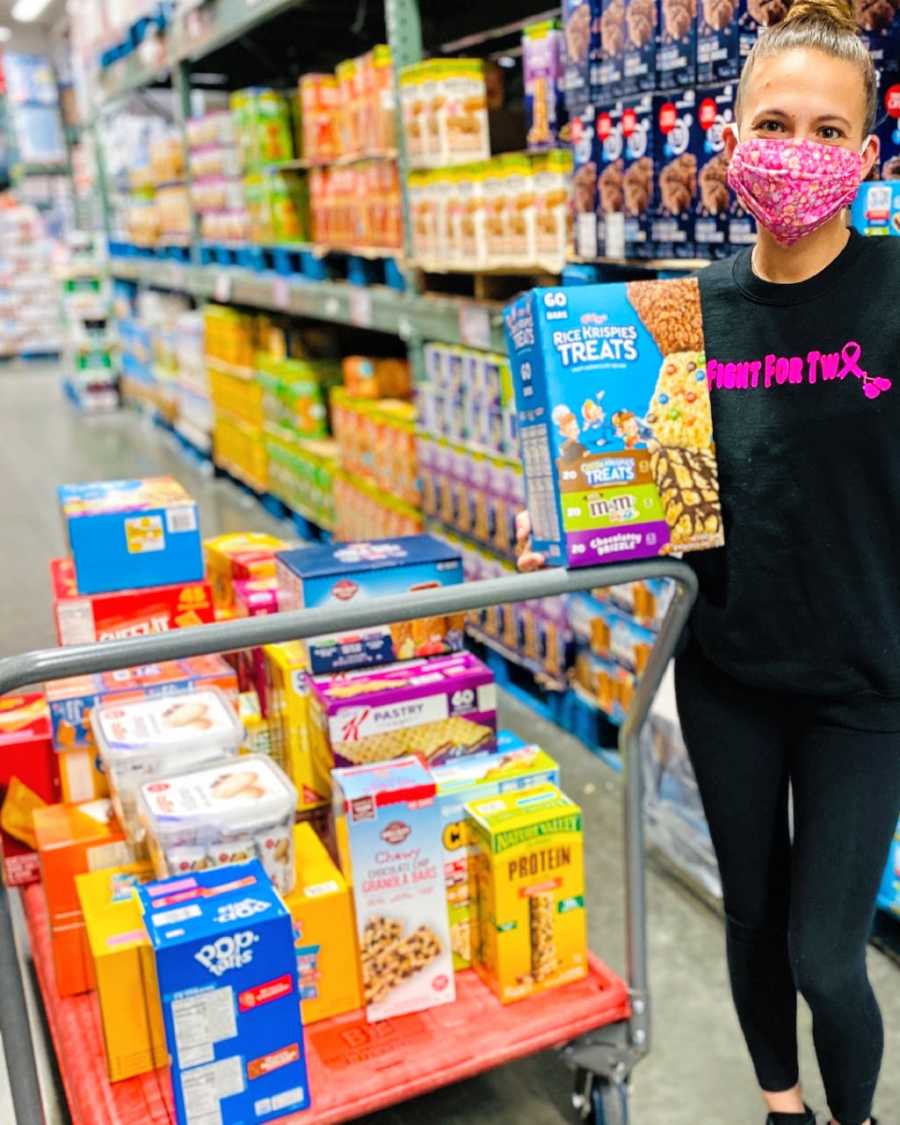
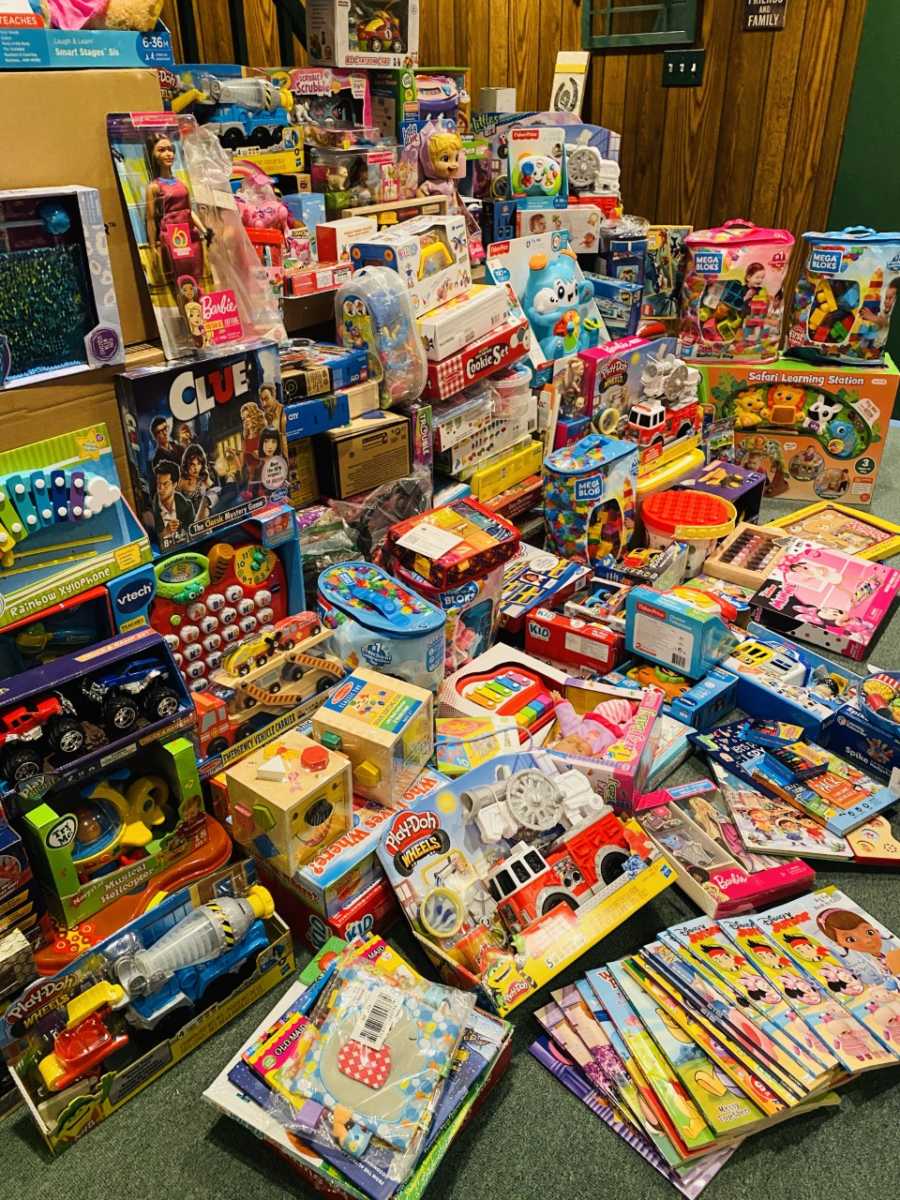
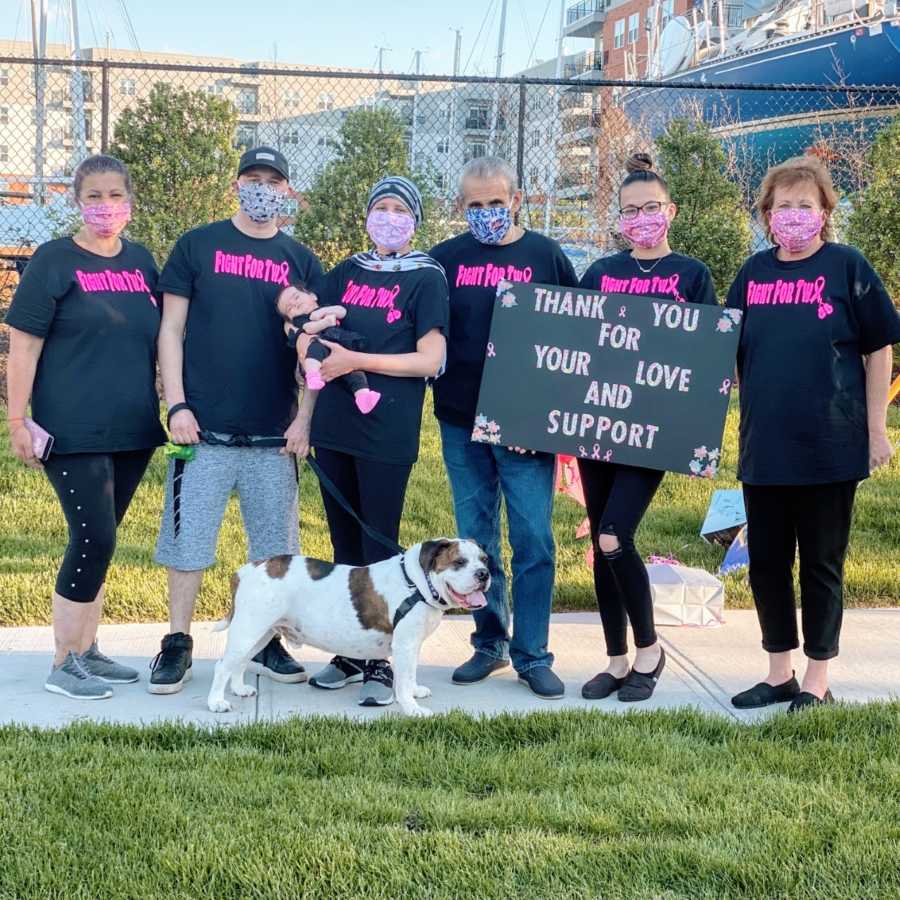
Alex’s journey inspired us to start The Fight for Two Foundation, supporting families facing cancer during pregnancy. From care packages to hospital snacks, the foundation provides hope, resources, and a community for those fighting the same battle. Alex’s story is one of resilience, love, and unwavering courage—a reminder that even in the darkest moments, light and life can prevail.