We ended up getting genetic testing done on our son, Sawyer, after he failed his newborn hearing screening. “It’s probably nothing,” the nurse reassured us. “It could just be fluid. Go for a follow-up in a week.”
But it wasn’t just fluid. A week later, at the ENT’s office, he failed again. I asked the doctor when we should start to worry. His answer was blunt: “Now.” And I did.
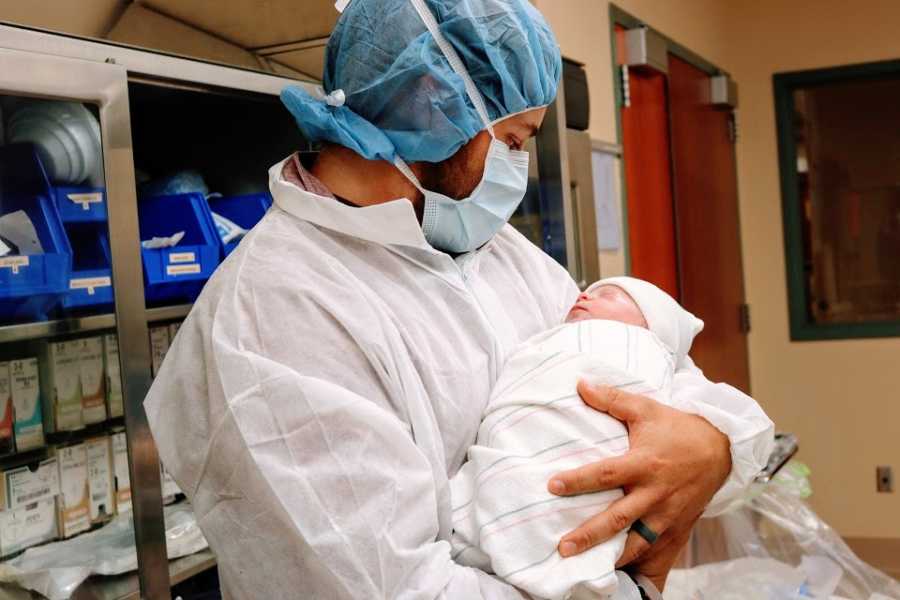
A few weeks later, we found ourselves in the audiology department at the children’s hospital. Despite our worry, we couldn’t help but soak in those newborn smells and hope that it was all just a fluke. They performed an ABR—auditory brainstem response—which meant Sawyer had to be hooked up to wires all over his head.
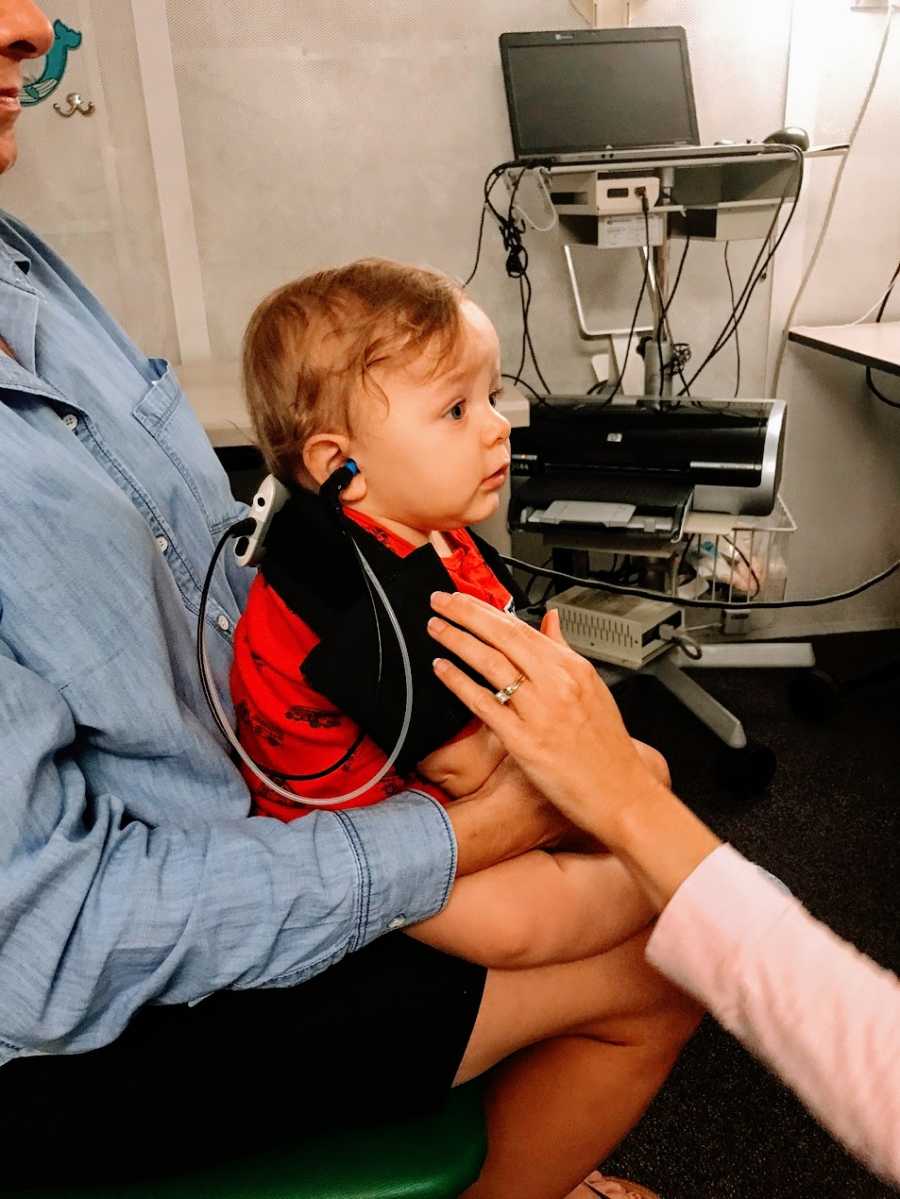
It wasn’t long into the test before the audiologist said, “We aren’t finished yet, but it looks like he has some hearing impairment. We’ll know more once we’re done.” I just nodded, stunned, and the rest of the appointment passed in a blur.
The next thing I remember is my husband holding me in the hospital parking lot as I cried in his arms. As a parent, you want to fix everything your children face—but this was something I couldn’t fix. I felt a swirl of emotions: guilt, fear, anger. Fear that life wouldn’t always be smooth for my sweet boy.
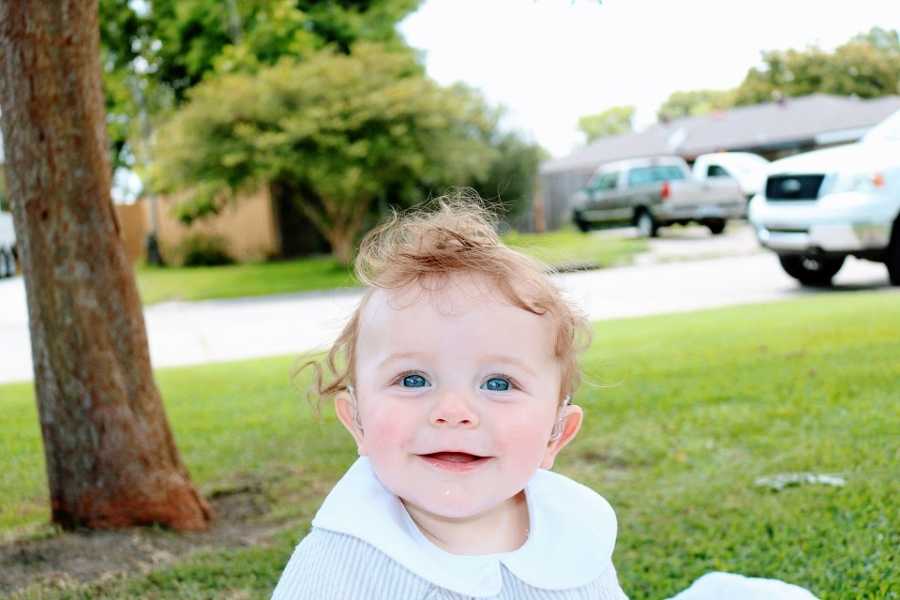
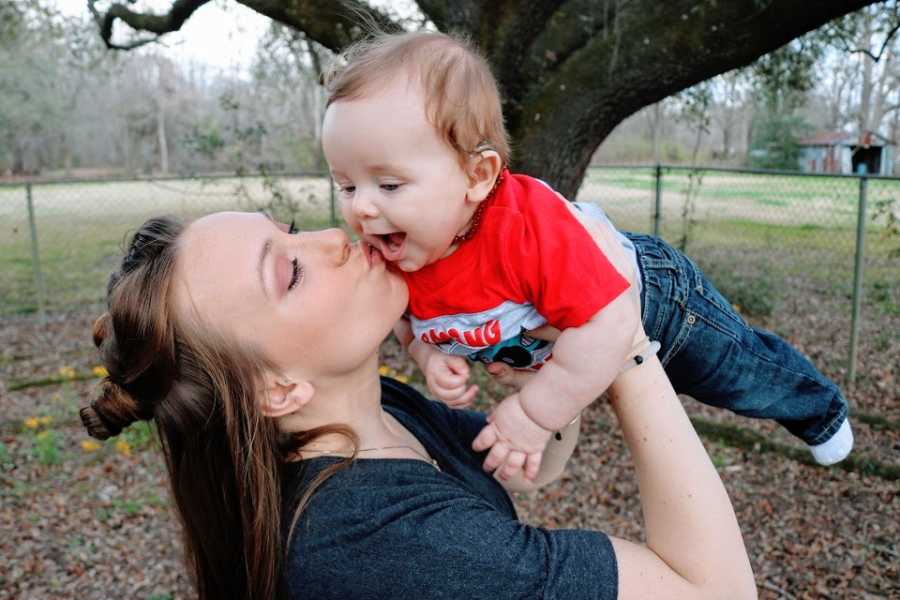
Sawyer was diagnosed with bilateral moderate-to-severe sensorineural hearing loss—caused by irreversible inner ear damage. They explained that we might not have noticed earlier because he still responded to loud noises. I had reassured myself every time the dog barked, thinking, “He’s hearing fine.” But the truth was, he couldn’t hear soft sounds: conversation, gentle music, my voice saying “I love you.” It was heartbreaking to realize how much he was missing.
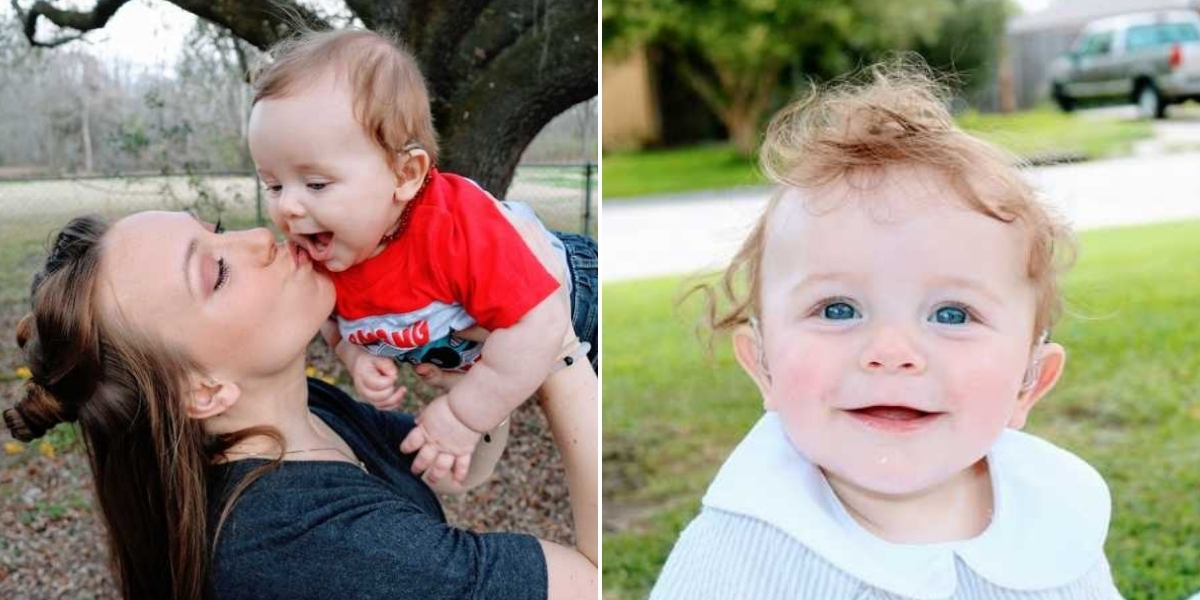
A few weeks later, Sawyer was fitted for hearing aids, officially aided at two months old. Though our hearts ached, we were optimistic that he wouldn’t have speech delays. He began speech therapy around five months old and amazed everyone with how quickly he adapted. His therapist often marveled at his intelligence, saying he probably wouldn’t even need therapy if it weren’t for his hearing loss.
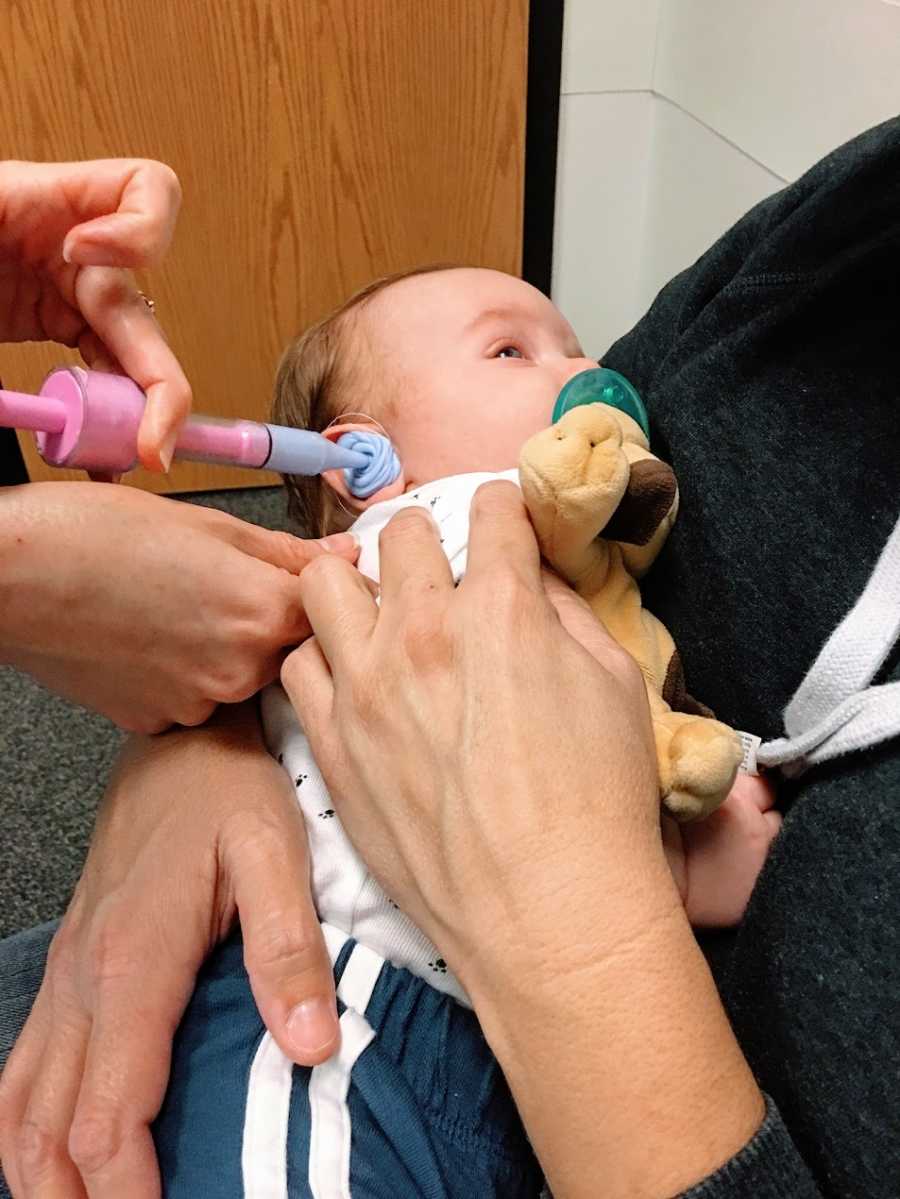
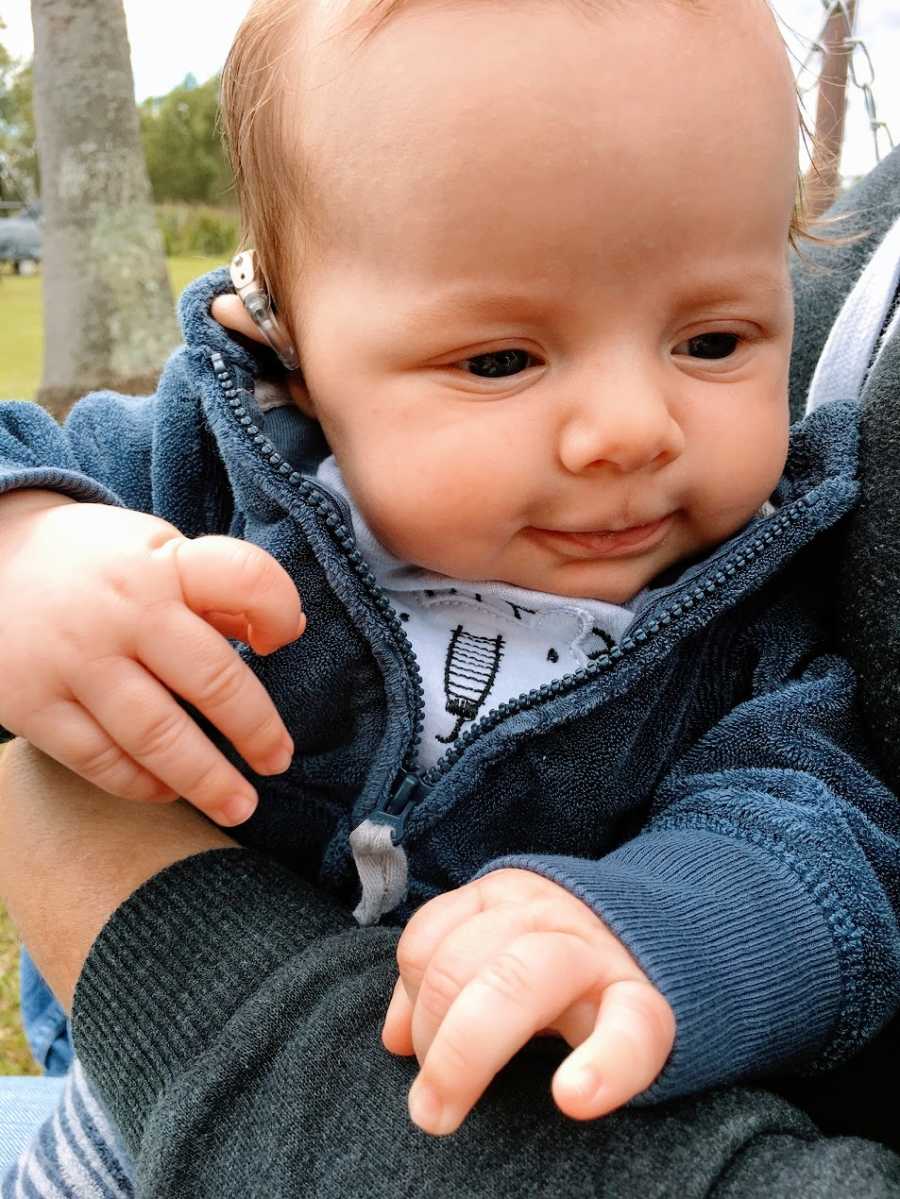
Listening to Sawyer learn to speak felt like witnessing every effort paying off. Seeing him repeat sounds, interact, and thrive in therapy made us proud beyond words. Each milestone, each first word, was precious, knowing there was a time when we didn’t know what those words might be.
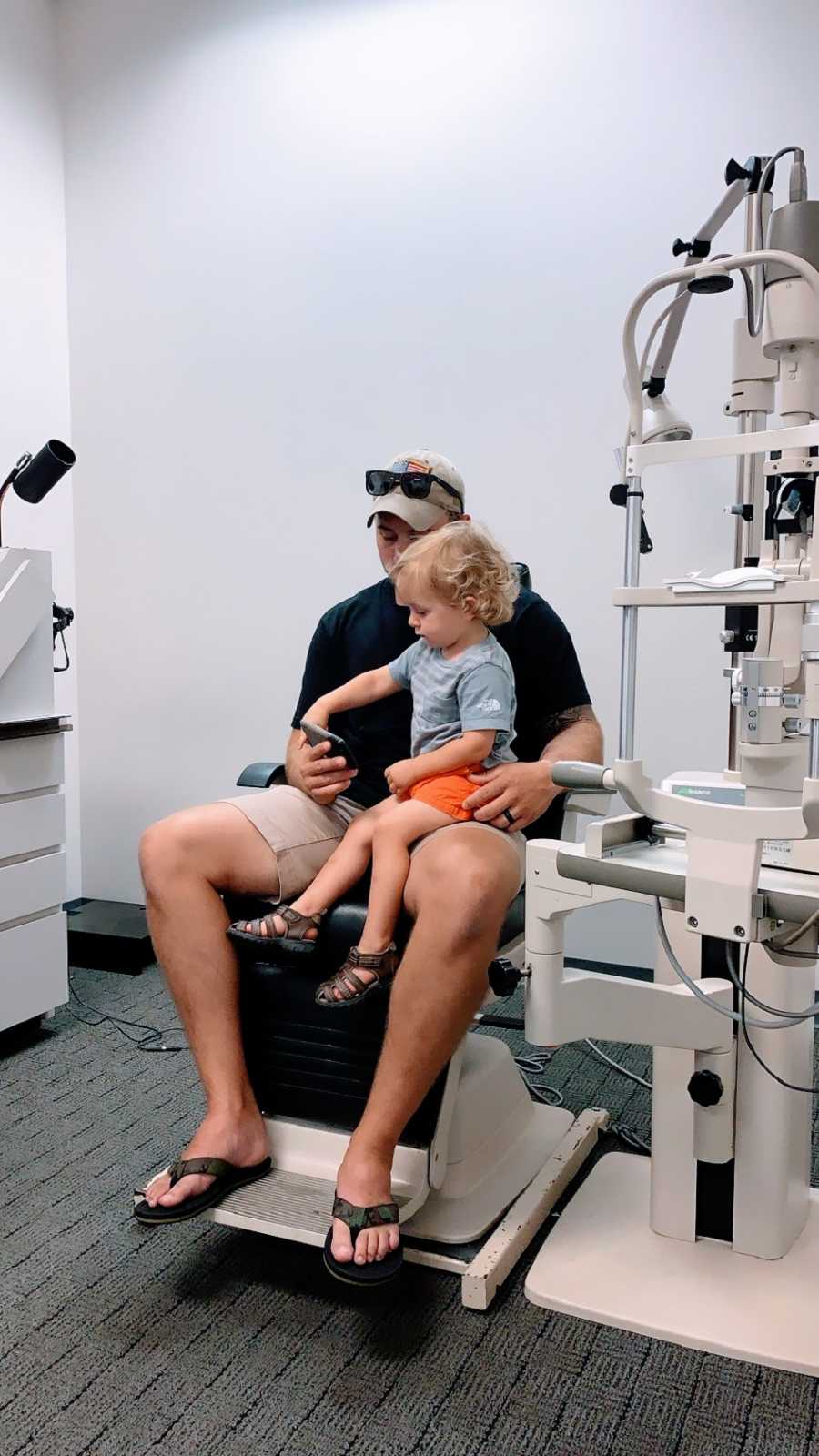
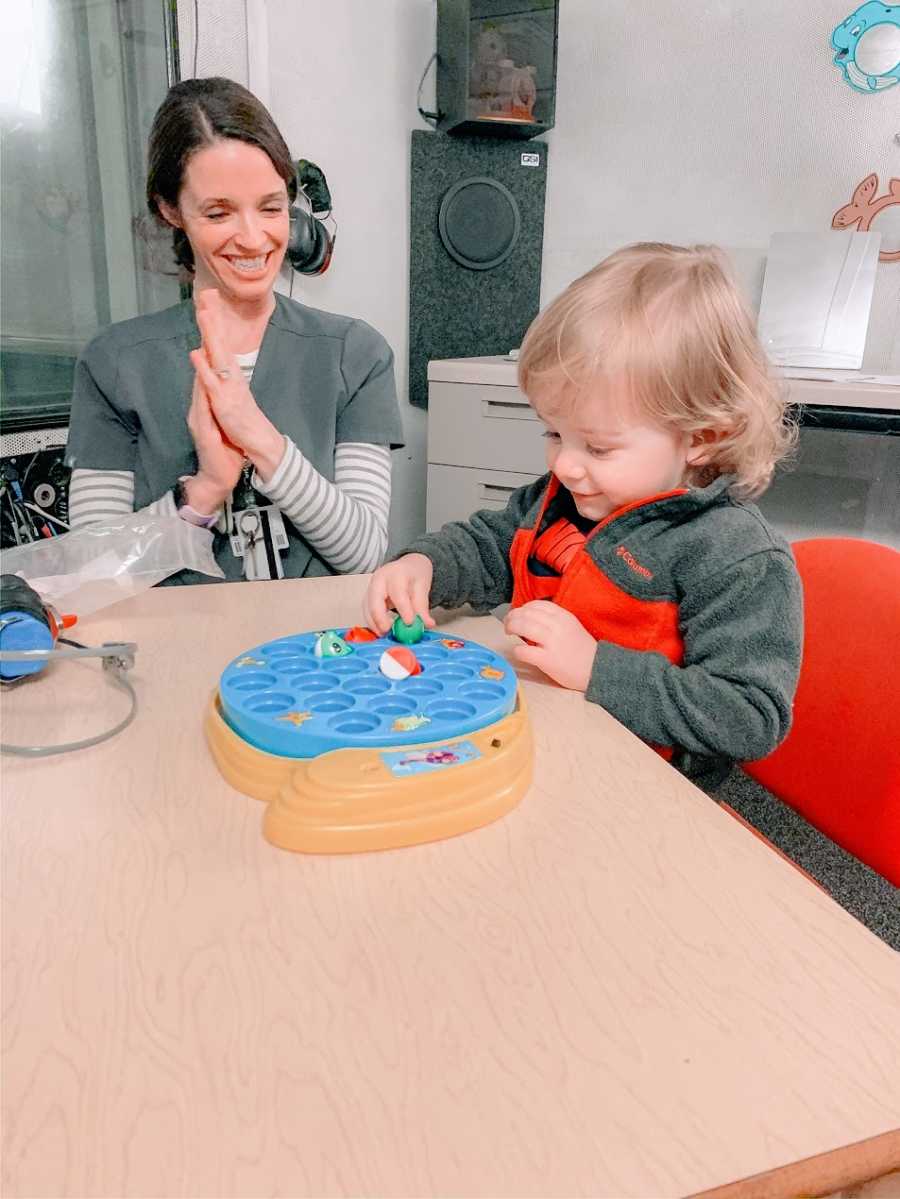
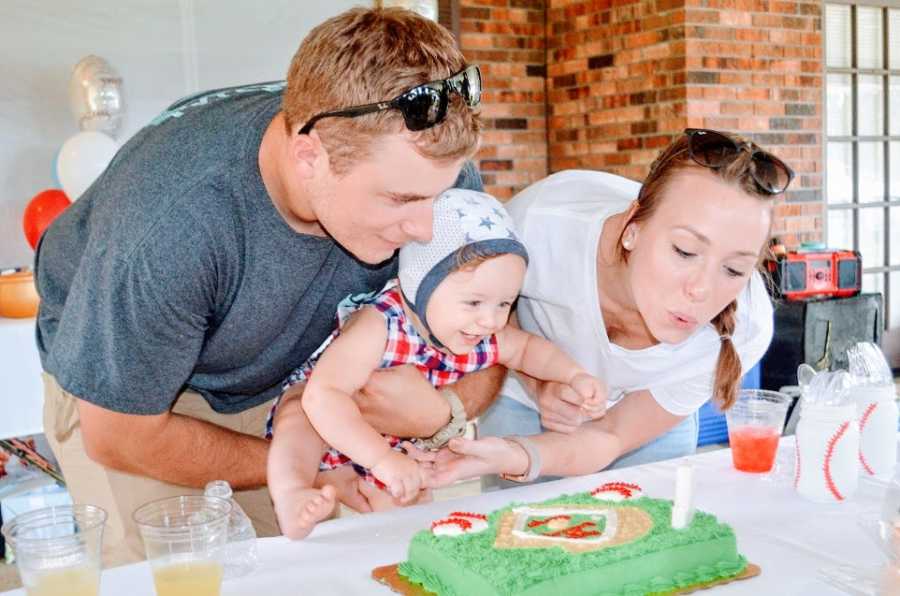
We monitored his progress closely with early intervention and connected with families navigating similar challenges. The support from the Deaf and hearing-impaired community was overwhelming and heartwarming. I even started a blog to share our journey, offering guidance and spreading awareness. Little did I know, the story I was advocating for was about to take a new turn.
Life with a baby in hearing aids was overwhelming at first. Every few weeks, we had to get new impressions for his rapidly growing ears. He would pull out his hearing aids constantly, leaving us frustrated and exhausted. One day, my husband called me in a panic, convinced Sawyer had swallowed a piece of his aid—but we found it in time. Eventually, pilot caps helped keep the devices in place, and life became a little easier.
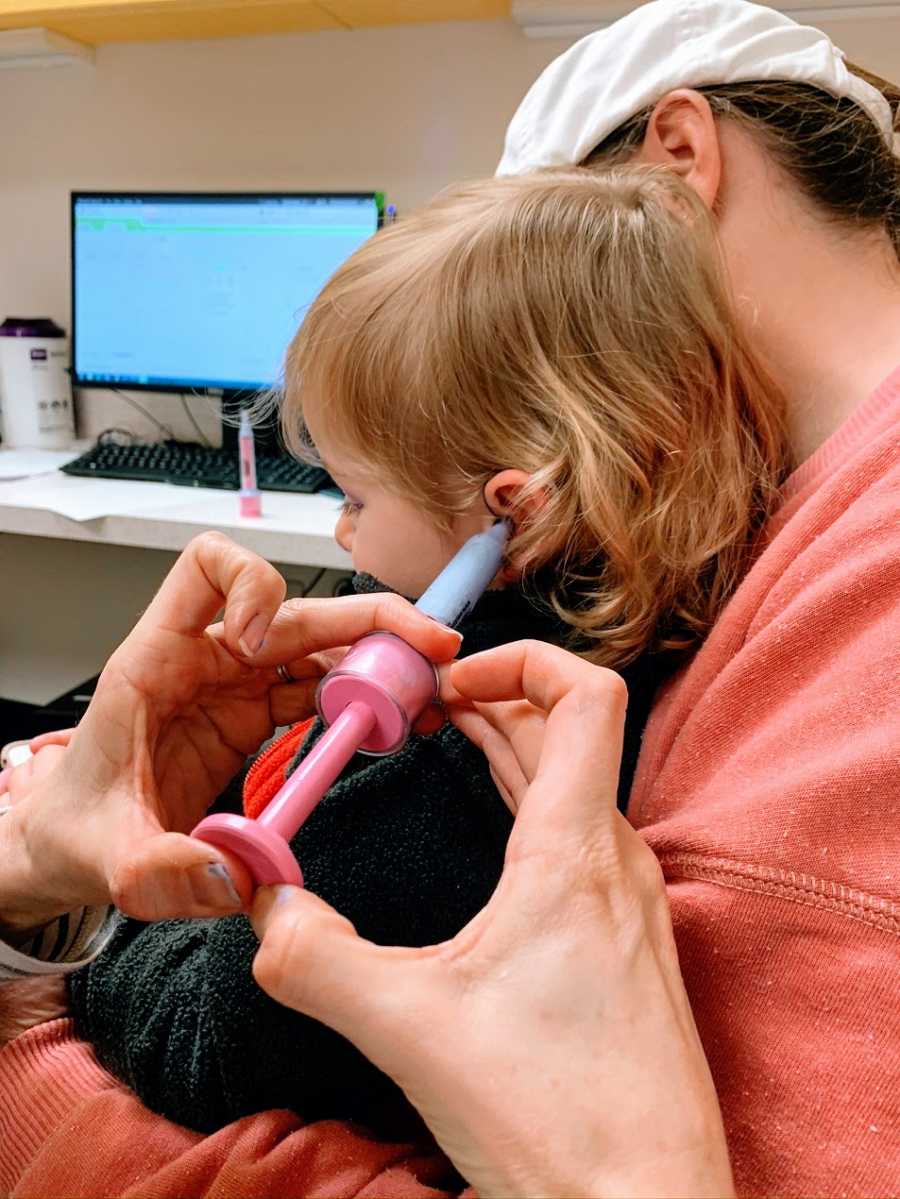
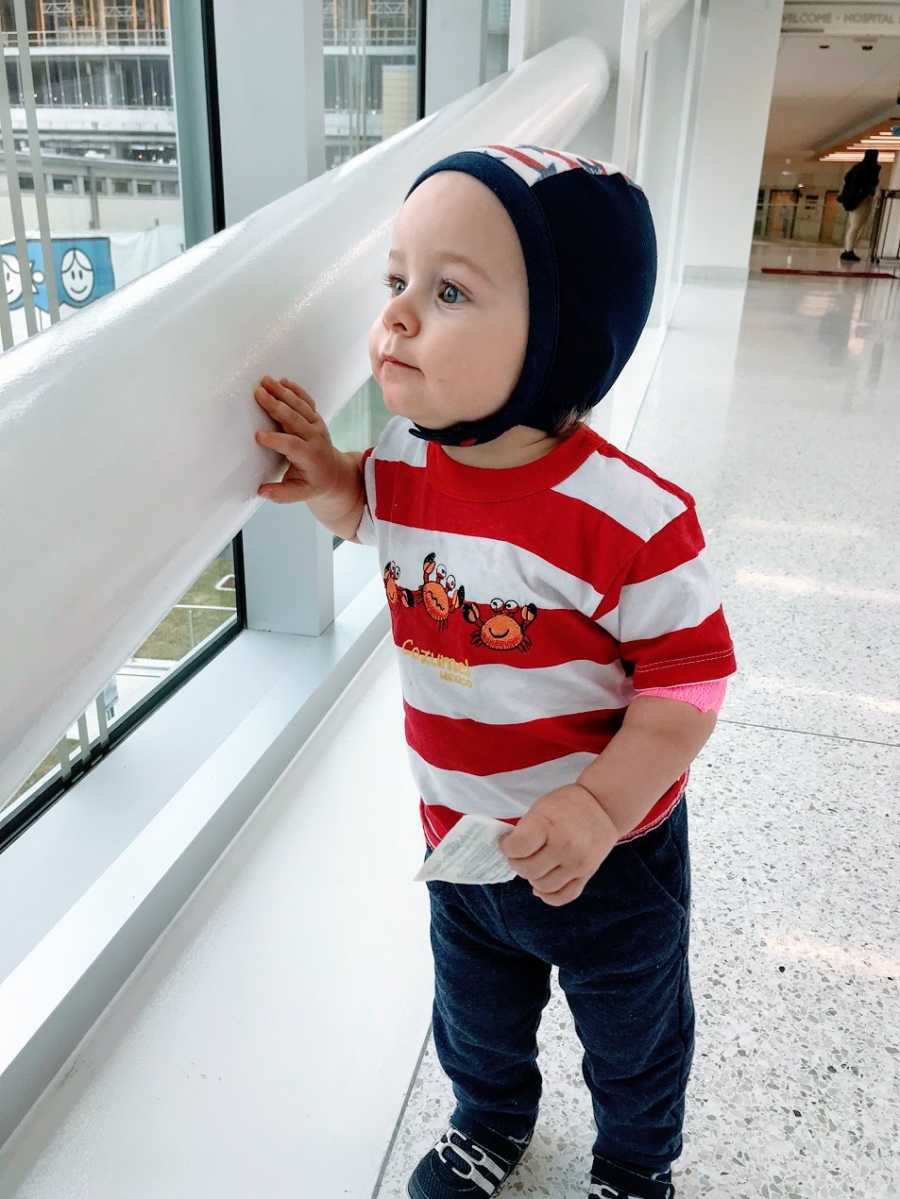
Because of Sawyer’s hearing loss, his ENT recommended a complete workup to ensure it wasn’t part of a larger syndrome. We did CT scans, physical exams, and an EKG. When all results came back normal, we moved forward with genetic testing, almost a year and a half into his journey. Sawyer was tired of doctors and tests, but we were ready for some answers.
I remember the call from the genetic counselor vividly. I was at the gym when the hospital’s number appeared on my phone. I ran out of class, heart racing. She asked if I could sit down before delivering the news. And then she said it: Sawyer has Usher Syndrome—a condition causing congenital hearing loss and vision loss starting in adolescence. He will lose his vision. That’s all I heard. I drove home through tears, barely able to see the road. My husband was stunned, and for the first time, I saw him cry. Together, we sat and processed, eventually researching what this meant for our son.
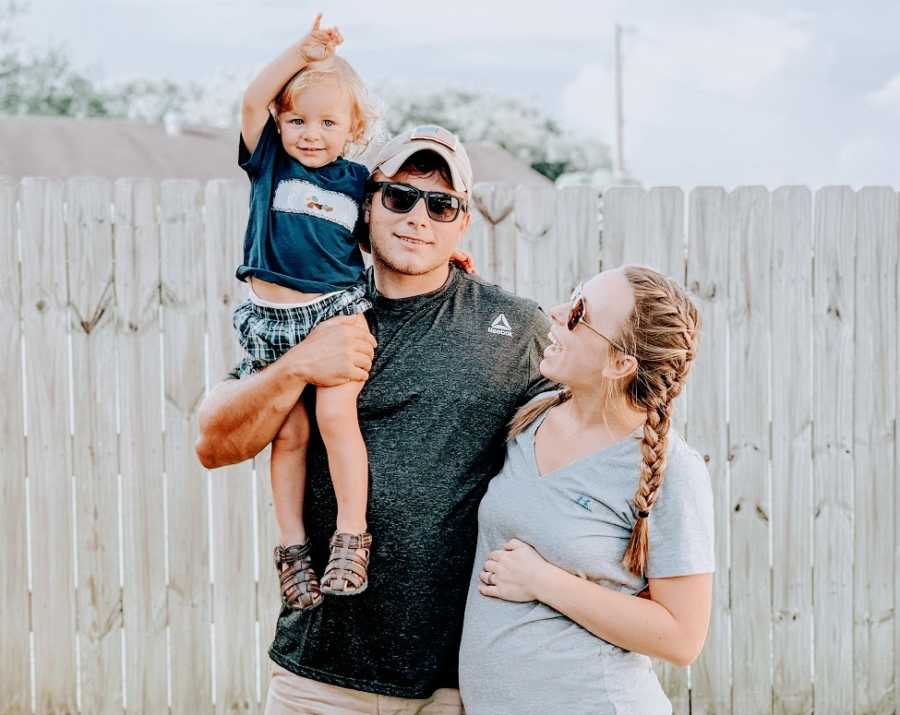
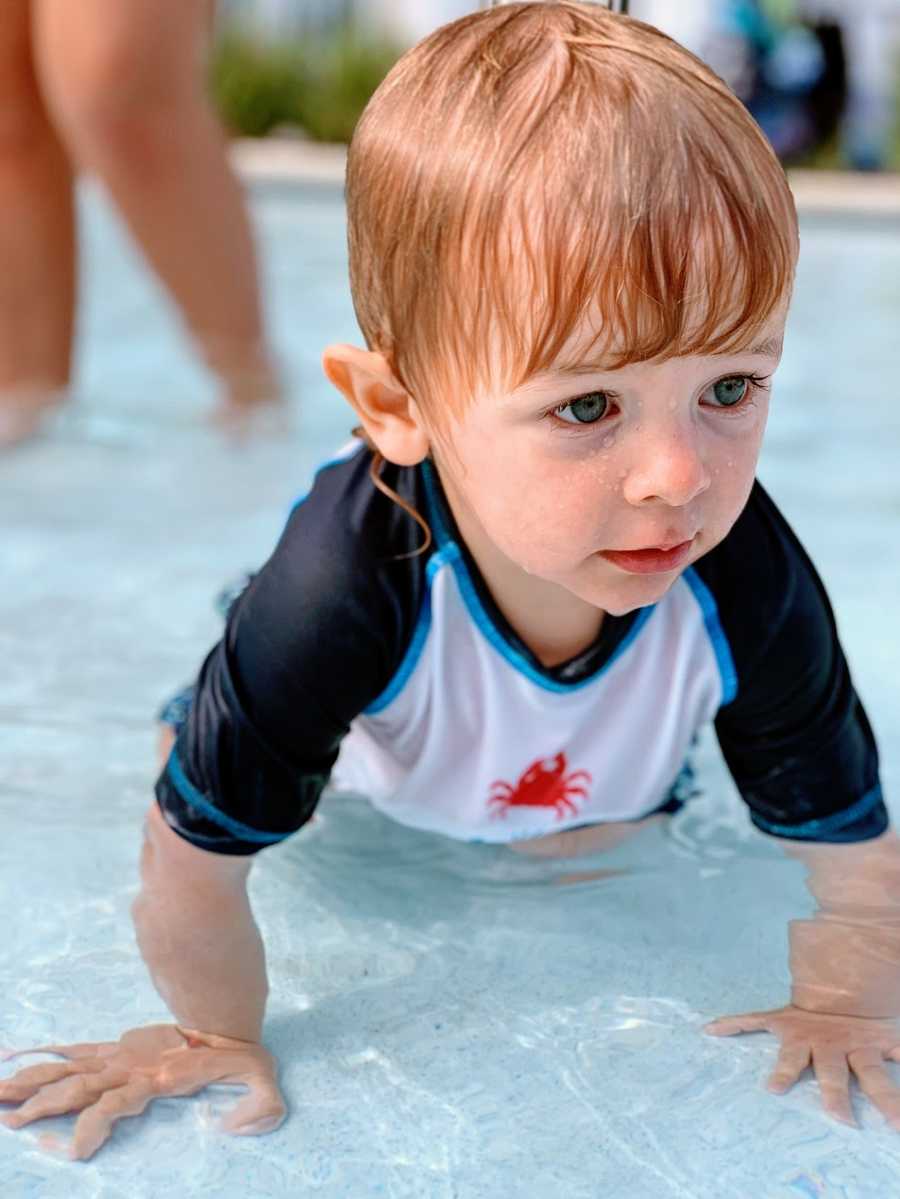
Usher Syndrome is autosomal recessive, meaning each of us carried the gene and passed it to Sawyer. With each pregnancy, there’s a 25% chance of a child having the syndrome. Sawyer has type 2a, which causes vision loss due to retinal degeneration from Retinitis Pigmentosa.
We shared the news with family, who cried but remained optimistic. Resources, counseling, and connections with other Usher families helped immensely. Seeing older kids thriving with Usher Syndrome gave us hope that Sawyer could do anything he set his mind to.
Before fully processing this, we were trying for a second child. We learned we were already pregnant with a little girl. Joy came alongside fear—the statistics were daunting—but Sawyer had shown us resilience, and we felt ready to face whatever came next. One night, I dreamt her name: Olivia. It felt perfect, symbolizing peace.
We enjoyed my pregnancy fully, opting out of prenatal genetic testing because it wouldn’t change our approach. Olivia arrived healthy, passing her newborn hearing screening and ABR. Genetic testing confirmed she was a carrier for Usher Syndrome but unaffected herself.
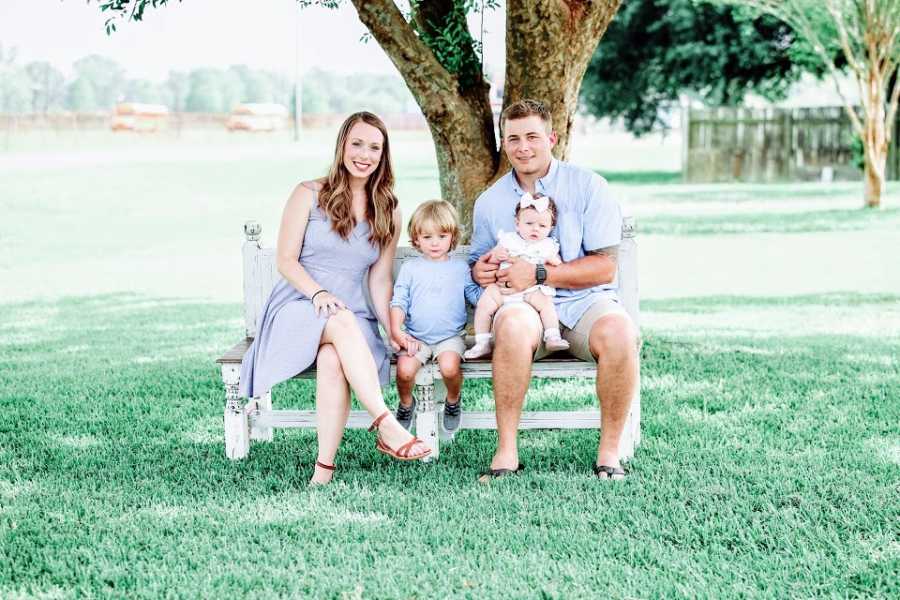
Today, Sawyer is thriving. He’s nearly four, starting sports, speaking beautifully thanks to therapy, and growing into a smart, kind, and resilient little boy. He can even tell when his hearing aid battery dies, pulling me close to hear better when needed. We sometimes take his speech and hearing for granted, forgetting how far he’s come.
Sawyer’s journey has taught us so much about resilience, love, and community. He is not broken; he is not missing anything. He is perfect in his own way. And if I ever doubted the capabilities of children with hearing or vision challenges, Sawyer proves them wrong every day.
“Although the world is full of suffering, it is full also of the overcoming of it.” – Helen Keller