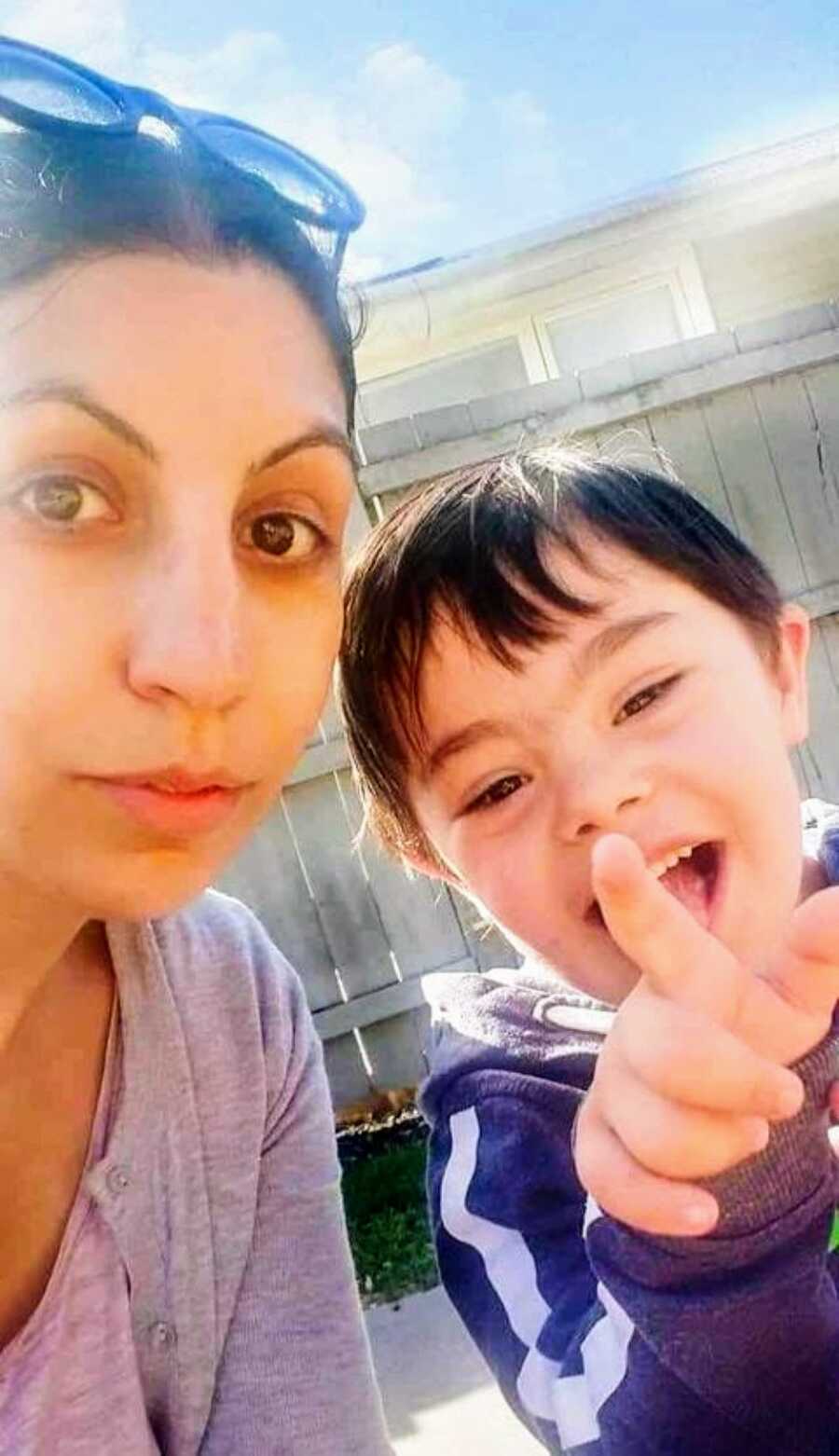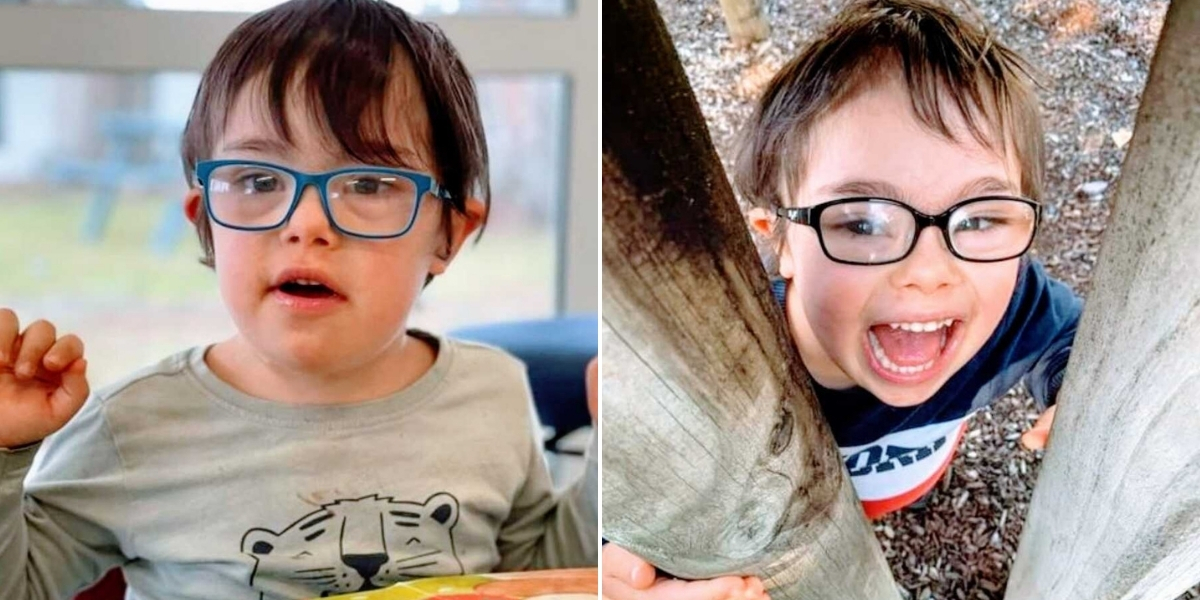

I know it can be incredibly difficult to know what to say to a special needs parent. Before my son was born, I also said the wrong things — always with good intentions, but without really understanding. People usually mean well, yet some comments still land painfully. So here are five things you should absolutely NOT say to a special needs parent:
1. “I’m Sorry.”
There’s nothing to be sorry about. No tragedy struck our family. My son is here, joyful, loved, and living a full life just like any other child. His story isn’t a sad one.
2. “You’re an amazing parent — I don’t know how you do it.”
This one shows up often. I’m not superhuman. I’m just a regular, exhausted parent who sometimes raises her voice and figures things out day by day. I do it because he’s my child — the same way you would. Hearing this can unintentionally suggest that caring for my child must be unusually burdensome, and that hurts.
3. “You must be so worried about his future.”
Of course I think about it — what parent doesn’t? But I worry about my other child too. None of us can predict who our kids will become or what life will bring. That uncertainty belongs to every parent, not just special needs families.
4. “God gives special kids to special people.”
I know people say this with kindness, but it doesn’t feel comforting. I’m not extraordinary, and disability isn’t a divine reward or a test sent only to select families. It’s simply part of our life.
5. “This is temporary, right?”
No, it isn’t — and I wish it were that simple. Asking this can feel dismissive of reality. Sometimes the best thing is simply not to ask.
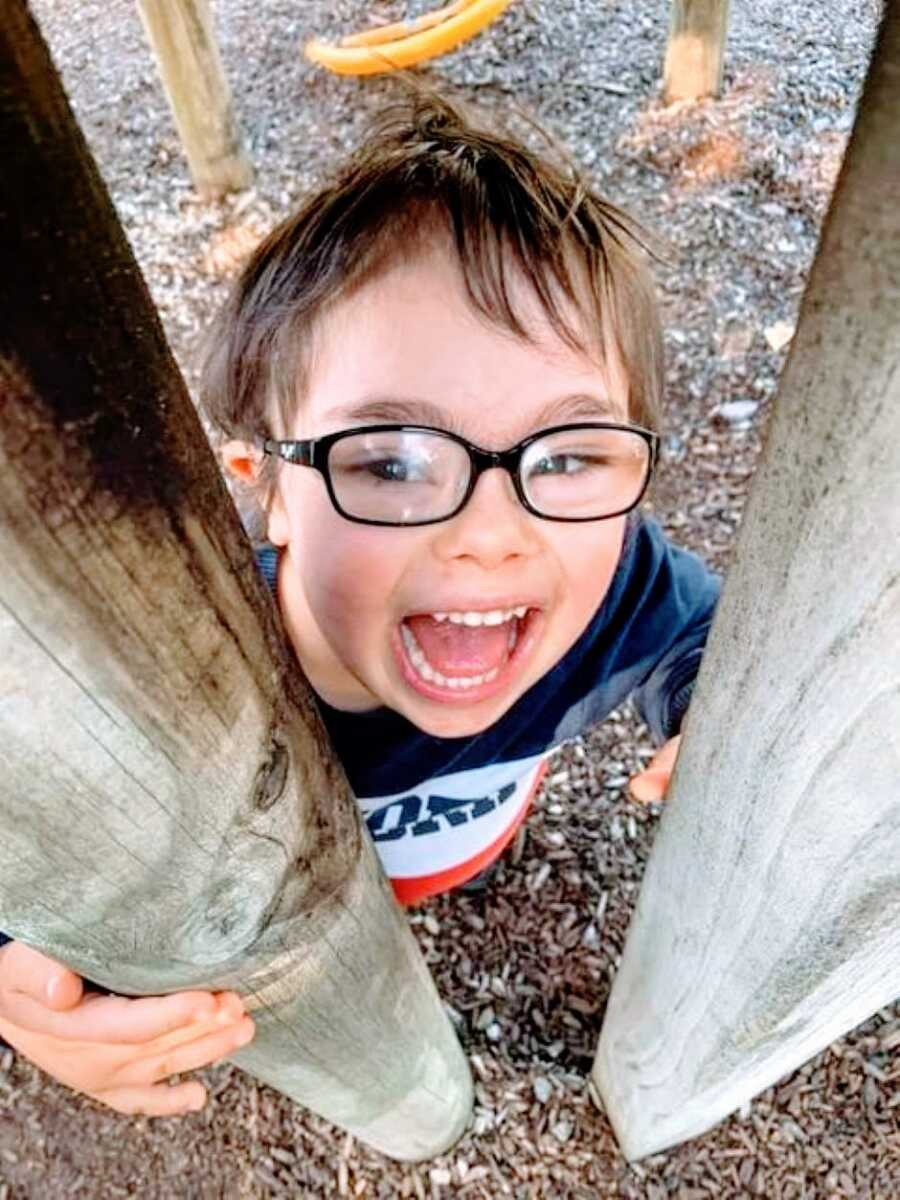
Special needs mom takes a photo of her son with Down syndrome, smiling and playing at the park.
Courtesy of Ruzan Forrest
After sharing what not to say to special needs parents, many people wanted to know the opposite — what they should say or do instead. So here’s what truly helps:
1. Talk with my child.
Acknowledge him. It really is that simple. Treat him like any other kid. Even if he’s nonverbal and can’t respond, he will light up with a smile when you try. Your effort means more than you know.
2. Help if you can.
Small gestures matter. Wait a moment longer so we can cross the street, offer to carry a bag when a meltdown hits, or babysit for a friend who may desperately need a break. And if you can’t help, a warm smile and encouraging words still go a long way.
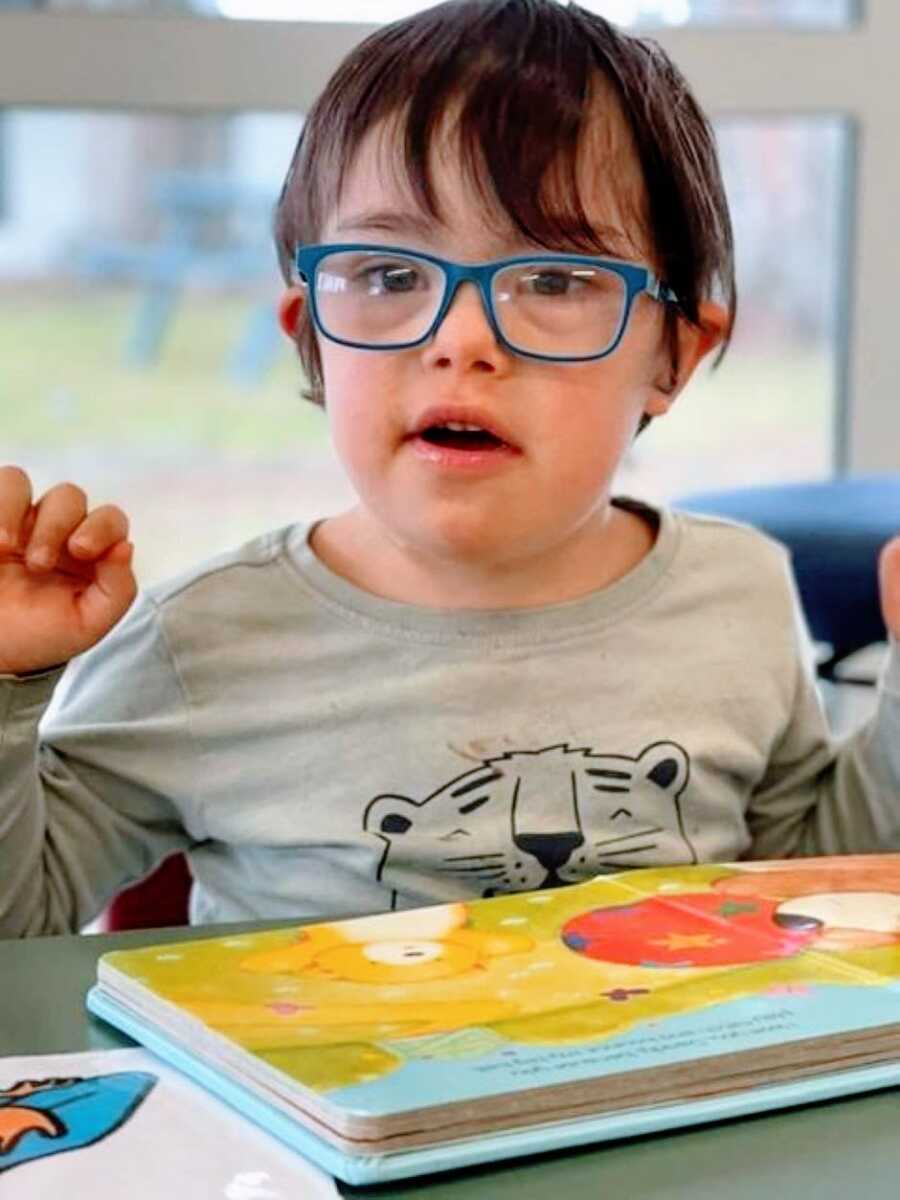
Little boy with Down syndrome smiles for the camera, wearing blue glasses and reading a book.
Courtesy of Ruzan Forrest
3. Start a conversation.
If you’re curious, skip questions like, “What’s wrong with him?” Instead, say something to my child like, “Hey, cool wheelchair!” From there, we’ll happily share that he just started walking, but needs extra support for longer distances.
4. Be kind.
Rather than saying, “He looks fine to me,” try, “You’re doing an amazing job — he’s doing great.” Or, if you didn’t realize he had a disability, simply say, “I’m sorry, I wasn’t aware.” Genuine kindness always feels better than minimizing.
5. Socialize.
If you truly want to make a difference, invite us out for coffee or set up a playdate. Many special needs parents carry so much responsibility that friendships and outings get lost. Seeing our kids play together — and having a moment to breathe — can brighten an entire week.