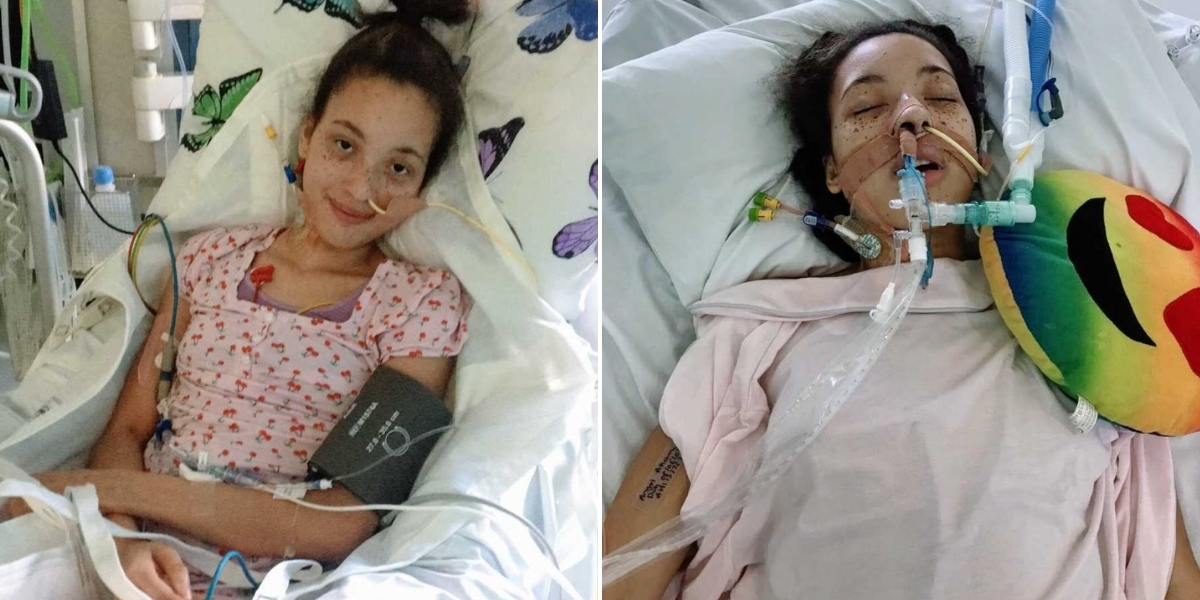
The 13th of February was the day I was first admitted to the hospital. At the time, I had no idea that 17 months later, I would still be there. I had gone in for an endoscopy—just another check to see what was happening in my stomach. I had been struggling with stomach problems for years, and the doctors wanted to take another look to figure out the cause.
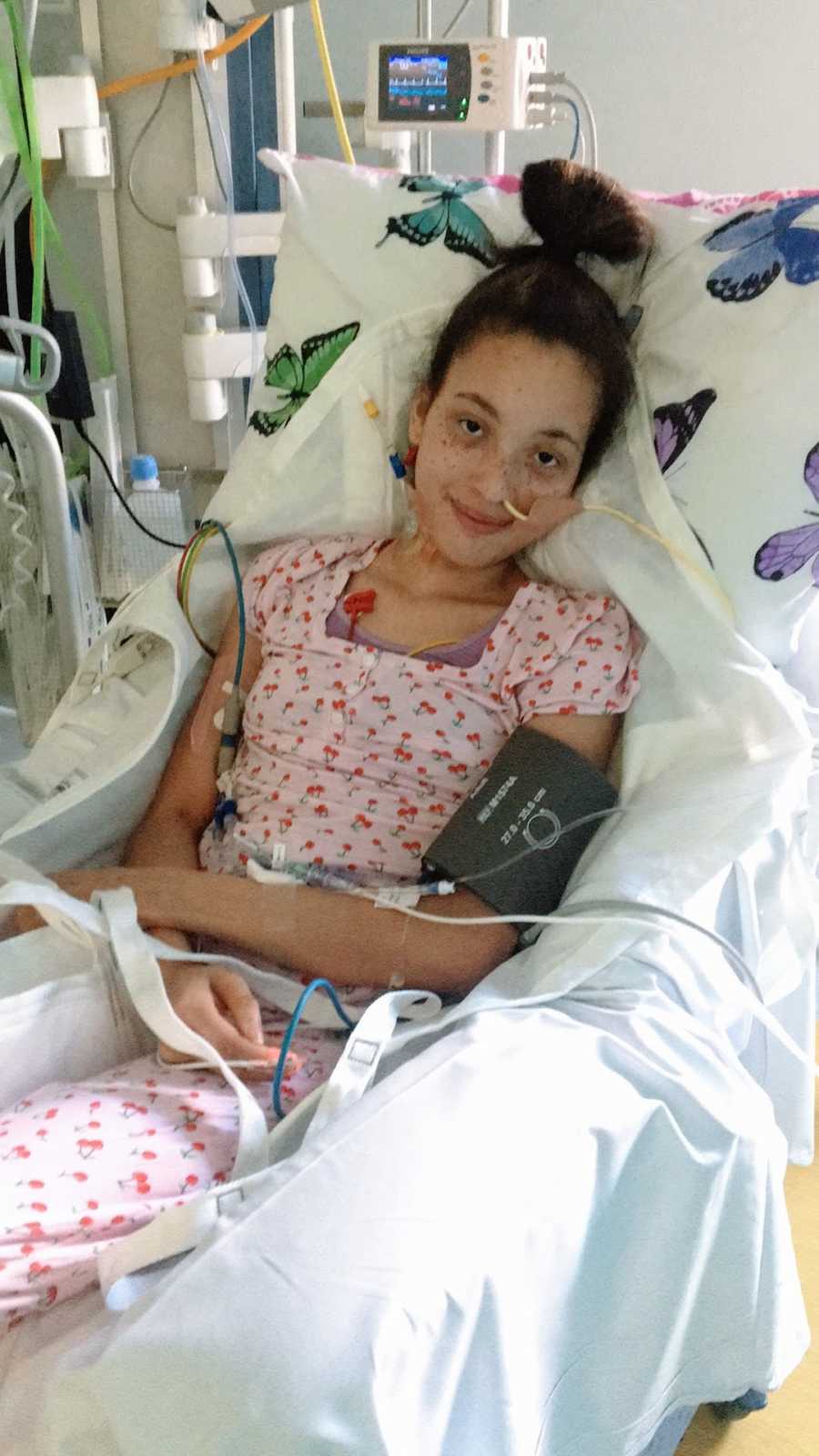
I woke up from the procedure feeling completely unlike myself. Weakness washed over me, and my vision was doubled—everything seemed distorted. The nurses assumed it was just the aftereffects of the sedation and told me I should stay overnight, just to be safe. But the next morning, the weakness hadn’t lifted. I could barely walk, and no one seemed to know why. Blood tests revealed very low potassium, and we all assumed that this imbalance was the culprit.
Even after potassium infusions restored my levels to normal, my body remained fragile. I was referred to physiotherapy, hoping movement might help. But it was terrifying—my legs would give out after just a few steps, and every attempt felt like a battle I was losing.
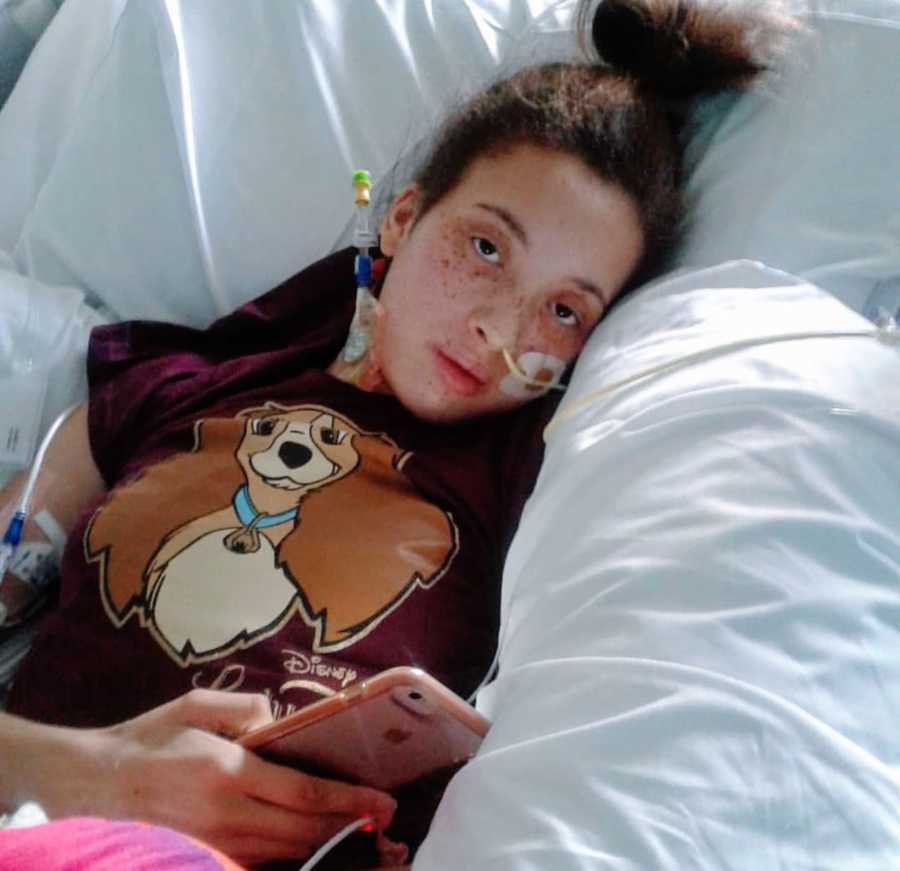
After a week with no improvement, I was referred to a neurologist. He asked about other symptoms I’d experienced over the years, and then he said something I’ll never forget: “I think you have myasthenia gravis.” Myasthenia gravis is an autoimmune neuromuscular disease that causes severe muscle weakness. A series of painful tests confirmed the diagnosis. I had never even heard of it before, and hearing those words left me in shock.
The neurologist returned the next evening and stayed with my family and me for hours, explaining the condition in detail. He didn’t sugarcoat anything. I appreciated his honesty. He told us that, in the worst-case scenario, I could end up in respiratory failure and require a tracheostomy. The weight of those words was crushing.
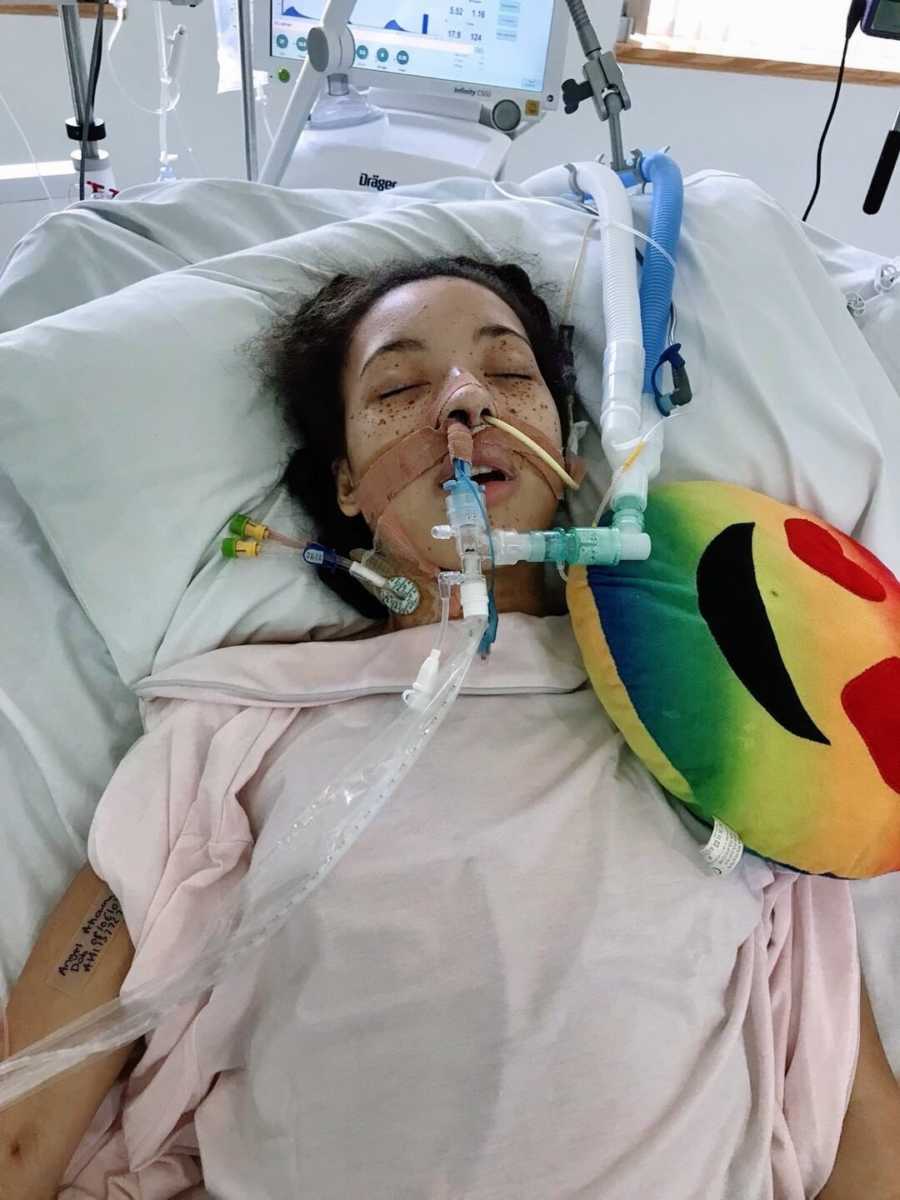
Within a week, despite physiotherapy and starting new medications, I hadn’t improved. In fact, I worsened. I could no longer swallow my medications, and my strength declined dramatically. My neurologist visited again, and as he spoke to me, my eyes began to droop, and I struggled to breathe. It felt like an invisible weight was pressing down on my chest. Moments later, I heard the emergency siren and saw a flurry of nurses and doctors rushing toward me.
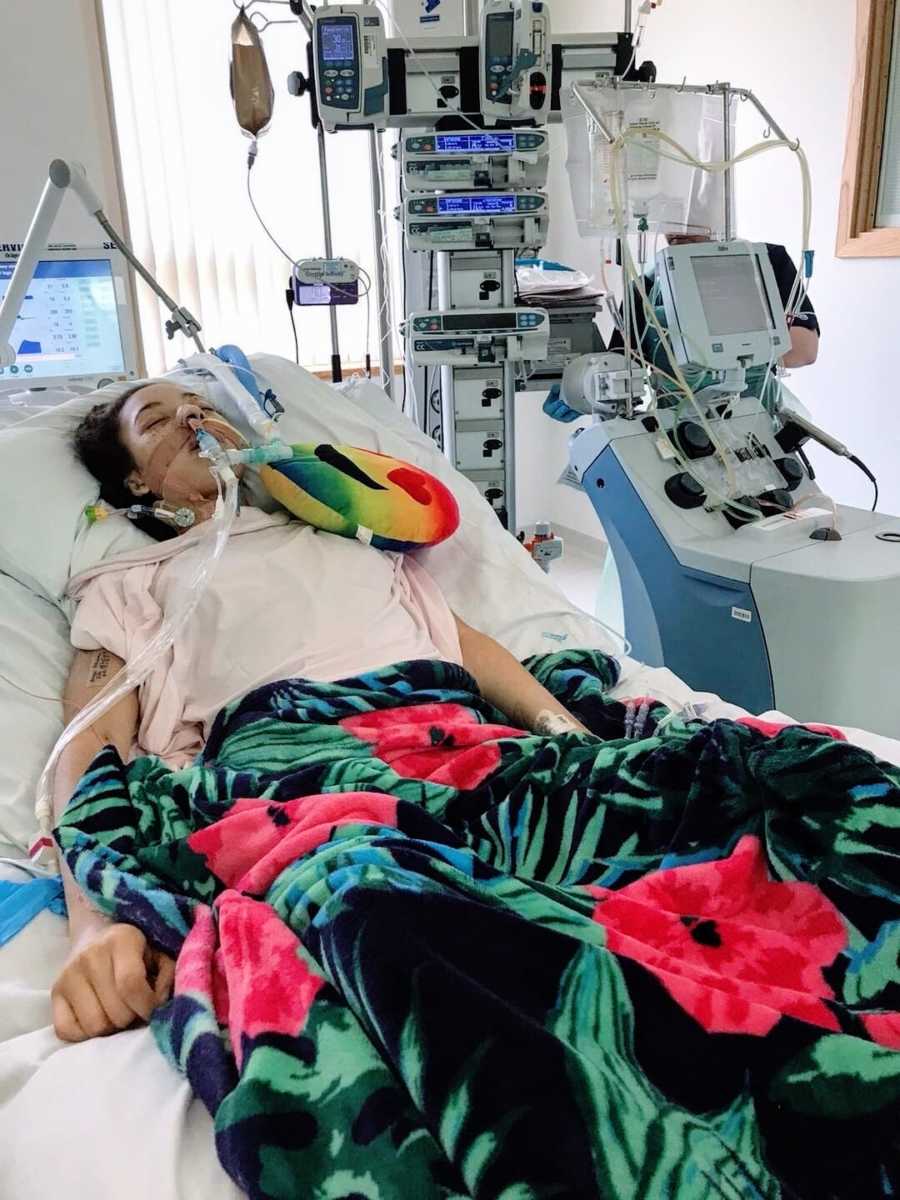
They transferred me immediately to the ICU. After that, everything became a blur—I was sedated, intubated, and started on plasmapheresis, a procedure similar to dialysis that cleans the plasma in your blood and replaces it with donor plasma to remove harmful antibodies. It was terrifying, the most frightening experience of my life. I felt completely trapped in my own body—wanting to move but utterly unable to obey.
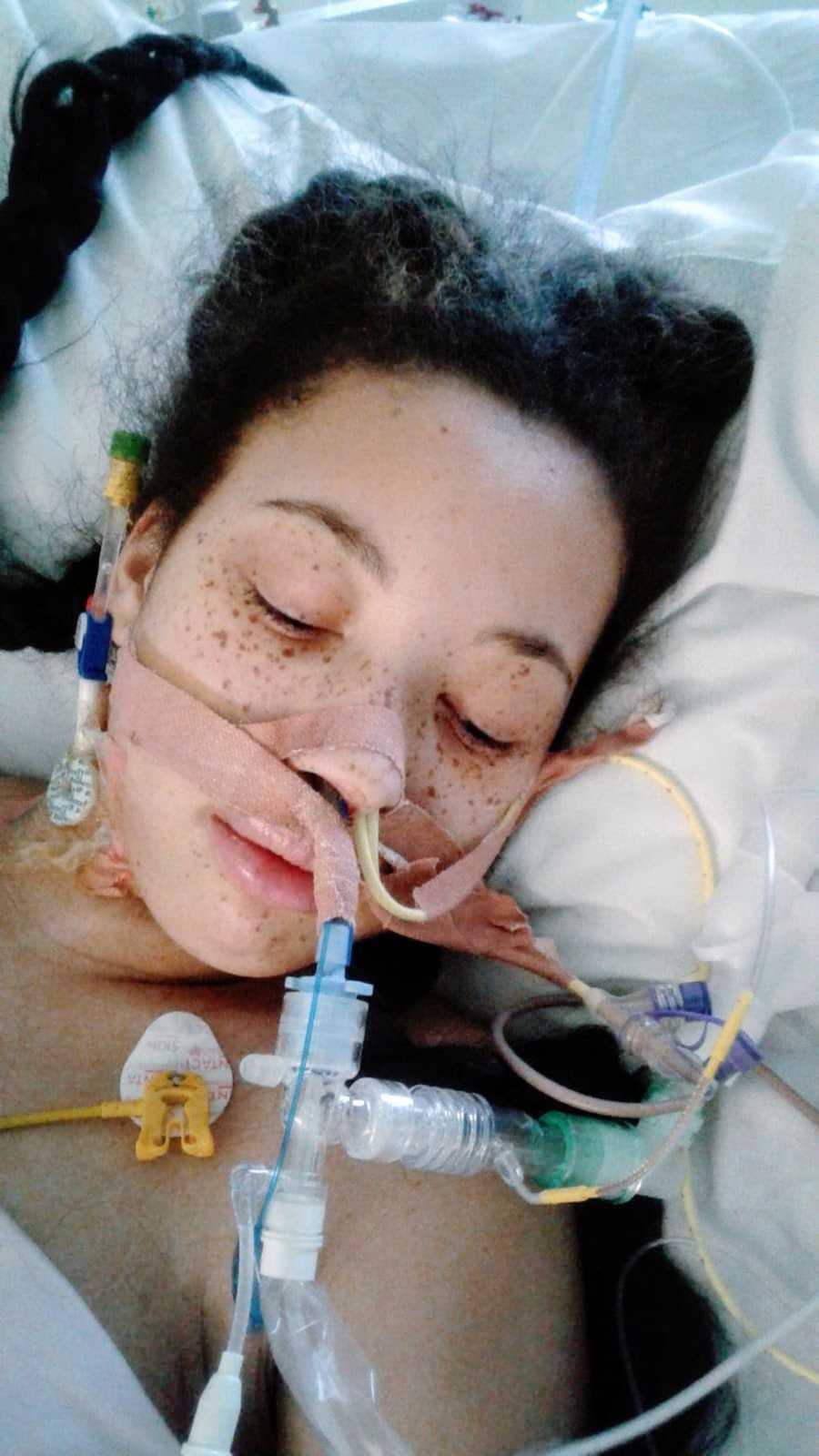
No one was sure I would make it through, but I did. My mom would later tell me, “This was a blessing in disguise. God knows what would have happened if you hadn’t gone for that endoscopy.” Slowly, I began to improve, and the doctors deemed me stable enough to transfer to a neuro-rehabilitation ward. At that point, I was almost completely paralyzed. I couldn’t move a muscle or even speak.
Rehabilitation was grueling. My first goal was simply to wiggle my toes. Then it was moving my legs, sitting at the side of the bed, and eventually standing. Every tiny victory felt monumental. There were moments when I wanted to give up, when the weight of my body and the length of the recovery felt unbearable.
But I kept going. Month after month of intense physiotherapy brought results I never thought possible. I began to walk again. And after 17 long months in the hospital, I was finally discharged. The entire ward lined up to cheer as I walked out—a moment of pure joy and emotion I will never forget. That day made me appreciate every single thing I had once taken for granted.
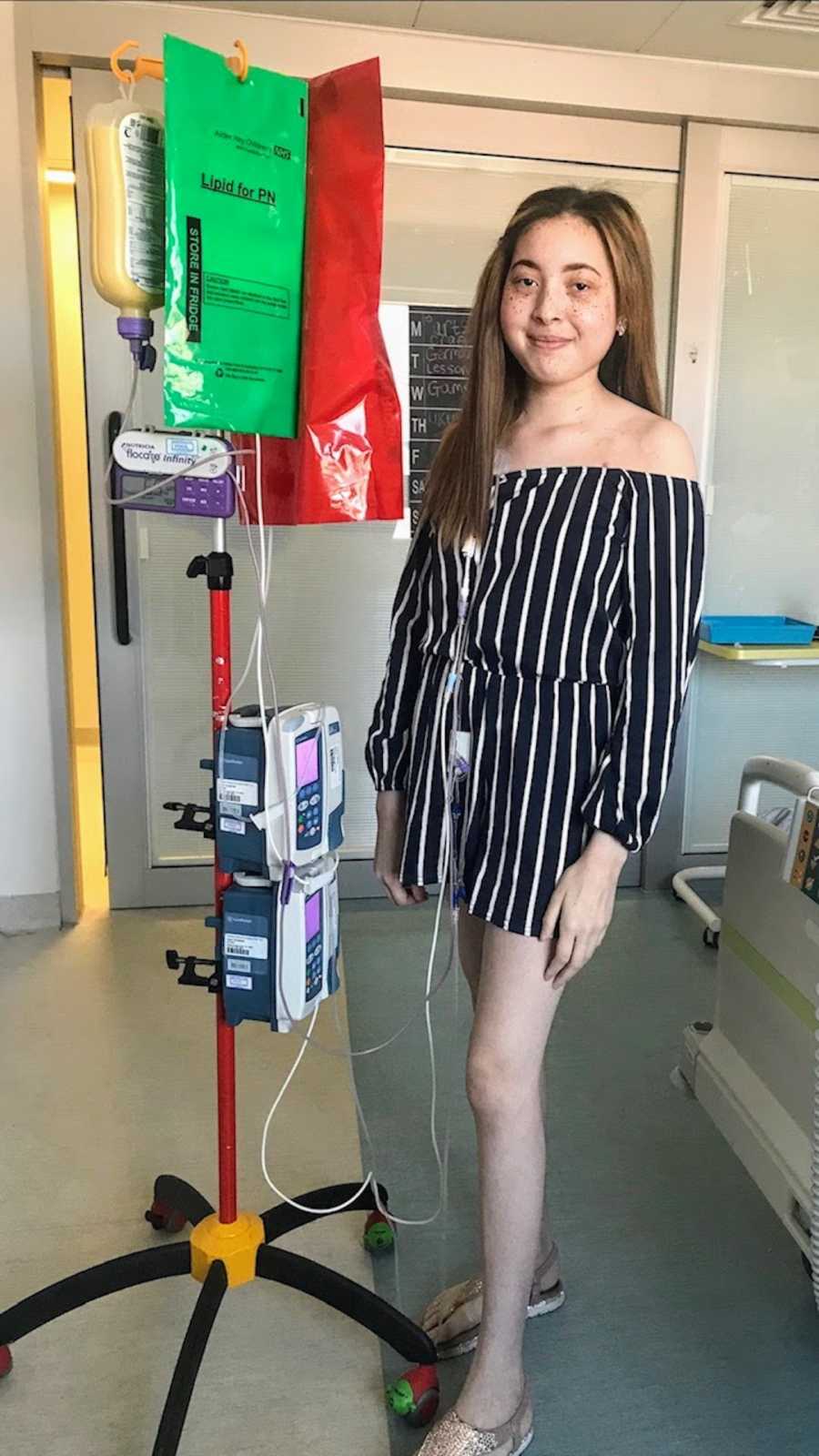
This hospital stay changed me forever. I met incredible people, formed lifelong friendships, and learned just how resilient the human spirit can be. What keeps me going now is remembering how far I’ve come and how lucky I am to be alive.
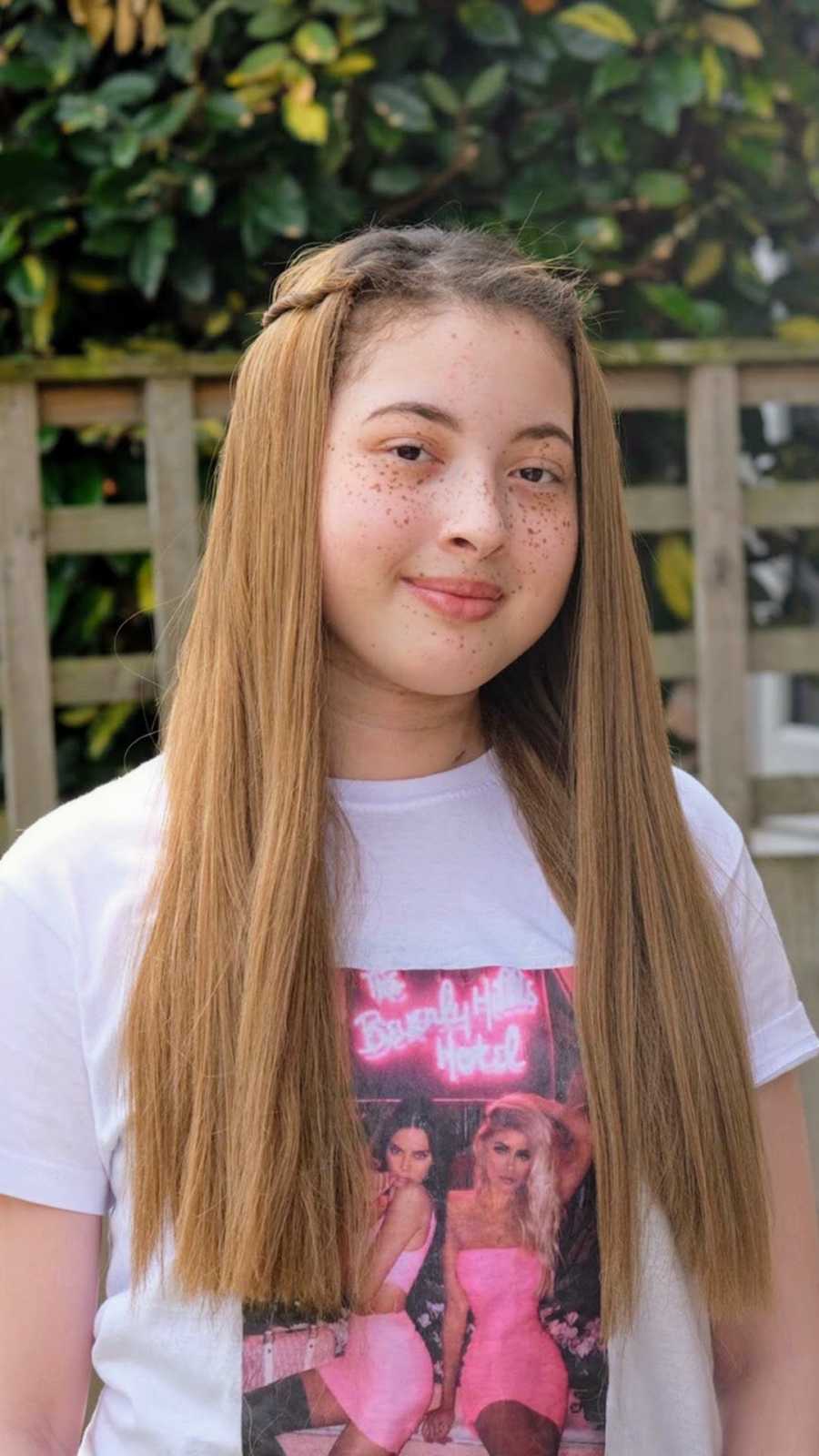
If anyone reading this is facing something similar, I want you to know: things can get better. Don’t be too hard on yourself, and celebrate every victory—no matter how small. My Instagram DMs are always open to anyone who needs someone to talk to.