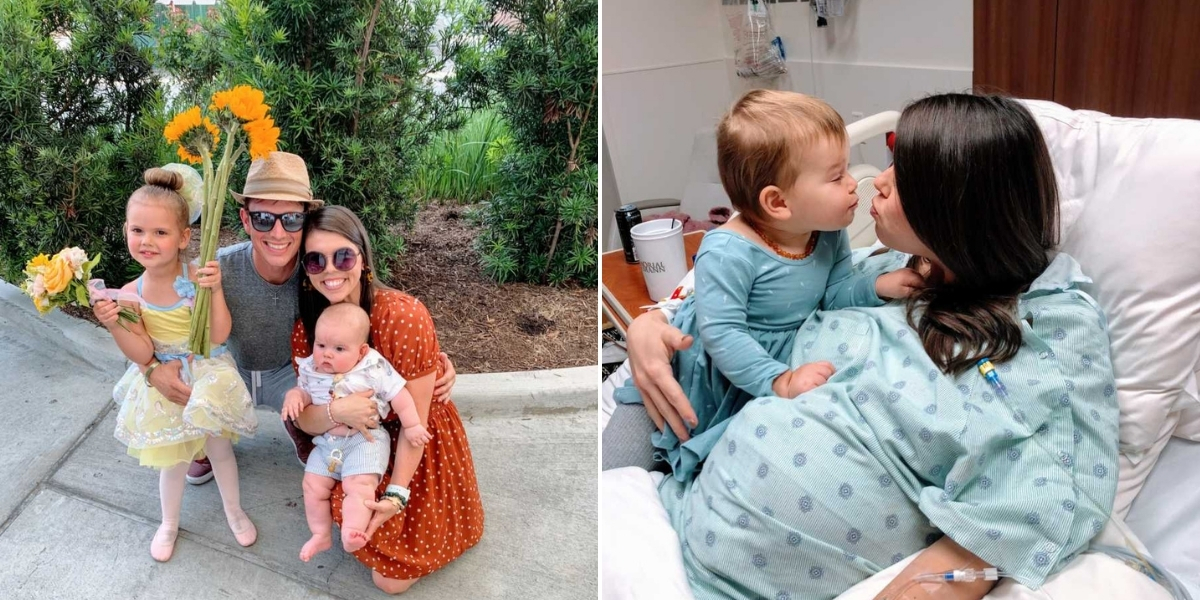
On December 12, 2018, at 6:38 p.m., my world shattered in a way I never could have imagined. I tried to speak, to form words, but nothing came out. We had a two-week-old infant and two toddlers at home. My babies needed a father, and I needed an emotionally available husband—but the man I had trusted with my heart and my children was having an affair. Someone he had met years earlier, someone I had considered a close friend, someone I had trusted. The betrayal hit me like a freight train. I had never felt panic, devastation, confusion, and heartbreak like this in my life. I remember collapsing in my sister’s lap, my newborn in my arms, tears soaking my face, whispering over and over, “I’m going to die. I’m going to die.”
God carried me through the months that followed. I have no other explanation for how I navigated life as a single mother of three while my husband pursued addiction and affair recovery. The Bible promises that God will restore the years the locusts have eaten, and our marriage has become a living testament to that truth. If you are walking through marital trauma and feel like the darkness will never lift, know this: in time, the light will shine again. Our story is one of addiction, affair, recovery, and faith—a story of devastation and restoration.
Ryan and I met when I was sixteen, working as a lifeguard. We started dating the summer I left for college at Stephen F. Austin and maintained a long-distance relationship for eighteen months before I transferred closer to him. In doing so, I ignored the part of me that wanted to stay in Nacogdoches. That choice marked the beginning of our co-dependent patterns and my lifelong attempt to provide him happiness by sacrificing parts of myself. I often wondered: Why was I afraid to speak my truth? Why was I denying my own needs? Why was I so dishonest with the person I loved most? What if I had used my voice?

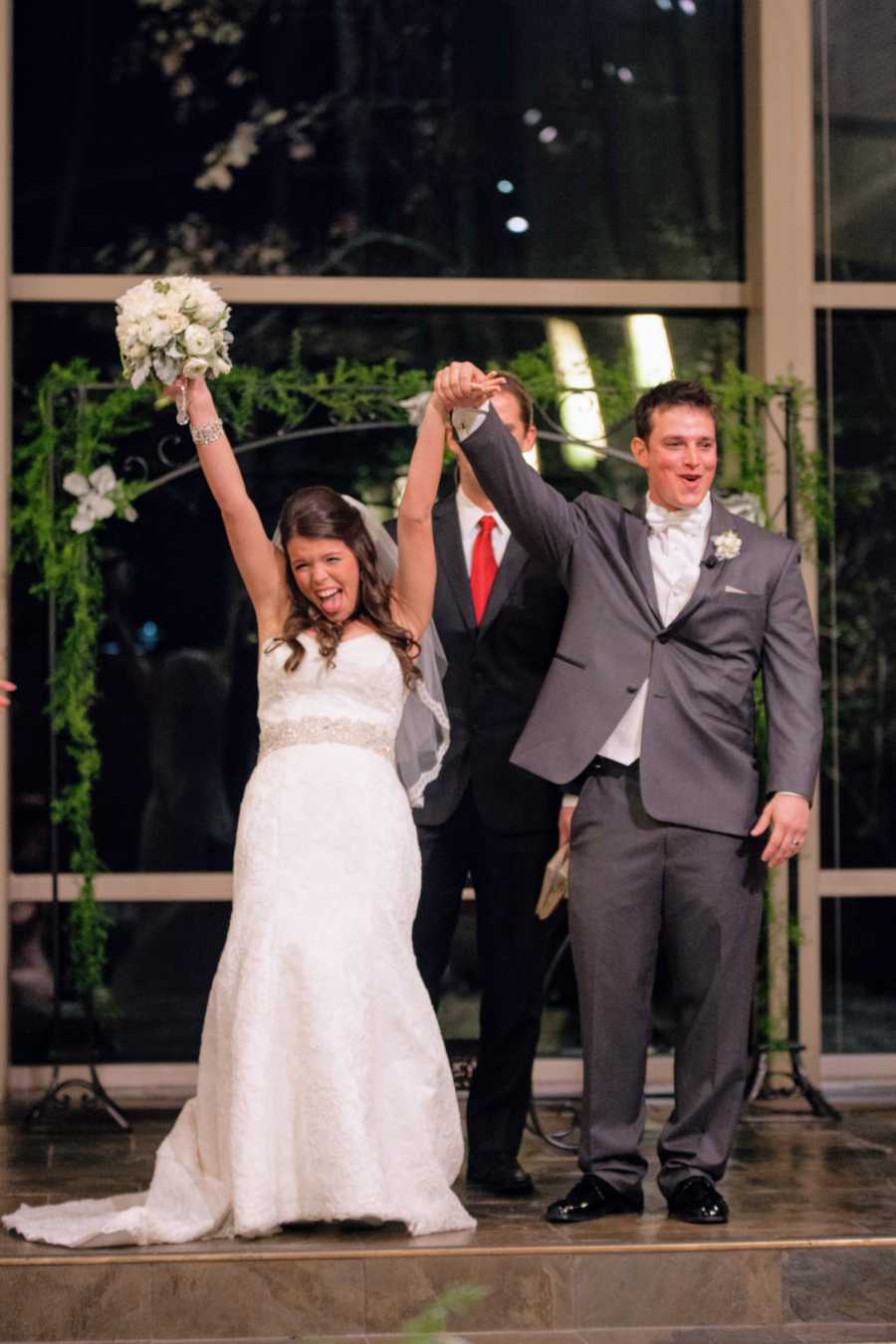
After I transferred colleges, Ryan proposed on December 1, 2012, and we married in early 2014. A little over a year later, we welcomed our first daughter, Brynlee. At the time, I had no idea Ryan was struggling privately with addiction—pornography, alcohol, and gambling were already part of his hidden life. Looking back, I can see the dysfunction that existed early in our marriage, but I didn’t then. I chalked it up to the challenges of newlywed life and creating a life together. Ryan is not the villain in our story. If anything, I’ve learned through reconciliation that sometimes people’s actions cannot be explained—they are simply broken and in need of healing.
It wasn’t until I was pregnant with our second daughter, Harper, that I discovered Ryan’s pornography use. Shocked, heartbroken, and desperate, I went into “fix-it” mode. Therapy? Of course. Twelve-step programs? Absolutely. Counseling appointments? Why not schedule them myself? How could I become the better, more desirable wife to ensure he never looked at porn again? Those thoughts consumed me for weeks.
If I could sit down with my younger self now, I would tell her: Ryan’s addiction is not your fault. His actions are about him, not you. You have nothing to fix here. This isn’t your mess, your responsibility, or your burden. I would tell her to hold onto hope for reconciliation, should Ryan choose honesty, and to remember that his worth is not in his mistakes but in who he is. I would prepare her for gut-wrenching discoveries that would test her faith and leave her questioning everything, but also remind her that transformation is possible—only explained by the goodness of God.
I grew up in a home of recovering addicts. My parents were sober long before I was born, and their decades of sobriety always gave me hope. Still, as I navigated Ryan’s addiction, I wondered if my upbringing had made me more sensitive or hyperaware. Am I overanalyzing? Am I being naive? These questions would return often over the years.
By the time Harper was born, our marriage had settled into a predictable, painful cycle: Ryan would slip, apologize, attend therapy or counseling briefly, and try to make things right with gifts and sweet gestures, only to relapse into his addictions weeks later. I learned later that Ryan’s affair had begun just eight weeks after Harper’s birth. In hindsight, I see why I felt life spiraling out of control. In a broken, unfaithful marriage, you can smell the smoke long before you see the fire.
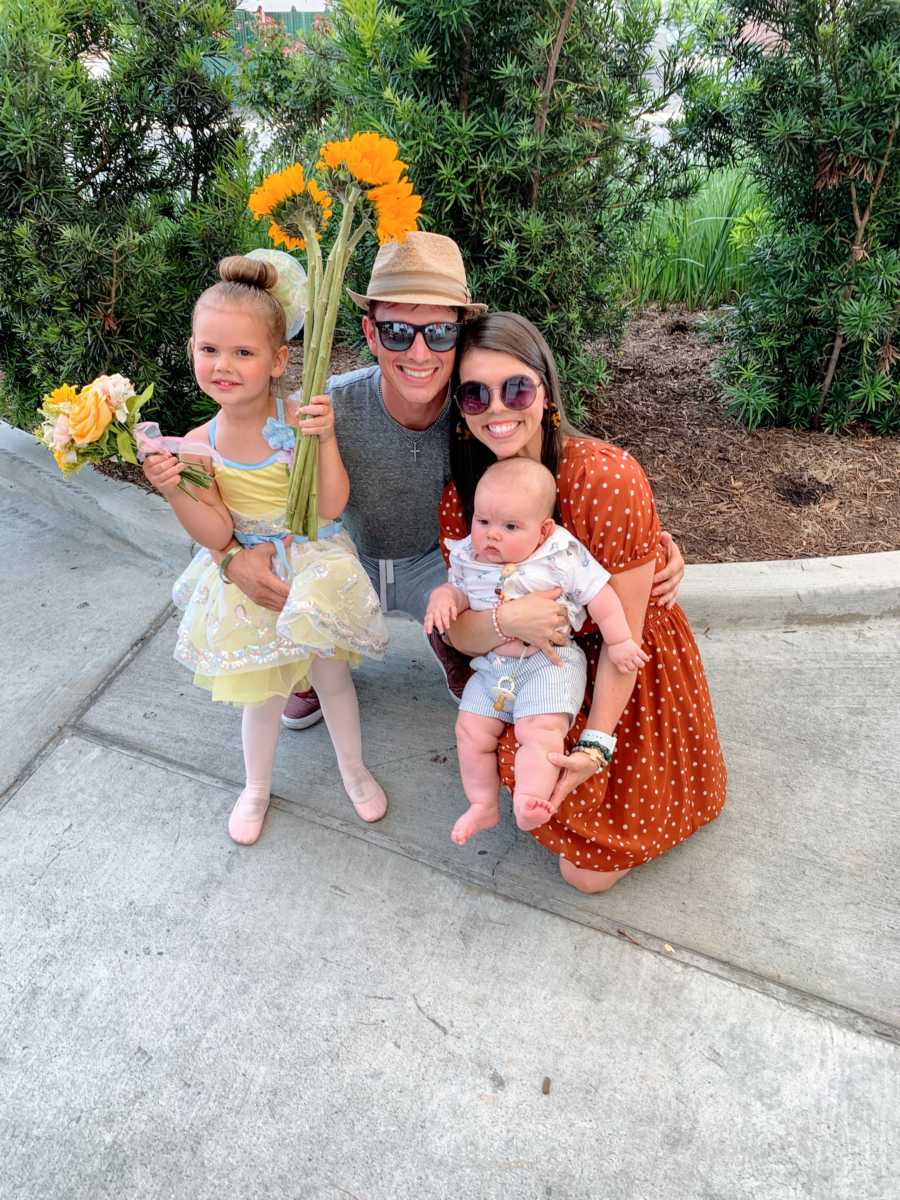
In March 2017, at Harper’s first birthday, I discovered I was pregnant with our third child, Baker. Ten months later, I discovered Ryan’s affair. Those months weren’t entirely dark. Ryan attended counseling sessions and worked on his alcohol use. We took family vacations, celebrated birthdays, and prepared to welcome our son. But even in those moments of joy, cracks remained—another gambling binge here, another fight there. Halloween 2018 brought tension that felt insurmountable, just weeks before my due date. Communication had devolved into silence and fights.
I remember telling a therapist: “We sit on opposite sofas, but I feel like we are on opposite planets. The loneliness is paralyzing. There’s no intimacy, no passion. I feel so alone.” I suspected the affair, asked questions, begged for the truth, and was denied. I questioned my own sanity, felt shame, and bought into Ryan’s gaslighting. Emotionally, I felt unsafe and unstable, trapped in toxicity.
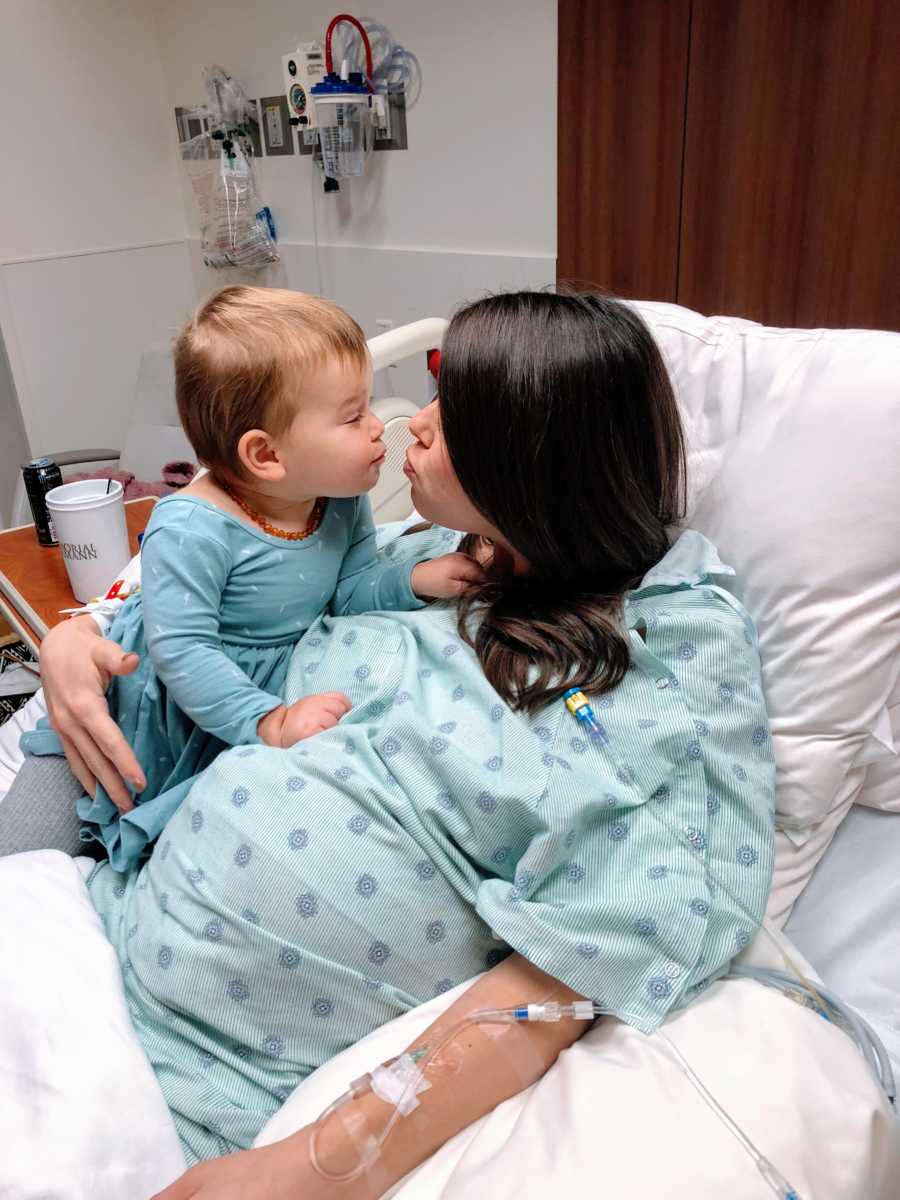
December 12, 2018, felt like any other day. We woke to the chaos of three young children—diapers, bottles, waffles, Mickey Mouse. Ryan went to the gym, stayed late at work, and came home with a case of beer. I cared for the children, waiting for him to return, revolving my life around him and motherhood. When I checked his phone, my worst fears were confirmed: the messages, the proof, the betrayal. It felt surreal, like watching myself from afar. I screenshot everything, preparing for divorce court even as I held our ten-day-old infant, struggling to breathe through the pain. I couldn’t fathom living with such knowledge.
We separated immediately. Ryan moved out, and we each pursued recovery and therapy. I wasn’t sure what the future held, but I knew healing was essential. We agreed to reconciliation, attending weekly counseling and trauma therapy. Ryan entered a recovery program and, in December, celebrated two years of sobriety from alcohol and pornography. In the early days, choosing love was hard—the affair had nothing to do with me personally; it was about his brokenness, his unmet needs, his search for God in the wrong places.
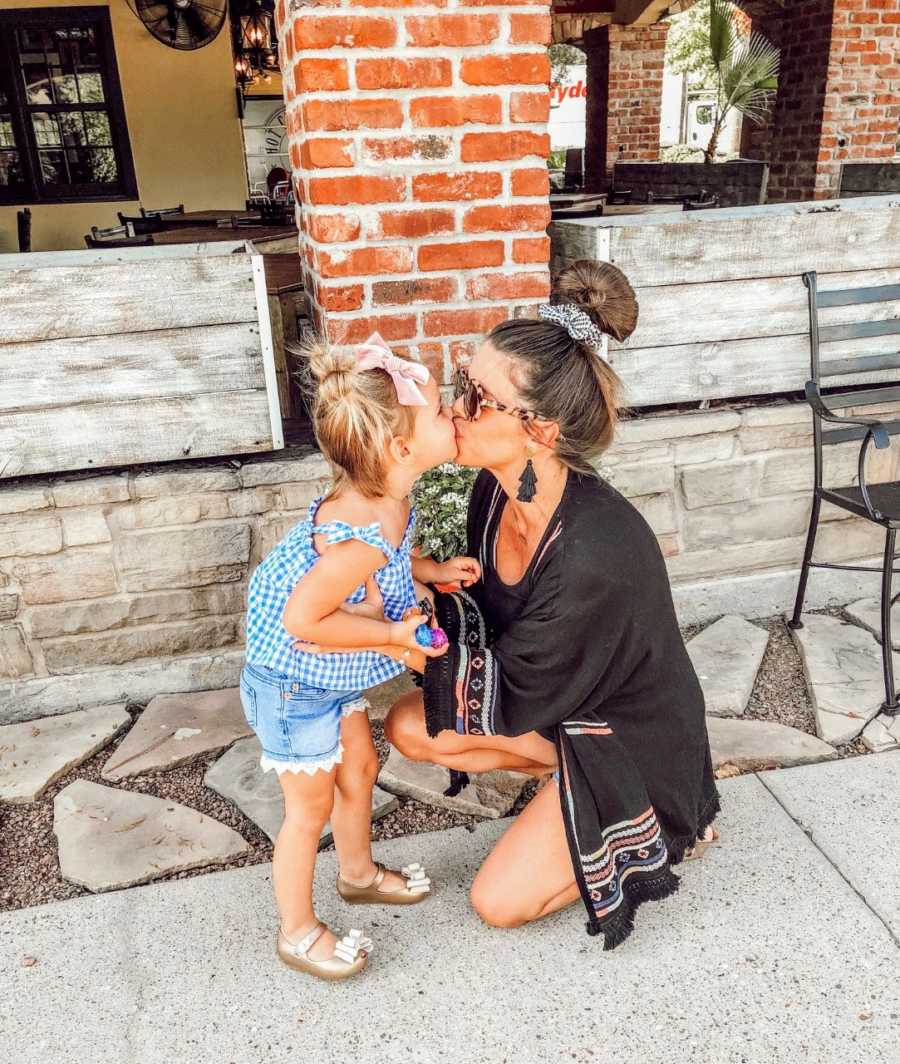
I hardly recognize my pre-D-day self. It may sound cliché, but God truly can take tragedy and use it for good. Today, I am stronger, wiser, happier, and more confident than I ever was. I run a small business from home, raise my children, and live one day at a time. Most days, I rest in God’s love, grateful for the gift of healing. If I had written this story myself, I would have skipped the pain—but now, reflecting, I see the immense growth, faith, and perspective that has come from it.
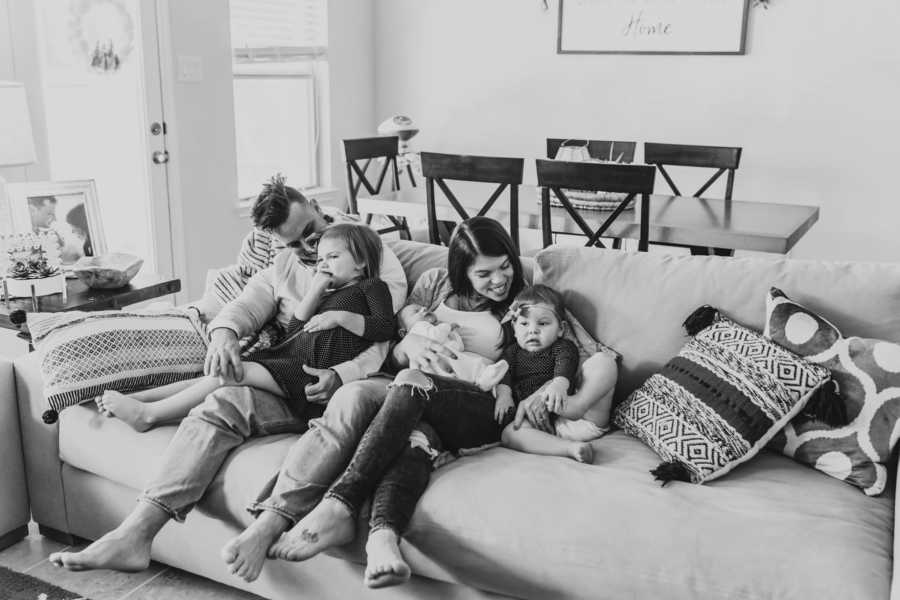
Our marriage today is far from perfect. Some days, the weight of the past is crushing. But “one day at a time” works because God is for marriage, He is the ultimate redeemer, and He is continually working out His purpose despite our mistakes. The relationship I have with Ryan, with myself, with God, and my children is far greater than I could have imagined. And for that, I am endlessly grateful.