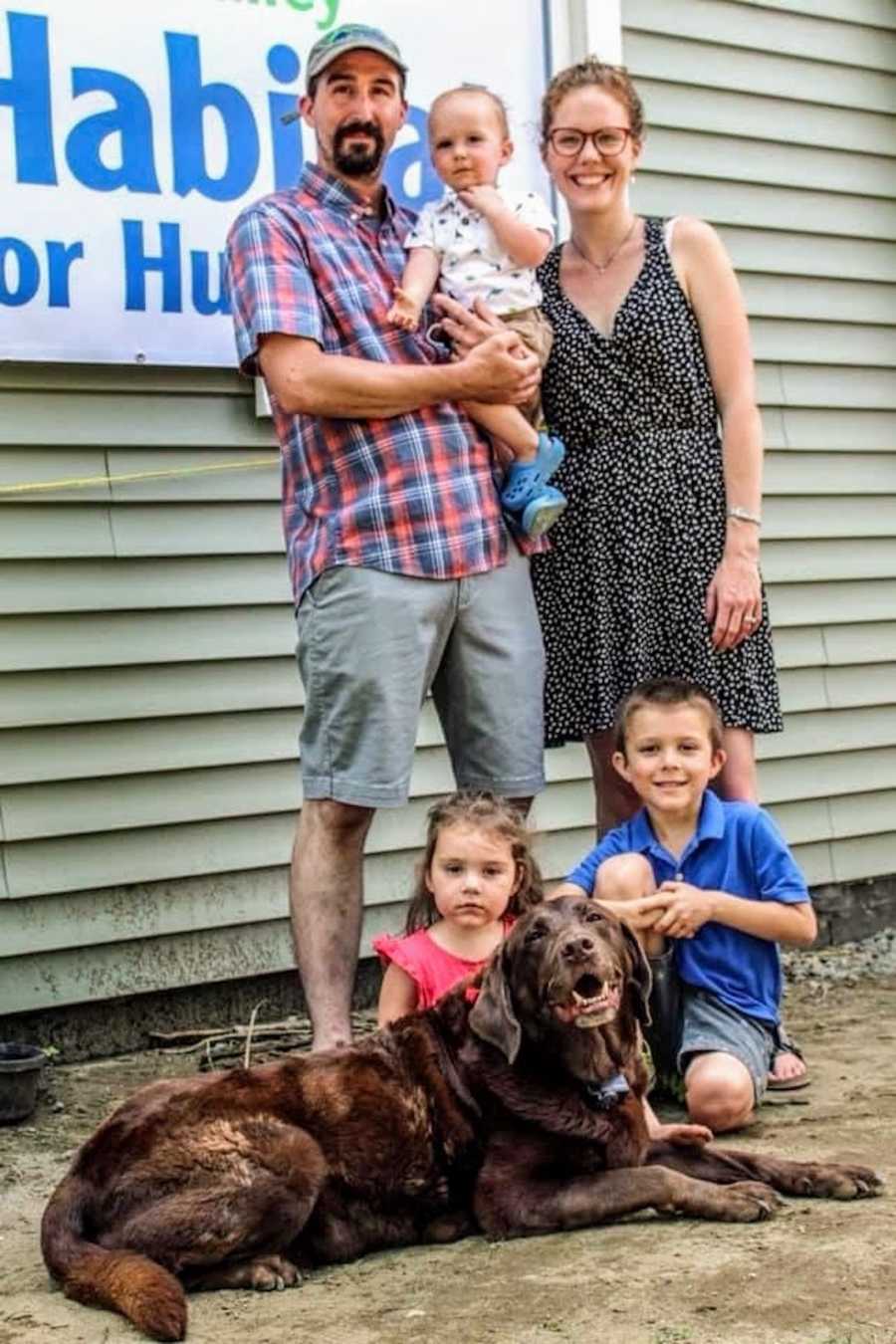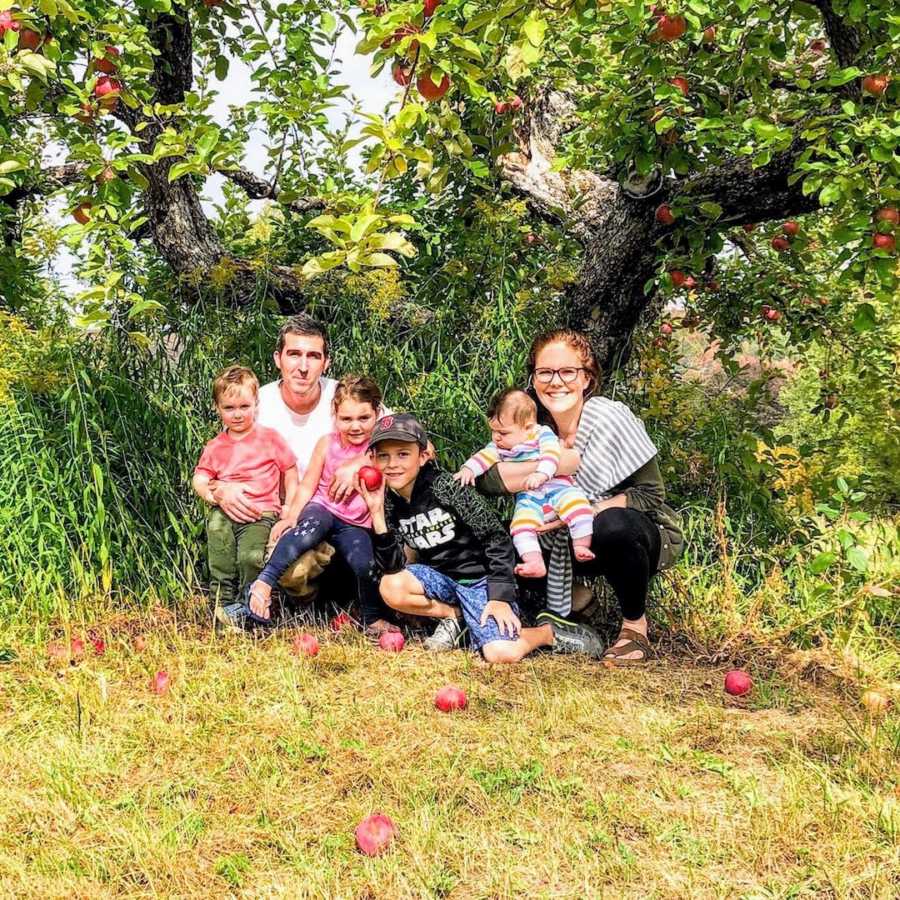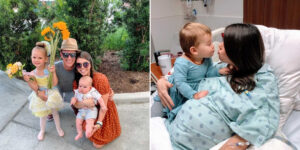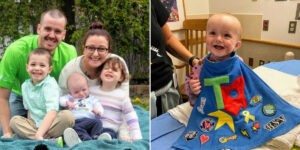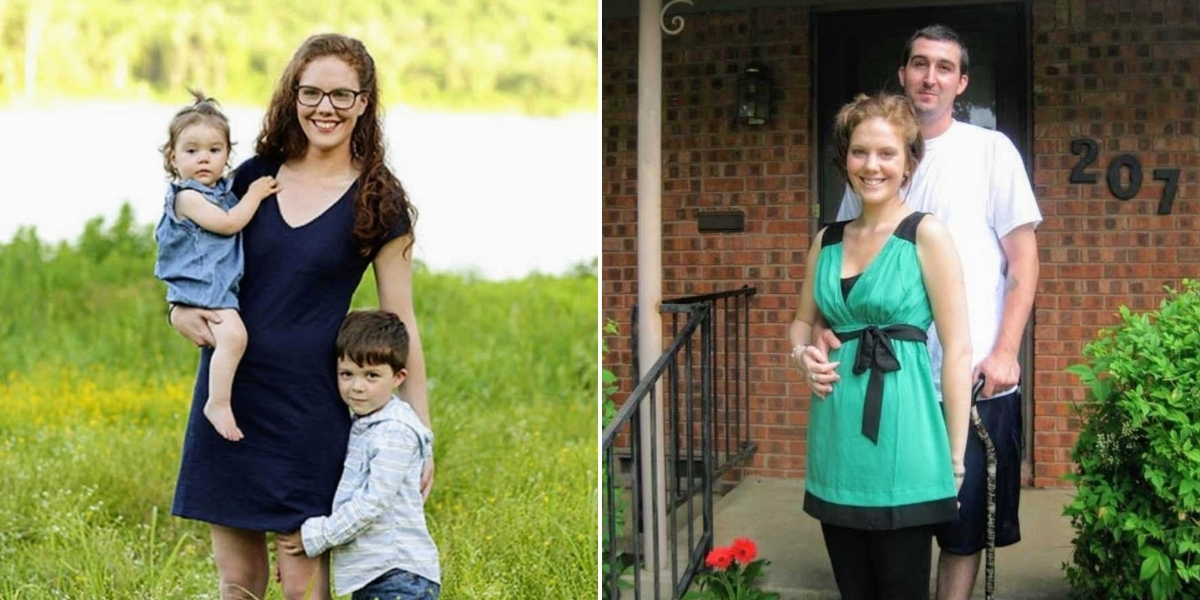
“Finally, a non-flu-season baby,” Zack and I whispered to each other the moment we discovered I was pregnant in September 2019. After three children with winter-ish birthdays—Lane in October 2012, Henree in December 2015, and Wren in February 2018—we were finally going to have our June baby. A baby who could visit friends and family immediately after birth, a baby I could tote to the local pool for swim lessons, face painting, and precious time with my mom tribe—an essential lifeline for me during postpartum periods, which I always navigate with depression and rage.

Sitting on the handmade bench Zack built for our kids to reach the bathroom sink, I calculated our due date. Each child had left a handprint on the step, and one small spot remained. That night, my pregnant belly filled that space as I scrolled through potential dates, realizing we’d need a bigger car—fast. My mind floated to chlorine-scented pools, laughter echoing as I watched friends’ kids play in the shallow end, sunscreen on every shoulder. This time, though, we’d have our new baby to pass around and snuggle. MY baby. Our summer baby. It felt like a dream come true.
I have always been anxious. I hate being alone and feel most alive when surrounded by others. Living as a stay-at-home mom in rural New England only magnified that isolation, and social media became my lifeline. Snow-heavy winters felt endless, and my anxiety often manifested as obsessive cleaning and keeping everything orderly. I never fully understood the depth of my anxiety until I became a mother.
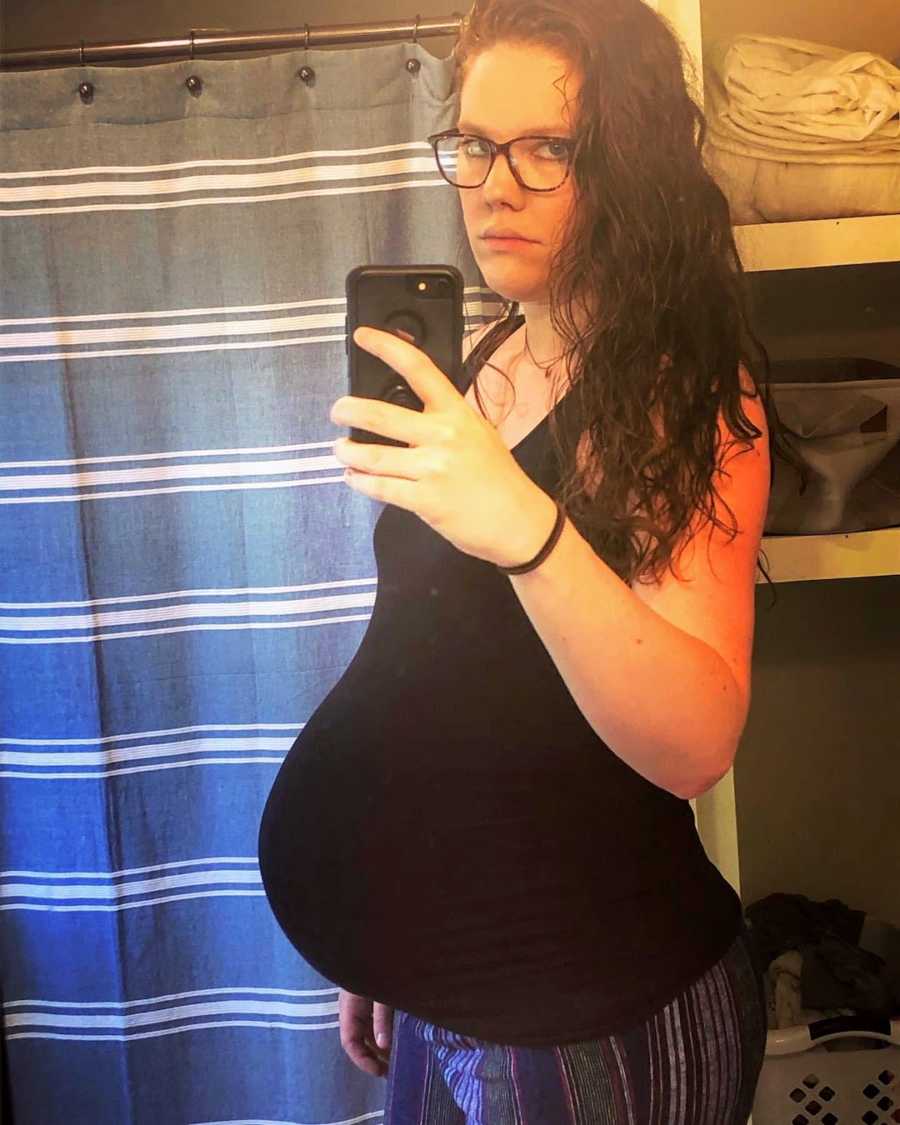
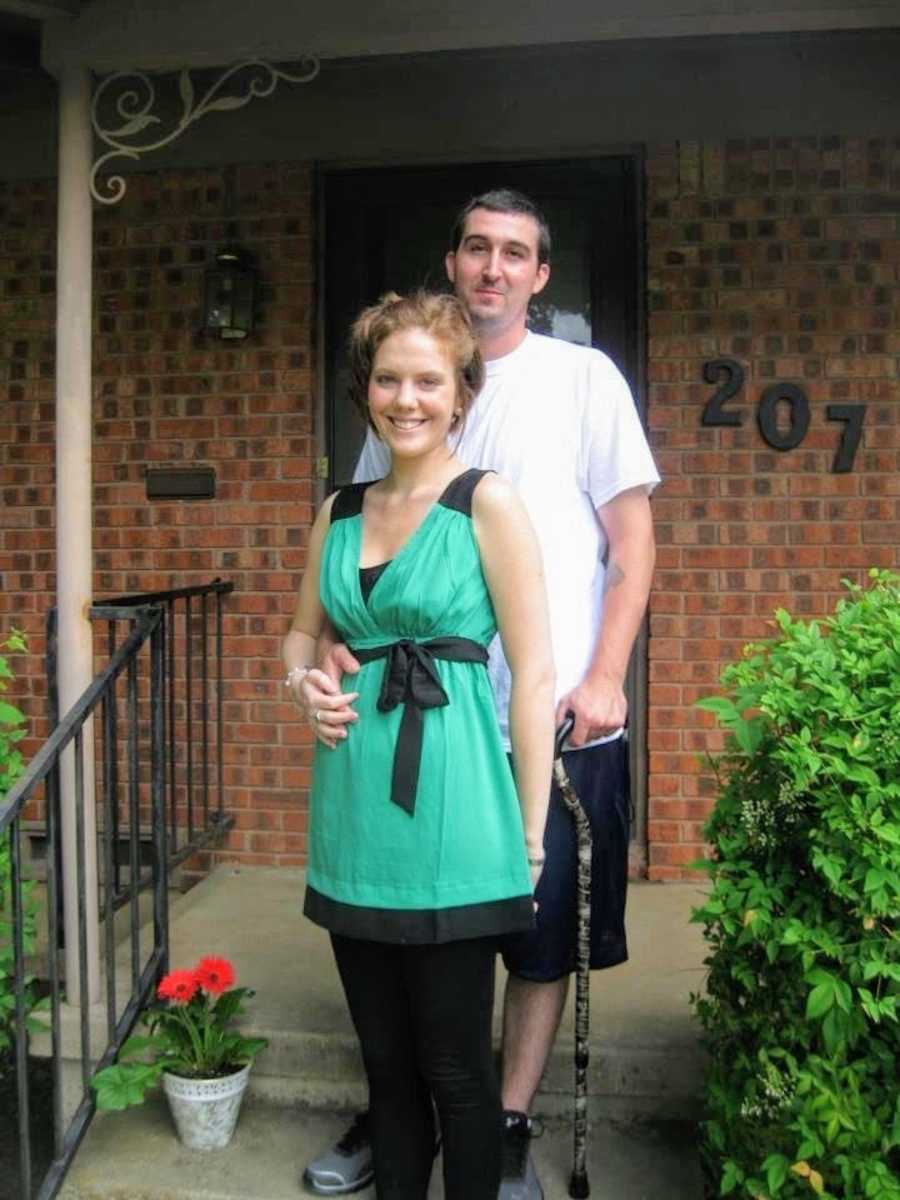
This pregnancy felt like a turning point. It was supposed to seal our family, to heal me from stress and anxiety. We owned our home, were stable in our marriage, and financially secure—so different from the circumstances of our first three children. Our first arrived weeks after Zack suffered a stroke at 26, leaving him unable to walk, talk, work, or shower alone. I left my job to care for him, and we moved across the country to be near family. Our second child came after a near-divorce, during Zack’s relapse as a recovering alcoholic. We went to marriage counseling, but years of me being caretaker weighed heavily on our bond. By the time our third baby arrived, people criticized us for having another child. My anxiety reached new heights, prompting me to finally seek therapy as we finished constructing our new home. For the first time, I realized we’d parent alone, on our terms, free from judgment. It was empowering.
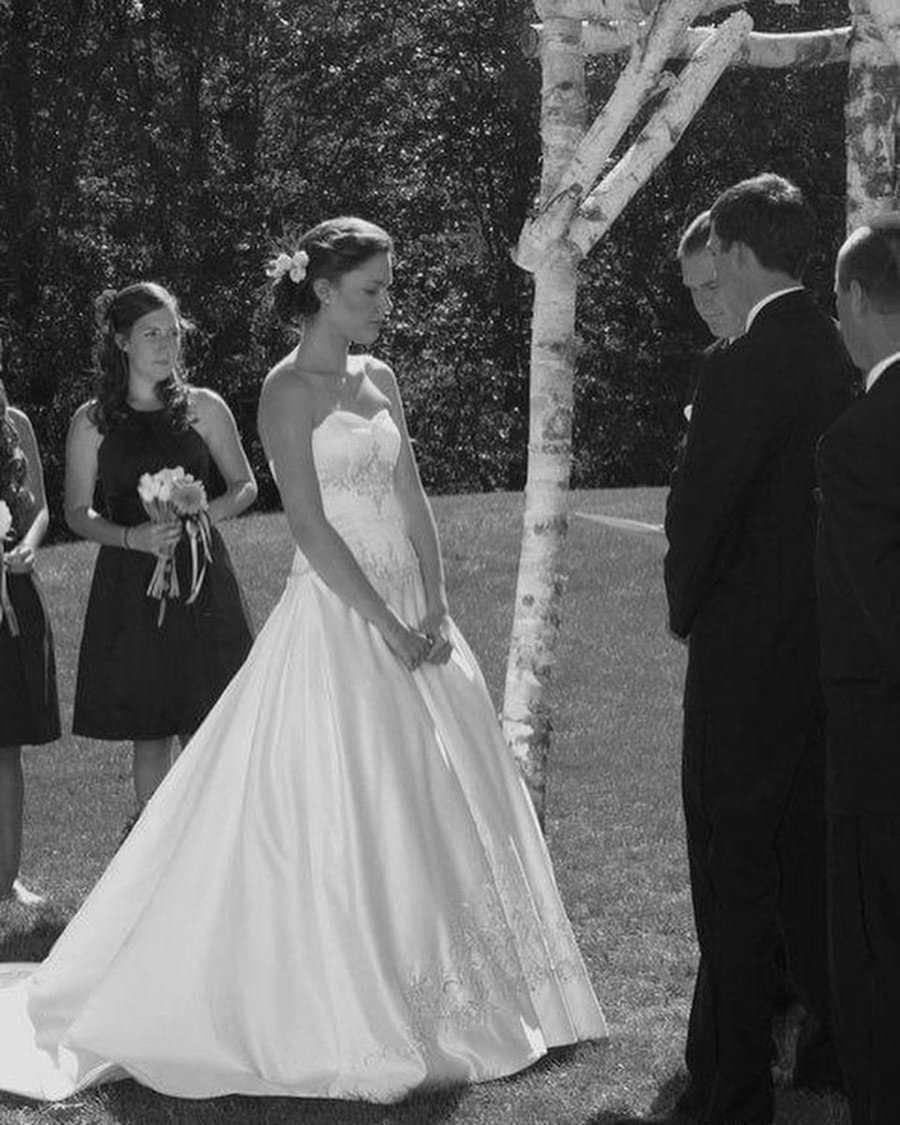
I was thrilled to have my best friend in the delivery room. I was ready to complete our family with this summer baby. And then COVID-19 hit. Suddenly, life froze. News was confusing, conflicting, and frightening. Schools shut down. Our home became a pressure cooker of remote learning, three small kids, and my third-trimester exhaustion. The joy I anticipated was replaced by despair. I cried every day, doubted our decision to have another baby, and resented those finding happiness in isolation. My world—already fragile with anxiety—felt unmanageable.
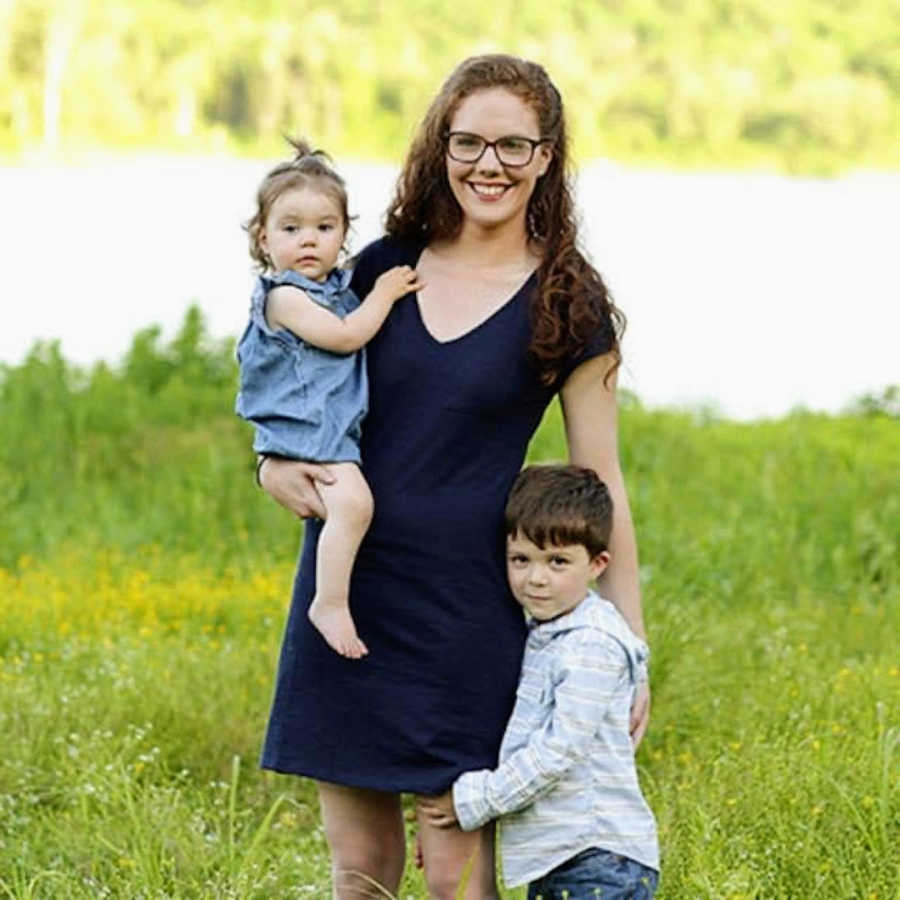
Oak Frances arrived on June 2, 2020, a gorgeous 10-pound bundle with a full head of hair. But the post-birth joy I’d expected was muted. No hugs from midwives or nurses, no family to share our triumph. The hospital felt sterile, even isolating. I wanted to celebrate with friends and relatives, but couldn’t. Zack was by my side, but it wasn’t enough. I felt like Oak didn’t even exist outside of us. Postpartum depression and anxiety consumed me. I wanted to hide away, to sleep endlessly, to escape the world entirely.
Eventually, I broke down and reached out to my doctor. My midwife prescribed medication, and after months of adjustments, I experienced fleeting relief. For the first time in years, I laughed freely, smiled at my children, and allowed myself to be imperfect. I had deep conversations with Zack, confessing resentment alongside love, acknowledging that being a stay-at-home mom fulfilled only part of me. I dreamed of contributing beyond our home, yet I reveled in small joys—watching Schitt’s Creek, reconnecting with Mindy, feeling like myself again after nearly a decade in sepia-toned parenthood.
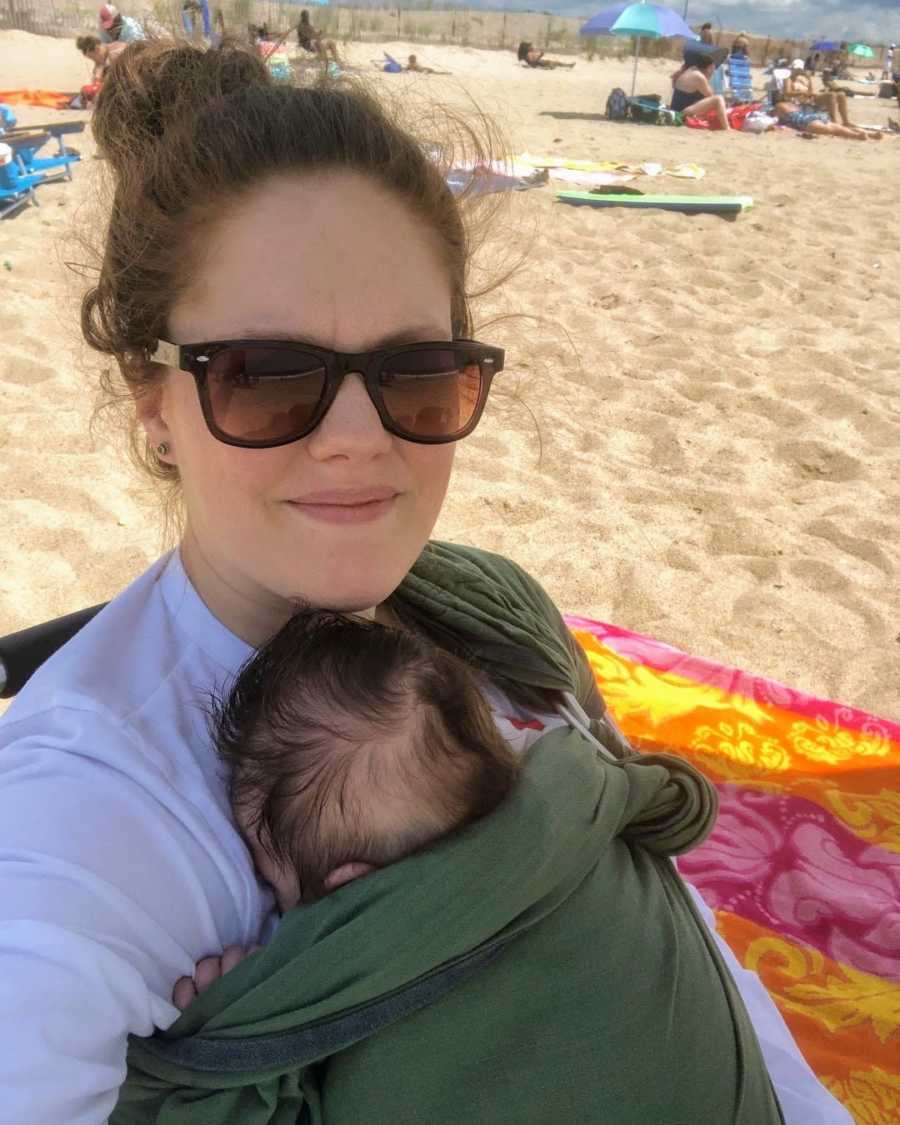
This clarity extended to relationships, too. I had honest conversations, broke cycles of passive aggression, and embraced confrontation for resolution, reclaiming mental space and confidence. But as medication plateaued, despair returned. Isolation remained. I longed for connection beyond screens, for social engagement that felt natural and safe.
Therapy became my anchor. On a two-hour intake call while nursing Oak, I poured my heart out, tears falling as I juggled my other kids. Diagnosis followed: OCD, generalized anxiety, and postpartum depression. Labels didn’t feel limiting—they were liberating. I finally had a roadmap for healing. Had I not become pregnant in 2019, had Oak not been my 2020 June baby, this journey might never have begun.
Now, life is vibrant. I am myself again—sharing stories of struggle, finding humor in the chaos, creating TikToks that bring joy to others. My children’s flaws and futures no longer intimidate me; they motivate me. I teach them about feelings, resentment, trust, and love, grounding them in empathy and self-awareness.
Looking back on that year, I see a woman transformed. I endured fear, isolation, and postpartum darkness to emerge stronger, more present, and more alive. My June baby may have disrupted plans, but he gifted me the greatest gift of all: a path to healing. Even at 10 pounds, Oak reminded me of what truly matters. He saved me. And for that, every trial, tear, and sleepless night was worth it.