“I think you might have Asperger’s,” he said, nervously waiting for my reaction. I had no idea how profoundly life-altering those words—spoken by my now ex-boyfriend—would become for me. Asperger’s? I repeated silently, scrambling to remember what it even meant and how I was supposed to respond.
I don’t remember much from the rest of that conversation. I just remember feeling confused and unsettled, yet still listening closely. He had broken up with me a month earlier and had never clearly explained why… and suddenly, it all made sense. He suspected I was autistic—or as he called it, “Asperger’s”—and wasn’t sure he wanted to be with me because of it.
At first, I didn’t know what to think. But as soon as the conversation ended, I started Googling Asperger’s and learning everything I could. Almost immediately, something clicked. For the first time in my life, my experiences, struggles, and feelings finally began to make sense.
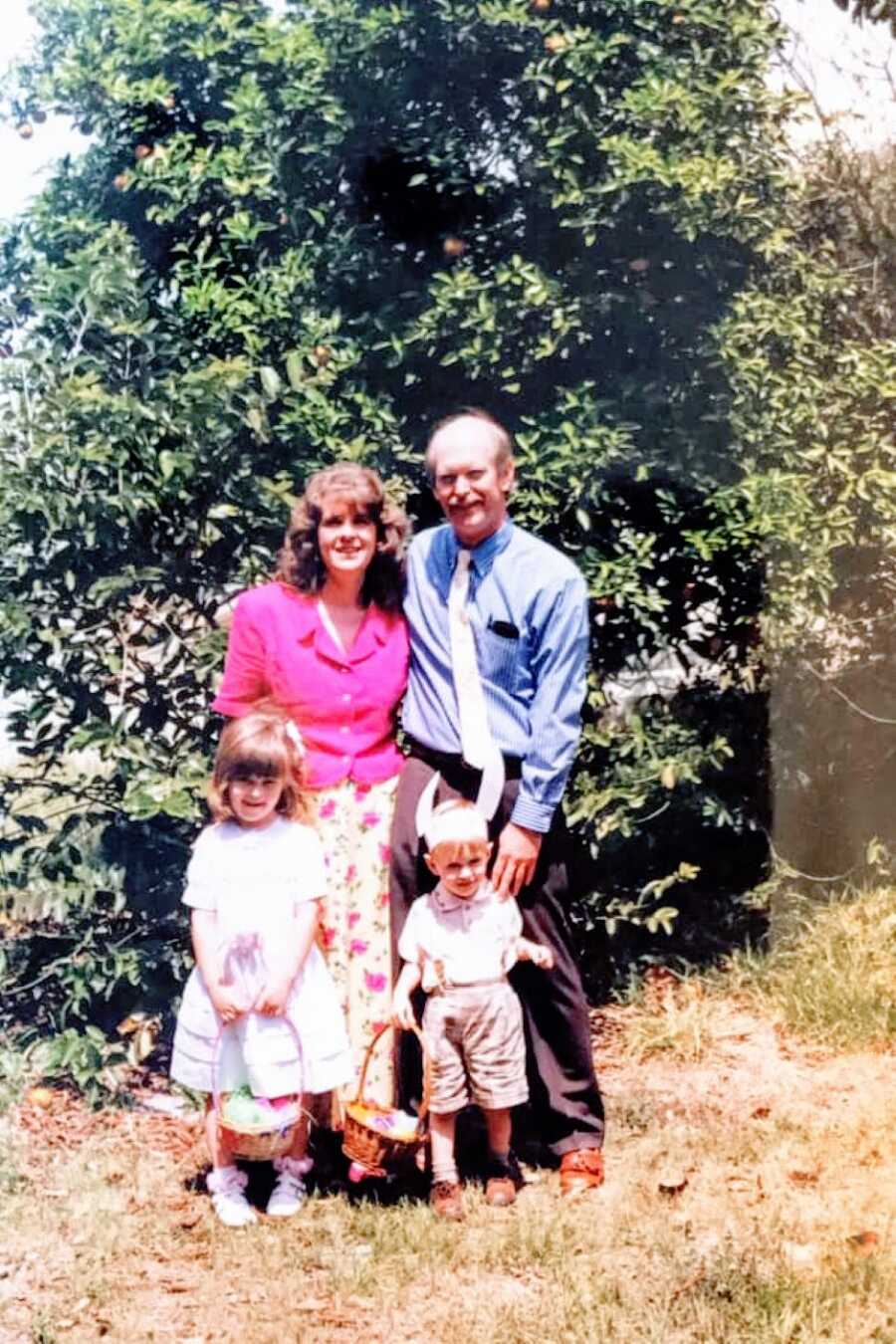
All my life, I had felt different in ways I couldn’t explain. When I was around three or four years old, I remember staring at myself in the mirror and feeling deeply disturbed by the face staring back at me. Looking back now, I believe it came from desperately wanting to be seen a certain way by the world—and feeling crushed that I didn’t measure up to that invisible standard.
That memory captures the very essence of the pain autistic masking has caused in my life. Autistic masking is when an autistic person consciously or unconsciously suppresses their natural traits to appear neurotypical in order to gain social acceptance, jobs, friendships, relationships, and opportunities. While masking can be a necessary coping mechanism, it often comes with devastating long-term mental health consequences.
For most of my life, I unknowingly resisted who I truly was. Deep down, I carried the unconscious belief that I was broken and needed fixing. I believed I was always wrong and that other people always knew better. These beliefs formed in early childhood and followed me well into my twenties. It wasn’t until I began exploring my inner world after discovering my autistic identity at nearly 22 years old that I even realized those beliefs existed.
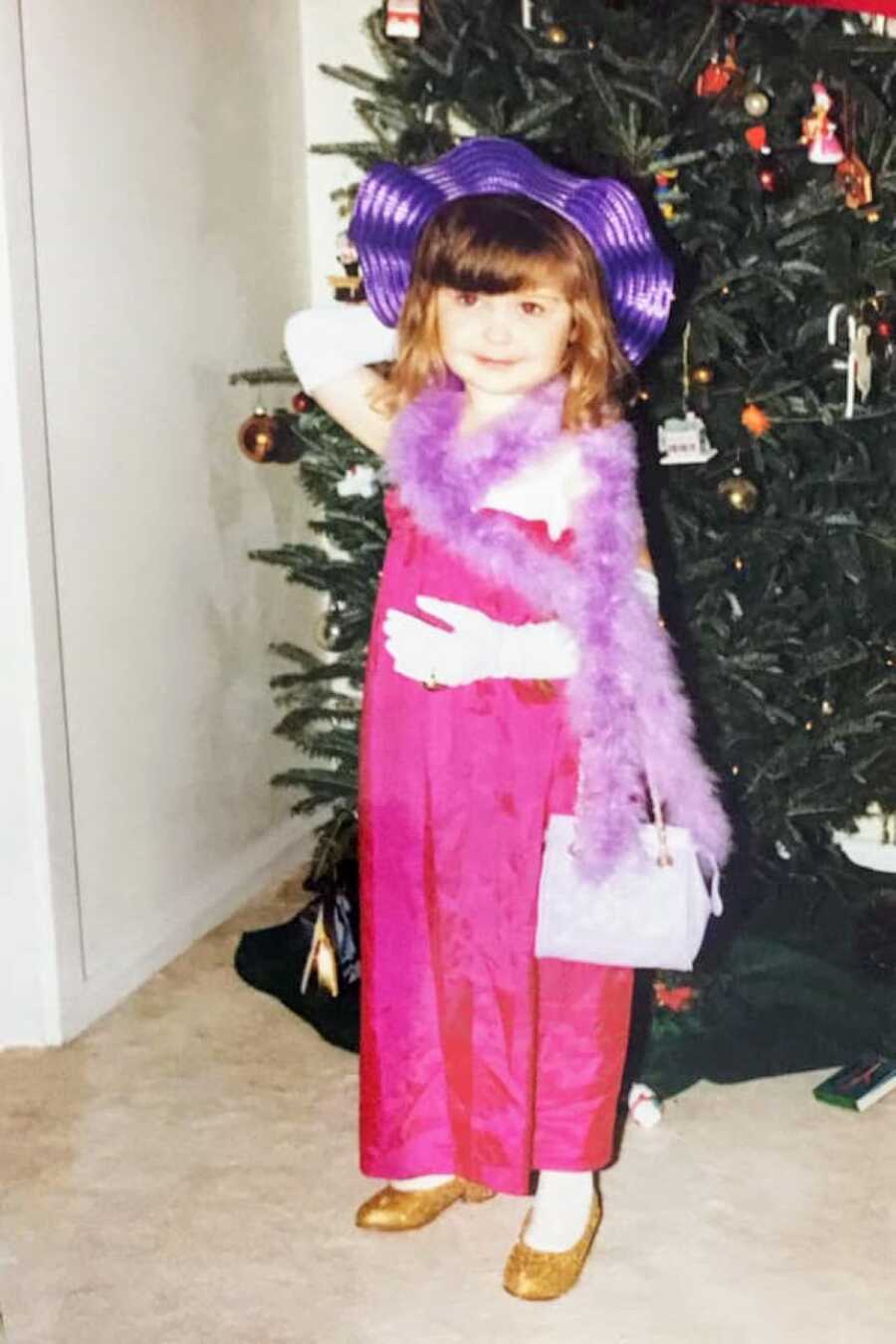
Those beliefs taught me not to trust myself—to stay quiet, blend in, and please others at any cost, even at the expense of my own comfort and wellbeing. They taught me it was safer to hide my authenticity than to risk being wrong, laughed at, or criticized.
In my early years of school, I was selectively mute and barely spoke at all. The social anxiety I felt was overwhelming, even though I didn’t yet have the words to describe it. My teachers were concerned and brought it up to my parents, but my parents didn’t see it as an issue because I spoke freely and comfortably at home.

I still vividly remember the knots of anxiety in my stomach every single morning before school. I was incredibly fortunate to grow up in a loving, stable family where I always knew I would be accepted. I never doubted my family’s love—but I didn’t have the same trust that the outside world would accept me.
At school, teachers praised me for being the “good, quiet girl” who followed rules and never caused trouble. That praise, echoed by both teachers and parents, gave me a sense of being good—of belonging. It made me feel like I was okay, not an imposter, as my subconscious masking constantly told me I was. I built that identity as a young, undiagnosed autistic girl because I wanted so desperately to be seen as normal.
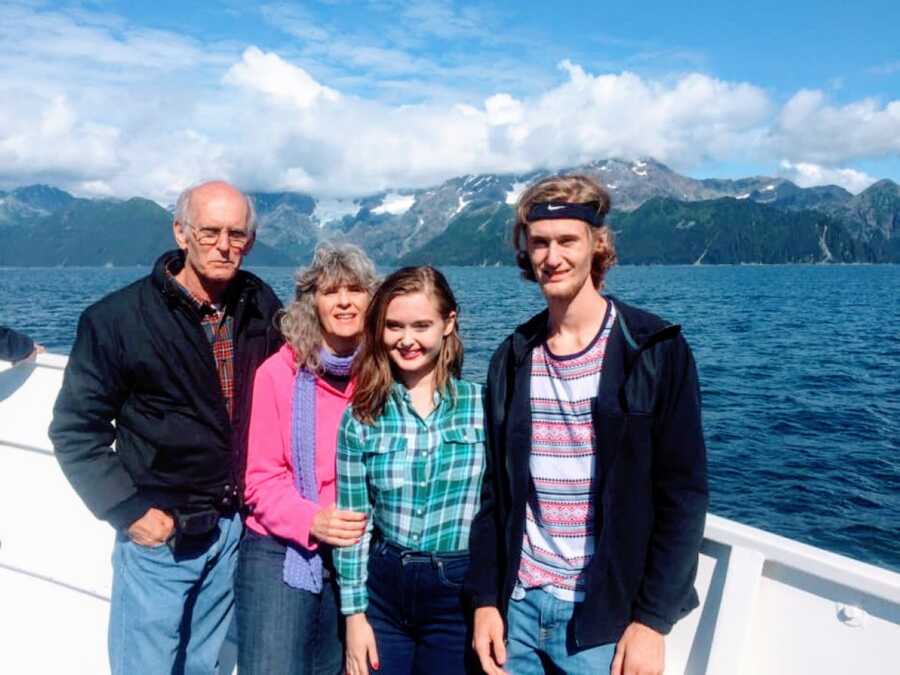
Now, in my twenties, as I’ve come to truly meet my autistic and ADHD self, I can finally see the damage I was unknowingly doing. I see how often I abandoned myself, resisted my authenticity, and believed it was all just normal.
It took more than a year after discovering my autistic identity to fully understand how deeply I had been masking my entire life. Not long after my ex first suggested I might be autistic, we got back together. Over the months that followed, I continued learning about autism and slowly understanding myself. And the more I understood, the clearer it became—I had never truly known myself at all. So much of who I thought I was had been a carefully constructed mask designed to please others, including my boyfriend.

I carried immense internal resistance toward myself without even realizing it. Abandoning my true thoughts and desires felt completely normal to me. When I finally recognized that my entire relationship had been built on that mask, I knew I had to leave. Ending a nearly seven-year relationship terrified me, but I did it—and I never looked back. That decision marked the beginning of the hardest, yet most healing, unmasking work of my life.
Nearly four years later, I’ve come a long way. I’ve learned to find meaning and beauty in all the years I spent masking. I still struggle, but I’ve developed coping tools that truly support me. I’ve made peace with my differences and learned to love them as part of my unique human experience. Most importantly, I’ve learned what it means to love myself—even when it requires doing hard things.
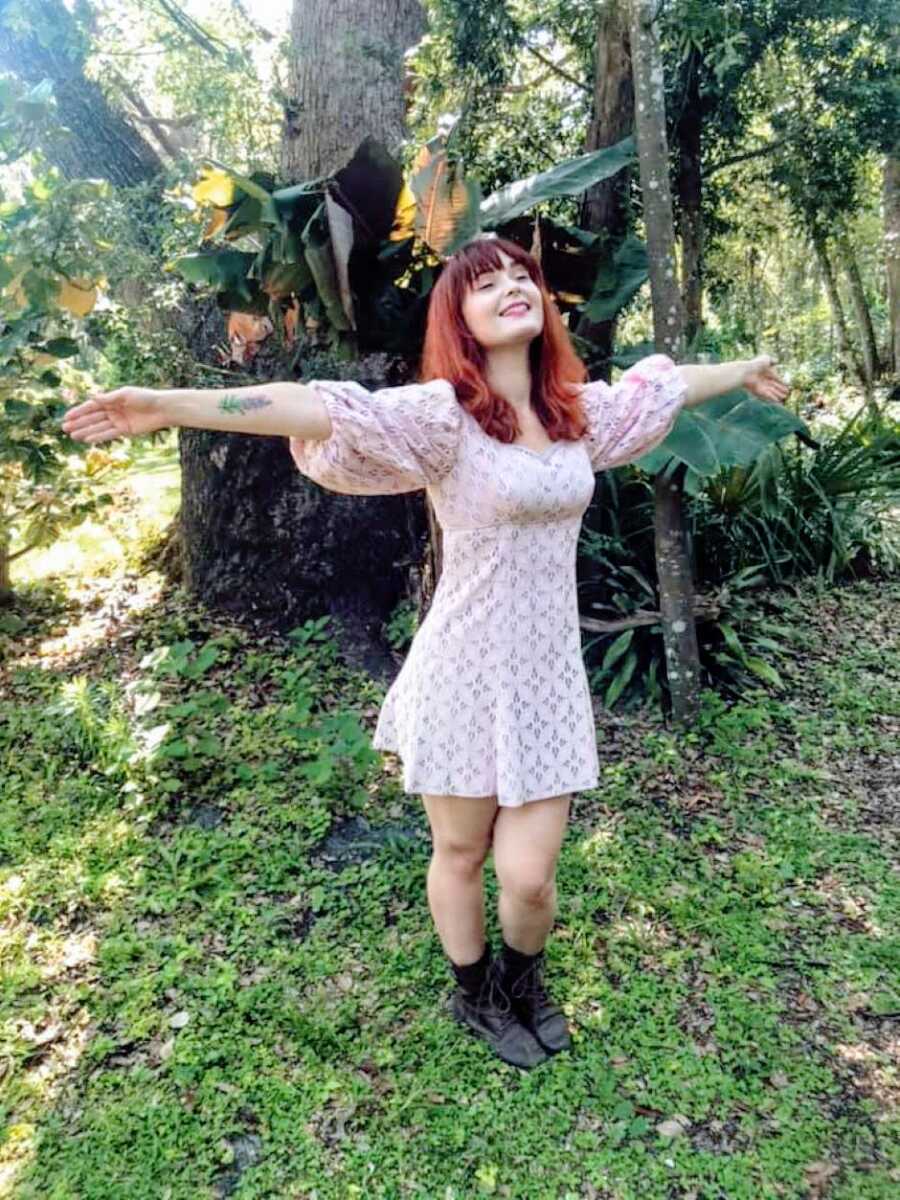
But I’m not finished unmasking, and I never will be. The little girl who loved being praised for being “good” still lives inside me, and she always will. Even though I remind her every day that she is already enough, sometimes she still tries too hard.
In those moments when I catch myself masking, I can see that she’s only trying to protect me—just as she always has. In elementary school, when she sat quietly and followed every rule. In her teenage years, when she abandoned her own interests to please her boyfriend. After high school, when she struggled to find work and convinced herself that this was normal because she needed so badly to believe she was normal.

These are just a few of the many ways I’ve masked over the years. And when it still happens today, I no longer judge myself. Instead, I recognize that little girl’s efforts to keep me safe. I hold her gently and remind her she doesn’t have to do that anymore—because I’m here now, and I’ll always protect her.
In recent years, I’ve started a practice of lovingly gazing at myself in the mirror and speaking to myself with kindness. When I first began, I was healing from intense anxiety and depression and was in a very dark place. Like the toddler who once couldn’t bear her own reflection, 24-year-old me felt overwhelming shame when looking in the mirror. Still, I persisted. Every time the shame surfaced, I chose to meet myself with compassion.
Over time, it became easier. Eventually, that mirror became a source of comfort—a place where I could reconnect with myself during my darkest moments.
Today, there are days when I feel deeply connected to myself, filled with joy and awe for life. And there are days when I feel lost, disconnected, and uncertain of my power. But now I know that even when I feel lost, I never truly am. When I look into my own eyes and say, “I love you. I see you. You’re doing your best, and I am so proud of you,” I remember that I am exactly where I’m meant to be.