It was a summer afternoon, the kind of warm, sun-drenched day I used to look forward to—perfect for taking my kids to the park, laughing with them, watching them run around without a care in the world. Instead, I found myself in the ER, sitting rigidly in one of those perpetually uncomfortable hospital chairs, waiting for a doctor to deliver a diagnosis I feared no one would show sympathy for. I had a drinking problem, and everyone here was about to find out. My mom sat across from me, quietly. Normally, I could read her expressions like an open book, but today, her face was unreadable.
Mom said she was fine, but the little girl inside me couldn’t help wondering if she was disappointed—or even angry. My ER visit had been triggered by a tsunami-sized panic attack, fueled by a night of heavy drinking. The door swung open, and a doctor appeared, wearing the kind of bored, detached look that screamed, I have somewhere better to be than here with you. I hated the ER, and I could tell they all hated me too. He glanced at my charts while I tried, as best as I could, to appear normal. My mind raced: Do I really have a problem, or is it just anxiety? Can everyone see it but me? Will my sins be revealed by a urine test? I didn’t drink today… but what about last night? Or the night before that? Dear God, please don’t let him say anything in front of my mom. I’ll do anything to make this stop.
Finally, the doctor spoke. “She’s low on B vitamins and potassium, but that’s about it.” Vitamins, hydration, a little care, and I’d be fine, I thought. Then he asked, casually, “Do you drink alcohol?” I considered lying, but what was the point? “Yes,” I admitted. “How much would you say you drink?”
It’s a question most of us never answer truthfully. I had lied countless times before, but today felt different. Maybe, I thought, I could finally be honest—with my mom, with the doctor, and most importantly, with myself. “I have probably three or four drinks a night,” I said, hiding the truth in plain sight. The doctor barely looked up. My real number was at least double that, yet he seemed indifferent. My mom let out a soft sigh, looking at me for an explanation. “Sorry, Mom,” I muttered, my voice small, “I started drinking again.”
A conversation followed about what could be done for me. I felt like a second-class citizen in my own life—though it wasn’t really anyone’s fault. People like me, the doctor explained, usually couldn’t quit without help. Rehab was suggested. Part of me wanted to argue, to push back, but I could tell my mom wasn’t on board, and truthfully, I wasn’t either. I felt grateful she was there to speak for me, to negotiate the conversation I didn’t have the strength to lead. She politely assured the doctor we’d “take care of it,” and that was enough. We left the ER together, and as we walked to the car, shame and guilt weighed heavily on me. How did I become this person?
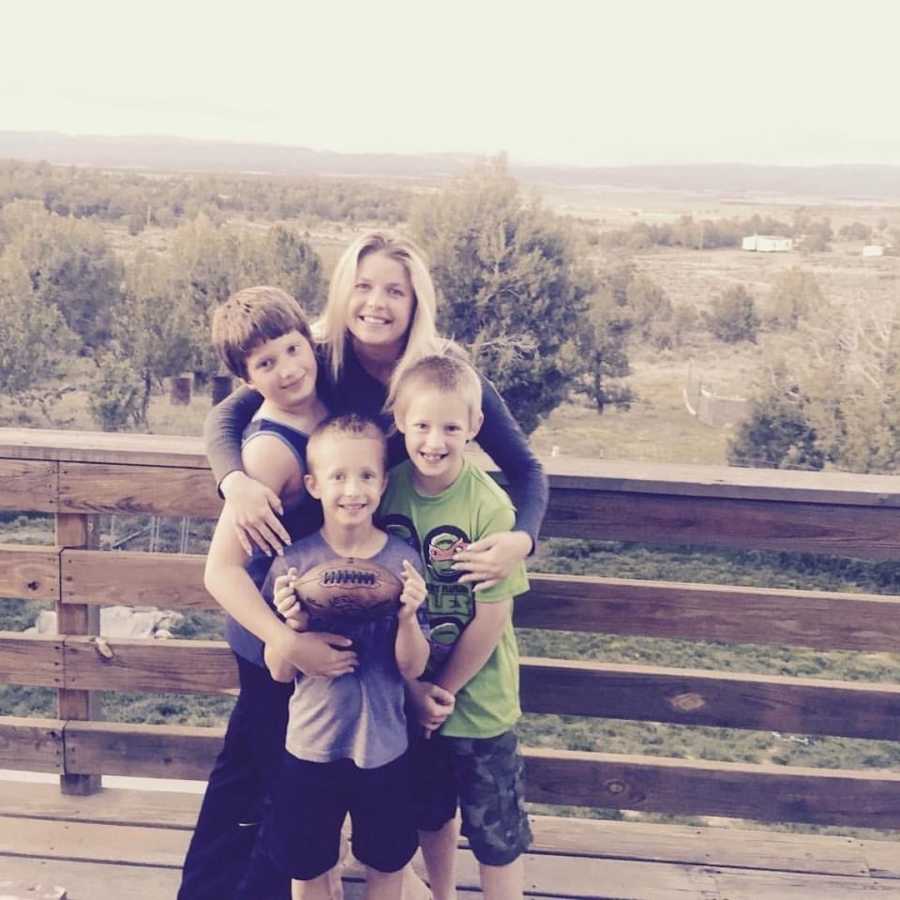
I remembered when I was a little girl, my mom asking me what I wanted to be when I grew up. A thirty-something stay-at-home mom addicted to alcohol was never part of that picture. I was the mother of three young boys who loved me dearly, yet they had no idea who their mother really was—or at least, that’s what I told myself. I realized I was at a crossroads: continue digging my own grave, or attempt the unthinkable and try something new.
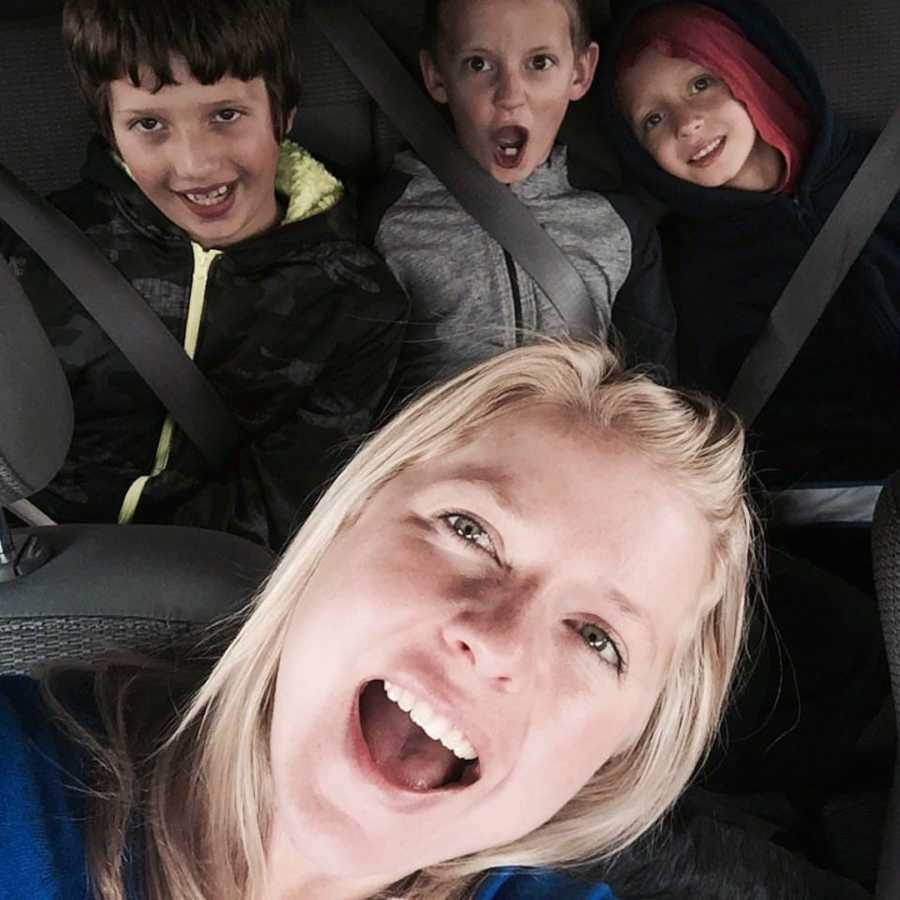
As I began walking the rocky road toward sobriety, memories flashed vividly through my mind. I remembered road trips with my boys, especially a favorite getaway to Albuquerque, New Mexico. We stayed at a hotel with a pool for the kids and a cocktail hour for the adults. We always brought a large brown bag filled with whiskey doubles, stashed in the back of the car. The boys were ten and younger then, brimming with excitement. On arrival, the high desert sun was relentless. As my husband opened the trunk, the brown bag spilled, whiskey bottles rolling across the asphalt. Our boys immediately jumped into cleanup mode, stuffing bottles back into the bag while curious onlookers glanced our way. My middle son’s expression struck me—embarrassment. For the first time, I saw it clearly: my drinking affected them. But that moment alone wasn’t enough to change me. It would take many more before I even began to shift.

A few days after the ER visit, I was white-knuckling my sobriety, unsure if I could keep it up. Still, the burning questions remained: Did I truly have a problem? Did I need to quit entirely? My health had begun to deteriorate—an adorable little stomach issue affected my appetite and digestion, while anxiety had escalated to the point where even socializing felt impossible. One morning, before a simple 9 a.m. coffee date, I had downed a double in my car just to cope—and ended up in a panic attack, supported by friends who patiently helped me breathe again. Ironically, I had been set to give them advice about anxiety. These vivid recollections forced me to see the damage clearly—not just to myself, but to everyone around me. I had long teetered between the delusion that I could “handle my liquor” and the undeniable truth of my addiction.
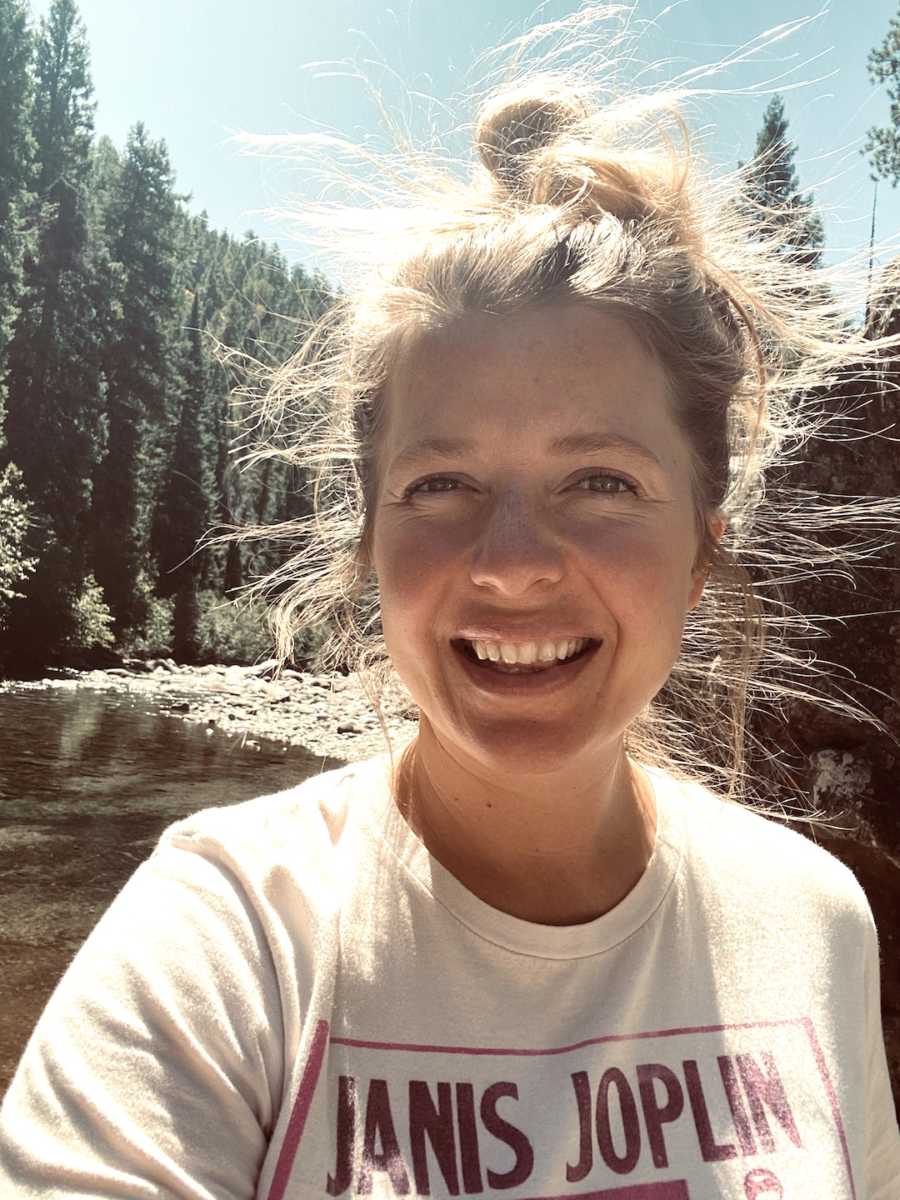

The next five years were a battle. There were sober days, weeks, even months, and plenty of setbacks along the way. But each day I chose not to drink compounded into more sober days. These small victories taught me how sweet life could be with a clear mind and heart. Slowly, I began to notice things I had missed: the sparkle in my children’s eyes, the beauty of their laughter, the joy of truly being present. February 15, 2020, marked the day I finally cemented all those years of struggle into something meaningful—my sober anniversary—a symbol of resilience, love, and the hard-won clarity I had long been searching for.