I was painfully shy as a child, a quiet observer of the world around me. Even through high school, social situations felt like climbing a mountain. I could manage one-on-one conversations with close friends, but beyond that, anxiety and self-consciousness took over. And yet, perhaps because of this, I longed for a fresh start. I dreamed of leaving for college, a place where no one knew me, where I could become anything but the awkward, socially clumsy version of myself. So that’s exactly what I did.
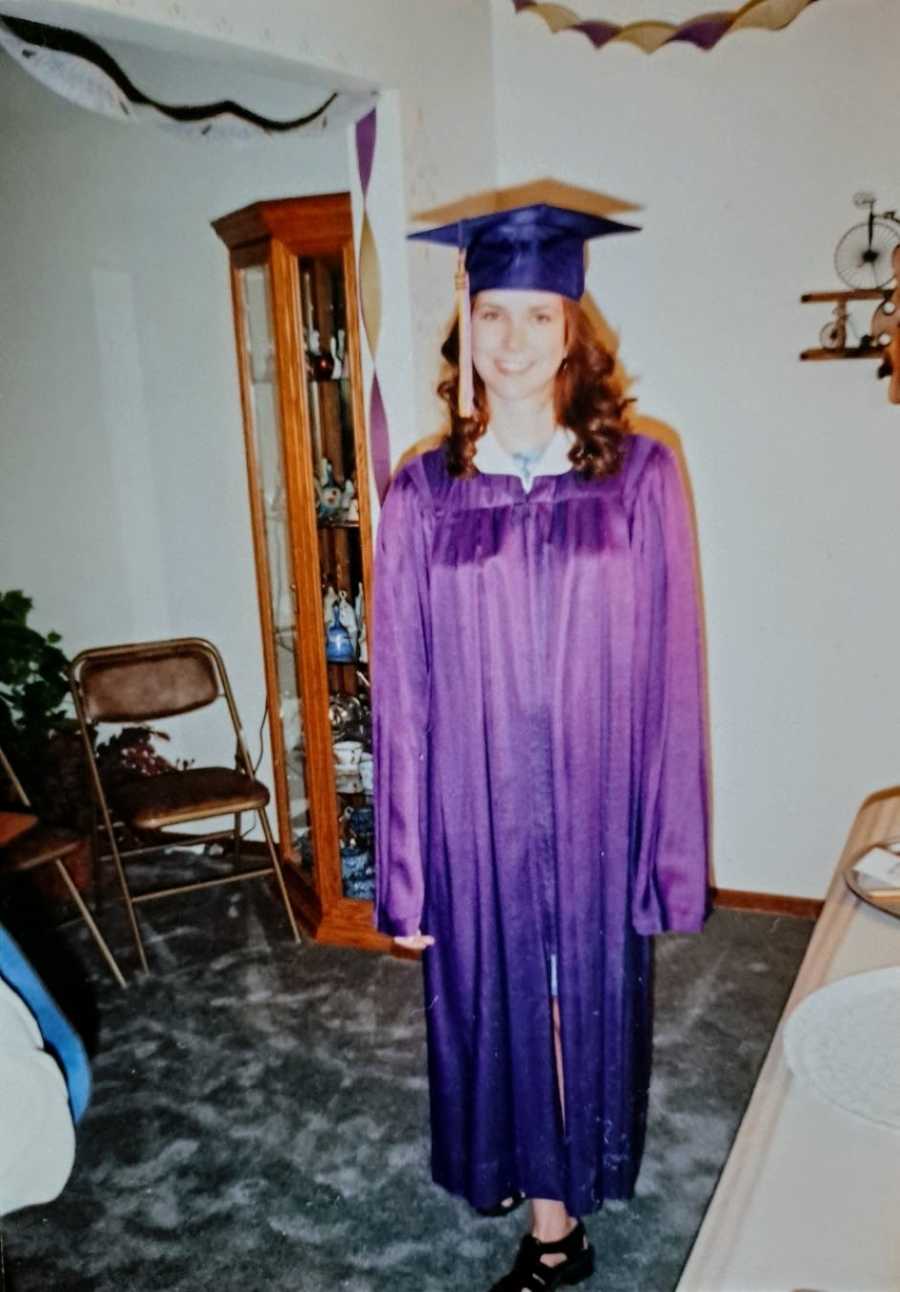
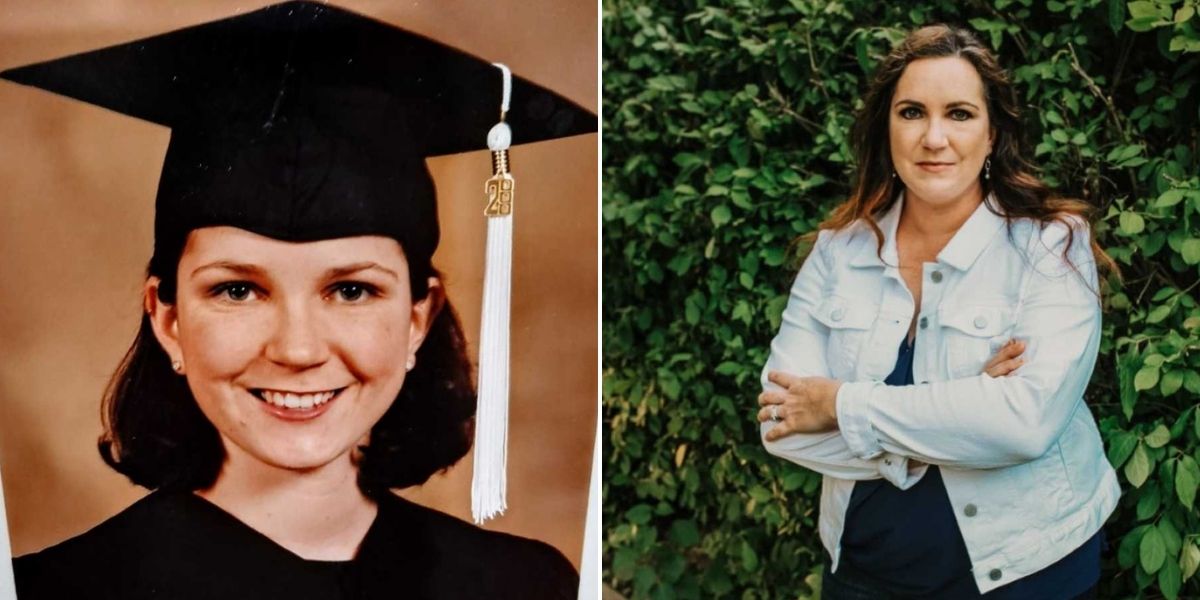
The first two years of college were exhilarating. I joined clubs, participated in group study sessions, went to parties, and formed friendships with complete strangers. Life felt vibrant and limitless. Each day held promise, each opportunity felt within reach, and I was fully present, fully alive. I made plans for my future while savoring every moment of the present. It felt like life was finally mine to shape, and I couldn’t imagine anything taking that away from me.
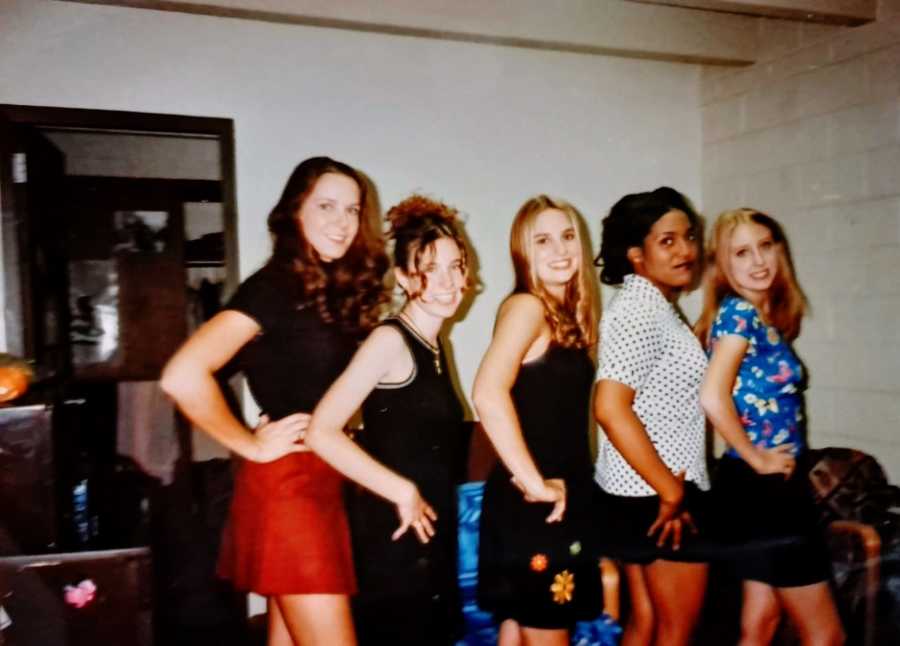
The summer between my sophomore and junior years began like any other. I had a summer home lined up, housesitting for a teacher away at camp, and the bedroom I stayed in became my personal sanctuary, light and airy with huge windows on three sides. The rest of the house was ordinary, but that room felt like heaven. I also had a part-time job waiting tables at a local Olive Garden, keeping me busy and independent.
One blazing July afternoon, after dropping a coworker off for her shift, I decided to wash my car. I didn’t know then that this ordinary moment would change everything. As I rinsed the soap off my car at a busy street car wash, a man approached from behind, pressed a knife to my throat, and covered my mouth. My mind froze. At first, I thought it was a sick prank or perhaps someone wanted my car. But as he dragged me to his vehicle, shackling my wrists, the reality hit—I was in grave danger.
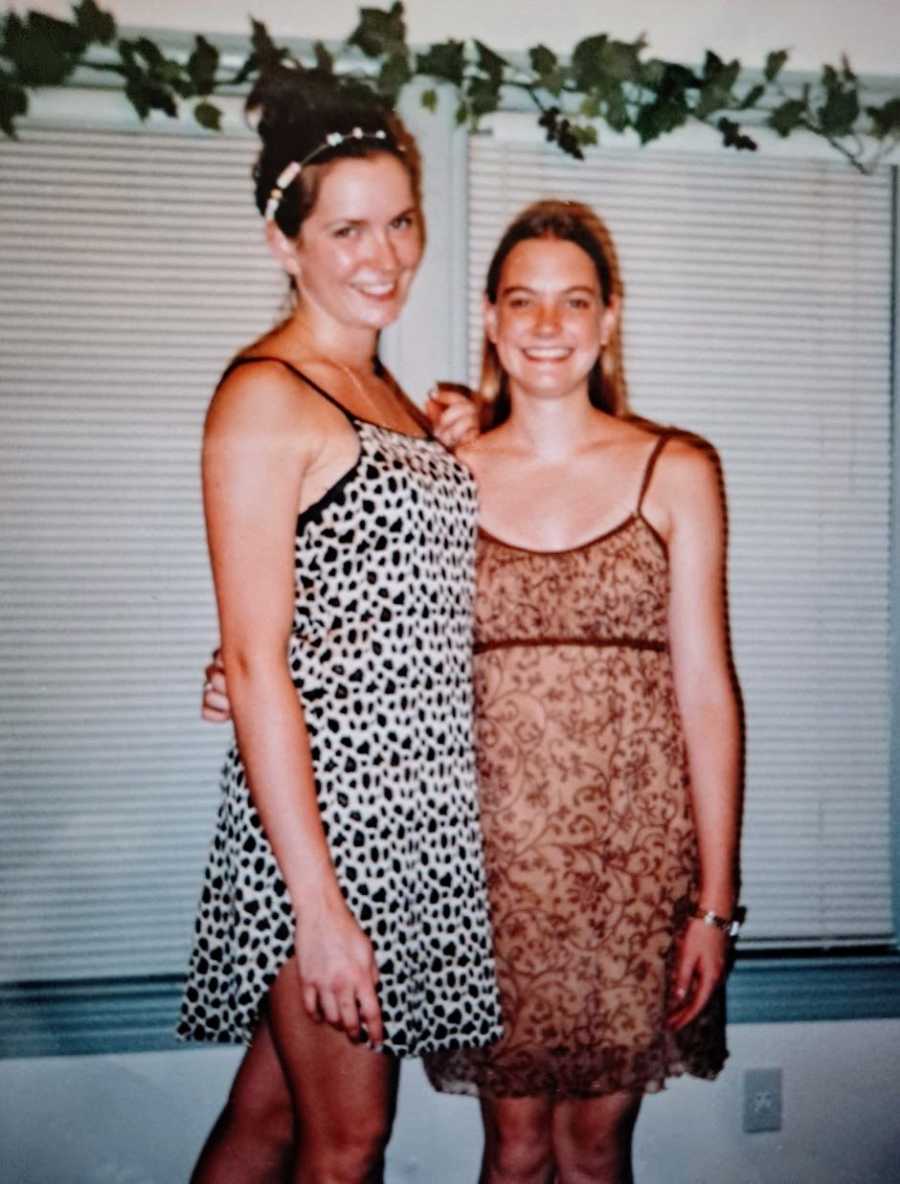
The ride that followed was terrifying and surreal. As he shouted threats and warned me to keep my head down, I tried to track our turns, seeking a small semblance of control in a situation that was otherwise beyond my control. When we reached a gravel road, far from the city, I realized the full extent of my predicament. He forced me into a position that left me vulnerable and exposed, and in the hours that followed, I endured repeated sexual and physical assault. My mind detached to survive, watching the horror from a distance while my body suffered.
At dusk, a farmer’s shout forced my attacker to flee. This was my chance. As the car slowed, I leapt out and ran, half-clothed, toward the approaching headlights. The driver stopped, I scrambled in, and he immediately called 911. The police met us at a nearby gas station. The scene that unfolded—search dogs barking, helicopters overhead—felt almost cinematic, yet I was living it, a witness and survivor all at once.
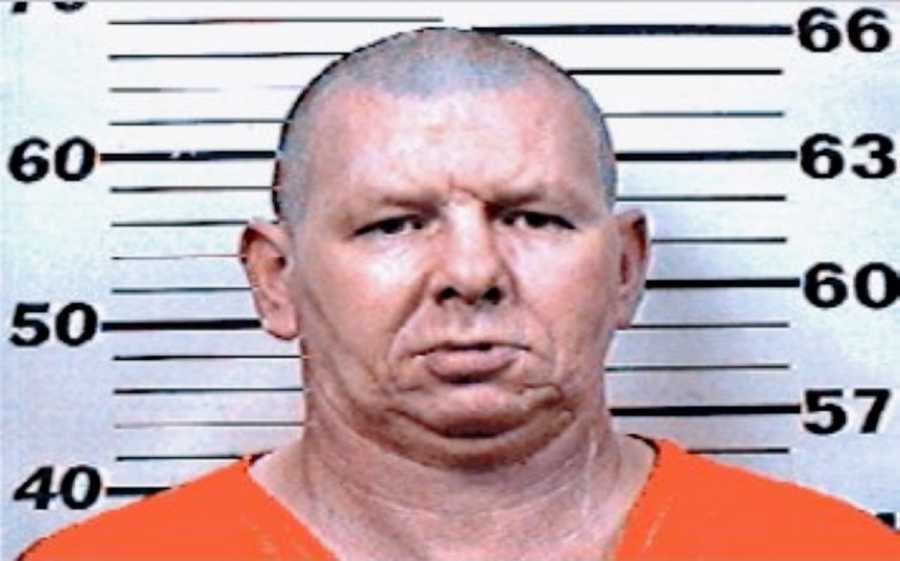
At the hospital, a rape exam confirmed my worst fears, and I was confronted with my attacker. Despite his attempts to erase evidence, I recognized him instantly. My legs buckled at the sight of the clothes, the belt, the blindfold—it was him, the man who had stolen my sense of safety.
The weeks that followed left me a shell of myself. Returning home, I feared being alone. My parents, my safe space, couldn’t fully shield me from the panic, nightmares, and hypervigilance that haunted me. A puppy I adopted forced me to leave the house, small steps toward reclaiming life. Attempting to return to college proved impossible, and I eventually had to withdraw for a semester. Friends drifted away as I struggled to navigate life shattered by trauma.
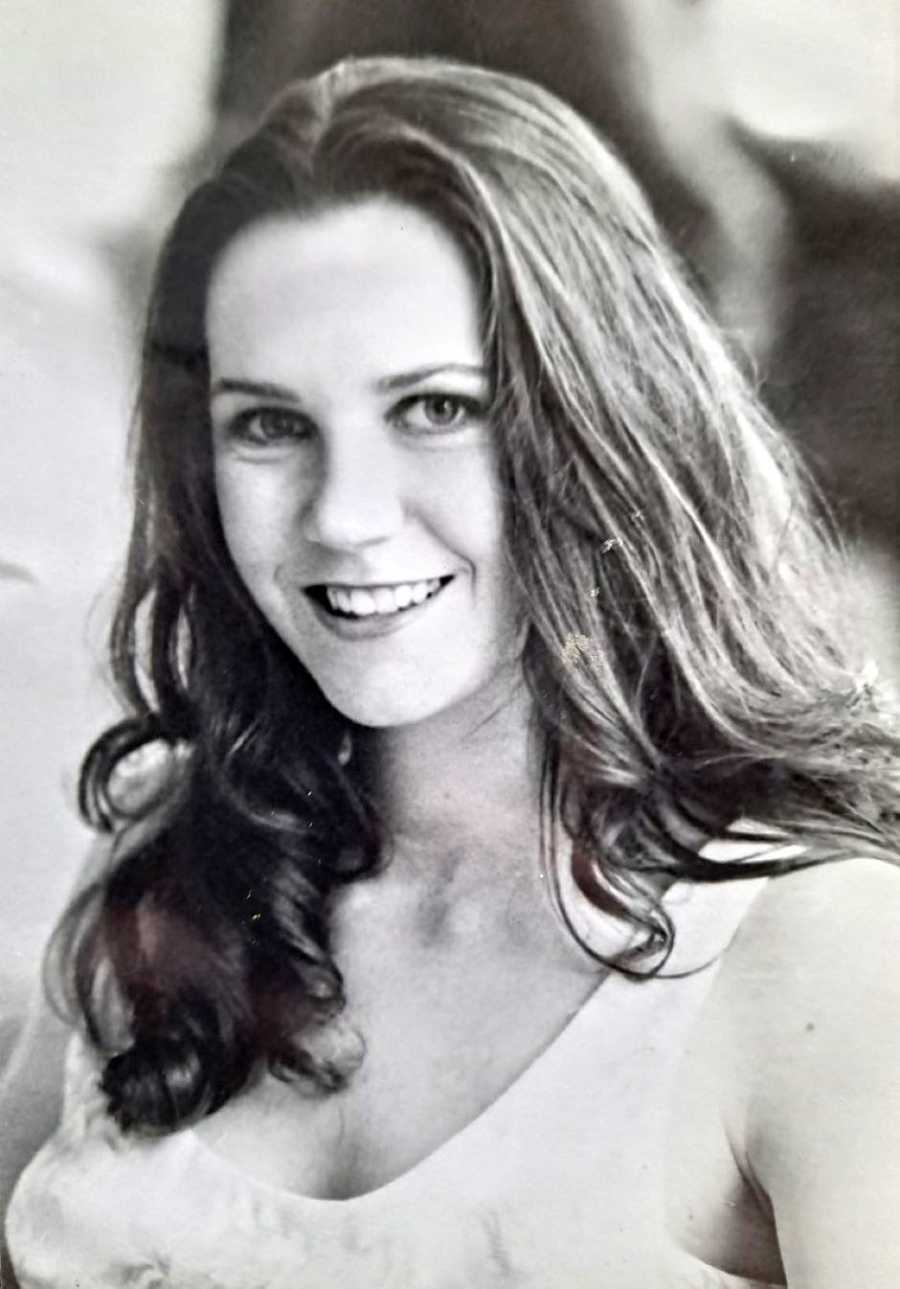
More than a year later, I faced a week-long jury trial. Despite DNA evidence and eyewitness identification, he pleaded not guilty. It was harrowing to relive the events over and over, but the process revealed that he was a repeat offender, previously convicted of aggravated rape. The experience was almost unbearable, yet it culminated in justice: he was convicted of 15 felonies and sentenced to 5,700 years in prison. For the first time since that horrific day, I felt a sense of closure.
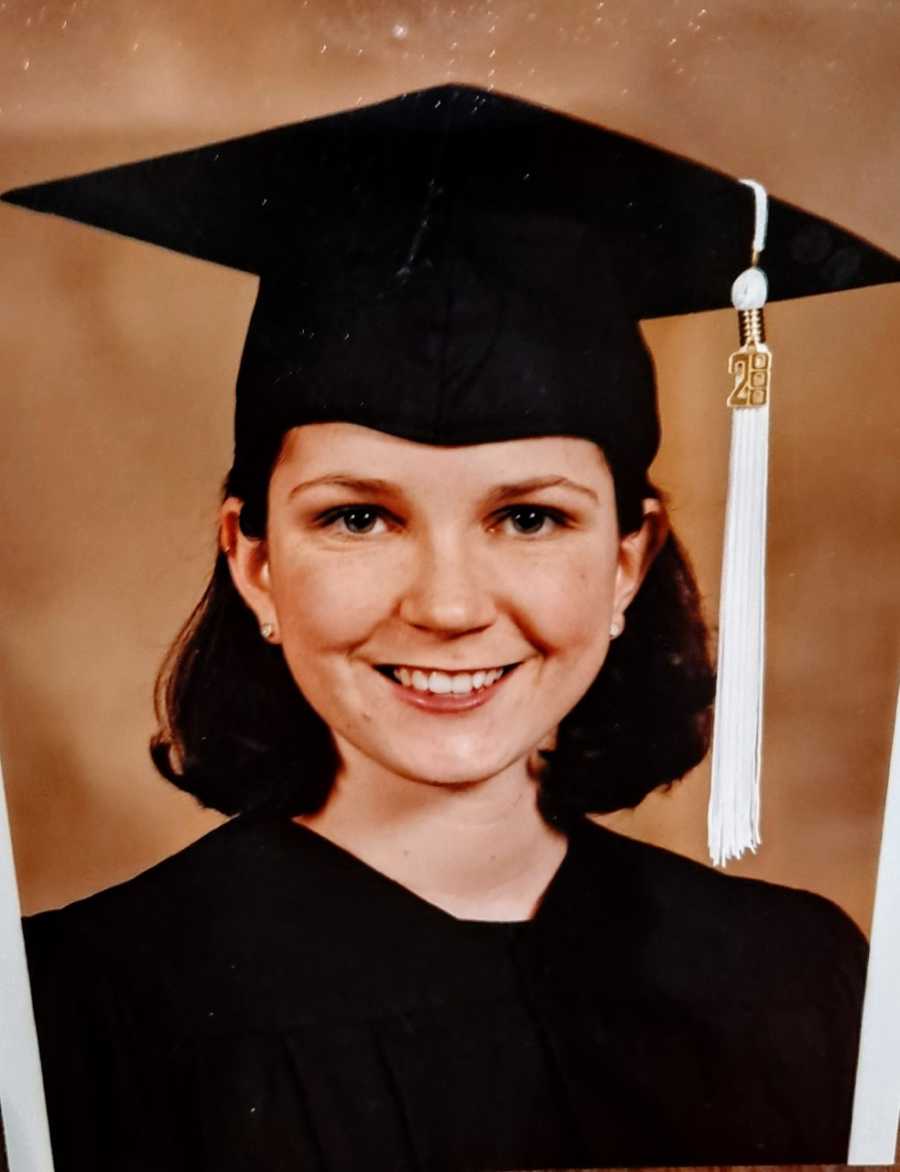
PTSD stayed with me, persistent and powerful, as I completed college, sometimes on the brink of panic. With professional counseling, EMDR therapy, and medication, I slowly rebuilt myself. Years of effort led me to law school, where I excelled academically, finding ways to help victims through pro-bono work, speaking engagements, and writing. I’ve chosen boundaries carefully, knowing some paths were too close to my trauma to walk—but healing has taught me resilience and purpose.
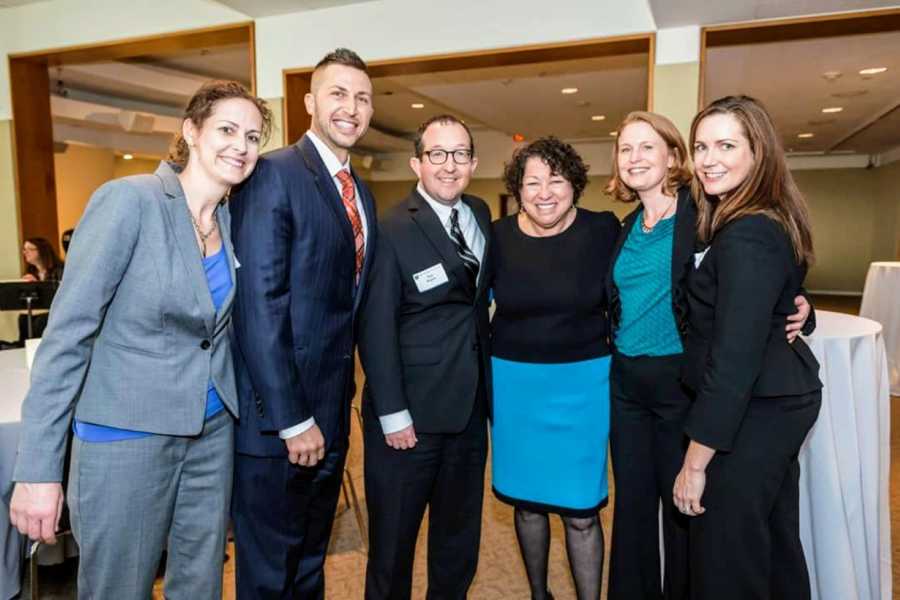
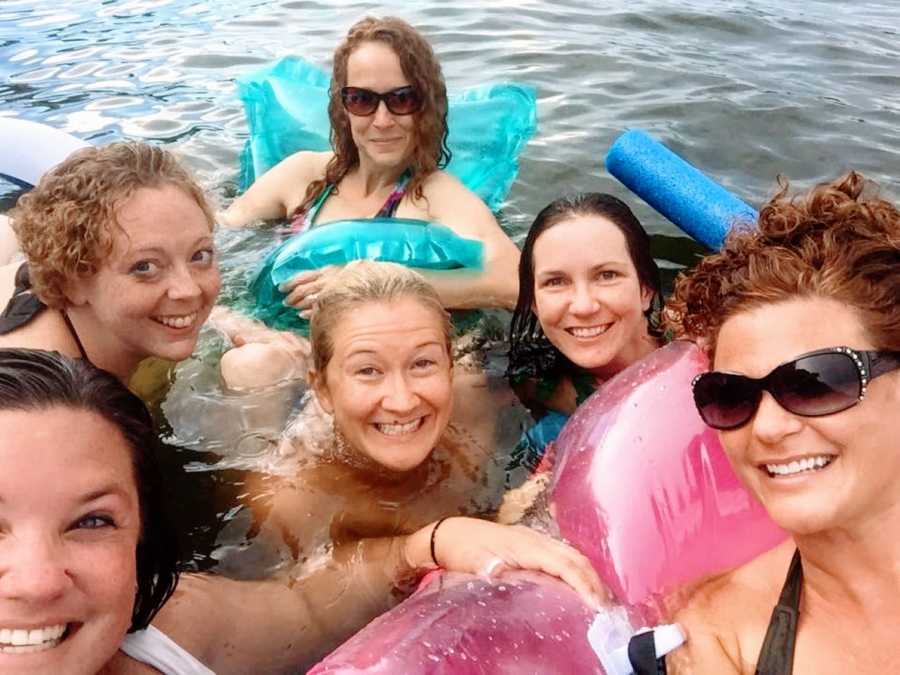
Even now, occasional flare-ups of PTSD remind me of that dreadful day. But I’ve transformed the anniversary of my attack into a day of celebration—a day to honor life, survival, and second chances. I kayak, gather with friends, or host a “Celebration of Life,” remembering that even after unimaginable trauma, there can be joy and gratitude.

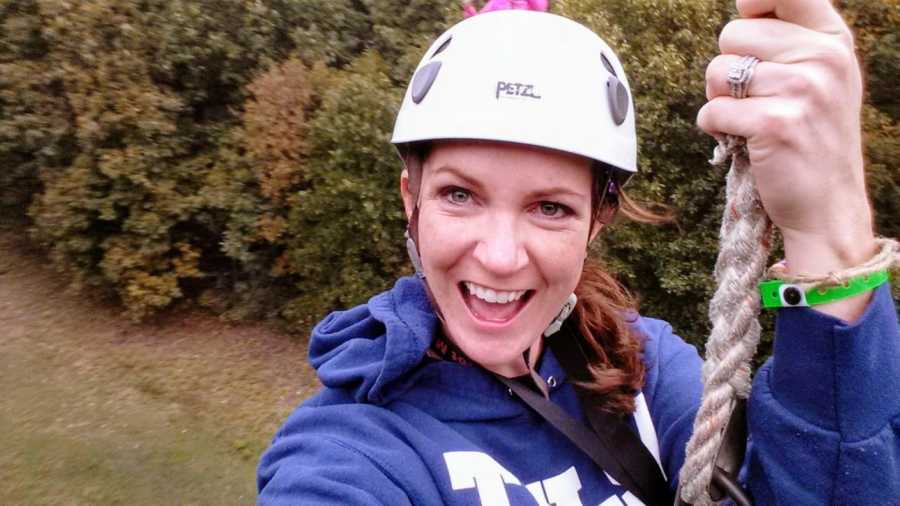
I’ve learned that from the darkest moments, light can emerge. My attack was the worst day of my life, yet it led to justice, healing, and rediscovered love for life. Life after trauma is possible, even abundant, if you fight for it. If I could survive kidnapping and rape, I know now I can overcome anything life throws my way.