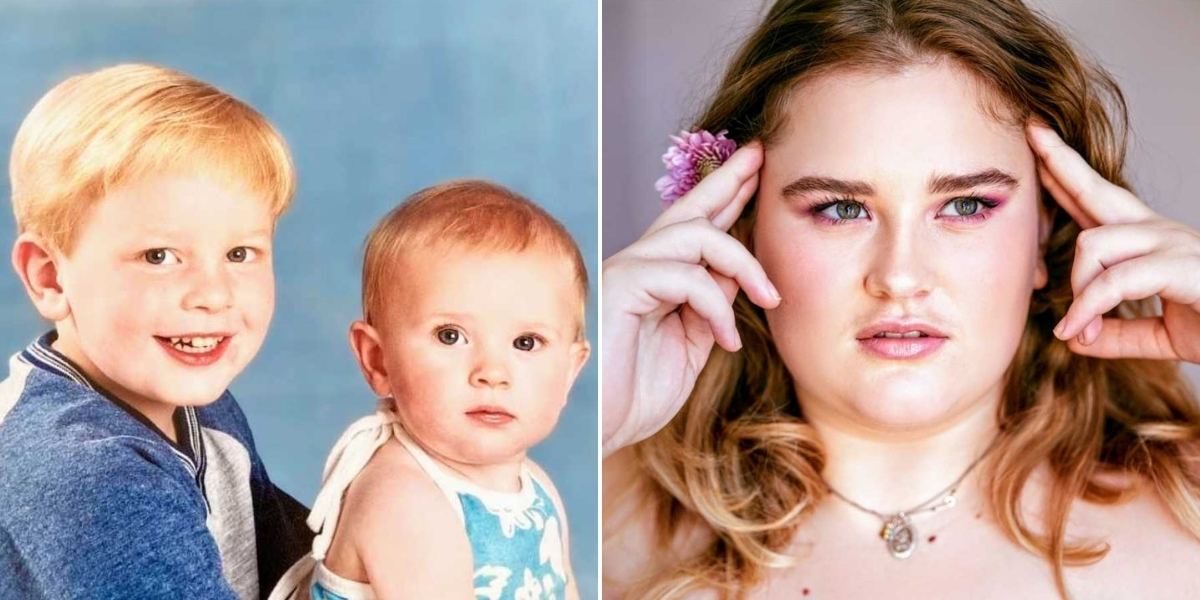
When I was younger, I was full of energy—always moving, always exploring. My mom used to describe me as “funny, kind, caring, sensitive, unpredictable, zany, and dramatic,” which, in many ways, is still how I try to be today.
I loved being outside, playing with my animals, spending time with my family, and especially with my “second mom,” Porsh. I looked up to my older brother endlessly—he was, and still is, the bee’s knees in my eyes.

I loved my family so much that going to school felt unbearable. I would scream and cry when it was time for my parents to leave, and my mom often had to stay for over an hour until I was distracted enough for her to go. This continued until I was around eight.
But even when the crying and screaming stopped, the underlying loneliness never did. The desire to be surrounded by my family, to feel their comfort, never went away.
I don’t remember much about my first ADHD diagnosis. I just remember being taken out of school one day, sitting in a woman’s office while she asked me questions. Later, I learned she was a child psychiatrist. I was prescribed medication to help me concentrate—I was eight. My dad wasn’t a fan of the medication, and I hated taking it. I would hide my pills every morning, until my mom discovered what I was doing and began monitoring me.
I never fully understood why I resisted the medication; it just made me feel… different. I stopped eating my school lunch, which got me in trouble, so I began giving it away to hide the fact that I wasn’t eating. The medication did work in one way—it stopped me from talking in class—but in doing so, it also made me afraid to ask questions, hesitant to seek help, and insecure in my own abilities. I was still terrible at math.
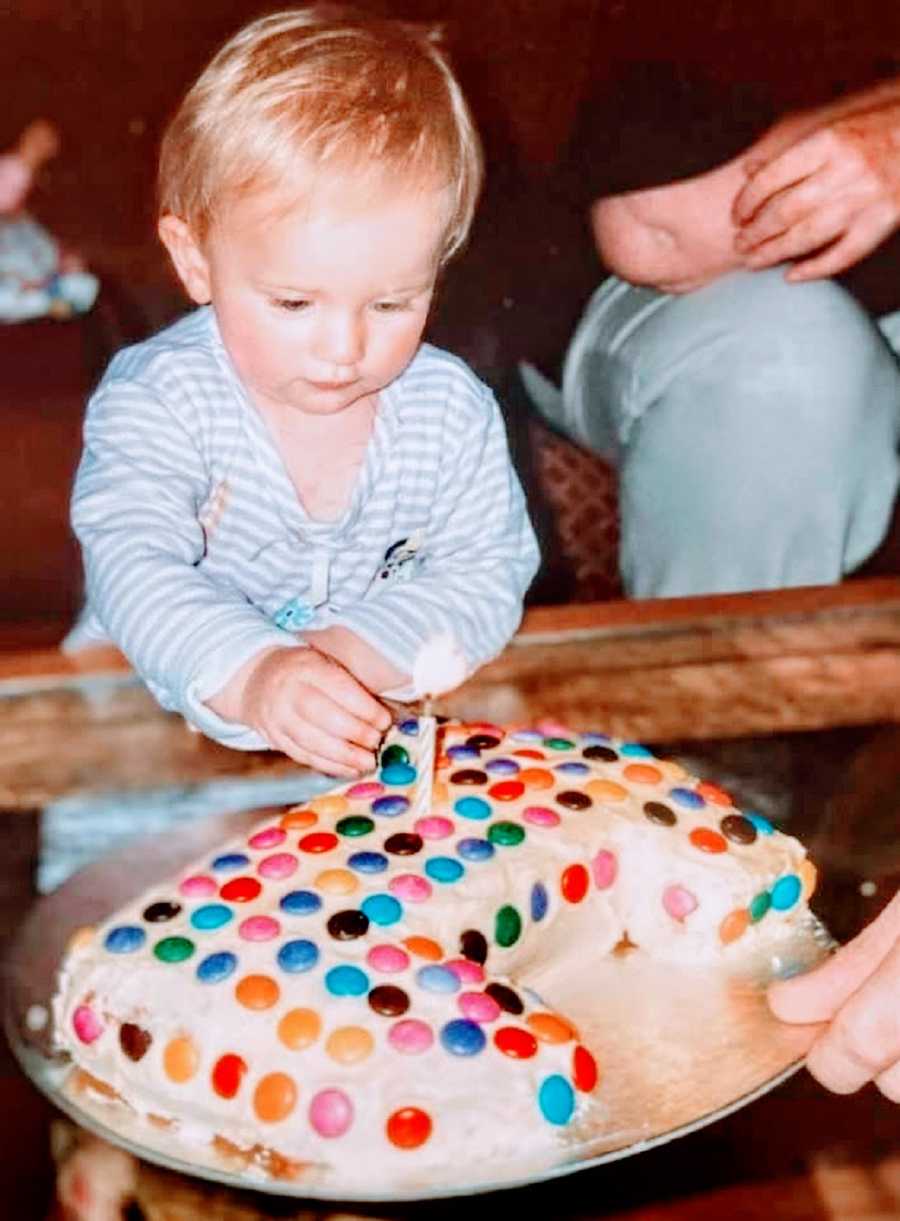
Until recently, I didn’t fully believe I had ADHD. I thought I was just a restless child desperate to climb trees and run outside. When I asked my mom why she had taken me to the psychiatrist, she told me a story that still makes me laugh. Apparently, whenever I had to concentrate, I would stand on my head—literally, couch-side, feet in the air. She wasn’t sure if I needed a psychiatrist or an exorcist. The doctor explained it was my brain’s way of stimulating itself to focus.
I stopped taking the medication around age eleven. My dad didn’t like how it changed me, and honestly, I had never liked it much anyway. Life went on fairly normally—until I was fourteen.
At fourteen, I was diagnosed with a nerve condition in my right leg called complex regional pain syndrome (CRPS). CRPS is one of the most painful conditions in the world, attacking the nervous system and causing constant, unrelenting pain. I was incredibly fortunate my parents could afford treatment, which allowed me to live a semi-normal life—but it meant missing a lot of school and missing out on normal teenage experiences.
CRPS is an invisible illness. My friends couldn’t see my pain, and they turned on me. Rumors spread that I was faking it for attention. My best friends abandoned me. I became an outcast, and every day felt like a battle to survive. I dreaded school, wanting only to sleep and escape, and I hated the burden my illness placed on my family.
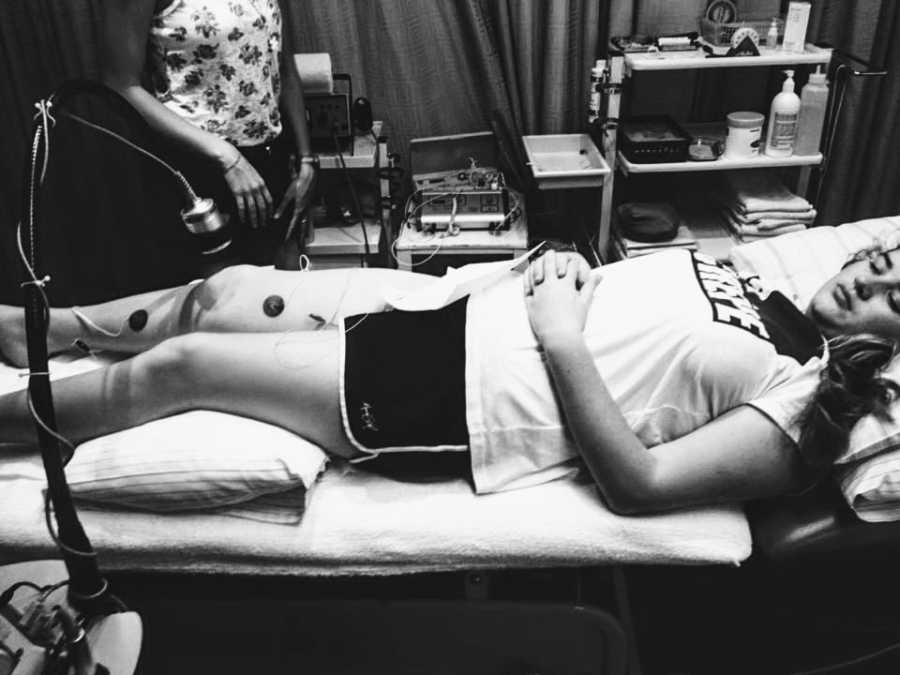
Later that year, the pain in my leg worsened, and bruising appeared. My physiotherapist sent me for an urgent MRI. Initially, the doctors claimed nothing was wrong, and I felt unheard and invisible. But the very next day, my dad received a call—the scan had revealed a tumor in my leg, dangerously close to my central vein and nerves, breaking my bone from the inside out. Surgery took three and a half hours to remove it.
After the surgery, suddenly everyone believed me. The rumors stopped—or, at least, I stopped hearing them. I forgave my friends for what they had done, naïve perhaps, but determined not to carry that bitterness with me. The pain eventually eased, and I worked hard to walk again, to regain a sense of normalcy—but I was never quite the same. The fear of judgment lingered.
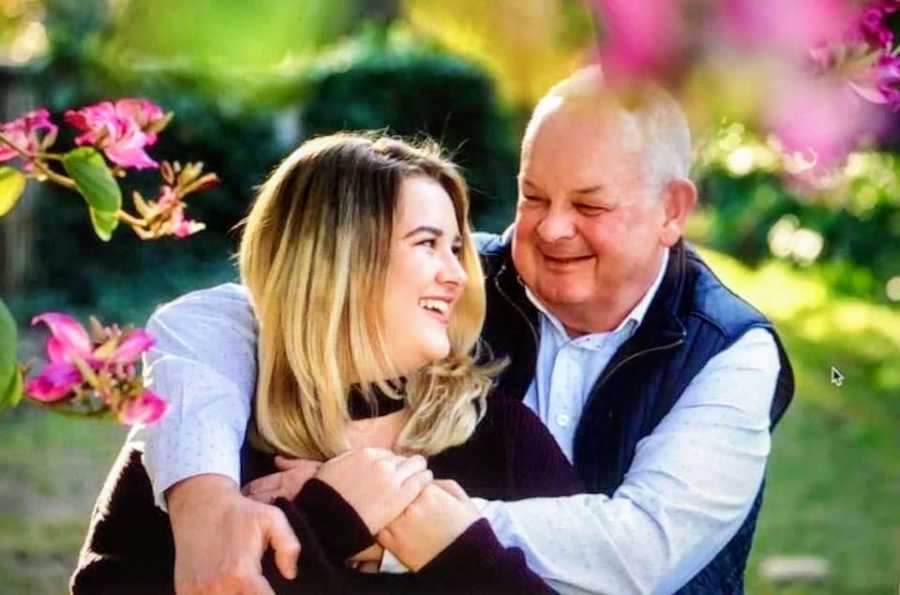
Two years later, my mental health took another hit. I felt lost, unable to cope, overwhelmed by anxiety and sadness. A teacher noticed my struggles and asked me to see the school psychologist, who then had to involve my mom. I was sent to a psychiatrist and diagnosed with depression, anxiety, and other mood disorders. Medication and frequent appointments became a regular part of my life. At one point, I was seeing my psychiatrist weekly. I felt scared, depressed, and completely useless. I remember feeling like I didn’t belong anywhere in the world.
There were moments when I almost gave up—but I didn’t, and I am proud of that.
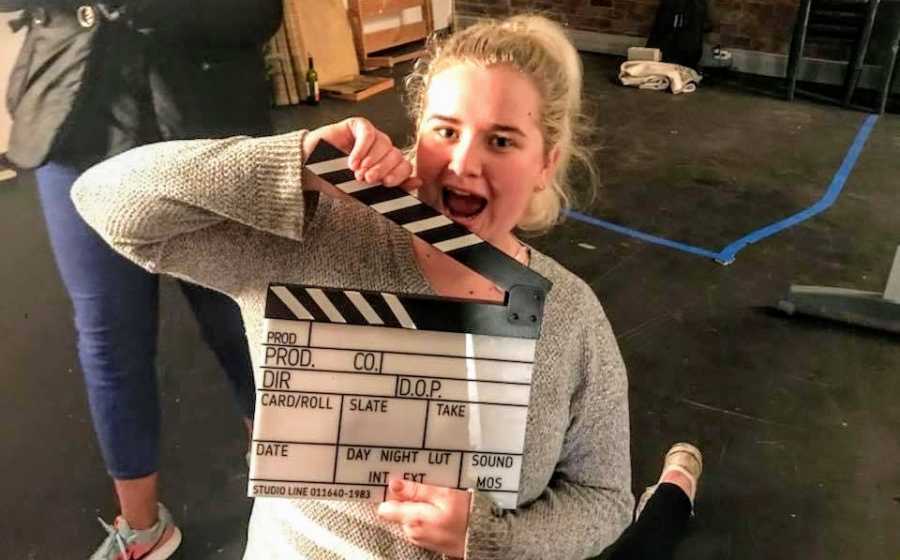
At eighteen, I made a bold choice: I left the city I’d lived in my entire life and moved to Cape Town to study acting and pursue my passion. That move changed everything. At university, I found people who were different like me, who thought differently, who accepted me as I was. For the first time in my life, I felt like I belonged.
There wasn’t a single person or moment that made me feel this way—it was the community, the people who genuinely supported me, who believed in me, and who didn’t judge me. A lecturer encouraged me, told me people would be drawn to my personality, and reassured me to chase my dreams. Slowly, my confidence returned, and I began to feel like myself again, for the first time since my ADHD diagnosis.
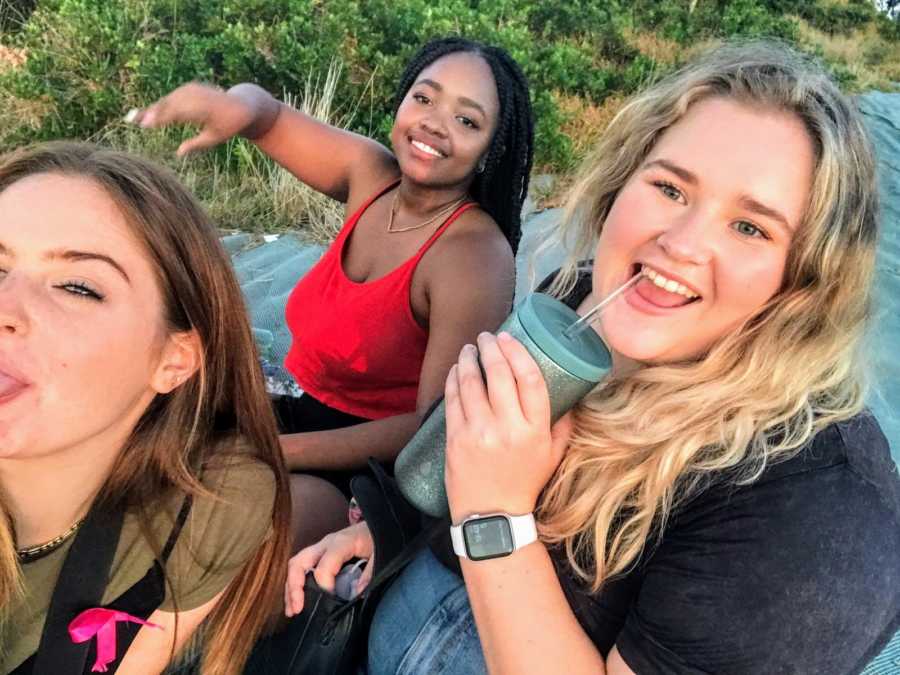
I still struggle with anxiety and depression, but the love, care, and acceptance I experienced at university showed me that life could be joyful and supportive. It inspired me to become a kinder, more loving person, to give to others what I wish I had received as a child.
In my twenty-one years, I’ve learned many lessons—but the most important is this: kindness goes a long way, and learning to love yourself is hard but essential. I strive to be for others, and for myself, the person I needed growing up—the person who supports, treasures, and loves unconditionally.
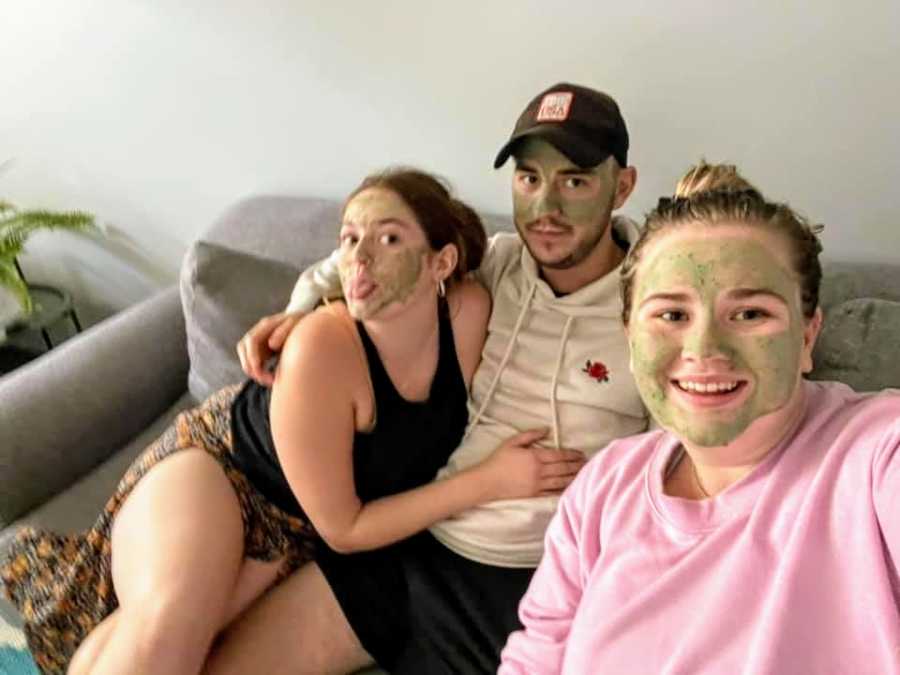
If I could offer one piece of advice, it would be to care less about what others think and focus more on how you feel. It’s not easy; the world often rewards perfection and conformity. But when you choose your own happiness, when you stop living for approval, you begin to understand yourself and your needs.
I still sometimes fall into old habits, prioritizing others over myself—but I’m learning. And if I can learn to do that, so can you. You are stronger and more resilient than you realize, and you deserve all the good life has to offer.