The world knows autism exists, but very few truly understand it. I once read, “If you’ve met one person with autism, you have met one person with autism. There are no two people alike.” Three years ago, I was one of those people who knew autism existed—but I didn’t know much beyond that.
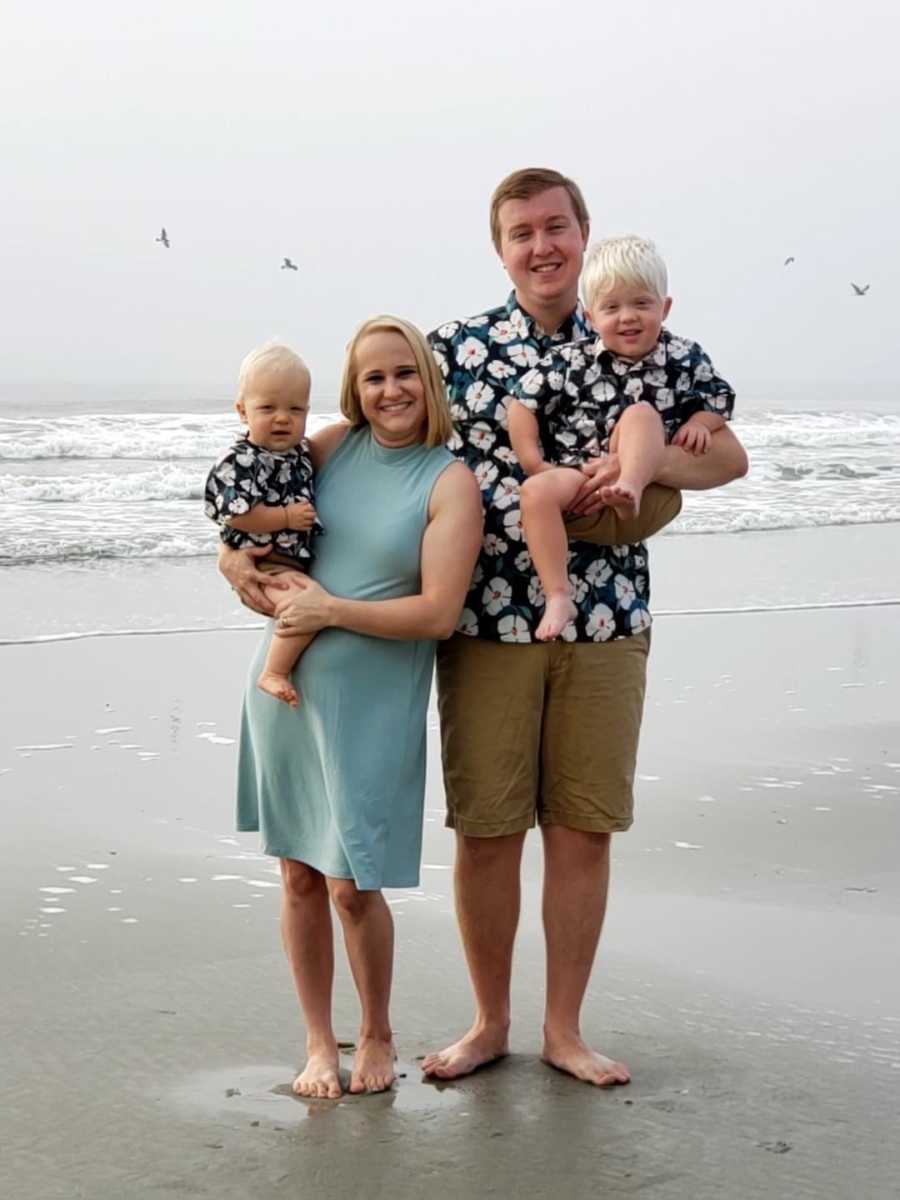
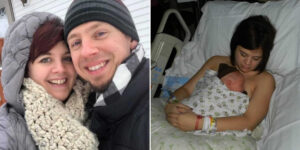
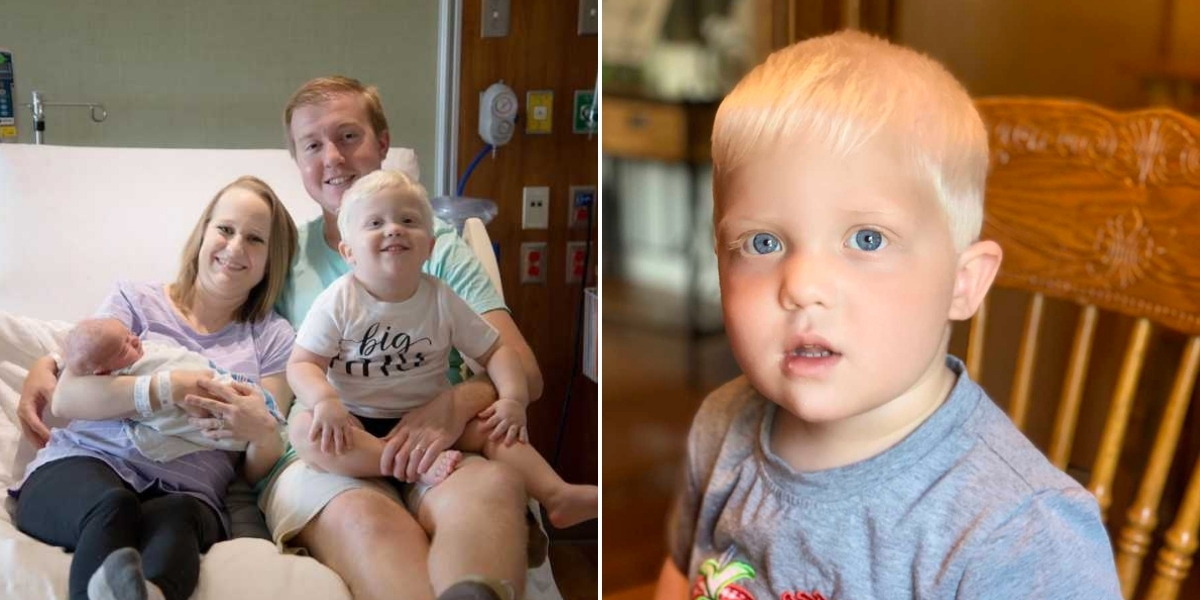
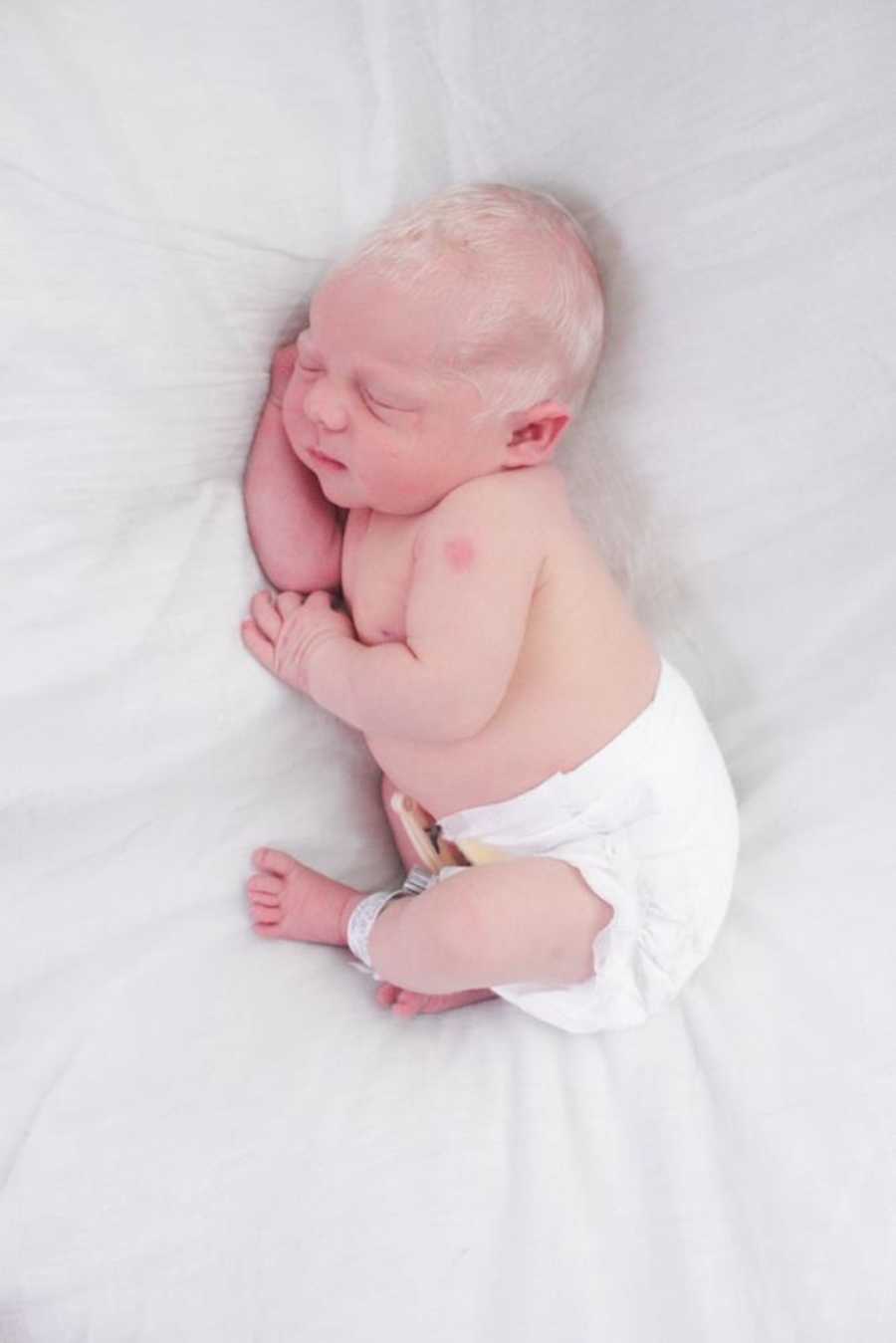
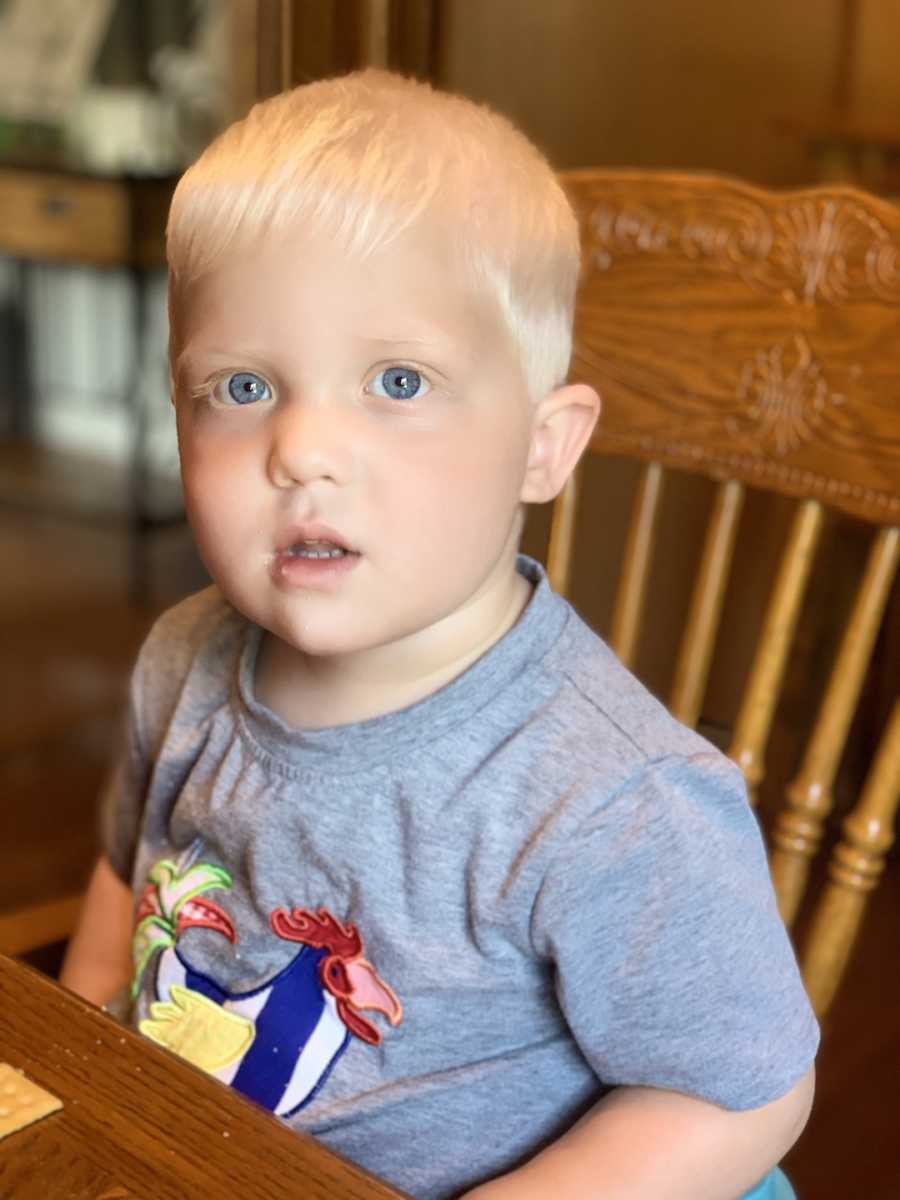
Brayden was born in September 2017, right in the middle of Hurricane Irma. I’ll never forget the lights flickering in the hospital, wondering if the scene outside would soon look like something out of The Wizard of Oz. His delivery went smoothly, and the moment he was born, the delivery team all exclaimed, “Oh my goodness, he’s a toe head!” Confused, I asked, “What’s wrong with his head?” For anyone who might have thought this meant my son was born with a literal toe on his head, let me assure you—that is not the case. Brayden had the brightest, most beautiful white-blonde hair, soft and shining. He was perfect in every way.
About three weeks postpartum, life became unexpectedly difficult. My husband was a high school cross country coach and had traveled to a meet over two hours away. We were still new to the area and over two hours away from any family. I began experiencing intense back pain and called my mom for advice. Even as an adult, you never stop needing your mama. She told me to get to the hospital immediately. But we barely knew anyone locally, so I reached out to the one friend I had made. Thankfully, her husband was able to drive me—and my three-week-old baby—to the hospital.
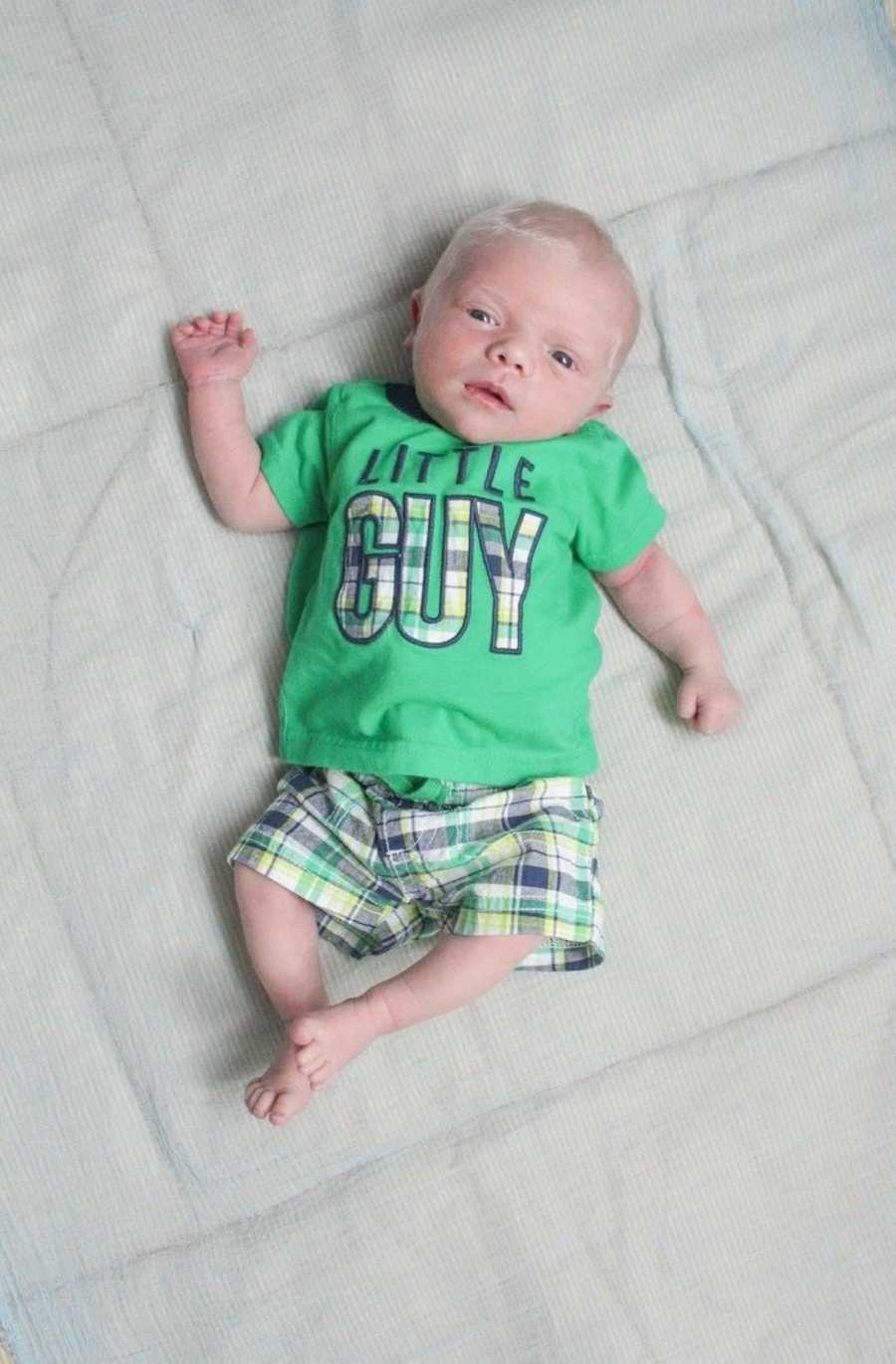
Once I arrived, I told the front desk, “I don’t know what’s wrong with me, but I just had a baby, and this pain is worse than childbirth.” After testing, the doctors discovered I had a kidney stone. About a week later, I underwent surgery to remove it. This entire ordeal took a heavy toll on my mental health. I could no longer breastfeed, something I had envisioned from the start, and I felt like I was failing as a mom. I sank into postpartum depression, but I sought help and gradually tried to be strong for my son. Postpartum depression is real, and it is vital to reach out if you need support.
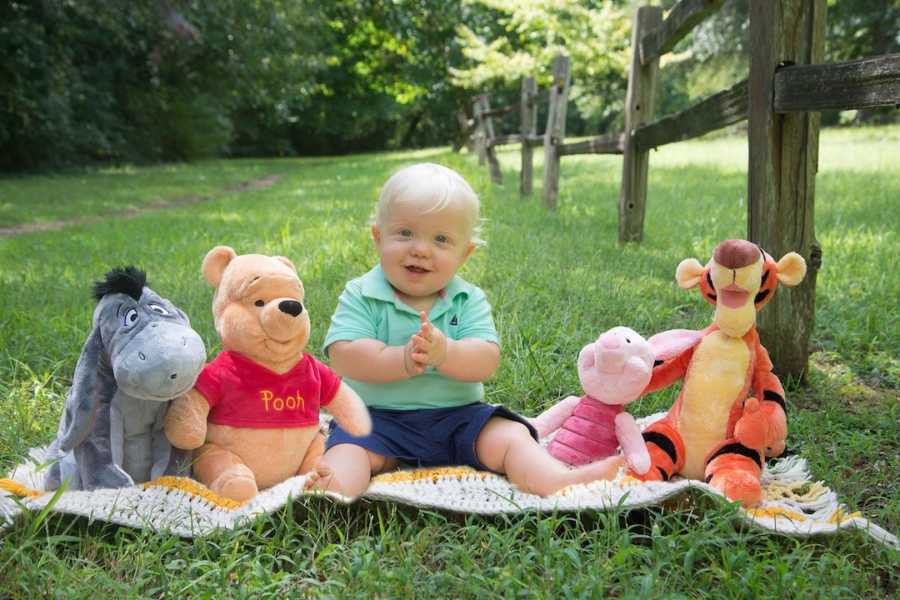
Becoming a mother had been my dream for as long as I could remember. I had spent my life working with children in various ways—church nurseries, babysitting, after-school programs. Even as a preteen, I remember begging my parents to let me help in the church nursery instead of attending service. With all this experience, I felt confident in recognizing developmental milestones, and in knowing when to raise concerns.
Our concerns with Brayden began when he wasn’t walking at 15 months. At 12 months, we were told to give him a little more time, but by 15 months, we wanted answers. He eventually took his first steps at 16 months, and I always joke that he skipped walking and went straight to running—he hasn’t slowed down since. We began early intervention services at 15 months, including speech and occupational therapy. It was around this time that the word autism first started being mentioned.
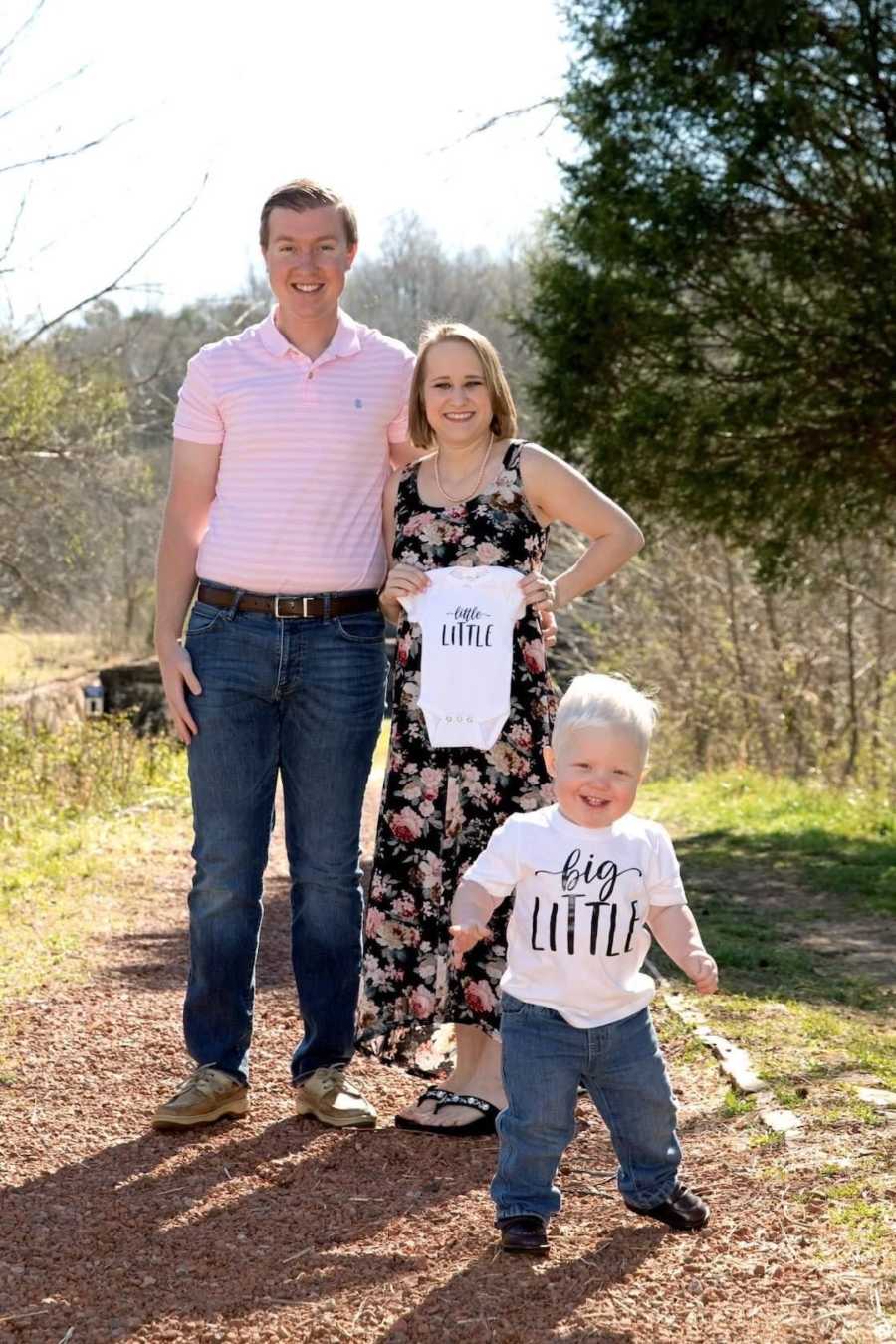
Adding to the whirlwind, we discovered at 15 months that I was unexpectedly pregnant with our second child! On top of navigating the early signs of autism, we were preparing to welcome a baby brother. At 18 months, Brayden completed the MCAT, a developmental checklist given at this age to screen for autism. His results indicated a high risk, and we were referred to a developmental pediatrician. Unfortunately, the earliest available appointment was months away.
One question I am often asked is, “What first made you suspect Brayden might have autism?” So many told me I was overthinking it, that he was too young to judge. But a mother’s gut is rarely wrong. Early signs included his lack of response to his name, which made us wonder about his hearing. He also flapped his hands and arms when excited—something we initially thought was cute, but later learned was stimming, a form of self-regulation. Brayden also had a significant loss of skills—he had previously waved, played peek-a-boo, and blown kisses, but gradually stopped. He made little eye contact and did not engage in pretend play with toys.
While waiting for the developmental pediatrician, we continued early intervention. All of his therapists agreed: Brayden was likely on the spectrum. I called the pediatrician’s office monthly, then weekly, until we finally secured an appointment.
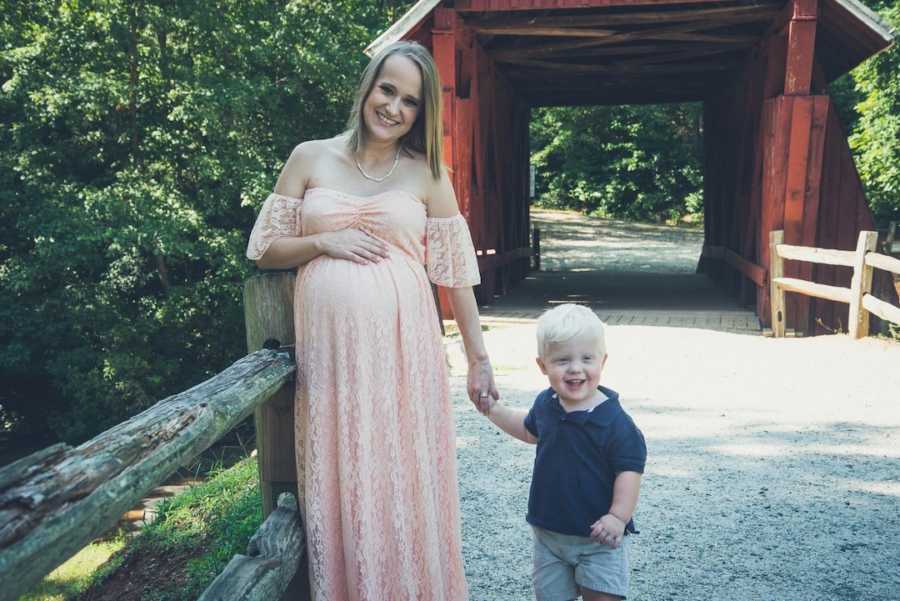
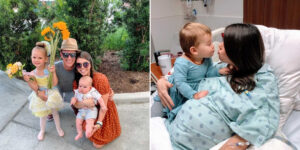
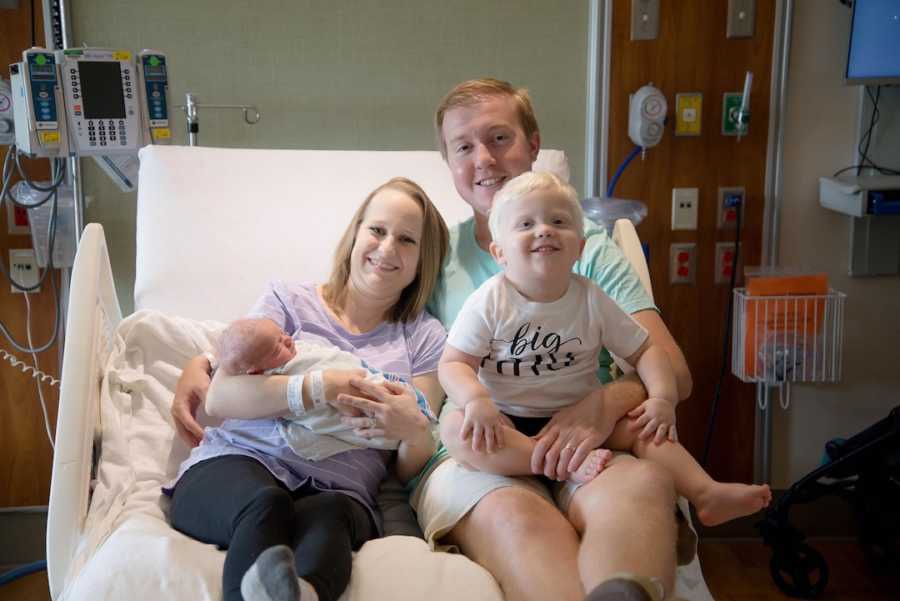
In September 2019, six days after Brayden’s second birthday, I was induced at 37 weeks with our second child, Jensen. This pregnancy had been closely monitored due to a small baby size, and during a routine ultrasound, I was told there was no more amniotic fluid and I needed to go to the hospital immediately. My husband’s grandmother had just passed the day before, making the news even more emotional. I called him, then drove myself to the hospital. Jensen’s delivery was so smooth the doctor didn’t even arrive in time—the nurse delivered him. The moment he was placed in my arms, I realized my heart had more love than I ever imagined.
We were finally seen by the developmental pediatrician in January 2020. By then, we had already educated ourselves about autism, preparing ourselves for the likely outcome. My advice to any parent waiting for a diagnosis: use this waiting period to learn everything you can. Knowledge is power, and it can help you emotionally prepare.
Our first appointment was consultative, meant to determine if a full diagnostic evaluation was necessary. It was a flood of questions—so many that I felt I could answer them backward, upside-down, in another language. One question in particular stands out: “How do you know what Brayden wants if he doesn’t communicate?” I simply answered, “I just know.”
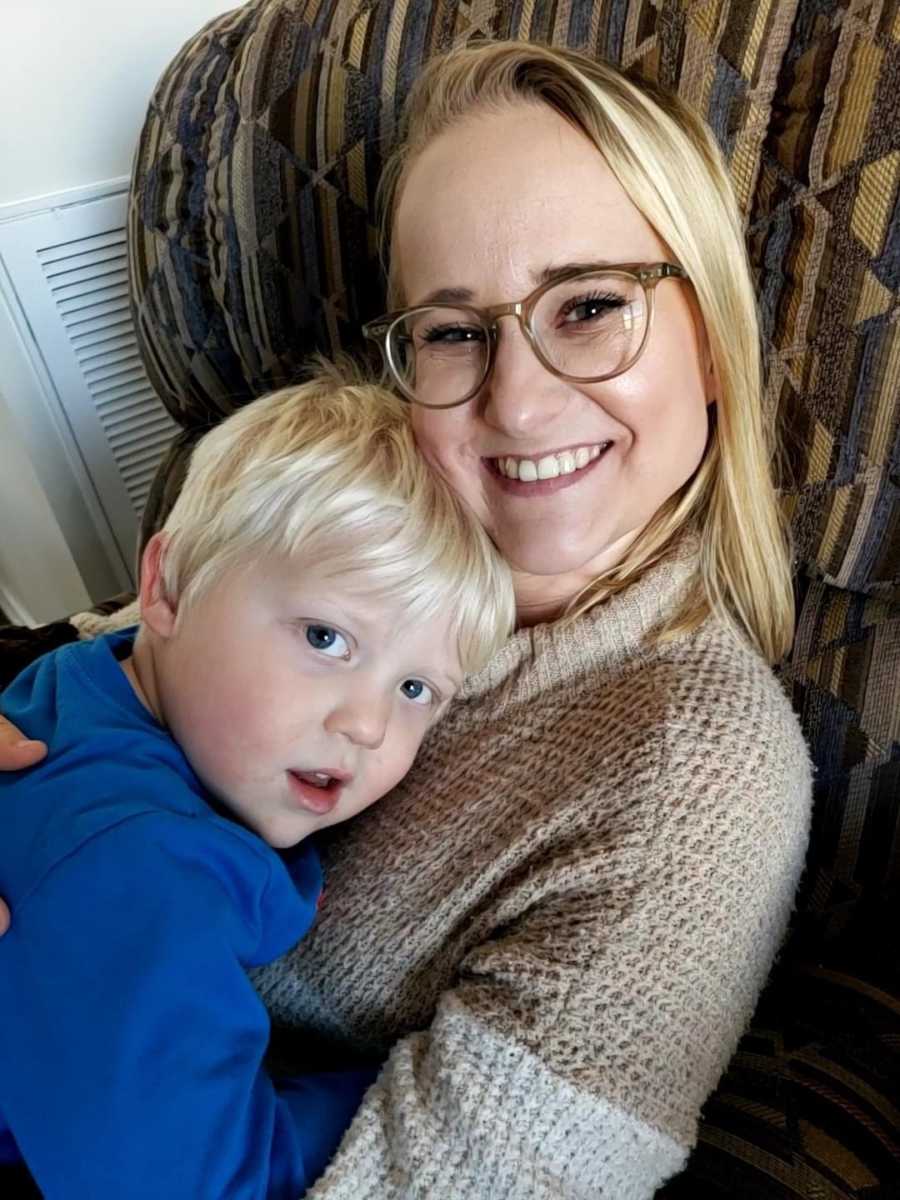
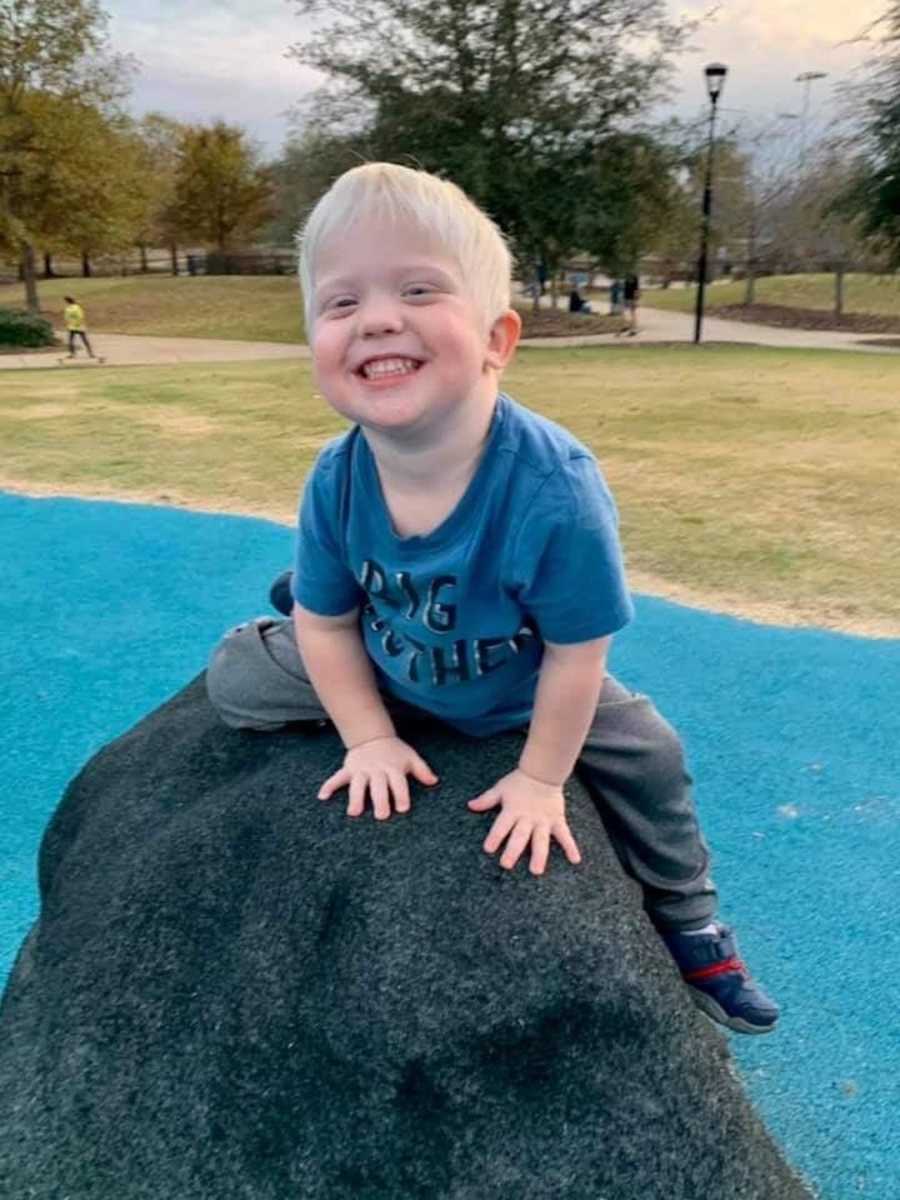
To outsiders, Brayden may seem challenging to understand. But truly, he is simple. He doesn’t lead you to what he wants, point, or verbalize needs. Simple commands like, “Go get the ball” or “Where is Daddy?” don’t always register. Yet if you spend time with him, you’ll learn to listen beyond words. Accepting his differences rather than trying to change them is key. One thing everyone notices immediately: Brayden is overwhelmingly happy. He smiles almost all the time.
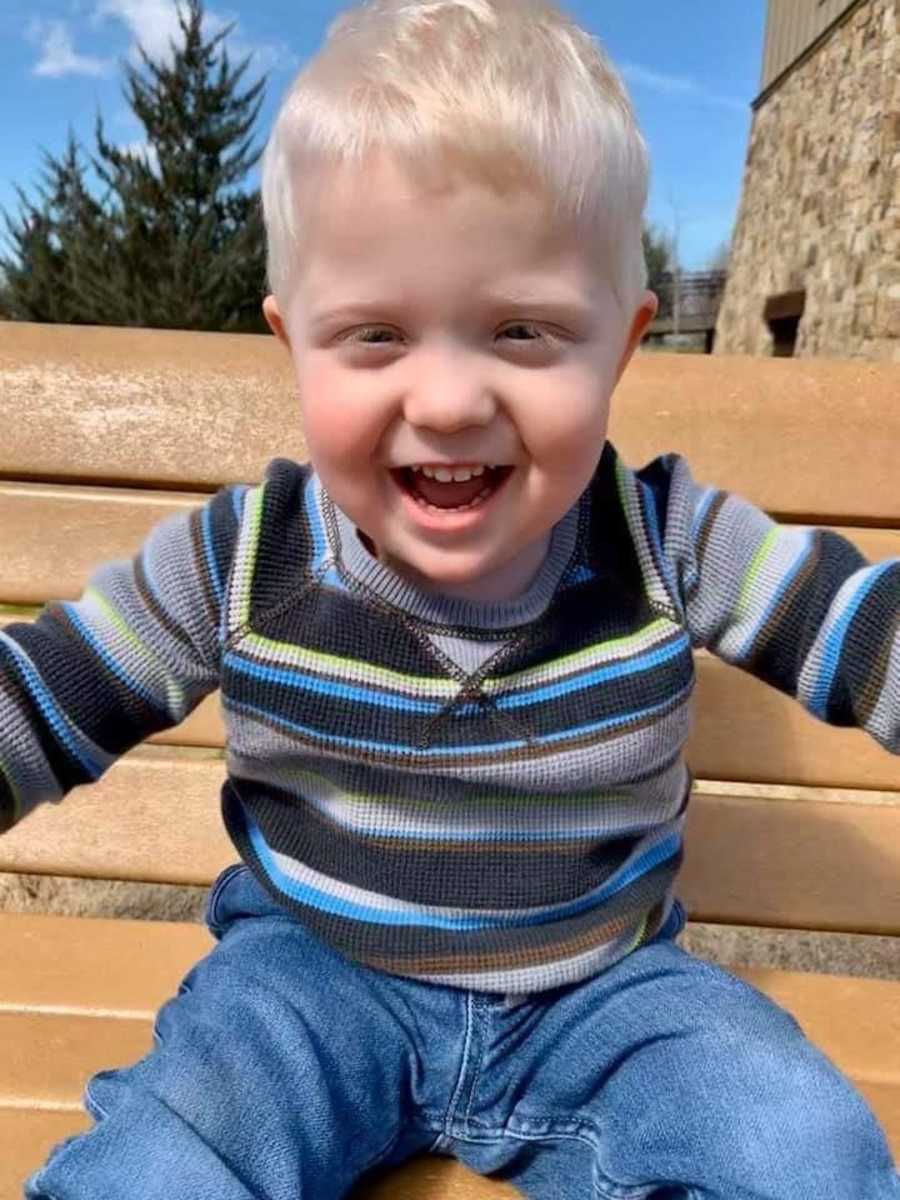
Brayden has taught me more than I could have imagined in his first few years. Listening beyond words is perhaps the most valuable lesson. One month before a global pandemic, he was officially diagnosed with Autism Spectrum Disorder. While a diagnosis is just words on paper, those words open doors—to therapies, support, and understanding.
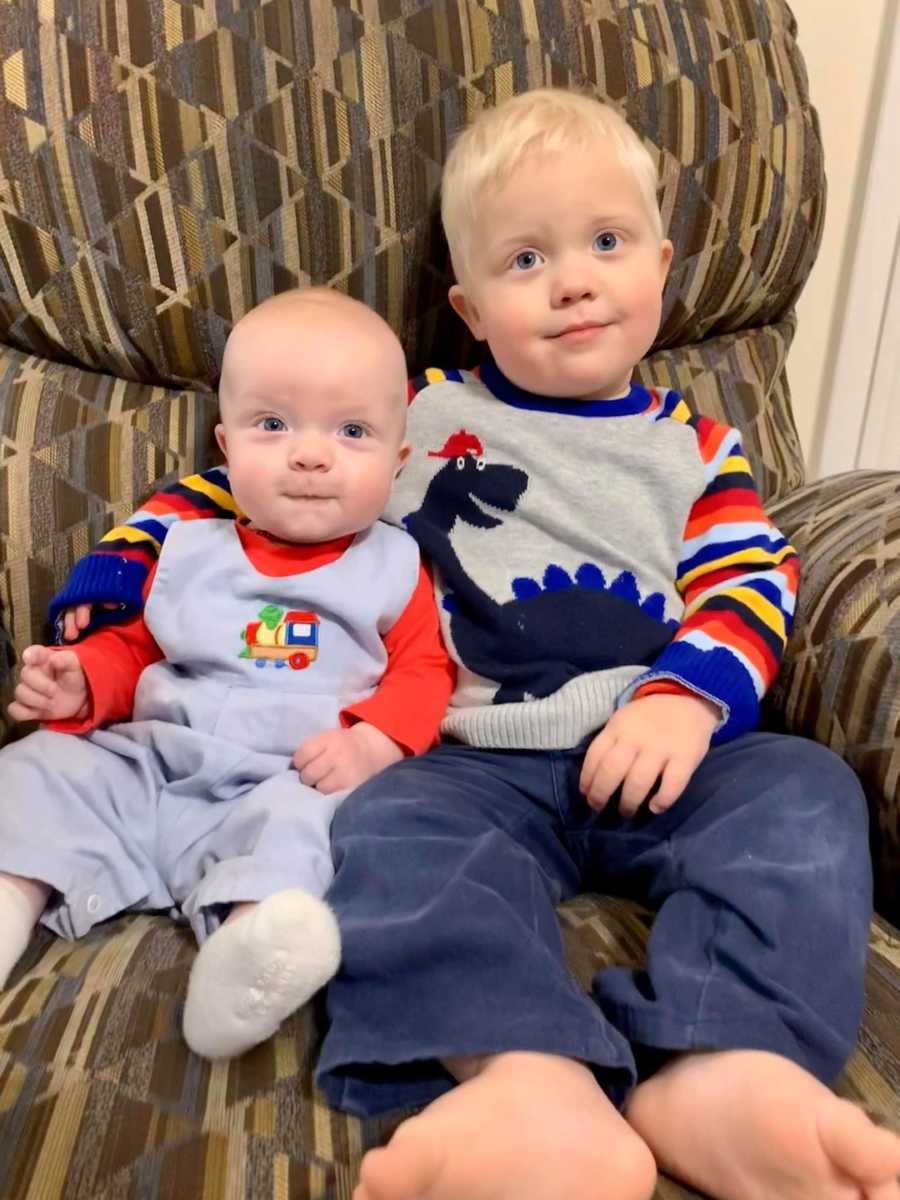
Our family’s faith has been central through this journey. We lean on God, family, and friends, though I will be honest: I am human. I’ve felt anger, grief, fear, guilt, and overwhelm. Watching other children meet milestones while Brayden falls behind is heartbreaking. Worries about the future and self-blame are constant companions. I have a genetic condition, Neurofibromatosis Type 1, which I passed to both Brayden and Jensen. I sometimes wonder if NF1 contributed to Brayden’s autism, but I’ve learned that autism is never anyone’s fault. It is not shameful, and it does not define a person’s worth or potential. Brayden is perfect exactly as he is.
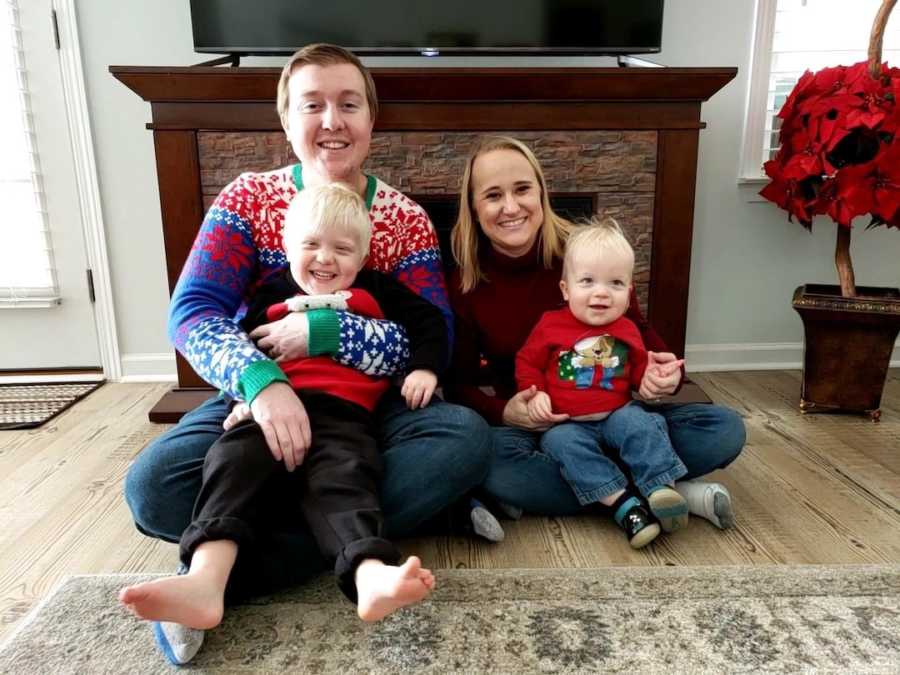
Accepting an autism diagnosis takes time, and there’s no right or wrong way to process it. Seek support, find communities who understand, and remember to care for yourself. Brayden has already faced more in his short life than some face in a lifetime. He is strong, brave, joyful, smart, kind, and profoundly loved.
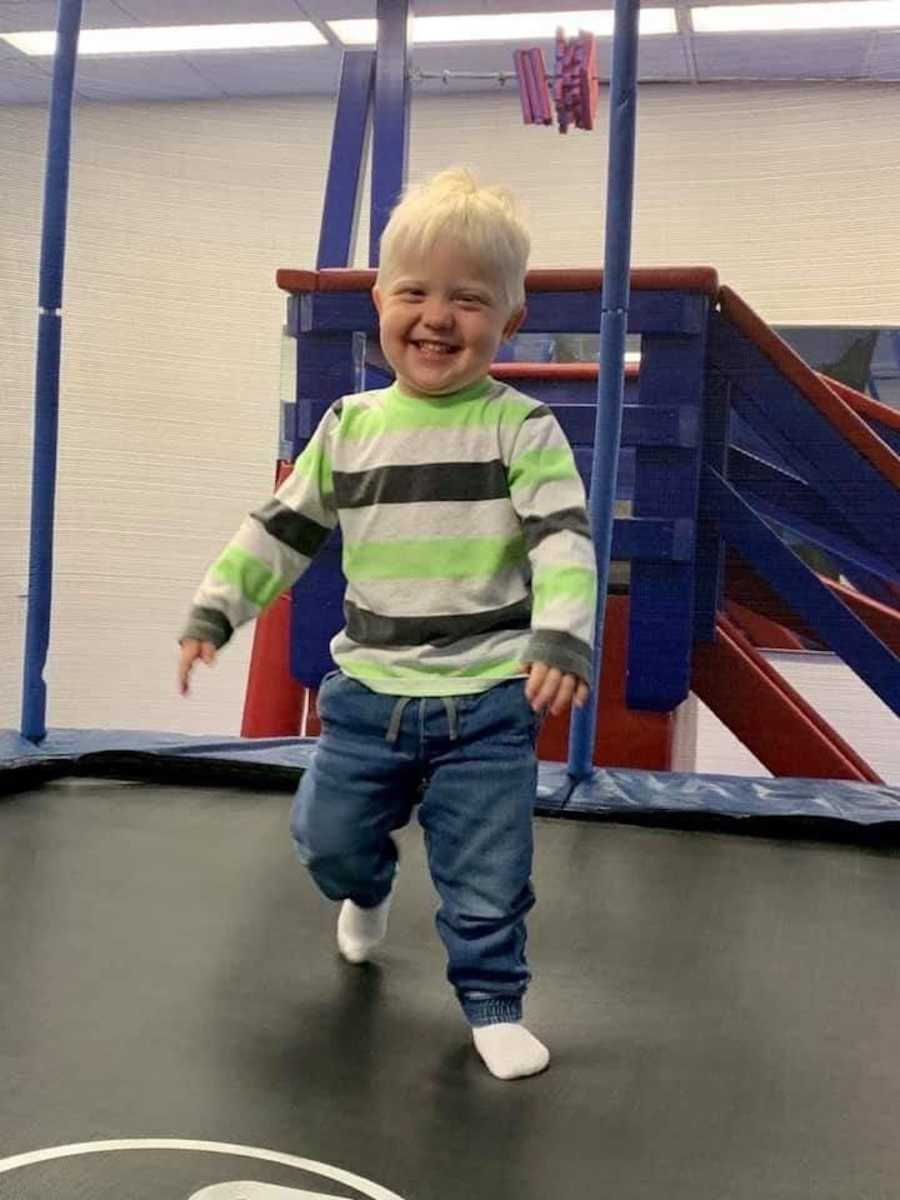
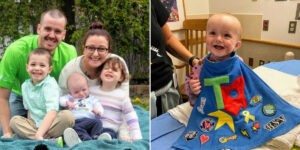
At just three-and-a-half years old, we are still learning about autism together. With each passing year come new challenges, but also new joys. Our faith remains steadfast, and we will always be Brayden’s biggest advocates and his loudest cheerleaders.