When I look back on my earliest childhood memories, I realize I don’t have very many. There are a few moments that stand out, but not enough to fill a storybook. Yet, I’ve learned that life often asks us to work with what we have, not what we wish we had.
At the age of five, my world changed when I entered foster care. Before that, life felt ordinary in the ways a young child can perceive, though some memories are painful. I remember hunger more than laughter, and long stretches of unsupervised hours with my siblings. What stands out most isn’t even the lack of food or supervision, but the sense of emptiness—the quiet, dragging nothingness of those days.
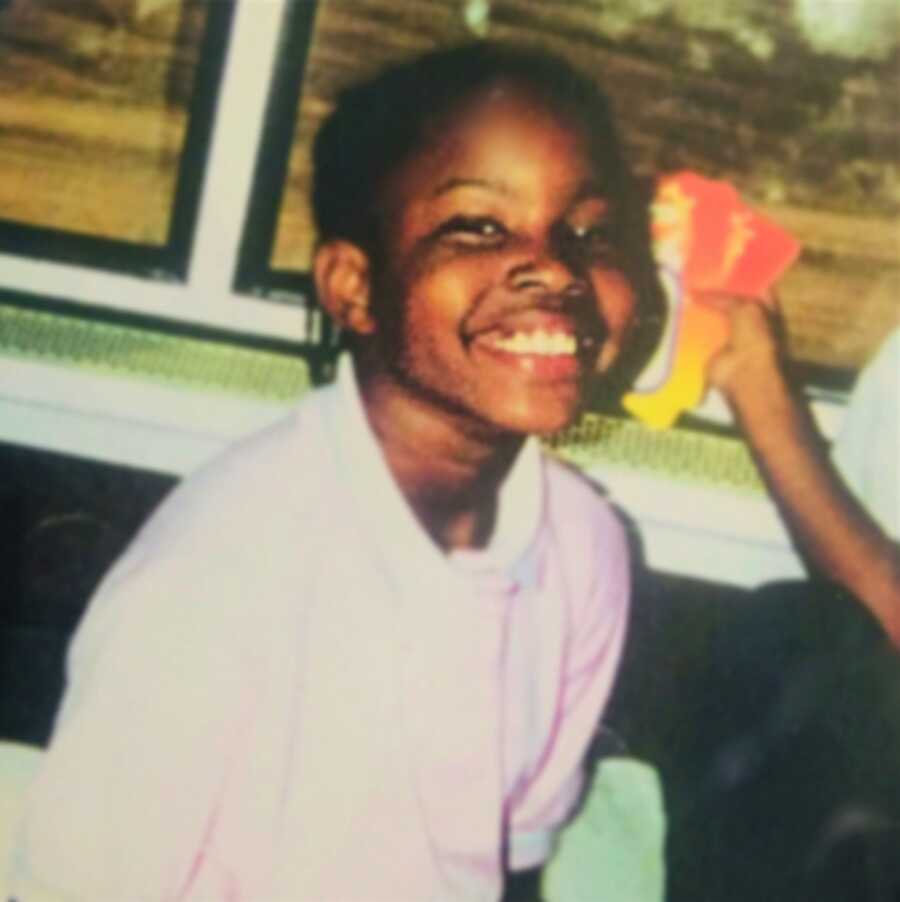
Yet, there are precious flashes of joy that I still hold close. One memory I cherish is attending my cousin’s birthday party when she turned three or four. Our family didn’t have much, but we had each other and a roof over our heads. That day, there was food, laughter, games, and gifts. I even got to ride my cousin’s Barbie-pink convertible—despite her protests—and for those few moments, I felt pure happiness and freedom. I could forget the chaos of my home life and simply be a child.
As time passed, my mother became more absent. I didn’t understand it then, but drugs had become part of her life, pulling her away from her children. During her absences, my 12-year-old sister stepped into her shoes. She became our caregiver, preparing meals, comforting us, and even helping take care of our mother at times. I didn’t fully comprehend the weight she carried, but I felt loved by her and my mom. In return, I loved them both. I never judged my mother for what she was going through; all I wanted was for her to be okay.
The day social services arrived is etched in my memory. I woke up one morning to three strangers standing in our living room. They seemed impossibly tall and serious, their faces lined with concern. One of them quietly said, “She hasn’t been here.” Before I knew it, I was sitting in a police car, anxious and confused, not knowing where I was going.
We arrived at a modest green house, surrounded by a chain-link fence and a small sidewalk leading to the front door. A petite, elderly woman greeted me with a warm smile. “Hi Jamerika,” she said, as if she had always known me. I remember feeling self-conscious in my summer clothes—a Christmas sweater, purple corduroy pants, and pink snow boots—but her kindness immediately eased my nerves. This woman, Mrs. Johnson, would become my foster mom, and I would later meet her husband, Mr. Johnson.
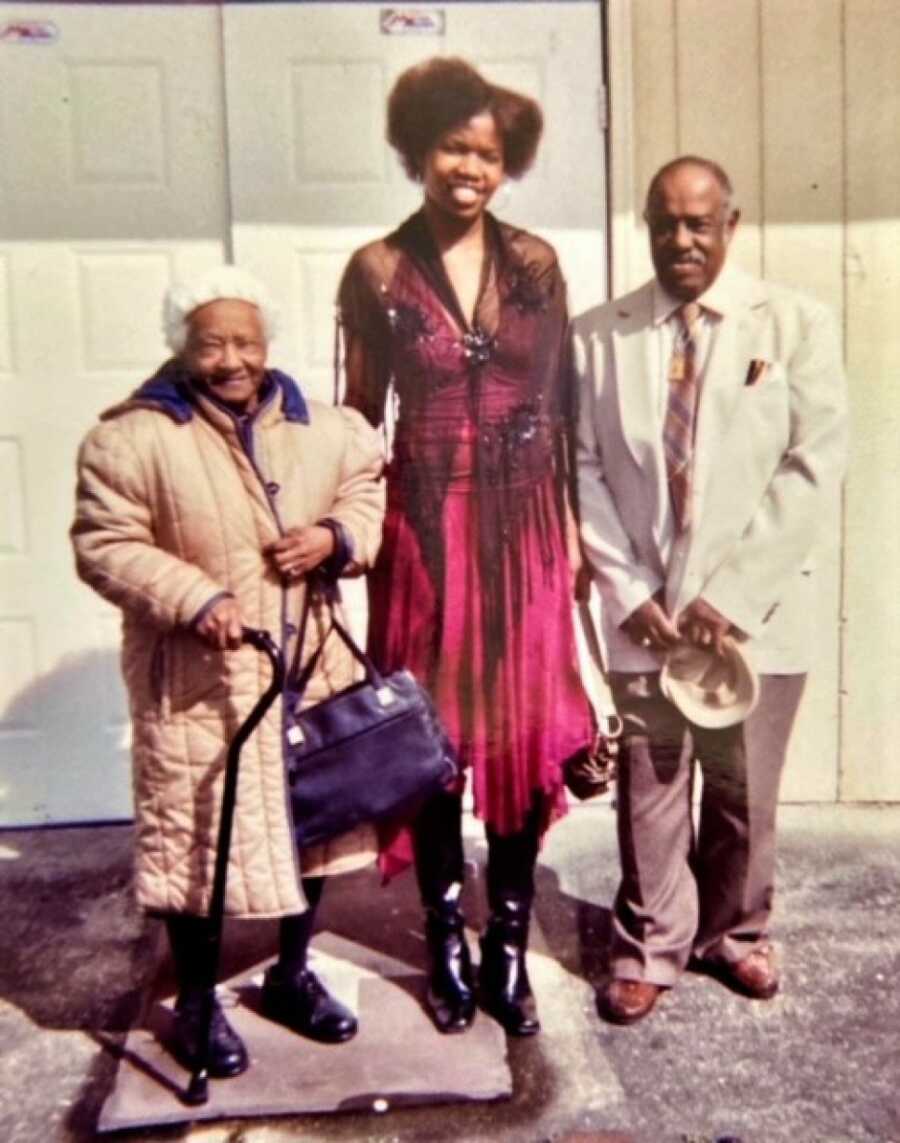
Over the next five years, the Johnsons became my family. We shared meals, attended church together, and went on vacations. Even when I felt sad or uncertain about my circumstances, I reminded myself how fortunate I was to have them. They became my parents in every way that mattered, and for a time, I never wanted to leave.
At age ten, I moved away from the Johnsons, a day marked by deep sadness. I went on to live in other foster homes, and eventually, like many young people, I turned eighteen and took control of my life. I reconnected with my mother, who had made tremendous progress—she had her own place and was in recovery from substance abuse. We spent time together, and I was grateful for every moment we could share. I also kept in touch with the Johnsons until their passing, cherishing the family they gave me.
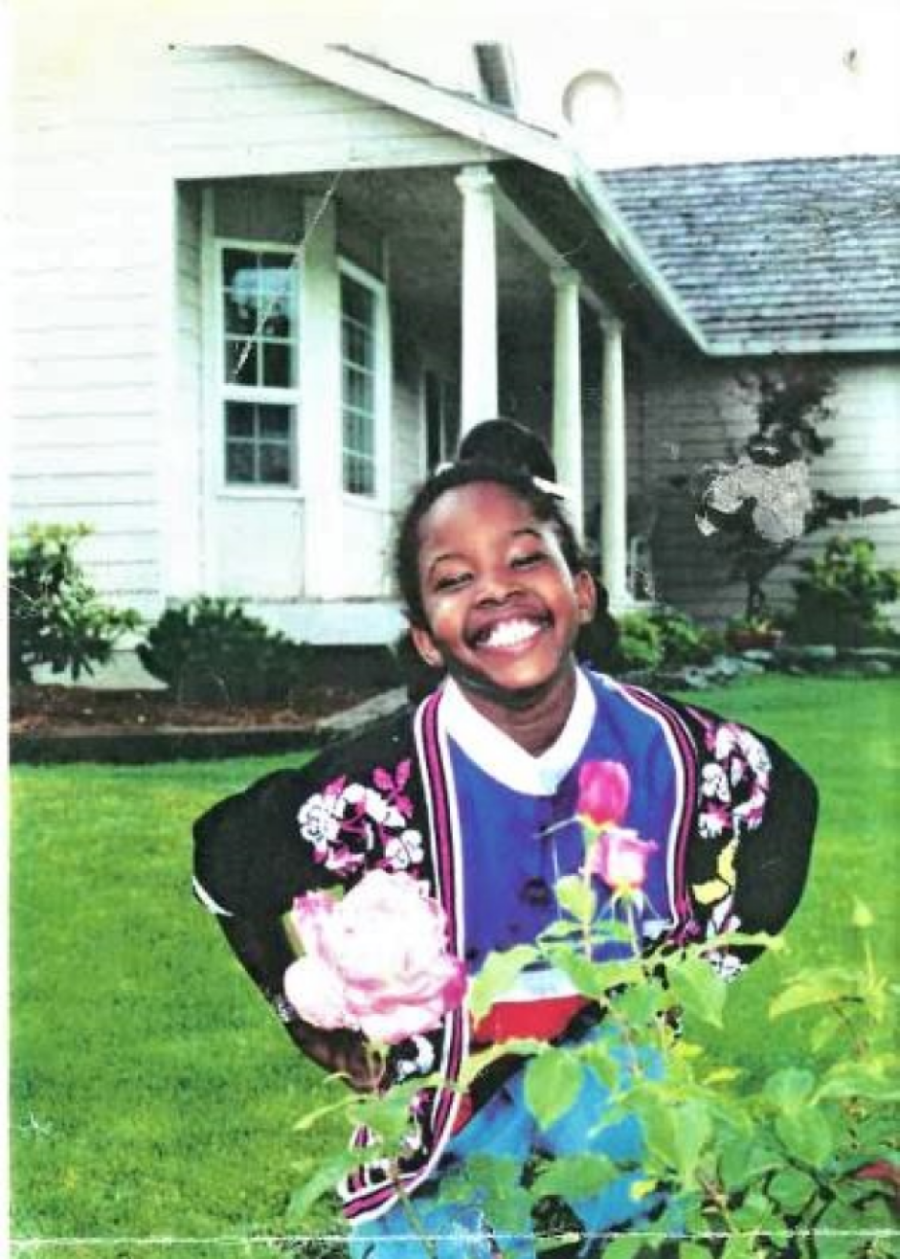
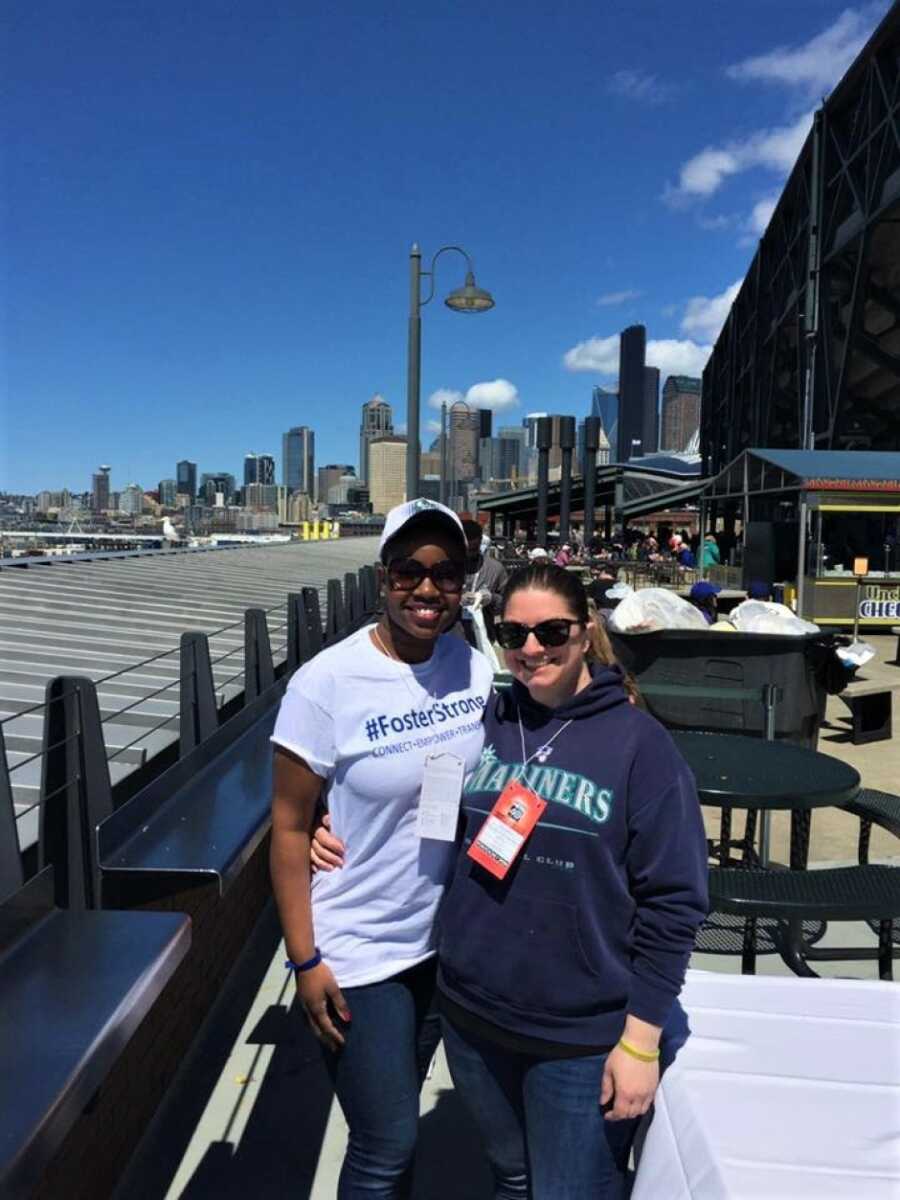
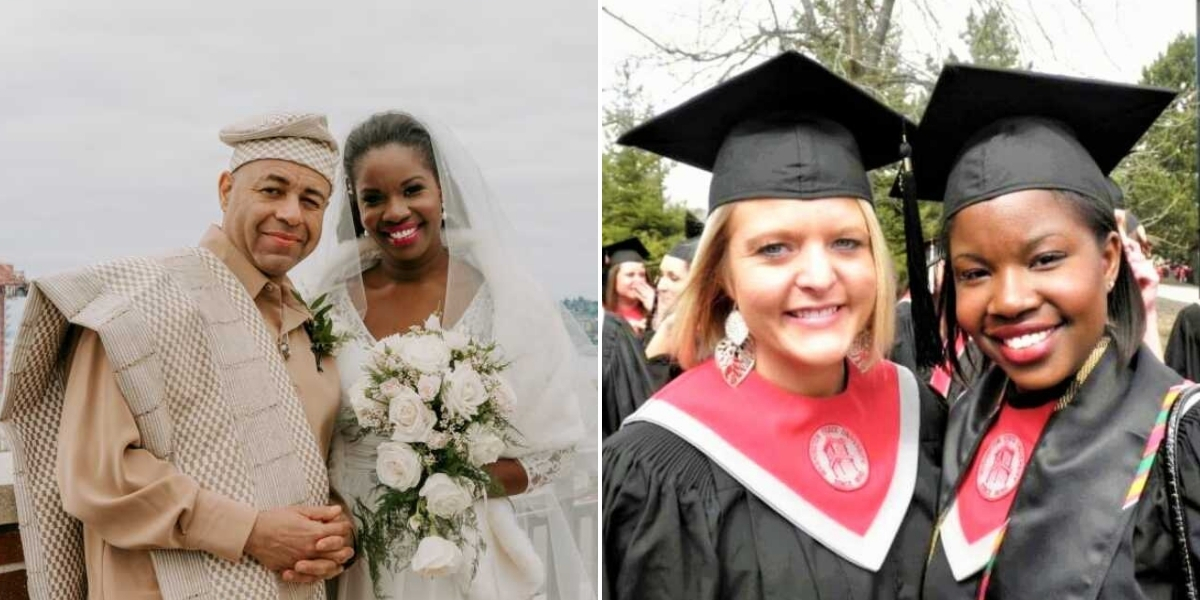
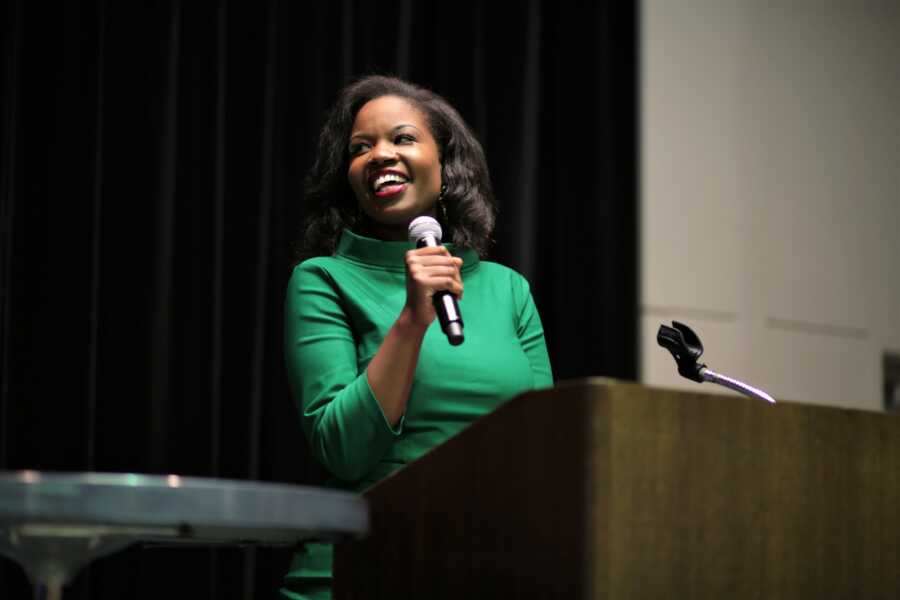
At nineteen, I enrolled in the local community college, determined to follow a path I had long dreamed of. As a child, I often said, “I want to be an actress,” even when met with confusion. I didn’t care. My passion for communication never wavered. I later graduated from Washington State University with a degree in Communication, becoming a news reporter and ultimately a motivational speaker. My mission has always been to amplify the voices of those often unheard—the marginalized, the overlooked, and those whose stories are rarely told.
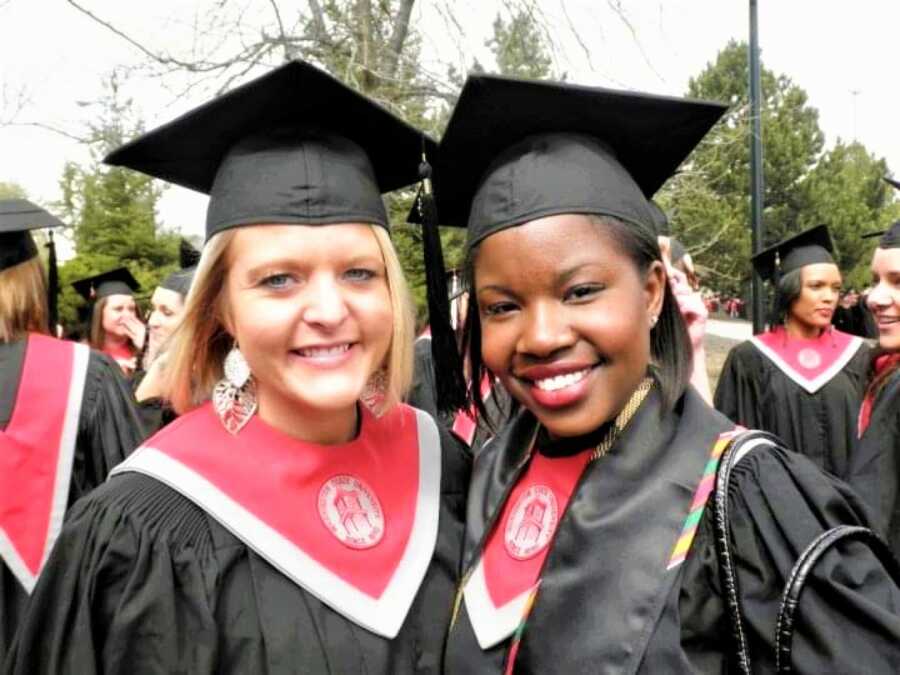
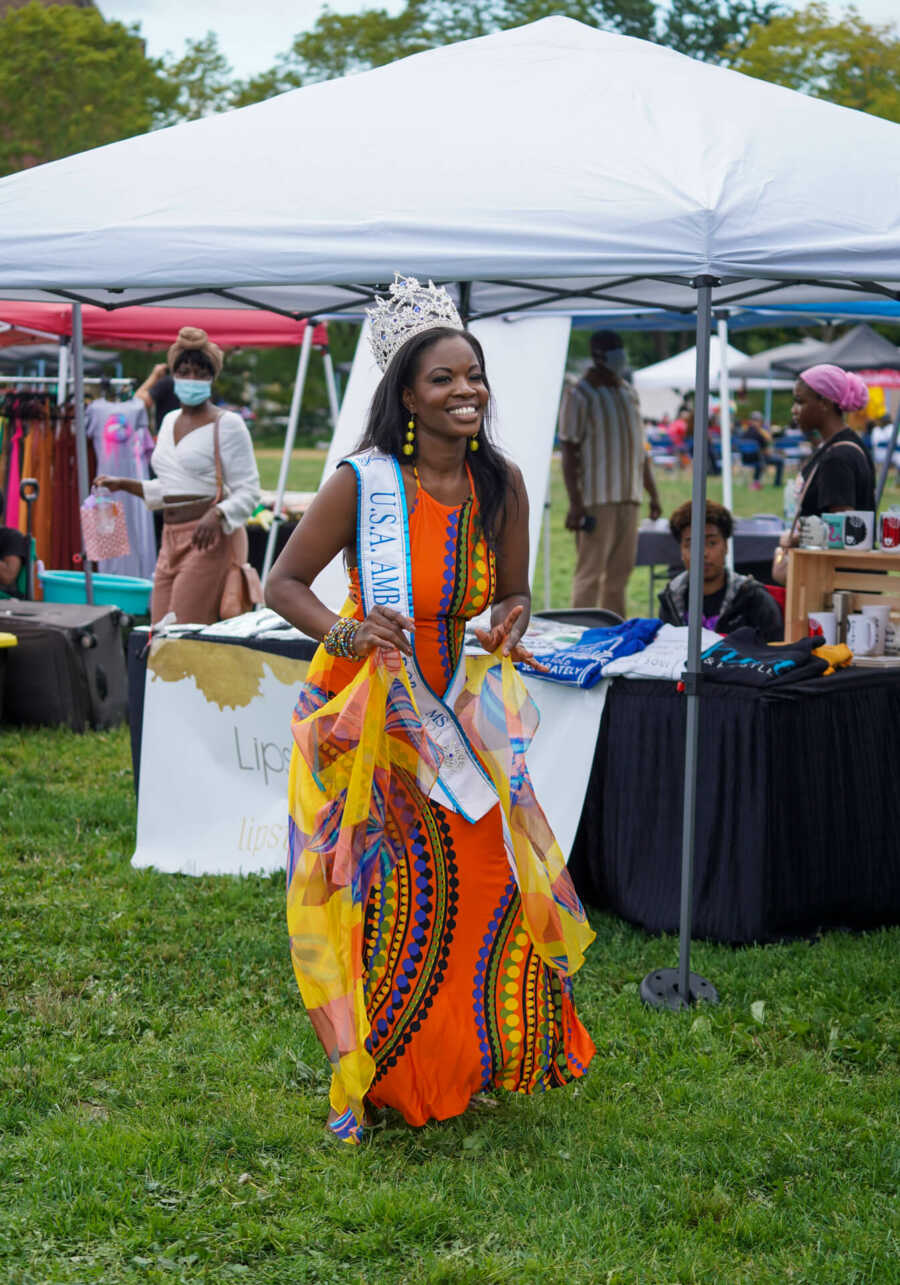
During college, I also pursued pageantry, and thirteen years later, I won my first national title. In July 2021, I was crowned USA Ambassador Ms., naming my platform “A Chance to Succeed: Empowering Youth in Foster Care.” After spending years in the system myself, I wanted to create meaningful change for the next generation.
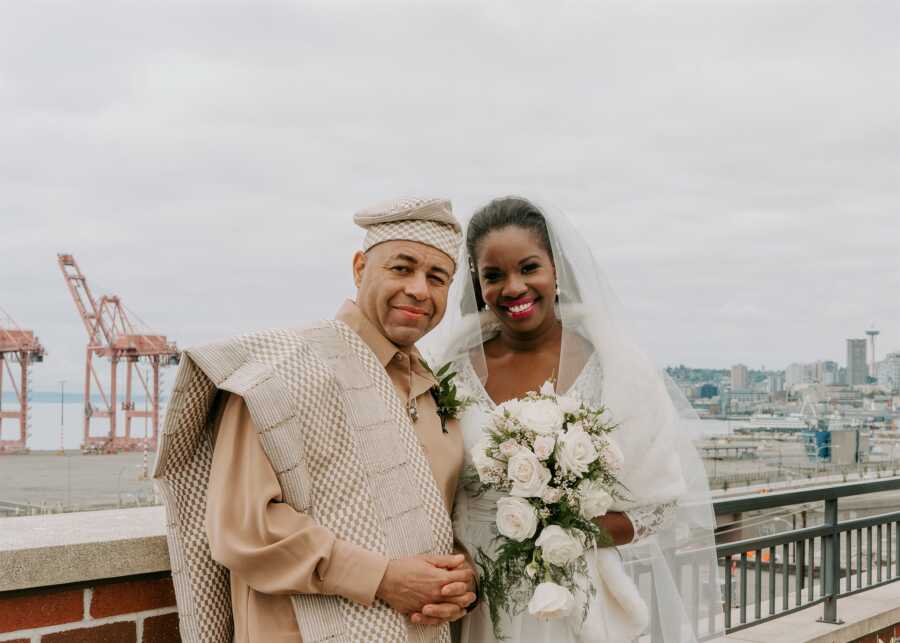
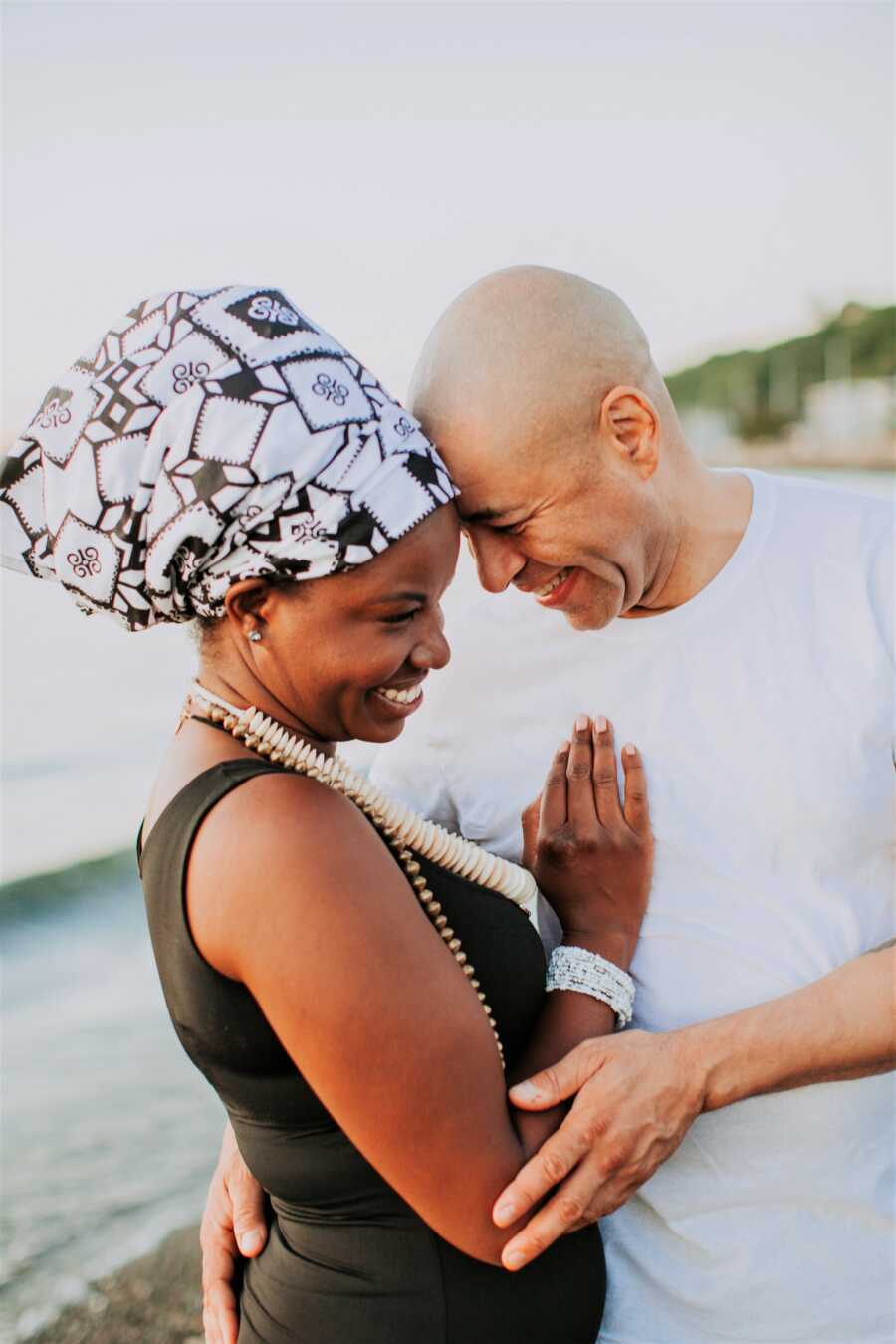
There were moments when I felt invisible, unsure of myself, or angry at the world. Those feelings fueled my advocacy, inspiring me to share my story at conferences and partner with organizations working to improve foster care. Today, I am proud of the woman I’ve become—not just for my accomplishments, but for the love and family I have in my life. Last October, I married my best friend, Greg, and experiencing unconditional love has been transformative.
Reconnecting with my mother and siblings has been a blessing. They are thriving, with children and grandchildren of their own. Witnessing their lives unfold is a reminder that our circumstances do not define us. With the right support, resilience, and love, we can all create meaningful, joyful lives.
For me, faith has always been a cornerstone. I often reflected on the story of David and Goliath, reminding myself that even giants can be overcome. Foster care sometimes felt like a giant in my life, but prayer and trust gave me the strength to persevere.
To any young person in foster care: your circumstances are not your fault. You deserve respect, love, and opportunity. Never give up. Connect with others, understand your rights, and build a support network. And to parents navigating the system: keep striving for your children, even when judged. Your efforts matter.
To allies and advocates, listen, act, and be willing to step outside your comfort zone. Whether mentoring, donating, or supporting foster families, every effort counts.
For years, I wished away my past, but now I embrace it as part of my story. My hope is that the stigma of foster care disappears and that families receive the support they need during times of crisis. My family needed help, and tomorrow, it could be yours. We all play a role in creating stronger, more compassionate communities.