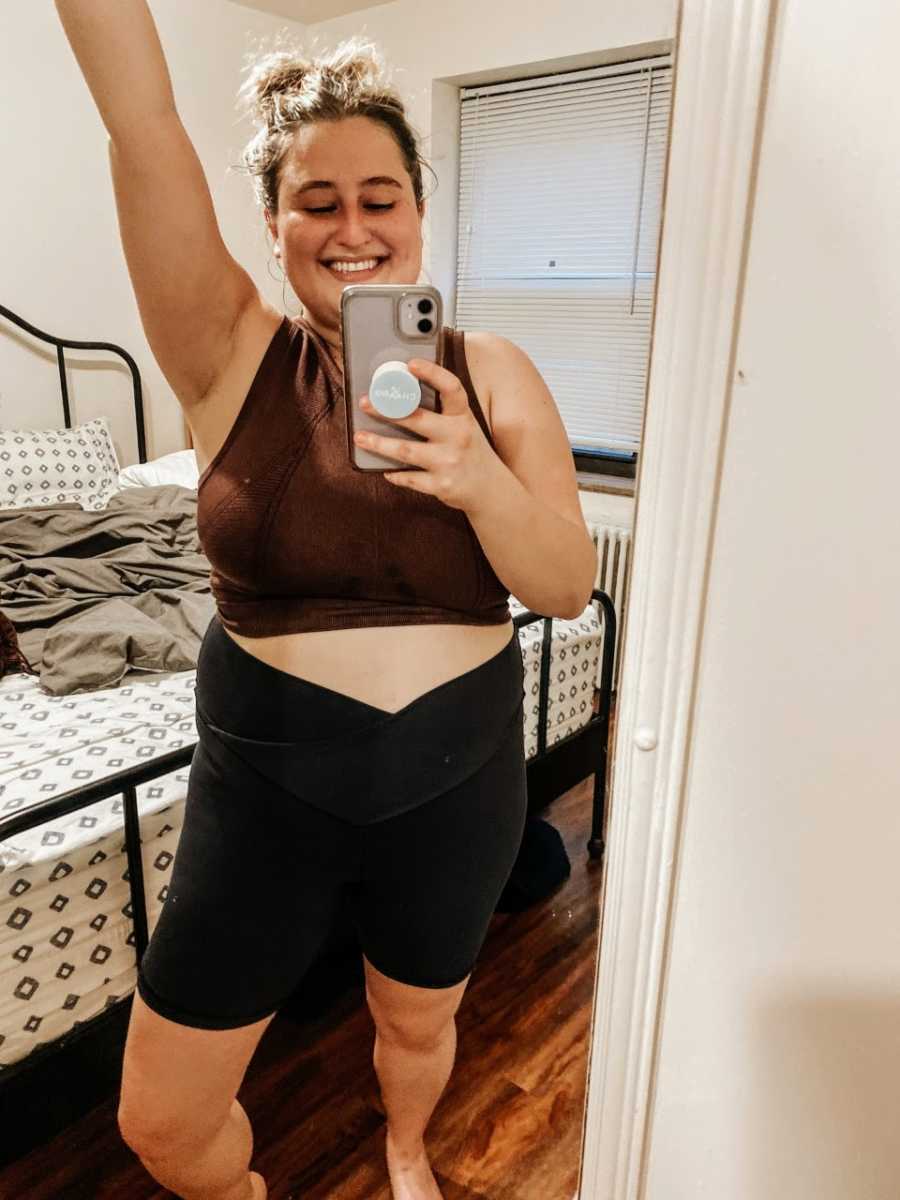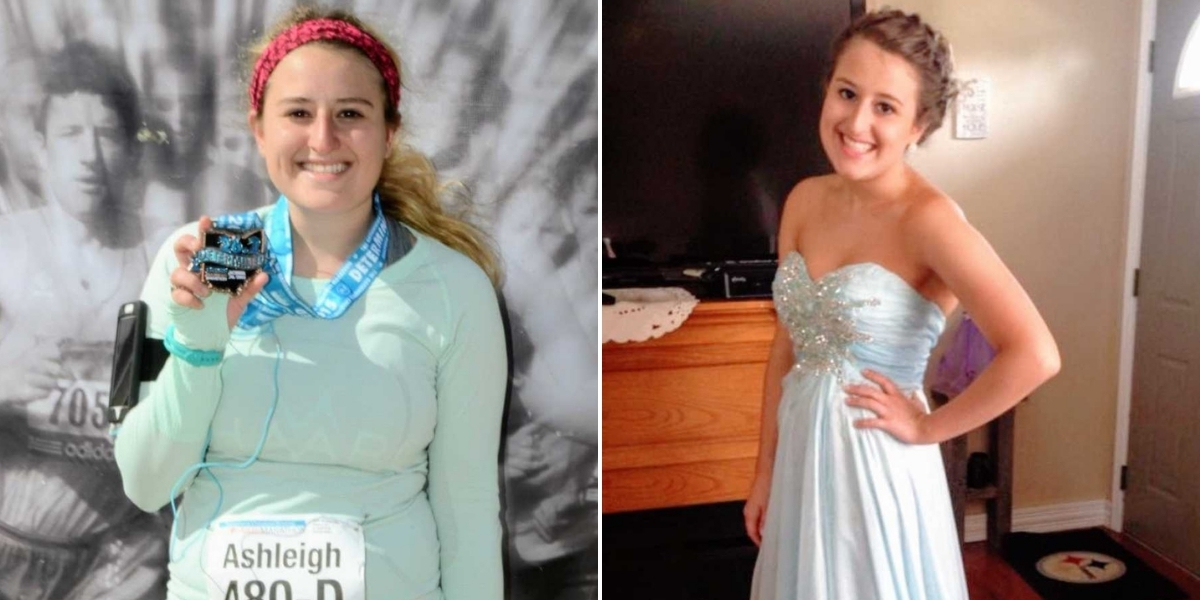
I don’t remember a time when I wasn’t hyper-aware of my body. From comparing clothes sizes with my friends to feeling the need to cover up on beach vacations, my relationship with my body started early. By my senior year of high school, that awareness had turned into a full-blown obsession. I meticulously monitored what I ate, worked out daily, and strived to maintain a size 00. Cheat meals were forbidden, and my routine was followed without exception. Every morning began the same: weigh myself, take a “progress” photo, and calculate my calories for the day to ensure everything I consumed was “healthy.” After working out, I would weigh myself again, snap another photo, and meticulously track my workout duration, weight, and daily goals.
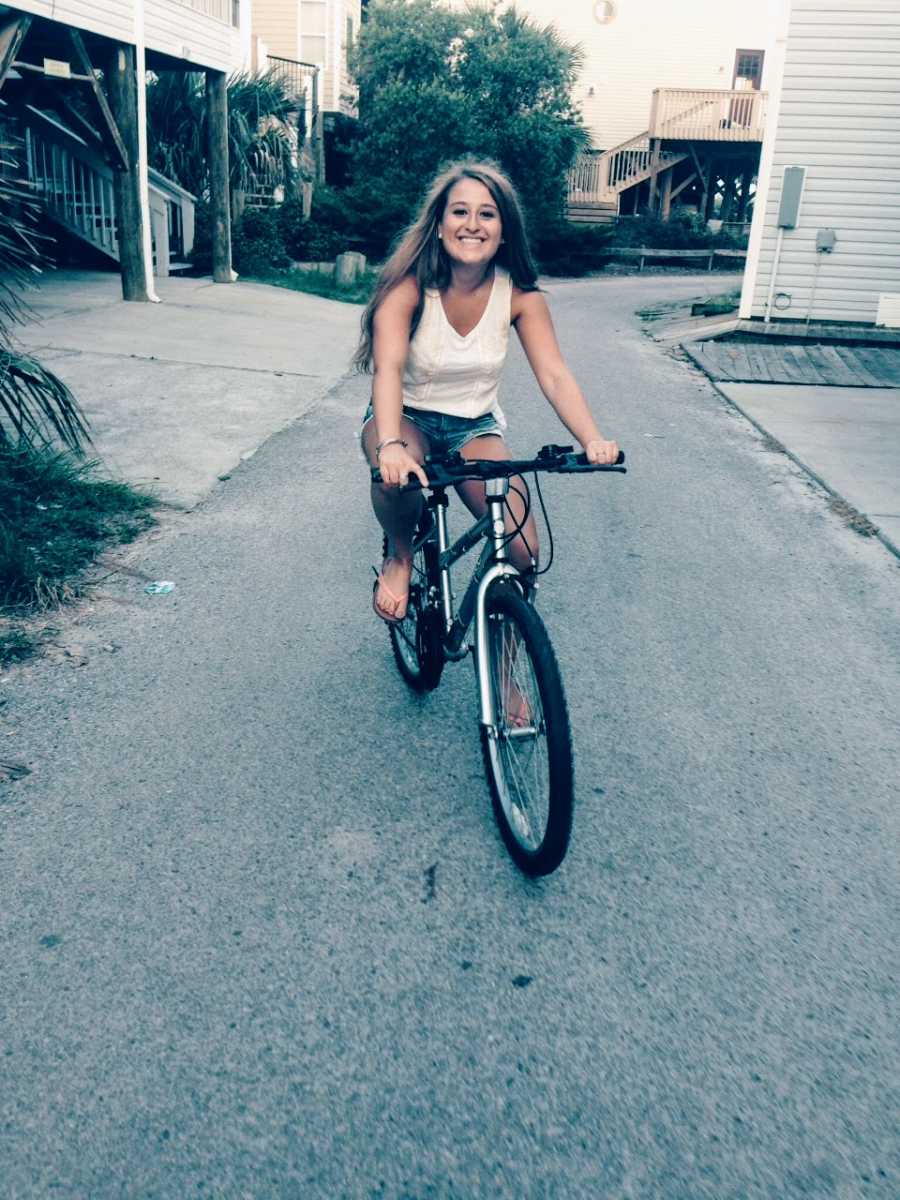
People noticed my discipline. “You’re so dedicated.” “I wish I had your willpower.” I wore these compliments like badges of honor. But soon, the drive to control my body escalated. I thought, If I eat fewer calories than my body needs, I’ll lose even more weight. What started as discipline quickly became a game: how many “extra” calories could I cut each day? I remember one day feeling ecstatic over a 500-calorie deficit. I went to bed proud of how “healthy” I was, completely unaware of how distorted my relationship with food had become.
Fitness consumed me. I restricted myself to what I considered “clean” foods to the point of absurdity. I still remember stopping for ice cream with my family and refusing to order anything, watching them indulge while I silently judged myself. Even drinking a glass of milk became a “treat,” something indulgent and off-limits. I tracked every calorie and macro religiously, but when I did allow myself a “cheat,” it spiraled into bingeing—eating an entire pint of ice cream, feeling disgusted, sick, and defeated afterward. I blamed myself, thinking, This is why I’m failing my goals. If only I had more self-control. My life became a constant mental battle, obsessing over calories and workouts, never able to fully enjoy food or movement.

Going off to college only intensified this need for control. Social anxiety and depression deepened, and I began falling behind in classes. I spent hours in bed, criticizing myself for not meeting the standards I set. My disordered eating became a coping mechanism—something I could control when everything else felt unmanageable. In my sophomore year, I joined CHAARG, a fitness organization, hoping to find others who shared my obsession. Instead, I discovered people who didn’t obsess over eating “good” foods, who found joy in movement rather than perfection. It was eye-opening. I realized my fixation on health wasn’t healthy at all—it was orthorexia. Finally, I had a name for my struggle and access to support. I also made friends who openly discussed mental health, which helped me understand I wasn’t alone.
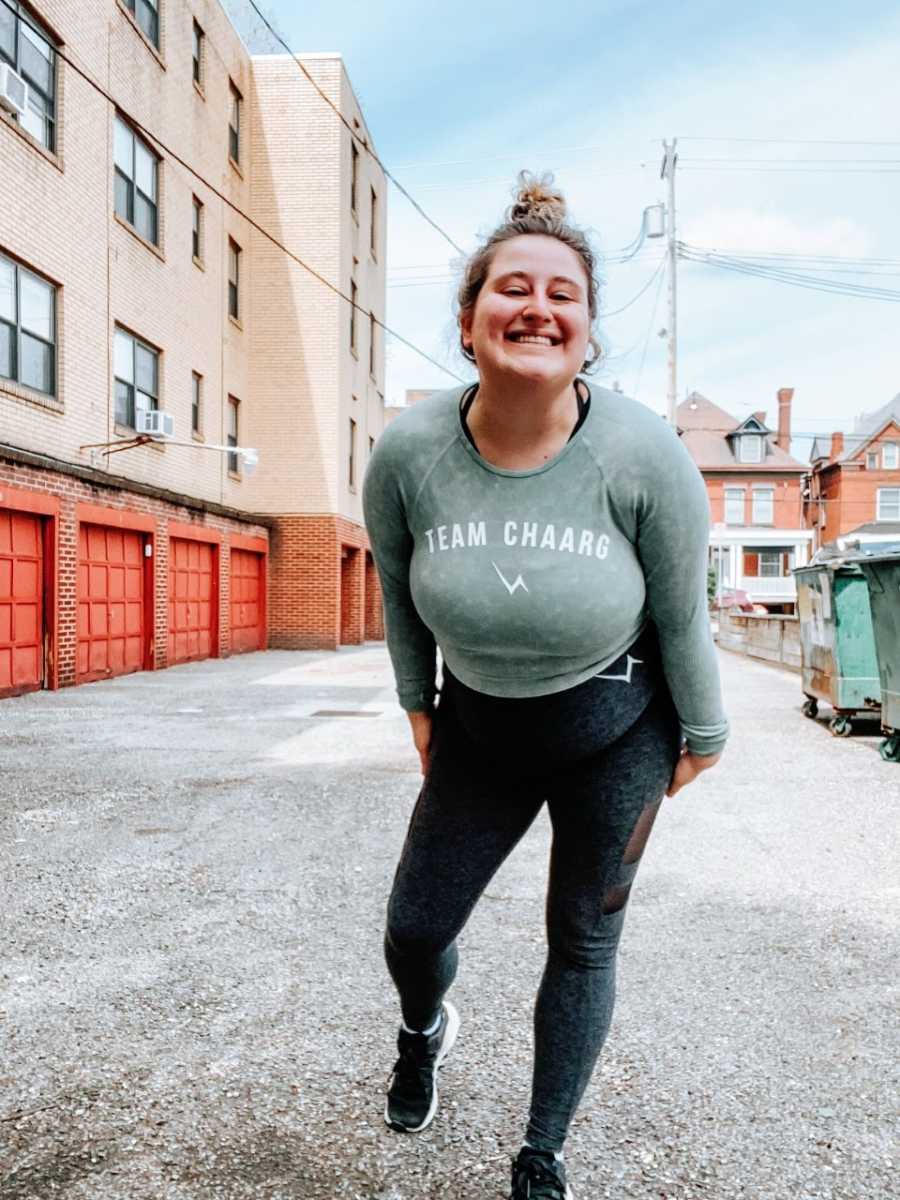
It was during this time that I discovered running. I started running with friends and completing small races, earning praise for my dedication. I dove in headfirst, signing up for my first half-marathon despite never having run more than a 5k—and shortly after, a full marathon. But my body wasn’t ready. I faced an inevitable reality: I couldn’t push myself without consequences. I needed to adjust, so I researched proper nutrition for runners and reshaped my diet around performance instead of appearance. My workouts remained structured, but now my focus was on what my body could do, not how it looked.
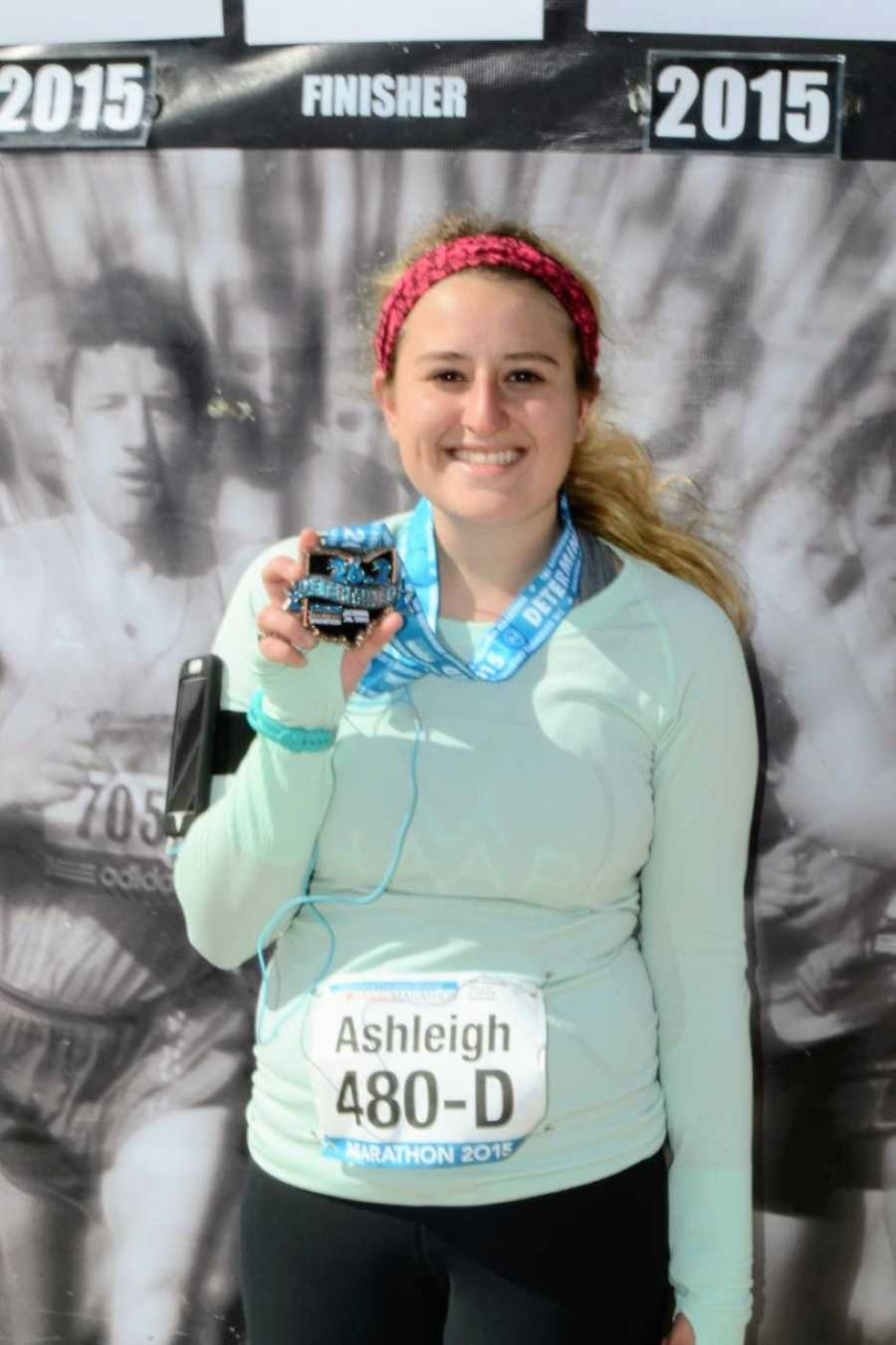
At first, this felt like freedom. I was completing races, fueling properly, and enjoying running. But the freedom was only surface-level. Every meal, every run, every race was calculated. I forced myself to hit mileage targets and measured my happiness by numbers, not well-being. It wasn’t until I was injured during my second marathon that I confronted the truth: I had slipped back into disordered habits.
That injury became a turning point. By then, I was a junior or senior in college—finally enjoying my classes, studying abroad for a semester, and finding love. I thought I had reached true health. But in reality, I had swapped one extreme for another. I told myself, I am confident, I am healthy, I am happy, while internally feeling more insecure than ever. Graduation left me adrift: no running, no job, no structure. In reaction, I swung the other way, avoiding exercise entirely and cycling through bingeing and shame.
Though I had been in therapy for years, our focus shifted after graduation. We started addressing my eating disorder in depth. I casually mentioned my past orthorexia—“a few years ago, but it’s fine now”—yet my therapist didn’t let it slide. Working with a dietitian, I recognized the lingering patterns. I wasn’t restricting overtly or over-exercising, but food rules still dominated my thoughts. My inner dialogue shifted from that food is bad to thinking food is bad is bad, creating constant self-shaming and pressure to “prove” I was recovered.
Recovery, I’ve learned, is not linear. It doesn’t end at a finish line. There are no guarantees, only daily work. While sharing my journey has inspired others, it also brought pressure and fear. Admitting struggles felt like failure, even though it’s a natural part of healing.
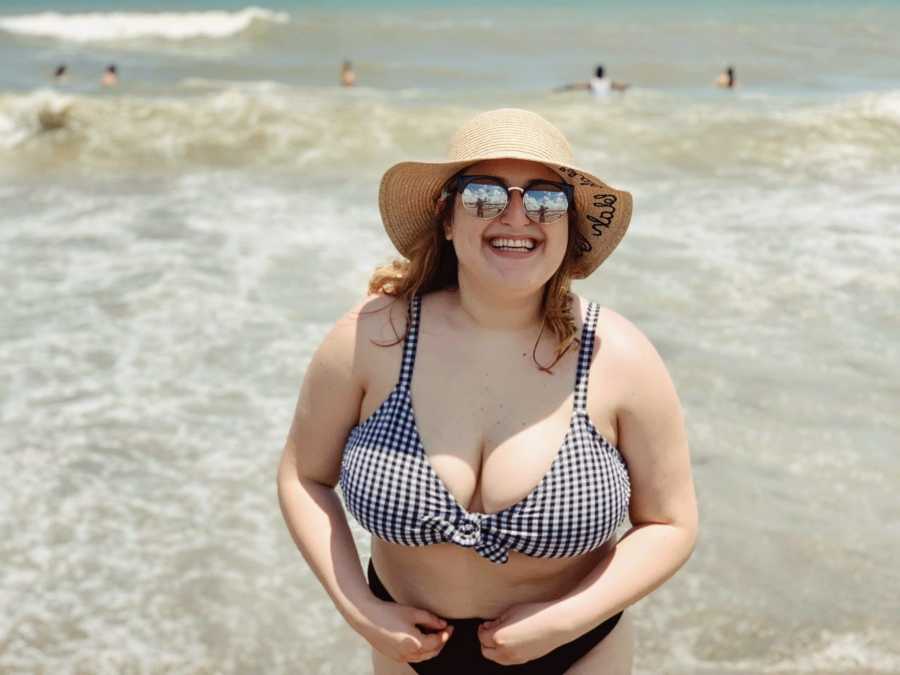
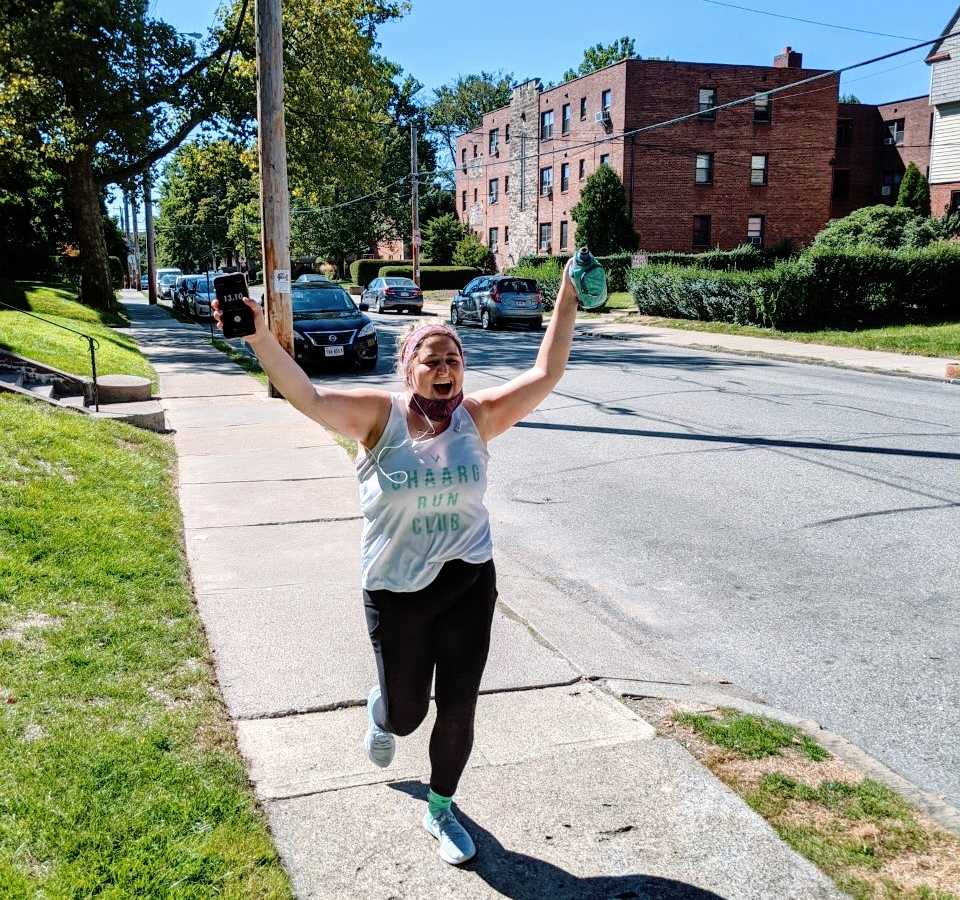
Now, things are different. I’ve relearned running, focusing on the experience rather than metrics. I listen to my body and mind, adjusting training and taking rest when needed. Missing a run isn’t a moral failure; running isn’t a way to earn food—it’s a goal, a form of meditation. My first half-marathon since returning was far from traditional: I created my own route, ran alone wearing a mask, and finished at the spot my phone recorded 13.1 miles. But the victory was in how I ran, not the numbers. I finished injury-free and without restriction, and that felt revolutionary.
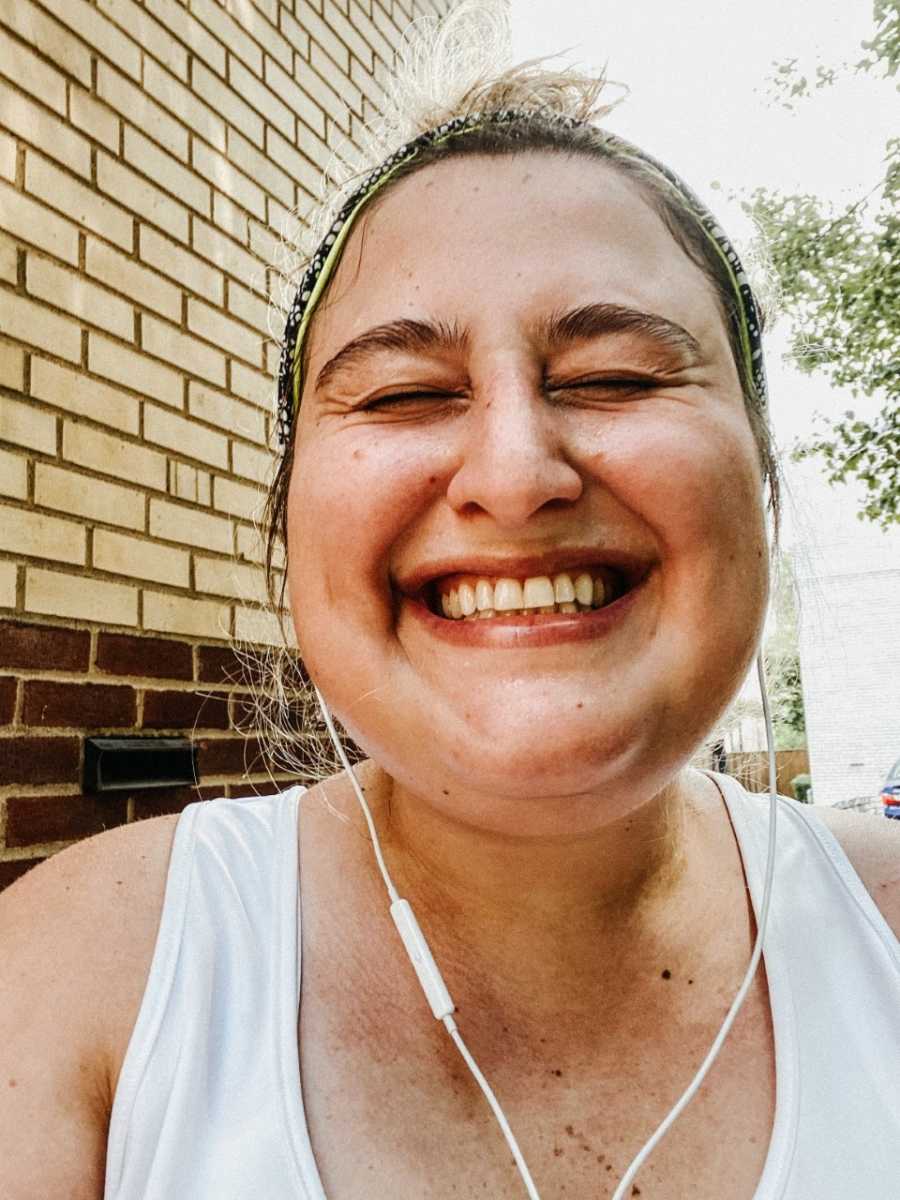
Today, I still question, Who am I now? Through disordered eating, anxiety, and depression, I’ve become many versions of myself. I’ve learned it’s okay to not be okay. I listen to self-doubt instead of burying it, and I recognize relapse as a natural ebb and flow. One happy day doesn’t erase depression, just as one negative thought doesn’t erase progress. Letting go of make-believe rules about recovery and perfection allows me to live in the in-between space—a place where showing up, being kind to myself, and embracing imperfection is enough. I am more than my thoughts, my struggles, or my past, and that truth has become my greatest freedom.