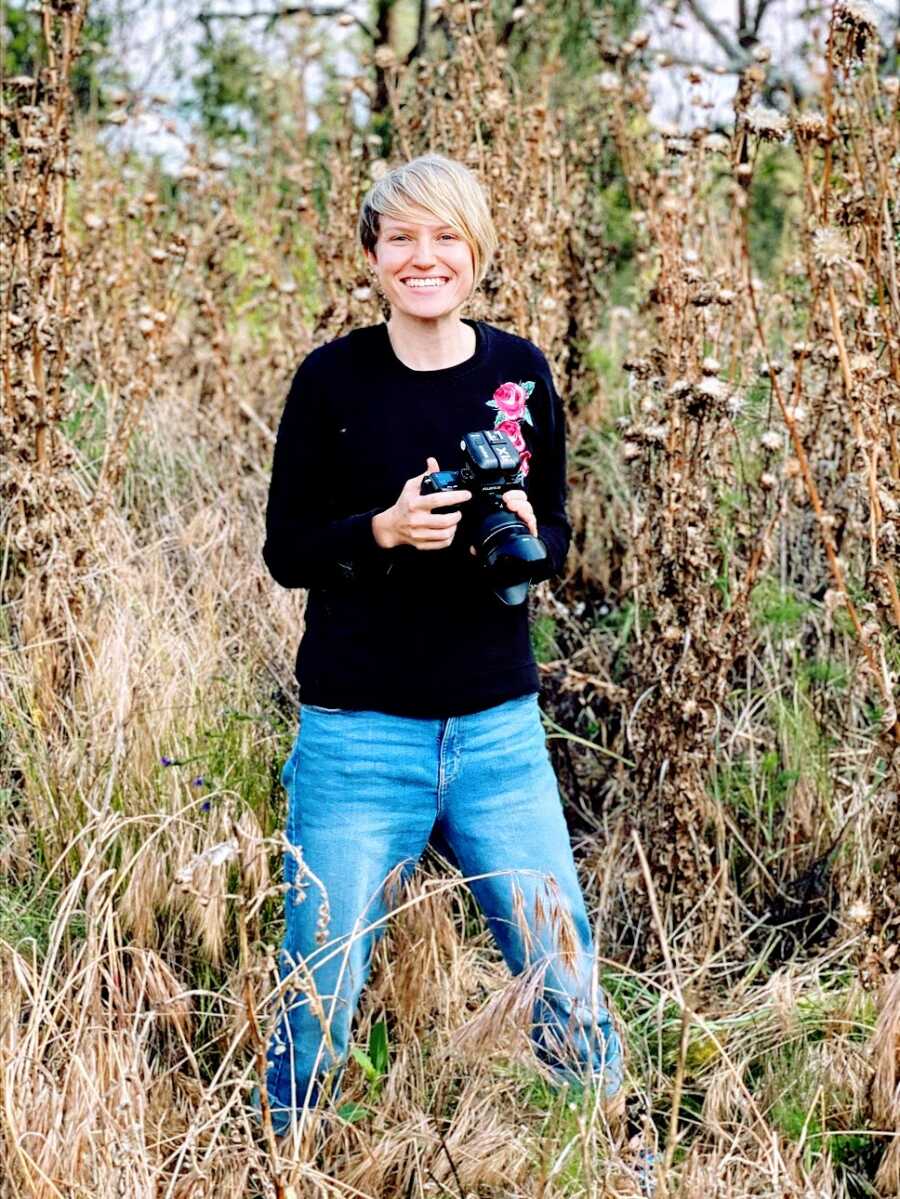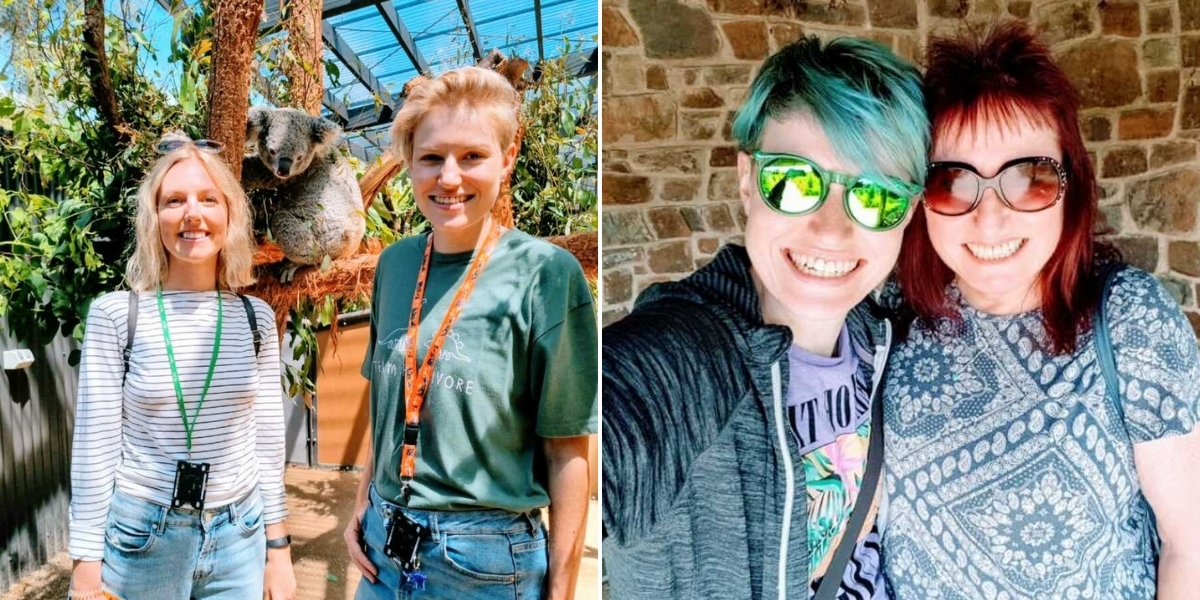
Living fully in the present moment and truly listening to my body is not something I’ve ever been particularly good at. On the surface, I tick all the hippie-boho boxes: clean eating, recycling, veganism, wearing comfortable clothes, avoiding chemicals, and showing kindness to everyone and everything. But beneath that, I’m a hard-working perfectionist—fiercely independent, constantly moving, and endlessly thinking. I’ve spent so much of my life focused on goals, ambitions, and what my future should look like that I failed to notice the signals my body was sending me. Last year, those signals became impossible to ignore, but this story doesn’t start there.
From as far back as I can remember, I have always been more prone to colds, sore throats, flu, headaches, and general body aches than my peers. In high school, my “friends” mocked me for it, which made me feel abnormal, flawed, and weak. At eleven, I suffered chronic upper back, neck, and shoulder pain after injuring myself in gym class, and shortly afterward, I fell down concrete stairs, knocking out my front teeth. My teenage years were filled with hospital physio sessions, X-rays, chiropractic appointments, and daily doses of over-the-counter painkillers, which I popped like candy just to get through the day.
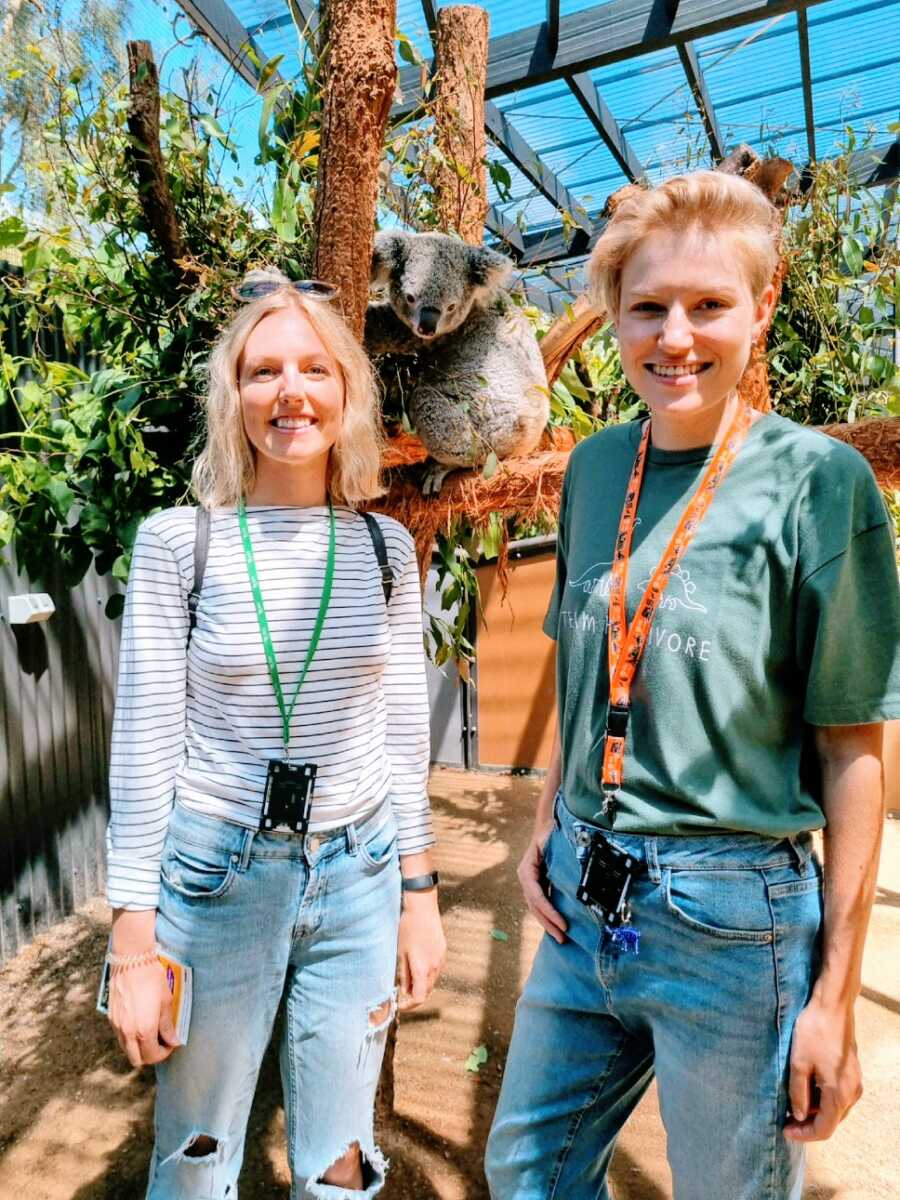
Amid all this physical struggle, I was also wrestling with depression, anxiety, and weight issues. Much of this stemmed from school bullying, but my shyness and anxiety left me unsure how to cope. I felt sad, isolated, and comforted myself with food. At fourteen, I decided to take control of my body. I read a book about nutrition, followed its advice religiously, and have maintained a healthy weight ever since. Yet, even now, I wrestle with how I look and feel. I am my own harshest critic, and negative comments from others still hurt more than they should. I have a tendency to give too much power to the world around me and not enough to myself—but I am becoming aware of it and learning to change, slowly, step by step.
Despite all these struggles, I am, at my core, a positive person. I see the good in everyone, and I’ve always been the upbeat, calm, smiley person in any group. Over the years, I’ve overcome shyness to the point that most people now perceive me as outgoing. In reality, I’m an extroverted introvert—I enjoy social interactions but need time alone to recharge. My ambitions have always centered on helping people and inspiring them, in any way I can.
About a year ago, just as the first Covid lockdown restrictions eased and I returned to work, I began experiencing intense pain in my right foot and hands. I assumed it was a bruise on my foot and that the hand pain was sciatica caused by nerve compression in my shoulder. That same week, my shoulder went into a severe spasm, leaving me unable to move. For two days, I was on the floor, crying in unbearable pain. Shoulder spasms had happened before, but this intensity, combined with the new hand and foot pain, was unlike anything I had ever experienced.
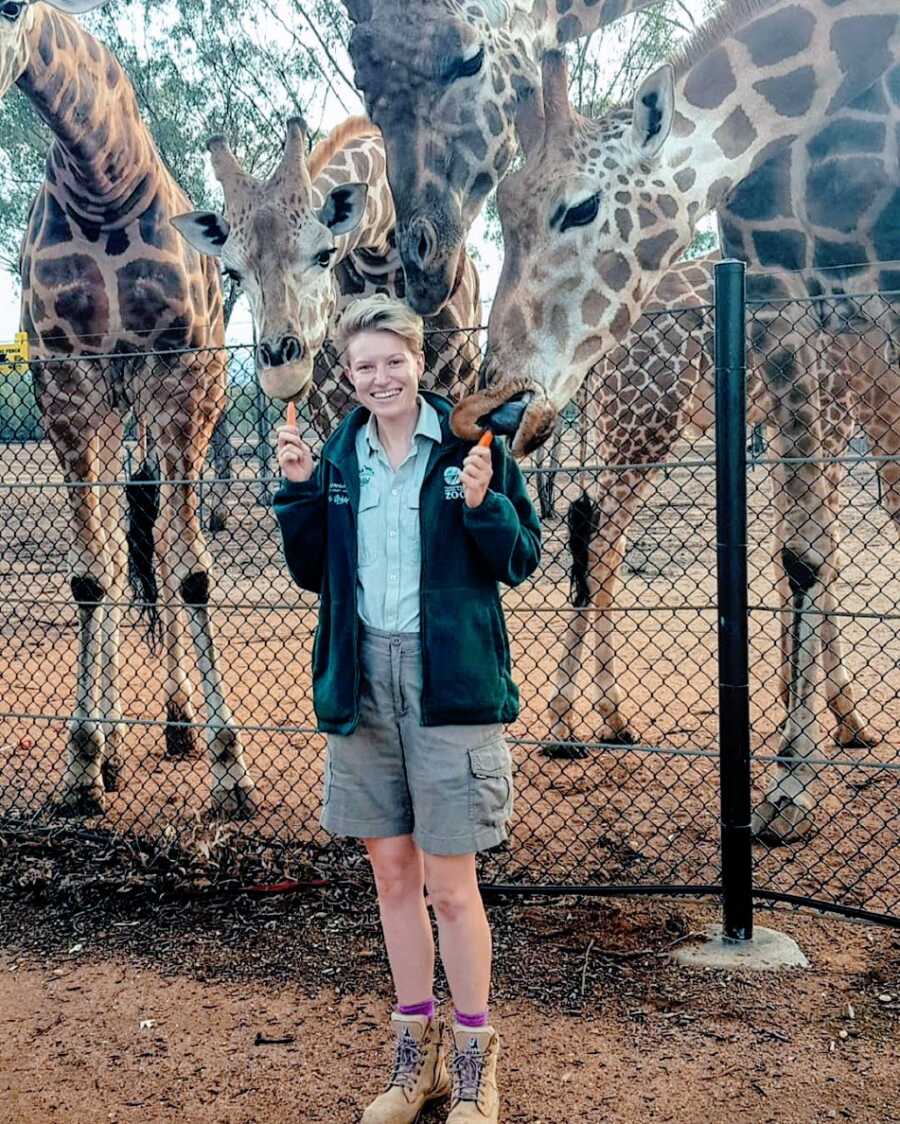
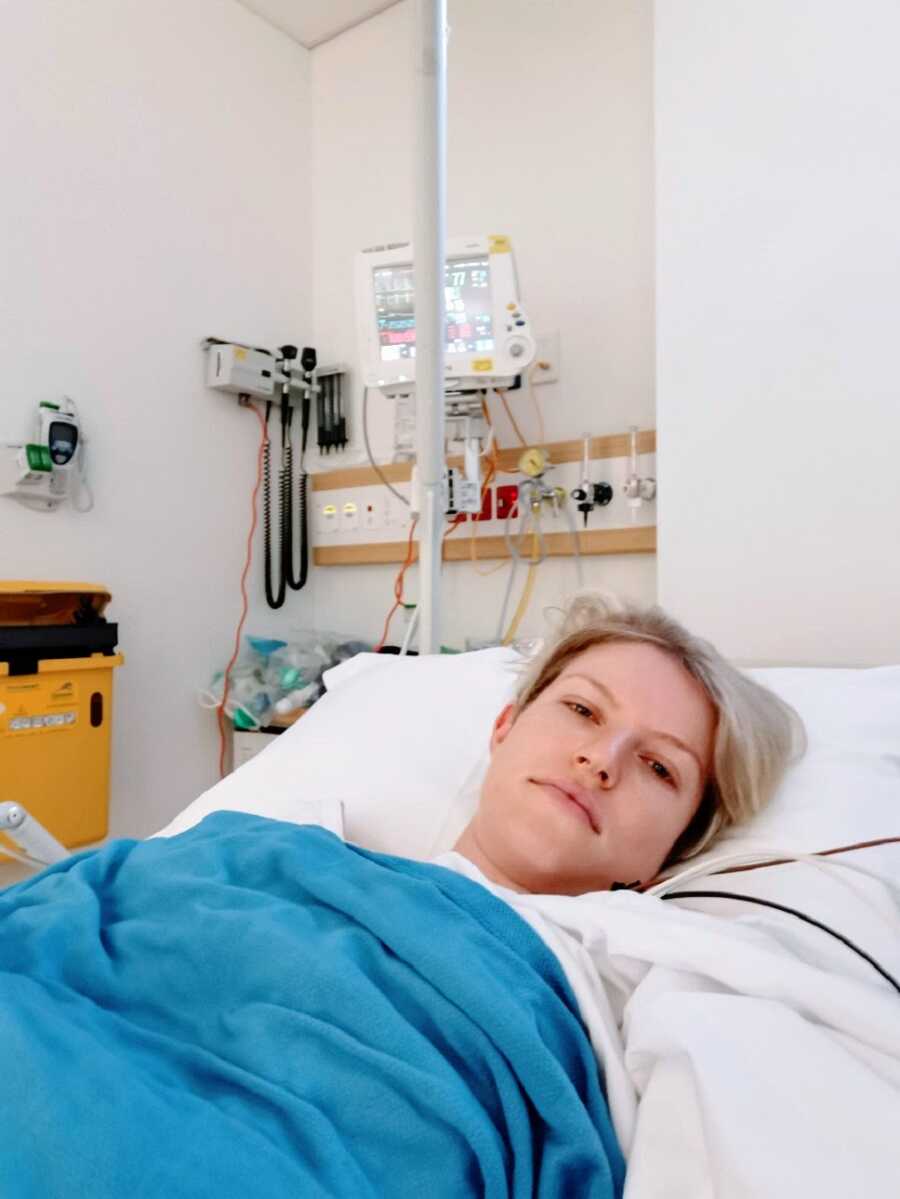
After seeing several doctors, I finally found one who truly listened and ran appropriate tests. The results showed the presence of the rheumatoid factor in my blood. At the time, I didn’t fully grasp the gravity of the news—I knew nothing about rheumatoid arthritis. I was put on a lengthy waiting list to see a rheumatologist. In the months I waited, flare-ups in my hands, feet, shoulders, and hips became frequent. I found myself in and out of doctors’ offices, sometimes in the emergency department, desperate for relief I couldn’t find.
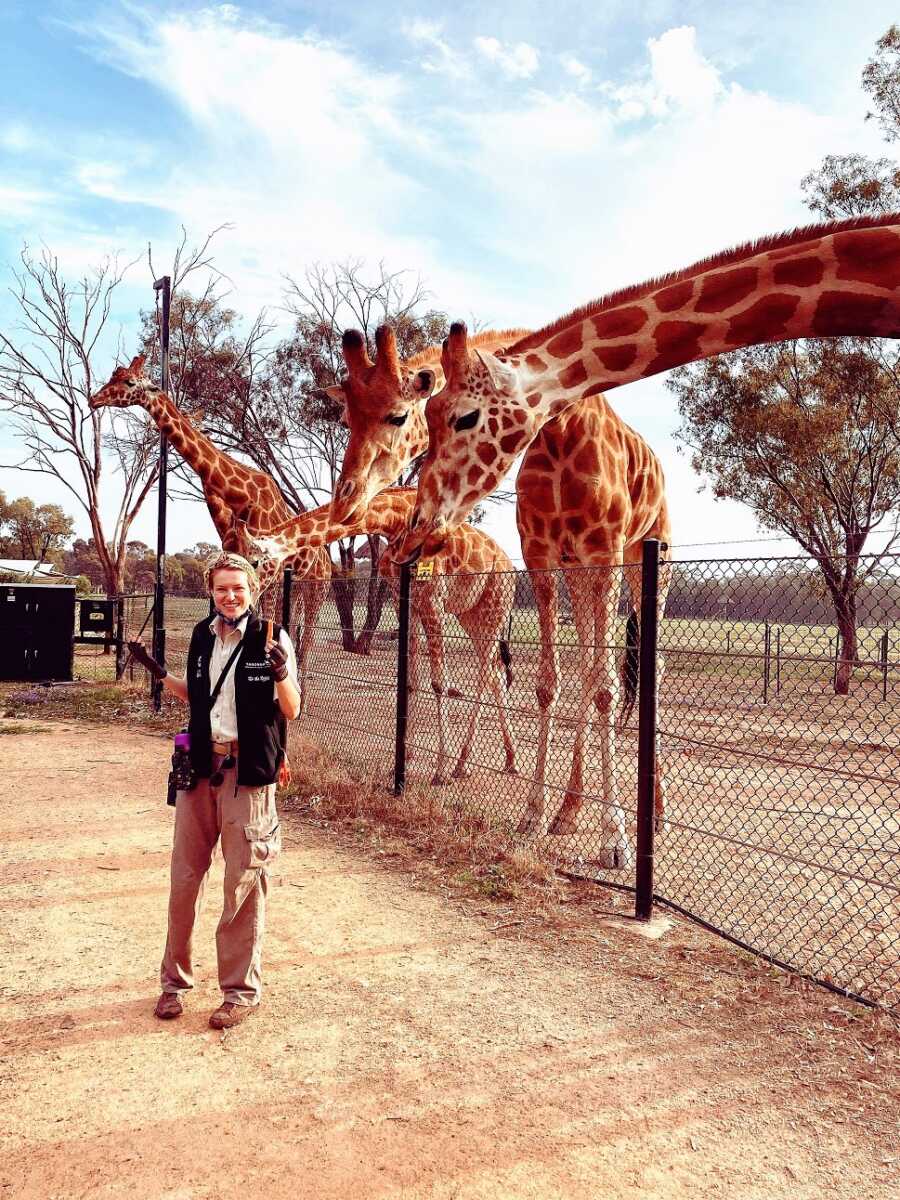
At the time, I was working as a tour guide, which also involved helping in the restaurant after tours. The physical demands of my job suddenly became overwhelming. Walking on painful feet and carrying objects with sore hands made even simple tasks exhausting. Holding plates or cups was a struggle; I shook and nearly dropped things constantly. I felt utterly useless and judged by colleagues who assumed I was lazy or incompetent.
Amid this turmoil, I received another shocking diagnosis: an AVM (arteriovenous malformation) in my brain. Essentially, a tangle of abnormal blood vessels put me at risk of stroke at any moment. I was advised to avoid anti-inflammatory medications—which are key for RA management—and to undergo brain surgery, requiring a three- to six-month recovery during which I would be unable to work or drive. For someone as independent as I am, this news was terrifying.
Only a month later, I was scheduled for a seven-hour bus trip to visit my boyfriend. In desperation, I took an anti-inflammatory painkiller despite the risks. Within moments, I felt intensely hot and itchy, my heart racing, struggling to breathe, my throat closing. I collapsed at the front of the bus and woke surrounded by paramedics, paralyzed and unable to speak. I had gone into anaphylactic shock and required two rounds of adrenaline to survive.
The following months were some of the darkest in my life—mental and physical breakdowns, crippling panic attacks, and relentless pain. Living on the other side of the world from family, without friends, and suddenly without work left me feeling completely alone. Gradually, I began to rebuild. I was able to see a rheumatologist and started medication, though I initially refused it out of fear. The pain eventually became unbearable, and I reluctantly began treatment. The journey has been slow, with immediate side effects like nausea, hair thinning, weight gain, and numbness, while relief from pain has been gradual.
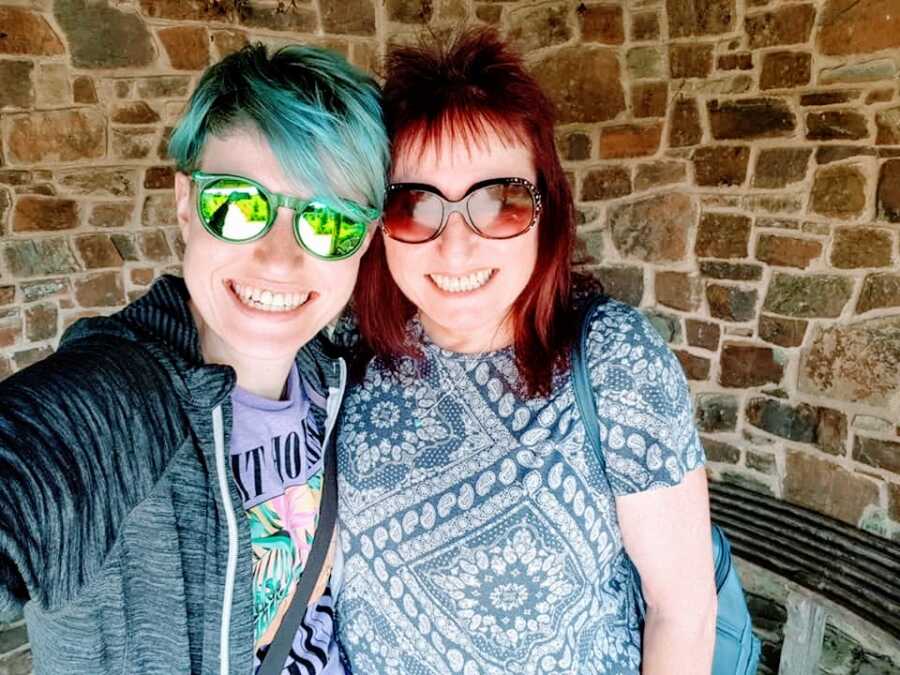
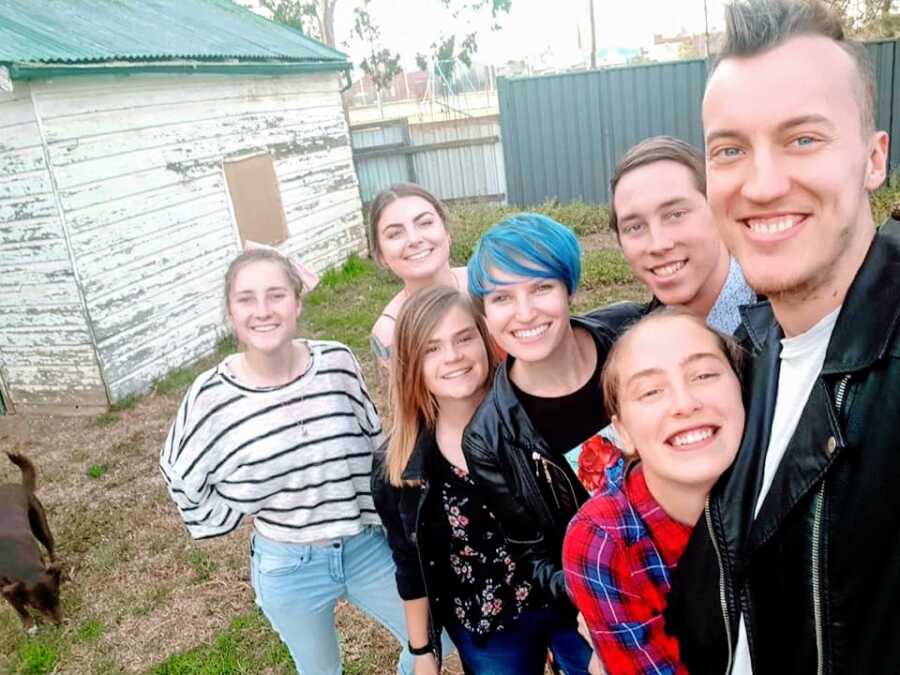
The progress has been remarkable, though. I can now use my hands and feet and move almost normally. Even small tasks, like driving or housework, can trigger flare-ups, and fatigue is constant. Intense exercise is no longer an option, but I have embraced walking and low-impact home workouts. I’ve learned to pace myself: a full, busy day requires a slower following day to prevent flares or illness.
Other health challenges persist—shoulder spasms unrelated to RA, new food intolerances, daily bloating, and difficulty breathing through my nose. They may seem minor, but they affect my sleep and ability to exercise. Yet, I remain grateful. During Australia’s second Covid lockdown, I still have a job as a carer for a girl with Autism and ADHD. Her mother, my boss, is empathetic to my limitations, and we work together seamlessly. I pour my heart into this work, and it has given me purpose, connection, and a sense of belonging.
I speak with my family and friends regularly, despite the distance, which has lifted my mood tremendously. I see a psychologist weekly for EMDR therapy to process past trauma and release negative thought patterns. I’m learning Spanish with a dedicated tutor and taking a course to teach English online. I meditate nightly, walk on the beach almost daily, and focus on creating a calm, positive life.
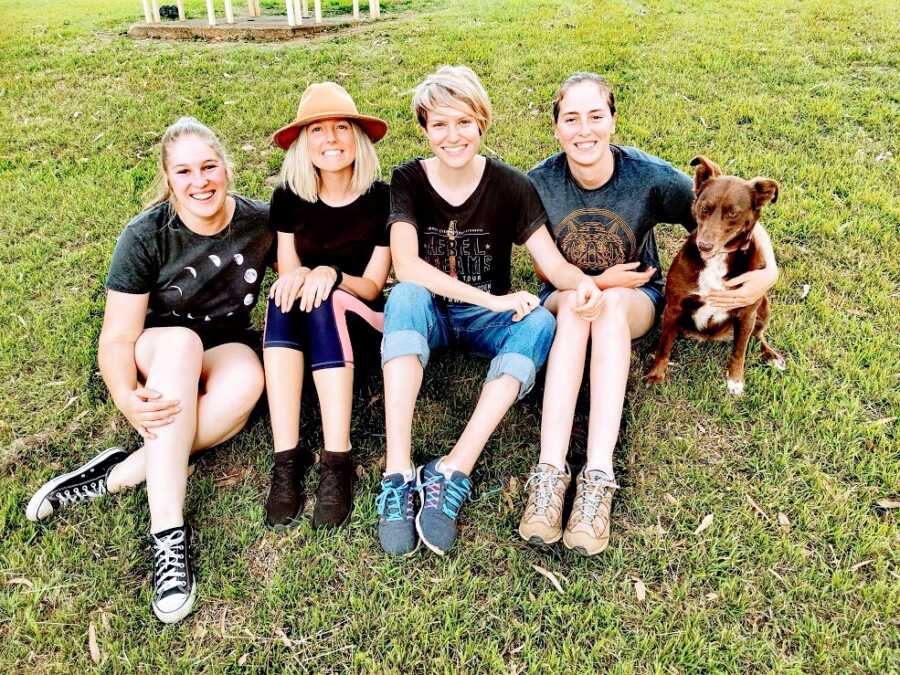
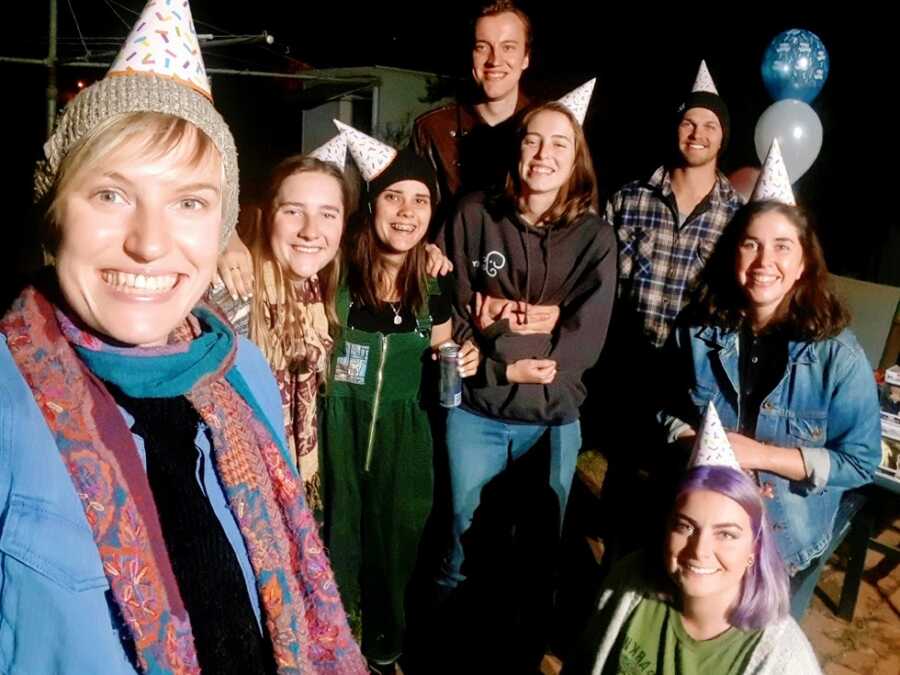

My future may feel uncertain, especially during lockdown, but I am learning to move gently through life, listen to my body, and nurture myself. I hope to travel, reconnect with loved ones, and explore the world while maintaining my health. My goal is to live a life of calm, creativity, and love—helping others feel inspired and empowered while continuing this journey with myself. I am determined to listen to my body, care for myself, and reclaim my health, one small step at a time.