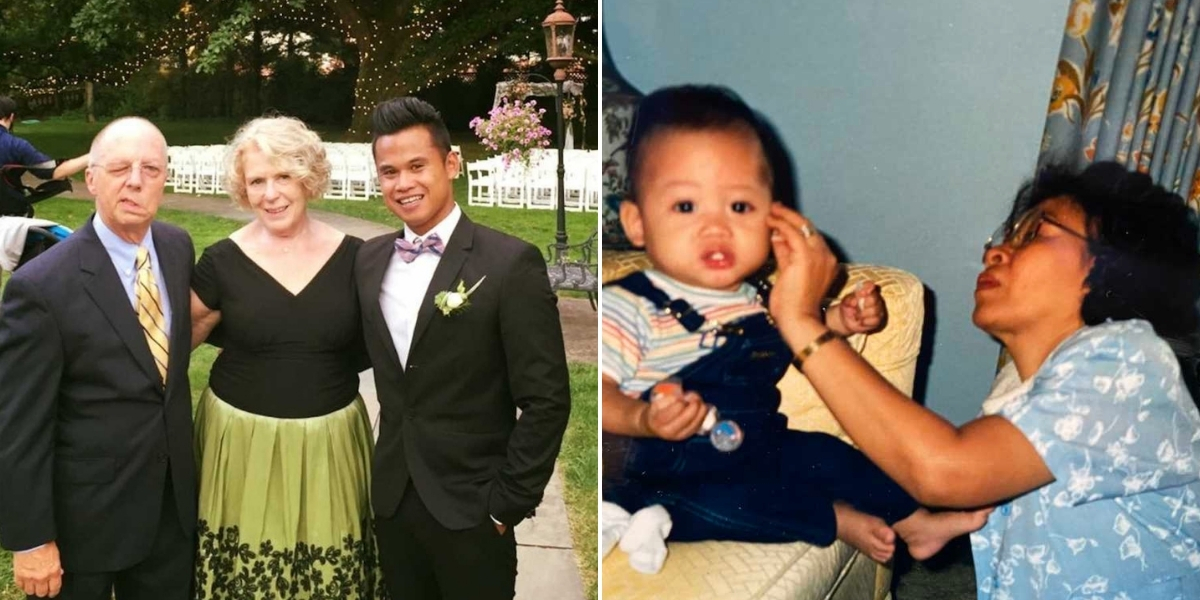
I hope that by reading my story, you will gain a deeper understanding of adoption and the experiences of LGBTQ youth. I also hope it inspires you to embrace someone into your family with love, empathy, and acceptance. No matter the challenges life throws at us, with faith, conviction, and a smile, we can persevere and thrive.
At first glance, my story may seem full of love, laughter, and blessings—but behind the curtain, there was fear, confusion, and loneliness.
Who am I? I am a gay Filipino cisgender male adopted into a white family. I grew up as a brown-skinned child in a predominantly white community, mostly among families with biological children. I was born in Davao City, Philippines, to a young woman who was unmarried. Because of her circumstances, she surrendered me to the Ministry of Social Services and Development, and I spent my first months at the Reception Center for Children.
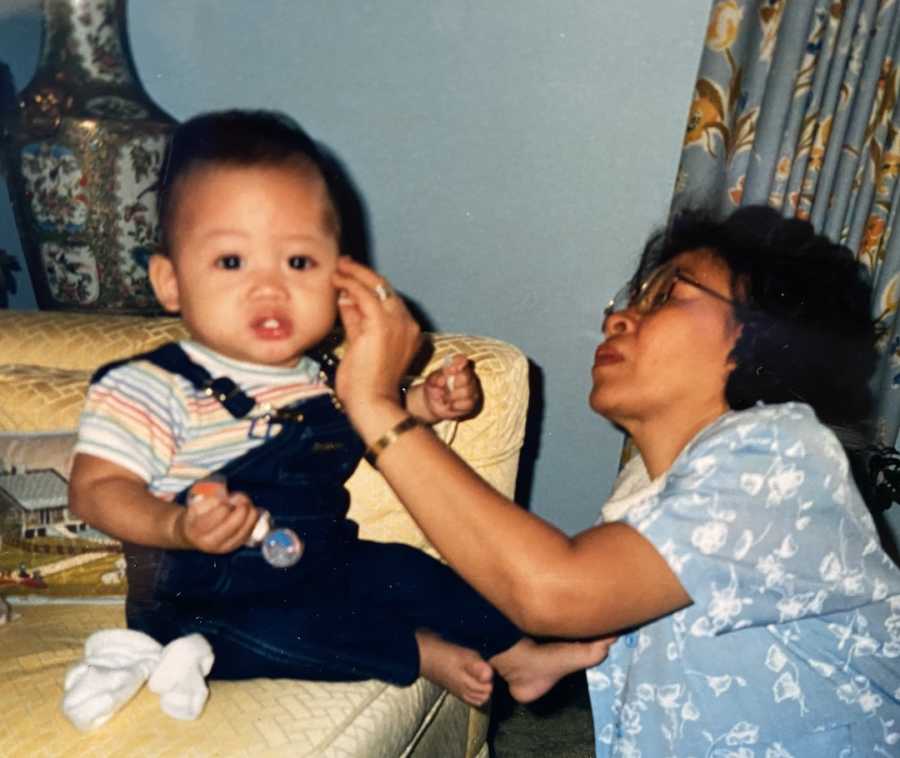
My biological mother, Evelyn Casilac, was only 23 when I was born. She was the tenth of 11 children in a large family in Digos, Davao del Sur. Evelyn was petite, with fair skin, curly black hair, and an oval-shaped face. While studying at university, she became involved with a man named Rodrigo, a tailor in downtown Digos. When she discovered she was pregnant, Rodrigo disappeared, leaving her alone and frightened.
Facing rejection and societal pressure, Evelyn struggled deeply—she even attempted suicide. Fearful of returning to her family unwed and pregnant, and without support from Rodrigo, she reached out to the Paglaum Foundation Inc. When she was six months pregnant, she sought their help, and two months later, on August 2, 1986, I was born and named Roilan Abendan Casilac.
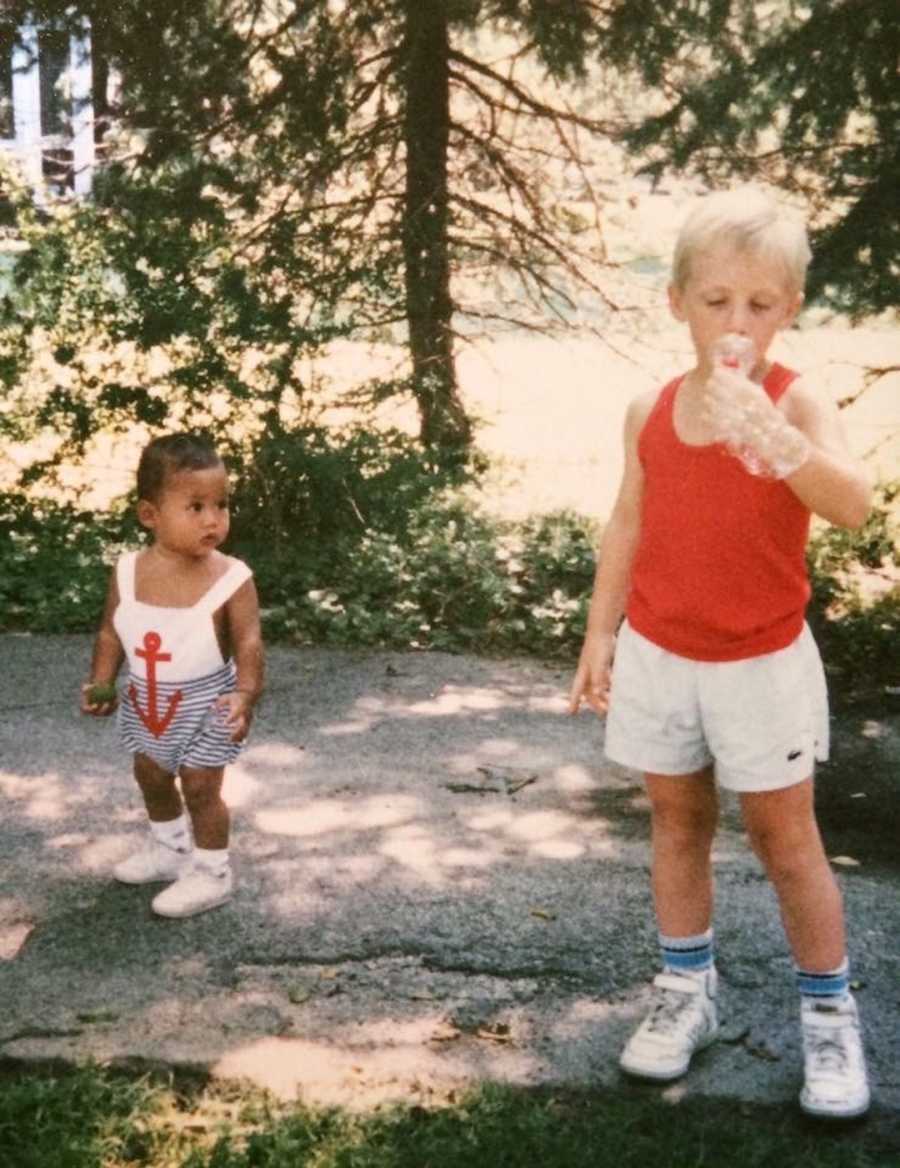
Meanwhile, in Brookfield, Connecticut, Mary Ellen and Bob Wheelock were working with the International Alliance for Children (IAC) to adopt another child to join their six-year-old son, Jonathan. Mary Ellen had experienced a difficult pregnancy with Jonathan, and the couple longed to expand their family. Before I came into their lives, they had been presented with two other Filipino babies, but due to unforeseen issues, both adoptions fell through.
On June 19, 1987, I took my first international flight to meet the Wheelocks. Dr. Manlongat from the Manila IAC office accompanied me, and the moment I met Mary Ellen and Bob, I was embraced with open arms, tears, and unconditional love. They welcomed me into their home as Andrew Roilan Wheelock. They decided to preserve my birth name as my middle name—a gesture I have always been grateful for, as it honored my origins.
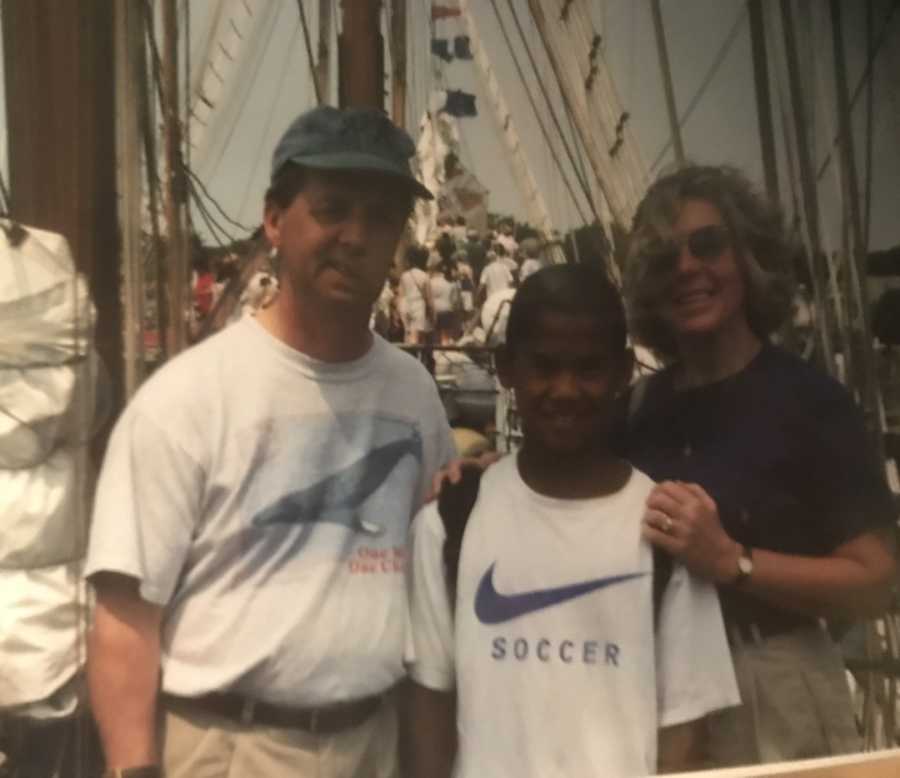
Growing up, I was energetic, curious, and busy. My parents encouraged connections with Filipino friends and the adoption community whenever possible. At my baptism at St. Joseph’s Roman Catholic Church, a Filipino priest, Fr. Paul, officiated. My mother had a half-Filipino friend through her health club, and that friendship has lasted to this day. My parents were excited and proud to have me, always eager to share their joy with friends and family.
However, not every encounter was positive. Once, while my mother pushed me in a stroller at a local department store, a stranger glanced at me, a brown-skinned baby with large brown eyes, and asked my mother, “Why would you do that?” Until then, the Wheelocks had only received congratulations and support, so this question left an impression.
As I grew older, stories of my first day at the airport, my refusal to sit in the car, and my arrival home became part of family lore. In elementary school, I noticed how my classmates physically resembled their parents, and I sometimes thought wistfully, “It must be nice to have a family that looks like you.” Though I had grown accustomed to being different as an international transracial adoptee, moments like these sparked feelings of being an outsider.
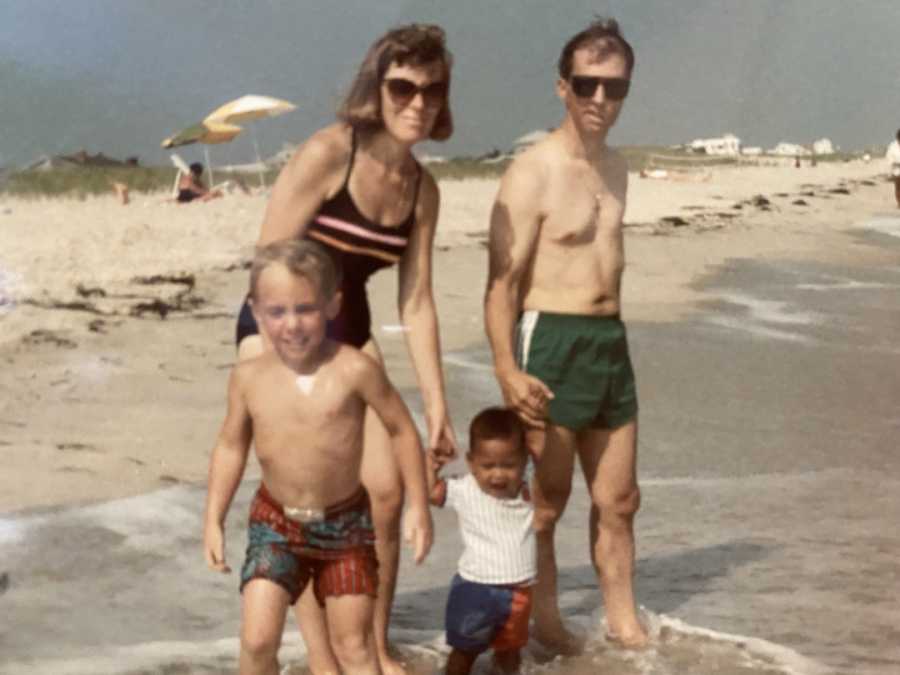
At times, I was questioned in public about my relationship with my parents: “Is he with you?” or “Is this included?” Over time, I learned to identify one parent audibly as “Mommy” or “Daddy” to assert my belonging. That instinctive habit has persisted into adulthood, though now I simply explain my adoption. At 34, I still tire of justifying my family to strangers.
I thrived in a variety of activities—soccer, swimming, baseball, gymnastics, and tennis. I excelled on the soccer field, which strengthened my bond with my father. I also enjoyed Home Economics, where I discovered a natural talent for sewing—perhaps a gift from my biological father, the tailor. While my parents navigated my busy schedule, they also cared for my older brother, Jonathan, who was six years my senior. Though he initially took joy in having a little brother, the age gap eventually created distance, and I often felt like I had no older sibling.
Behind the outgoing, friendly, and athletic boy was a confused child struggling with identity and belonging. Around age nine, I began to experience same-sex attractions. Raised Roman Catholic and attending church almost every Sunday, I believed these feelings were sinful. I prayed fervently for guidance, afraid of my parents’ reaction. As an adoptee, my deepest fear was, “What if they send me back to the Philippines?”
For years, I suppressed these feelings, immersing myself in sports and creative pursuits like singing and musical theater, which became both an outlet and a passion. One day at Mass, the priest said, “God created each of us for a special purpose. He doesn’t make any mistakes.” At age 13, I finally accepted myself—I am gay. Accepting myself was the first step; coming out was the next.
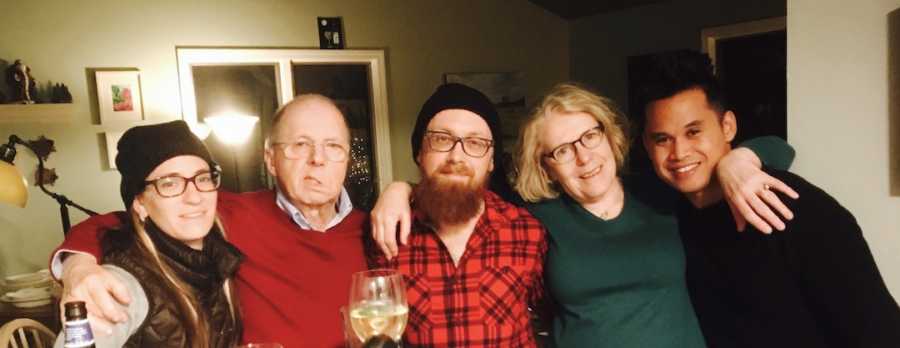
At 14, during a car ride with my mother, I confessed my sexuality. I faced a pivotal choice: continue hiding my truth or risk everything. I thought, “I can’t lie about being adopted, so why lie about being gay?” My parents were initially shocked, concerned about future grandchildren and societal expectations. They advised waiting until after high school, fearing bullying could compound my brother’s own struggles, but I went ahead and came out to my friends, receiving love and support.
Yes, I was teased for being effeminate. Yes, I had suicidal thoughts. But I refused to give up. Life had already presented me with immense challenges, from growing up transracially to navigating a conservative community—I could endure bullying. Over time, my parents came to accept my sexuality fully. My father, a devout Catholic, initially worried about my happiness, and we did not speak for nearly two years during my early 20s. Eventually, seeing me in a loving, supportive relationship with a man of faith helped him embrace my truth. My mother, as always, provided steadfast support.
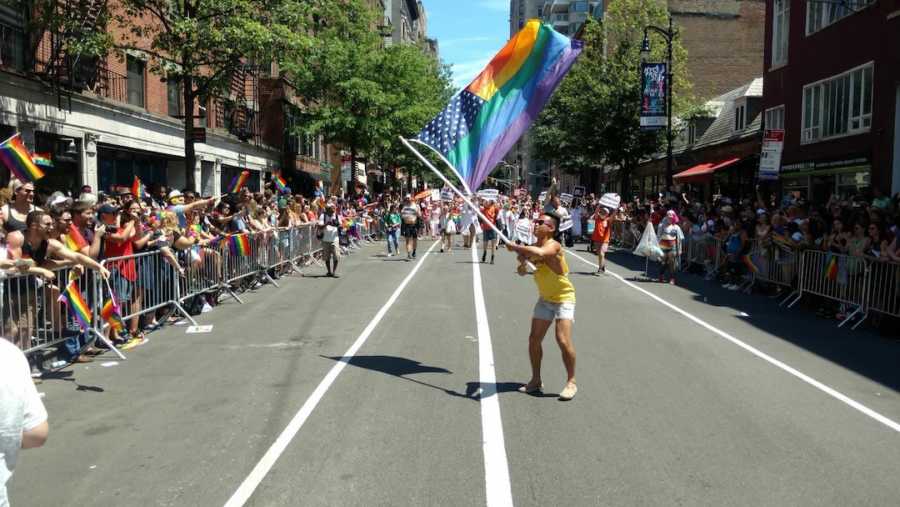
Each of us is layered, shaped by experiences and trials. I learned early how to use a smile to mask inner struggles. Though I have long felt like an outsider, I am discovering that I don’t need to fit in—I simply need to exist as my authentic self. I am a gay Filipino cisgender male adopted into a white family, and I am proud of who I am.
If you are considering adopting, or already have, lead with love and support. Share your child’s adoption story openly. Create a safe space for them to express themselves, to feel seen and valued, even when they experience moments of disconnection. Honor their heritage, but respect their pace in exploring it. I continue to learn about Filipino culture through friendships in adulthood, embracing this aspect of my identity gradually.
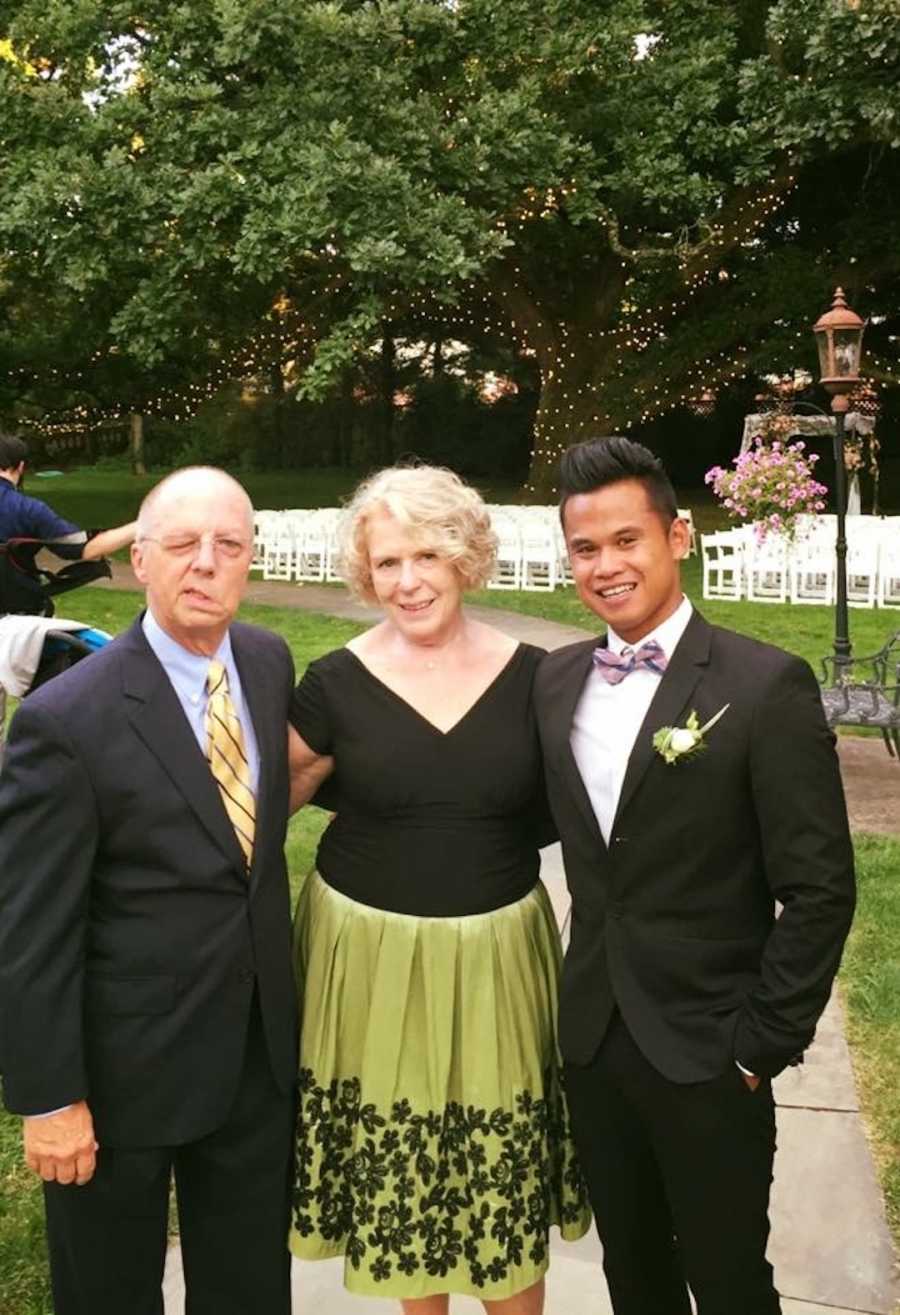
We may not fit in everywhere, but we are never truly alone. Sharing my story has allowed me to connect with other adoptees, some of whom are also LGBTQ. It has been comforting to meet people with similar experiences, and I look forward to building a strong community for LGBTQ adoptees. Life may challenge us, but love, acceptance, and resilience will always guide the way.