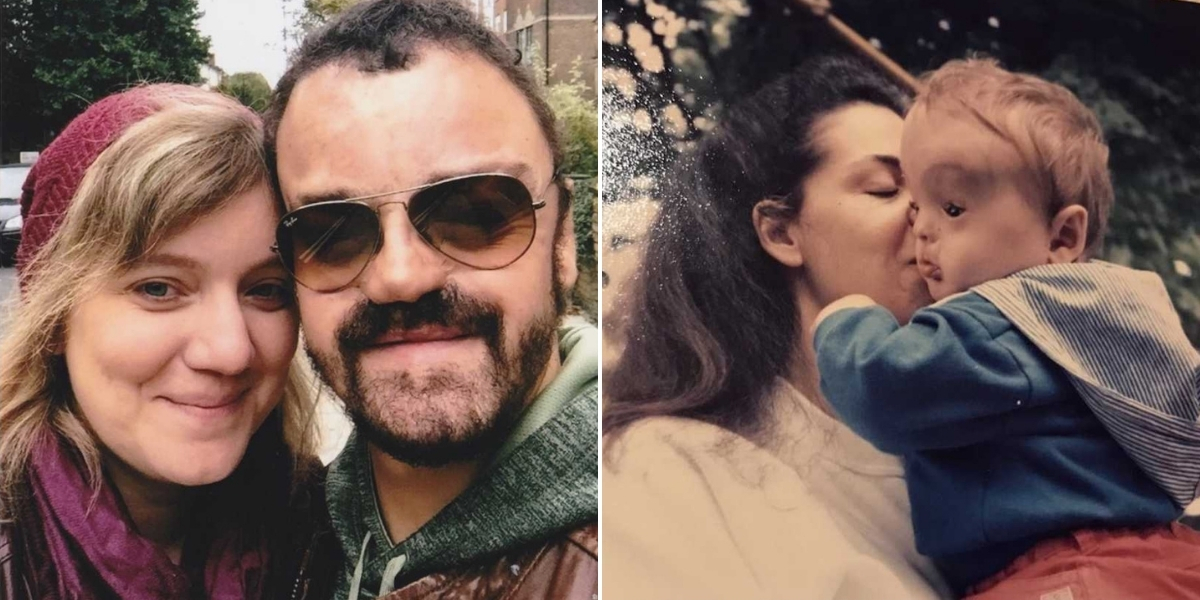
I feel incredibly honored that Love What Matters asked me to share my story. Having read so many inspiring stories on their platform over the years, it’s humbling to now be able to contribute my own journey.
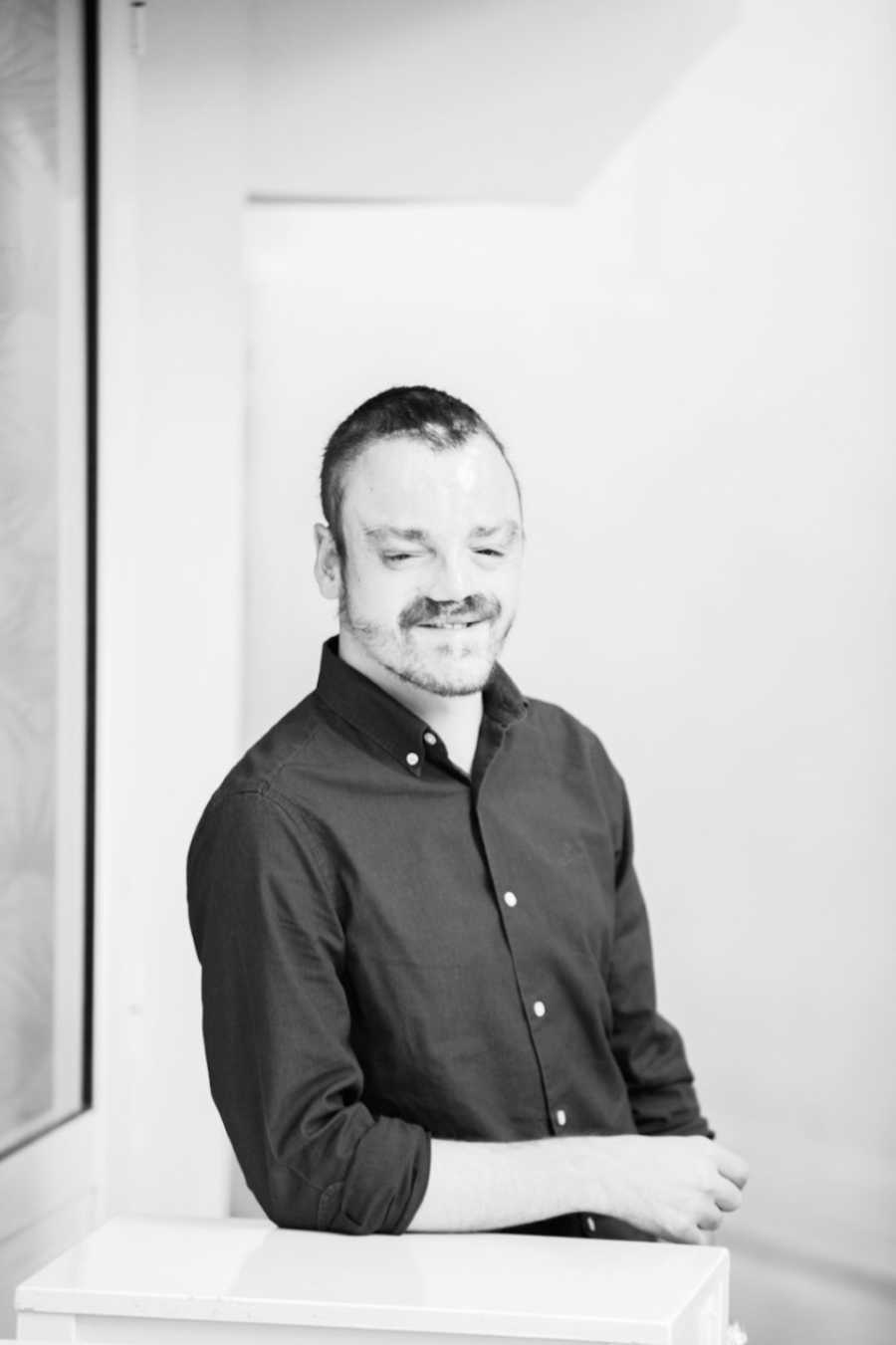
I was born in London in 1984 with multiple severe craniofacial anomalies. These included a bilateral cleft lip and palate, craniosynostosis, hypertelorism, profound hearing loss, a Chiari I malformation—a structural defect of the cerebellum—and a horseshoe kidney, among other complications. My hairline and eyebrows were set unusually high, which added to the uniqueness of my appearance.
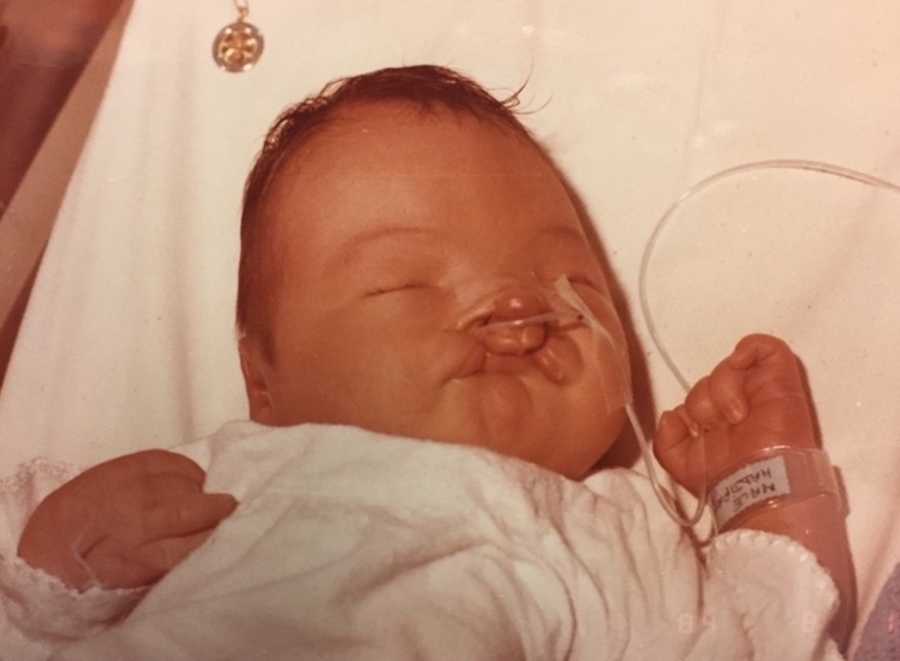
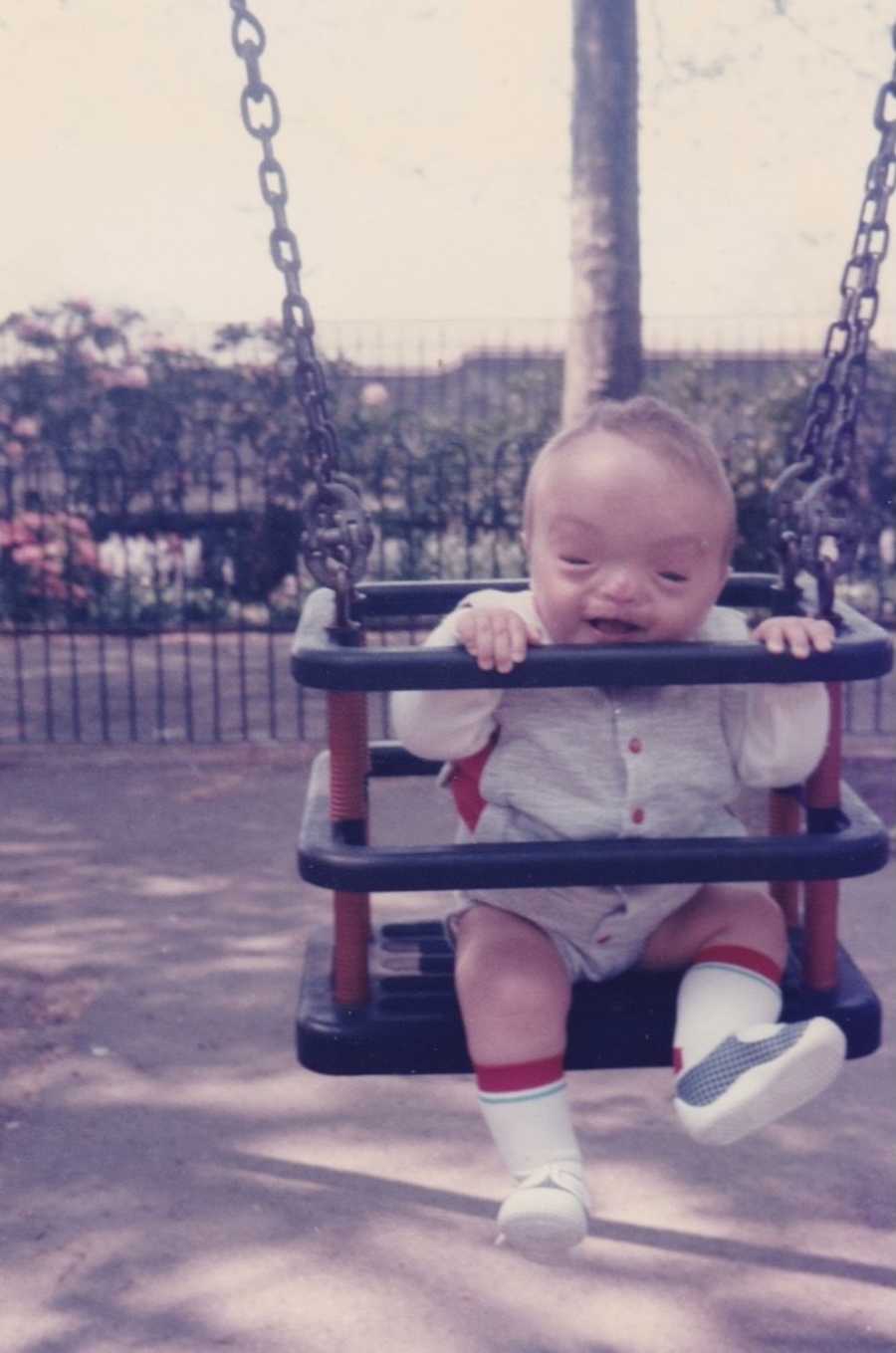
Just a few weeks after birth, I underwent a series of operations to initially close my cleft. A few months later, I developed hydrocephalus, which required my first major surgery at Great Ormond Street Hospital. Shortly afterward, I contracted bacterial meningitis—a life-threatening illness—but thankfully, I recovered.
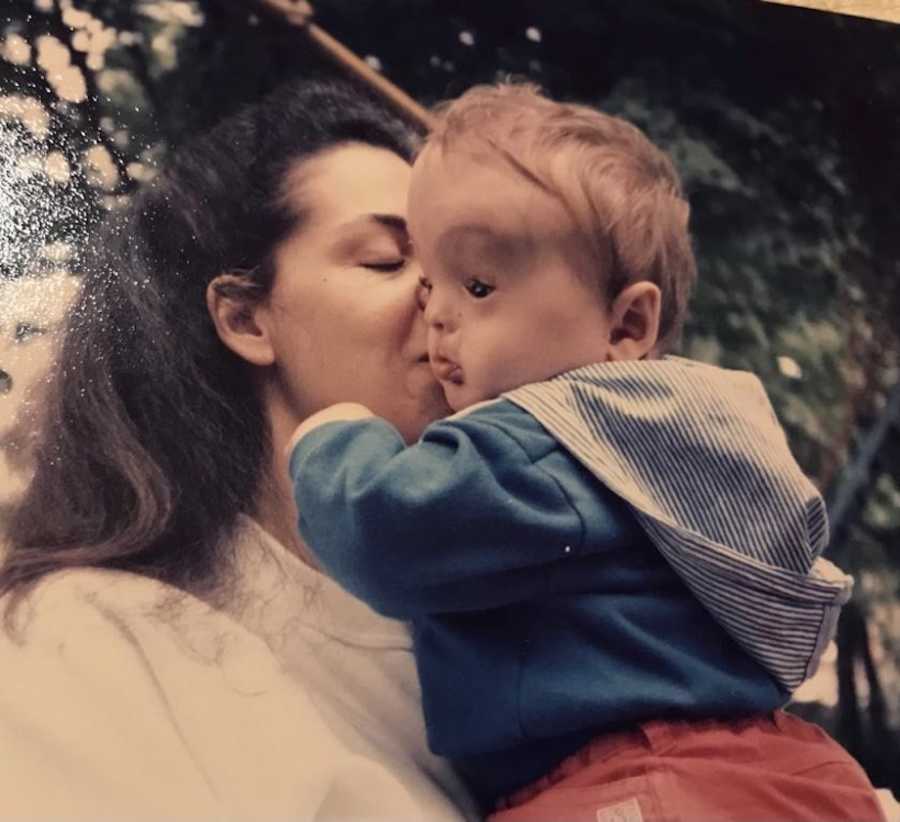
Over the next several years, I went through numerous smaller operations while receiving intensive speech therapy. My parents were informed that only major reconstructive surgery, which carried significant risks, could truly correct the anomalies I was born with. At the age of nine, I underwent my first major reconstructive surgery, a crucial step that paved the way for all future procedures. Thanks to my parents’ perseverance, I was operated on by Dr. Paul Tessier—the ‘father of craniofacial surgery’—in Paris. This was followed by another significant surgery in London, also performed by Dr. Tessier, who admitted my case was so complex that it felt like “navigating in the dark without a compass.”
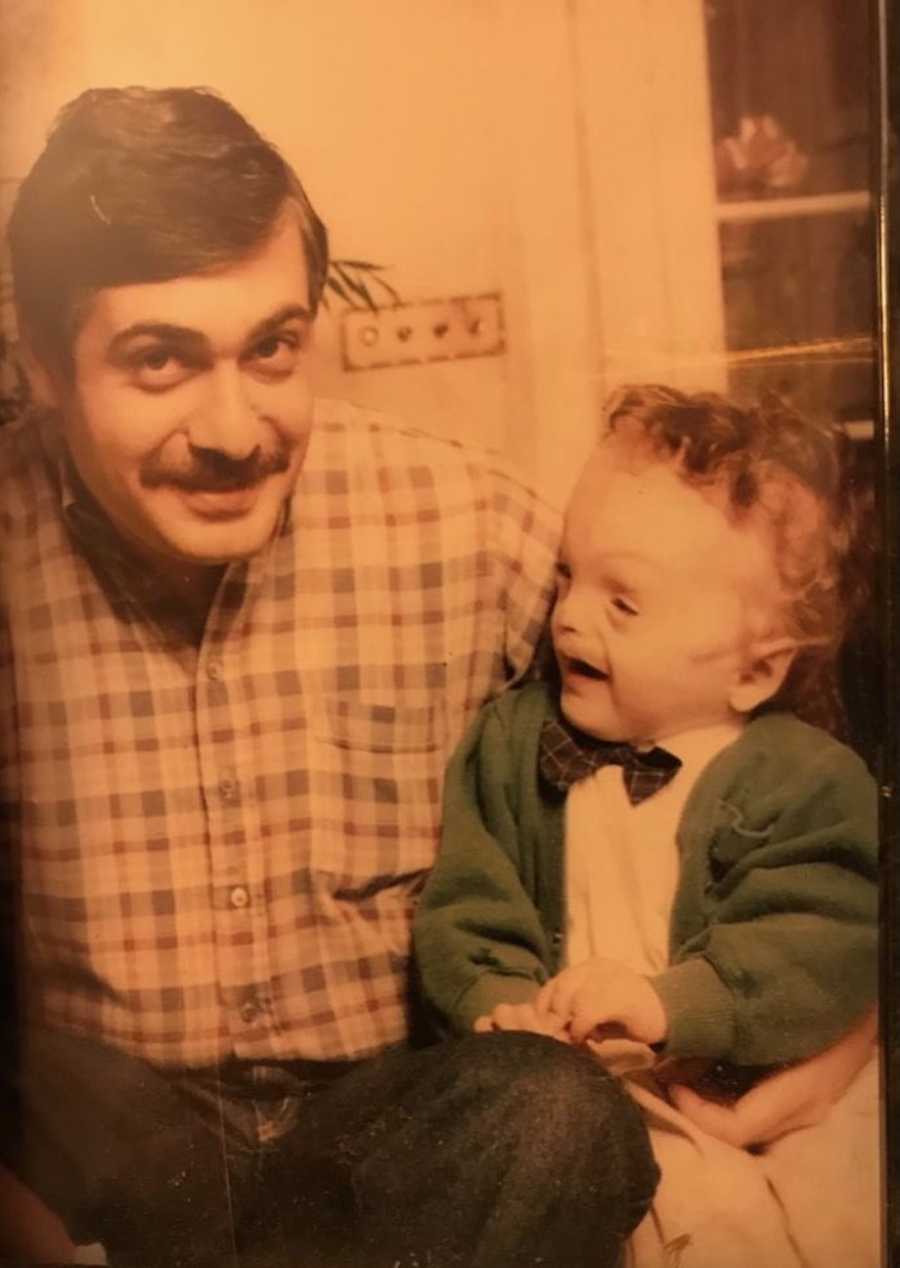
After these surgeries, I had a series of smaller procedures, then a necessary break of several years to allow my facial structure to reach its maximum development before the next phase of reconstruction. At 18, my family and I traveled to Chicago to begin reconstructing my nose under the care of Dr. Gary Burget and Dr. Robert Walton. This process involved around fifteen operations over several years, with frequent trips back and forth from London.
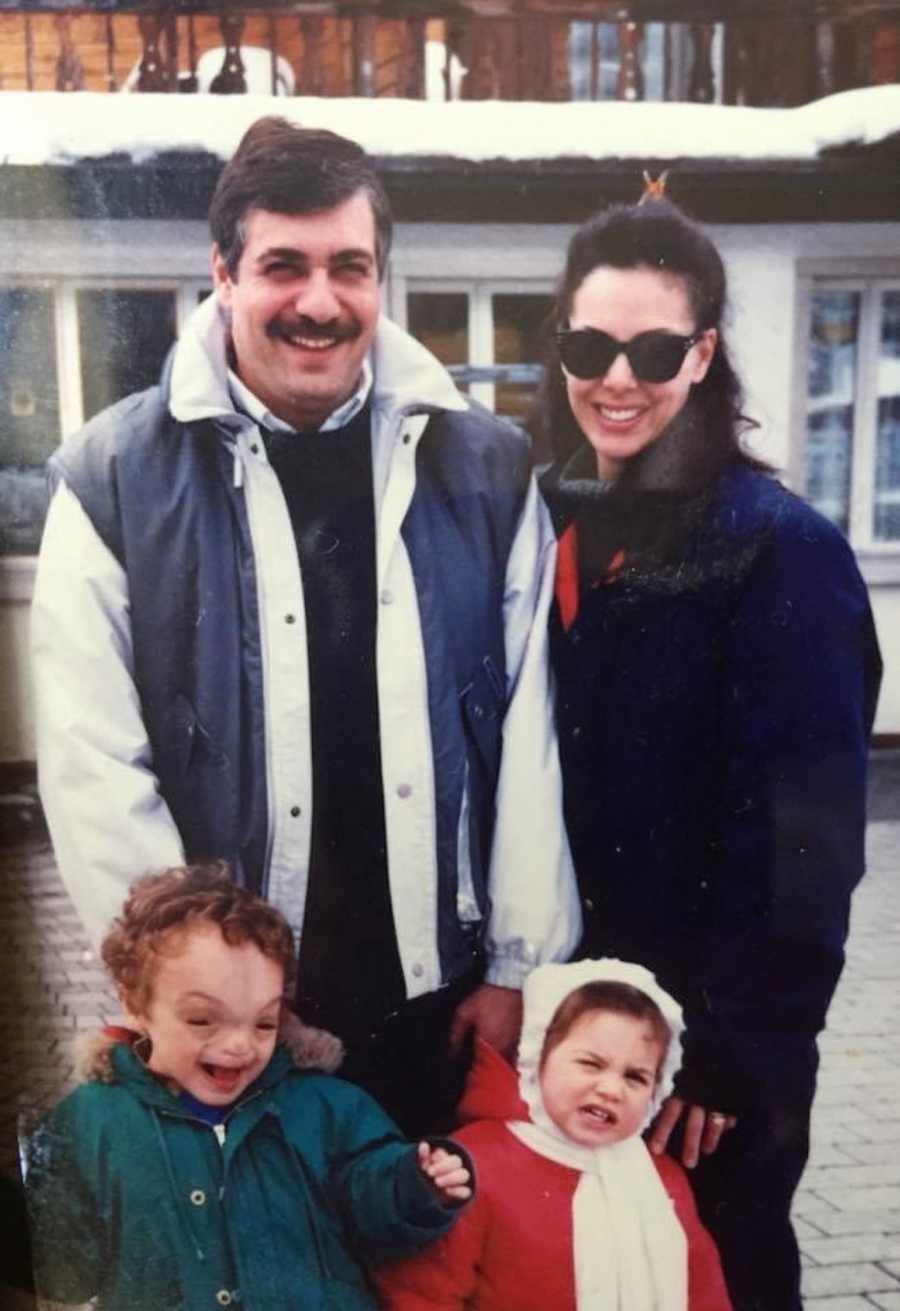
At 21, I had what would ultimately be my last major surgery in Los Angeles with Dr. Henry Kawamoto, who used tissue expansion to bring down my hairline and eyebrows. Amid all these medical challenges, I pursued my education, graduating in 2009 from Southampton Solent University with a Higher National Diploma in Business Studies. I then moved to Los Angeles, spent a few years working in the film industry, and continued nurturing my lifelong passion for writing and filmmaking. Today, my wife and I are based in Athens.
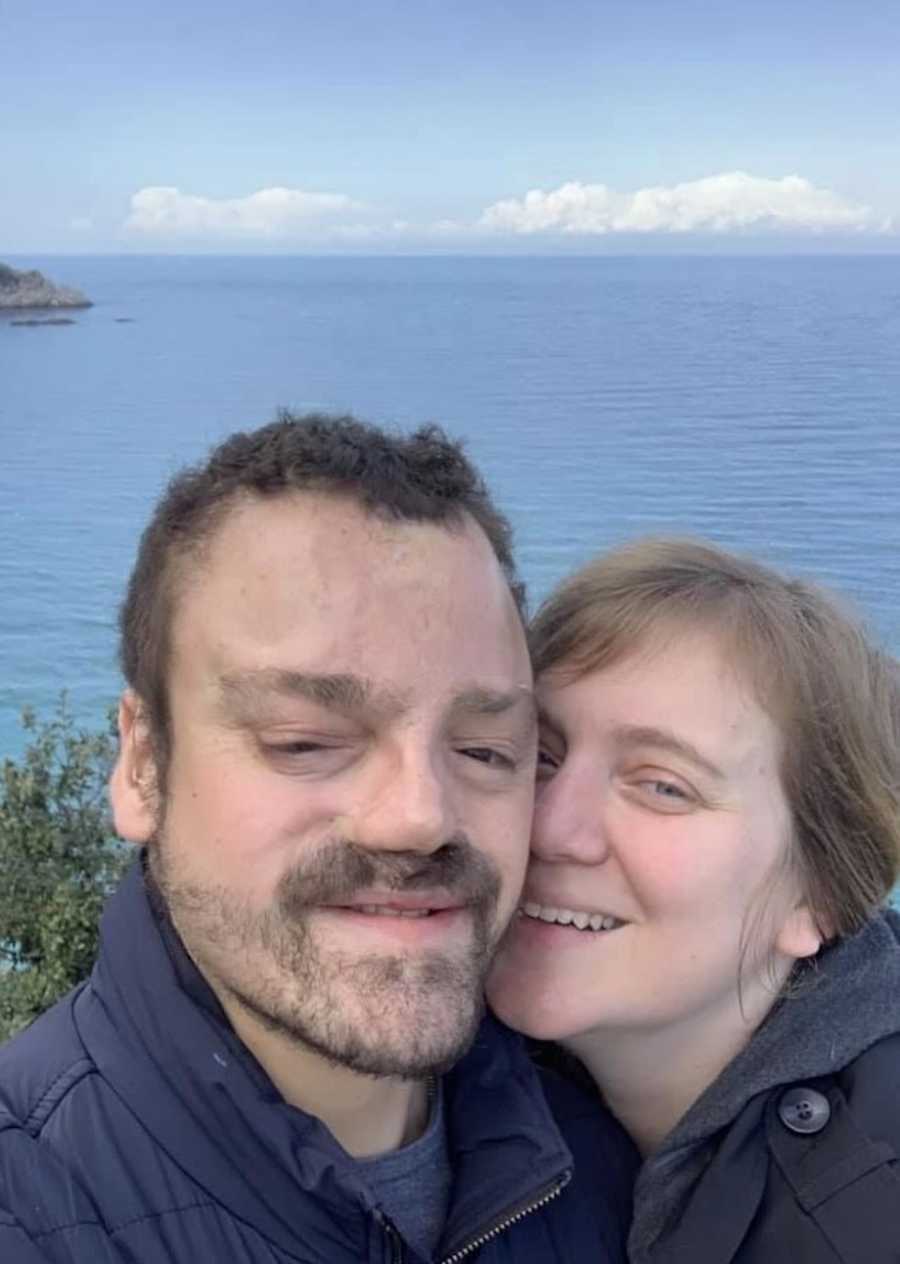
Of course, my story encompasses more than surgeries alone. Growing up with facial differences brought its own psychological challenges. My twenties were a learning curve, balancing the pride of achieving milestones like graduating university with the reality that I had spent much of my childhood in hospitals. In a sense, I experienced some of my teenage years in my twenties, gradually catching up on the social and personal growth I had missed. By 26, I finally felt at peace within myself.
During my teenage years and early twenties, I rarely shared my fears with anyone—neither family nor friends. My lack of confidence, especially in social situations, was a heavy burden at times. If anyone reading this can relate to the struggle of not opening up, I can’t stress enough the importance of doing so. It makes life easier, even if only a little, and allows support to enter where it’s most needed.
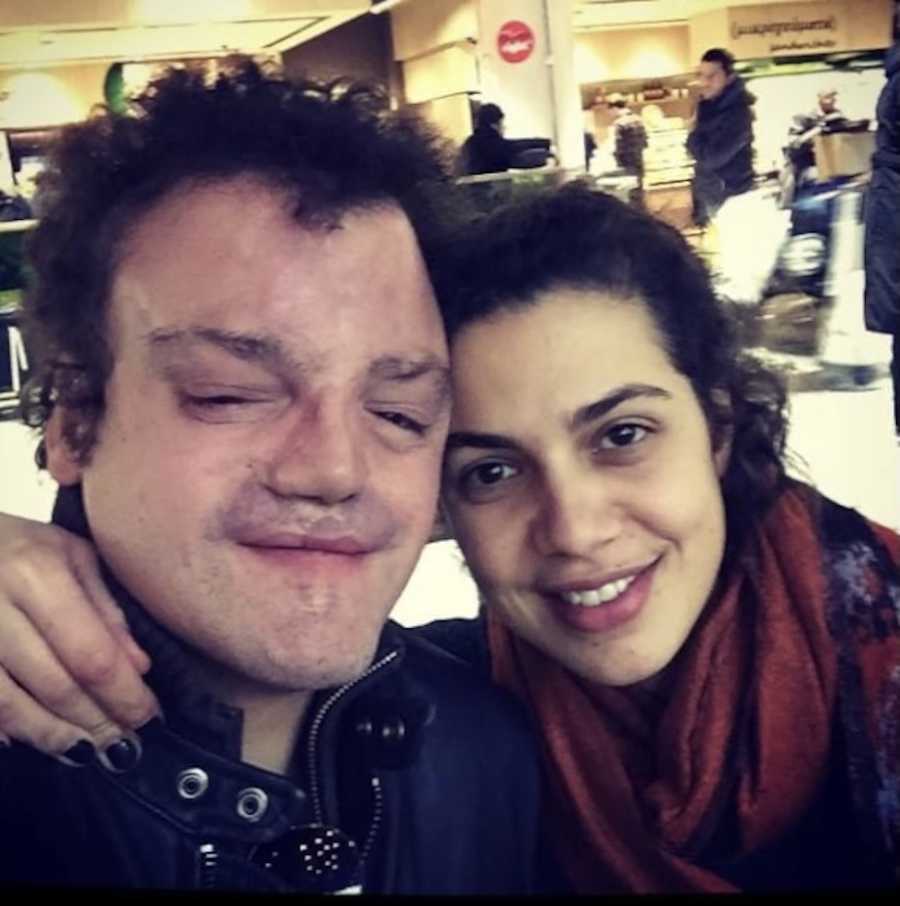
People stare; it’s inevitable. As a child, it happened constantly. These days, it’s rare, but sometimes it still occurs in public spaces. My approach is simple: if it becomes irritating, I initiate a playful “staring competition.” With children, who often stare out of innocent curiosity, I always respond with a smile—and they almost always smile back. Small moments like these remind me that the world is increasingly accepting of those with facial differences.
A moment that deeply impacted me occurred in 2014. I became involved with a Chicago-based foundation called Face the Future, which provides emotional and financial support to children with craniofacial issues. I made a point of attending their annual gala whenever possible. On my third consecutive visit, I had an experience that reminded me of why sharing our stories matters so much.
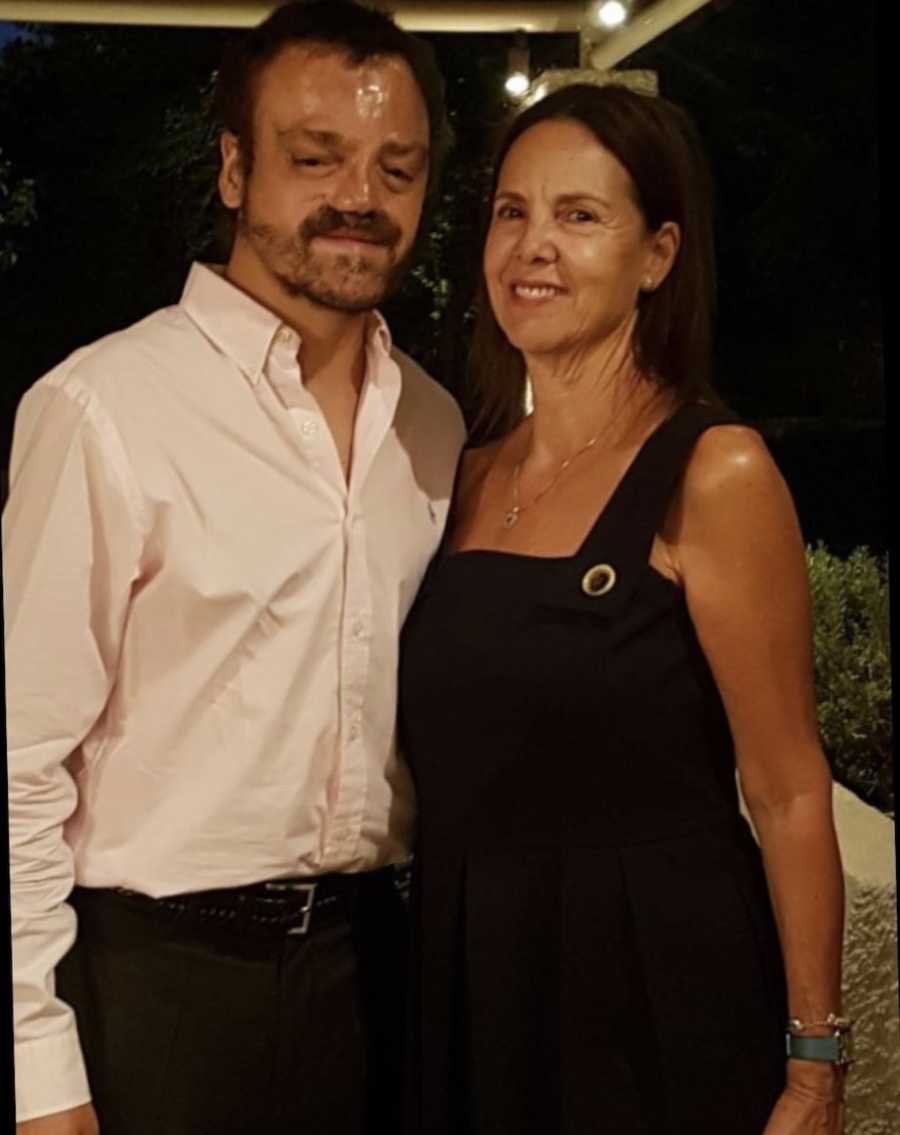
During my visit, I went to see the surgeon who had reconstructed my nose years earlier. While waiting, a woman walked in with a plaster over her nose, a sight that instantly brought back memories of my own surgeries. Though the surgeon was running late, we exchanged greetings, and he introduced me to her, saying, “Christian had his nose reconstructed just like you’re doing now.” It was a brief encounter, but the memory stayed with me.
Later, I ran into her again at the hotel bar. Her name was Alison, and she shared how she had begun her nose reconstruction later in life. She spoke openly about how tough the process had been, saying, “Some days are harder than others.” Hearing this, I felt a connection; I had endured the same frustrations during my adolescence. I encouraged her to remain positive and lean on her friends and family, reassuring her that the pain and effort would be worth it in the end—especially in the hands of skilled surgeons.
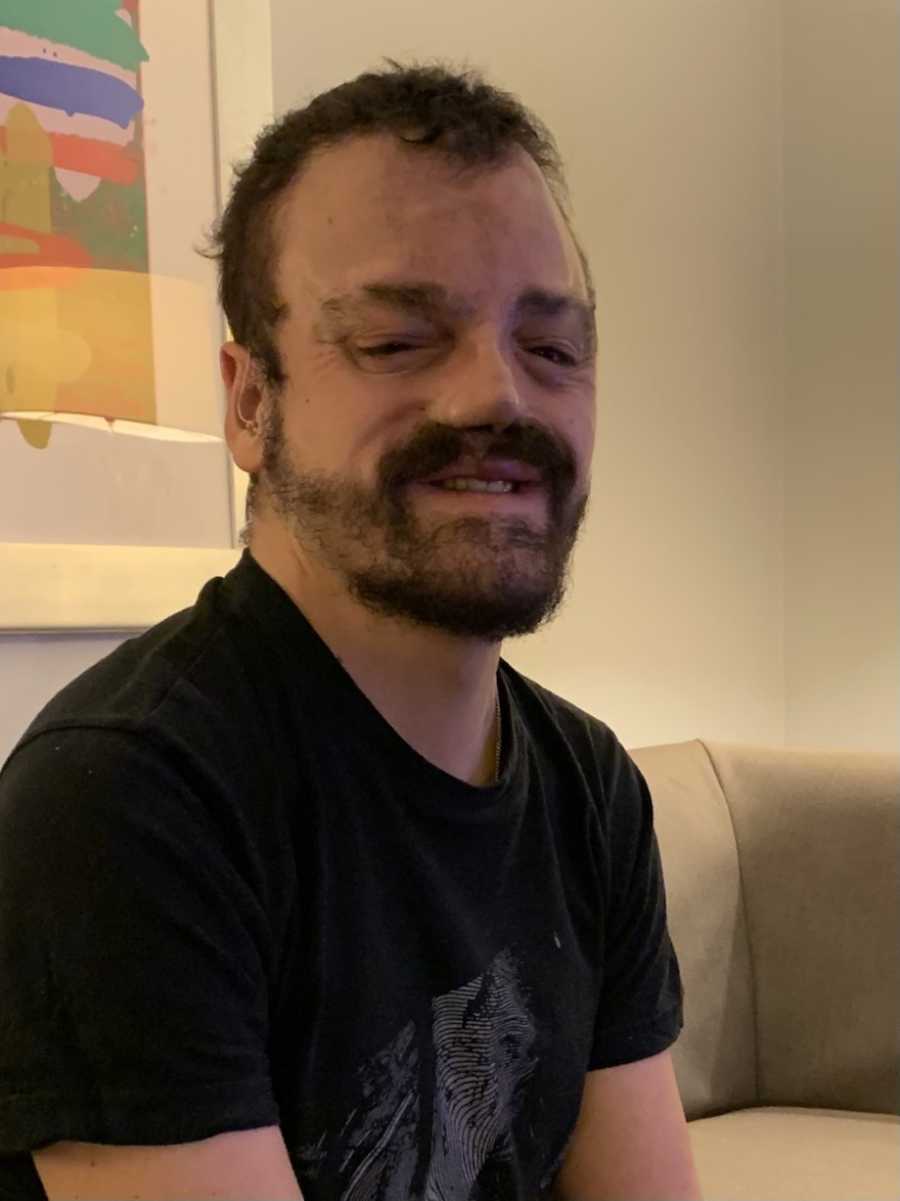
Before we parted, Alison told me something that touched me deeply: she said I had inspired her. It was humbling and reaffirmed my belief in the power of sharing our experiences. It also planted the seed for my journey into motivational speaking. I’ve come to realize that by opening up about our struggles, we can make a tangible difference in the lives of others.
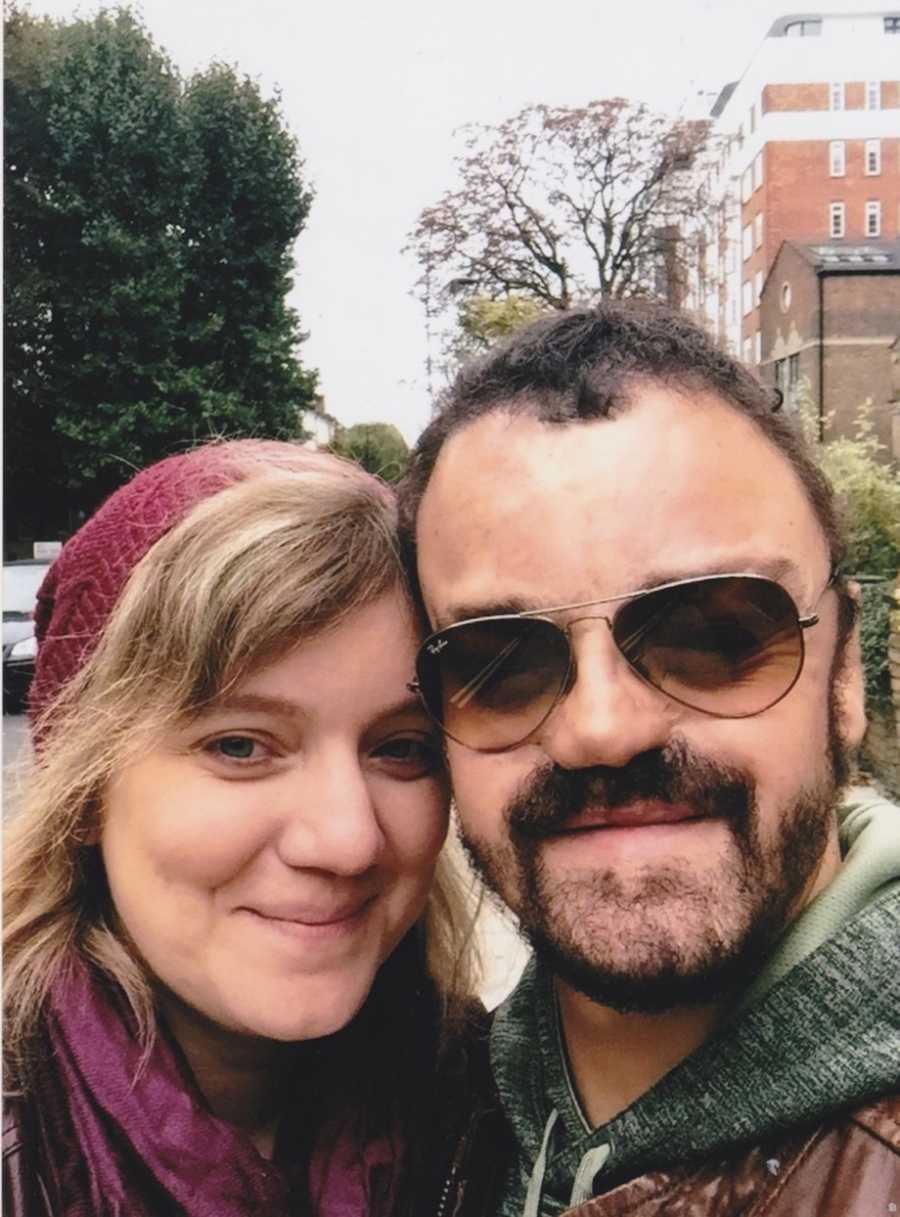
So, that’s my story in a nutshell—though the full experience goes far beyond surgeries and medical milestones. It’s about resilience, self-discovery, and the people who supported me every step of the way. And above all, it’s a reminder that sharing our journeys can inspire hope, even in the most challenging circumstances.