Designed for failure, fighting for success — I want to share something I’ve never spoken about publicly before. It’s a part of my story I’ve long avoided, but these experiences have shaped me, and often our lowest moments are the ones that define who we become.
When I was young, I was intensely self-motivated. By age 11, I had my own lawn care business, spending nearly every day caring for yards in our neighborhood. I was also drawn to high-intensity physical activities—BMX, soccer, paintball, weightlifting. I had a natural strength, picking up most things I tried quickly. I was independent, driven, and relentless for my age. Growing up near Tulsa’s airport, I’d watch the Air National Guard practice formation flights daily, dreaming aloud to my parents, “I want to be a fighter pilot!” Nothing could sway me. Funny how life can change so suddenly.
At age 12, in the middle of soccer season, intense hip pain hit me out of nowhere. It was so severe that I remember feeling delirious, as if the 10/10 pain chart barely captured it. After a series of tests, doctors diagnosed an infection in my hip—MRSA. My body temperature had approached 107 degrees, and I was rapidly becoming septic. Emergency surgery followed, and I spent weeks in the hospital. Recovery was slow, learning to walk again and regaining feeling in my leg. I had no idea then that this was only the beginning of a life filled with trials.
By age 14, another challenge arrived—this time in the form of vision loss. Within six months, my sight deteriorated drastically, sparking years of doctor visits, tests, and uncertainty. Even specialists considered among the best couldn’t explain what was happening. CT scans, MRIs, blood tests, and countless other evaluations all returned negative. Eventually, one doctor had the audacity to suggest it was “all in my head—stress.” I remember thinking, “Was I invisible?” He avoided even speaking to me directly, addressing my parents instead. His final words were bleak: “We don’t know what’s going on. It’s time to accept this may be a lifelong setback.” That was the last eye doctor I would see regarding this condition.
I sat alone in my room, staring at a future I hadn’t imagined. “I guess being a pilot is out,” I thought. Driving? Forget it. Even school seemed impossible. I had to rebuild my life from the ground up, learning not just to cope but to navigate the world as a visually impaired person. My education became a delicate balance of self-taught lessons and minimal guidance, all focused on survival and independence.
We tried a private school where my mother worked, but the teachers doubted my limitations. I told my mom firmly, “You can ground me forever, but I’m not going back there.” We returned to home schooling, which worked for a time. Eventually, at age 18, we reached out to the Oklahoma School for the Blind, hoping for structure and guidance.
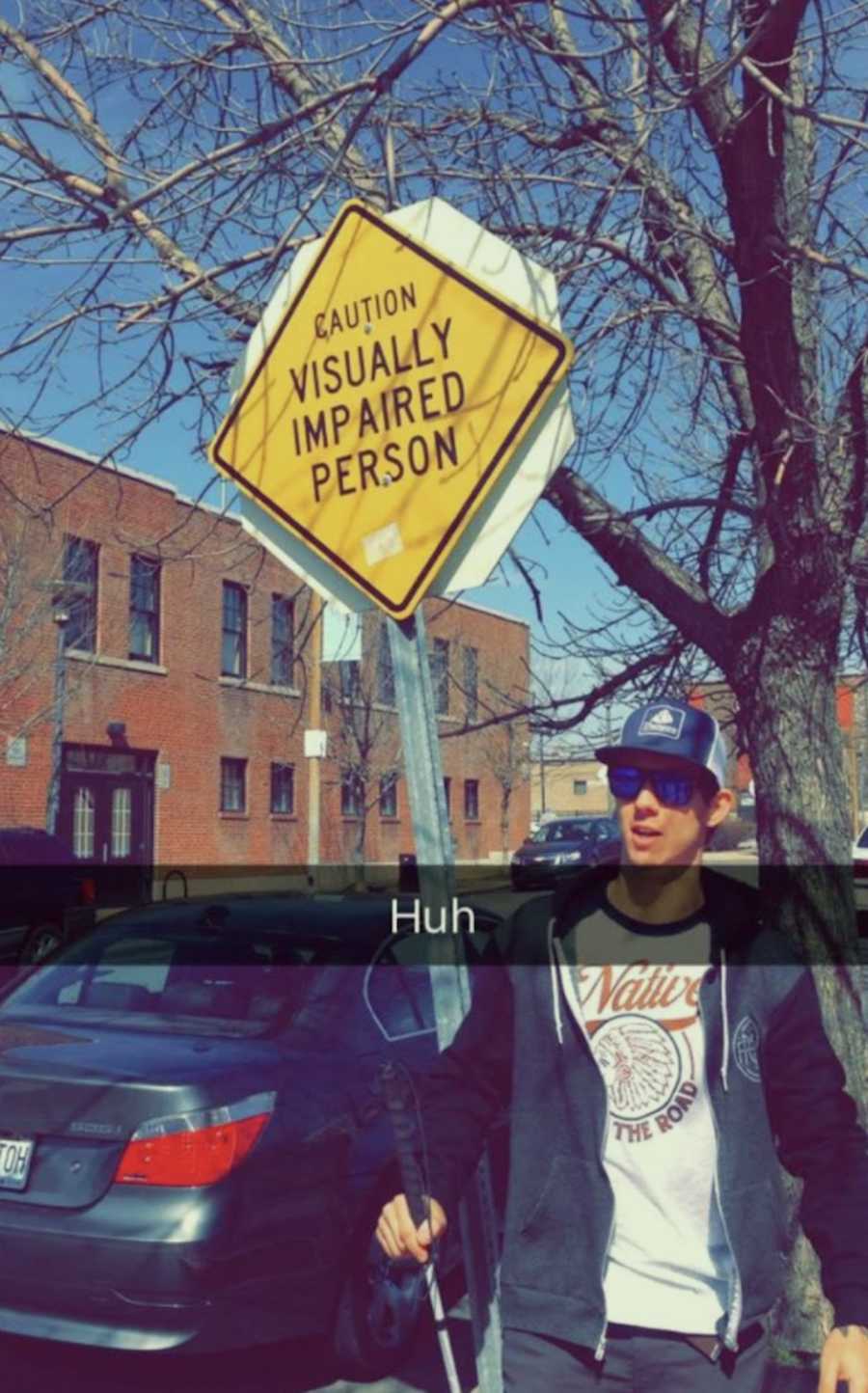
The first days at the school were filled with humiliating assessments—tests to measure mental aptitude, even simple tasks like scooping cereal onto a spoon. Despite performing at a senior level academically, the school required documentation I didn’t have, meaning I would have to restart as a freshman. I couldn’t endure another four years of redundancy. That marked the end of my formal academic career.
BMX and paintball had been central to my life, but with a diagnosis of “Optic Neuropathy of Unknown Origin” and permanent vision loss, I wondered if I could continue at all. I vividly remember my last paintball game with my dad, relying only on my right eye to track him. I told him afterward, head bowed, “This is the last game I’ll ever play. Soon, my right eye will fail too. At least I’ll have this memory—with you.” BMX would soon follow.
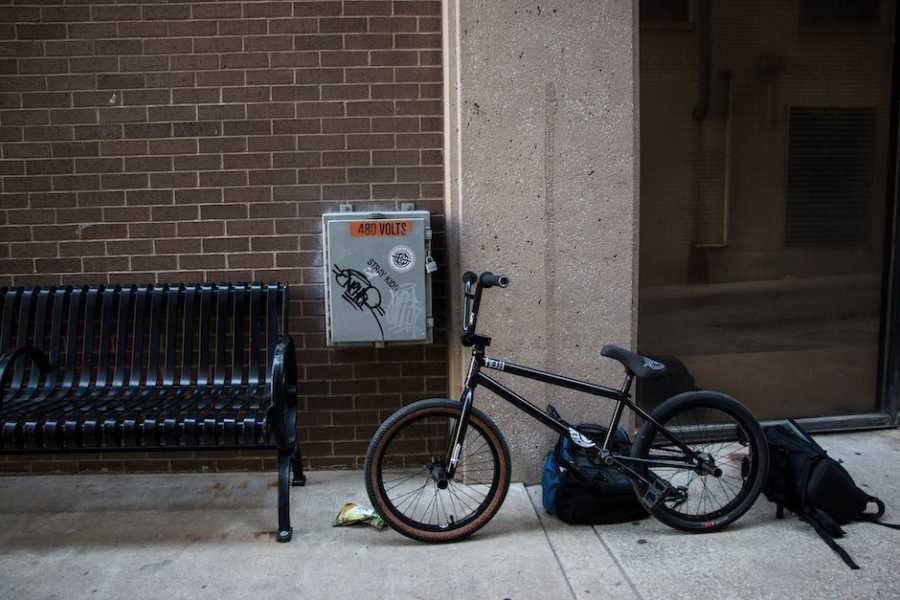
BMX had always been about friendship and trust, especially with my best friend Beau, who lived just a few houses down. We had grown up riding together, mimicking pro tricks, and building a bond as close as blood. Years later, as my vision worsened and paintball ended, all I had left was my BMX bike—the Yellow Hoffman Rhythm Beau had given me. The memories of riding it were intertwined with the best times of my childhood.
Trying to reclaim independence, I once attempted to ride to the corner store. I didn’t make it past three houses before crashing into a car. A group of kids laughed as I lay there, realizing my independence had limits. I stored the bike away, never riding again… until fate intervened.
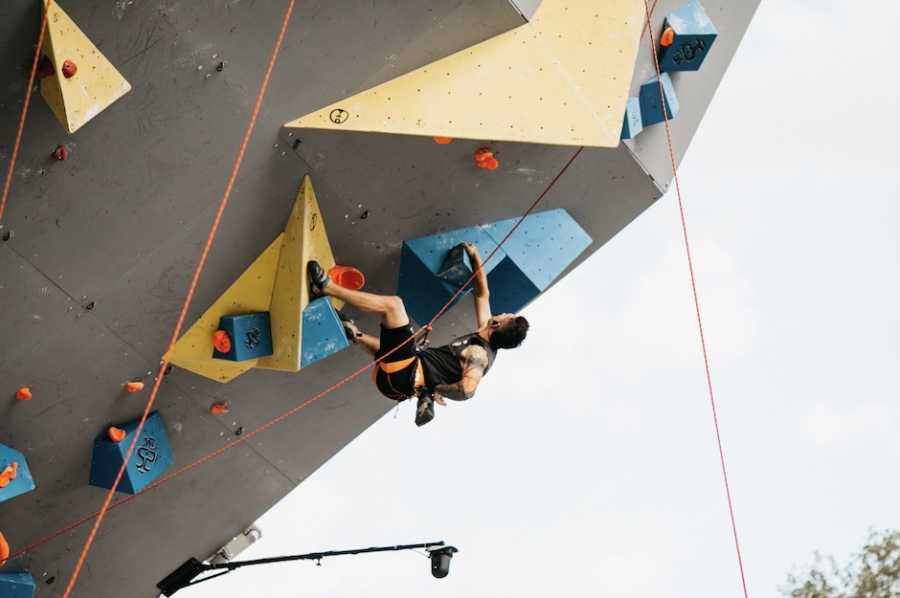
During this time, my lifelong friend Nic had started working at a climbing gym. He encouraged me to try climbing, insisting, “You don’t need sight to climb.” Skeptical but intrigued, I joined him and discovered the vertical world could be navigated by sound, touch, and trust. Nic became my first sight guide, calling out handholds and footholds as I learned to adapt. Unfortunately, money was tight, and a membership was out of reach. I had to put climbing aside but the memory lingered, a seed for the future.
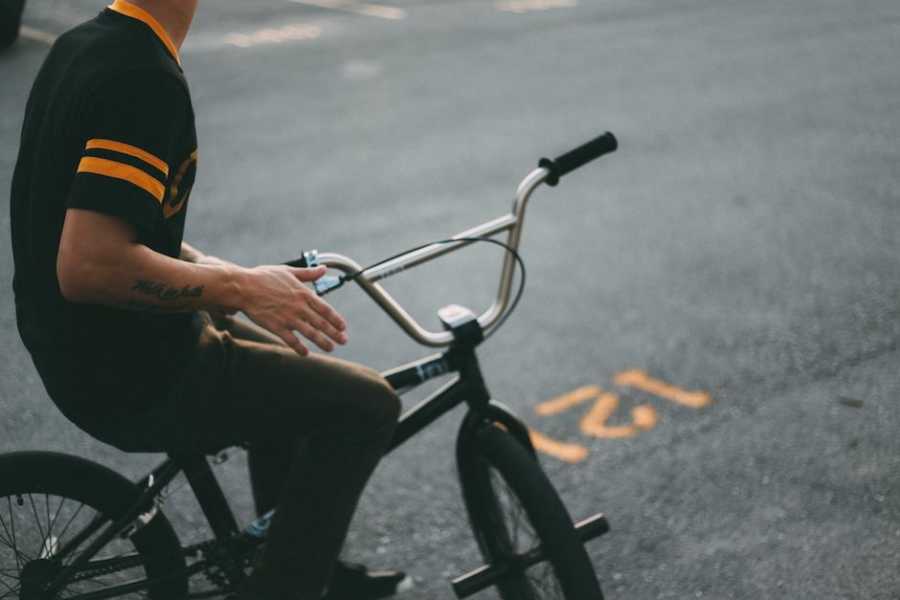
Years later, I heard the familiar click of a BMX cassette hub in my front yard. I didn’t recognize the voice at first, then heard, “Dude, it’s Beau!” We sat and caught up, and I recounted my vision loss and years of struggle. His response stunned me: “Do you want to go ride?” I told him it was impossible—I’d given away my bike and couldn’t see. But he calmly explained, “I have a spare bike, and we can figure it out. I’ll guide you.”
In that moment, I remembered the climbing gym, the lessons of adaptation, resilience, and trust. I ran inside, told my mom, “I’m going to ride bikes again with Beau!” She simply said, “Okay. Just don’t die.” Her words captured everything—fear, hope, and love. And just like that, a new chapter began.
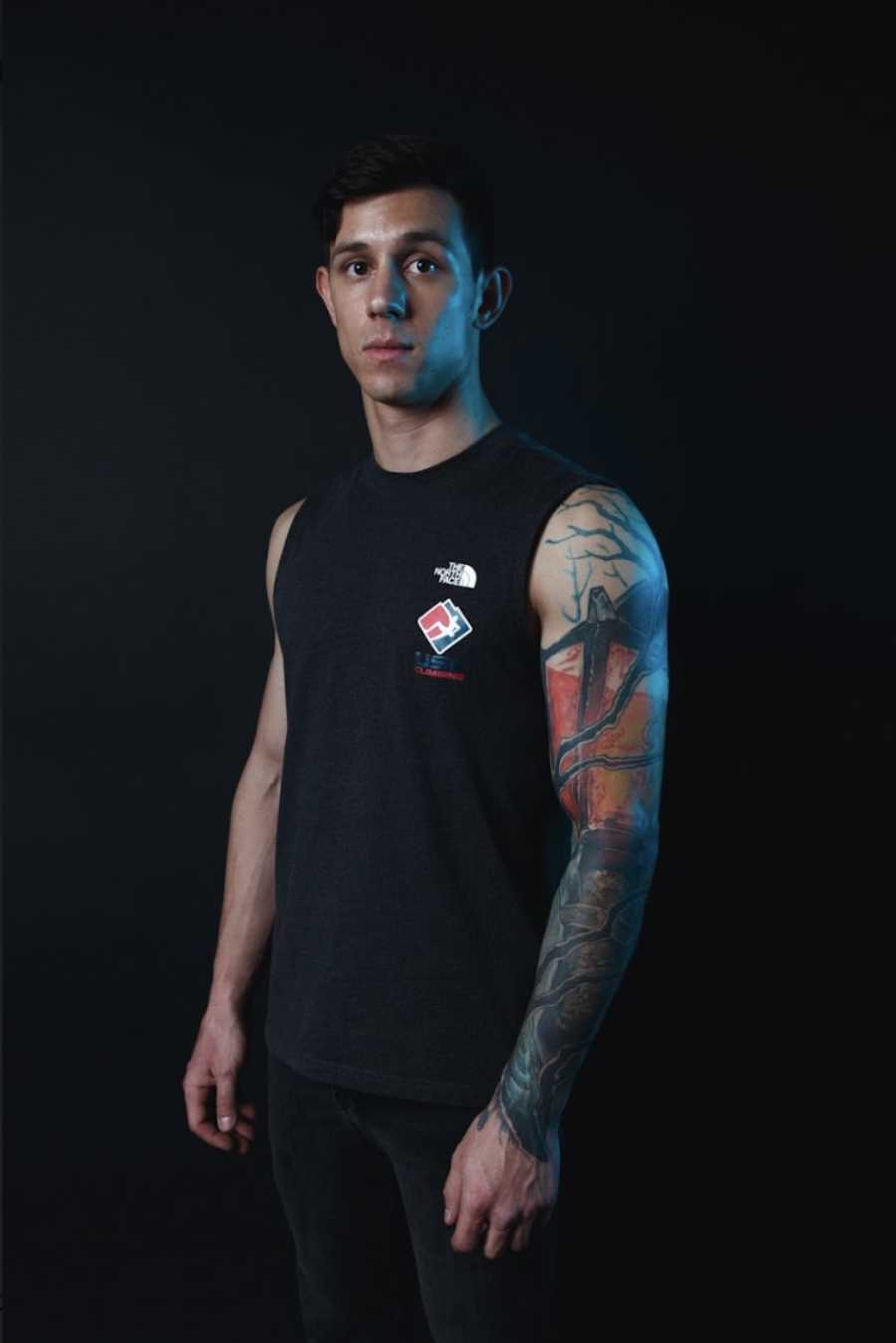
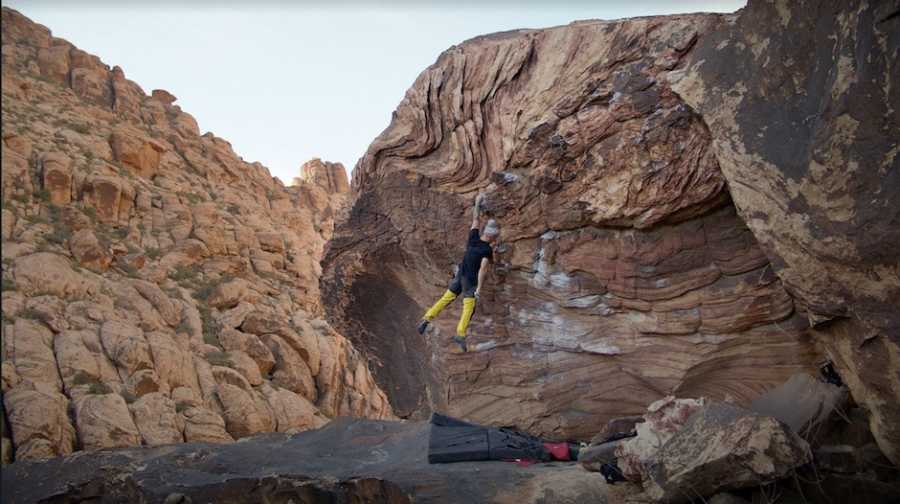
Riding again wasn’t easy. Using peripheral vision, reacting to Beau’s guidance, and navigating obstacles at speed was terrifying. Crashes happened frequently, but each fall strengthened my confidence and resilience. This process of adaptation, trust, and courage became a blueprint for life. BMX taught me grit: fail, rise, and keep moving forward. It prepared me for what I would later achieve as a professional rock climber, traveling the world and embracing challenges unshackled by fear.
Looking back, the journey from a scared, visually impaired teenager to a world-class climber seems impossible—but every setback, loss, and struggle led to this moment. And it all began with a simple question from a lifelong friend: “Do you want to go ride?”