It was the summer of 2003. I had just graduated high school and was a month into my first semester of college. Excitement buzzed through me—I was stepping into a new chapter of my life, working full-time, and beginning to save money to move out and embrace independence. Around the time of my 18th birthday, I started feeling unusually tired. I chalked it up to balancing full-time work with college classes, assuming it was just part of growing up.
One morning, as I was getting ready for class, I ran a brush through my hair—and a clump came out in my hands. Panic set in. I ran my fingers through my scalp, searching for the source. That small moment would mark the beginning of a journey that would stretch over the next 17 years.
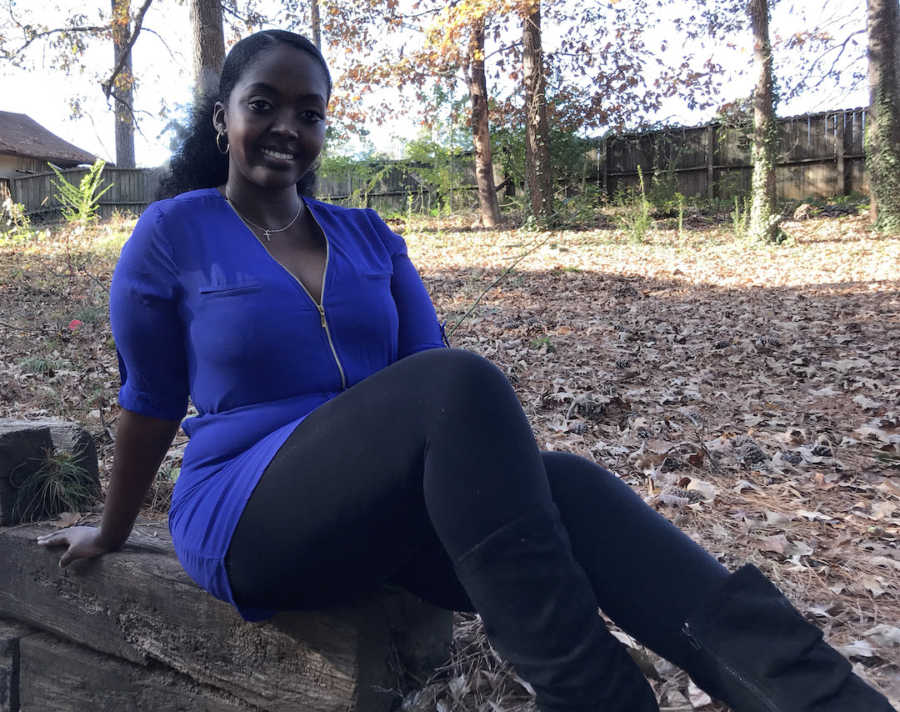
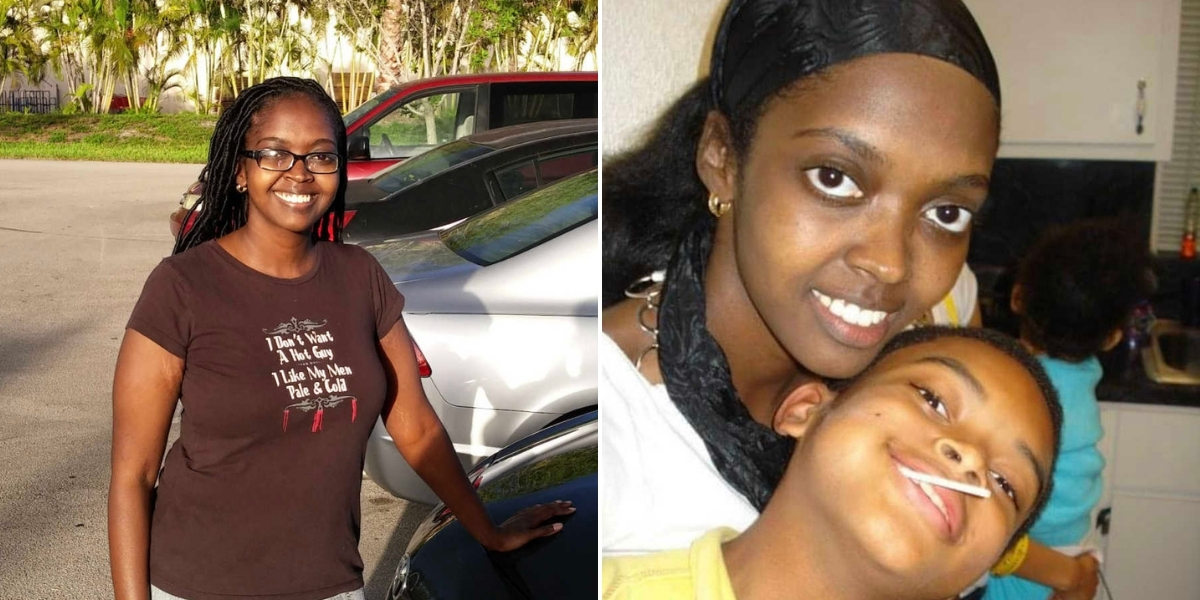
I went into my mom’s room, holding the clump of hair, unsure of what to say. I wasn’t convinced it was serious, thinking maybe I’d just done something wrong. My mom seemed confused too, simply suggesting we “keep an eye on it.” But over the next few weeks, more hair fell out every time I brushed. Appearance had never been my focus, but now, standing in front of the mirror and running my fingers over the growing bald spots, I felt vulnerable and anxious. I tried coloring the spots to cover them, but it looked absurd, and soon, wigs became part of my daily routine.

My mom began taking me to various doctors, searching for answers. The first doctor examined my scalp and concluded it was a skin irritation, suggesting injections to stimulate regrowth. I left feeling uneasy. My hair kept falling out, my fatigue worsened, and deep down, I knew something wasn’t right. I asked my mom for a second opinion.
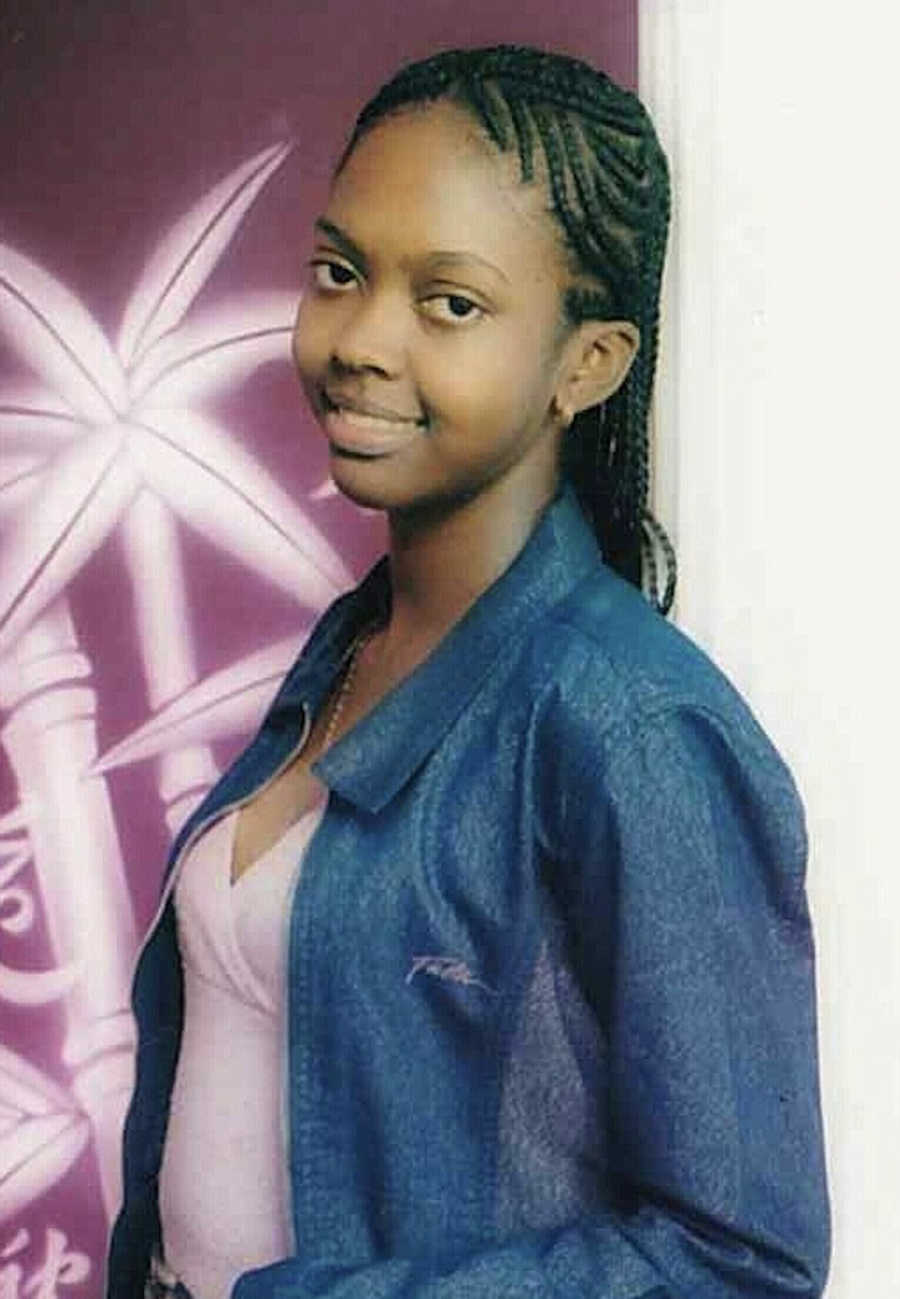
By now, my eyebrows were thinning too, and joint stiffness and swelling had begun. I hoped the rheumatologist we were seeing could provide clarity. Yet, after a brief exam, she too dismissed it as a skin issue and referred me to a dermatologist. I felt defeated. Seven months into this struggle, I had begun to doubt myself—was I imagining things? The constant doctor visits with no answers had broken my spirit for the first time.
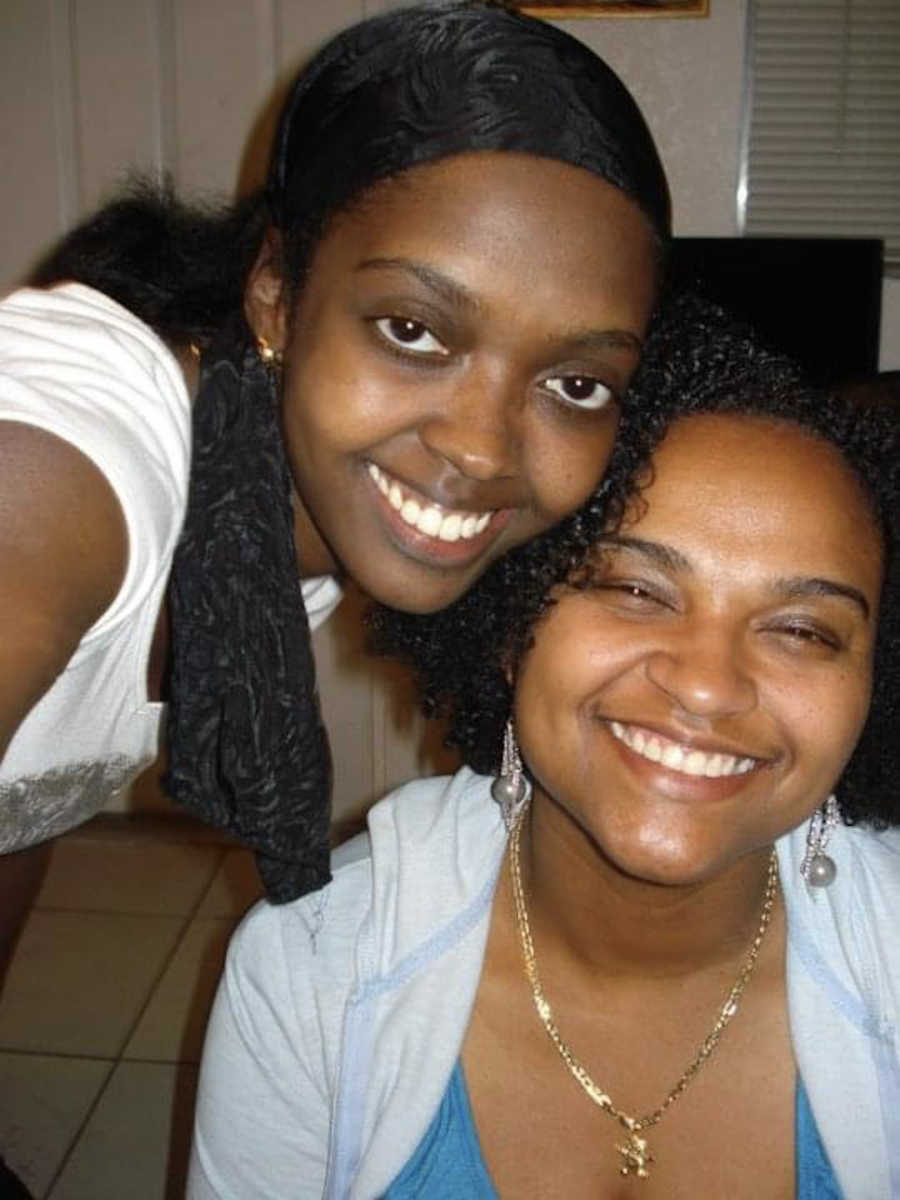
Finally, at the dermatologist’s office, I waited anxiously. I told the doctor about everything—hair loss, rashes, aches, and pains. He was calm and kind, telling me, “I think I know what it is, but I’d like to take a skin biopsy to be sure.” Somehow, I felt a wave of relief and hope. He took the biopsy behind my ear and scheduled a follow-up.
At the follow-up, I sat across from him, heart racing, desperate for answers. He said, “I have good news and bad news. Which first?” I chose good news. He finally gave me the answer I’d been waiting eight months for: I had Lupus.
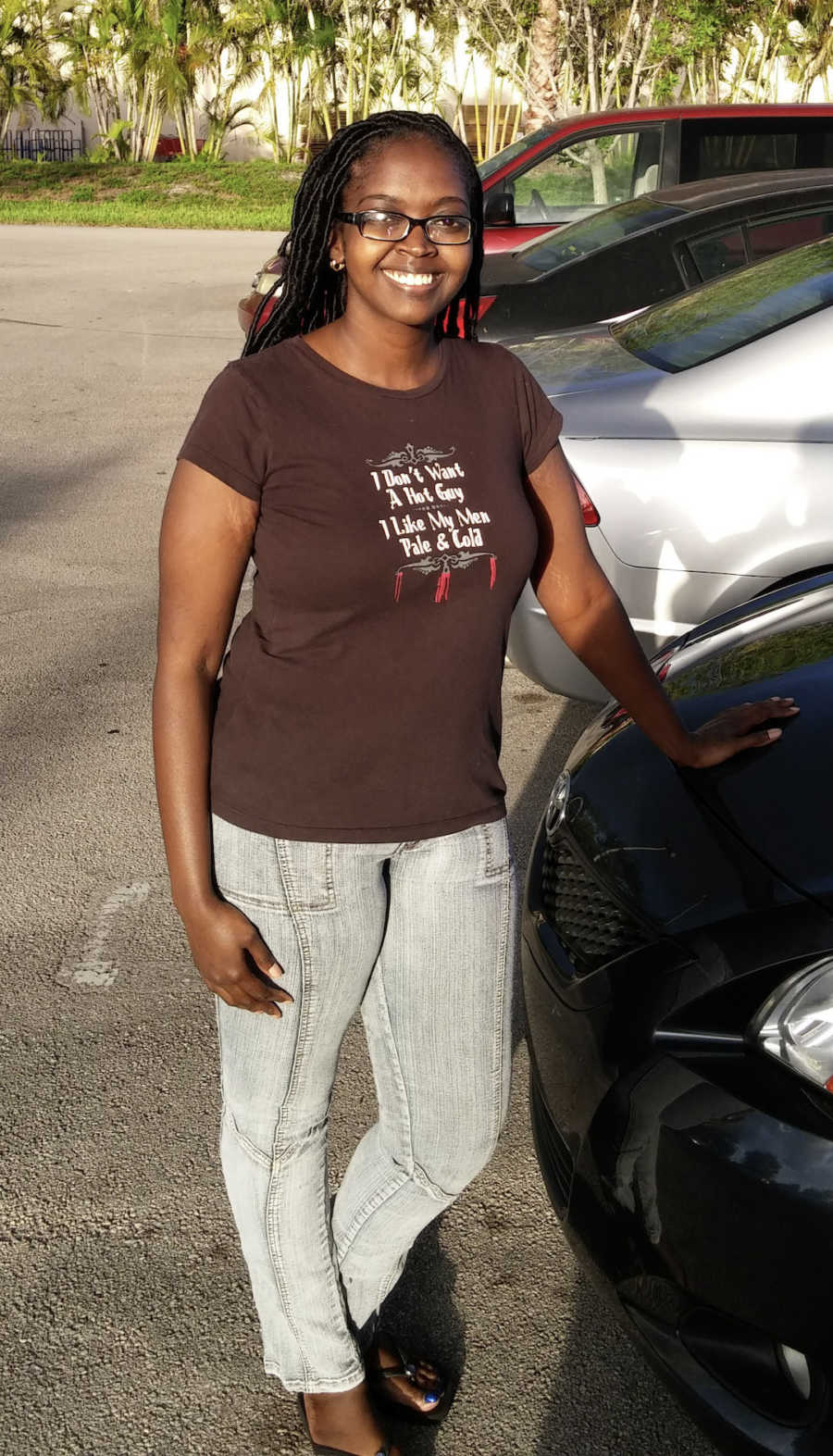
Relief washed over me—I had a name for what had been happening to my body. The doctor explained Lupus was an autoimmune disease, how it affects organs and tissues, and what my life might look like moving forward. As an 18-year-old, I tried to absorb everything he said, but nothing could fully prepare me for the reality of living with Lupus.
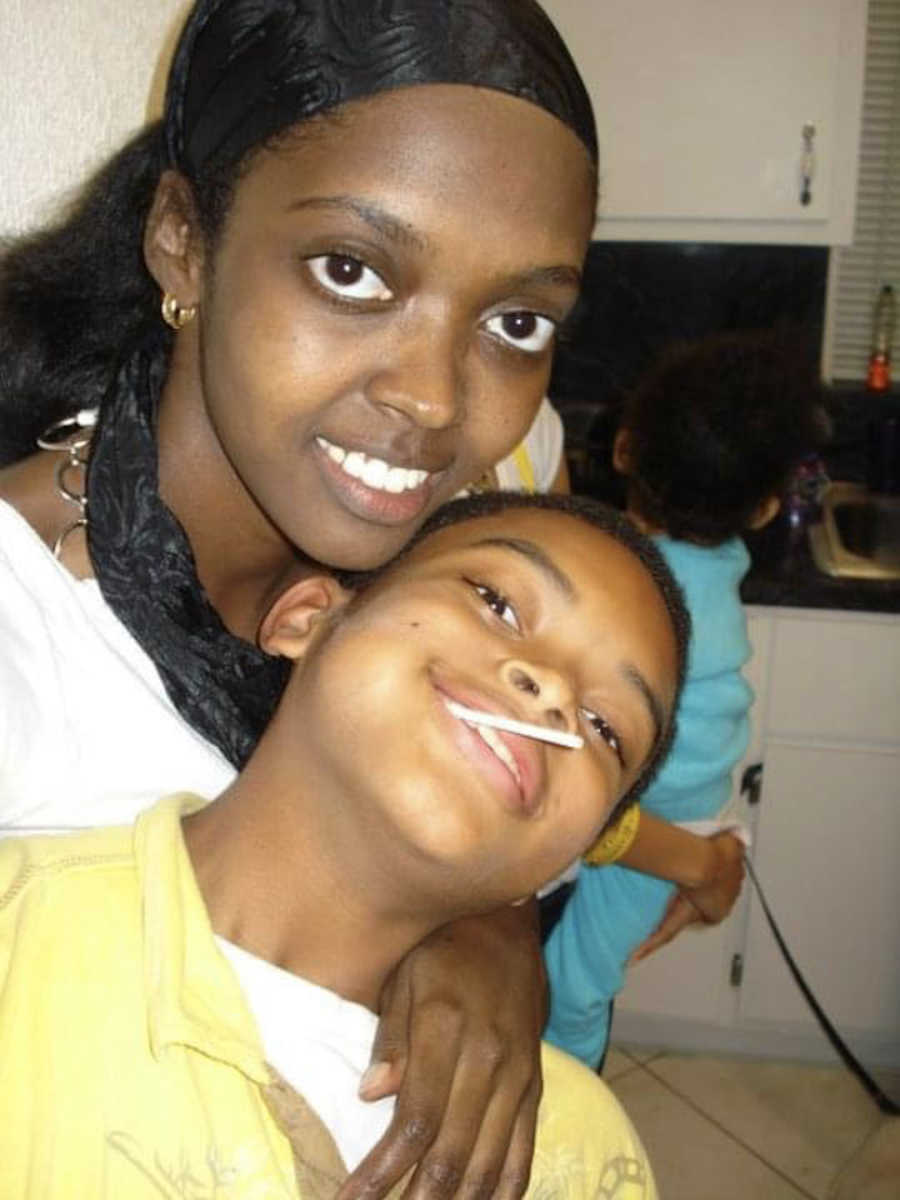
The next seven months were grueling. I juggled full-time work and college while enduring constant pain. Some days were manageable; others, I woke with swollen joints, stiff hands, and a body that felt foreign. My sister sometimes had to drive me straight to the ER when pain became unbearable. My health declined quickly, yet hope remained.
A little before Christmas 2004, I went to the hospital for chest pains, expecting a short stay. But that night, I began coughing uncontrollably in my sleep. My friend insisted the nurses check me, and before I knew it, I was in the ICU with pneumonia. My lungs were almost completely filled, and the doctors warned my family of the danger. Somehow, I wasn’t scared. I simply thought, “I have to fight harder.” By the next day, my lungs were improving, and I learned my first lesson in advocating for my health—I refused antidepressants prescribed without explanation, determined to understand every step of my care.
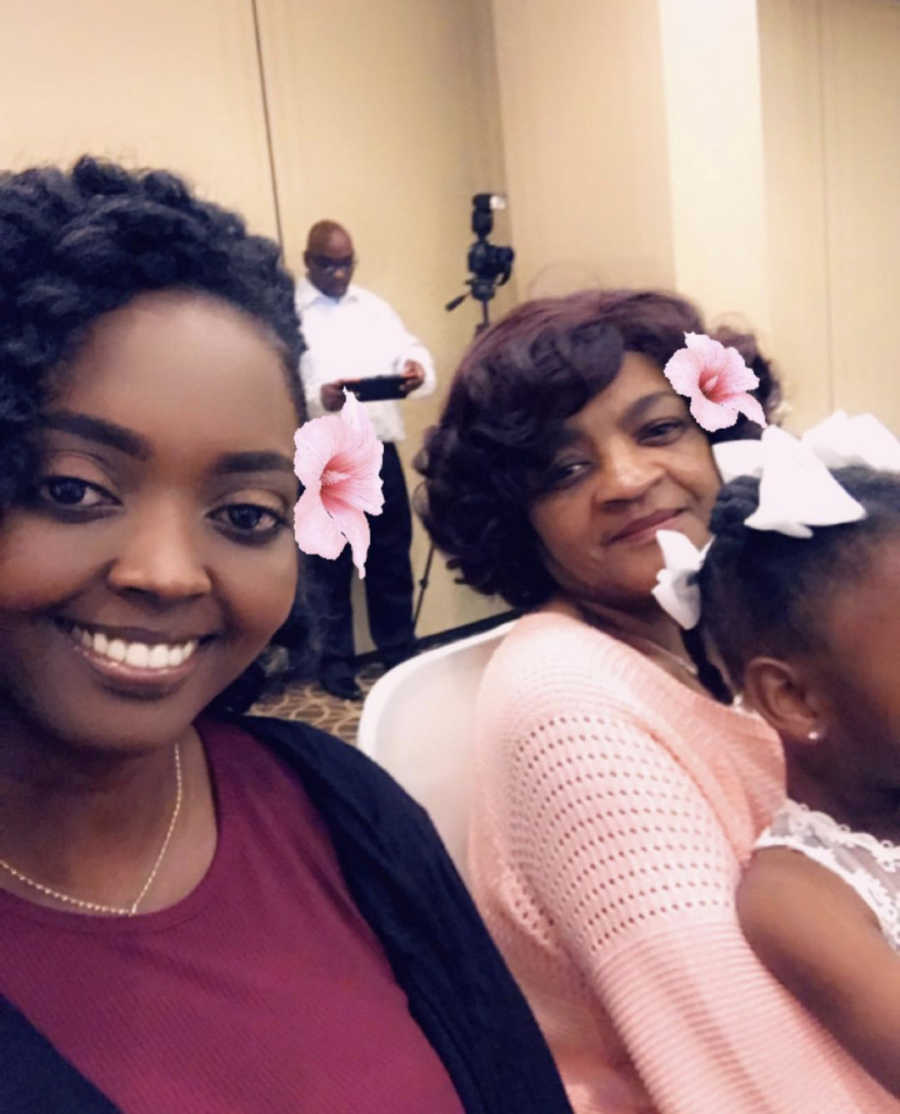
The following months were about adjusting to a new reality. Life, once carefree in South Florida, now revolved around managing Lupus. I couldn’t enjoy the beach or attend school regularly. Friends became distant, outings required meticulous planning, and my social life dwindled. For a time, I felt broken, isolated, and even like a burden. Daily prayers became my solace, helping me find a balance between listening to my body and holding onto the things I loved.
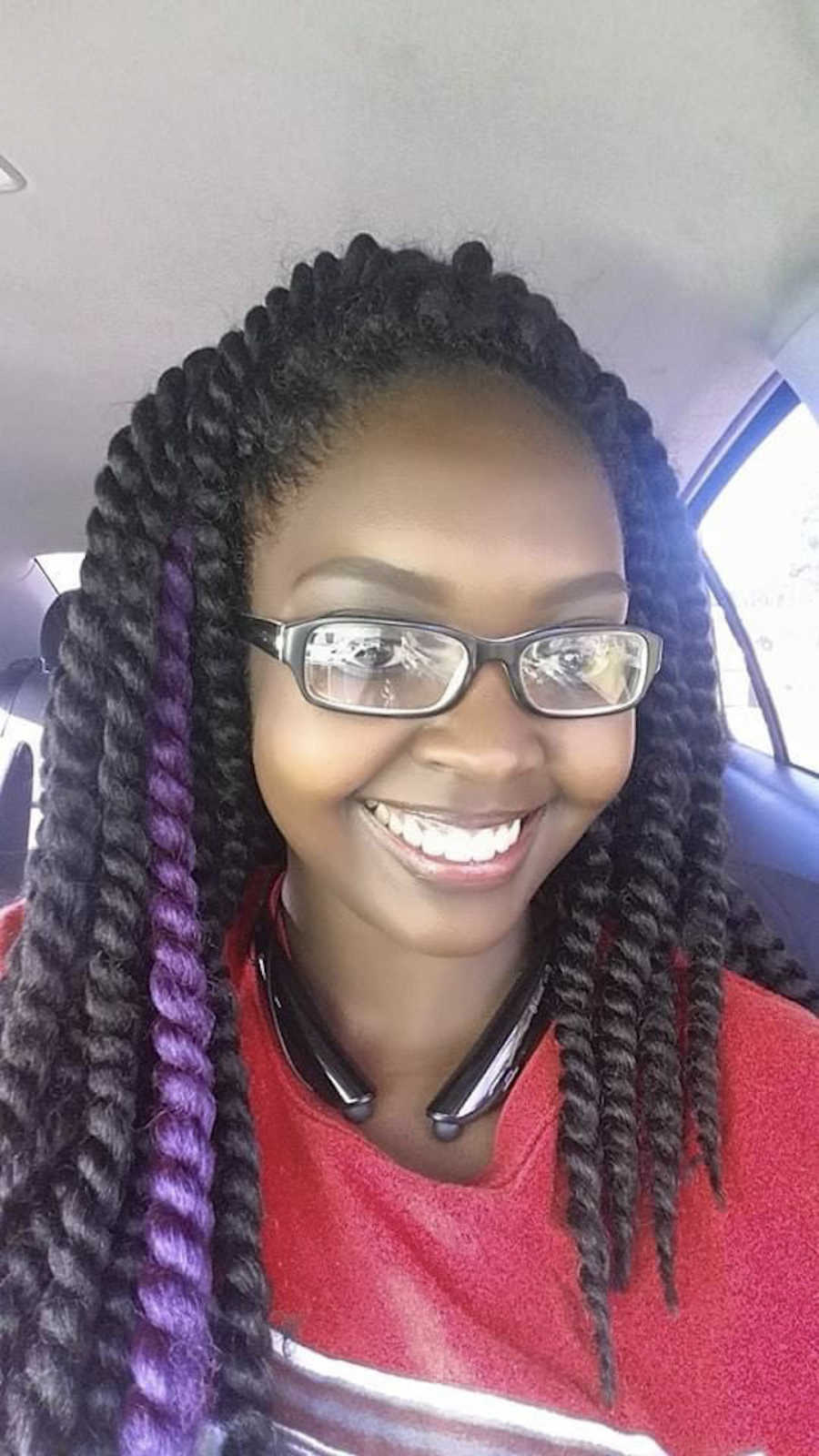
Exactly one year after my diagnosis, I faced my first kidney failure. I had been fighting sadness, wishing for normalcy—sunlit days, carefree moments with friends—but I was forced to confront the limitations Lupus imposed. I relied on my family, friends, and faith for strength. My mom, sisters, brother, and friends were my anchors. They never wavered, even when I didn’t want them to rearrange their lives for me. Prayer became a source of endurance, shifting from a plea for healing to a request for strength to endure this journey.
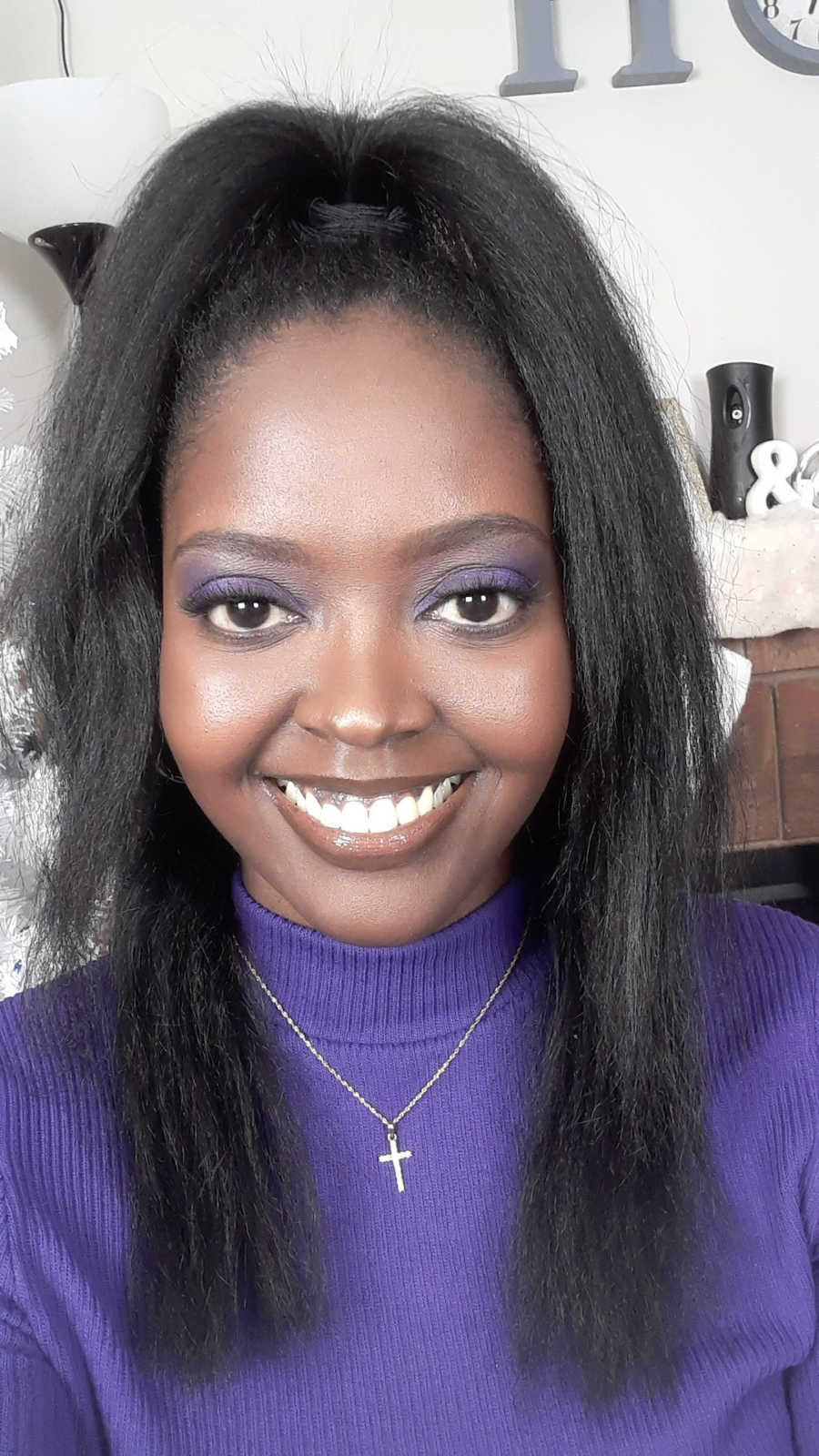
Loss came in other forms too. I had already lost my sister to cancer at a young age, and a few years into my Lupus journey, I lost my brother. His passing coincided with a severe flare, and the grief overwhelmed me. One day, driving home from the store, I experienced my first anxiety attack, feeling like I couldn’t breathe. Panic overtook me, and I prayed desperately for strength instead of healing, realizing that resilience, not avoidance, was what I needed to survive.

Seventeen years later, I’ve faced countless ER visits, ICU stays, pneumonia, two kidney failures, six rounds of chemotherapy, and innumerable treatments. I’ve endured more than most could imagine, yet I’ve emerged stronger, wiser, and more determined. Lupus is a chapter of my life, not my entire story.
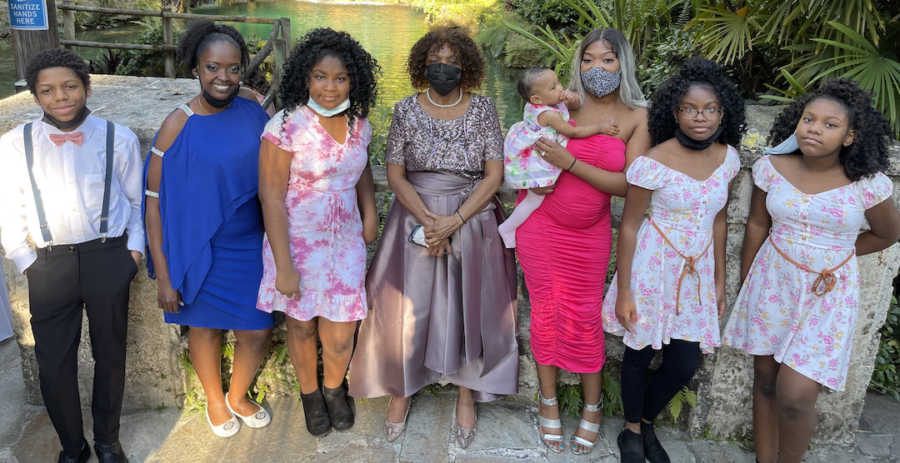
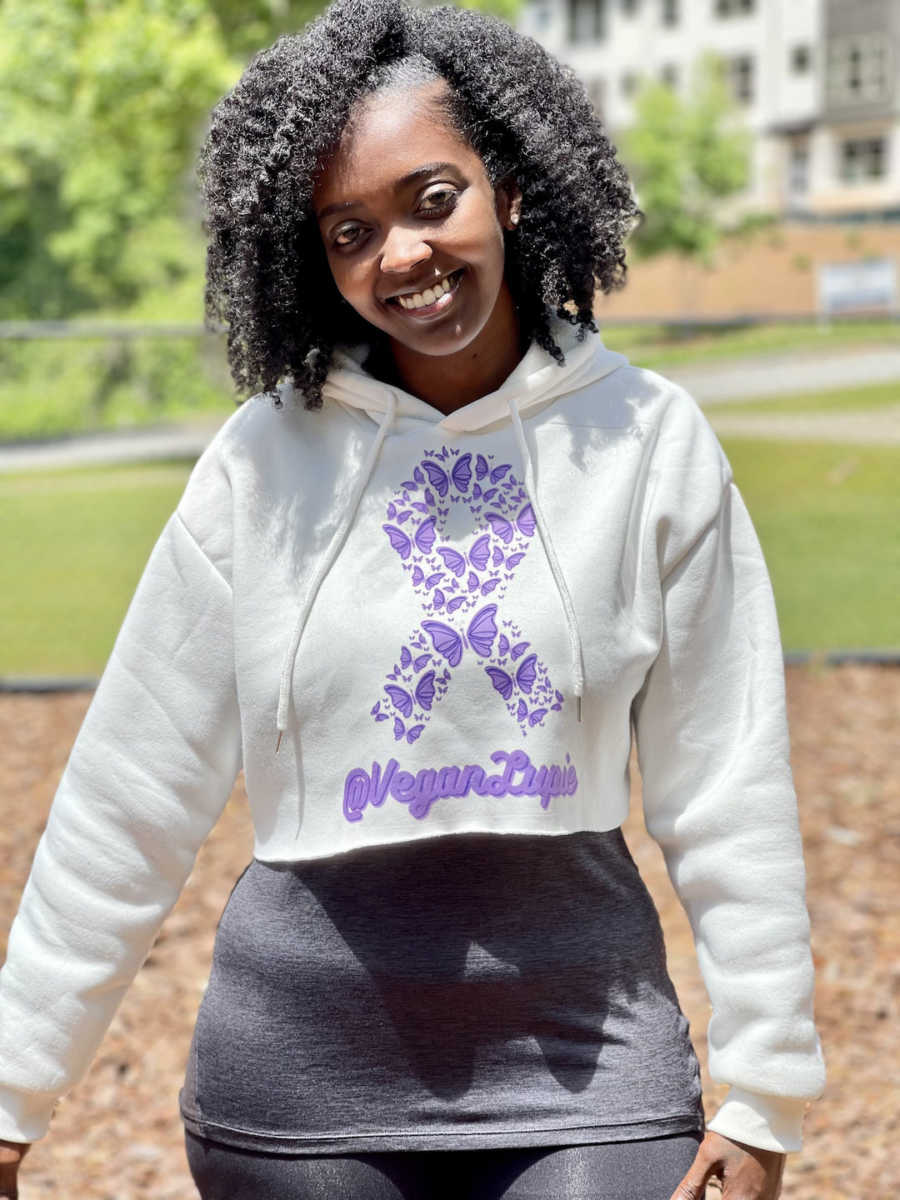
I’ve learned that a quality life is possible with Lupus. Stress is a major trigger for flare-ups, so I guard my peace fiercely. Prayer, baking, gardening, and connecting with loved ones keep me grounded. My mom has been my unwavering support, and my fiancé, a cancer survivor himself, understands the challenges of illness. I’ve embraced a fully vegan lifestyle, growing my own fruits and vegetables, and focusing on health to keep my Lupus in remission.
Lupus has shaped me, but it hasn’t defined me. It’s taught me resilience, the importance of faith, and the power of support. I am stronger than I ever imagined, and I continue to live a life full of purpose, love, and gratitude.