Foster care and adoption have always held a special place in my heart, but it wasn’t until recently that I truly understood how profoundly they would change my life. I grew up in a very loving home, and from an early age, my brothers and I somehow understood just how fortunate we were. Even though we weren’t financially wealthy, our family never seemed to go without. More importantly, our parents were endlessly supportive of each other and of their four children. Our home was always open to others—it wasn’t unusual for a few extra settings to appear at the dinner table each night, and my mom’s minivan was almost always full of kids, many of whom weren’t even hers.
From adolescence, I dreamed of being the kind of provider my parents had been—someone who could offer a safe, fun, loving space for others. I wanted to host, to cook, to care for people, and to create a sense of home wherever I could. That instinct followed me into college, where I became the mother hen and party planner for my sorority and friends. My luck continued after graduation, when I landed a dream career in professional sports, helping host thousands of fans at events every night. We grilled food, celebrated victories, and ensured everyone went home safely, all while sharing in the joy and excitement of the game.
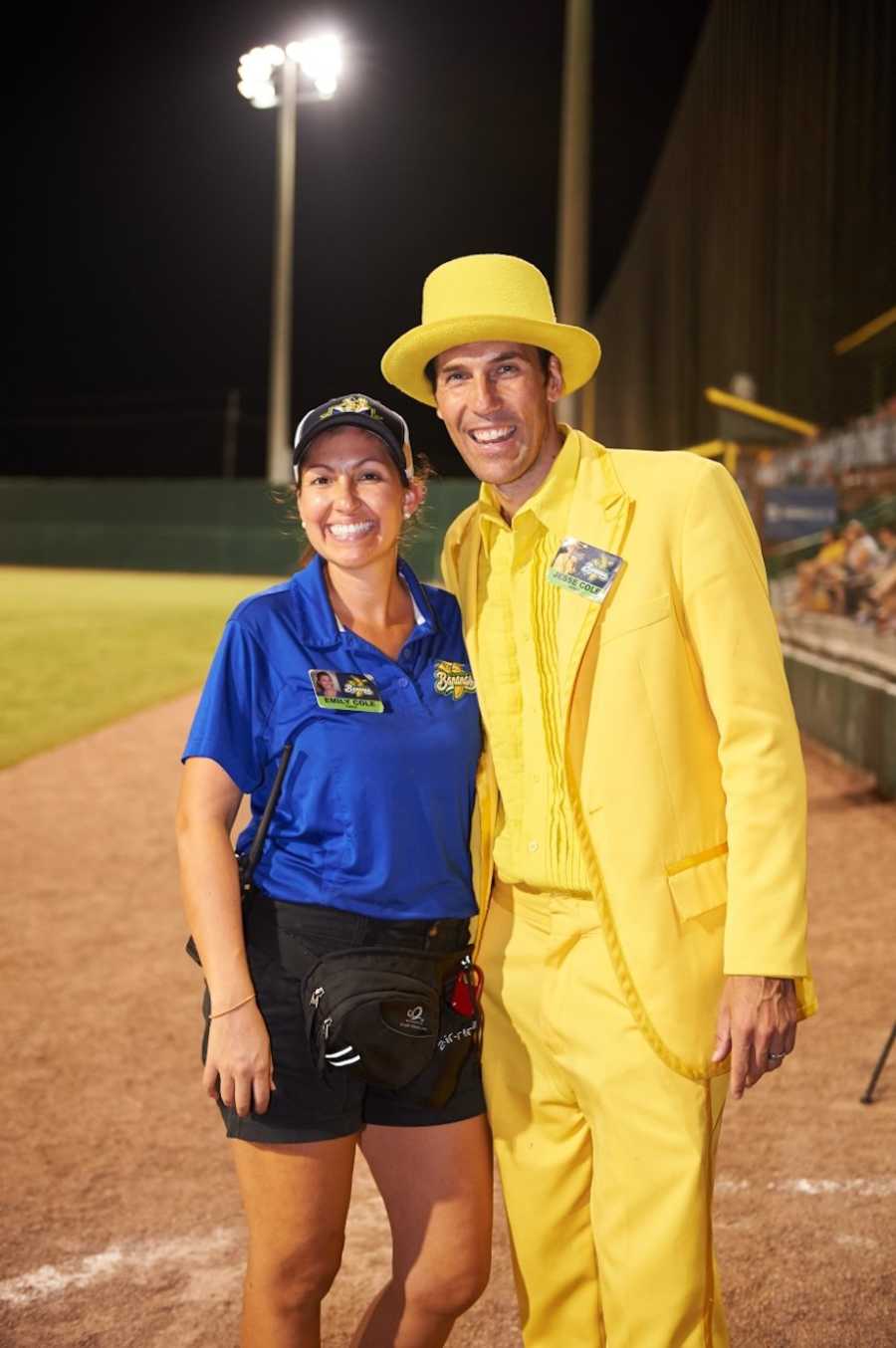
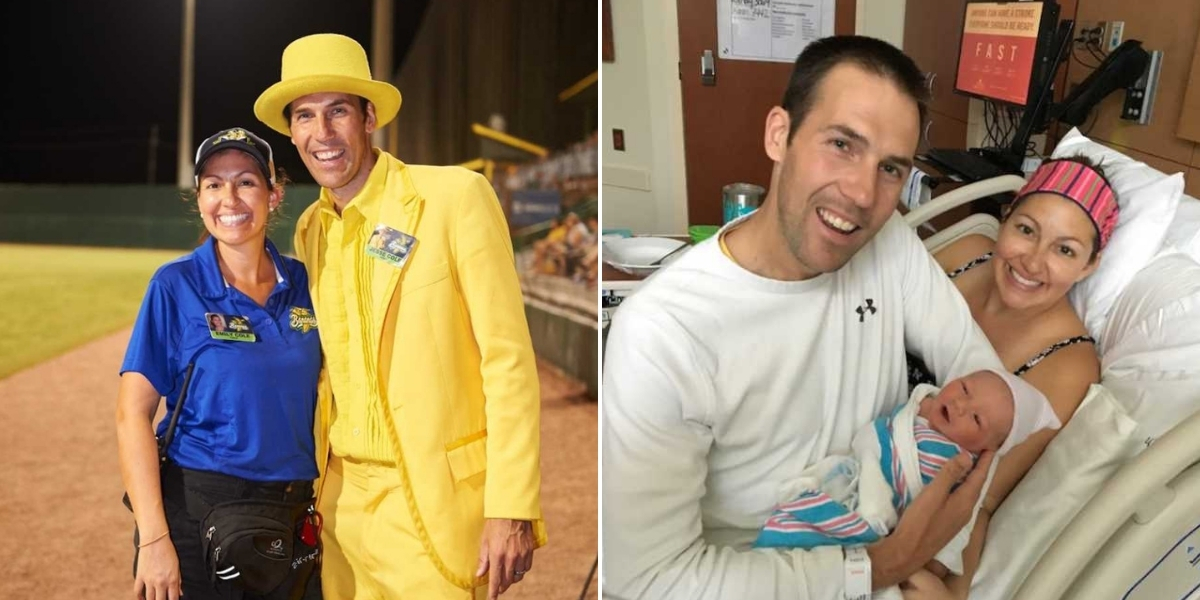
Eventually, my now-husband Jesse and I joined forces professionally, operating one team in North Carolina in 2011, and another in Virginia. Then, in 2015, we launched the Savannah Bananas in Savannah, Georgia, in a nearly century-old ballpark. The Bananas, best described as “a circus, then a baseball game breaks out,” started slow but quickly grew beyond our wildest expectations. Our staff became more like family than employees, and we often spent 12+ hours a day at the ballpark—even on our days off—because working with them was so joyful. Our team’s antics, incredible customer service, and competitive play drew international attention. Jesse became a sought-after professional speaker and published author, sharing insights about customer experience, breaking from the status quo, and finding happiness in business.
Amid all of this, we welcomed our first child, a boy named Maverick. Around the same time, we began renovating old homes on Tybee Island, Georgia, turning run-down properties into charming beach bungalows. Breathing life into these homes mirrored the work we did with the Bananas: taking something neglected and helping it shine. Over time, I realized this theme—restoration, care, and transformation—was a consistent thread throughout our lives.
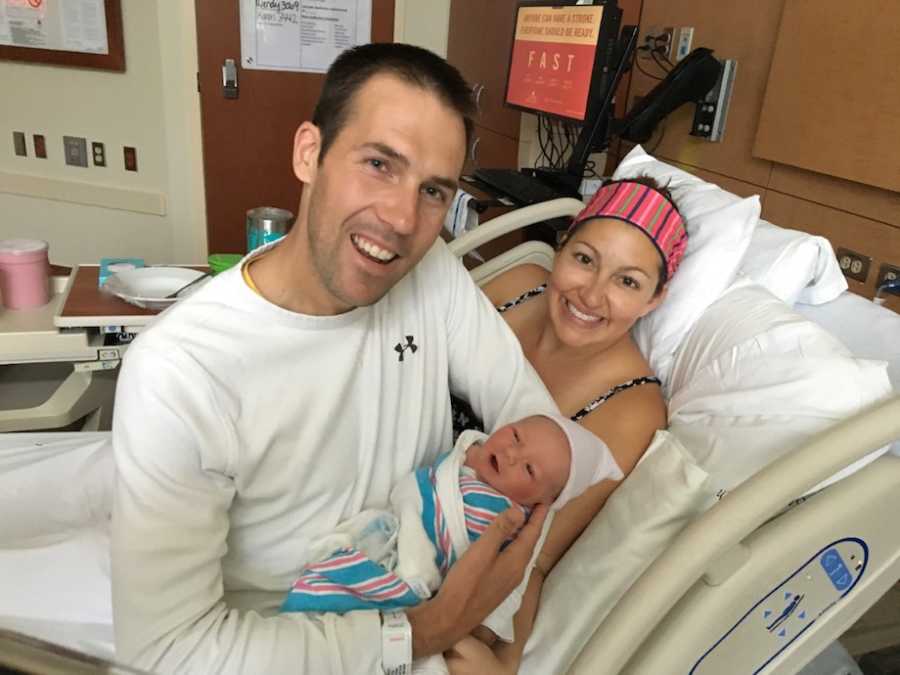
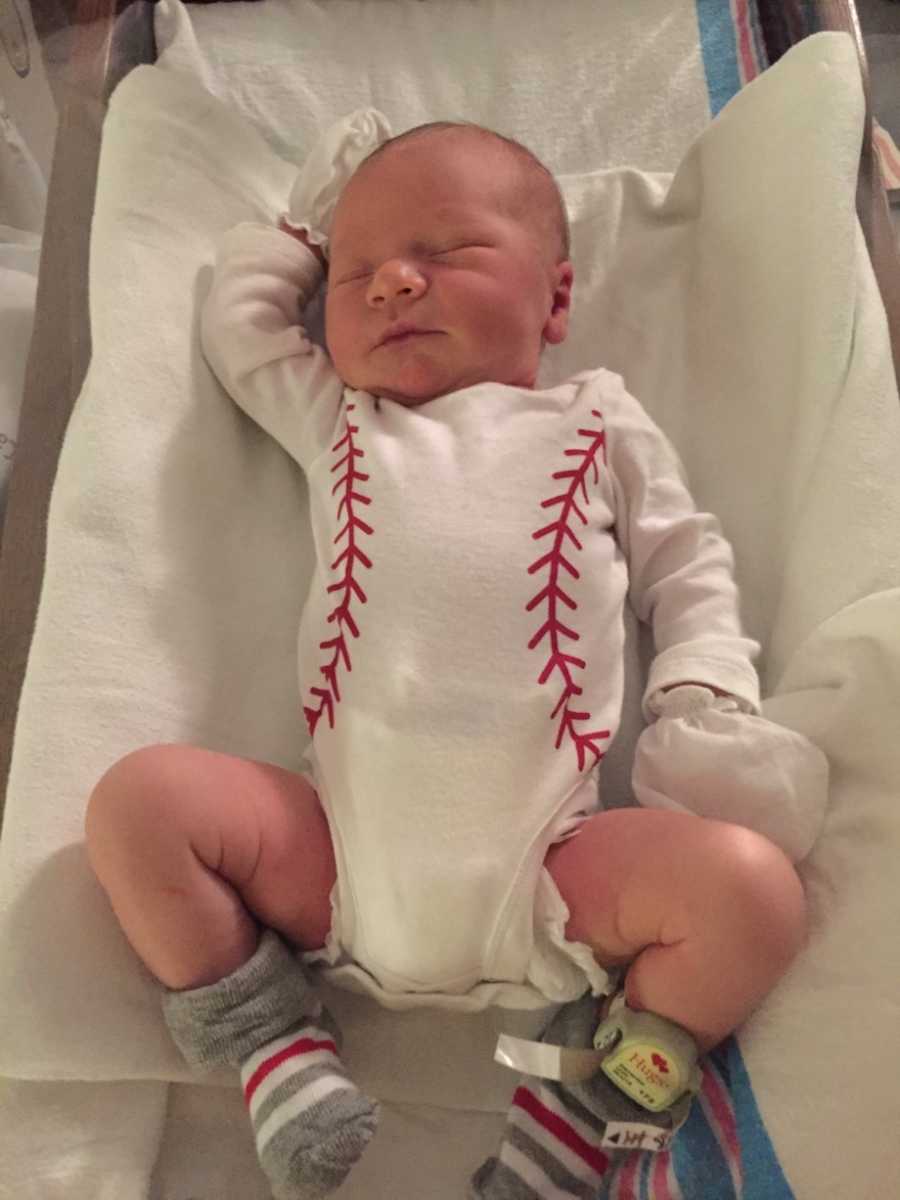
Life could have felt complete then. We ran a large, beloved business with amazing teammates. We had a happy, healthy toddler. Our Airbnbs were thriving. Friends and family were never far away. I was hosting and caring for people in every corner of my life and felt deeply blessed. And yet, despite all the joy, a quiet sense of something missing lingered. As we settled into parenthood, we had the conversations many happily married couples do: when and how to expand our family.
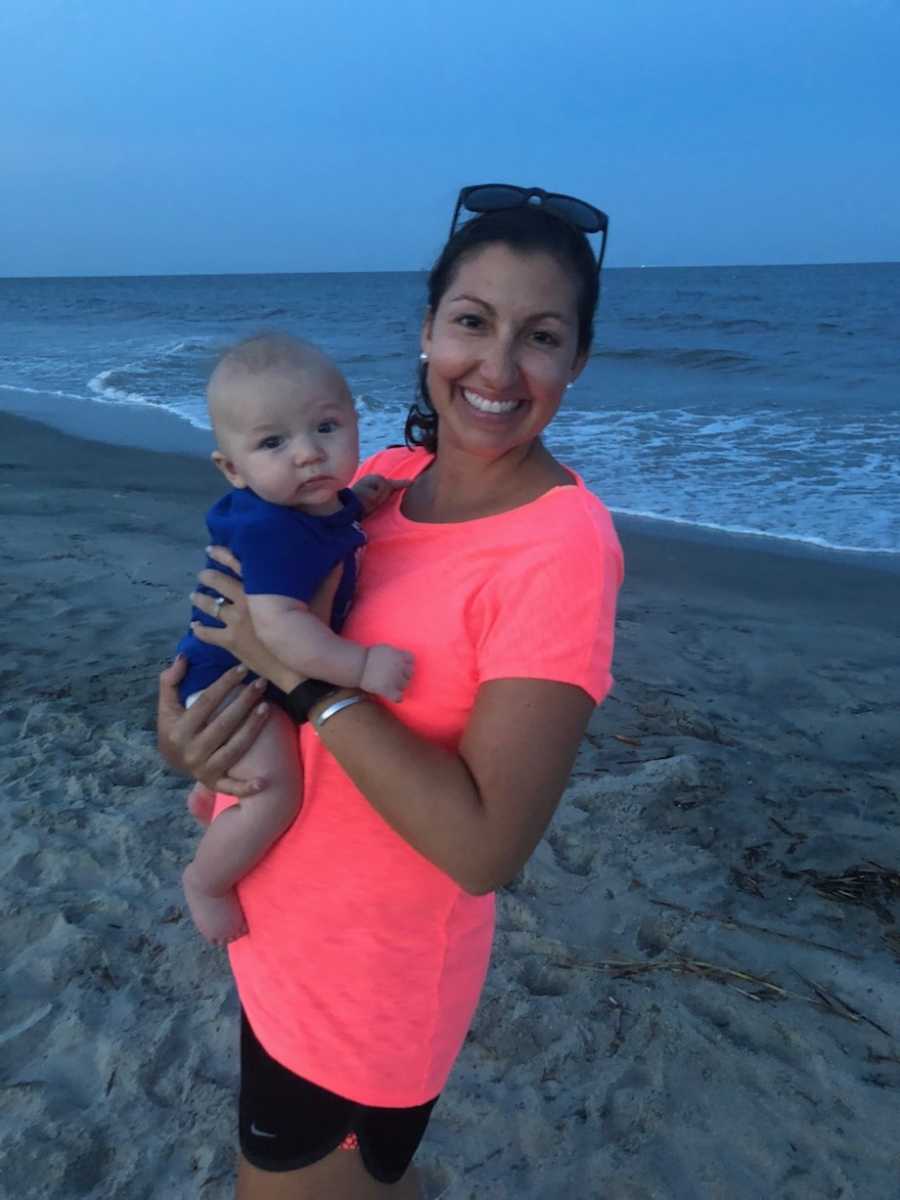
My own pregnancy and delivery of Maverick had been traumatic—both of our lives were at risk—and while I wanted to grow our family, I wasn’t eager to go through pregnancy again. That’s when adoption began to shift from a “someday” idea to a “now” possibility. Between 2018 and 2019, I immersed myself in education about adoption and foster care, devouring books, podcasts, and resources. The more I learned, the clearer it became: instead of creating another child biologically, there were already children waiting to be loved, to have safe, stable homes.
Still, our life was wildly busy. We traveled constantly, lived out of suitcases, and balanced work, parenting, and travel at full speed. Airports became home away from home, Mother’s Rooms became my hub, and I mastered pumping and sterilizing on the go. Despite the chaos, our partnership was strong, and we were able to adapt. But I knew that to pursue foster care or adoption seriously, we needed more stability.
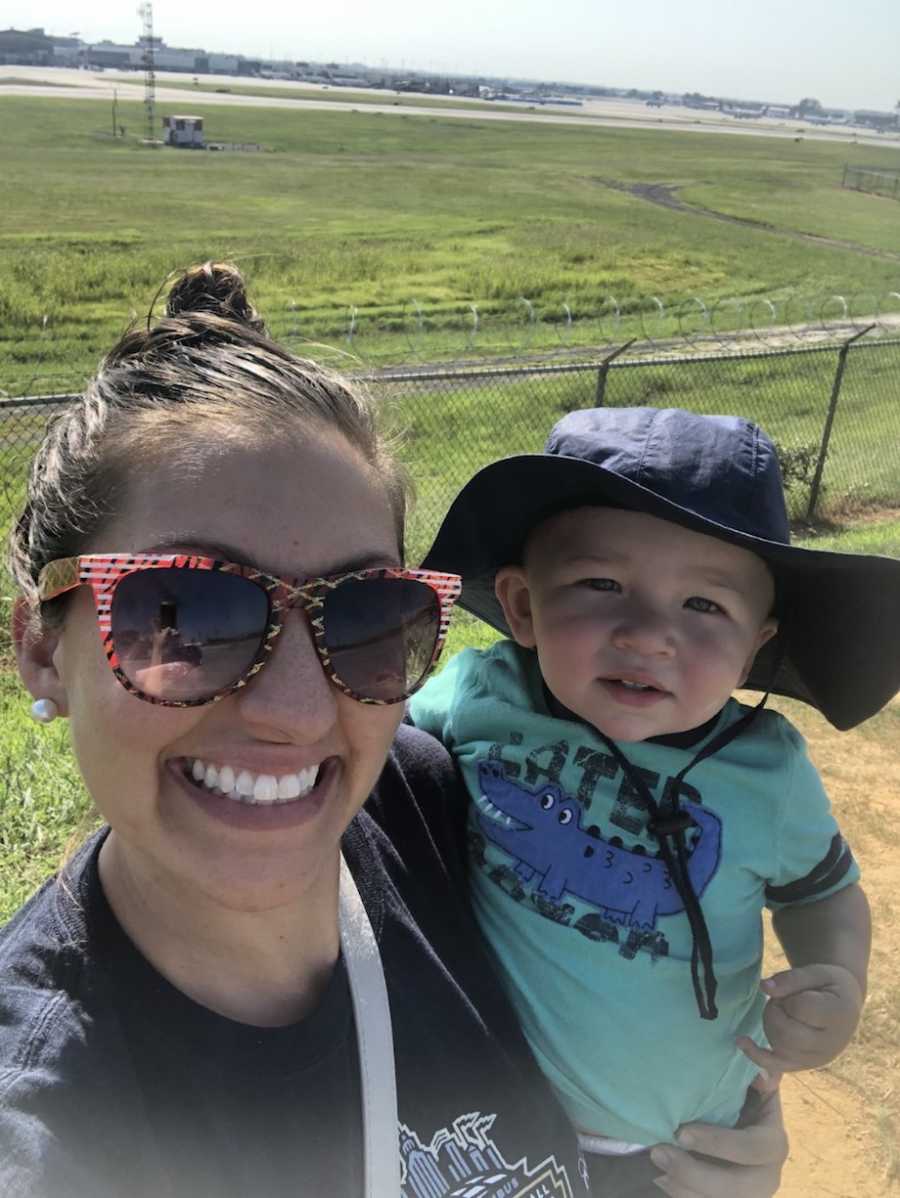
Then came early 2020. In January and February, we had already traveled to two countries and eight states before Covid-19 shut the world down. Suddenly grounded at home, I had the time to read and reflect. Marie Forleo’s Everything is Figureoutable made something click. I told Jesse, “If we’re going to do foster care or adoption, we shouldn’t put it off—we can figure it out.” True to form, we approached it like everything else in life: with determination and optimism.
By May 4, 2020—ironically, Maverick’s second birthday—we submitted our first official paperwork to become a foster family. The next nine months were a whirlwind of life adjustments. In the time it takes to carry a child to term, we purchased and began renovating a home in North Carolina, shifted responsibilities on our team, and navigated an enormous stack of paperwork. We were background checked, fingerprinted, interviewed, and certified. CPR training, fire extinguishers, carbon monoxide detectors, child locks—we checked every box. Even with Covid protocols, much of it was virtual, and though it felt overwhelming, looking back, the thoroughness reassured us that the children entering foster care were protected.
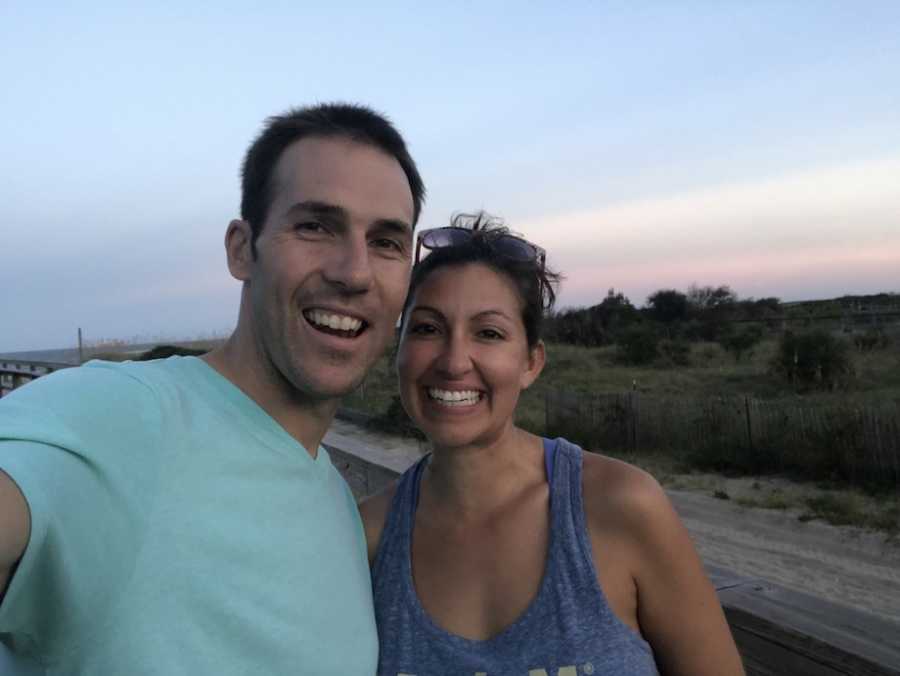
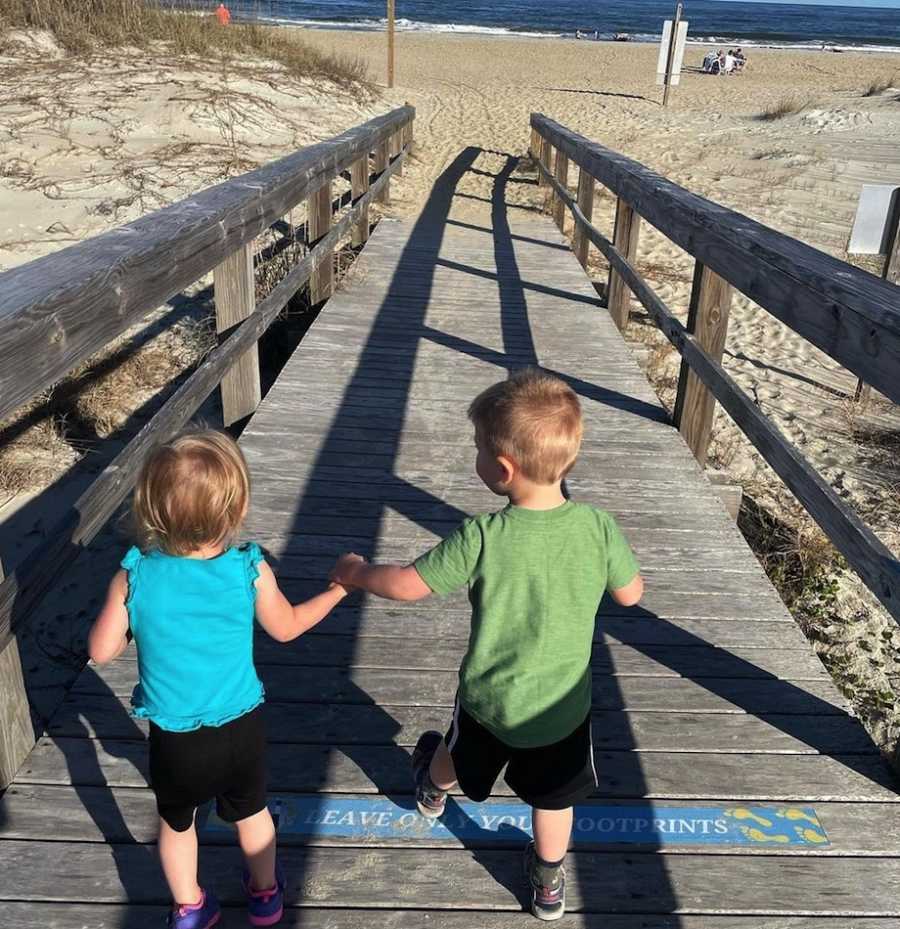
Finally, at the end of December 2020, we were licensed and ready. In January, K joined our family. She was three months younger than Maverick, and suddenly we had two 2½-year-olds—almost like twins. That first night was challenging, but not as hard as we had imagined. Often, fear of the unknown keeps us from taking big steps—but once we’re in it, it’s rarely as daunting as we picture.
With K settled, I felt a new chapter of my life truly begin. Though we are still rookies in the foster world, we’re swimming, supported by our research and our community. Early on, we learned that nearly half of all foster parents quit in the first year—and I now understand why—but that knowledge only strengthened my resolve to remain committed.
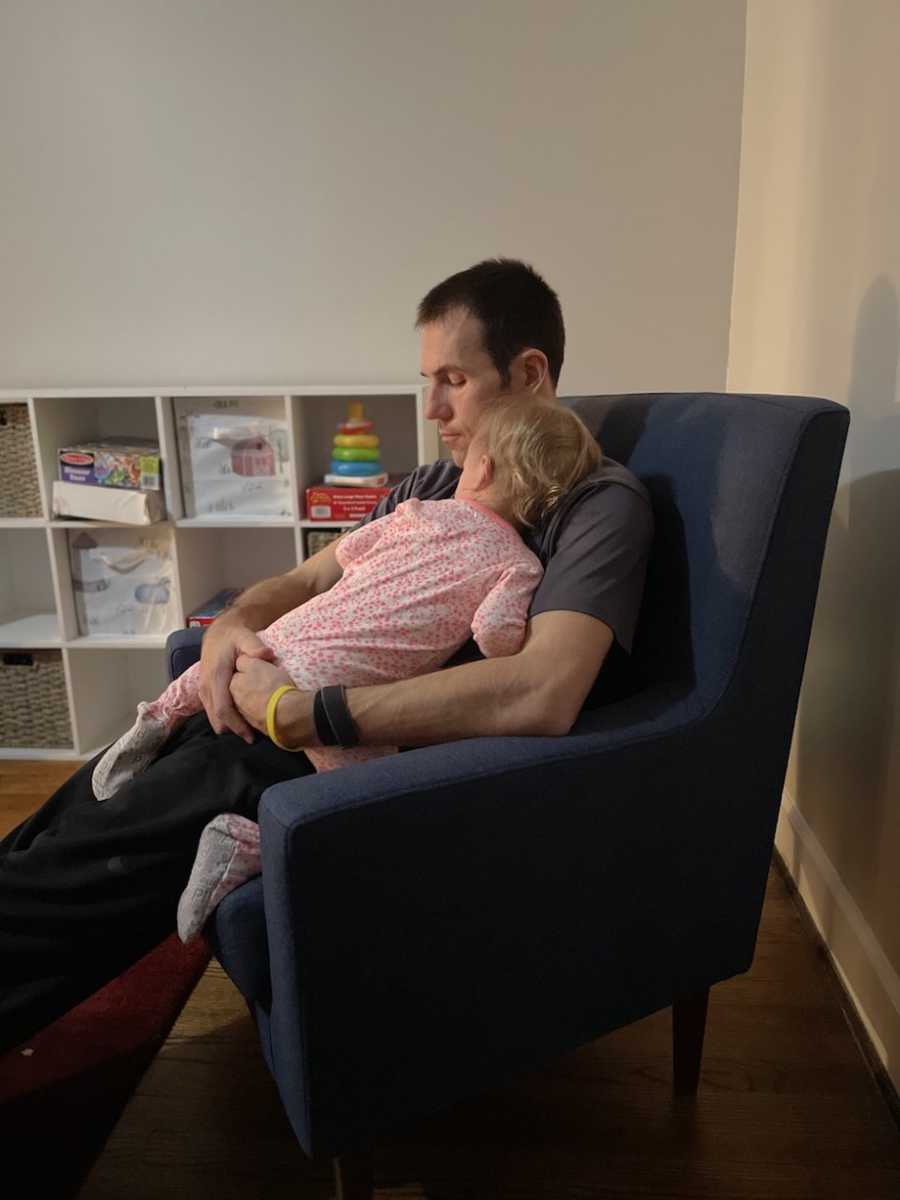
K’s arrival brought challenges. Scheduling her first medical appointment took weeks, and I felt judged before doctors even knew our situation. Daycare and therapy coordination required constant communication, patience, and advocacy. But the reward outweighed the struggle: K now sleeps soundly for eleven hours straight, something we weren’t sure she would ever do. She was initially terrified of books and baths, practically non-verbal, and anxious about new experiences. Within two months, she began talking up a storm. She laughs constantly, loves books and baths, and is thriving in preschool. Stability, routine, and love are allowing her to flourish.
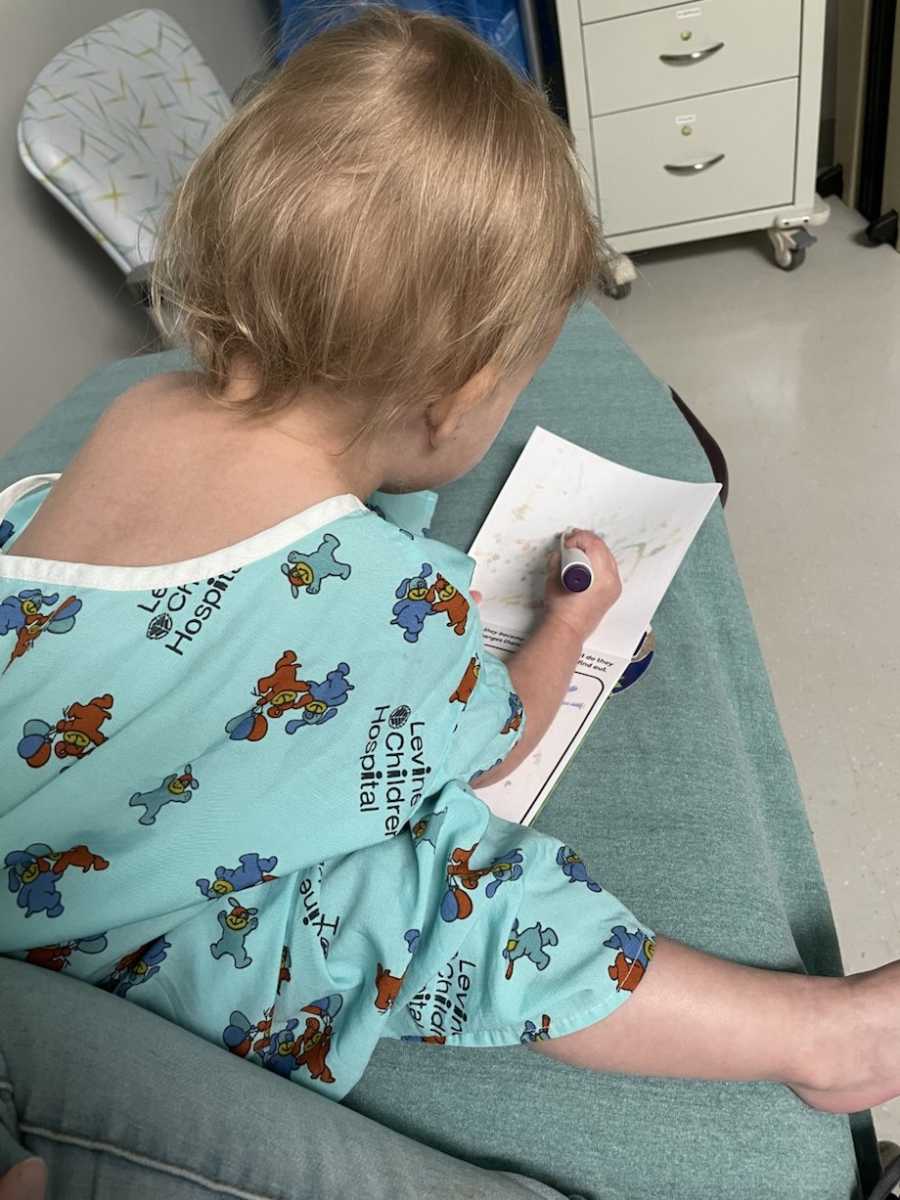
While trauma may last forever, so can a strong foundation. K is learning letters and numbers, eating well, staying active, and developing joy and confidence each day. Reunification with her biological family remains the ultimate goal, and we respect and support that bond. Our job is to provide her the foundation she needs to carry forward into whatever future awaits. Even if our time together is temporary, it is meaningful.
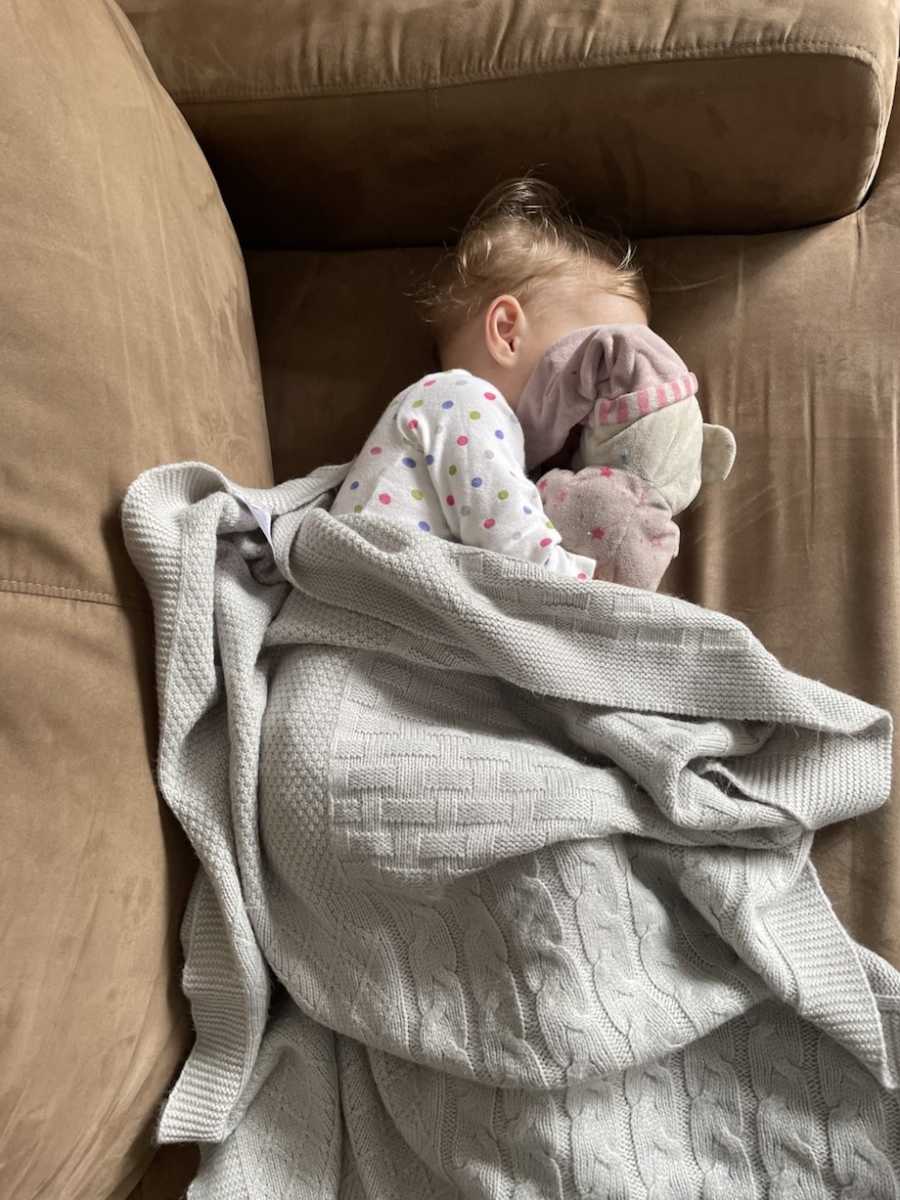
Friends often ask how we’ll cope when she leaves. Undoubtedly, it will be difficult—but we are blessed with a loving, stable family and a supportive community. To K, we are everything right now, and I cannot say no to that. She, like the 500,000 children in foster care across the United States, did not choose this path—but we can choose to be there for her.
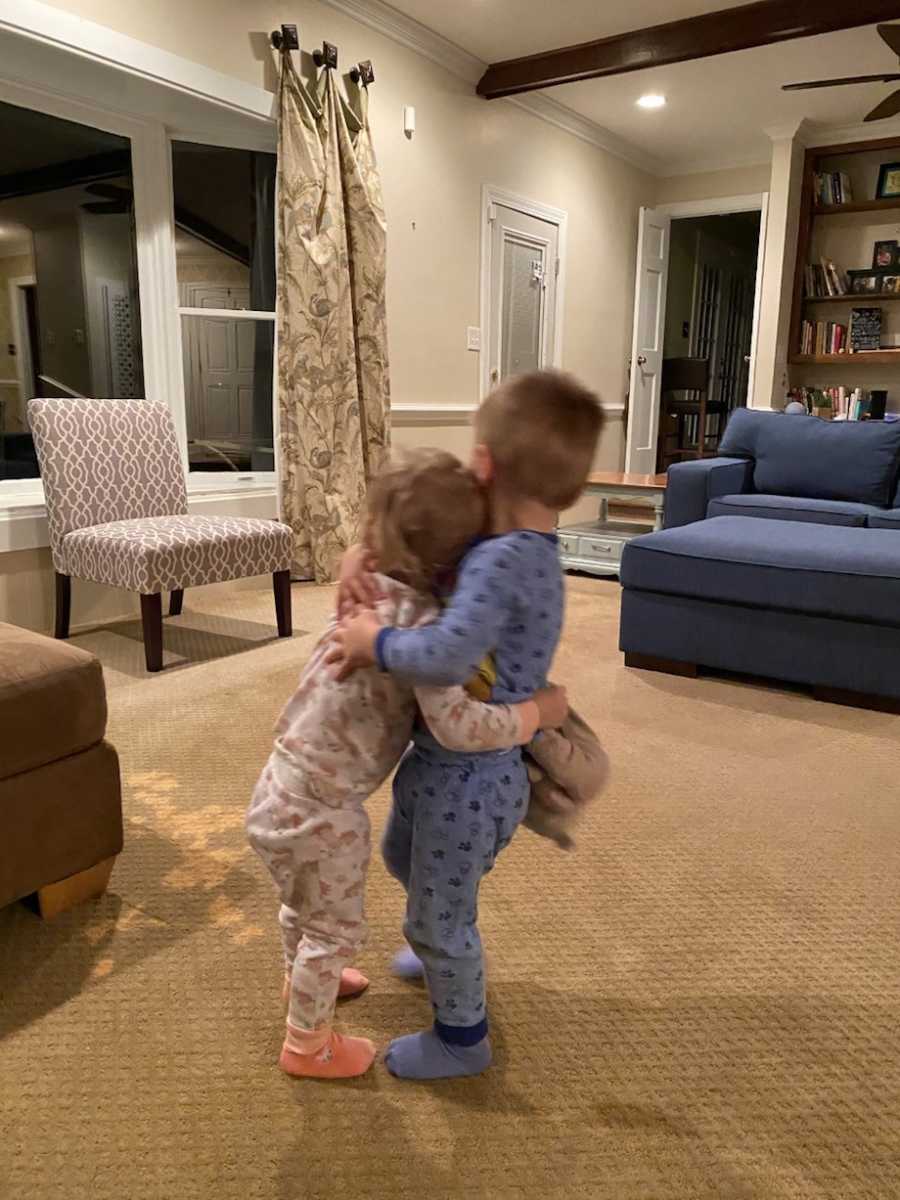
Our family therapist encouraged us to view foster children with admiration, for they have faced more in a few years than most adults ever will. I also admire K’s biological family—despite the challenges, there is love, and circumstances don’t define their potential to grow. This perspective helps me navigate frustration and maintain empathy, a mindset that is vital in foster care.
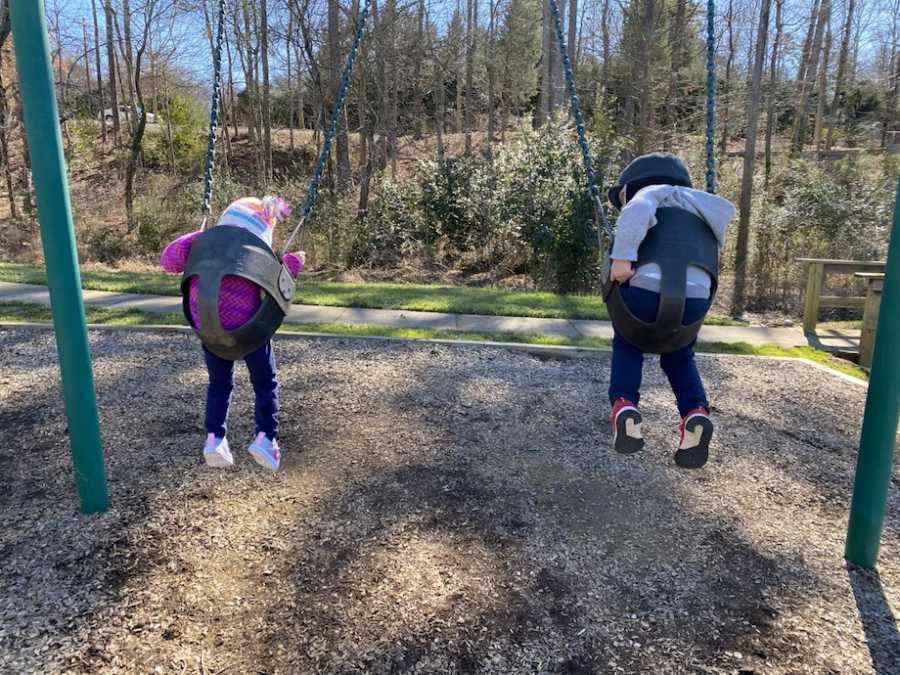
Foster care isn’t for everyone, but there are ways to contribute meaningfully at any stage. Jesse and I may not have been ready a decade ago, but even then, we could have supported local foster families through meals, donations, or respite care. Reflecting on our journey, I feel immense gratitude. The whirlwind of travel, work, and raising Maverick prepared us for this next chapter, grounding us in a new—but still busy—season of life. And right here, right now, it feels exactly where we are meant to be.