I grew up adopted — although, technically, my life began with my biological mom. Because of neglect, children’s services stepped in, and I was placed into foster care. I wasn’t there long before being matched with the people who would become my parents. I don’t actually remember those early days, but somewhere deep inside I always sensed I was different. Even as a child, I carried that quiet awareness. I used to joke that I belonged on “the island of misfit toys,” except I could never figure out where that island really was.
On the outside, my childhood looked picture‑perfect. I had two parents who loved me deeply, and I felt that love in very real ways. But because they loved me so much, the topic of adoption carried invisible boundaries. It wasn’t forbidden — just limited, as if there was only so much we were allowed to say. My mom’s familiar phrases — “you were chosen” and “it takes more love to give a child up than to keep them” — became the tidy responses meant to quiet my questions about who I was and where I came from.
That pat answer shaped everything. I often felt like a possession rather than a person. Back then, information was scarce, and adoption was framed as something you were simply “lucky” for. Even today, that narrative lingers — the idea that love alone fixes everything and our lives start the moment we arrive in our adoptive home. I loved my parents deeply and carry no resentment for being adopted, but adoption is still a loss. When that loss goes unacknowledged, the pain settles quietly underneath everything.
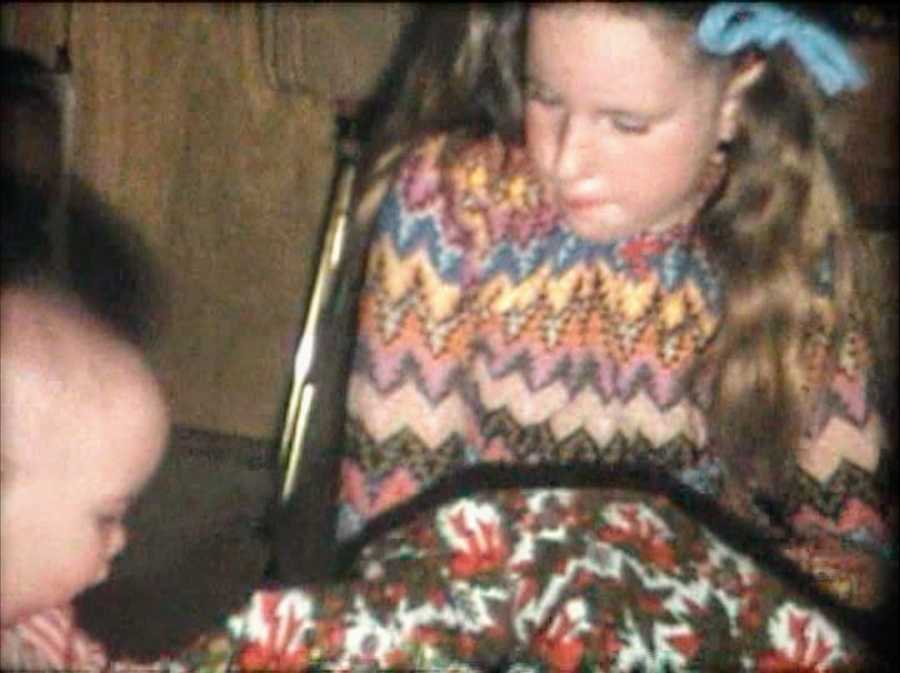
The idea of “Gotcha Day” has always made me uneasy because it can make us feel like objects. Celebrate our birthdays instead. The truth is, my parents had no idea what challenges came with me. I struggled constantly — dysregulated, overwhelmed, living with sensory processing disorder and prenatal alcohol exposure, all layered over the “mother wound.” School terrified me, and anyone heavy‑handed felt like a threat. Trouble followed me often, and even into adulthood I realized I didn’t do well with bosses. Eventually, I learned I had to work for myself. Growing up was rough because I was expected to function like any other biological child, while inside I felt profoundly disconnected.
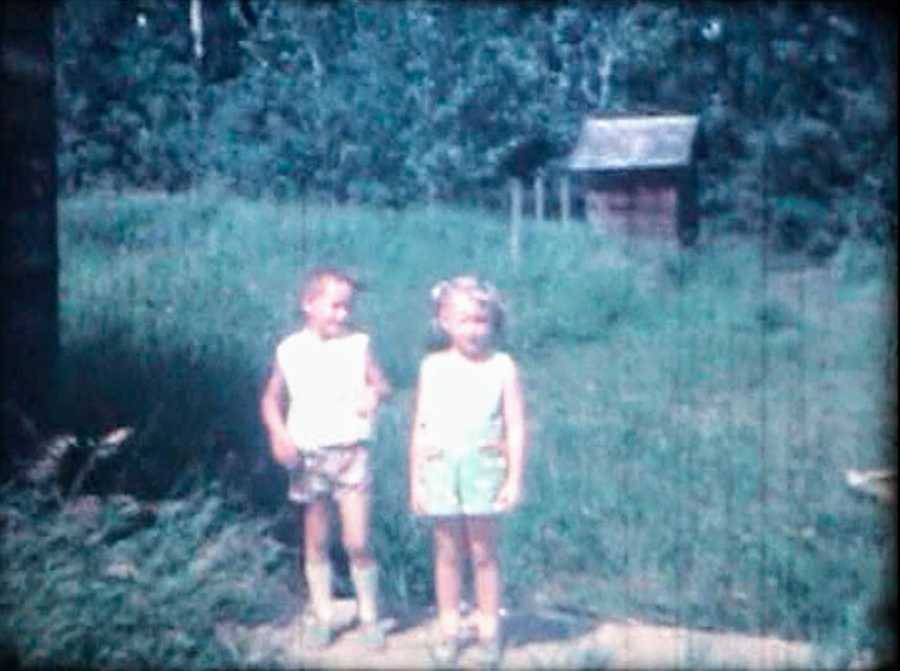
Most days I existed on the outside looking in — always watching, rarely belonging. I became a people‑pleaser, which I now know is common among adoptees. My adopted brother seemed to be everything I wasn’t: athletic, handsome, popular. Our relationship was painful. He tormented me, and the time between school ending and our parents getting home felt like daily dread. To them, it looked like ordinary sibling rivalry. To me, it felt like survival.
I still remember starting high school — tall, nervous, carrying the Dick name. The basketball coach heard “Graeme Dick’s sister” had arrived and expected greatness. When he discovered who I was, I saw the disappointment flash across his face. I snapped back, “We were adopted — I’m never what people expect.” I cried the whole way home. Moments like that repeated throughout my life, as if I constantly failed to meet expectations I never agreed to carry.
My curiosity about my beginnings never left. When I was thirteen, I asked my mom my real name. I saw fear ripple across her reflection as she washed dishes. She said, “Cheryl Lynn.” I blurted out that I hated the name — partly because a childhood bully shared it — and watched relief wash over her. In that instant, I understood that digging deeper wasn’t safe. So I buried the need to know and continued drifting like a “ghost in the room,” visible but unseen.
As I grew older, depression and anxiety settled in. Suicidal thoughts were frequent companions. When I was eighteen, my adoptive mother — my anchor — died of breast cancer. Losing her at that age shattered me. My father spiraled, and our relationship erupted into years of conflict. Then, in 1991, he died suddenly in a boating accident. We never had the chance to repair anything. I loved him, but we simply couldn’t navigate grief together — and suddenly, I was completely alone.
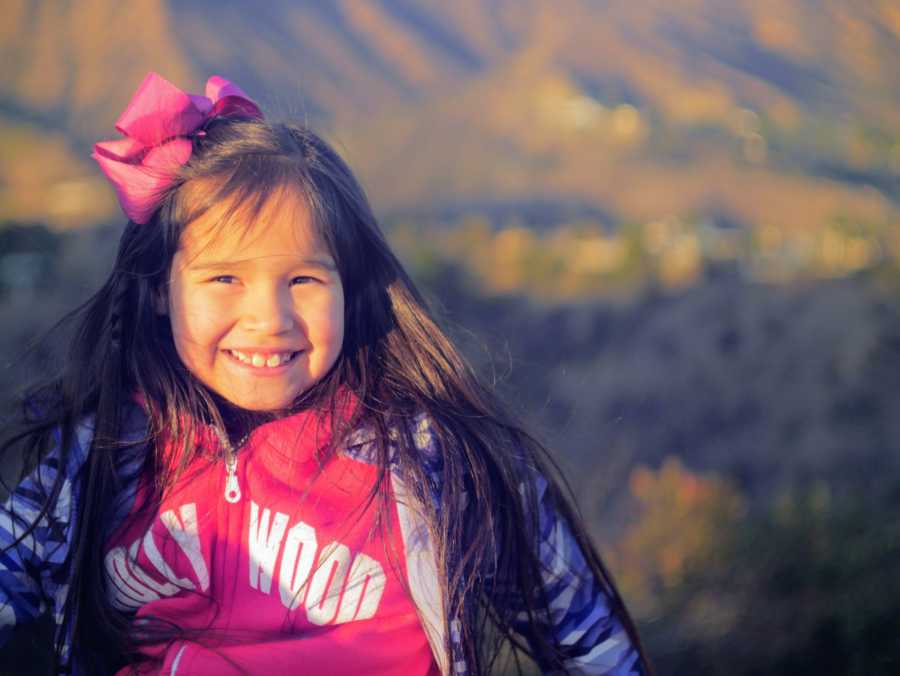
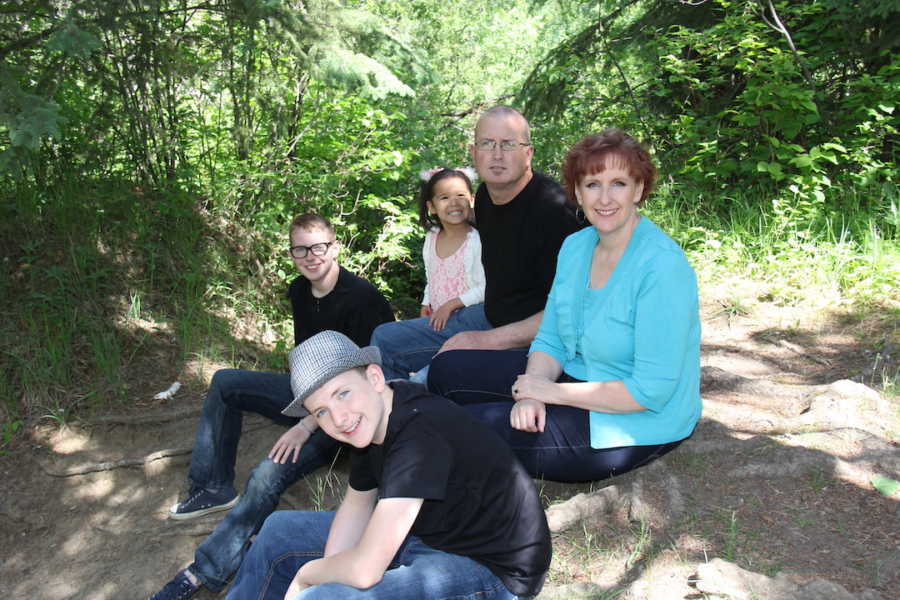
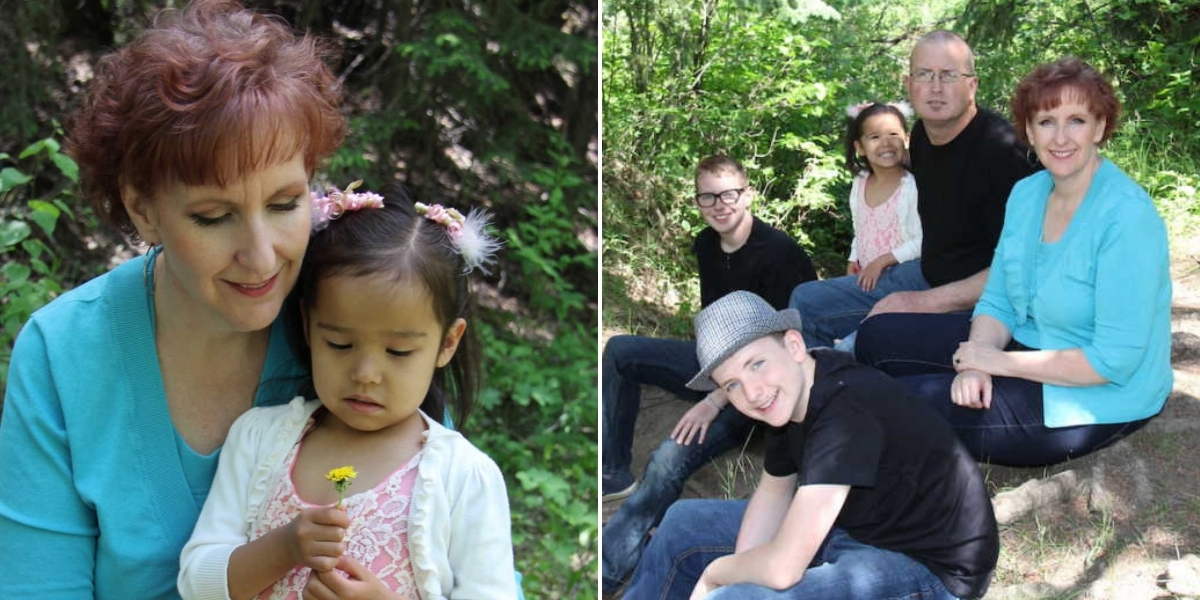
It wasn’t until I became a mother that my past began to make sense. My husband and I decided to foster and eventually adopt a little girl from the system, even though we already had two biological children. Serenity arrived fragile, fearful, and utterly precious — and I saw myself mirrored in her. I became determined to do better for her than anyone had ever been able to do for me.
But dealing with social services nearly broke me. The dismissive, often harsh behavior of workers triggered every buried wound. By the time Serenity’s adoption was finalized at age four, I collapsed into a nervous breakdown. I realized I could no longer outrun my trauma. If I didn’t face it, there would be nothing left of me. Finding an incredible therapist felt like fate, and I began a healing journey I’m still walking today.
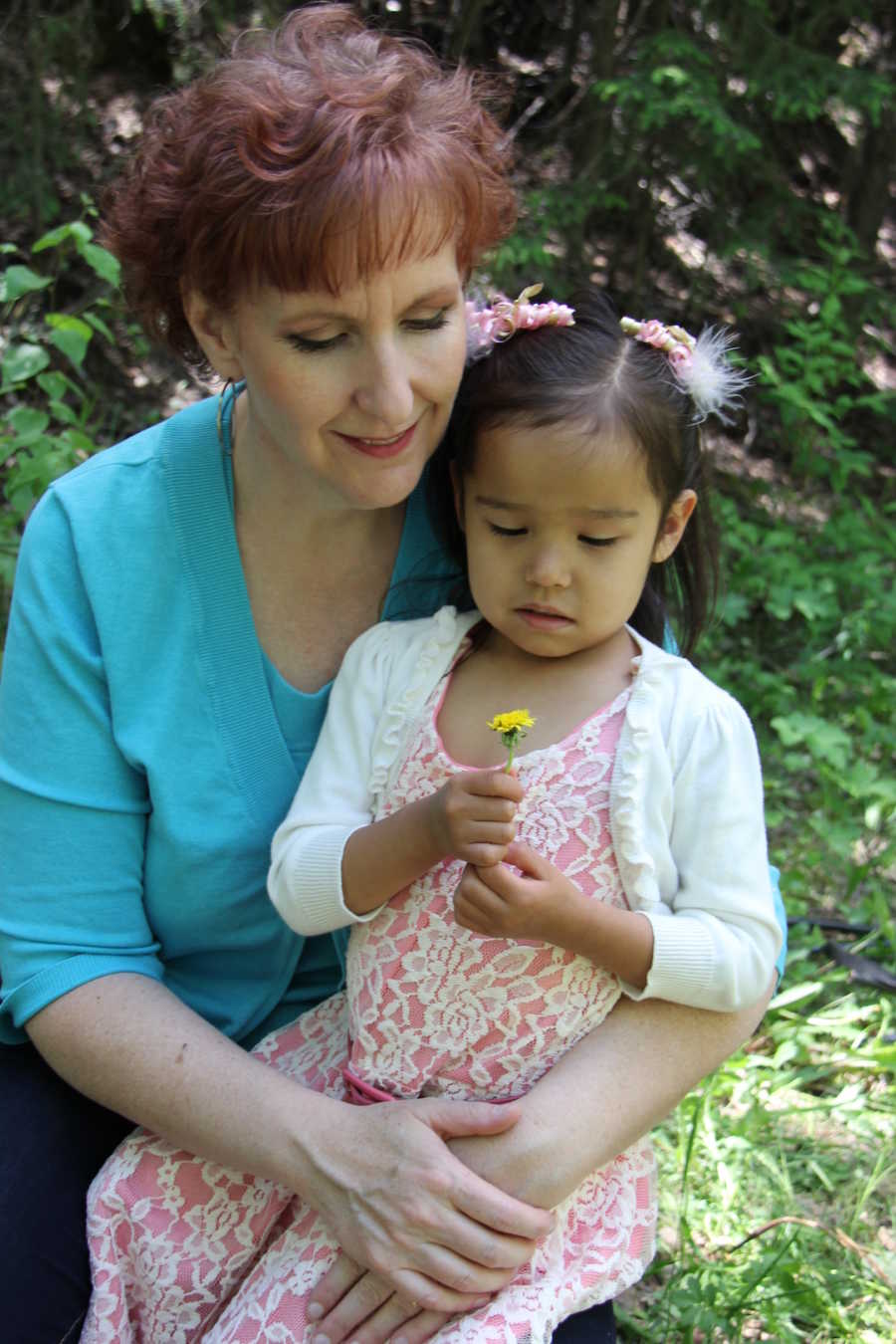
Through that work, I began understanding where I truly belong. My purpose shifted toward helping Serenity learn who she is and how she fits in the world. I wanted to protect her from the self‑doubt and emotional emptiness I carried for decades. She is Indigenous, and guiding her toward pride in her heritage while helping her feel rooted in our family and community has become sacred work.
What I’ve learned is this: life doesn’t happen to us — it happens for us. Adoption is both beautiful and heartbreaking. It holds joy and loss at the same time. Writing my book, In Search of Serenity, became a way to gather every lesson, every ache, and every moment of grace into something meaningful. Adoption requires honesty. It demands we recognize the child’s loss, not bury it beneath gratitude narratives. Only then can true healing begin.
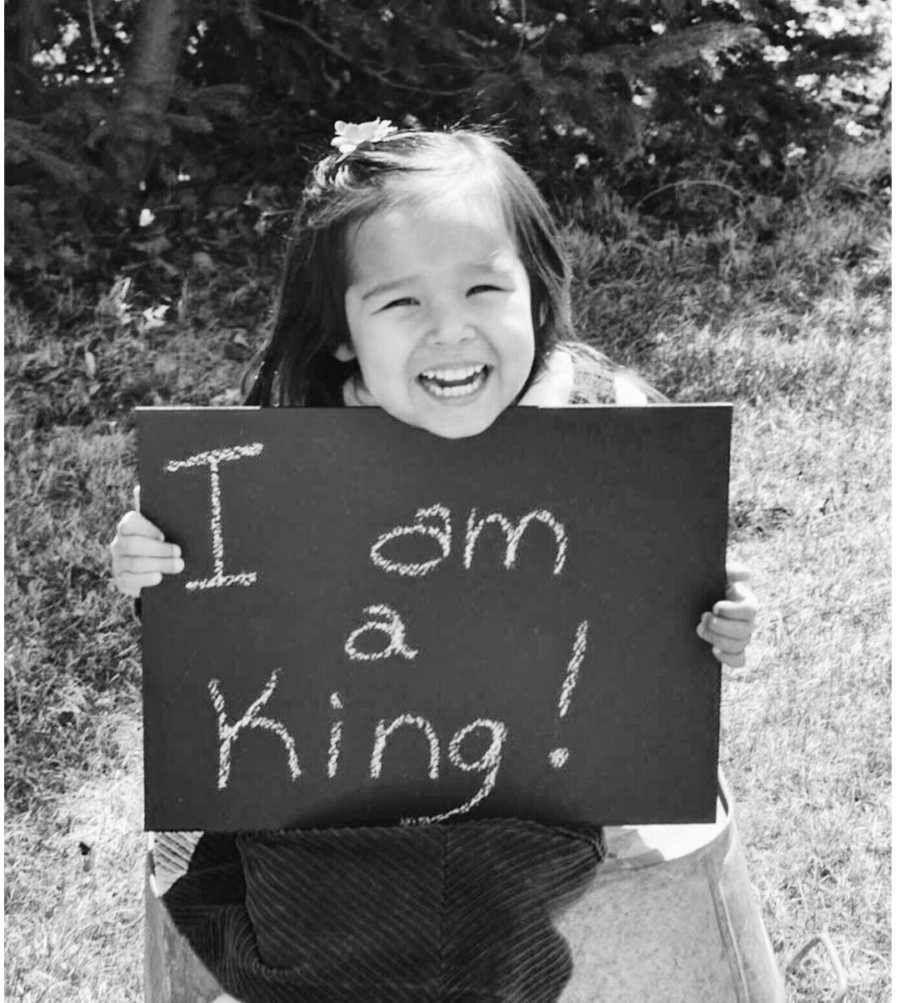
Today, I know I am not misplaced — I am the island I was searching for. And I want adoptees everywhere to know they belong, they carry deep wisdom, and they are not broken or second best. In many ways, we truly are the “chosen” ones.