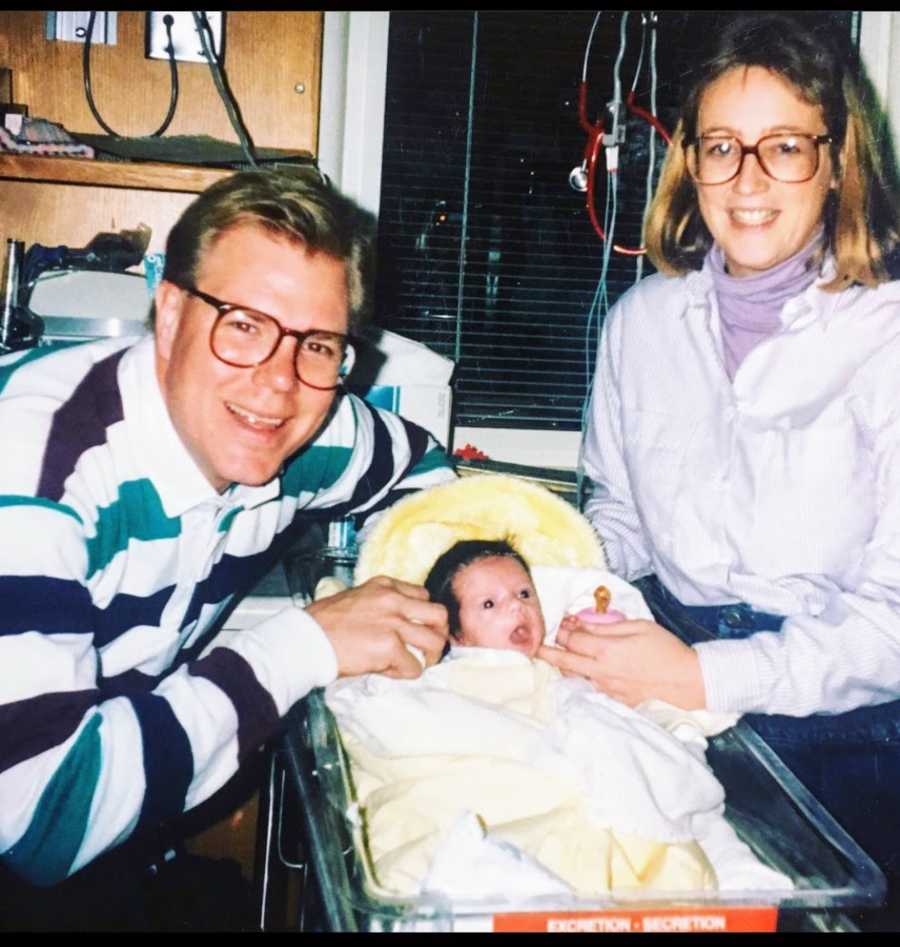
On October 14, 1988, a woman gave birth to a baby girl and made an adoption plan. This woman is my birth mother, and this is where my adoption story begins.
I was raised in a closed adoption and didn’t meet my birth mother until I was 23 years old. Our connection happened in a way that almost felt like fate—through my adoptive father’s business partner, who was also a close friend of my biological grandparents. When we finally met, my birth mother shared her life with me: she had married, had three children, and, interestingly, her middle child had been adopted internationally. That made her both a birth mother and an adoptive mother, a fact that resonated deeply with me.
Fast forward to my own journey into parenthood. My husband and I had faced years of infertility, undergoing countless fertility treatments before finally deciding to pursue adoption. We never imagined that three and a half years later, we would be embarking on our own adoption journey. In April 2020, we matched with an expectant mother. After weeks of careful planning, we met her in person before the birth and prepared for an open adoption together. For the first time, the dream of becoming parents felt truly within reach.
But then, our hopes were shattered. As the baby’s due date approached, the expectant mother stopped communicating. On May 19, our social worker delivered devastating news: the mother had been committing fraud, working with multiple agencies, maintaining two separate birth plans with waiting families, and receiving various funds. We were told to brace ourselves, as we might never learn the outcome. A week later, we learned that she had given birth—but had chosen to parent.
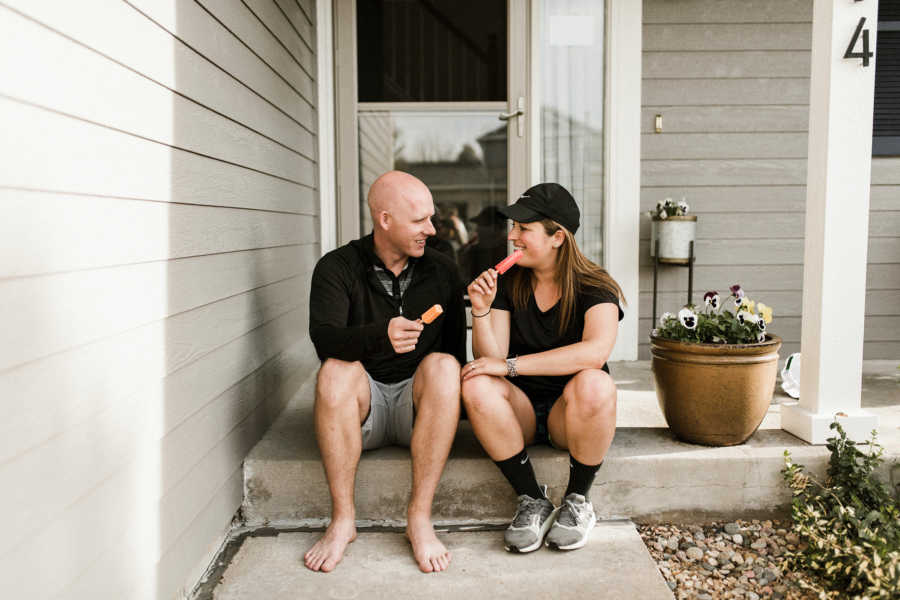
Our heartbreak was immense. We felt lost, confused, and profoundly hurt that someone could exploit our infertility struggles—and another couple’s—for financial gain. We questioned whether we could continue our adoption journey. But then, a glimmer of hope appeared. I thought of the connection I had recently made with my birth father, a serendipitous discovery that felt like a sign: our story was not finished yet.
The very next day, I received a notification on my DNA app, 23andMe. Curiously, I opened it and found a match—my birth father. Over the next six months, I developed a relationship with him and discovered two additional half-siblings I had never known existed.
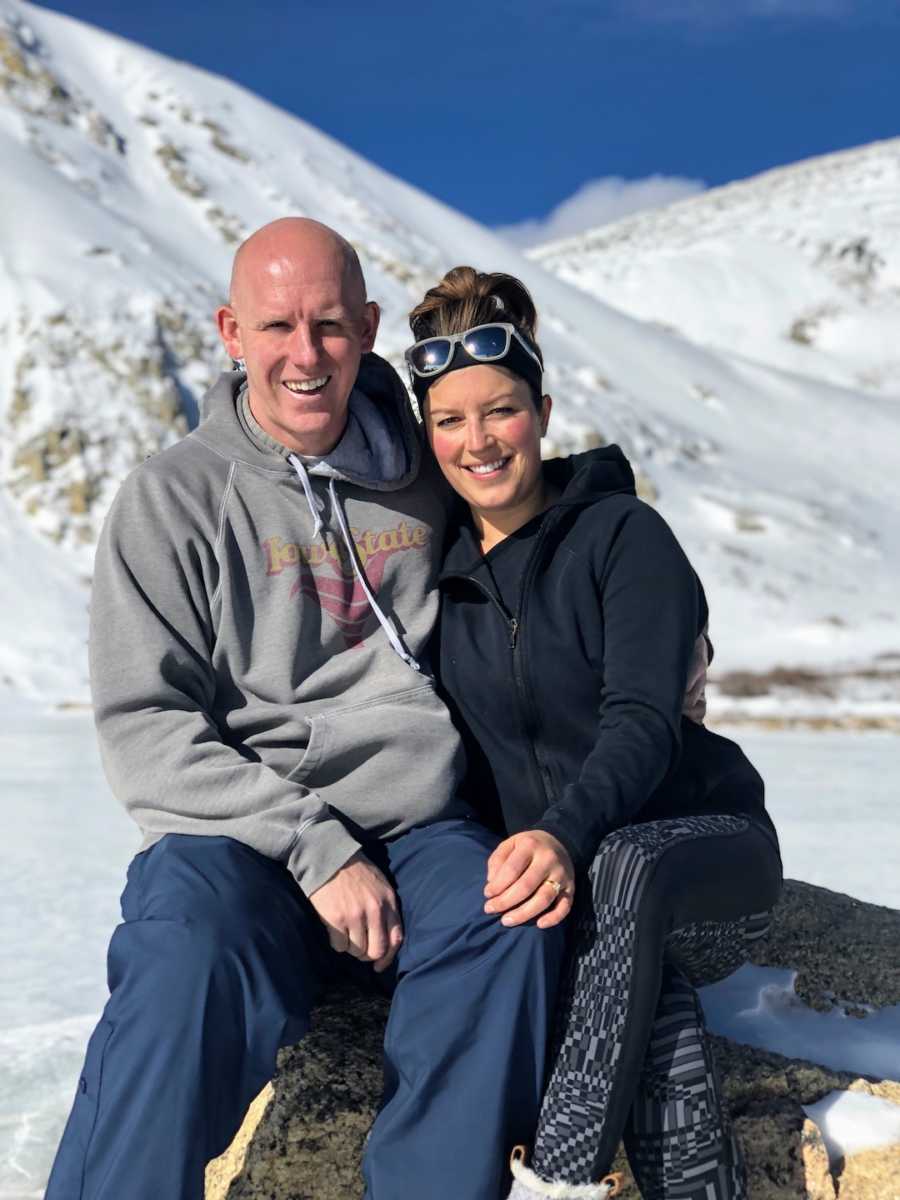
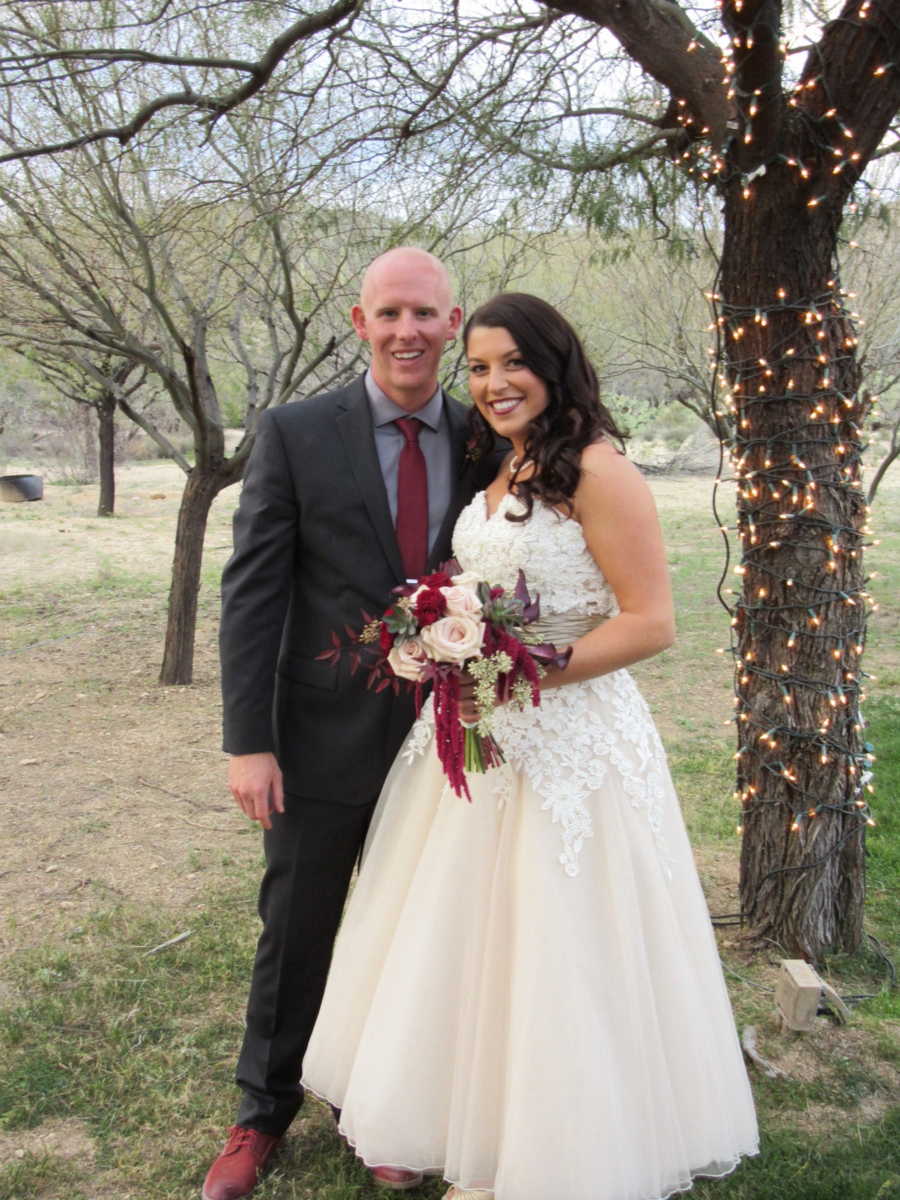
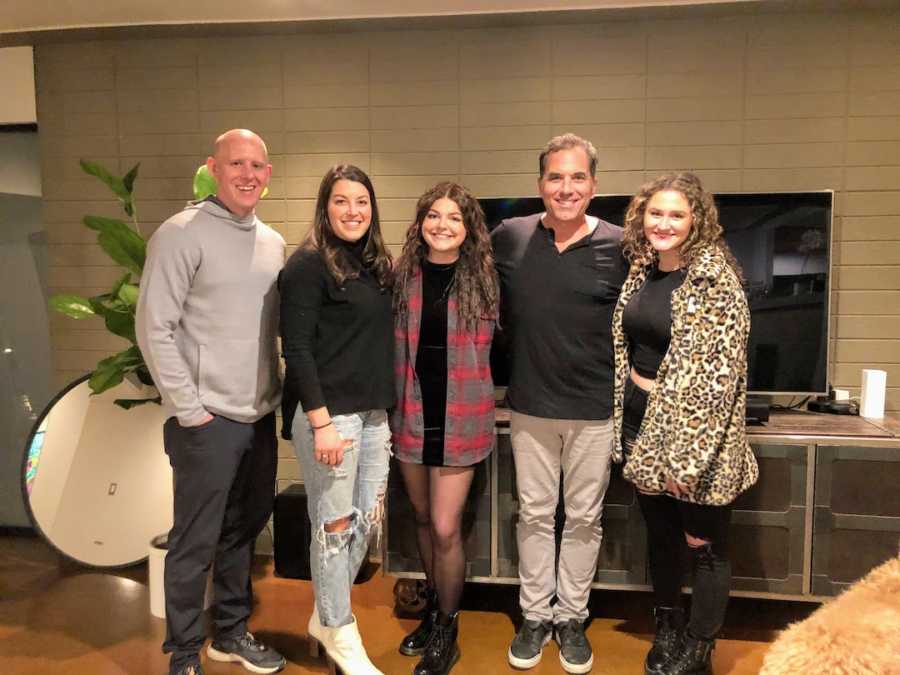
On New Year’s Eve 2020, my husband and I flew to Arizona to meet my birth father, my half-sisters, and other extended family members. Their warmth and hospitality made the weekend unforgettable. My birth father had no idea I existed, yet he welcomed me with open arms. Meeting my biological parents made me feel whole in a way I had never experienced before. Nerves melted instantly in the presence of unconditional love. My half-sisters, who attend the University of Arizona—where my husband and I had previously worked for three years—look so much like me, it was mesmerizing to see myself reflected in them.
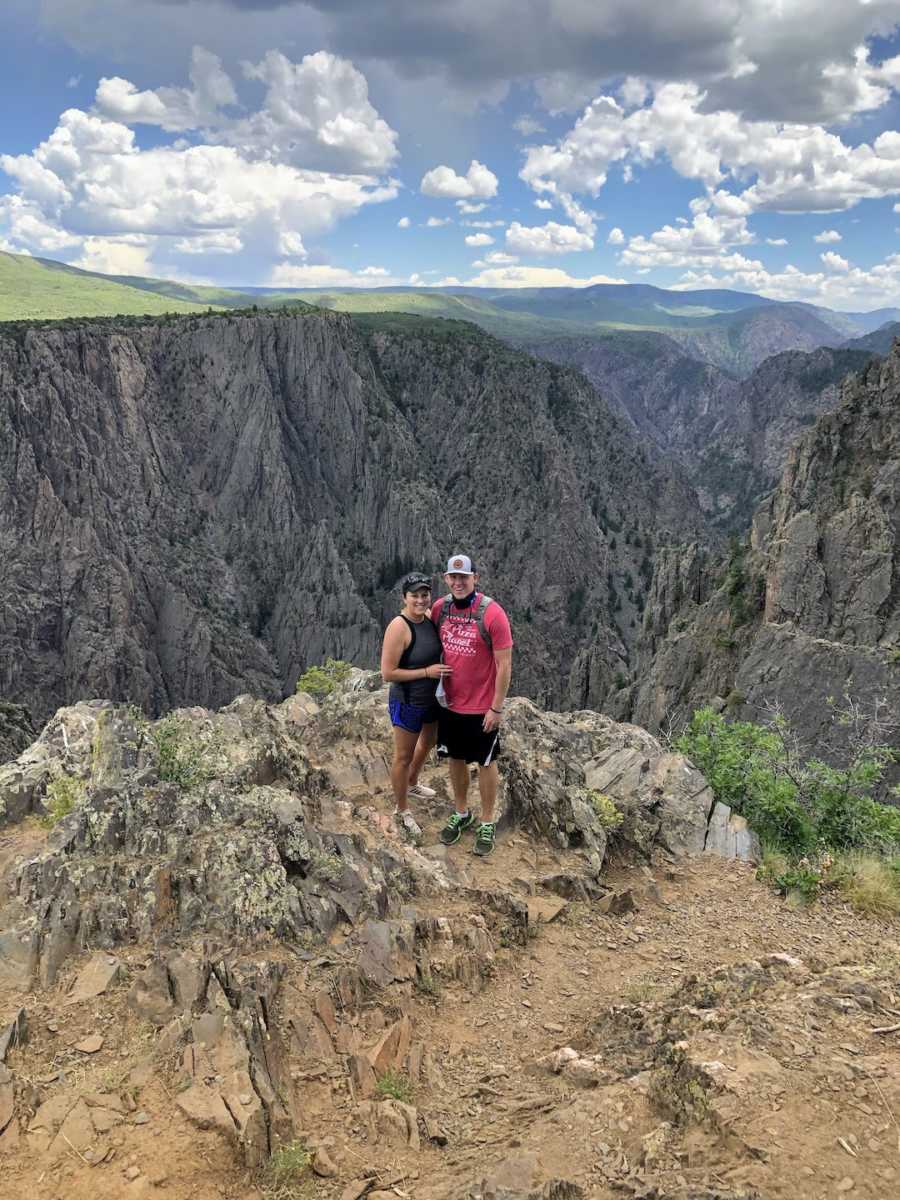
Being raised as an only child, I had always longed for siblings. I remember asking Santa many Christmases for brothers or sisters, never realizing the wish had caused unintentional pain for my adoptive mother, who could not have biological children. Meeting my half-sisters, watching them bicker like typical 20-year-olds, and knowing that our future children would have extra aunts, uncles, grandparents, and great-uncles was a gift I never expected.
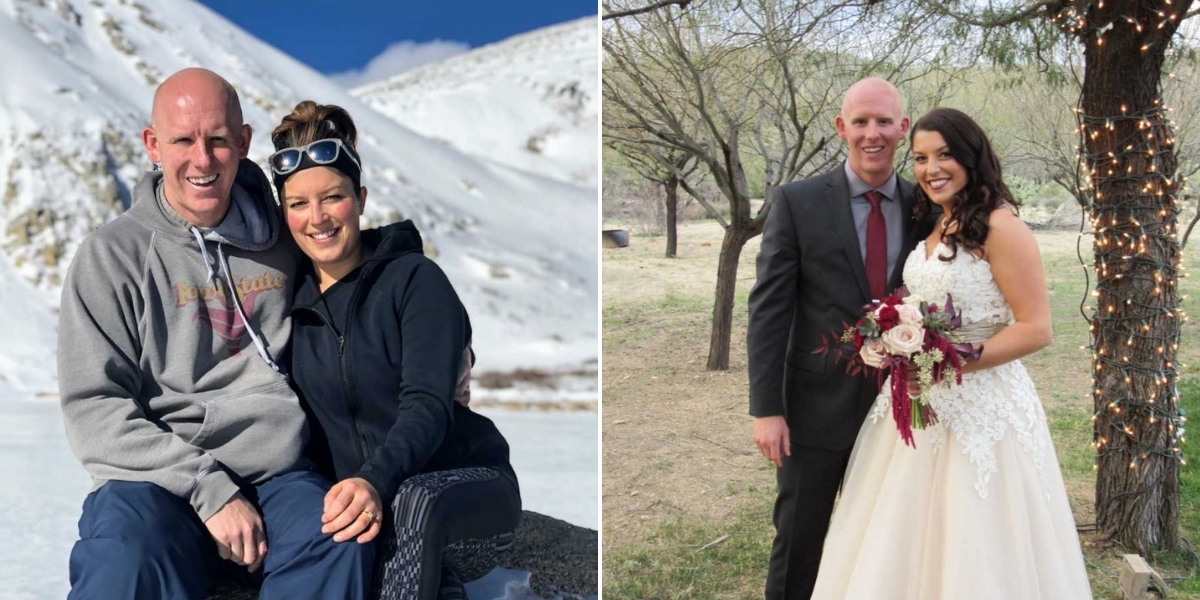
Being an adoptee has given me a unique perspective on adoption. People pursue adoption for many different reasons, and my own path has been filled with challenges. The past four years—especially navigating infertility and adoption—have been the most difficult of my life. I feel incredibly fortunate to have a partner who has supported me unconditionally through every twist and turn. I will never forget our Arizona trip and my husband nervously watching the baggage claim, worried we could be catfished! His protective love made those trying years manageable.
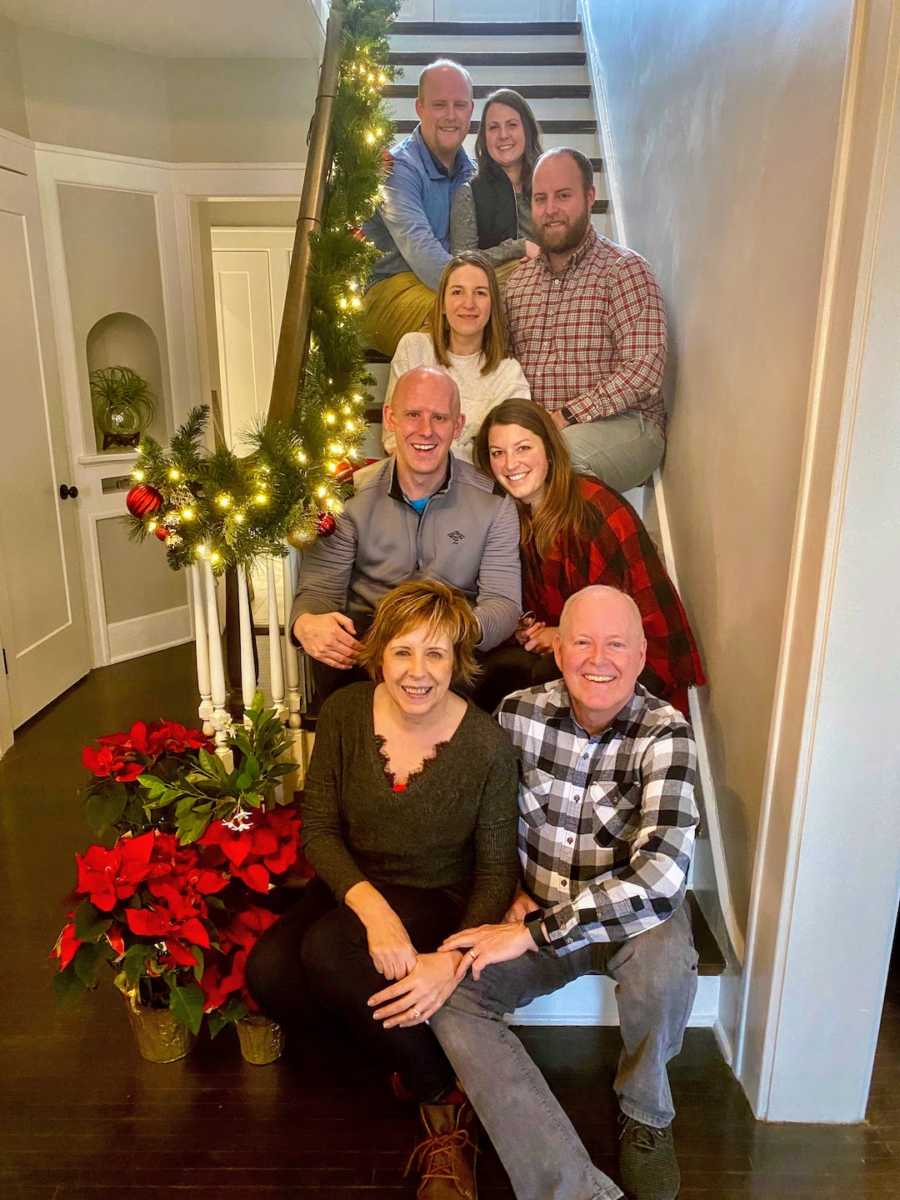
Looking to adopt as an adoptee myself feels like coming full circle. My entire family exists through adoption—my birth mother adopted, I was adopted, my cousins and uncle are adopted, and my husband’s family also includes adoptees. Our family thrives on love, connection, and the bonds adoption has created.
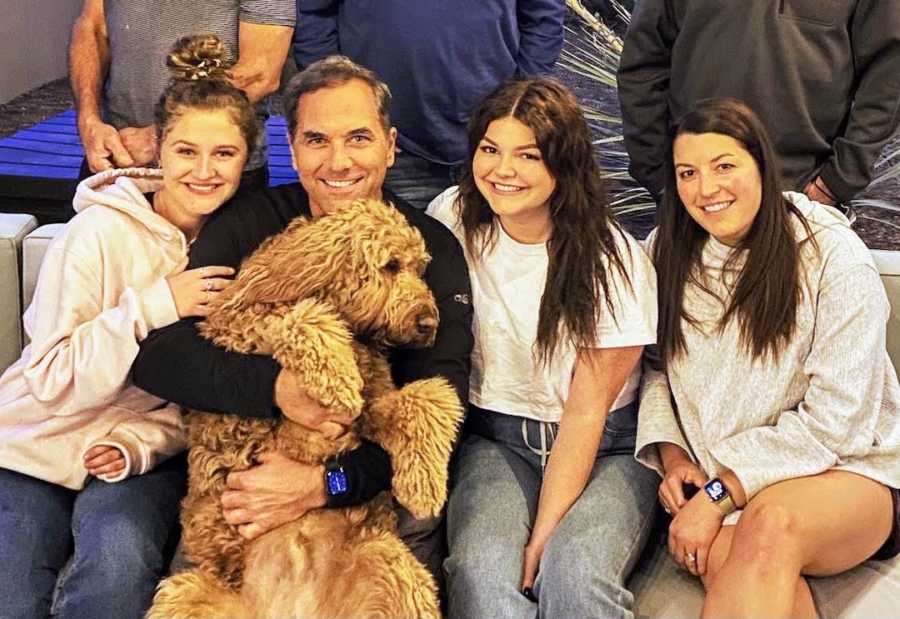
I often wonder if being adopted will help me understand my own child. I believe it will. Yet, I never felt misunderstood as a child. My birth mother wrote me a letter at the hospital, which my adoptive parents read to me every year around my birthday. That letter now sits in our nursery, a reminder of identity, hope, and love. I was raised with a strong sense of self, acceptance, and examples from my adoptive parents of patience, honesty, and trust in the adoption process.
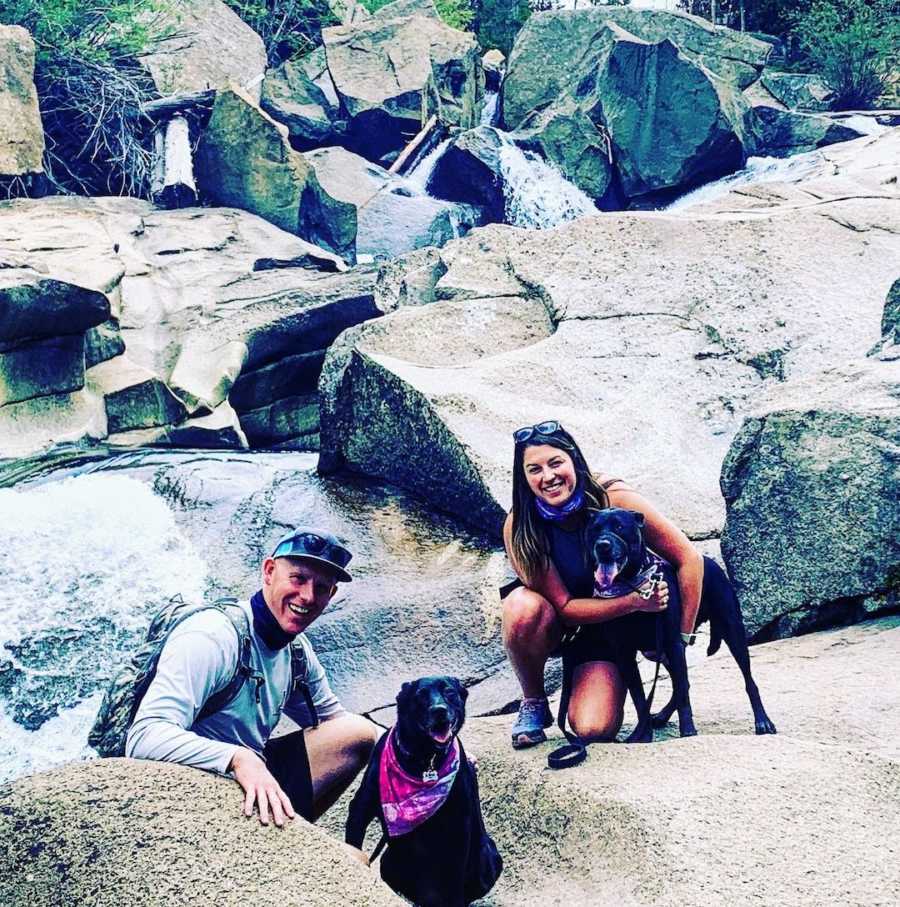
Even so, my journey has not been simple. Many adoptees share their stories to illuminate adoption’s challenges, often in ways that feel one-size-fits-all. I have always felt conflicted navigating the adoption triad—my love for my adoptive parents is unconditional, and so is my love for my birth parents. Pointing fingers within the triad is rarely helpful. Therapy has been a lifeline for me to process these feelings.
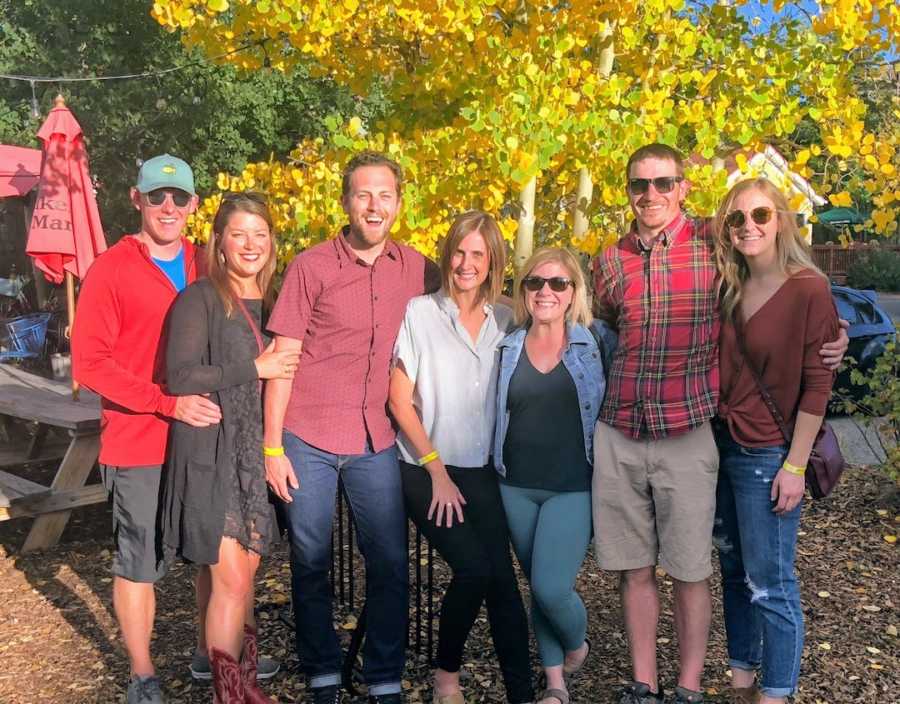
Identity as an adoptee can be complex, and as a hopeful adoptive parent, the weight of “calling out” within the adoption community can be heavy. I often need to step back from social media to maintain perspective. Each voice—birth parent, adoptee, and adoptive parent—is unique and deserves respect.
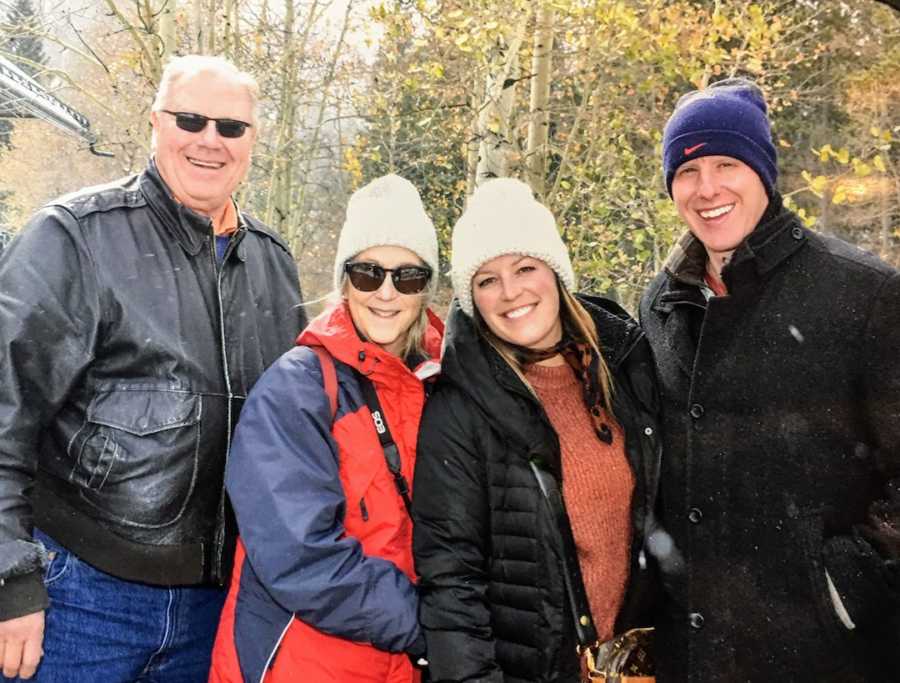
Our adoption journey has been filled with peaks and valleys, but I draw hope from the strength in my story’s beginnings. Adoption is not only my past—it is my present and my future. And, as life continues to unfold, my story is still being written.