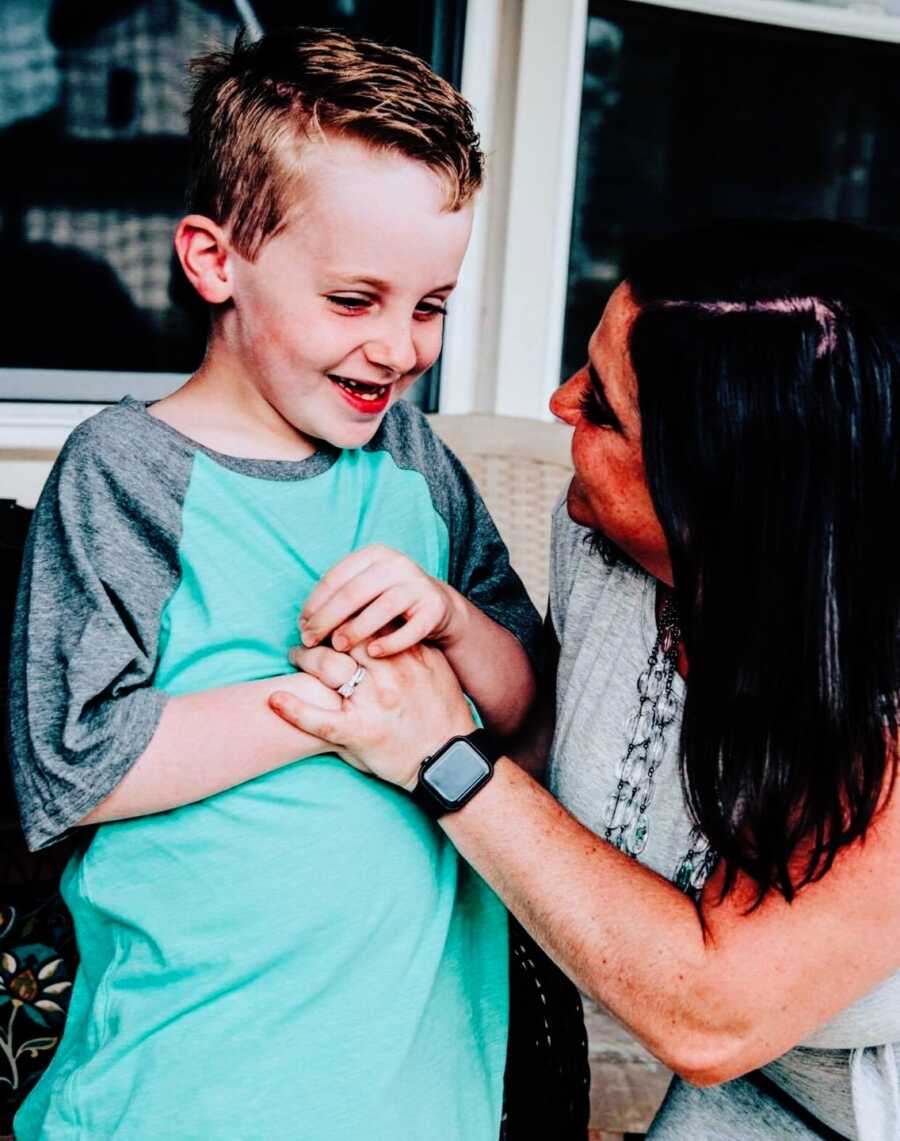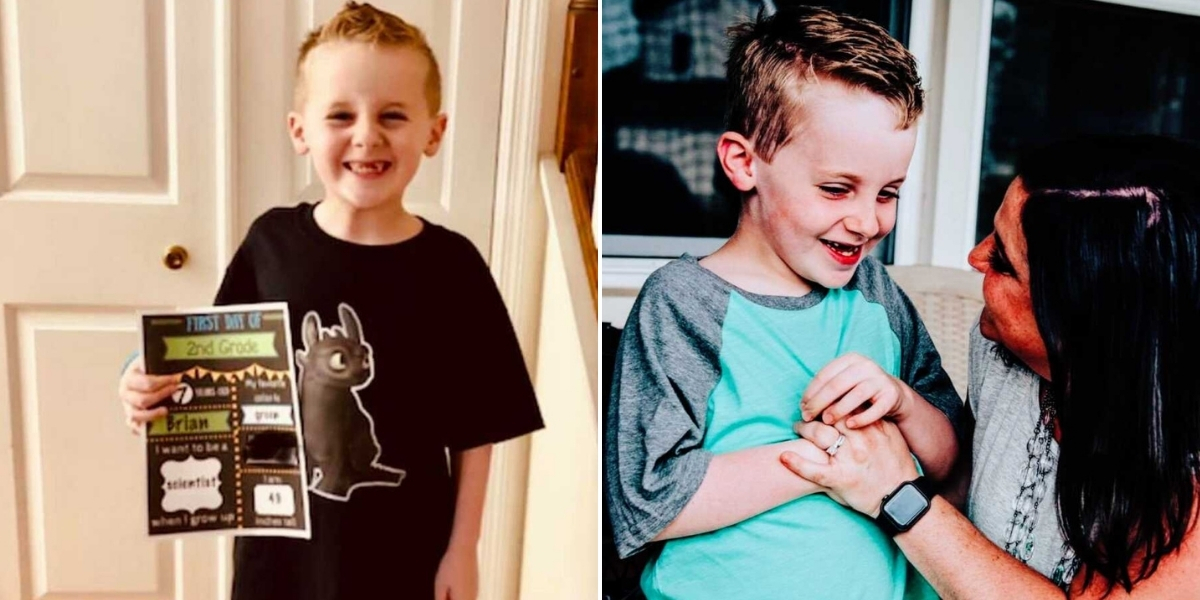
At 5:15 a.m. yesterday morning, my 7-year-old woke up with nervous excitement for his very first day of second grade. He ate his breakfast, watched a little TV, got dressed, and even cooperated for the obligatory “First Day of School” photos I insisted on capturing. Despite his anxiety, he knew exactly what to do and handled the morning like a champ.

The evening, however, was a completely different story. I tried everything in my power to prepare for what I knew could be an after-school meltdown—but nothing worked. Snacks were ready. Drinks were ready. Dinner was cooking and on the table shortly after 5 p.m. Screen time was limited. We took a walk, and he played with friends. None of it mattered, because the issue wasn’t hunger, boredom, or needing fresh air. The real problem was simple and overwhelming: my son was exhausted.
So I shifted gears and started our nighttime routine—shower time, pajamas, medicine and vitamins, and one more snack, because growing kids always seem to need one more. I lay beside him in bed, read a book for maybe two minutes, and just like that, he was fast asleep.
Sometimes meltdowns happen because being overtired can make anyone cranky, emotional, and even mean. Ask any mom—we’ve all been there ourselves. While his behavior and attitude frustrated me deeply, I did my best to stay calm and talk things through with him. I won’t pretend I was perfect. There were moments when I raised my voice because patience feels almost impossible in those moments. Then it hit me: when I’m tired or hungry, I’m not always my nicest self either.
After-school meltdowns happen to most kids at some point. Empathy can guide us toward better choices as parents. Listening to what your child is really saying helps uncover the problem beneath the behavior. Respond to the problem, not the behavior itself. I’ll be honest—I don’t always do that. Sometimes I react instead of responding, and when I do, it usually makes everything worse.
Fire can’t put out fire, but water can.
Yelling during a meltdown often adds fuel to the flames—I’ve learned this the hard way. Taking deep breaths, staying quiet, or speaking calmly truly makes a difference. Once children begin to regulate their emotions, they can finally hear us and understand what we’re trying to say.
The first few weeks of school are incredibly hard. New schedules, new teachers, new expectations, and sometimes new friends can be overwhelming. Our job is to let our kids ride it out and be the safety net they can fall into when emotions take over. It’s not easy. Patience doesn’t come naturally—it takes practice, and mistakes are inevitable. All we can do is keep trying, learn as we go, and love our babies with everything we have.