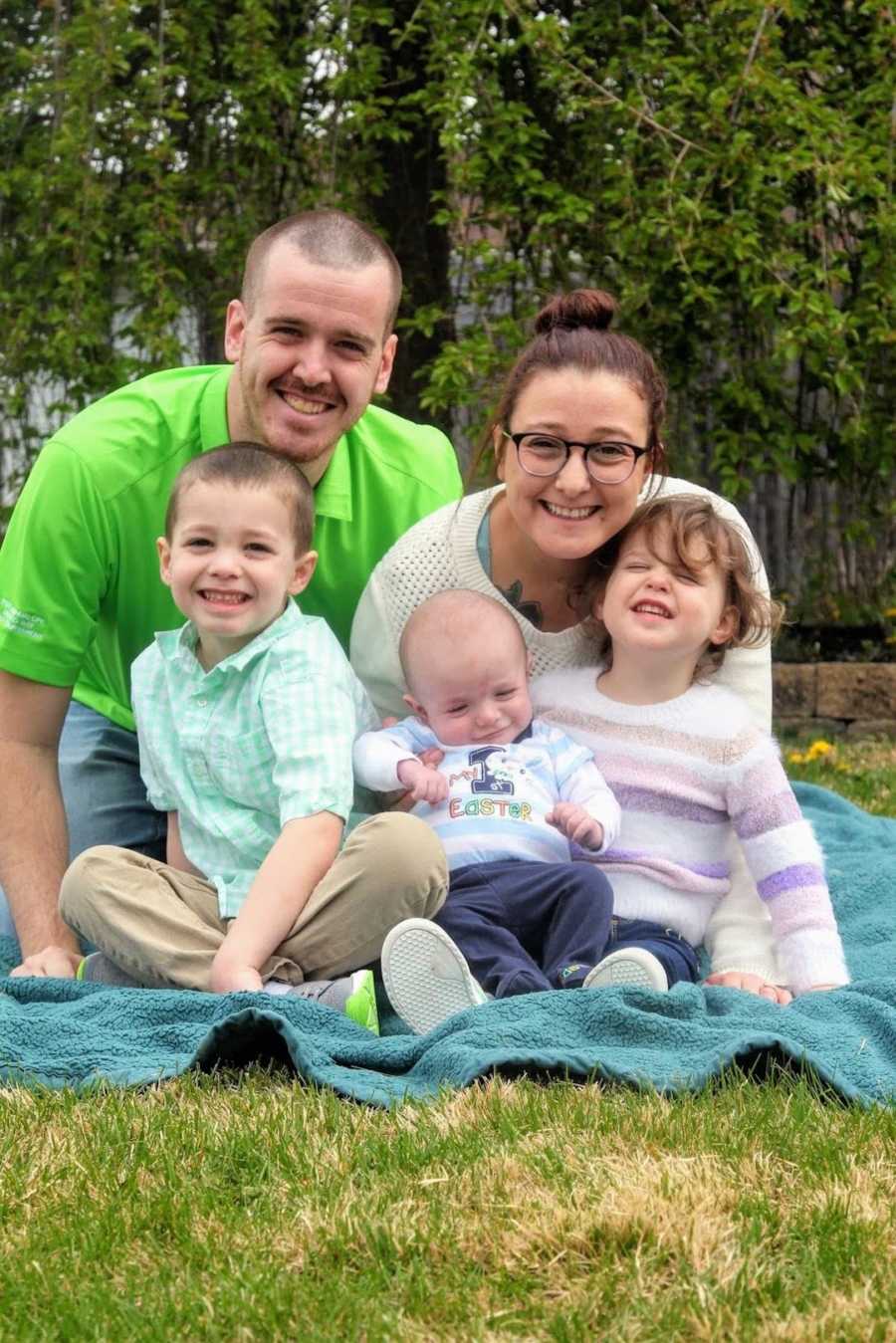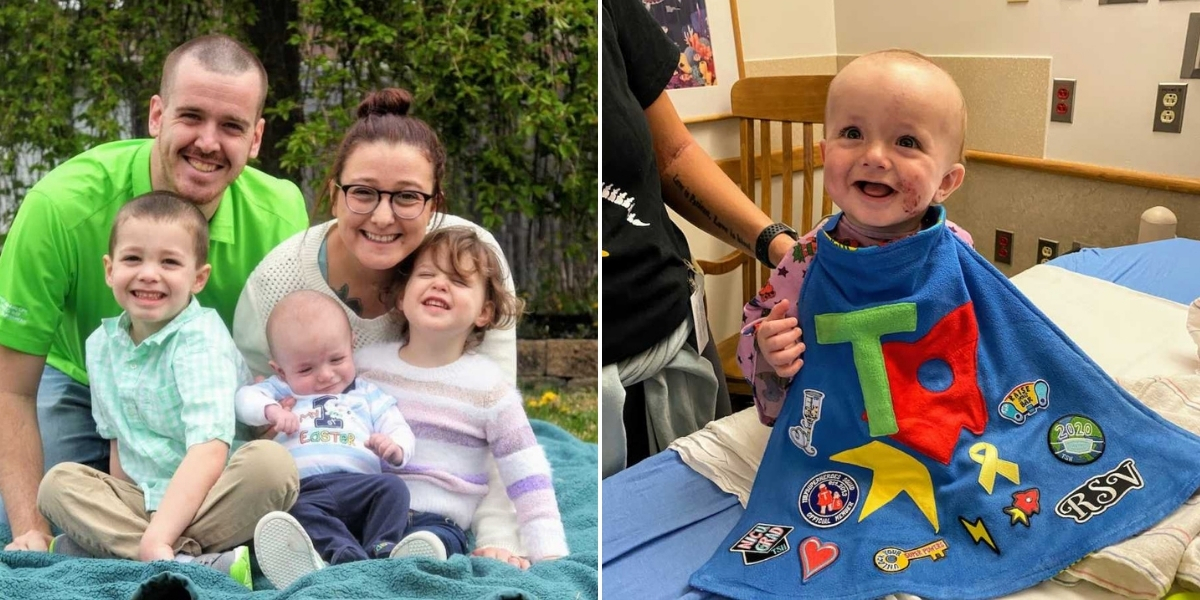
My husband Dan and I already had two wonderful children: a four-year-old boy and a one-year-old girl. We had always dreamed of having a third child, as both of us had grown up in families of three. Our wedding reception was on March 23, 2019, and just two months later, I discovered I was pregnant again! We were overjoyed, yet cautiously excited. We had experienced a few miscarriages in the past, so this pregnancy felt like both a miracle and a test of our hearts. Each ultrasound, hearing our baby’s heartbeat, brought us relief and reassurance. Soon, we found out we were expecting a boy!
Choosing his name was heartfelt and deeply personal. Both Dan and I had lost people very dear to us—I lost my dad, Brad, and Dan had lost his uncle and best friend, Tommy. It felt fitting and meaningful to name our baby Thomas Bradley, honoring their memory while celebrating new life.
Everything seemed to be going well, until a routine blood test brought devastating news. My sequential screening came back high for Trisomy 18, also known as Edwards syndrome—a severe condition causing developmental delays and life-threatening birth defects. Most babies diagnosed with Edwards syndrome either do not survive birth or pass away within their first year. We were faced with an agonizing choice: hope the results were wrong or undergo an amniocentesis, a procedure with 99% accuracy. With two children already and the reality of having to explain a potential loss to them, we needed certainty.
The amniocentesis was uncomfortable, but over quickly. We prayed and hoped for a negative result, and a few days later, our prayers were answered—Tommy was healthy, genetically perfect. The relief was overwhelming; we hugged, cried, and thanked the universe for our miracle.
But life has a way of keeping us humble. On December 4, 2019, just three weeks before my due date, I woke up feeling unusually unwell. My stomach ached, I had a headache, and all I wanted was to rest—though our home was alive with the chaos of workers putting on a new roof. By 2 p.m., I was nauseous and weak. After trying to eat, I ran to the bathroom and then called my mom for advice. “Do you think you’re in labor?” she asked. I had never had a natural birth, so I laughed through the pain, unsure of what labor even felt like. My OB instructed us to head to the hospital.
At the hospital, the monitor showed I was 4cm dilated, contracting every five minutes. Labor had begun. We walked the hospital floor for hours until I reached 6cm and was admitted to the delivery room. Early the next morning, Tommy was born, weighing six pounds. But he did not cry. His oxygen levels were low, and he was whisked away to the NICU. Dan and I were left in our room, exhausted and heartbroken, unable to hold the baby we had so long anticipated.
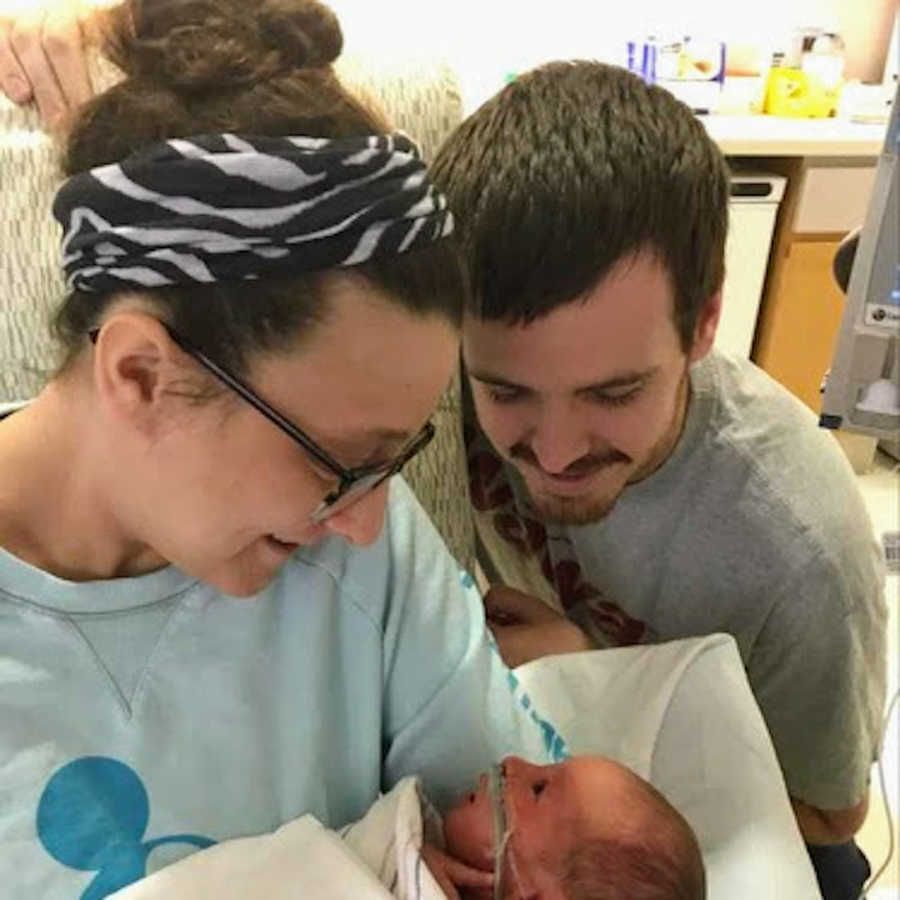
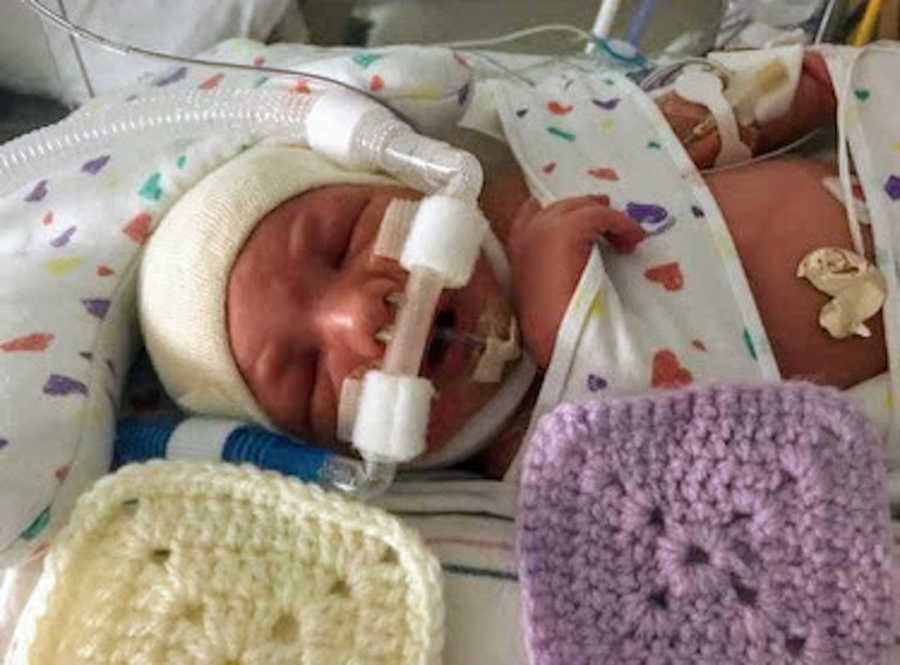
The first week in the NICU was a blur of feeding tubes, oxygen monitors, and overwhelming emotion. Finally, Tommy came home. We thought the worst was behind us, but the challenges continued. In February, our oldest son fell ill with a high fever, and soon Tommy followed, his breathing alarming. He tested positive for RSV, which can be deadly for young children. Tommy was admitted to the PICU, on oxygen and deep suctioning, unable to eat. He lost weight and was diagnosed with failure to thrive.
During a routine checkup, an ultrasound of a sacral dimple revealed a concerning finding on Tommy’s spine, later confirmed by MRI. We met Dr. Kennedy, a neurosurgeon, who diagnosed Tommy with spina bifida, lipomyelomeningocele, and a tethered spinal cord. He explained that the fatty tumor encased nerves controlling Tommy’s lower body, and the only treatment was surgery.
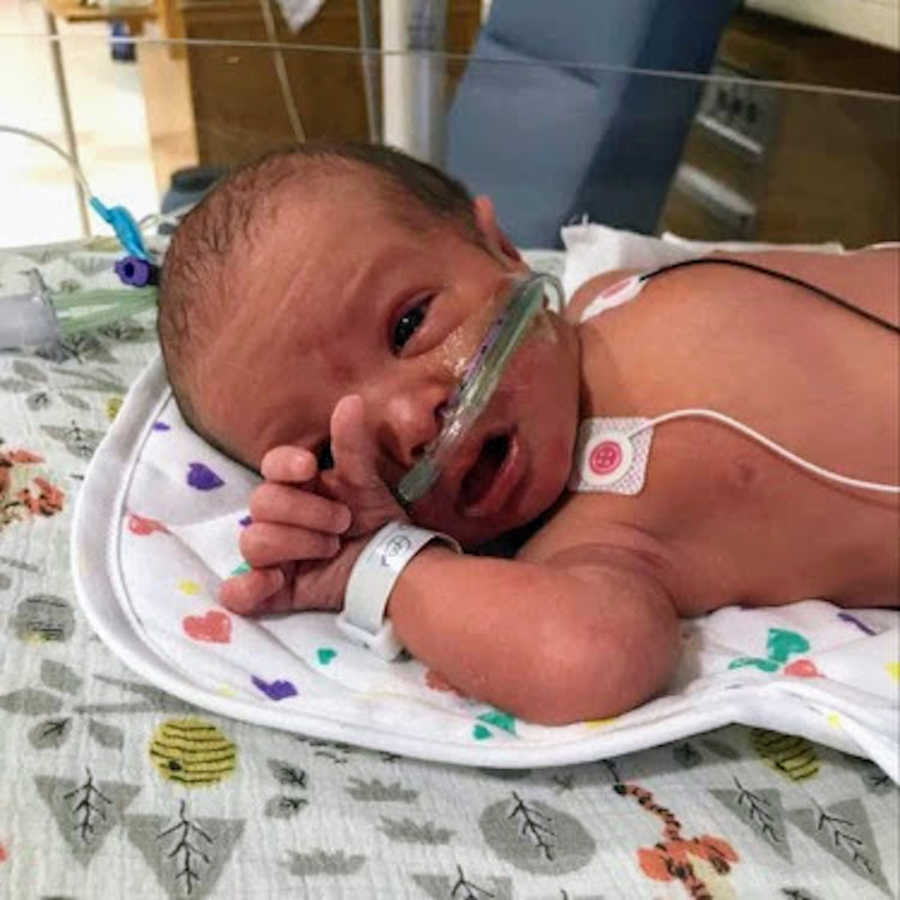
On July 28, 2020, Tommy underwent a complex 11.5-hour surgery. We anxiously awaited updates, fearing he might lose the ability to walk or control his lower body. Miraculously, Dr. Kennedy successfully untethered Tommy’s cord and removed the tumor. Recovery was slow, and Tommy temporarily lost the ability to urinate independently, teaching us catheterization at home.
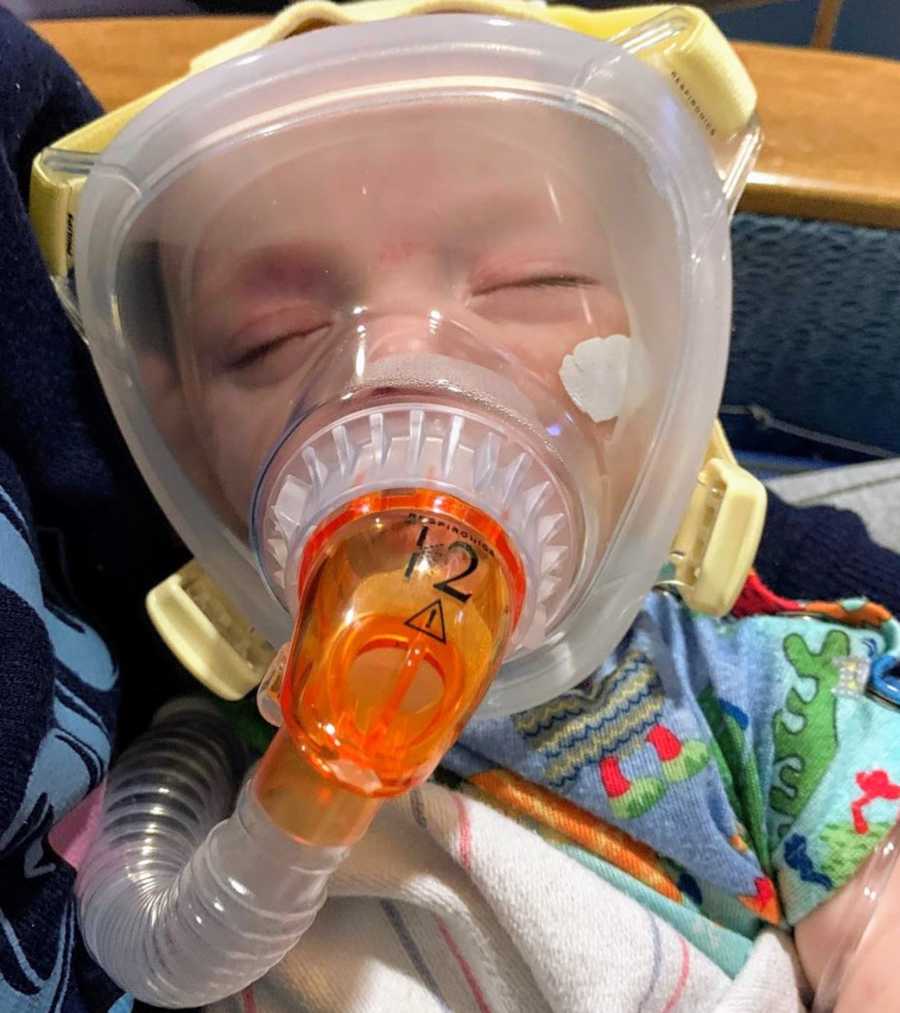
Life with Tommy has since been full of adjustments, therapies, and medical checkups. He continues to attend physical therapy, undergo regular MRIs, and have urology and endocrinology appointments. Despite all the challenges, Tommy’s spirit is unshakable. Weeks after surgery, he surprised us by urinating on his own. Soon after, he began crawling, and we cried tears of joy. His laughter, love of life, and unstoppable happiness inspire everyone around him.
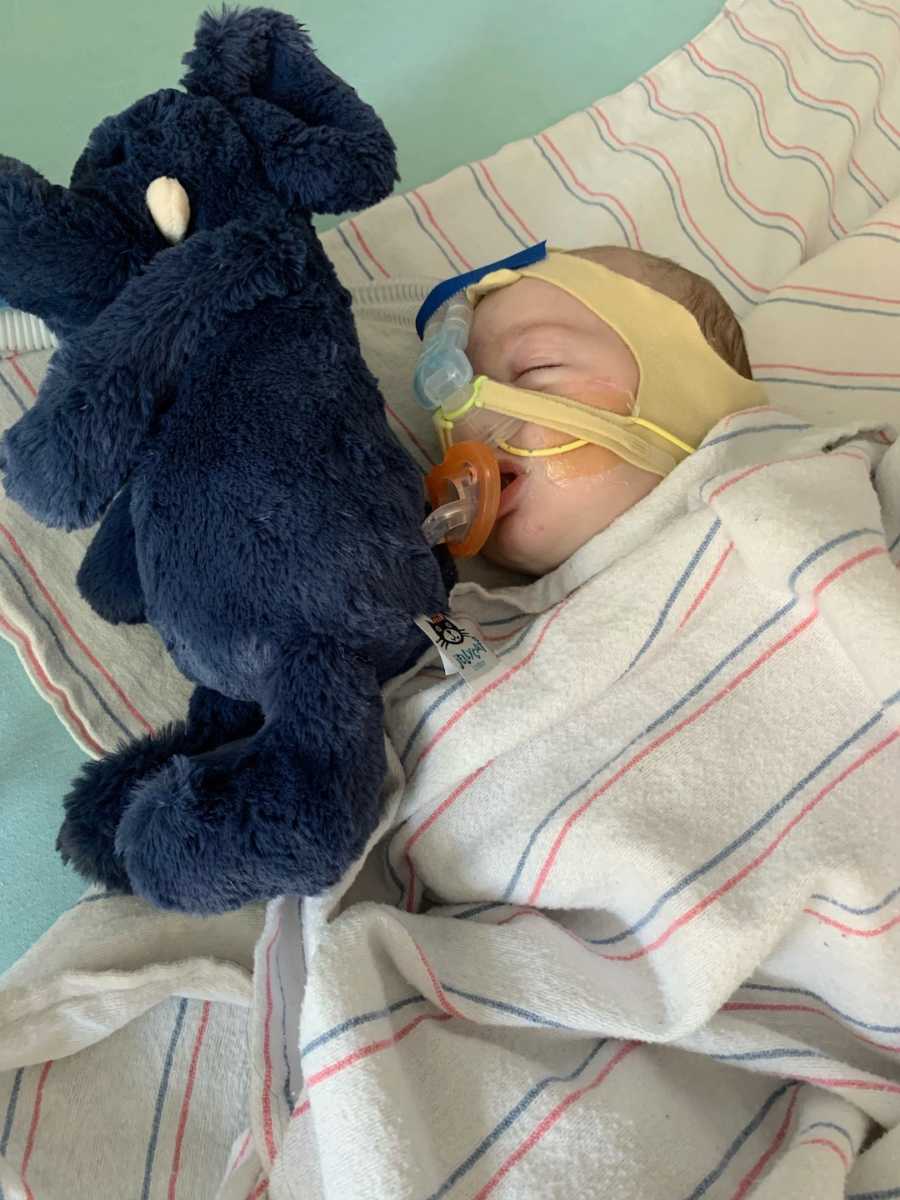
Tommy may face future surgeries, need braces, or use a wheelchair, and his medical needs are ongoing. Yet he proves every day that a disability does not define capability. He brings joy, love, and gratitude into our lives and the lives of everyone he meets. Through Tommy, we have discovered a community of support, connection, and inclusion, from Tiny Superheroes to countless other families navigating similar journeys.
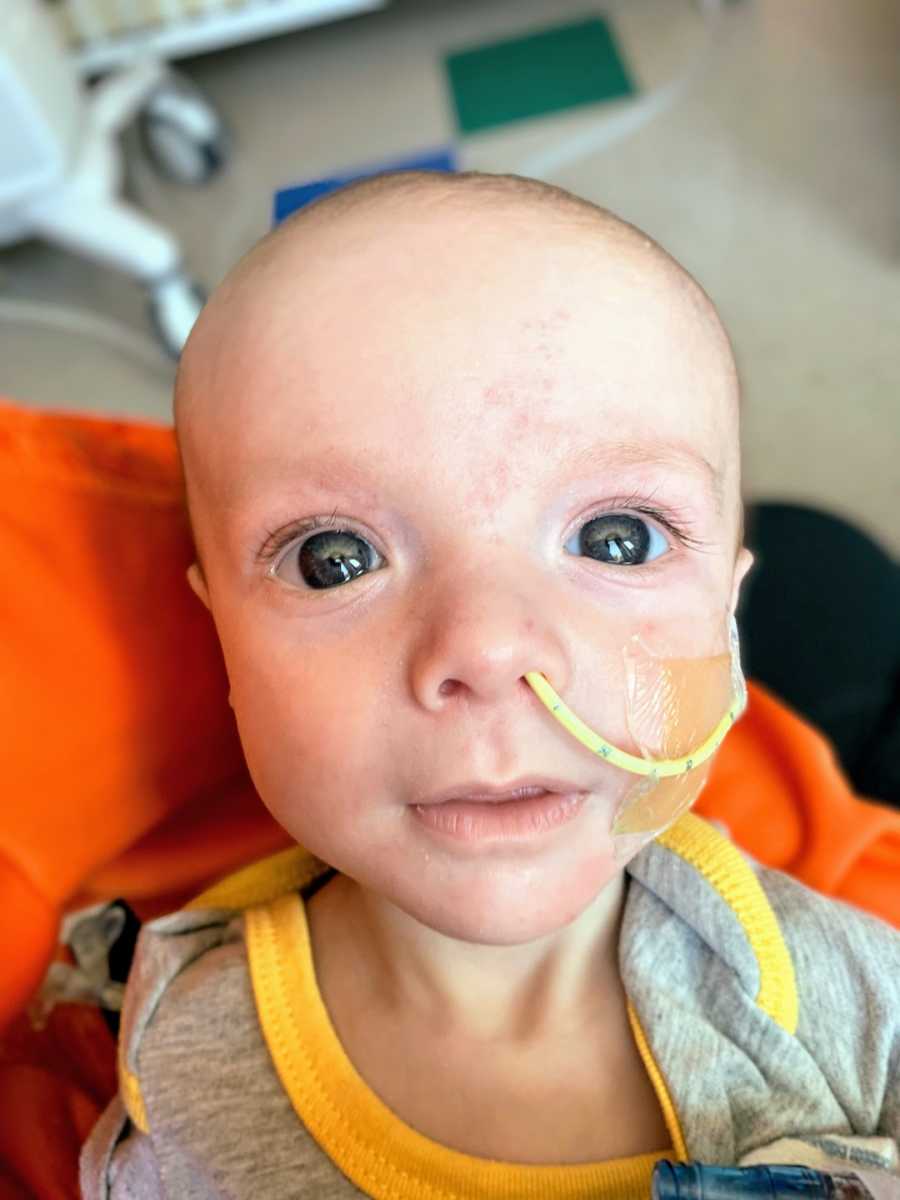
We are endlessly grateful to Dr. Kennedy, the NICU staff, specialists, nurses, and everyone who has cared for Tommy. And we are deeply thankful for our friends and family, whose love, prayers, and support sustain us. Tommy Pickles is our miracle, our angel, and our greatest teacher. He reminds us that life is precious, joy is abundant, and every moment is worth celebrating.