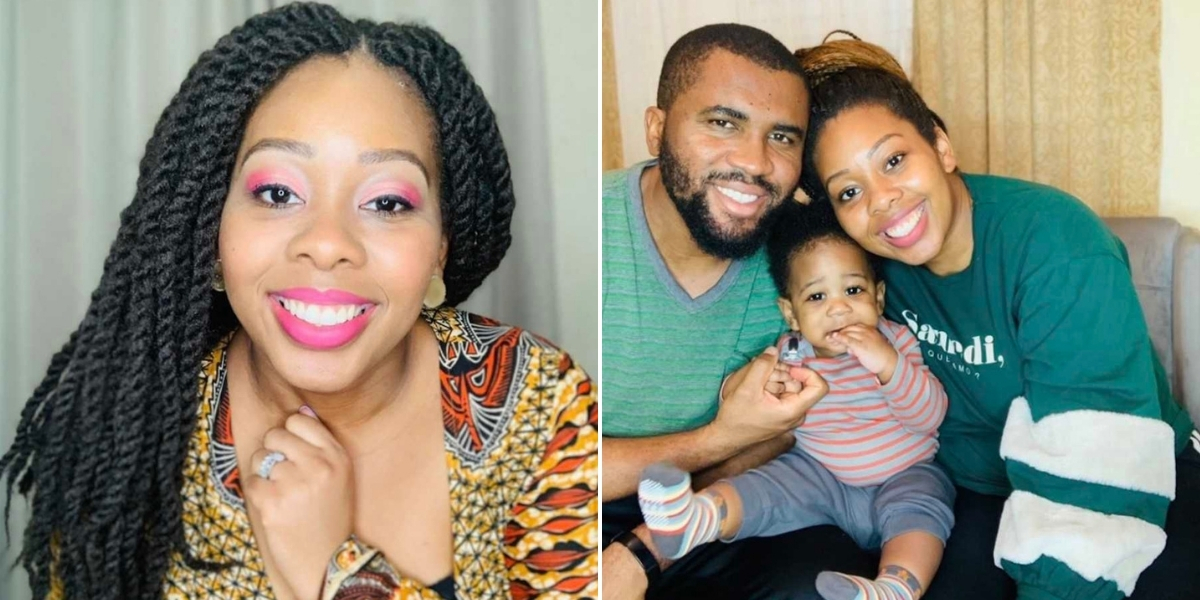
In September 2014, after being in a relationship for five years, I got married. Just over a year later, in December 2015, I found myself facing a divorce. As a little girl who grew up believing in fairy tales and happy endings, I never imagined that my own marriage would be so brief and so painful.
What I hadn’t fully realized at the time was that my heart had not yet healed from the wounds of my childhood—the fractured relationship I had with my dad and the strife I had endured growing up. In many ways, I entered marriage hoping it would fill a void I had carried for years: a deep-seated feeling of inadequacy and the longing for love I had always sought from my father. I imagined that my husband would be my superhero, the one to make me feel all the things I had been desperate to feel about myself. I longed for him to reassure me that I wasn’t the “piece of trash” I had often believed I was. Fat, ugly, useless, worthless, unlikable, unlovable—these thoughts constantly haunted me. I believed his love, protection, and reassurance would erase them. I thought the ring on my finger would be proof that someone, somewhere, considered me worthy of love.
It saddens me to see how many women I’ve met over the years are still seeking the same validation, hoping that a partner will fix the broken parts of themselves. How I wish I had fully appreciated the weight of what I was stepping into. How I wish I had understood that entering a marriage while incomplete could only lead to devastation—a life where love is conditional, where your worth is constantly measured by someone else’s approval. I was so grateful that someone wanted me that I compromised my standards and integrity. I allowed him to treat me poorly because it seemed to confirm the terrible inner voice I had grown up with: that I wasn’t deserving of love or respect.
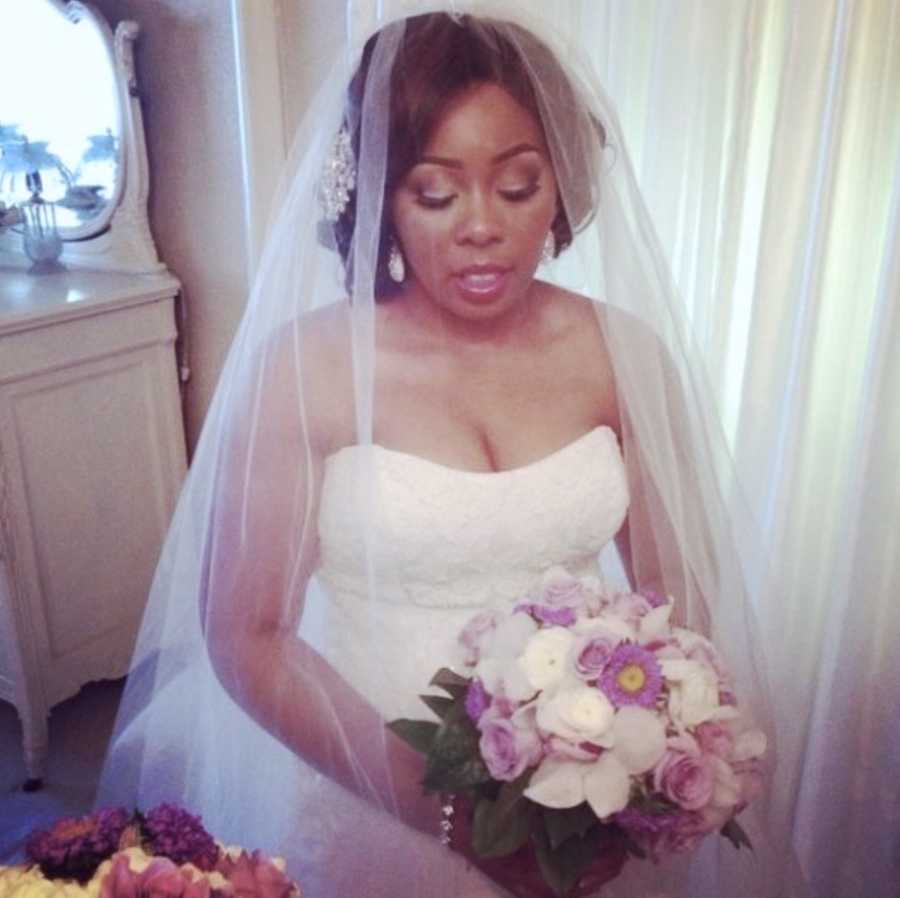
Even before the wedding, during our year-long engagement, red flags began to surface. I didn’t feel peace about getting married, and problems kept cropping up, yet neither of us had the courage to walk away. I remember one night after praying, being led to end the relationship, looking up to heaven, and saying to God, “No! I’m not willing to give this up for anything!” I feared that this would be my only chance at love—that no one else would ever accept or want me. The pain of having a companion yet feeling utterly abandoned and alone is indescribable.
It was heartbreaking to realize that I was only loved conditionally. If I obeyed his commands, met his expectations, and stroked his ego, I was his; otherwise, I was not. It was a selfish love, one without grace or room for mistakes. I wanted to grow in love; he wanted to mold me into what suited him. I was not enough. My unconditional, sacrificial, redemptive love was not enough. At just 25, as a newlywed, I found myself dejected and depressed. Everything felt dark, and I often contemplated ending my life. Outwardly, I wore the brightest smile, but inside, my eyes told a different story. There were moments when I felt life had ended for me—I could not see a future, and all hope felt lost.
Then, in October 2015, I began attending Worship Tabernacle, and my life began to change. Two messages, in particular, had a profound impact. The first was on self-image; I remember weeping throughout the sermon and even stepping away from social media for a while to avoid constant comparisons. For the first time in years, I stopped measuring myself against friends in happy marriages or those with children. I began to appreciate my journey and the beauty in my own story. The second was a series on taking control of your emotions and learning when to fight or when to walk away. I realized that, as humans, we often mistake letting go or walking away for weakness. Pride keeps us rigid, anxious to prove ourselves or win battles, yet we neglect to wait for God’s timing. Fear of failure or change keeps us trapped. For me, it took break-ups, a year of separation, and nearly six months of attempting reconciliation to understand that staying to fight often does more harm than good.
Initially, I was paralyzed by the thought of disappointing my very traditional Nigerian family and the judgment of my church community. The guilt and shame intensified as I feared disappointing God. I felt that divorcing would mock the sacred institution of marriage. Yet, over time, I realized that remaining in a toxic, violent, and unhealthy relationship could not possibly be pleasing to God. Walking away required immense courage—acting despite fear—but it marked the beginning of my true healing and self-discovery.
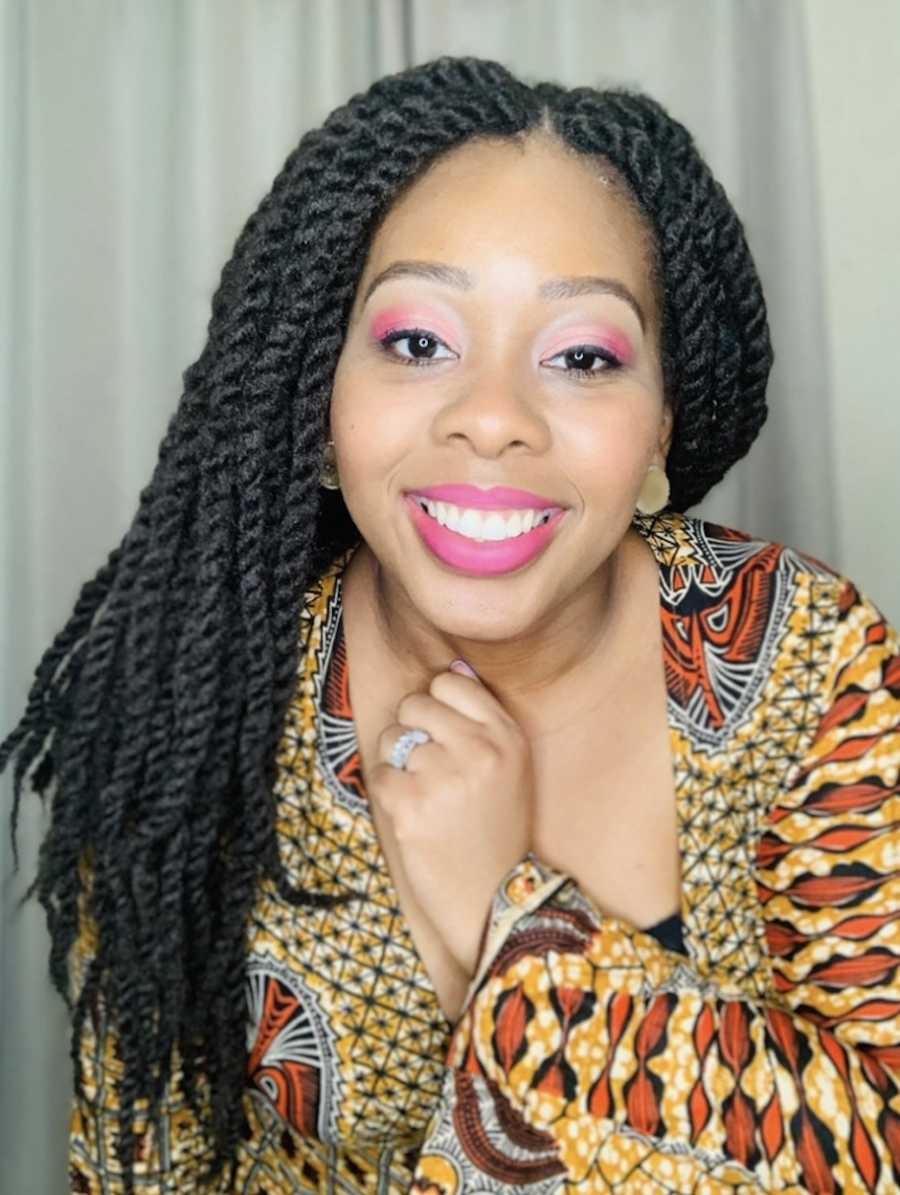
People often ask how I recovered from divorce and abuse at such a young age. Much of it is by the grace of God, combined with messages that shaped my perspective. But I am also a strong advocate for therapy. Ignoring or repressing emotions can lead to chronic pain and deteriorating health. One of the most transformative steps I took was a comprehensive moral evaluation, holding a mirror to myself and facing the raw, unfiltered truth—good, bad, and ugly. I had to take accountability for choosing to marry him and confront the deeper issues behind my low self-esteem. Over eight months of therapy, I developed tools to process emotions constructively and changed how I thought about myself. I learned to hold myself accountable without constant self-condemnation. One of my favorite quotes is: “If your compassion does not include yourself, it is incomplete.” I know this to be true.
Here’s what my journey has taught me:
- Be intentional—small daily actions build healing.
- Don’t underestimate the power of prayer—it’s a vital outlet.
- Repressing emotions causes inner turmoil—address feelings, don’t bury them.
- Negative thoughts require acknowledgment and constructive processing.
- Healing is a journey; it doesn’t happen overnight.
- Forgiving yourself is often harder than forgiving others.
- Surround yourself with positive people and get outdoors.
- Self-compassion and self-love are essential for growth.
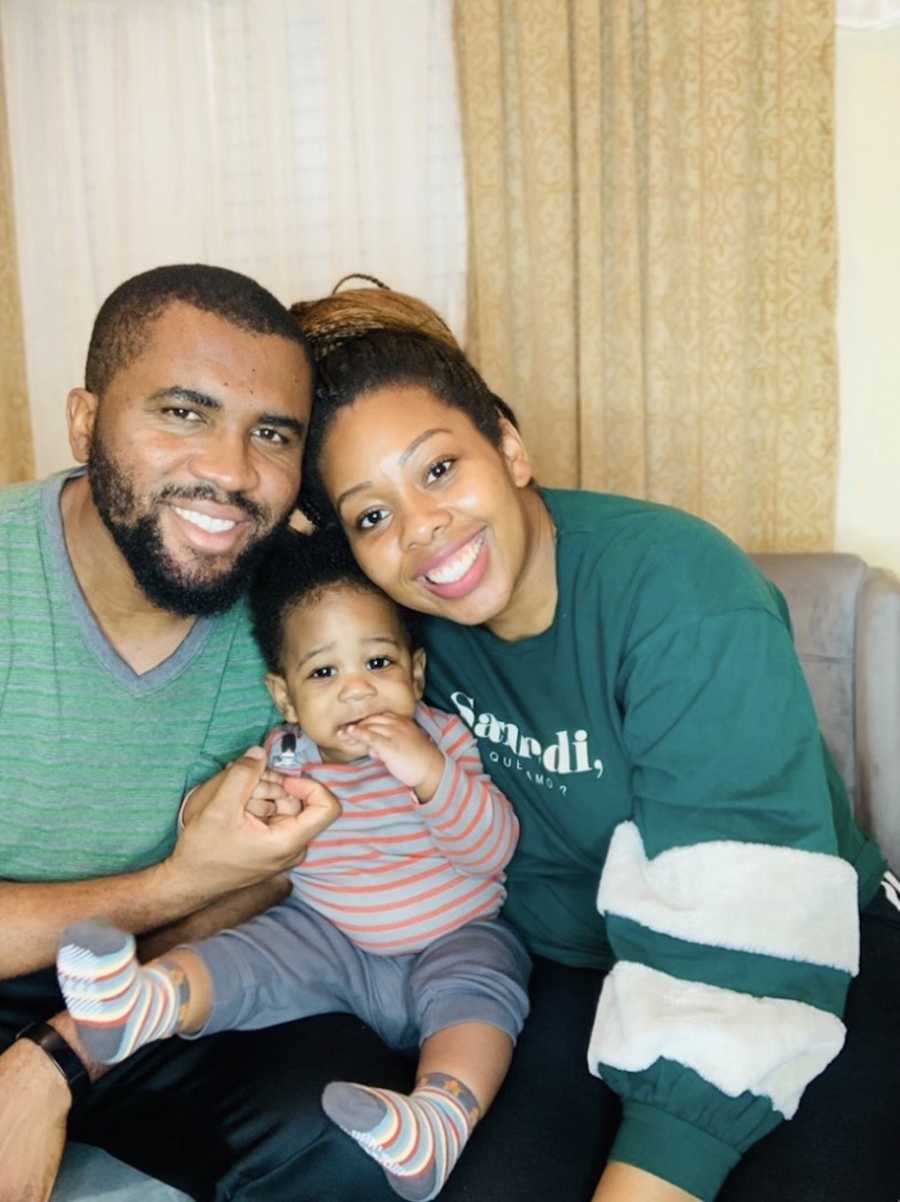
Today, in January 2021, I am filled with gratitude. Scars show that pain occurred, but they also represent healing and resilience—it’s a matter of perspective. I now have a strong, supportive relationship with my dad. I married an incredible man in 2019 who shows me the sacrificial, redemptive, and unconditional love I’ve always desired. Together, we are raising our beautiful 11-month-old son and building a future rooted in love and truth. I embrace the fact that I am both a masterpiece and a work in progress.
My message to women everywhere is simple: You are enough. Don’t make the mistake of seeking validation through a man, a ring, materialism, or superficial symbols. Social media often misrepresents reality, showing only the beginnings and highlights—the engagement photos, the glamorous weddings, the happy families—without the struggles and work behind them. Take time to assess the character of anyone entering your life. Marriage magnifies who someone really is. Ask yourself: can I live with this for life?
This story is dedicated to the women who feel shame after marital failure. Many judge without knowing the internal struggles we face, especially after abuse. Never give up. Your life’s plan is far greater than today’s circumstances. May God heal you and restore your hope in love.