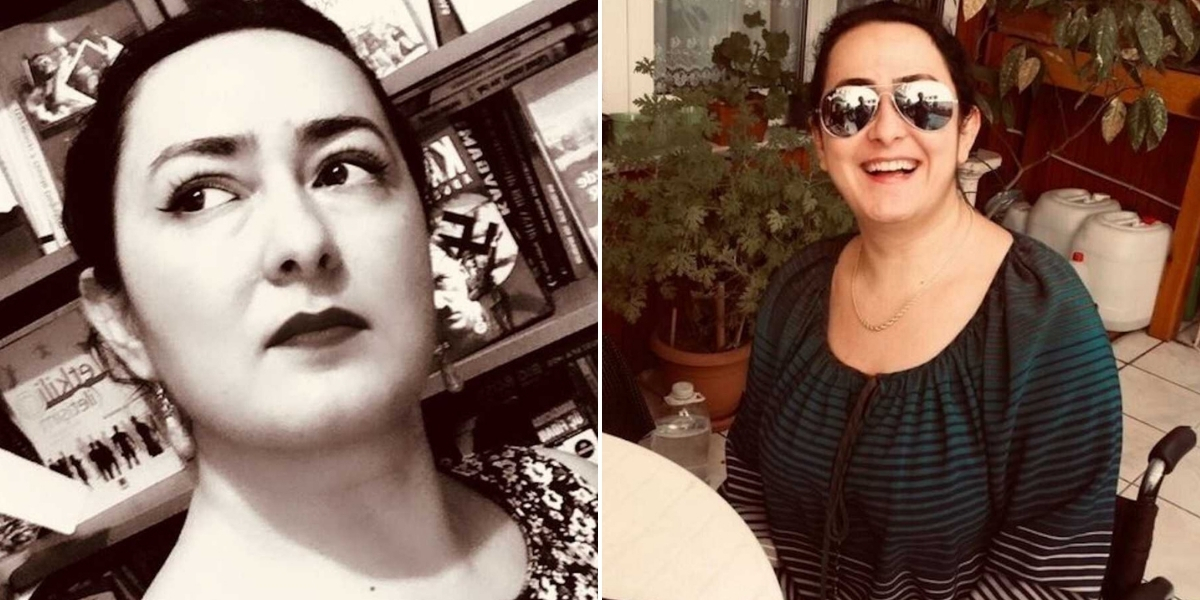
I opened my eyes in a small village nestled within a big city. I was born healthy and full of life. I began talking and walking before I turned one, and I often joke that I had my first little jubilee celebrating my early steps—something that still makes me smile today. But after the age of three, my extraordinary health began to slowly decline. My parents, worried and confused, took me to countless hospitals, searching for answers. At the time, they could only guess what was happening. Eventually, it was understood that I had a genetic condition called Charcot-Marie-Tooth disease (CMT), a hereditary souvenir from my great-great-grandfather.
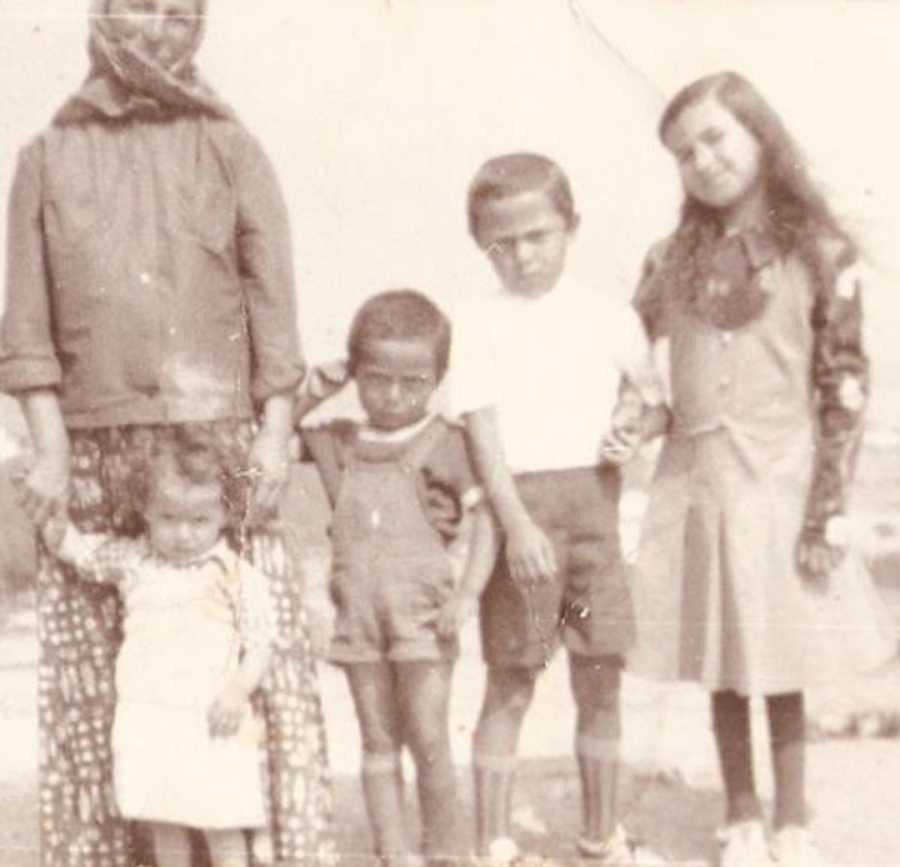
I was a spirited, unruly child with long blonde hair and a mischievous answer ready for every question. I loved climbing to the highest, most dangerous places I could find. Though I had some difficulty walking, maintaining balance, and occasionally lost strength in my hands, none of this stopped me from being the fastest bike rider on the street, the champion of marbles, and the best swinger among my friends.
My childhood was spent alongside children and animals, roaming our farm and neighboring farms. Children, unlike adults, see no disabilities; they ask what’s different, and when you answer, the matter is done. My friends treated me as one of them. I could do almost everything they did. I was even the point guard during our games. Maybe I sought to stand out because of my disability—but I stood out naturally, anyway, through sheer joy and determination.
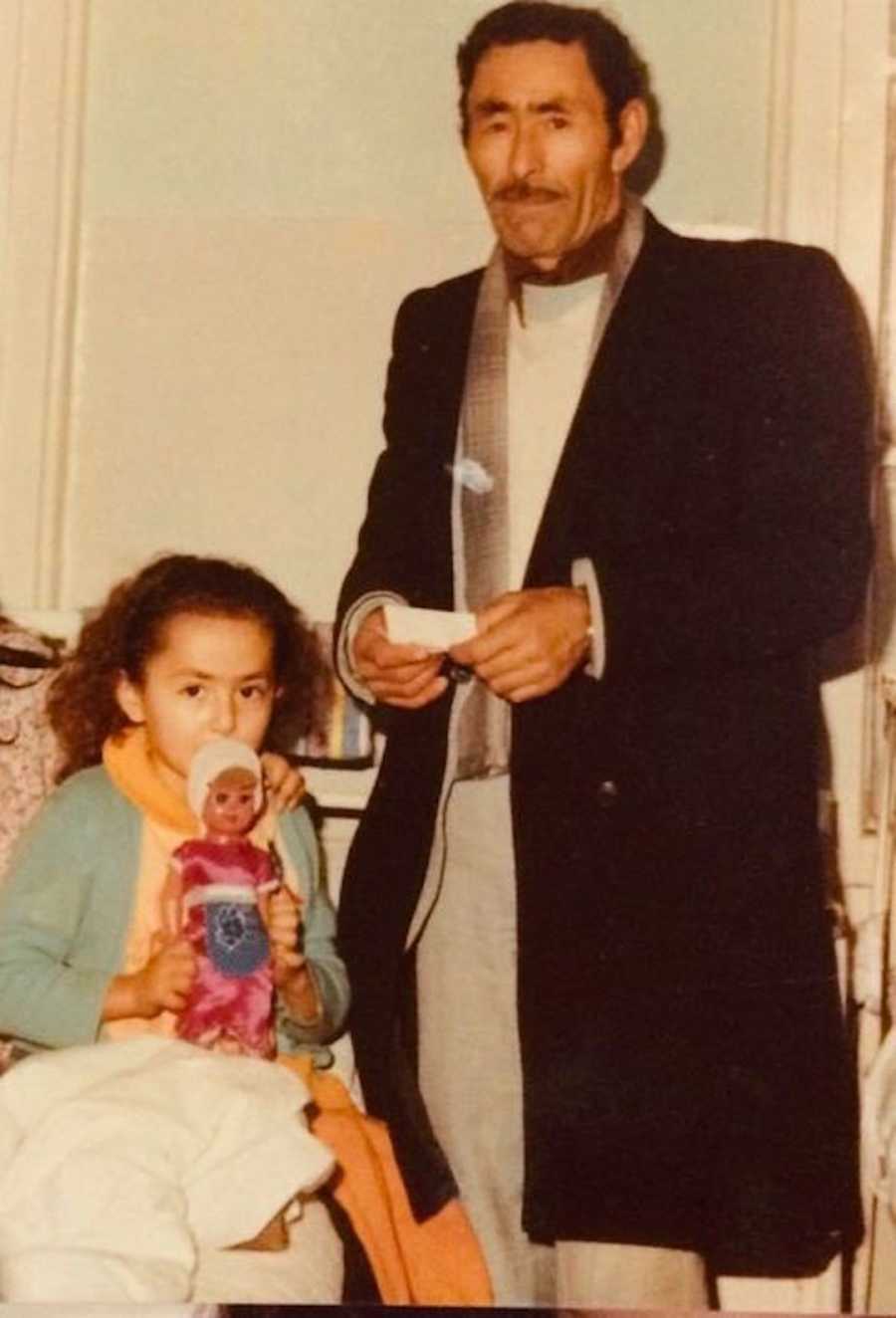
By the time I reached high school, adolescence brought a harsher reality. My illness had progressed, and I had completely lost the ability to walk, now relying on a wheelchair. I tried to bridge the physical gap between myself and my peers through academic success, dedicating myself to excelling in every subject. I was among the top students. But adolescence also brought a new challenge: the social world. Here, effort and grades could not shield me from disappointment, despair, and emotional turmoil.
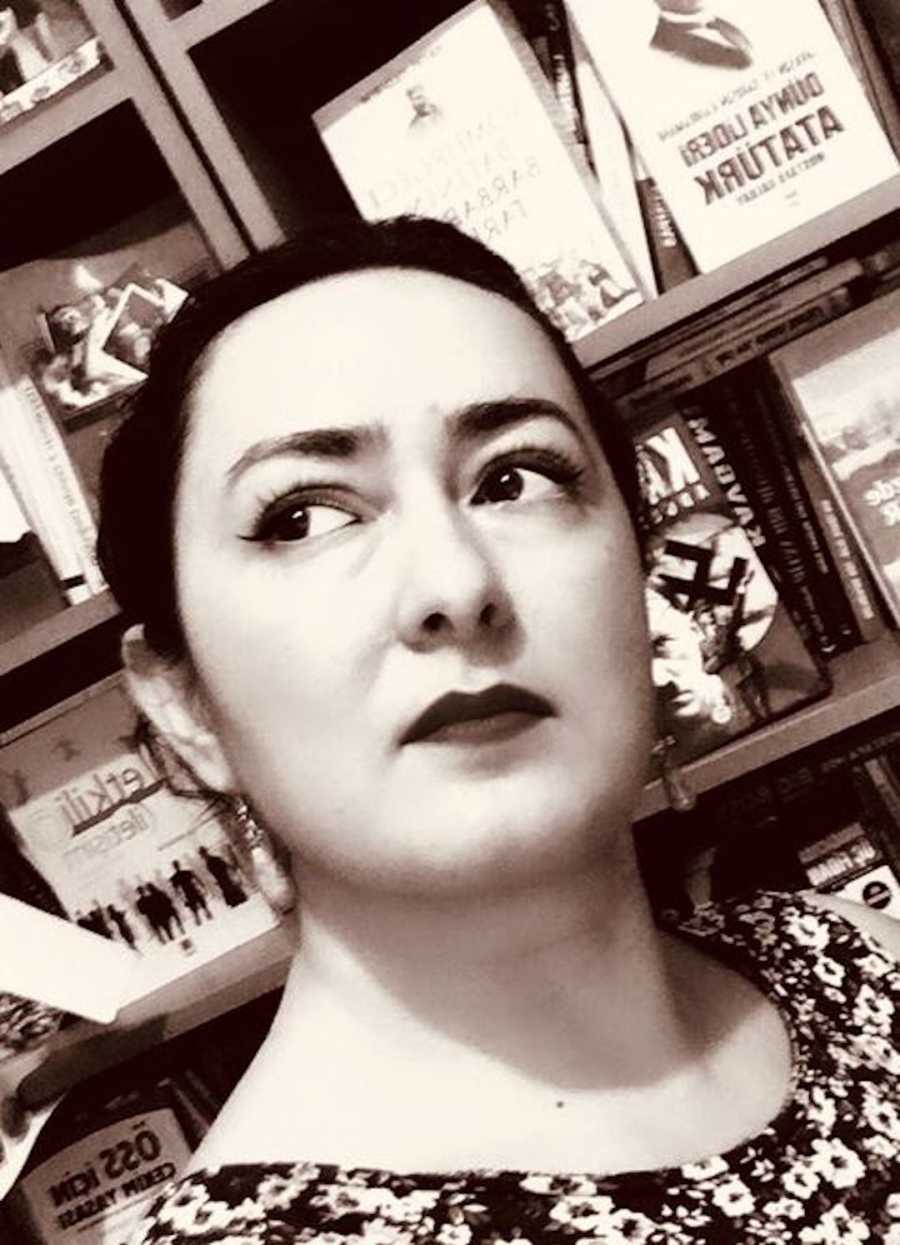
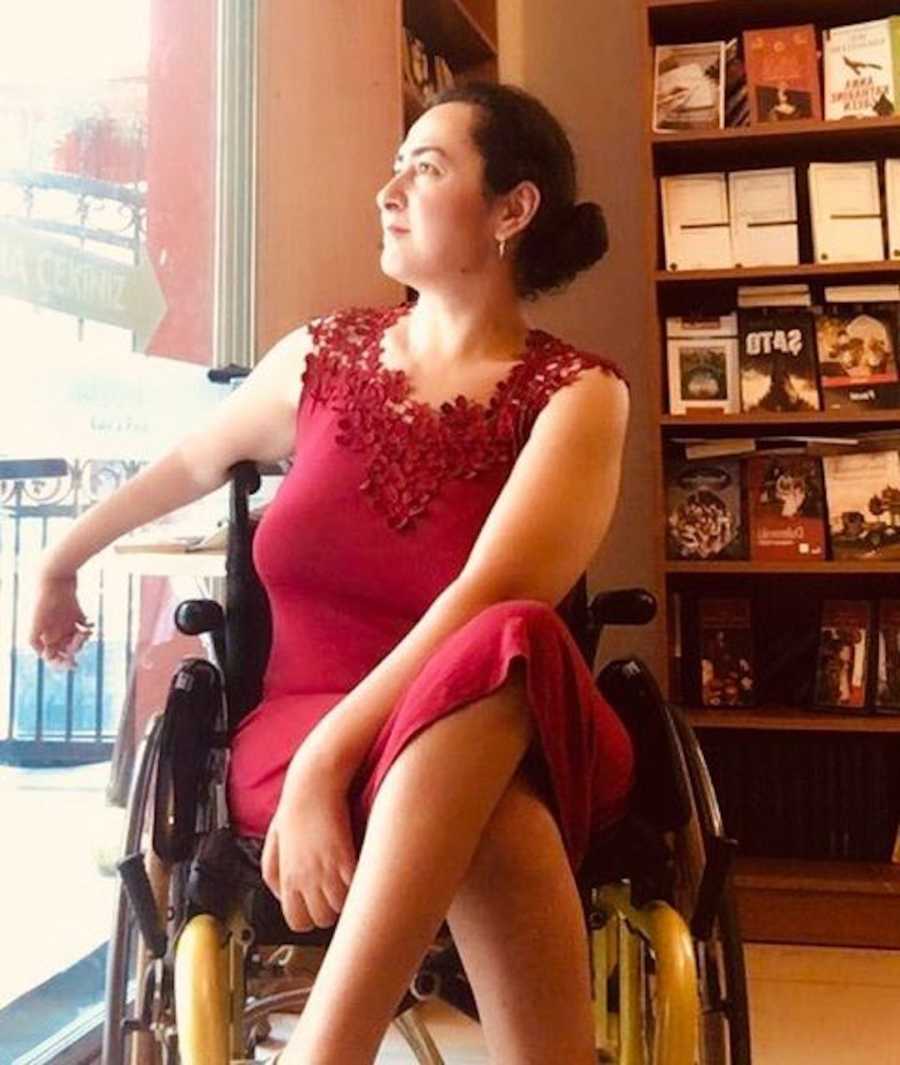
University life, however, became a sanctuary of achievement. I thrived academically, graduating with honors from the Faculty of Communication in Public Relations, and later earning another degree in Business Administration and Organization. Yet, outside of academia, I was not socially inclined. I could spend days, months, even years with my books. Reading became my true love. I found peace and freedom among old, cherished volumes. Eventually, I opened a second-hand bookstore, a place that became my haven—a place to rest, laugh, cry, and explore infinite worlds within the pages of books.
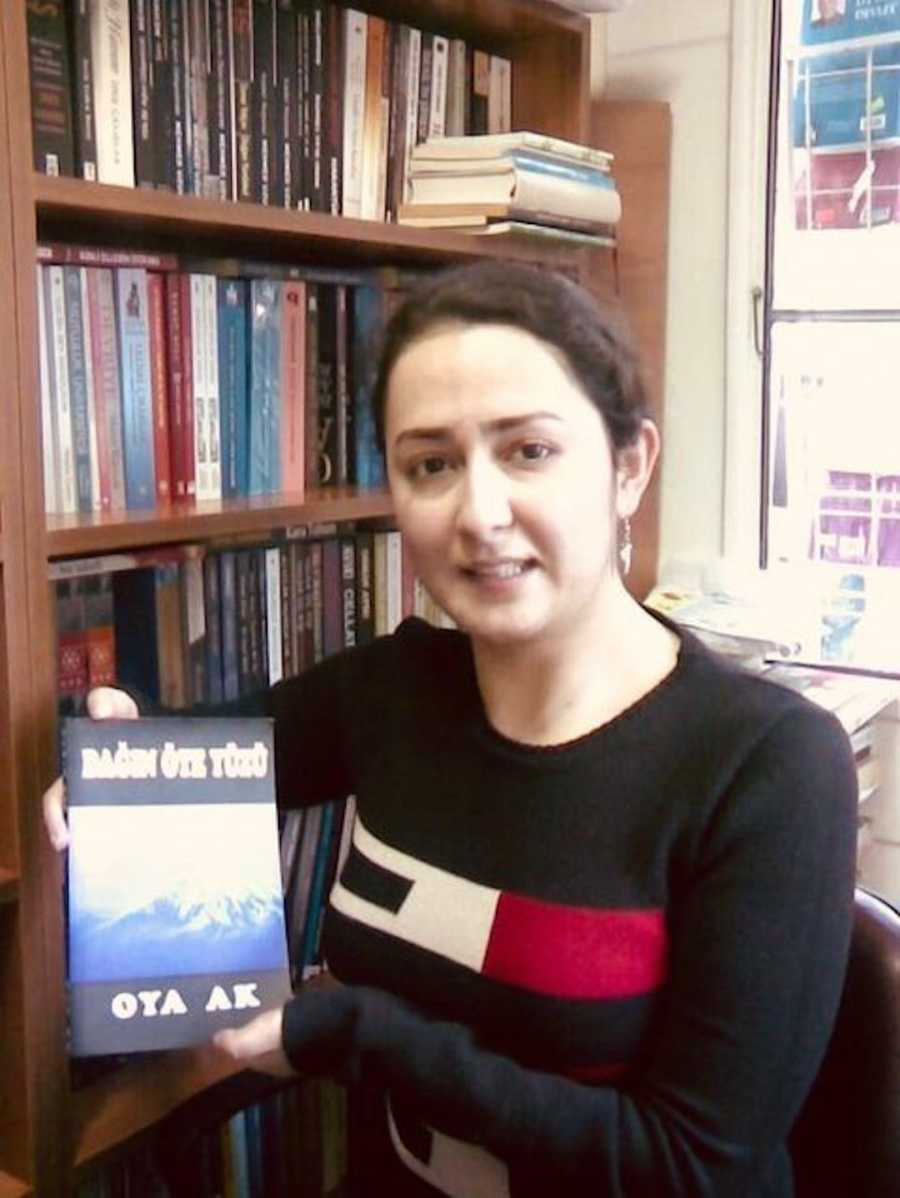
Writing soon became another form of liberation. Words flowed easily from me, full of life and emotion. I wrote pages and pages, finding joy in creating stories, laughter in playful lines, and solace in sorrowful ones. Soon, I embarked on a historical novel about the Azerbaijani deportation, titled The Other Side of the Mountain. My writing extended to newspaper columns, magazine book promotions, and editing projects. Fiction, detective series, historical tales—I wrote first and foremost for myself. Through my characters, I could experience every action and emotion that life sometimes denied me.
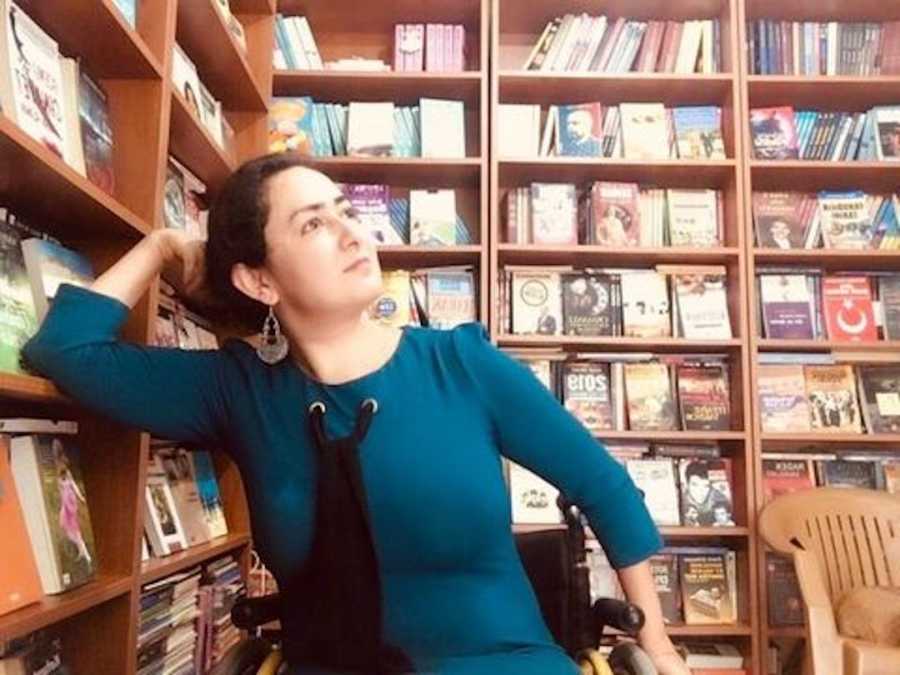
I have always had an inexhaustible inner energy, like a small dress that didn’t fit—writing helped me escape that tight mold. When words were not enough, I turned to painting, oil on canvas, blending colors in ways that expressed my spirit. Then I picked up yarn, weaving threads where life hadn’t allowed me to weave my own destiny. And when creativity called for even more patience, I solved puzzles with thousands of pieces, completing fragments of life that felt missing.
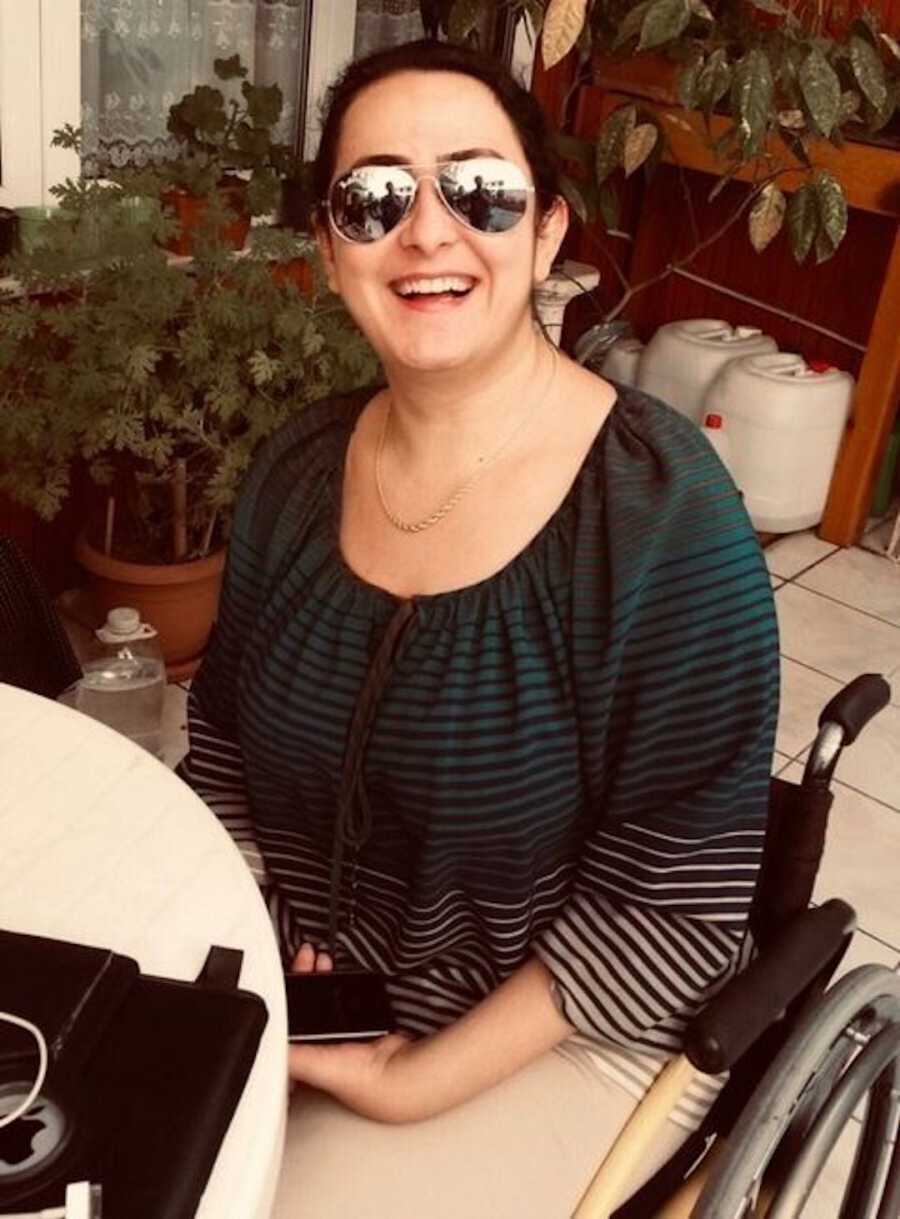
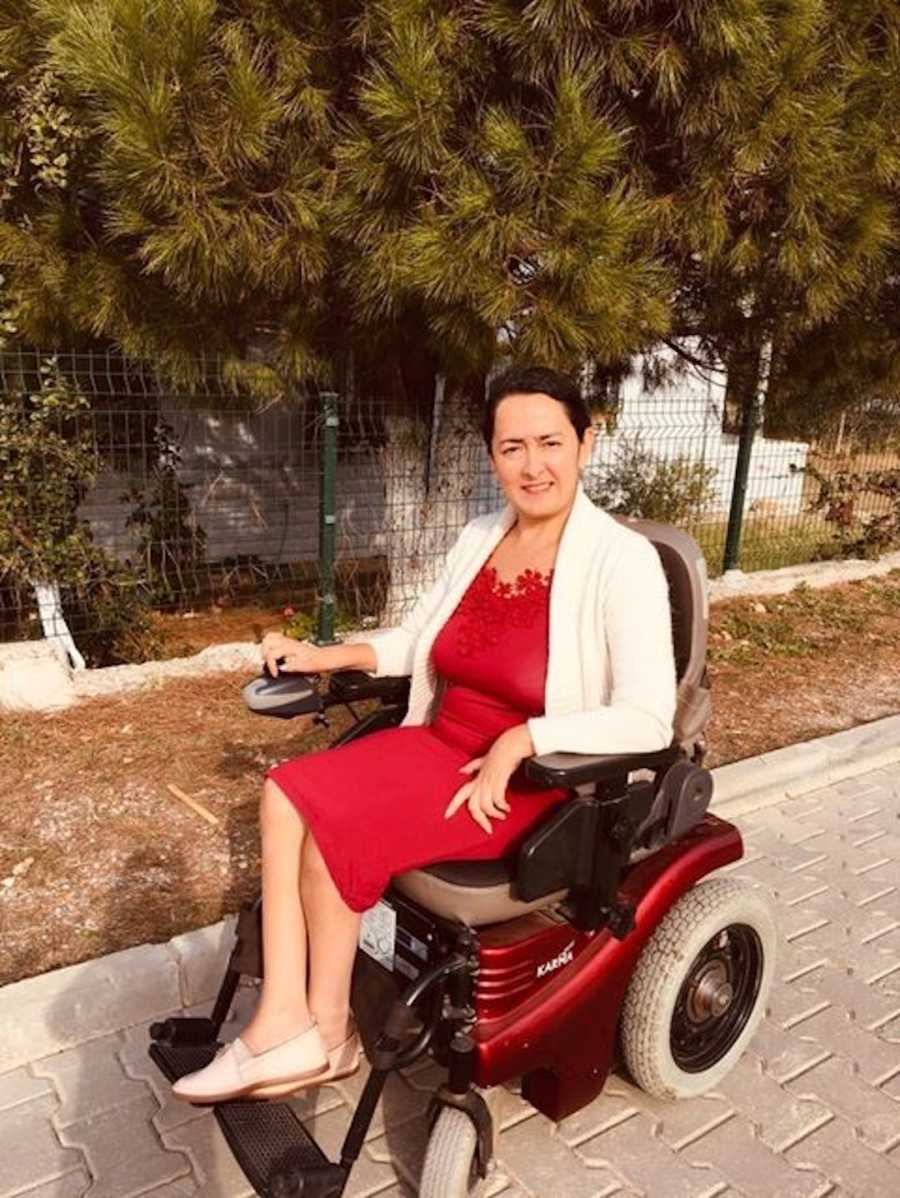
For many years, I struggled with the visibility of my wheelchair. It always seemed to steal the spotlight. People noticed the wheelchair first and me second. Yet, as I welcomed customers to my bookstore, I realized that my health was just a detail. They knew me before noticing the chair. It became an accessory rather than a limitation. Over time, I stopped thinking about what came first—me or the wheelchair. I accepted it as a part of my body and character. It shaped me into the sensitive, affectionate, non-judgmental person I am today. Without the challenges, I might have been superficial or ordinary. Life’s trials forced me to confront myself, to understand and live with who I truly am.
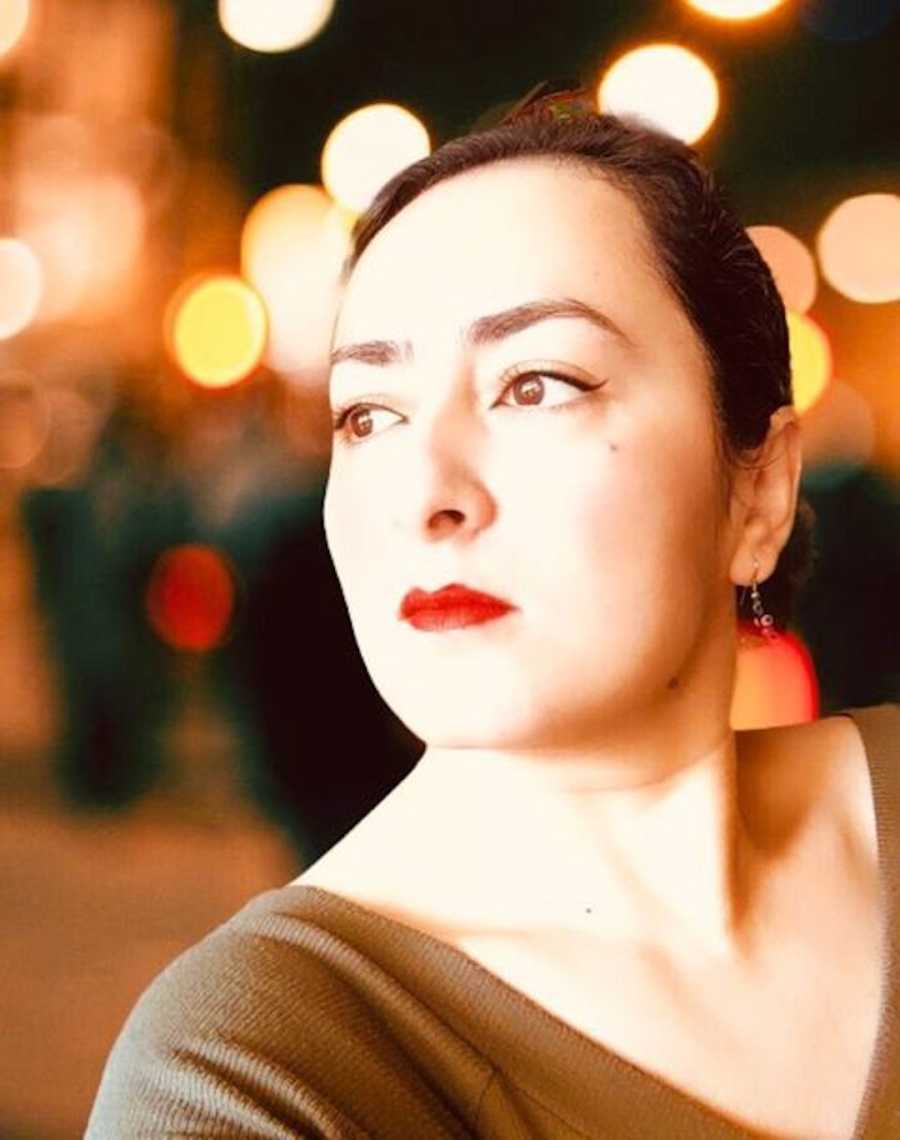
After many years, I ended my business life and moved to a seaside town. Once again, I am surrounded by my books, reading and writing for the sheer joy of it, without the pressure of selling them. I have come to embrace both my wheelchair and my body, proud of the strength and uniqueness they represent. I even decided to step into a completely new role—as a model. In my country, there was no example of a wheelchair model, and I wanted to be that first. People may not be ready for it, but I believe I can help prepare them. I am proud of my body—not just as a model, but as a role model, a pioneer.
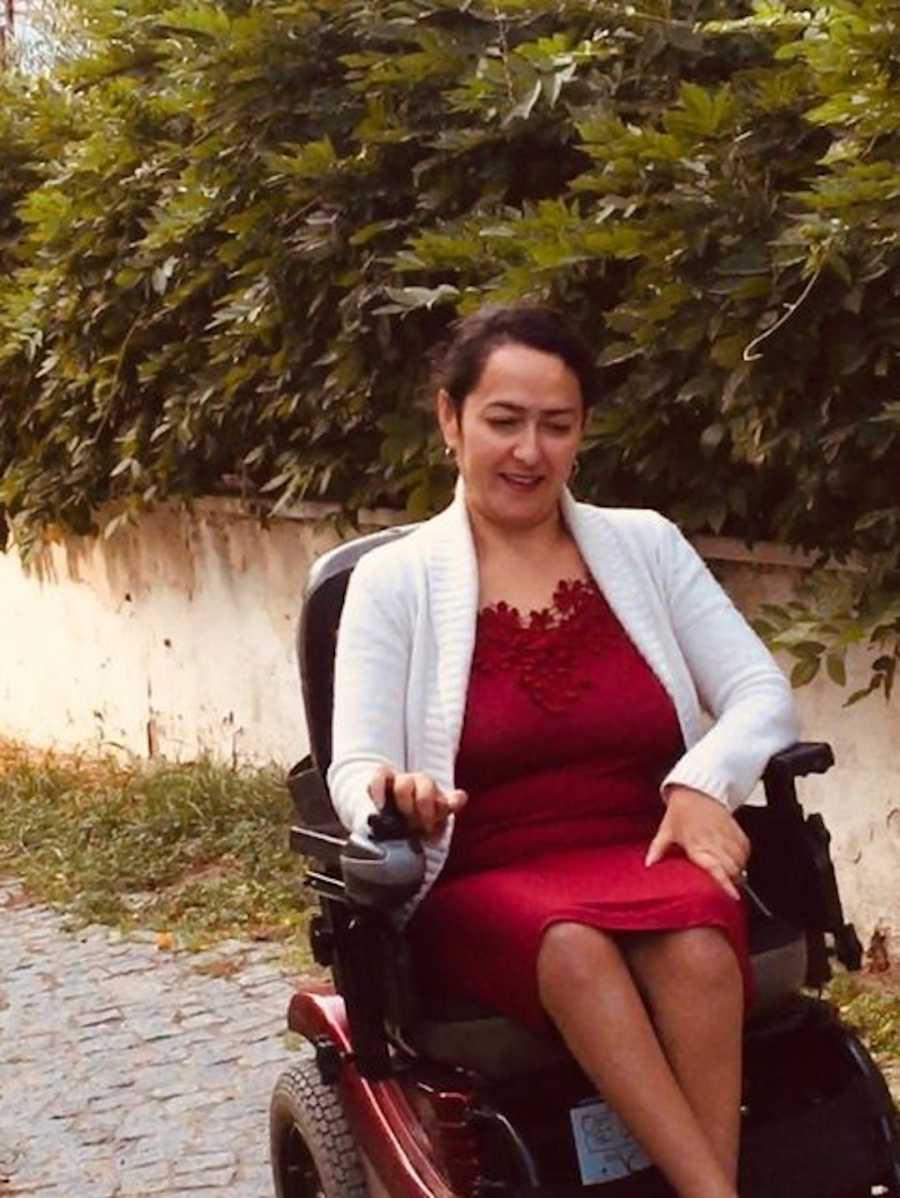
Through social media, I connect with other wheelchair models worldwide, learning from their journeys and challenges. Life no longer feels like something I cannot influence. I know I have added pieces of myself to life, just as life has shaped me. Most importantly, life is alive within me. As a wheelchair model, I share my experiences to pave the way for others walking the same path, while healing the cracks in my own journey. My story is one of perseverance, creativity, and self-discovery—a testament to finding joy, purpose, and pride, no matter the obstacles.