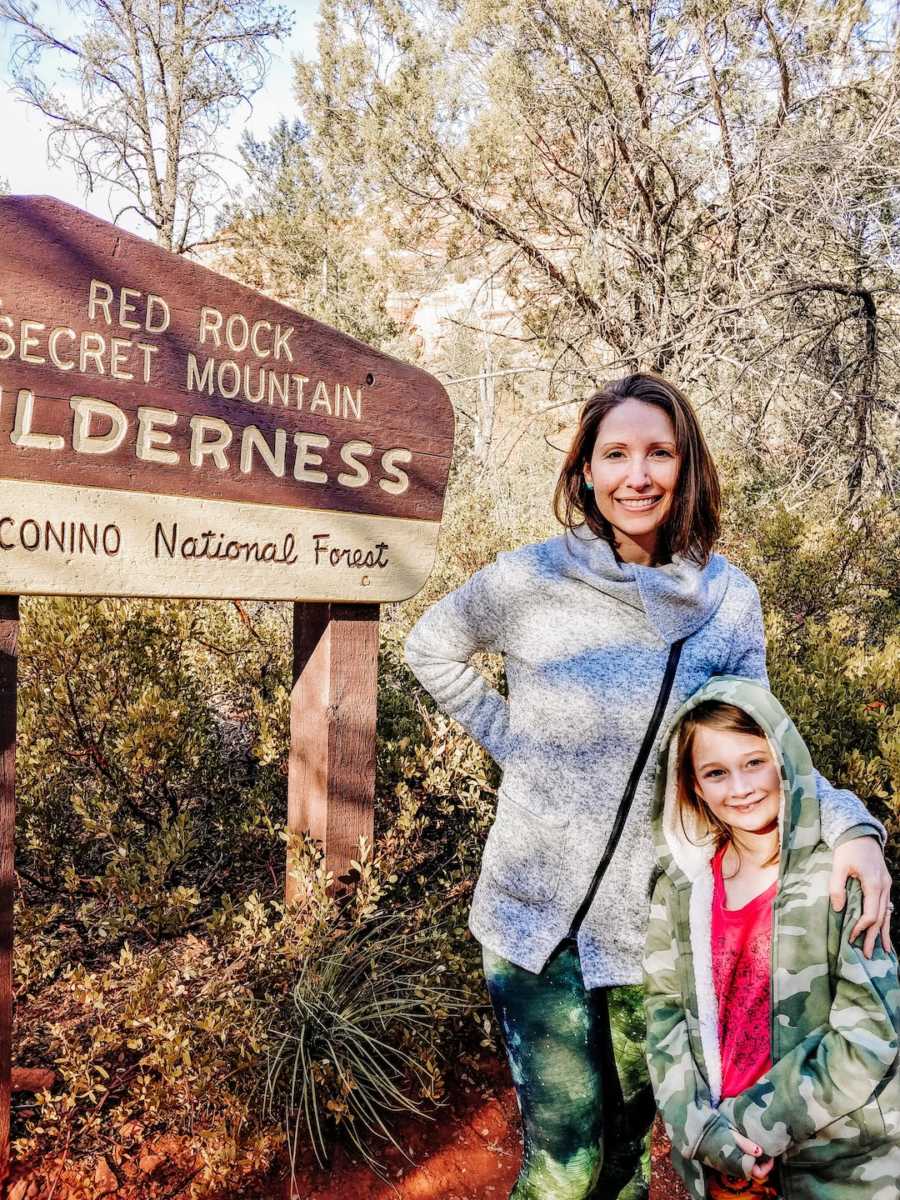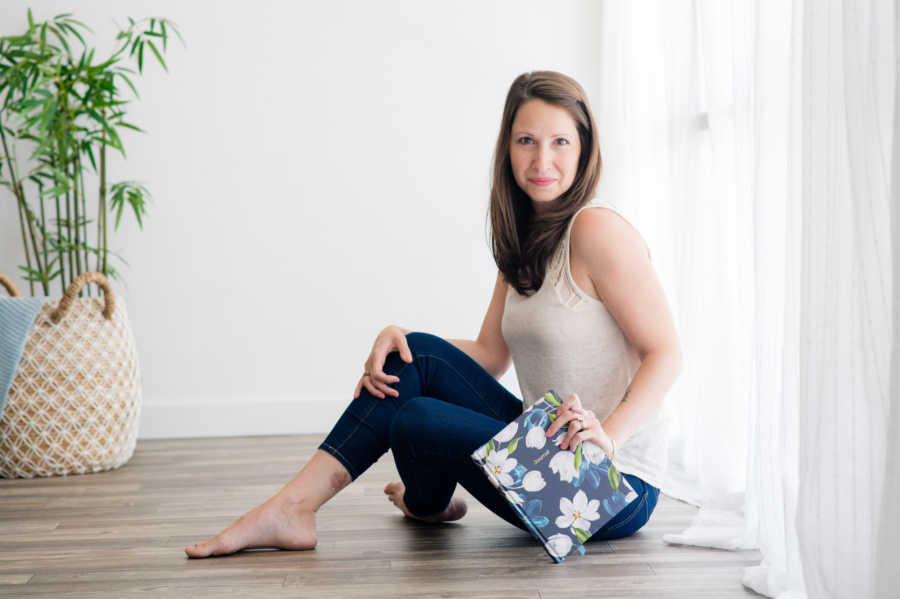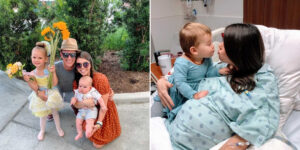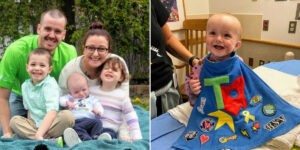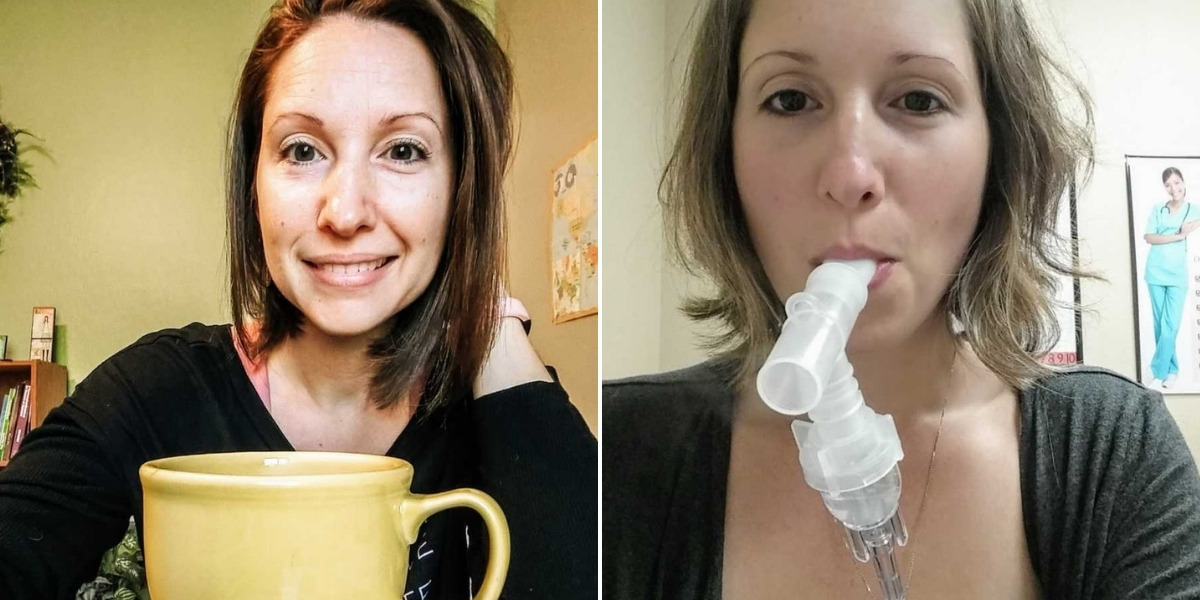
Pull up a chair and stay awhile, because to tell you anything about living with chronic disease is to tell you everything. It is to hand you my entire life and ask you to carry it for a moment. When we part, I don’t know what you’ll do with that story—who will see it, or where it will travel—but you’ll leave with a piece of me. Are you ready for that?
My name is Jennifer, and I have lived with chronic disease my entire adult life—and much of my childhood, too. Sometimes I think that if I had been born 100 years ago, I would have been bedbound all my days instead of some… if not gone entirely. There’s a real chance I would have been the quiet absence in old stories, the unseen mother missing from the background of children’s lives. But I am here. I am with them. And for that alone, I am deeply grateful. Because of this, every single day feels like a miracle.
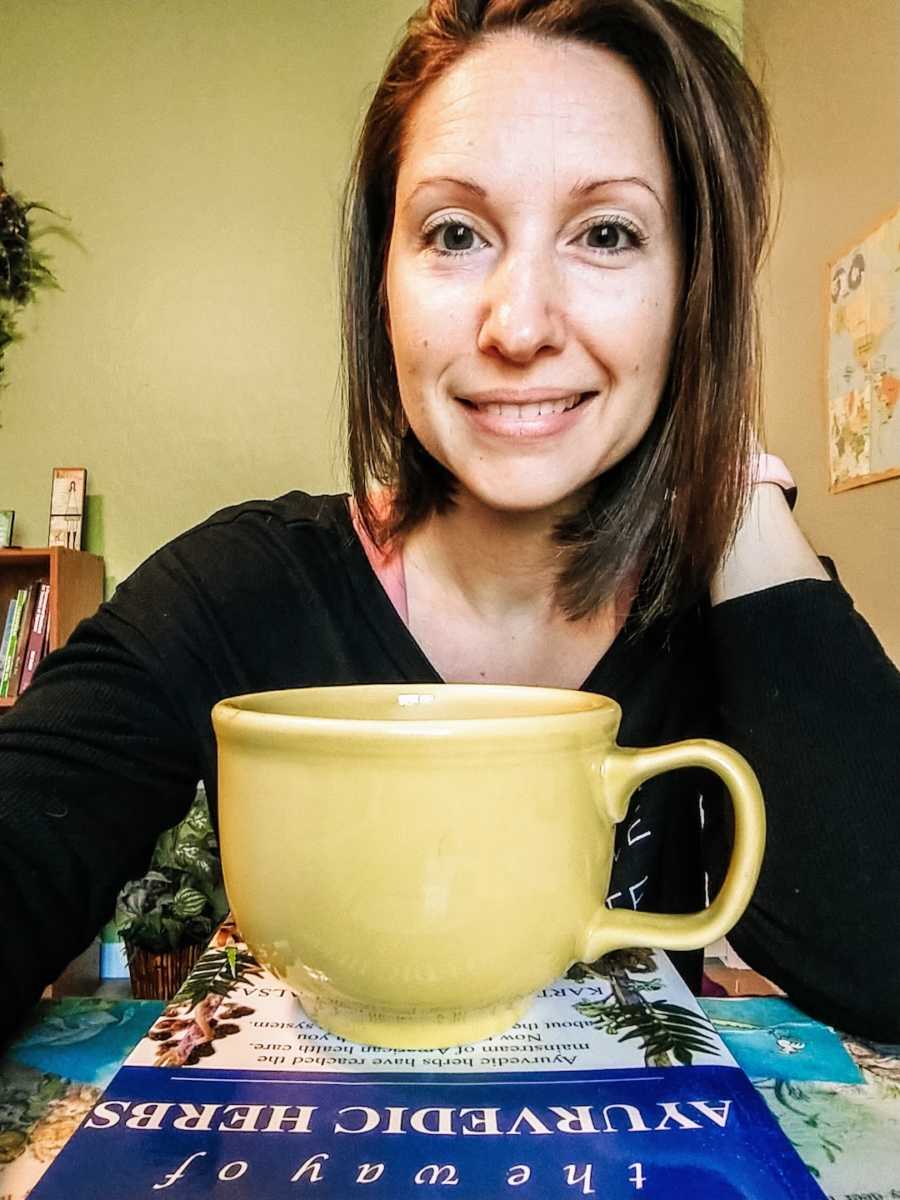
Here—living with chronic disease—everything exists in shades of gray. I can honor that most days… most days. My story begins early. As a chronic disease warrior, nearly every virus within reach seemed to find me. I missed a lot of school as a child. My body didn’t just struggle with illness—it reacted poorly to most antibiotics as well, which meant healing was always slow and incomplete. Then the pain arrived without warning: sharp, lightning-like jolts in my ankles, knees, hips, and lower back. We spent countless hours at Boston’s Brigham Women’s and Children’s Hospitals with my rheumatologist. I wish Dr. Jackson were still here so I could thank her—not because she had all the answers, but because she treated me with compassion, humor, and grace, even when the cause of my suffering remained unclear.
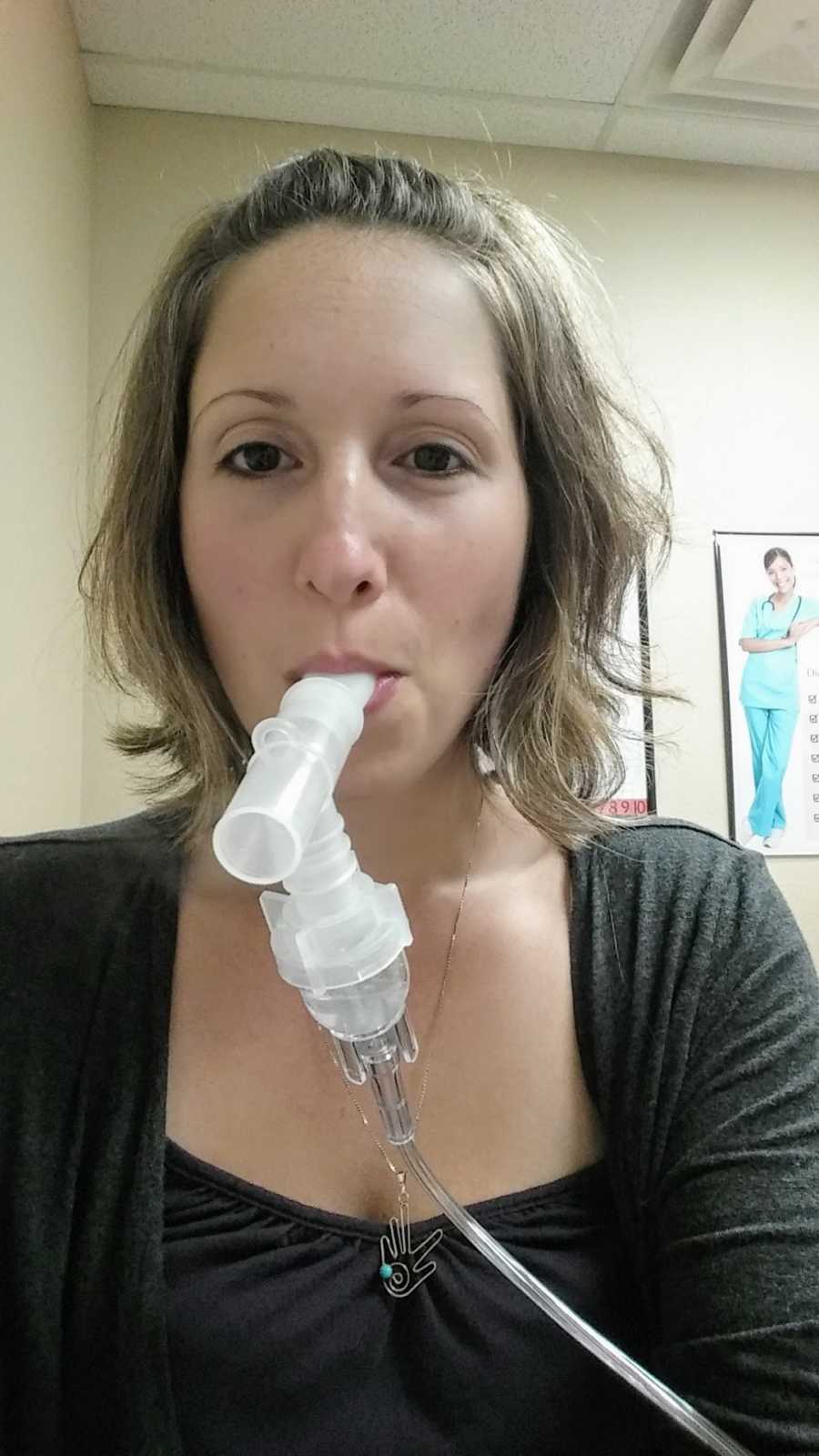
Without a formal diagnosis, my mother introduced me to yoga and natural medicine. What began as an alternative became foundational—tools I still rely on for moments of relief today. In my teen years, everything intensified after I contracted mono. Within a year, I was diagnosed with complex partial seizures, migraines, food allergies, and a rare blood-clotting disorder. Around that same time, a routine tonsillectomy turned terrifying when I suffered a serious complication. I remember a nun sitting in the hallway as nurses rushed me back to surgery to stop the bleeding. She prayed over me, and I remember thinking, This is the end. I was terrified.
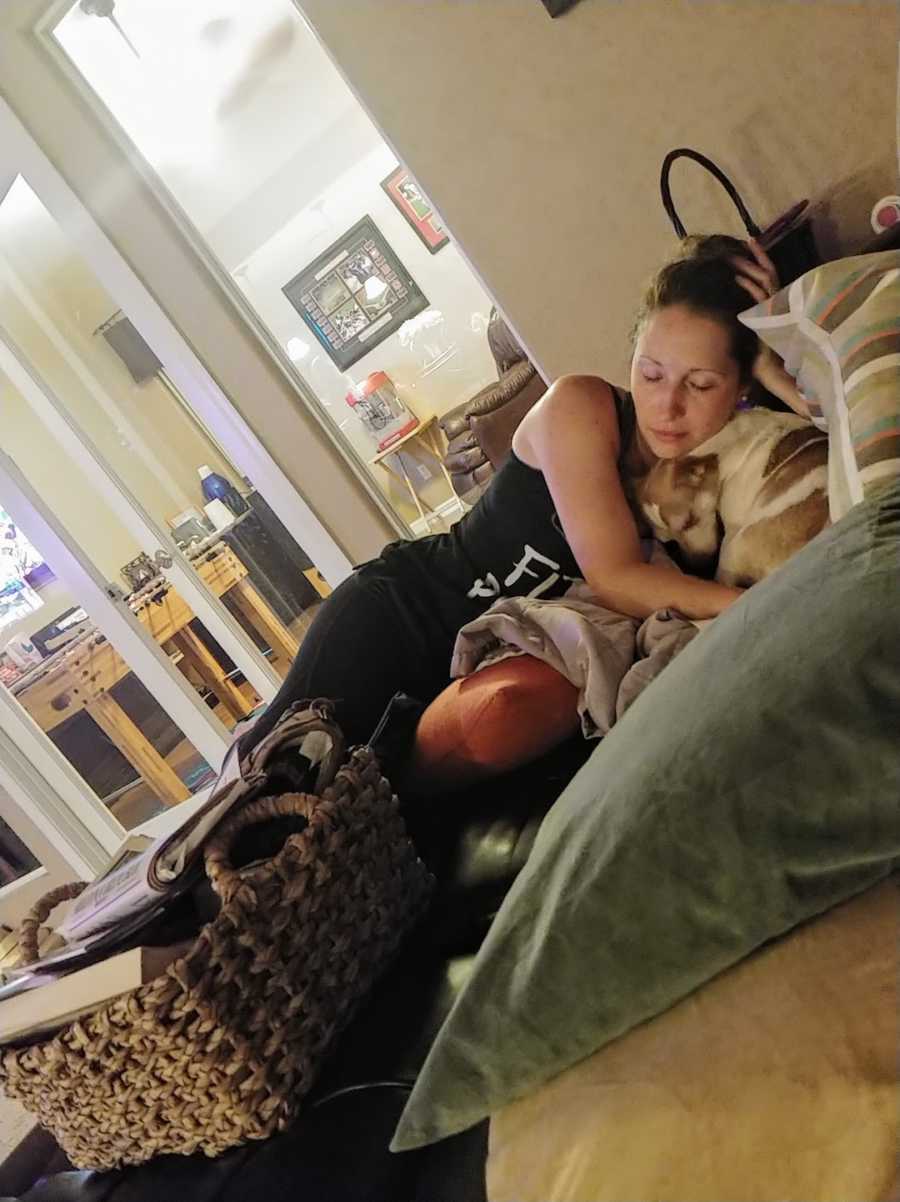
But the challenges kept coming. The joint pain spread to my hands. The seizures cost me my driver’s license. I left my pre-med major—my lifelong dream of becoming a veterinary surgeon slipping quietly away—and began what would become fifteen jobs in fifteen years.
If you’re still sitting here with me, I invite you to ask yourself: What would you do? Do you have a backup plan? Can you even work? Many people with my disease cannot. And to those people—people like me—I love you. Truly.
One of the brightest lights in this journey has been my partner, Scott. We met when I was 21, and he was a few years older. Dating college boys wasn’t working out for me—they talked about parties and exams while I stayed home with a portable EEG glued to my head. With Scott, I was honest from the start. I may look healthy on the outside most days, but he quickly came to know the real me. And for the past fourteen years, he has continued to see me fully. There is nothing but real left.
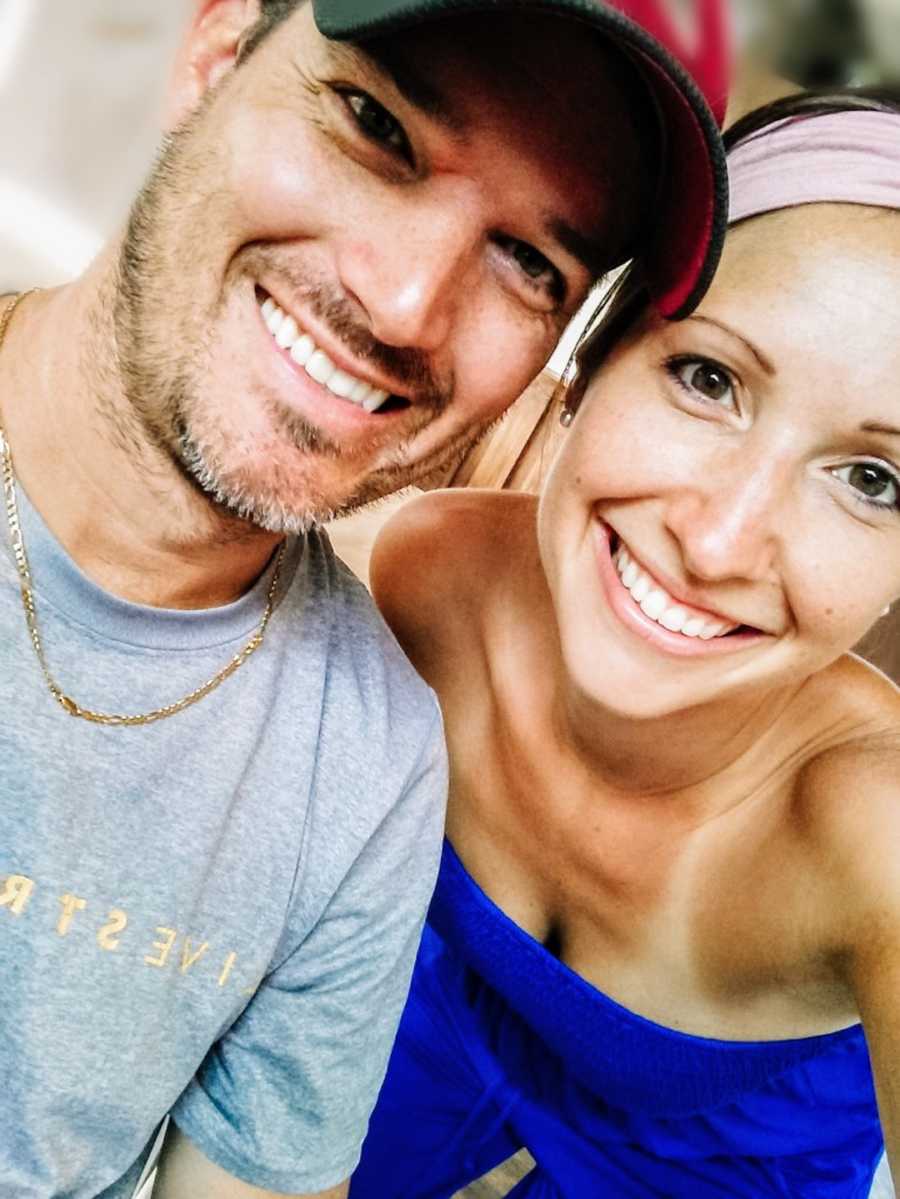
Not long after we moved in together, I found lumps in both breasts and swollen lymph nodes. I was diagnosed with lupus. The seizures returned just before our wedding. Then came complicated pregnancies, caring for a critically ill infant while sick myself, and welcoming a special-needs child whose sweet light filled our home—and whose inability to sleep or function without my constant presence nearly broke me. Even with love, there was little rest. Then came a mosquito-borne virus. Cancer. And through it all, the question echoed: Who am I now? An academic, an intellectual, a woman deeply in love with work and life—trying to exist in a body that wouldn’t cooperate.
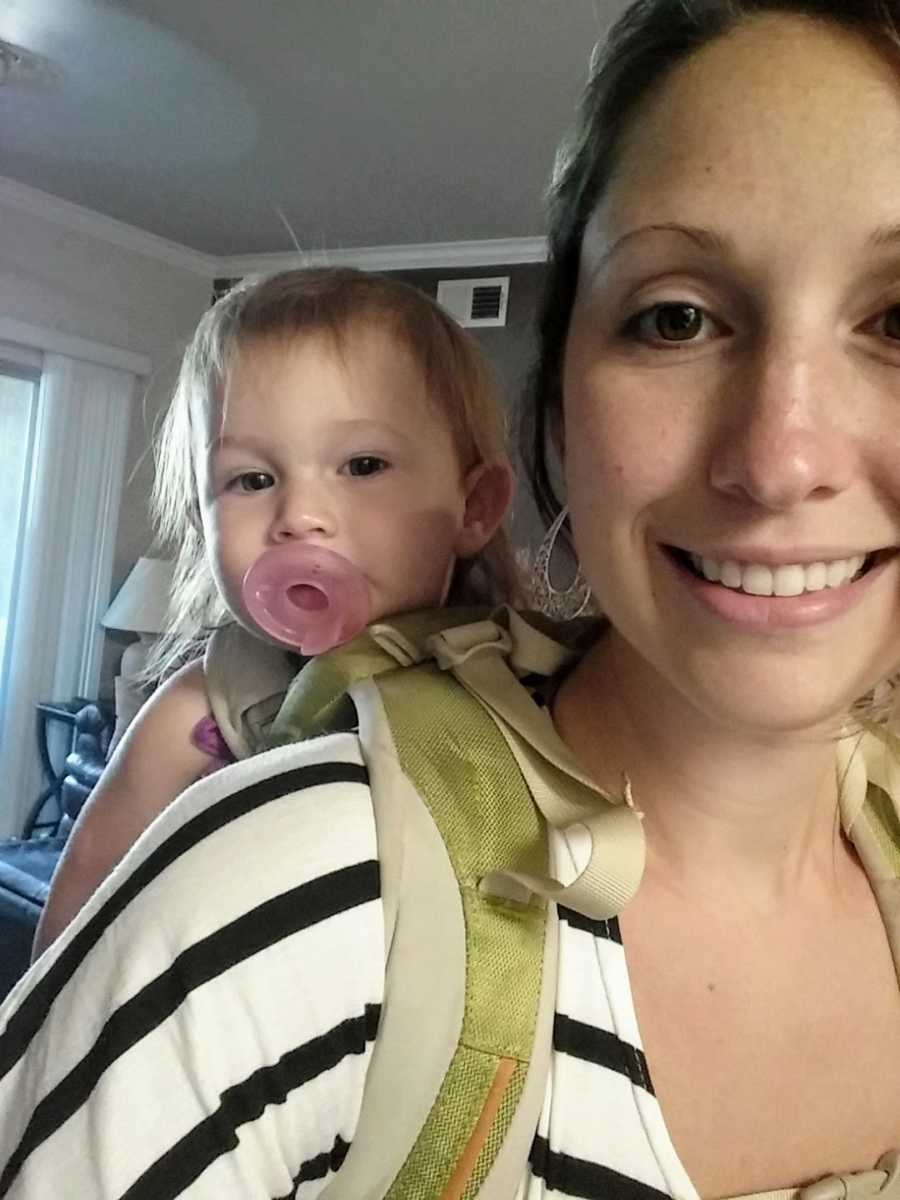
I could not have survived these years without my husband. Though I resist being cared for, he does it beautifully—reminding me my health matters, placing online orders when my brain is foggy, carrying me to the bath when I cannot walk. He is my anchor.
Scott embraced every career path I tried, even when my heart raced ahead of my body. There were times my mind and body were painfully out of sync. Each time I felt better, even briefly, I charged forward. While caring for our critically ill baby, I applied to nurse practitioner school. A few months in, my back gave out. I herniated my L4/L5 disc and lost sensation in my left leg. I missed my son’s first birthday. Months passed without answers. One doctor told me I was fine—that I’d imagined it all.
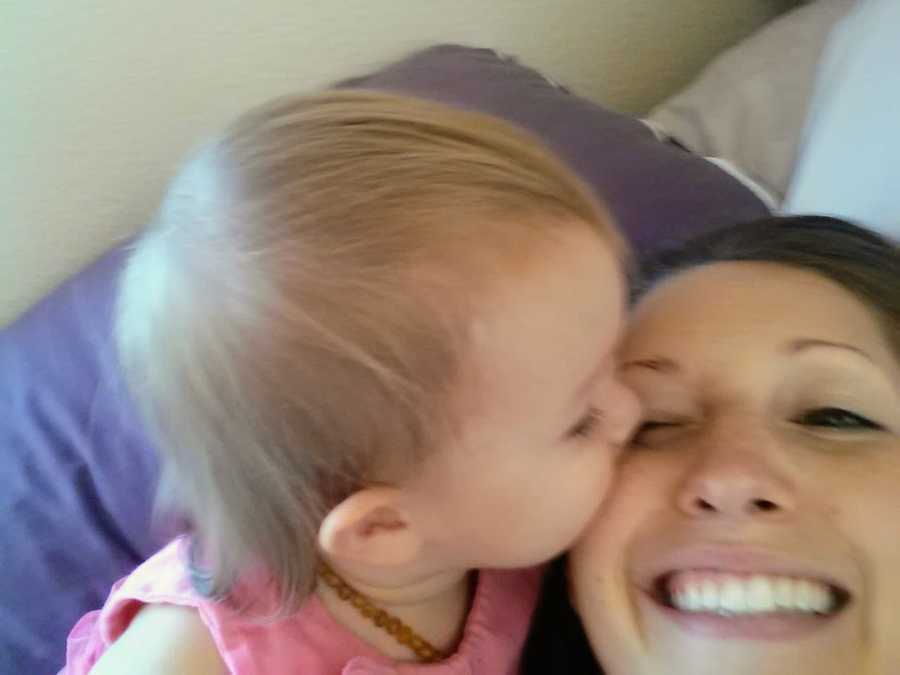
Another suggested early ALS or MS. The contradictions were devastating, compounding postpartum depression and anxiety. Still, I didn’t give up. Six months of physical therapy and therapeutic yoga restored 95% of my nerve function. I still trip sometimes, still drag my toes—but I can walk. And I am endlessly thankful. I am thankful for friends who crossed state lines to care for my baby while I was hospitalized, for my mother-in-law’s unwavering help, and for a love so selfless it still humbles me. This kind of love exists. I promise you, it does.
The virtual world changed everything. In 2011, I left nursing school to heal and support maternal mental health through yoga and writing. With a young child and chronic illness, my priorities shifted. I wanted time with my son—and I took it. I wanted more children—and once again, I pushed forward. I went into labor at nineteen weeks and spent the final eight weeks on bedrest. I gave birth to my first “healthy” baby, but medical bills piled up, and my daughter—my Wild—was anything but easy. She was later diagnosed with severe OCD and sensory processing disorder. From birth, she needed constant closeness—nursing, wearing, sleeping together.
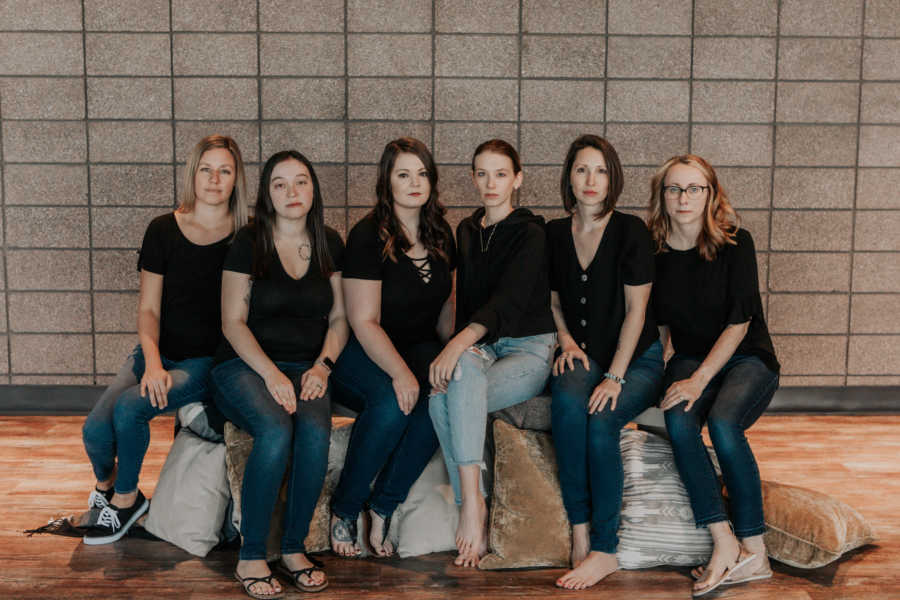
One day, Scott came home to find me broken—half the day spent crying from exhaustion and illness, the other half coloring in bed with two small children. He looked at me and said, “I feel like there are two different people.” His words cut deeply, but they were true. I hadn’t been honest about how sick I was. That day, I chose honesty—and found a beautiful virtual community. I built a six-figure health coaching business from my bed, paid off our medical debt, and felt hopeful again.
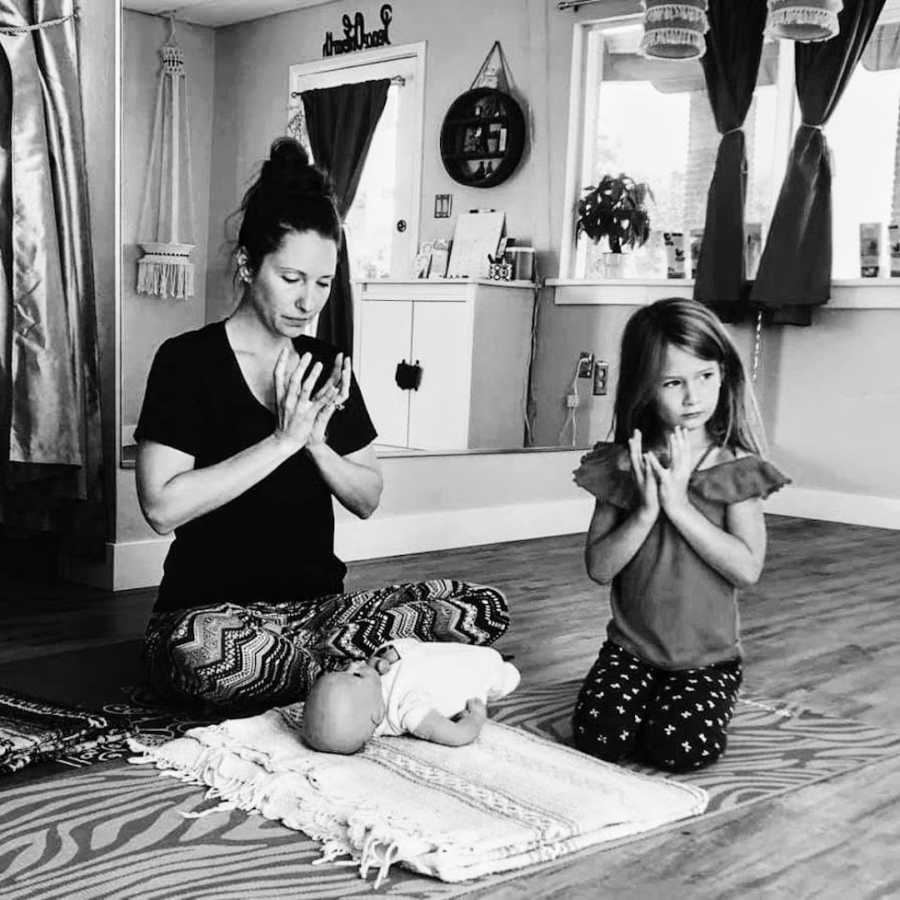
But boundaries matter—and my disease enforced them. In 2015, after attending a retreat in Florida, I returned home with Dengue Fever. My body unraveled. I hallucinated, suffered relentless infections, crawled up stairs at night, and lived in pain. Eventually, I received an official diagnosis: chronic fatigue syndrome (CFS/ME). I relearned how to walk and was told I qualified for disability.
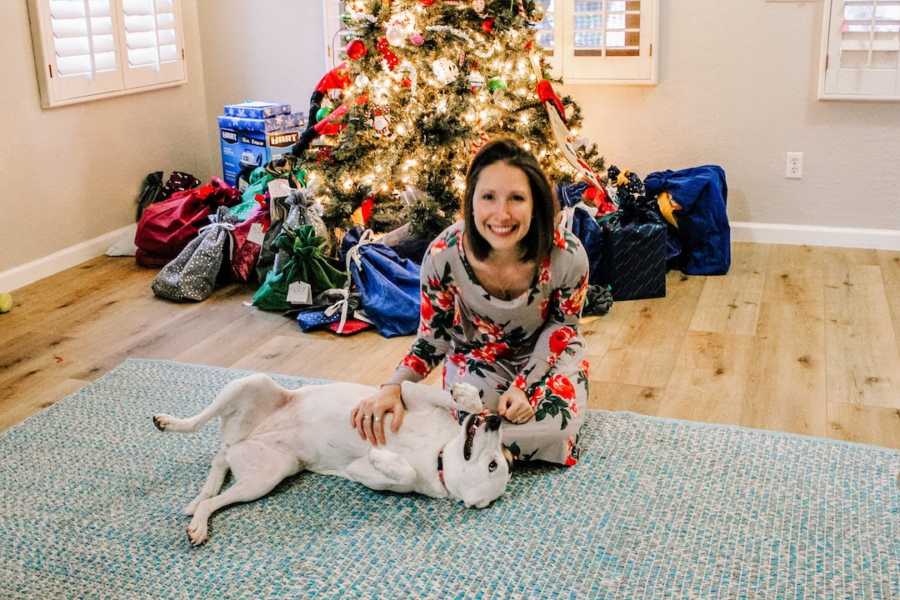
By grace and prayer, I left physical therapy three months later 93% able. But the pain, migraines, and mental health struggles remained. I walked away from my business. Writing felt impossible. At home, the pressure grew as my daughter’s therapies intensified and sleep disappeared. I was exhausted beyond words—a mother unable to mother, a creative unable to create.
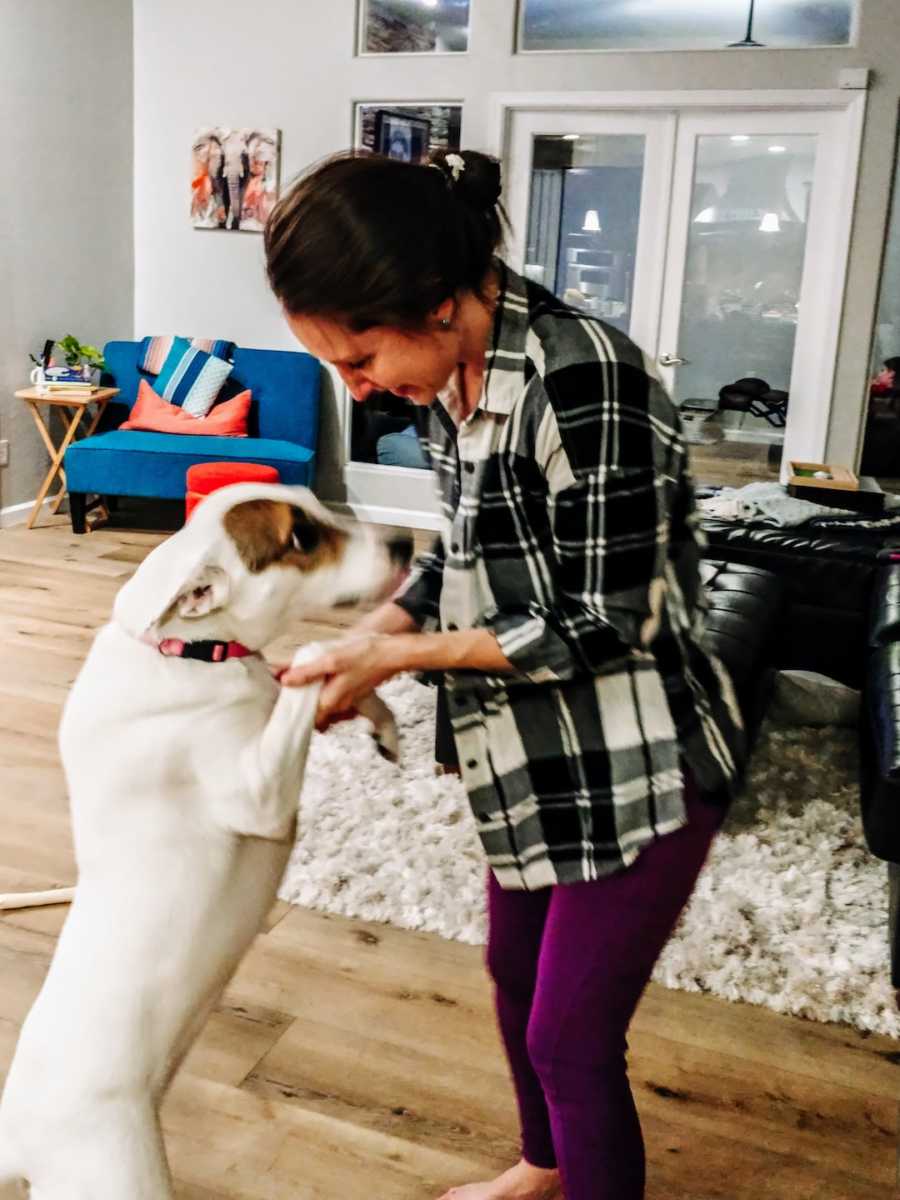
Then, in 2017, I was diagnosed with melanoma. CFS/ME, a neuro-immune disease, had alerted doctors before I noticed it myself. More diagnoses followed: Crohn’s disease and eosinophilic asthma. My only prayer was to see my children grow up. Three years later, I’m smiling as I write this—because I am.
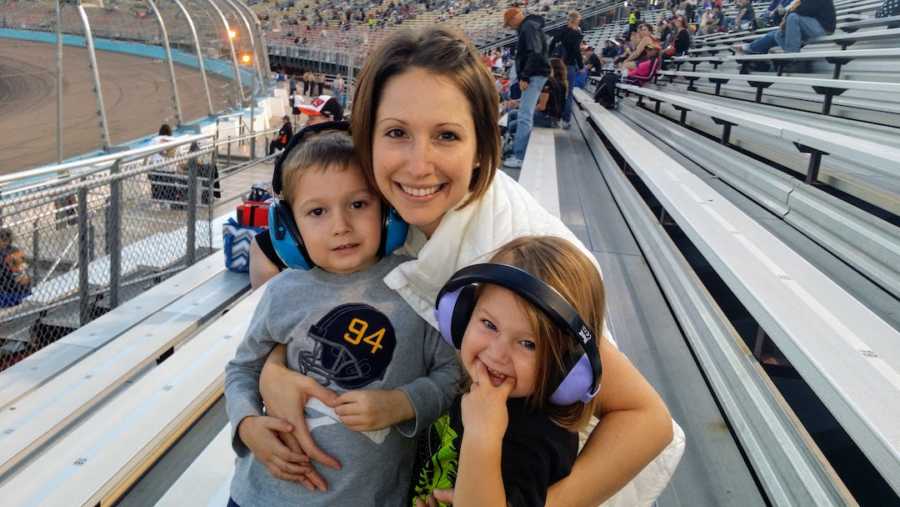
I am cancer-free, though not healed in the way people often imagine. Acceptance, for me, is bliss. I have joy here and now. I rest. I pray. I practice yoga, meditation, and breathwork daily. I see a therapist. I am honest—with my loved ones and my community. I love life. Deeply.
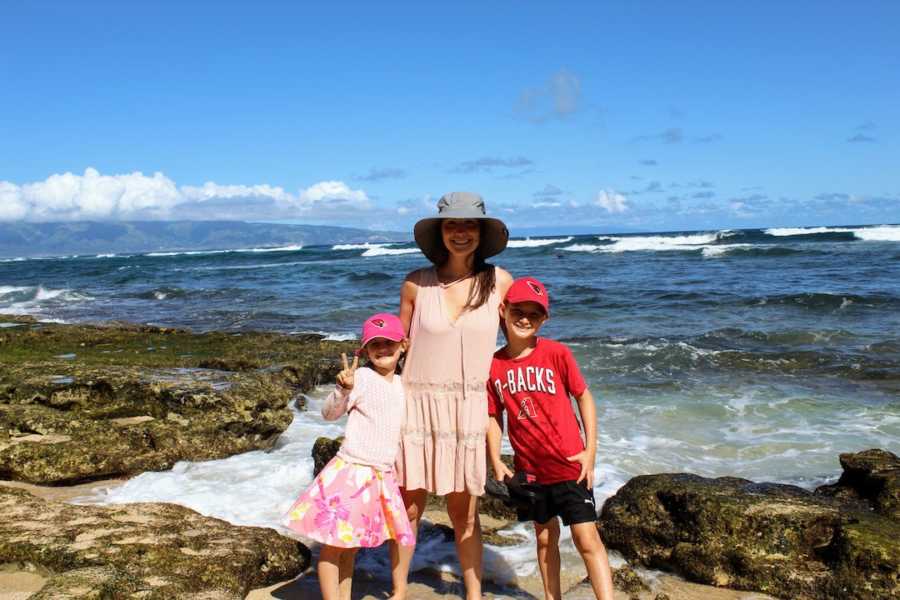
On good days, I work and serve again. I’m publishing my first children’s book, running a maternal-child mental health ministry, and supporting postpartum mothers alongside incredible women.
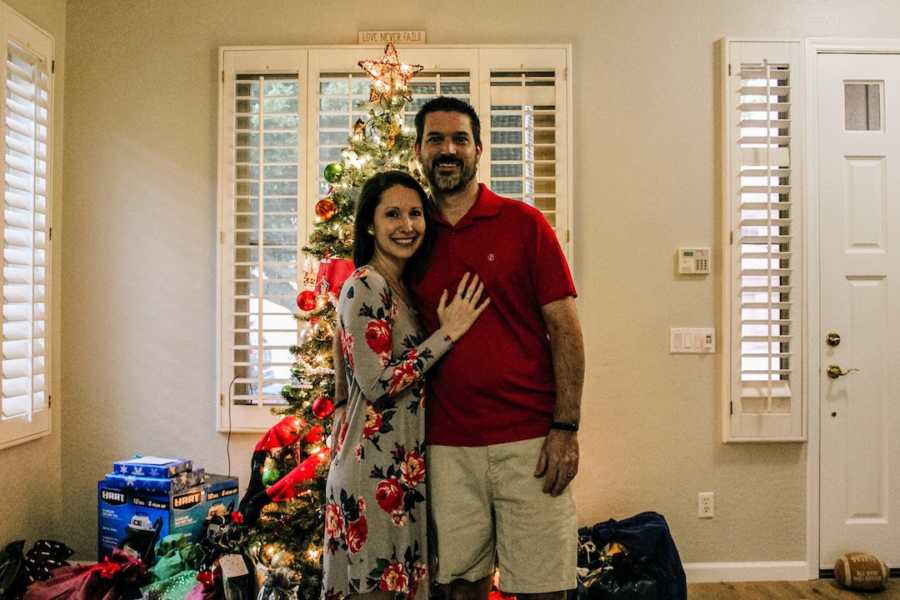
Everything is gray here—and that’s okay. I am learning to live well in the gray, to love well in the gray, and to serve well here, too. This empathy is a gift I would never have known without chronic disease. Friend, we are better together. We are worthy of full lives—even here, even now, even in the gray.