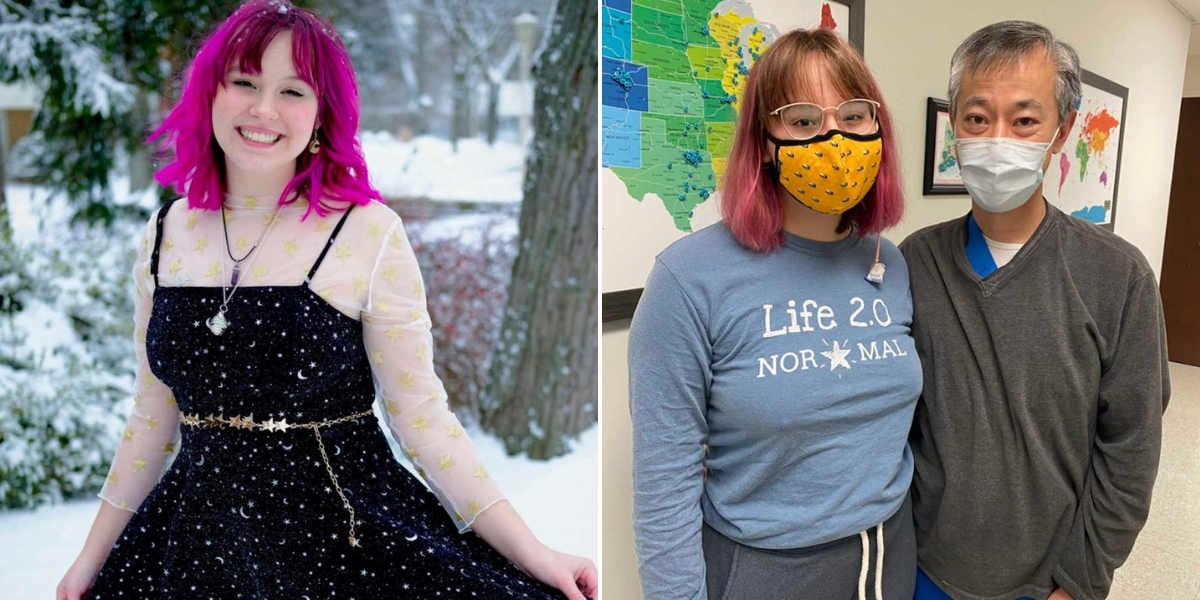
I was always the clumsiest kid—constantly collecting bruises, splits, and braces. I seemed to be always falling, always in a boot or brace, and often injured in ways that made me the family joke. I even joked myself about my unique ability to trip over thin air. That clumsiness became my brand. But now, at 17, my life looks very different: I live with multiple chronic illnesses, am physically disabled, and rely on a feeding tube and IV fluids to keep me alive.
My health struggles began from the very start. I was born two months early and spent several weeks in the NICU. I was a late walker, faced gastrointestinal issues from infancy, and lived in near-constant pain. Around age 10, I began experiencing week-long episodes of vomiting every few months. These episodes were dismissed as anxiety, just like my recurring joint pain. From middle school through high school, both my vomiting and joint issues escalated rapidly. Yet every concern was brushed aside. I was told it was all in my head, that my vomiting was just “stomach bugs.” It was incredibly frustrating, and I often wonder: if I had been truly listened to earlier, would my conditions have progressed as far as they have?
Everything changed one hot summer day before my sophomore year. I passed out, and suddenly passing out became a frequent occurrence. Around this same time, my doctor finally acknowledged that my constantly dislocating joints were a real problem. After years of searching for answers, I was diagnosed with Ehlers-Danlos syndrome, a connective tissue disorder affecting both joints and internal organs. When we mentioned the fainting episodes, I was also diagnosed with POTS, a related blood flow disorder. Starting treatment was both a relief and terrifying. For the first time, my symptoms had a name, and treatment was possible—but the reality of my rapidly declining health was scary.
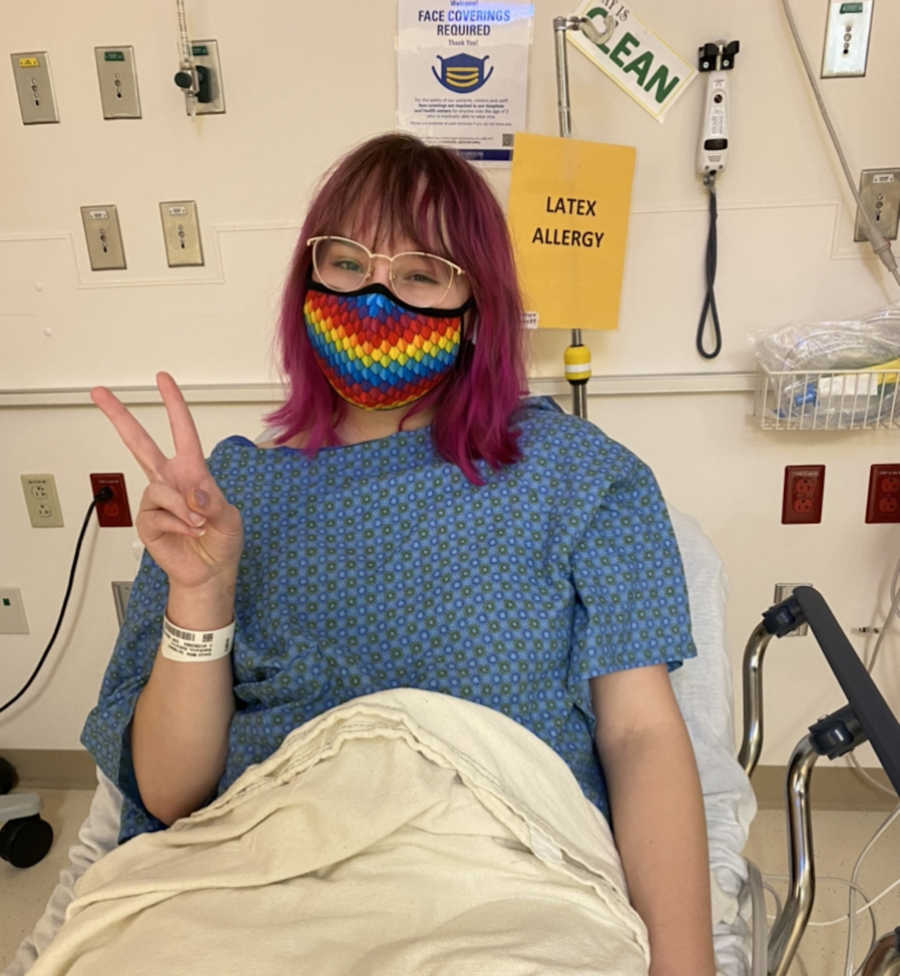
Not long after, I experienced what was thought to be another “stomach bug.” For a week, nothing stayed down, and an ER visit led only to IV fluids. Doctors assured me it was a virus and would pass. But it didn’t. I was soon diagnosed with gastroparesis, a condition causing partial paralysis of the stomach, making it nearly impossible to digest food. It was a heavy realization—my once “healthy” life had abruptly become centered around hospitals, illness, and survival.
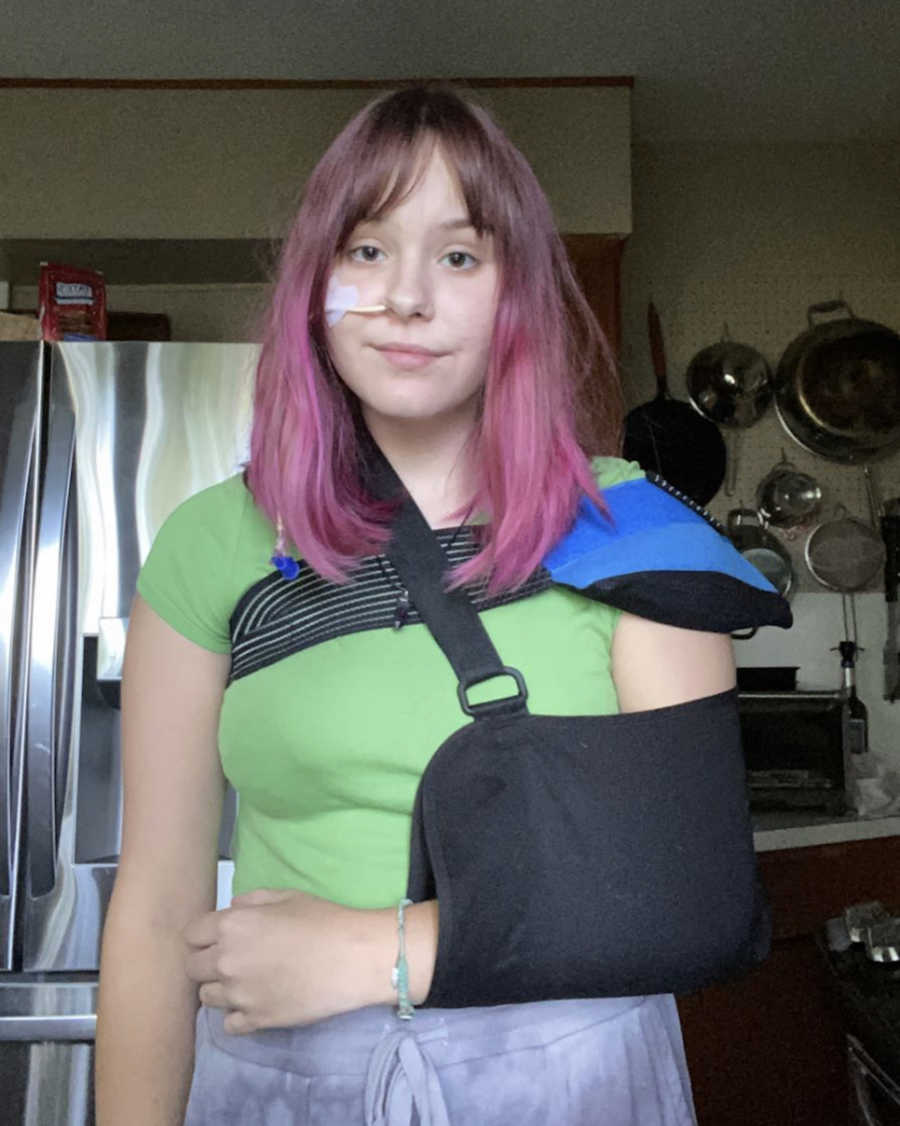
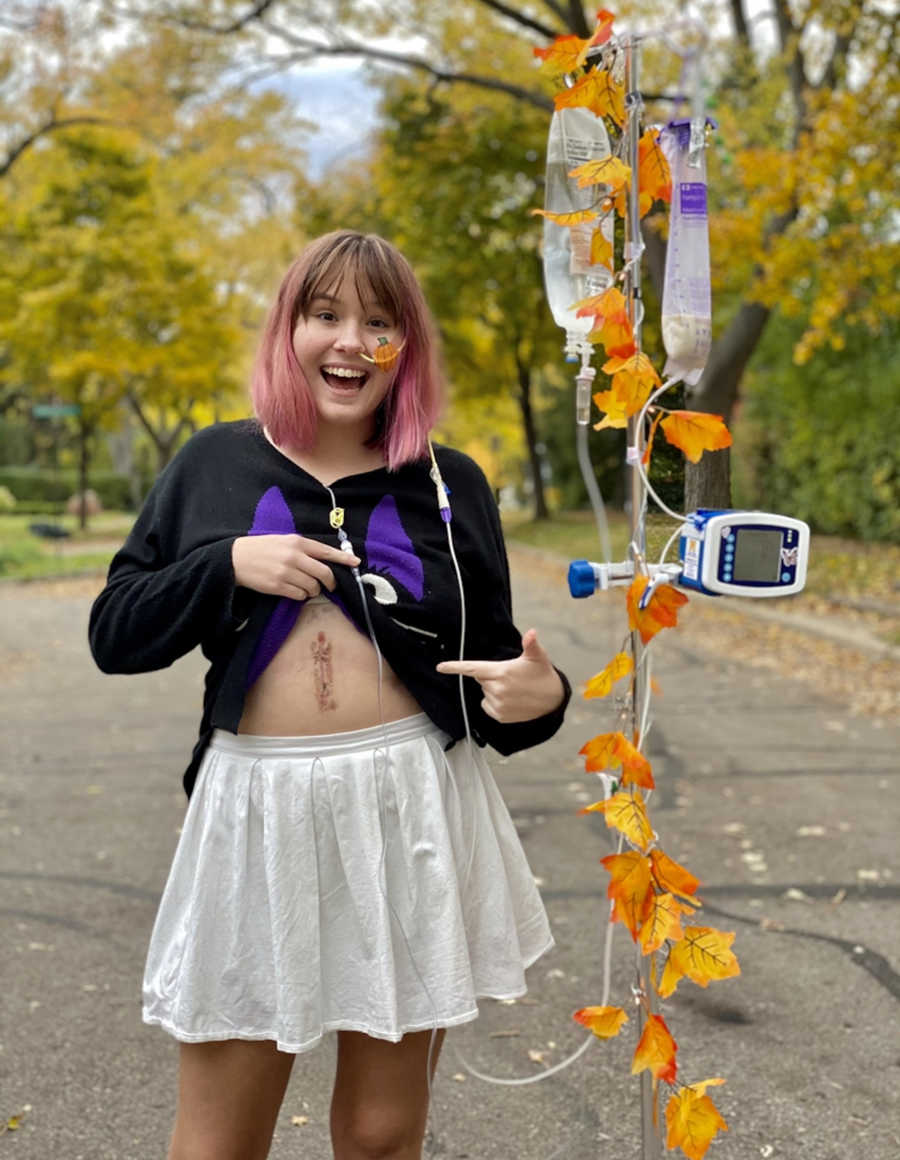
My weight plummeted, and my health continued to deteriorate. IV fluids became a regular necessity to manage POTS and dehydration. I found myself hiding my illnesses from nearly everyone, consumed by embarrassment. I maintained a double life: a high schooler by day, a patient by night. Despite missing most of the school year, I confided only in my closest friends. Health felt taboo, as if I wasn’t allowed to share the reality of my body.
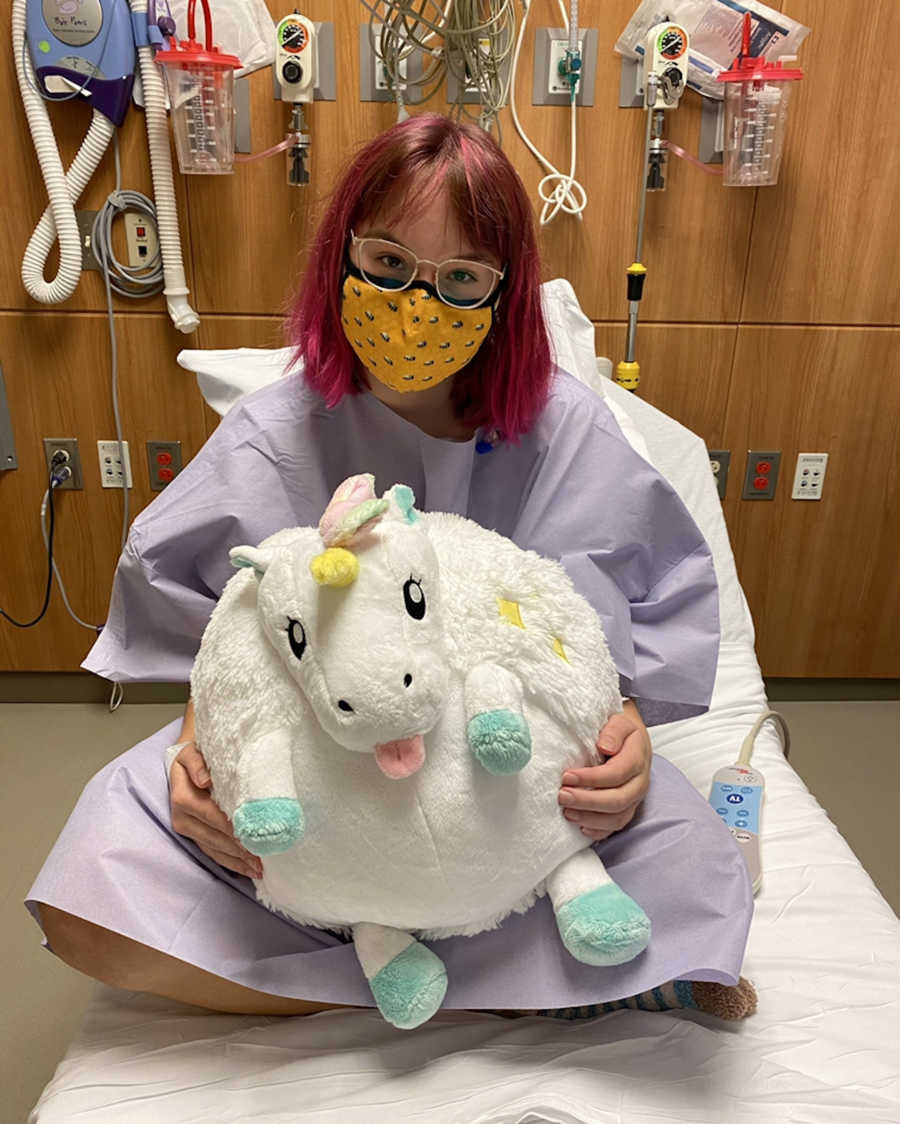
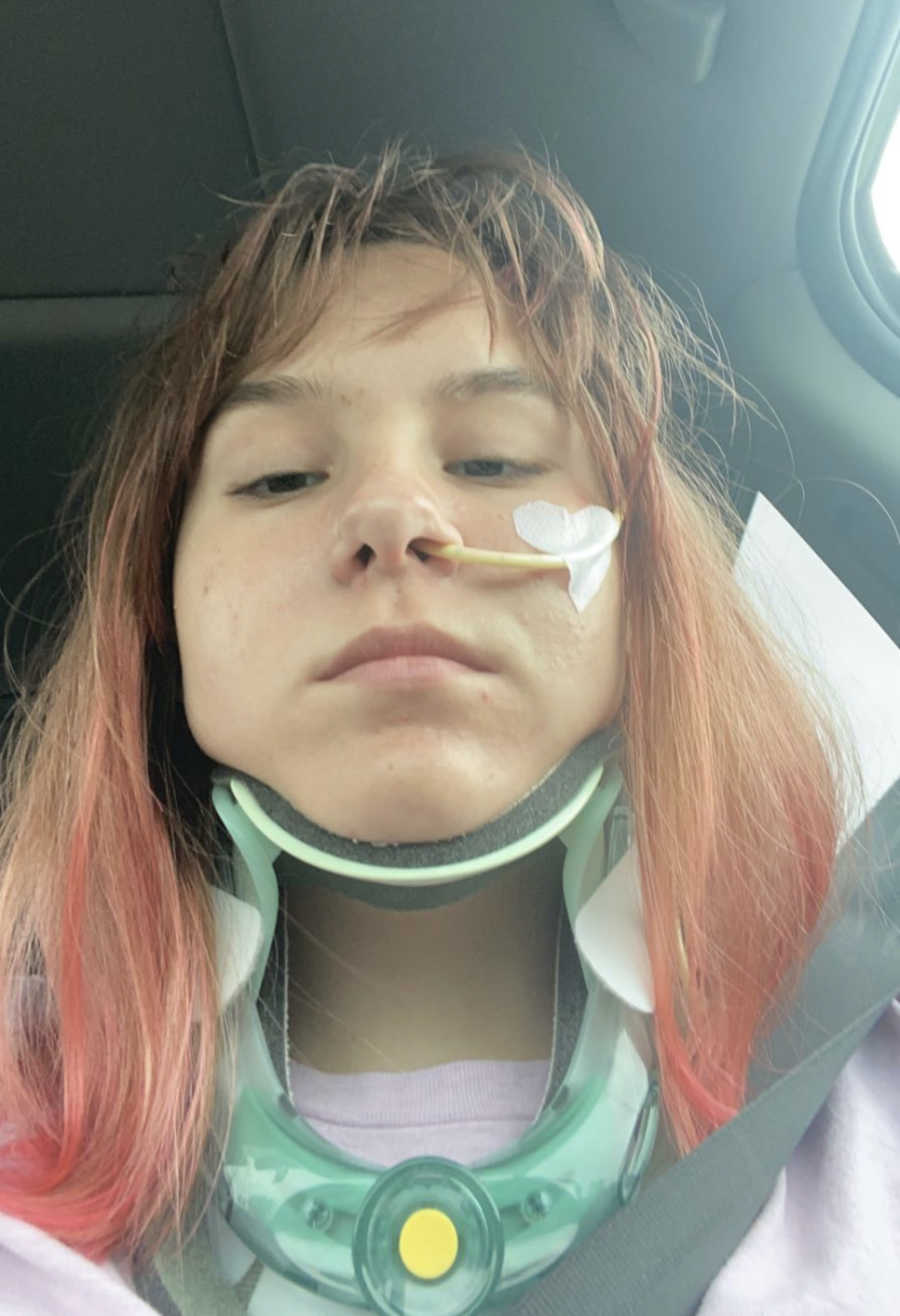
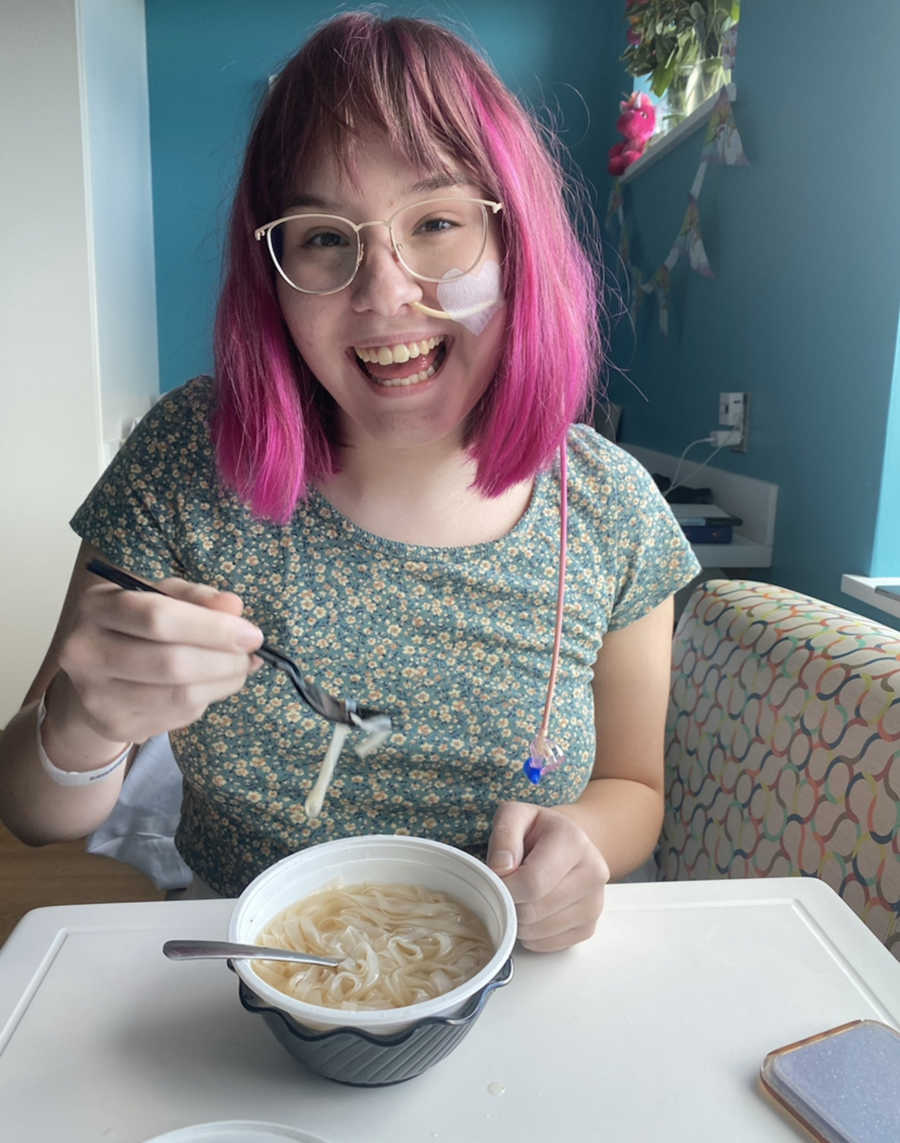
By April 2020, I was unable to eat more than a few bites and had lost over 35 pounds. I got an NJ feeding tube placed, running from my nose to my small intestine, bypassing my stomach entirely. It was terrifying at first—the idea of a tube down my nose sounded unbearable—and yet, for the first time in months, I had energy. I could get out of bed. I could live again. The tube not only saved my life but improved my quality of life. Initially, I worried about judgment from others, but over time, I embraced my differences. I learned to smile back at curious or disapproving stares, proud of how far I had come.
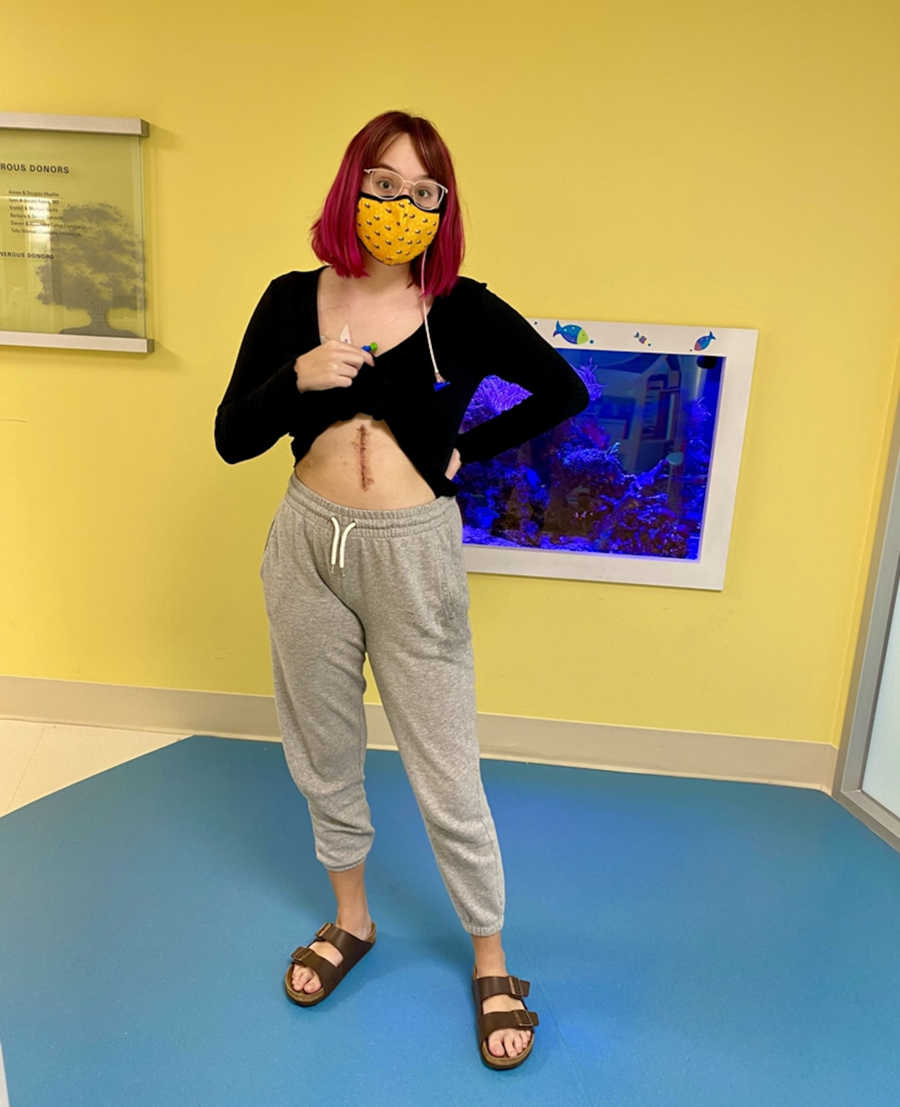
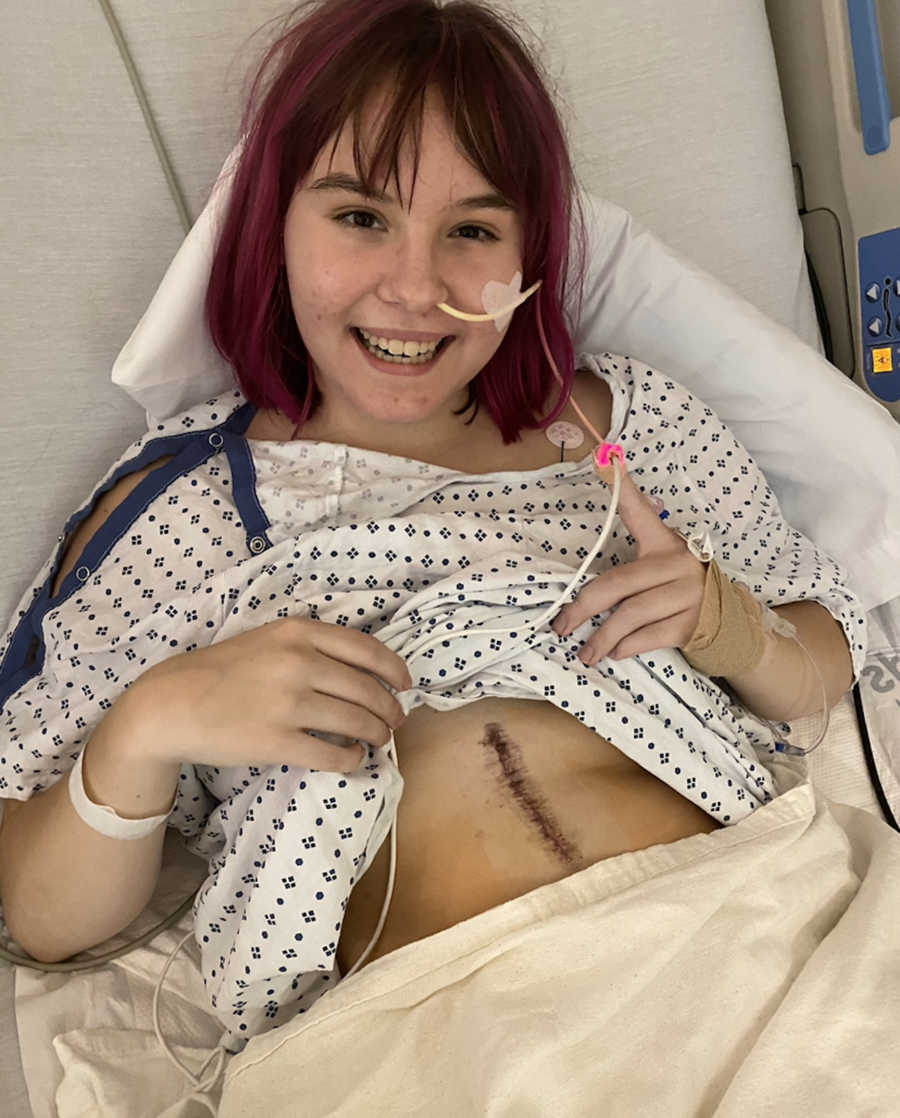
Shortly after, I was diagnosed with MALS, a rare condition where the celiac artery is compressed, contributing to my inability to eat and causing constant, severe stomach pain. The diagnosis was not easy—many dismissed it as too rare to be possible—but eventually, a specialist, Dr. Hsu, confirmed it. Unlike my other chronic conditions, MALS had a solution: surgery. On September 30, 2020, I underwent a major open abdominal surgery with a long recovery period in Connecticut, close to the hospital. It was intense—20 days away from home—but life-changing. For the first time, I could breathe deeply, exist without constant pain, and experience a new level of freedom.
Though I still live with gastroparesis and rely on my feeding tube, life post-surgery improved significantly. My NJ tube, which frequently dislodged, caused repeated ER visits and medical trauma, now diagnosed as PTSD. Eventually, it was converted to a surgical tube in my abdomen, reducing the constant stress and physical pain.
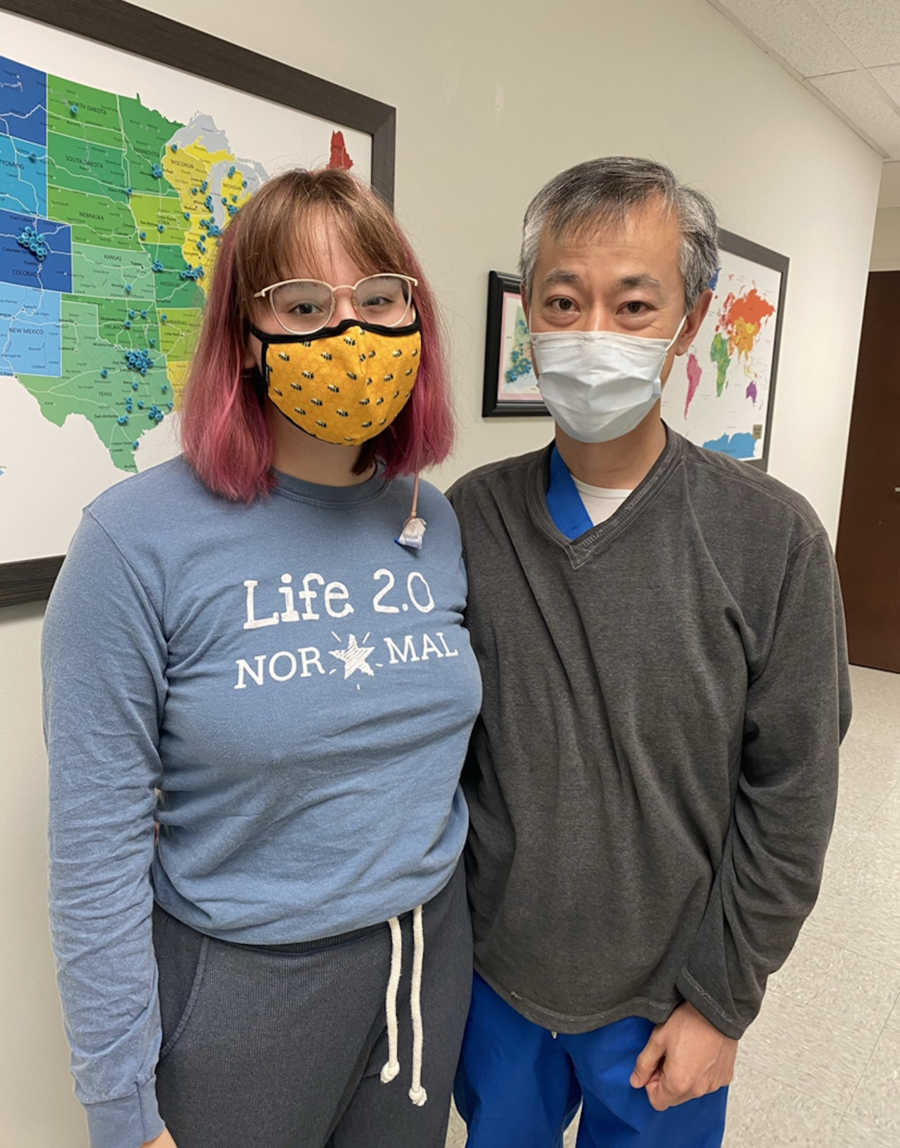
Through these experiences, I realized hiding my illness was impossible. My NJ tube was visible on my face, and I took the brave step of sharing my story on Instagram. The response was overwhelming—support poured in, and I found a sense of community I hadn’t known before. I began sharing openly on TikTok and Instagram, educating others about chronic illnesses and disabilities. My goal became clear: normalize what I once felt ashamed of and support others facing similar challenges. I dream of acting and modeling, proving to the world that you can achieve anything, even with disabilities and differences. I’ve learned to embrace my medical devices, scars, and body, proud of every obstacle I’ve overcome.
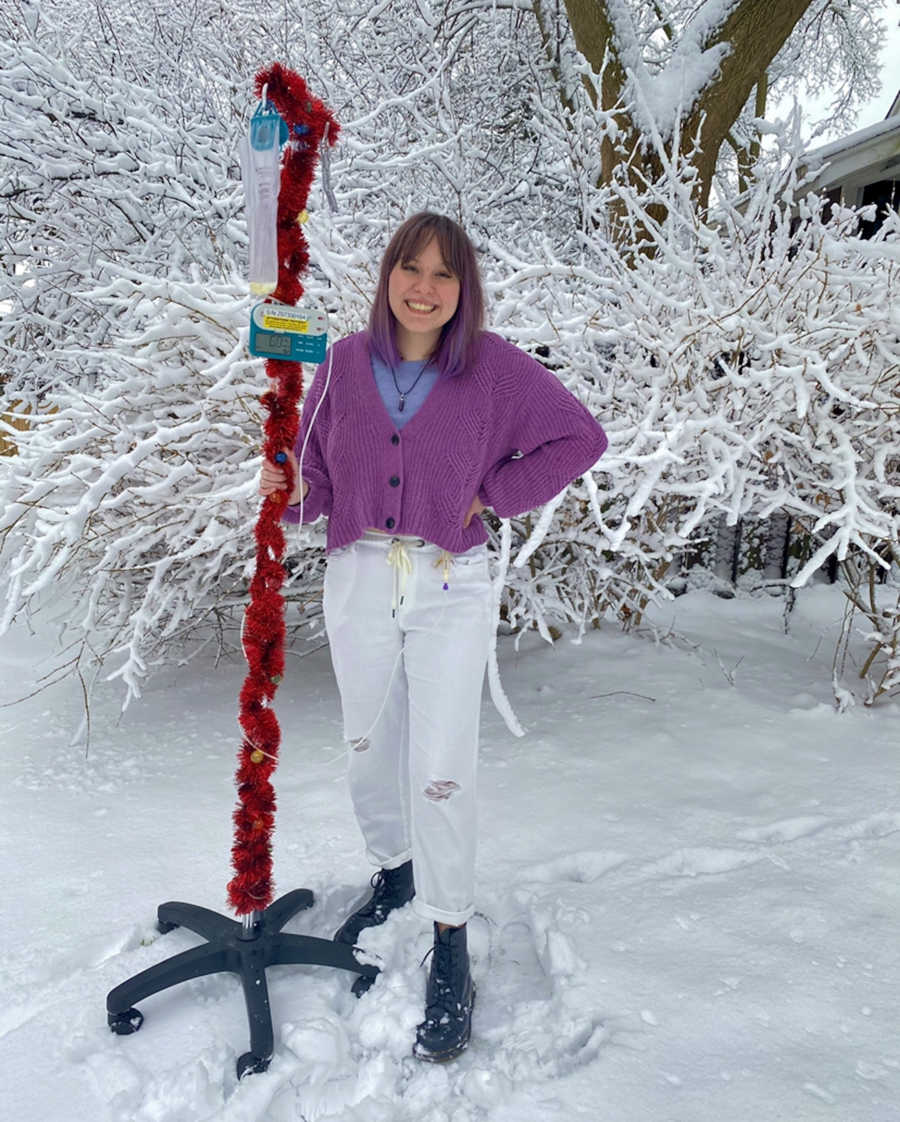
Of course, sharing openly hasn’t been without difficulty. I still receive cruel, ableist comments, including suggestions that I should “unplug” or die. These words hurt deeply, but I’ve learned to focus on the positive messages and use my anger to educate and advocate. Health should never be a taboo topic—it’s vulnerable, but it’s worth opening up about. The support of friends, followers, and a compassionate community has made self-love possible. I hope that, by sharing my story, even a small difference is made in someone else’s life: helping them feel less alone or learn something new.