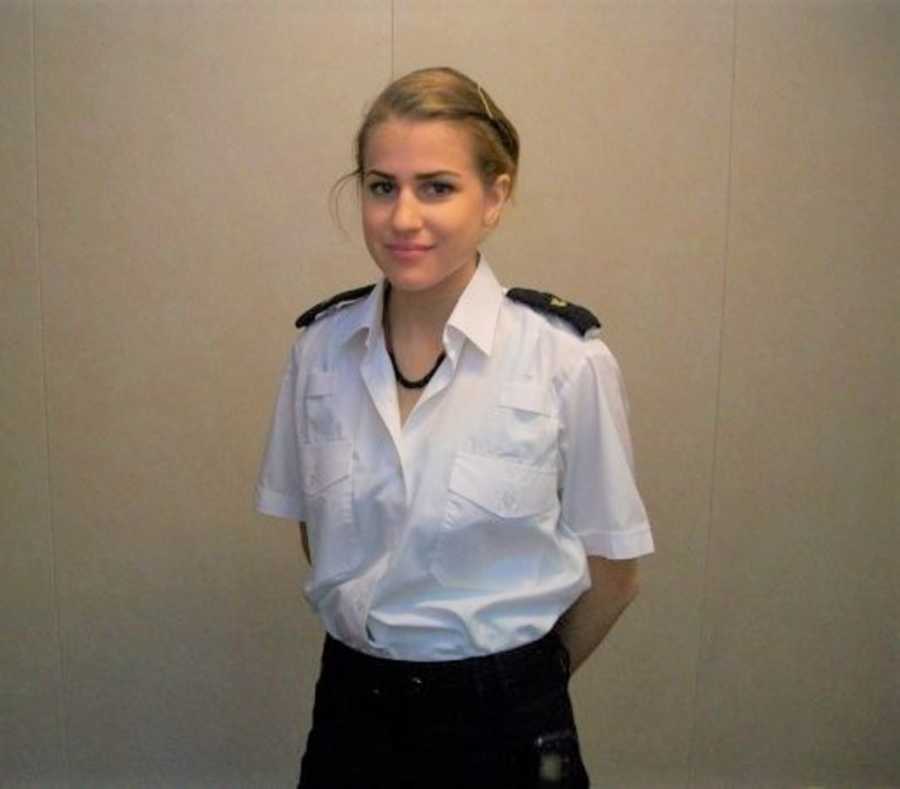
“’Yeah… okay. I’m definitely not straight,’ I realized as I listened to my bunk mate moaning in her sleep. She was in the bunk below me, perhaps dreaming—or maybe just enjoying herself—and I felt a rush of desire I couldn’t ignore. I have a boyfriend, I reminded myself, even though I was 19 and living on a tiny hospital ship halfway across the world from him. Nothing ever happened with my bunk mate, but the intensity of my attraction confirmed something I had long suspected and repressed: I was either gay—or at least some version of gay. Up until that moment, in my cramped little cabin on that ship, I had never consciously admitted to myself that I could be attracted to women.
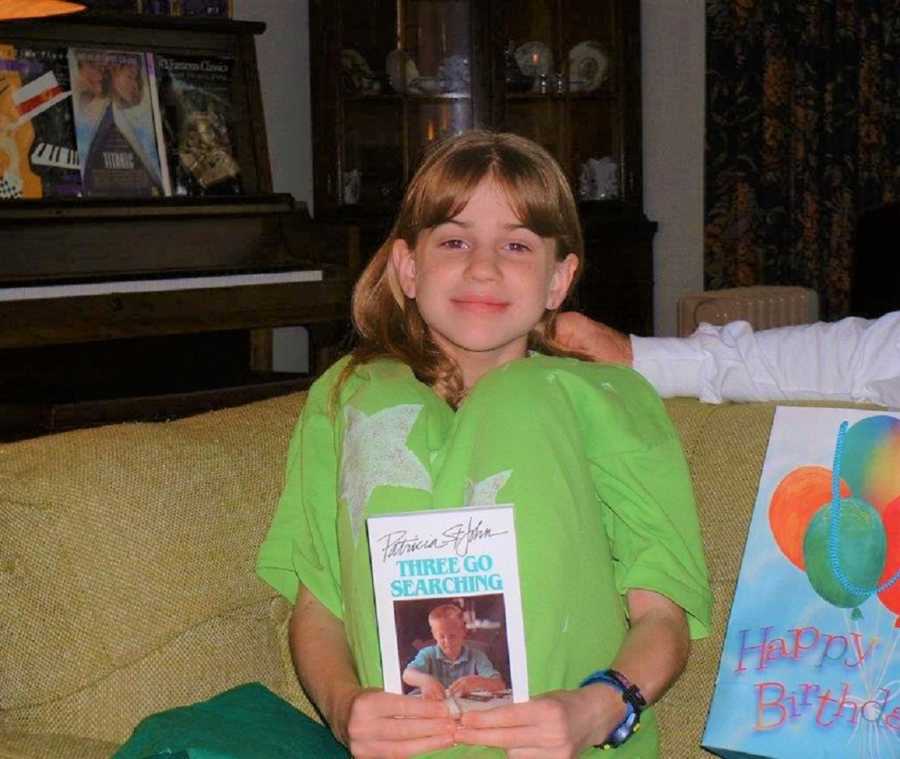
I grew up in a conservative Christian household, homeschooled for most of my childhood, where I never met anyone openly part of the LGBTQ+ community until I was 13 or 14. At church, homosexuality was declared a sin, and trans identities weren’t even mentioned—too “shameful” to discuss. It was made painfully clear that gay and trans people weren’t an option. I remember having crushes on boys my age and imagining a future where I married a man, had children, and homeschooled them just as I had been. I carried fear and shame around same-sex attraction, believing it was wrong and unnatural.
When I was 13, my dad got a new job in Austin, Texas, and we moved for the first time in my life. I was devastated to leave the only home and friends I’d ever known and terrified to enter public school for the first time. I assumed public schoolers were “bad kids” and that it would be a disaster. Yet after a couple of months, I had made genuine friends and realized school wasn’t the God-forsaken place I had imagined.
It was in middle school that I first encountered queer people. There was Bunny, a confident bisexual skater girl who intimidated and inspired me, and Taylor, the first transgender person I ever met. He was assigned female at birth but used he/him pronouns, though teachers rarely respected them. I wish I had been a better ally; instead, I stared, misgendered, and misunderstood him. Meanwhile, I began noticing myself checking out girls as they walked past my desk, alongside my crushes on boys. One day, a boy and I both watched the girls pass by, and I thought, Am I gay? No way. Looking is normal, I’m sure. Denial was my armor.
High school brought new experiences and confusion. By 17, I had earned a reputation as an “incredible kisser,” and friends—mostly girls—asked me to teach them. I lost count of how many kisses I gave, all “educational” in nature. Repressing my same-sex attraction, I remained convinced I was straight. That is, until I was sexually assaulted later that year. A boy at a party pulled me into a bathroom, forcing me toward him while exposing himself. I had never seen a penis before and was shocked and scared. Fortunately, someone walked in, saving me.
That trauma caused me to question my feelings about men, yet later in sophomore year, I fell in love with a boy. Our intimacy was safe and consensual, and for a while, I forgot my doubts and felt happy. After our first big breakup, I struggled with depression and anxiety and turned to pornography for comfort—a habit that became unhealthy. Most unsettling was the kind of porn I watched: only women. I convinced myself it was “okay,” reasoning that women were gentler, not aggressive. Still, I carried guilt, believing my attraction to women was perverse.
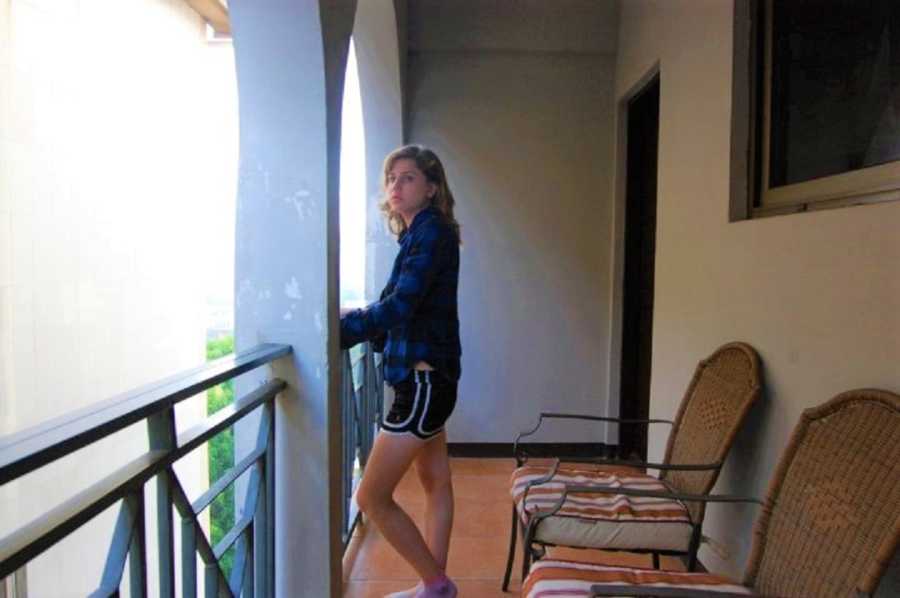
At 19, on that ship off the coast of Africa, my attraction to my bunk mate made one thing clear: I was some kind of gay. Bisexual, probably, because I had been attracted to both men and women. I didn’t dwell on it—my religious upbringing told me this attraction was wrong, and I had a boyfriend I loved. Then, two months before I was due home, he broke up with me, leaving me heartbroken.
Back home, I transferred to his college to rekindle what we had, maintaining a friendship with benefits. It never evolved into reconciliation. But during that time, I met Mason, a friend of his—beautiful, witty, intriguing. I noticed my attraction immediately but suppressed it, believing it was impossible to be with a woman. My same-sex attraction felt shameful and perverse, and I knew my family would never accept it.

Soon, I found a new community: a Christian campus ministry with close-knit friendships. Jake, a charismatic and intellectual young man in this community, quickly fell for me. We spent hours talking in those first days, and I loved the attention he gave me. We started dating, agreeing to remain sexually pure. I confessed my porn addiction, but never my attraction to women—I refused to speak it aloud, fearing it meant admitting I was “sexually broken.”
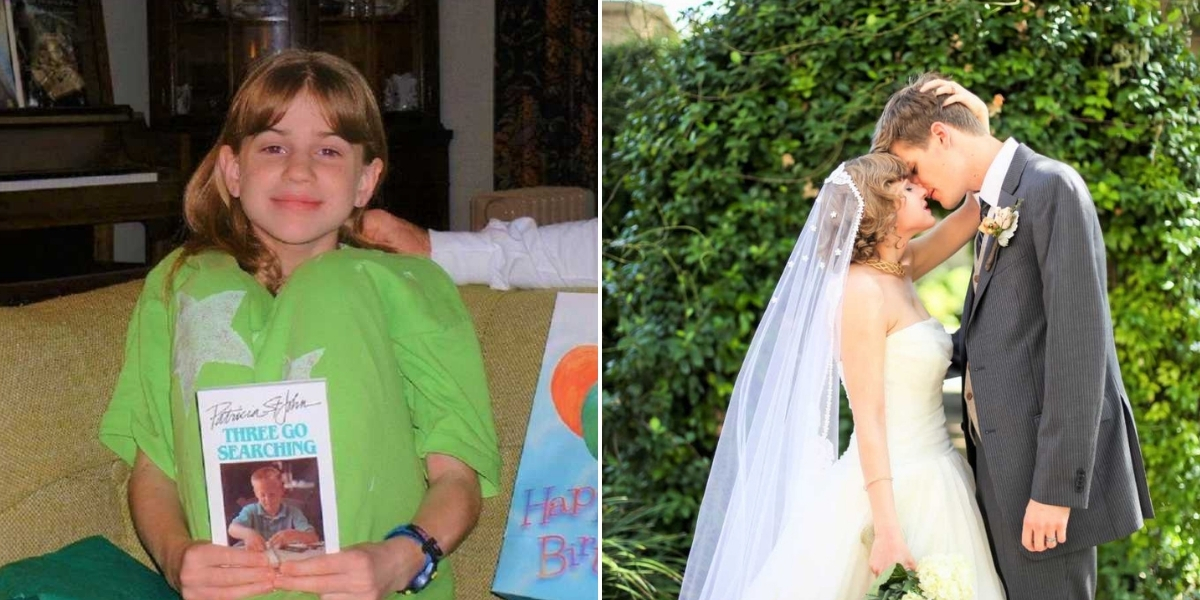
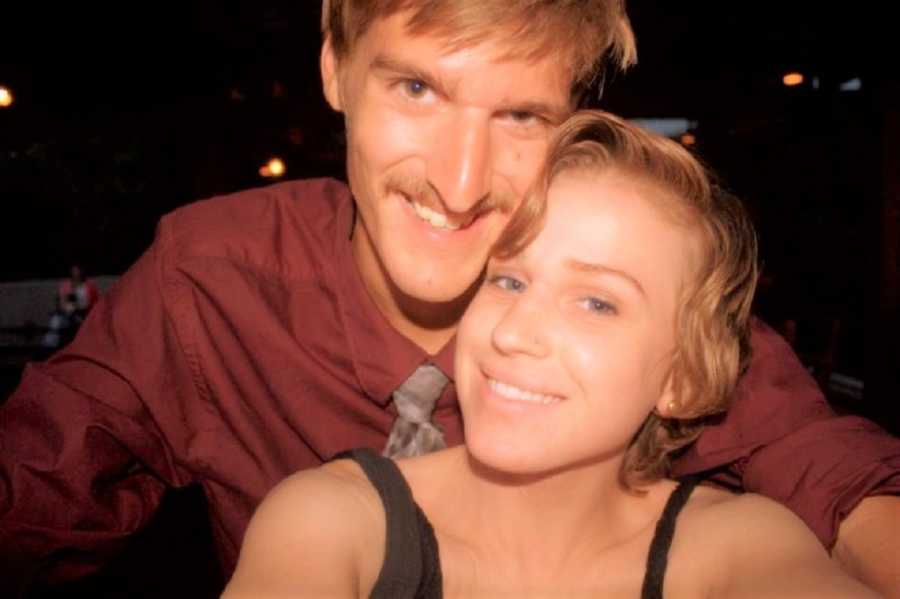
Despite these fears, I fell hard for Jake over the next few months. His intelligence, humor, and musical talent captivated me. After three years, we married. Over time, Jake began questioning some of his own beliefs and became more comfortable with my queerness than I was. I struggled with same-sex attraction, praying for it to disappear, crying over my perceived brokenness.
Then something extraordinary happened. Jake told me Mason had spotted him in our old college town and asked about me. When he mentioned I was married to him, Mason responded, “Oh! I always thought she was into girls.” Jake’s simple reply, “Well, she is. She swings both ways,” left me stunned. For the first time, someone acknowledged my queerness without judgment. It felt warm, safe, and affirming. Over time, I began referring to myself as “Jake’s bisexual wife” in conversations with close friends—a slow, casual coming out.
Over the past two years, I’ve begun letting go of traditional, conservative Christian beliefs, embracing an equal role in our marriage and rejecting the homophobic and transphobic teachings I was raised with. My queerness is good. I am good. Six months ago, a dear friend came out to us, trusting Jake and me as the first people beyond their partner. Loving and celebrating them opened a floodgate—I finally loved and celebrated my own queerness. At 31, I embrace the full spectrum of who I am. I feel at home in my body, safe, whole, and perfect as God intended.
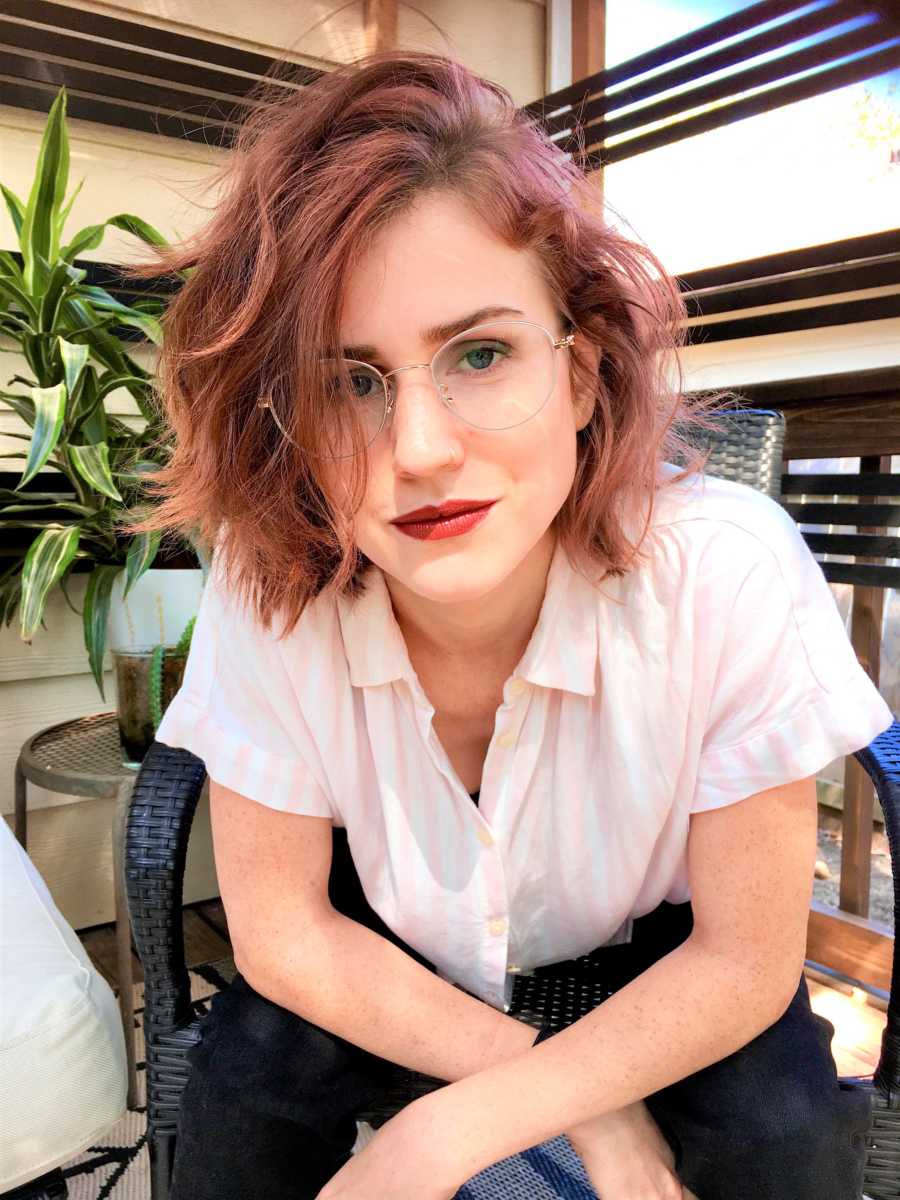
Recently, I chose to publicly embrace my identity. I prefer the term queer—it feels affirming and natural. I shared it casually on Instagram during my birthday week: I’m queer, and I’m proud. My family hasn’t all responded in person, but I am giving it time. I hope my visibility changes perspectives. Most importantly, I am raising two kids who see love in all forms, teaching them that families look different, and that love—no matter the form—is beautiful.