I grew up a tomboy—strong, stubborn, relentless, and endlessly determined. I played sports, fought hard for what I wanted, and instinctively knew I had to work twice as hard as the boys to earn the same respect. As a young child, this resilience served me well. People noticed, and although my assertiveness was unusual, it was generally accepted. But as I entered my pre-teen and teenage years, the same traits that had once been praised were no longer welcome. My determination and confidence were suddenly labeled as “bitchy,” “disobedient,” or “rebellious”—qualities that seemed to make me unworthy of love.
When I was thirteen, my parents finally separated—a long time coming. My older brother and I had grown up surrounded by constant fighting, yelling, and chaos. While the split was inevitable, at thirteen, I had no idea how to process it. I blamed my father for the collapse of our family, unaware of the full extent of my mother’s actions—cheating, drug use, and abuse. That anger and resentment lingered for years.
My mother moved on quickly, becoming involved with a man who was manipulative and toxic. He would brainwash her in cruel ways, though that never excused her behavior. Meanwhile, my father began a new relationship when I was fifteen. By then, our relationship was strained; the anger between us had reached a peak. He no longer saw me as his feisty, strong-willed daughter. He saw a tyrant he wanted nothing to do with.
My mother, trapped in her own turbulence, began to distance herself from reality and from us. She even attempted suicide. I still remember receiving her suicide note in the mail, a note my father and stepmother had tried to hide. At fifteen, it was unbearable.
I rebelled, angry and confused. I blamed my father, my stepmother, my mother, and even George, the man in her life. I couldn’t understand why she would abandon us, not once, but again—and then attempt to abandon herself. It would take years for me to understand that my mother was human, burdened by deep, untreated trauma from her childhood, her siblings, and past marriages. She suffered from severe PTSD, though I had no idea at fifteen. Understanding her pain took time—and acceptance that she would never get the help she truly needed.
Eventually, I realized I could no longer sustain a relationship with her. I had tried to love and support her despite her brokenness, but the constant lies and sabotage were exhausting. The final time I saw her was to let her know I was pregnant with my son, Jack—and that she would not have a place in his life. It was painful but necessary.
At the same time, my father and stepmother started their family, and my father’s attention and love shifted to them. I felt abandoned, angry, and resentful. Our household grew increasingly violent; I was physically harmed and, in retaliation, once punched my father. At fifteen, I chose to move out. My options were limited: I moved in with my high school boyfriend and his father—a decision that quickly proved toxic. He was cheating and controlling, and our relationship ended in emotional turmoil.
From fifteen to twenty, I moved eight times, bouncing between friends’ homes, short-term rentals, and whatever stability I could find. I worked relentlessly—always at least two jobs—while trying to figure out who I was and what I wanted. I was lost, ashamed, and deeply insecure. But I also had incredible friends who offered support when I needed it most, a kindness I will never forget.
At twenty, I met Phil. We moved in together, and life seemed to stabilize, until I accidentally became pregnant. Phil disappeared, and I endured a harrowing miscarriage alone, with my friend Ashley by my side. She cared for me when I could barely care for myself, collecting what I had lost to take to the hospital. Phil returned later as if nothing had happened, leaving a deep emotional scar.
By twenty-two, I married my first husband. At first, it was a fairytale—travel, romance, excitement—but it soon turned into a nightmare. I discovered his secret compulsions, including sex and pornography addiction, which he justified by his upbringing. He became verbally, physically, and sexually abusive. He belittled my body, my style, my identity, even physically attacking me in our own backyard for simply sunbathing. I faced constant betrayal, threats, and manipulation.
At twenty-four, I became pregnant again, terrified of bringing a child into this life. That pregnancy ended in miscarriage, likely due to stress, anxiety, and an eating disorder I had developed. Looking back, it was a painful blessing. I realized I could no longer live in fear and self-denial. I left my marriage after two and a half years, devastated, financially ruined, and temporarily homeless—living in my car with my dog Nova, my loyal companion.
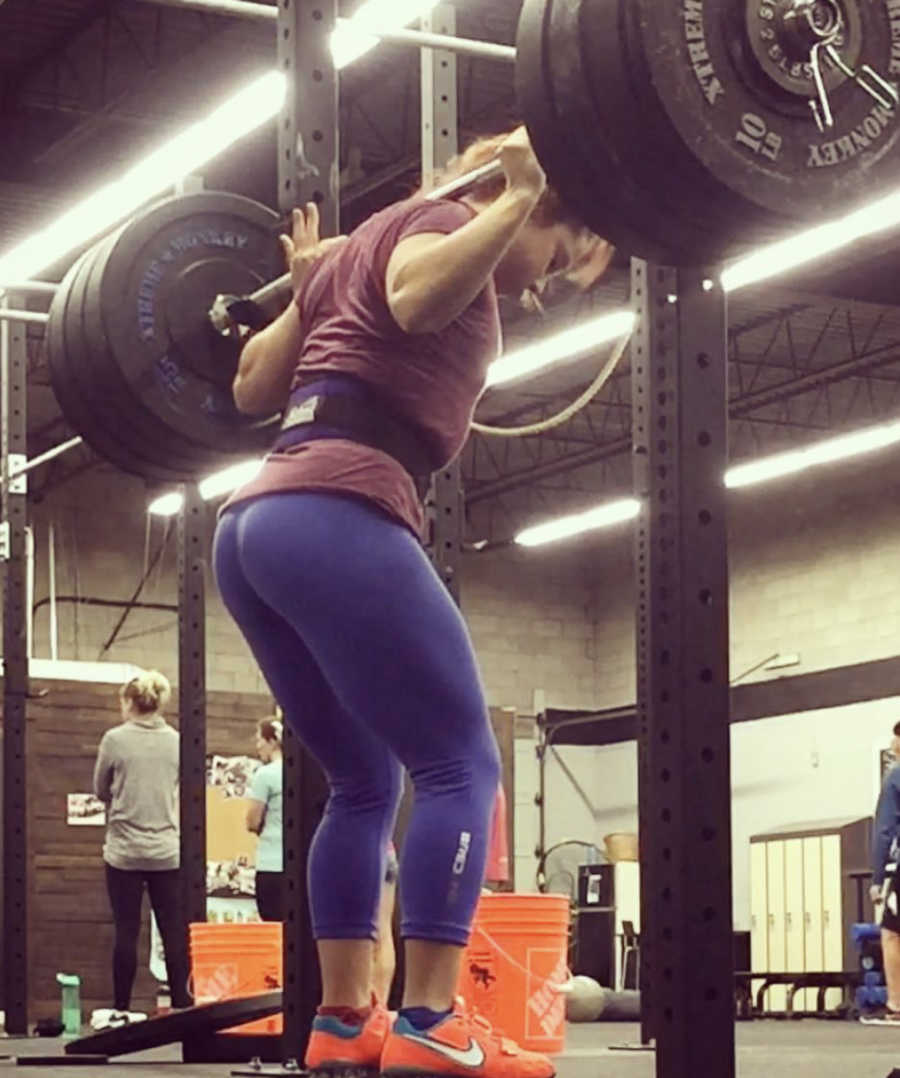
Throughout my twenties, I worked tirelessly. I never had less than two jobs, often 16- to 18-hour days, trying to reclaim my life. I moved another eight times, searching for stability, for a place to call home, and for a life I could be proud of. But it wasn’t until I found CrossFit at twenty-seven that I experienced a sense of belonging, purpose, and joy I hadn’t felt in over fifteen years. The camaraderie, the support, the celebration of progress—it felt like coming home.
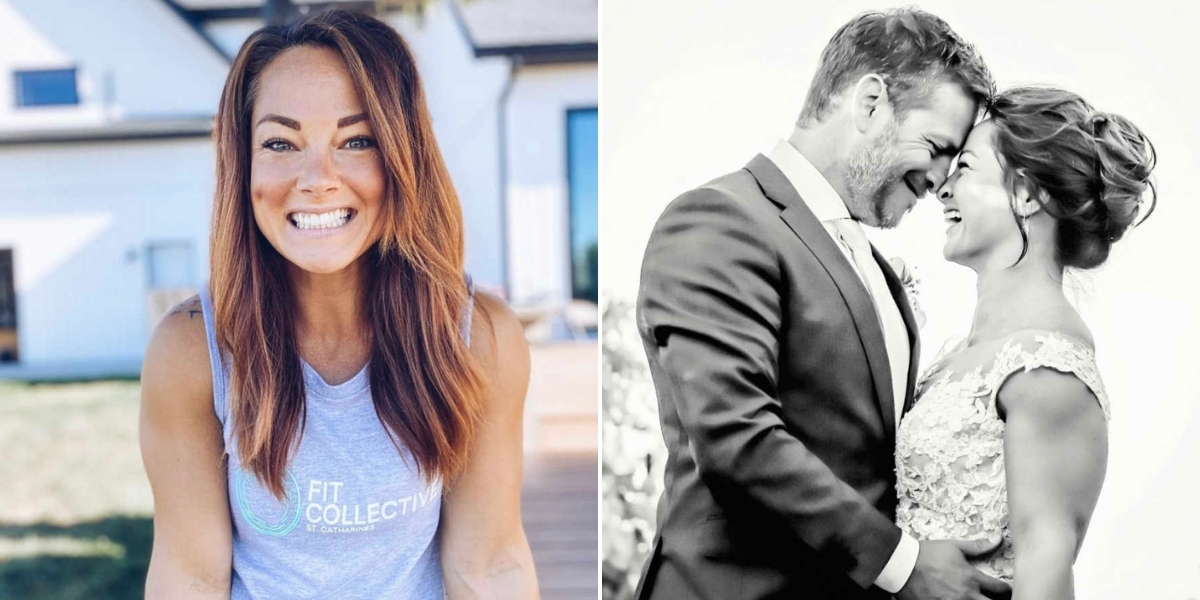
I poured myself into the sport, competing at a high level, and eventually opened my own CrossFit gym with friends in 2013, all while maintaining other jobs to make it work. In 2014, I met Jim, my current husband. We were both wounded by past relationships and life experiences, but we were honest, raw, and true to ourselves from the start. By 2015, we were together. We moved in after four months, engaged a year later, and married in September 2017 in Greece—a dream come true.

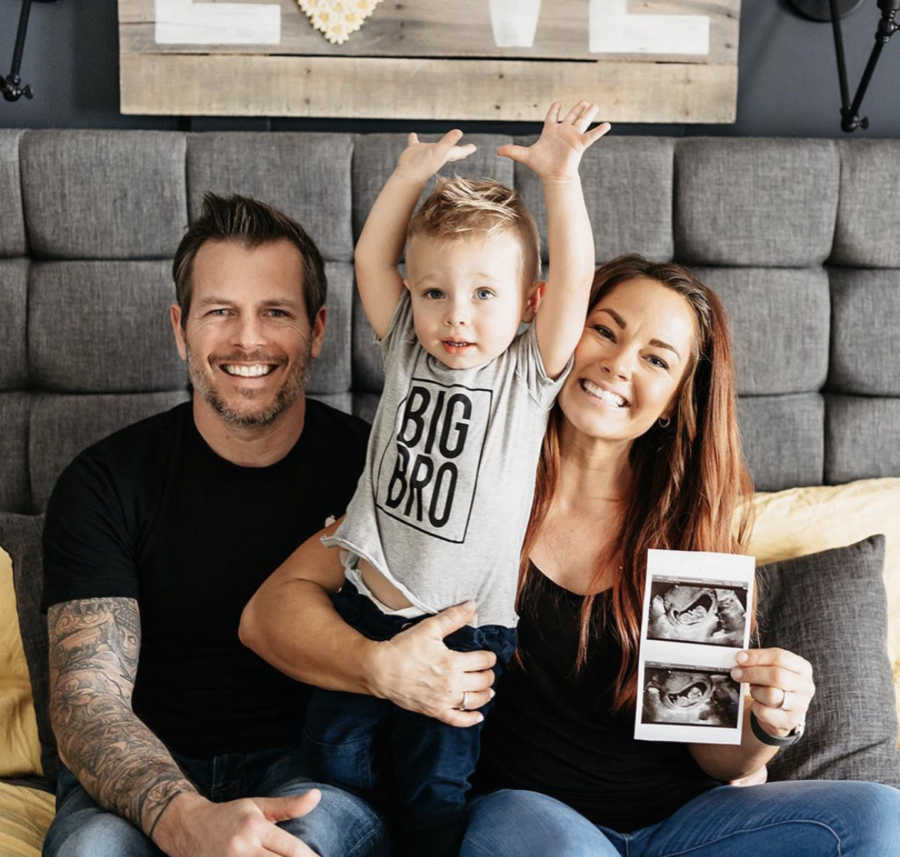
Together, we built a life of love, communication, and joy. We designed our dream home, welcomed our son Jack in 2019, and are expecting our second child in 2021. We are each other’s best friends, partners, and biggest supporters. Jim leaves me notes on my coffee every morning; I leave hidden notes for him. We celebrate, laugh, and support each other daily.

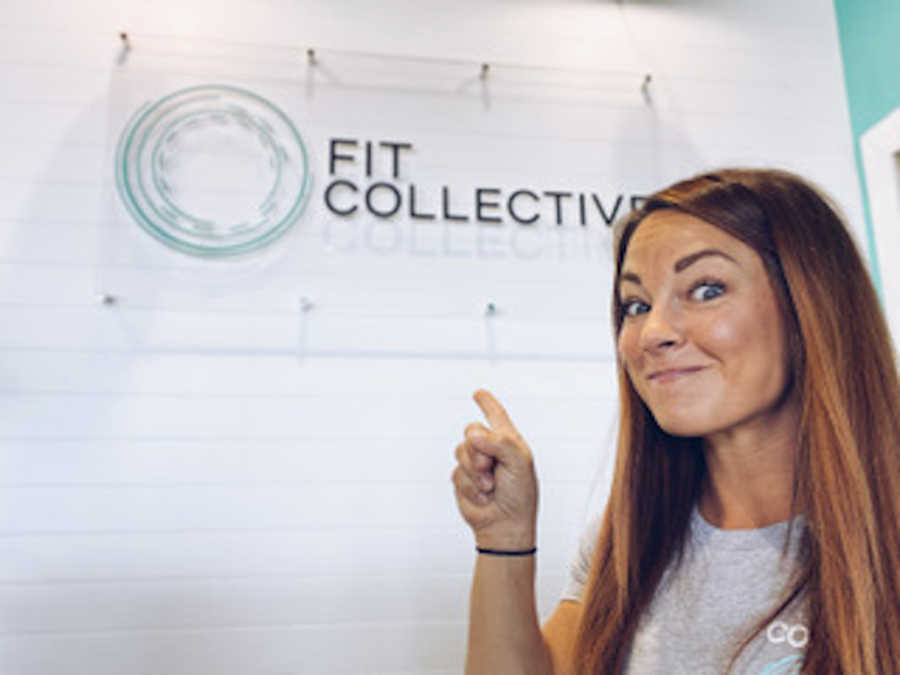
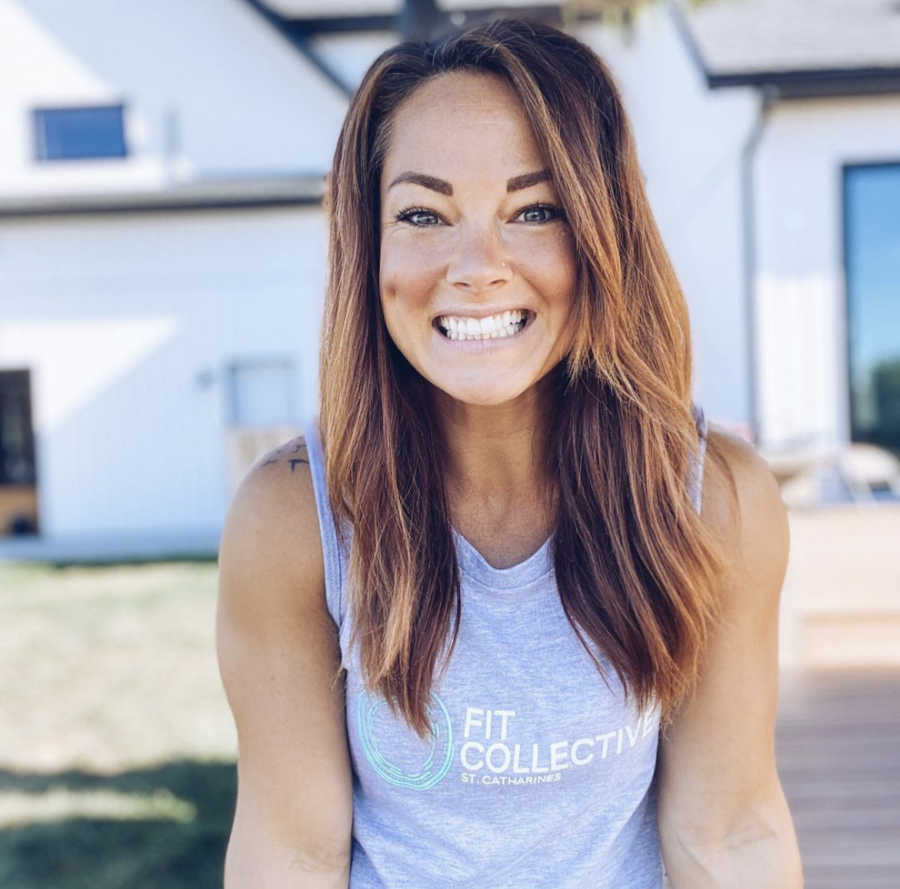
Fit Collective, the gym I co-own, has grown into a community serving over 250 people. We help others find health, confidence, and joy—not just physically, but mentally and emotionally. Watching our clients flourish reminds me how far I’ve come. For the first time in my life, I have a home, safety, love, and purpose. The trenches I fought through for years finally led me here—to a life I am proud of, filled with happiness, family, and fulfillment.