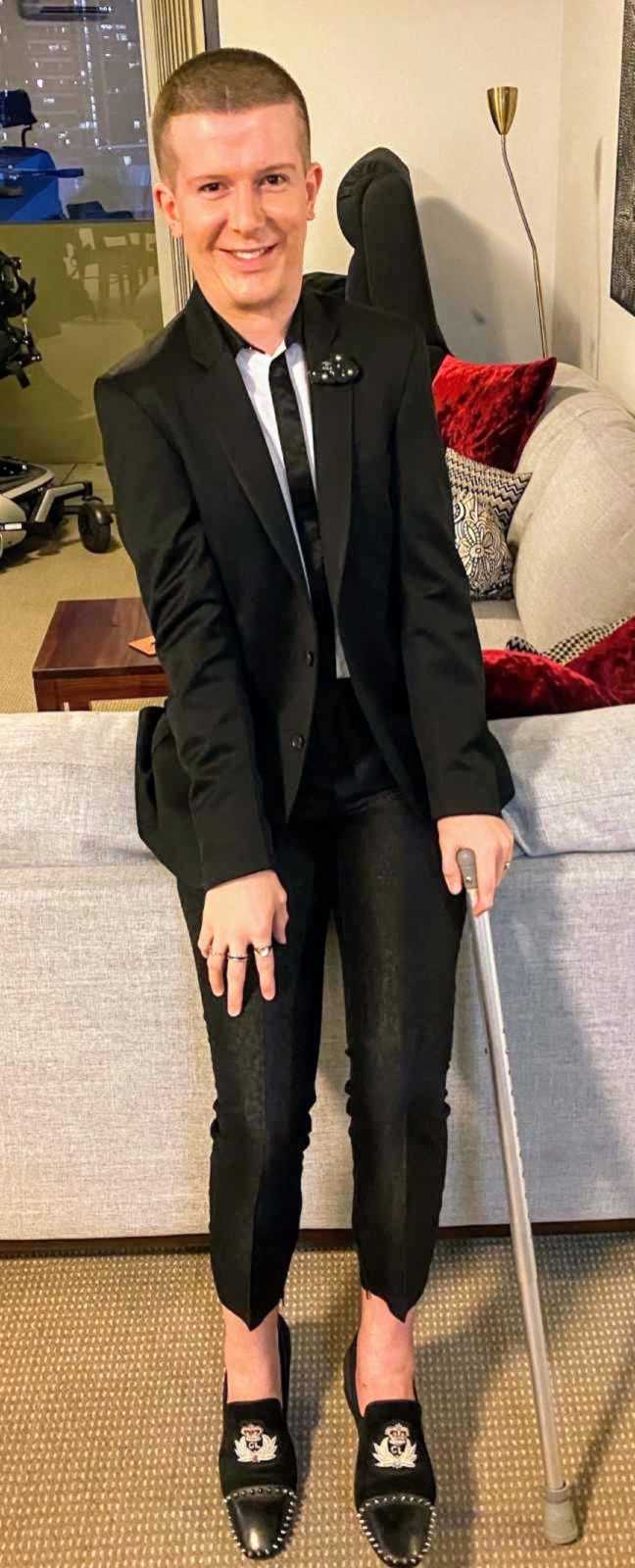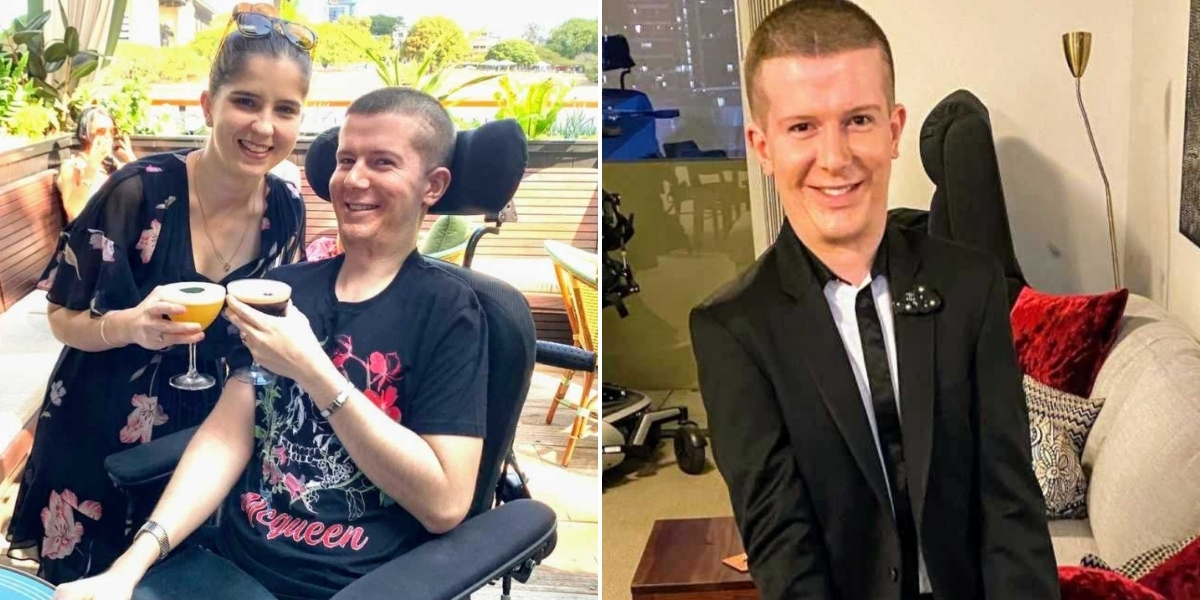
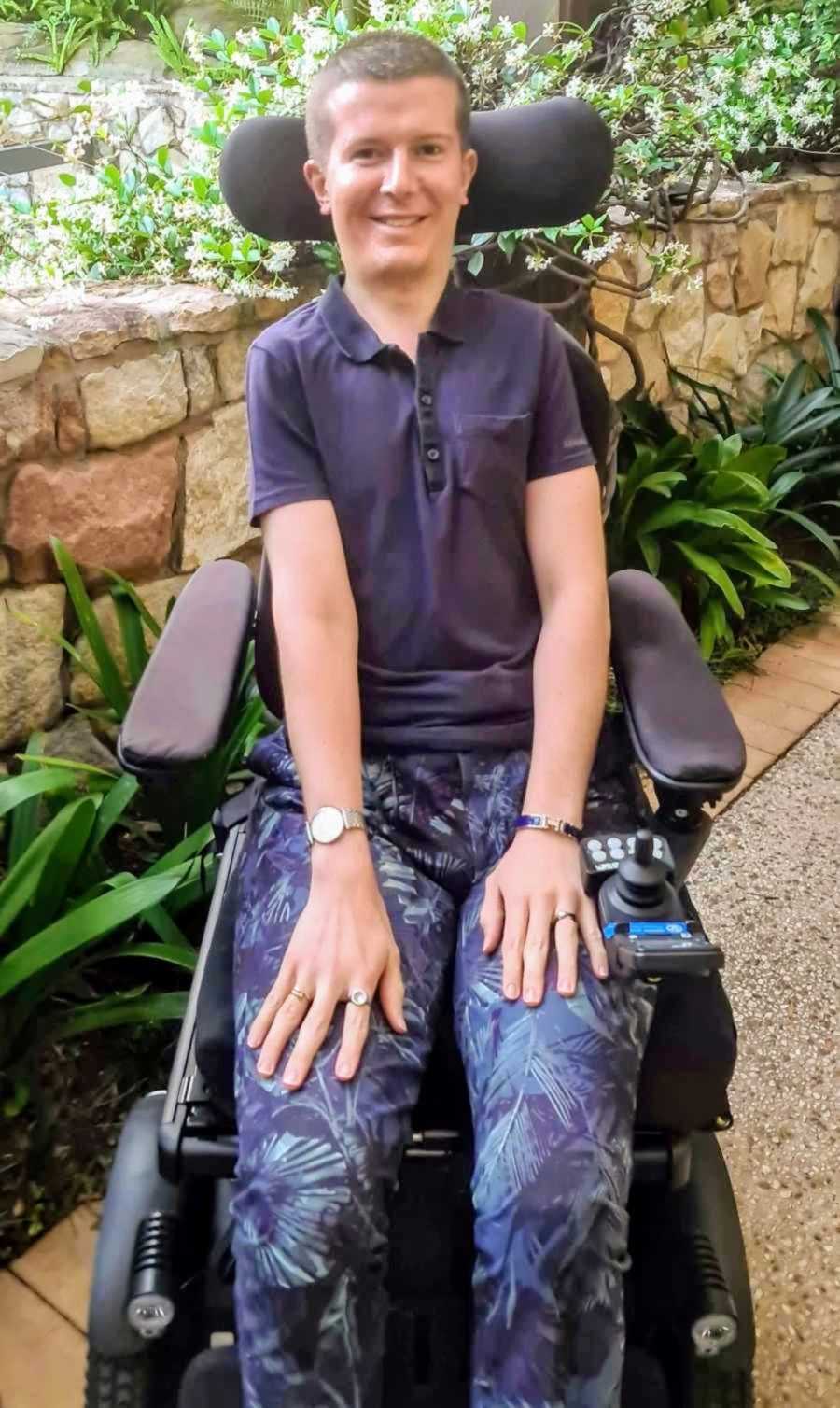
My name is Ollie. When I was just eighteen months old, I was diagnosed with a rare neuromuscular condition called fibrodysplasia ossificans progressiva, or FOP. This condition causes my muscles, tendons, and ligaments to gradually turn into bone, sometimes layering over existing bone and across joints. Essentially, my body becomes encased in a second skeleton. This leads to extremely limited movement and often severe pain. At home or for short distances, I can walk using a cane. For longer distances, I rely on either a manual or electric wheelchair.
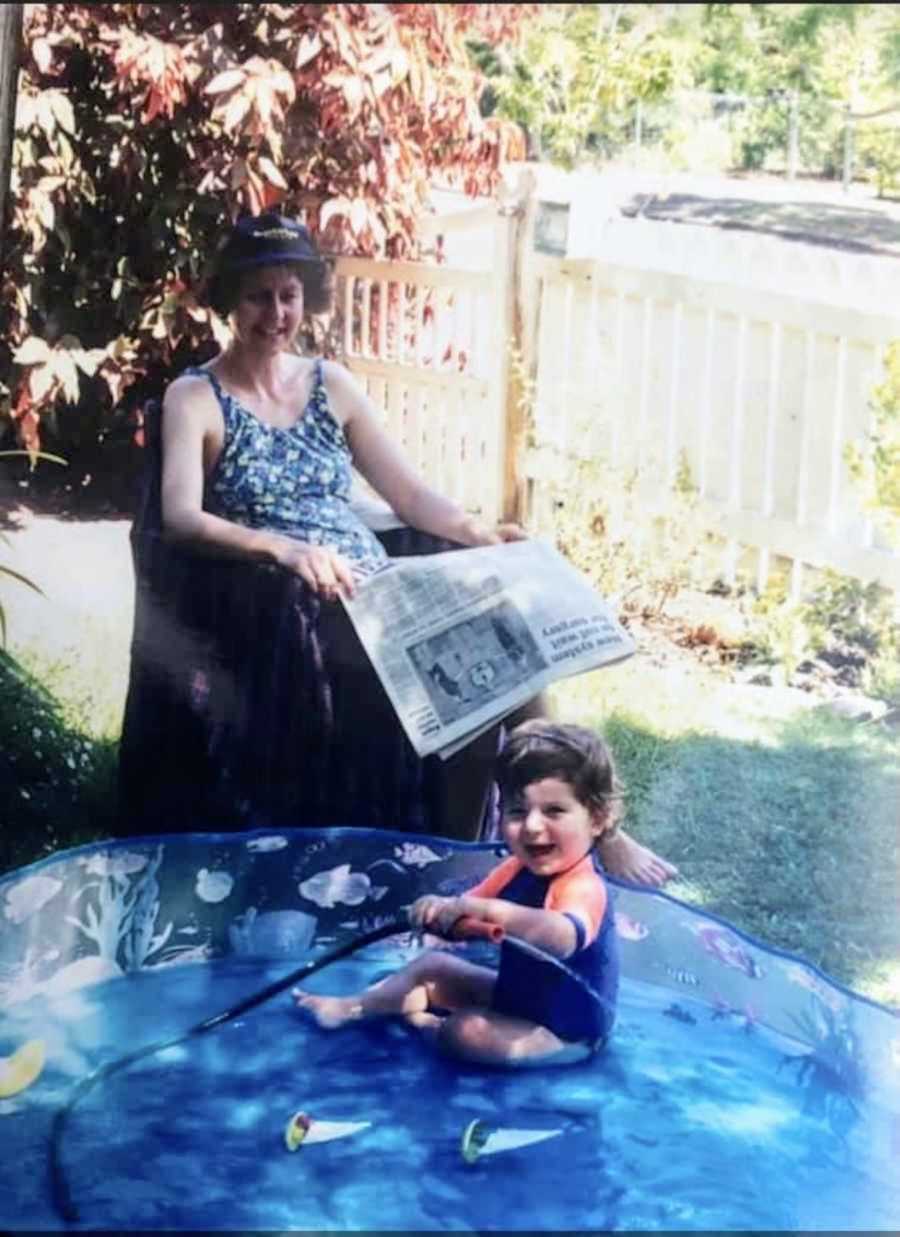
I have two siblings, one older and one younger, who are both able-bodied. My sister and I live together, while my parents reside just around the corner, as do my brother and his wife. We are also very close to my grandma and several cousins. Although I was born in Auckland, New Zealand, my family moved to Brisbane, Australia, when I was only three months old, and that’s where I’ve lived ever since.
Despite this rare, progressive condition, I’ve always tried not to let it limit what I want to do. When I was still more physically able, I learned to ride a bike, tried scuba diving and skiing, and even played sports like ping pong and tennis. I will never forget something a fellow patient once told my family while I was growing up:
“It’s so important for him to have as normal a life as possible while he physically can. Let him ride a bike, let him play sports if he wants. He may get a few bumps and bruises along the way, but that’s a normal part of growing up.”
Hearing this helped my parents give me those experiences without fear—and it gave me memories I’ll always treasure. Unfortunately, my condition has progressed in recent years, and those kinds of physical activities are no longer possible. But new challenges have arisen, and tackling them continues to give me a profound sense of accomplishment.
Professionally, I work full-time as a solicitor at a top-tier law firm in Brisbane, a role I’ve held since 2016. The work is mentally demanding and regularly tests my problem-solving abilities, but I genuinely love it. Every day, I feel proud to be employed and to maintain a full-time career despite my physical limitations. Growing up, someone once said of me, “He will have a good brain, so make sure he uses it.” That advice shaped me. I worked hard in school, pursued law at university, and now thrive at a leading law firm.
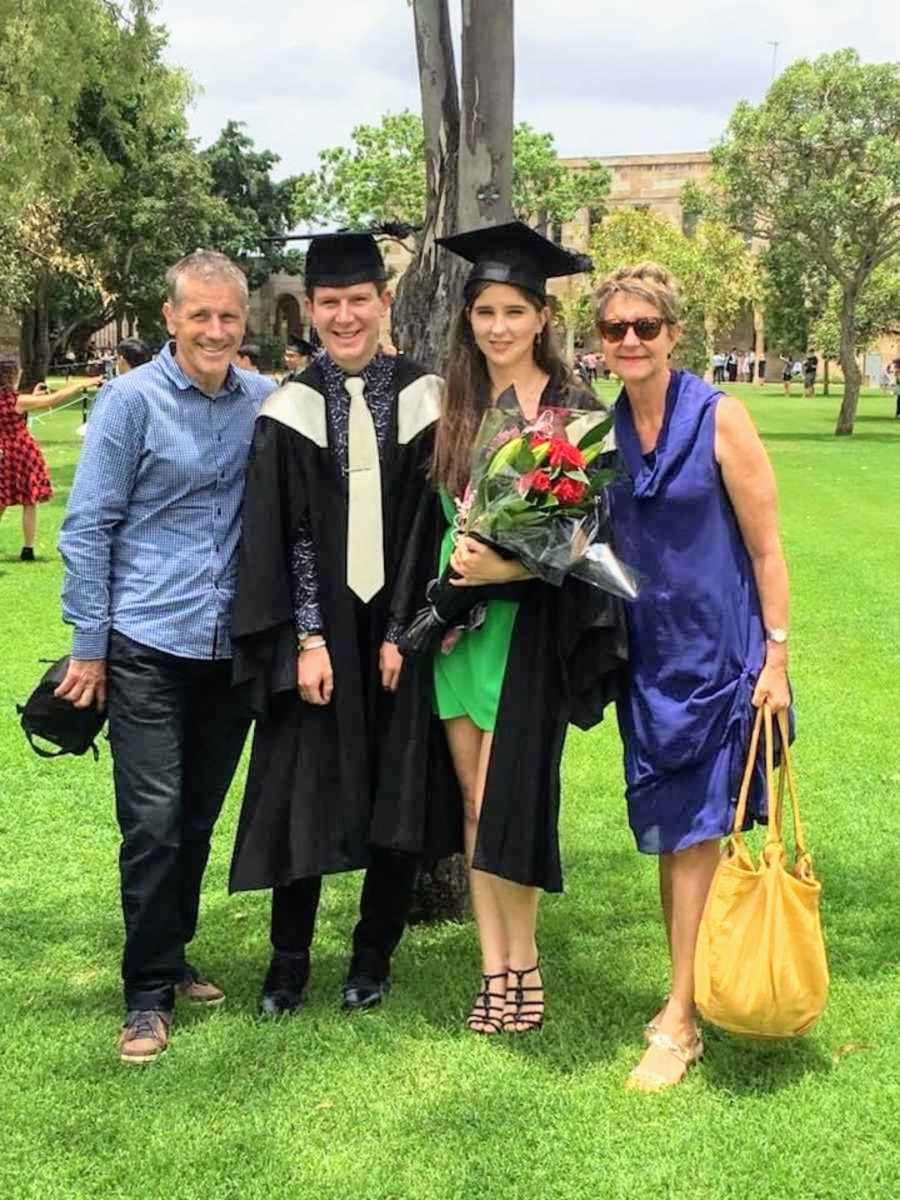
My employer has been incredibly supportive of my disability and the adjustments I need to take care of my health. Last year, I began working from home at least two days a week. This allows me to rest and conserve energy, as full days in the office are physically exhausting. I prefer walking around when I’m at work rather than staying in my wheelchair all day, and I love being in the office when I can. Law is so computer-focused that remote work hasn’t affected my productivity, and having this flexibility has been life-changing.
Beyond my own career, I recently joined a network of lawyers with disabilities in my state. Together, we’re promoting greater participation by people with disabilities in the legal field and encouraging future generations to pursue law. Seeing these initiatives take shape is incredibly exciting and motivating.
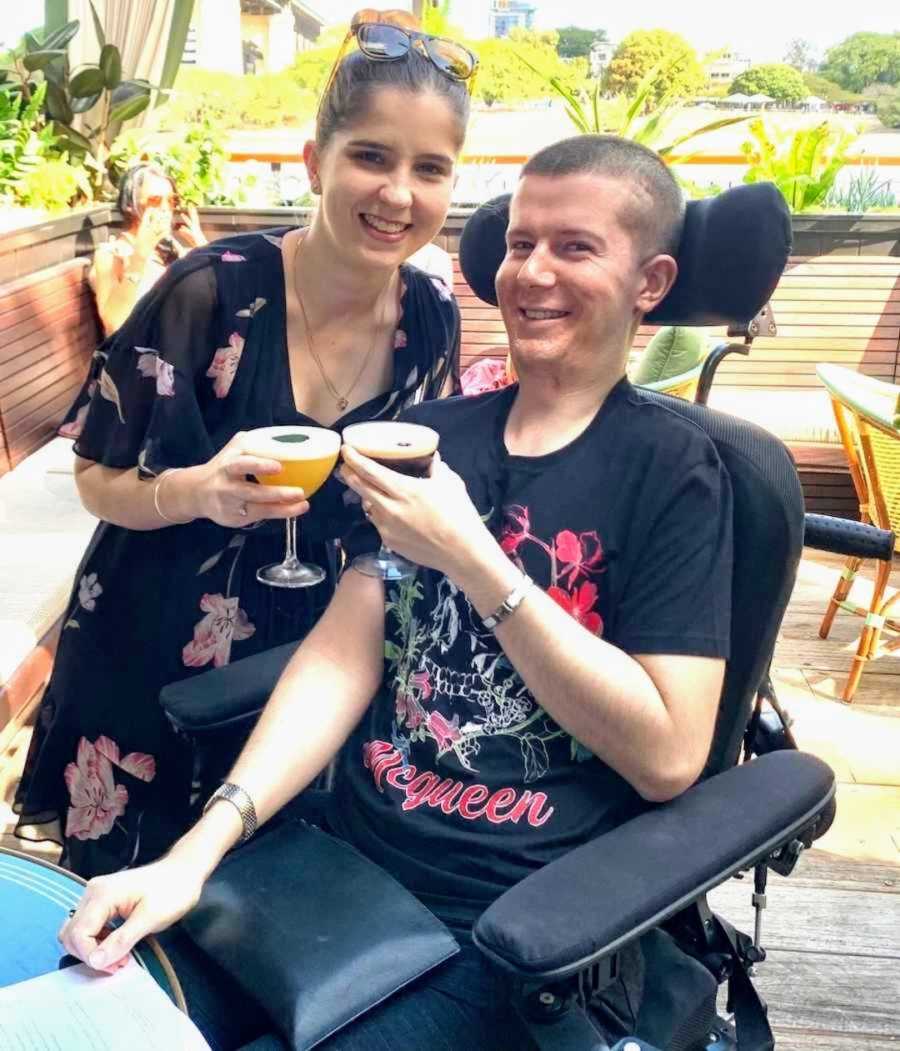
On a personal level, life continues to challenge me. I own and pay the mortgage on my apartment—a thrilling but sometimes daunting responsibility. This year, I’ve also faced a major change with my jaw. Bone growth has restricted my jaw movement to less than a centimeter, forcing me to relearn how to eat and test which foods work. While it’s sometimes embarrassing—spilling food or taking a long time to finish a meal—I make a conscious effort to continue dining with friends and attending work lunches. The people I eat with often say they barely notice, and that they’d rather have me there than not. Experiences like this remind me that, while disability presents unique challenges, participation and connection are always possible.
Emotionally, I’ve found it incredibly helpful to spend quality time with friends, family, and loved ones. It helps me step out of my own head, enjoy life, and focus on others. I’ve also learned to celebrate the small victories, whether it’s preparing a meal independently or getting up after being confined to bed for a week due to a fall. Each little achievement builds resilience and confidence.
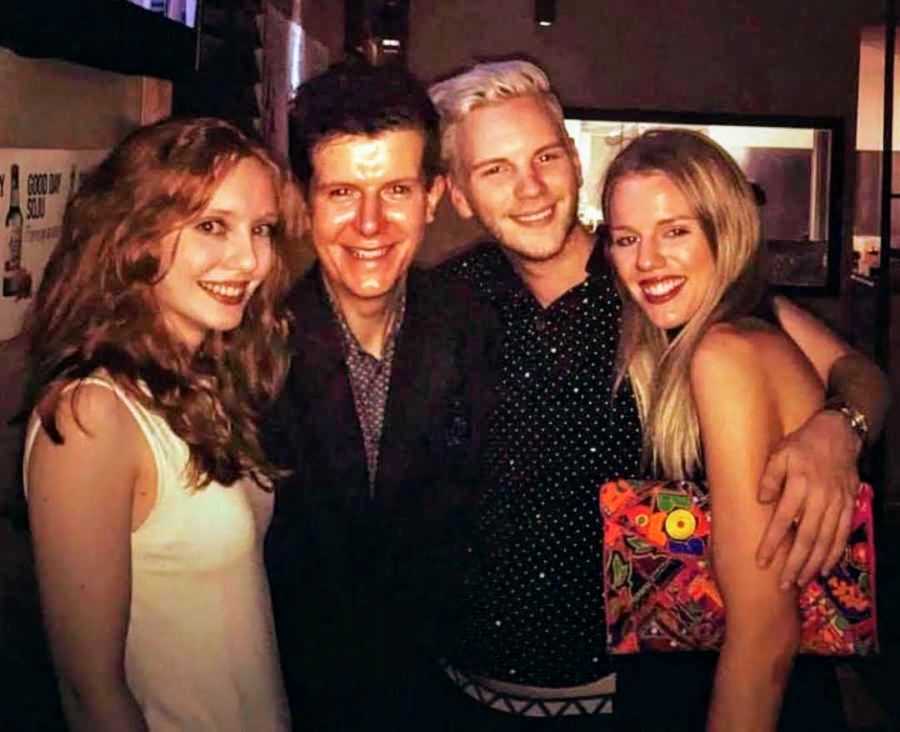
Although my independence has declined as my condition has progressed, I refuse to give up. I continue to fight, set goals, and push myself—both personally and professionally. Through my blog and advocacy, I hope to raise awareness about disability, foster discussion, and show that the experiences of people with disabilities have much in common with able-bodied experiences.
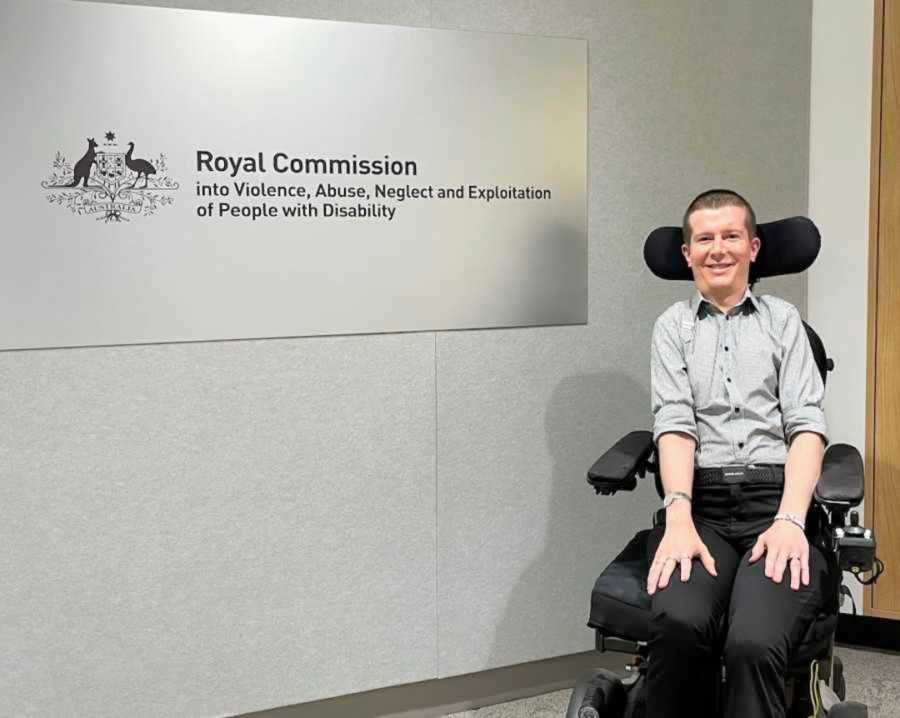
Disability is often perceived as burdensome or “less than,” but in truth, we share more similarities than differences. I hope that through my writing and sharing my experiences, I can help normalize disability, open important conversations, and celebrate the unique contributions each of us can make when given the opportunity.