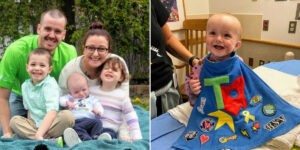
It honestly feels like a lifetime ago, and yet the postpartum depression still lives in my everyday world—quiet reminders of darker days that never fully disappear. The sign on the highway. The bracelet I wear every single day. The resentment that surfaces and resurfaces without warning. The immense sadness and guilt can still feel overwhelming.
I have always been self‑sufficient, maybe even to a fault. Caring for others is in my nature. I’m the oldest child, the oldest of many cousins, a wife, a mama, and a NICU nurse. Even my own mother always says I’m “the one she never worried about.” Looking back now, I wonder if that became a self‑fulfilling prophecy.
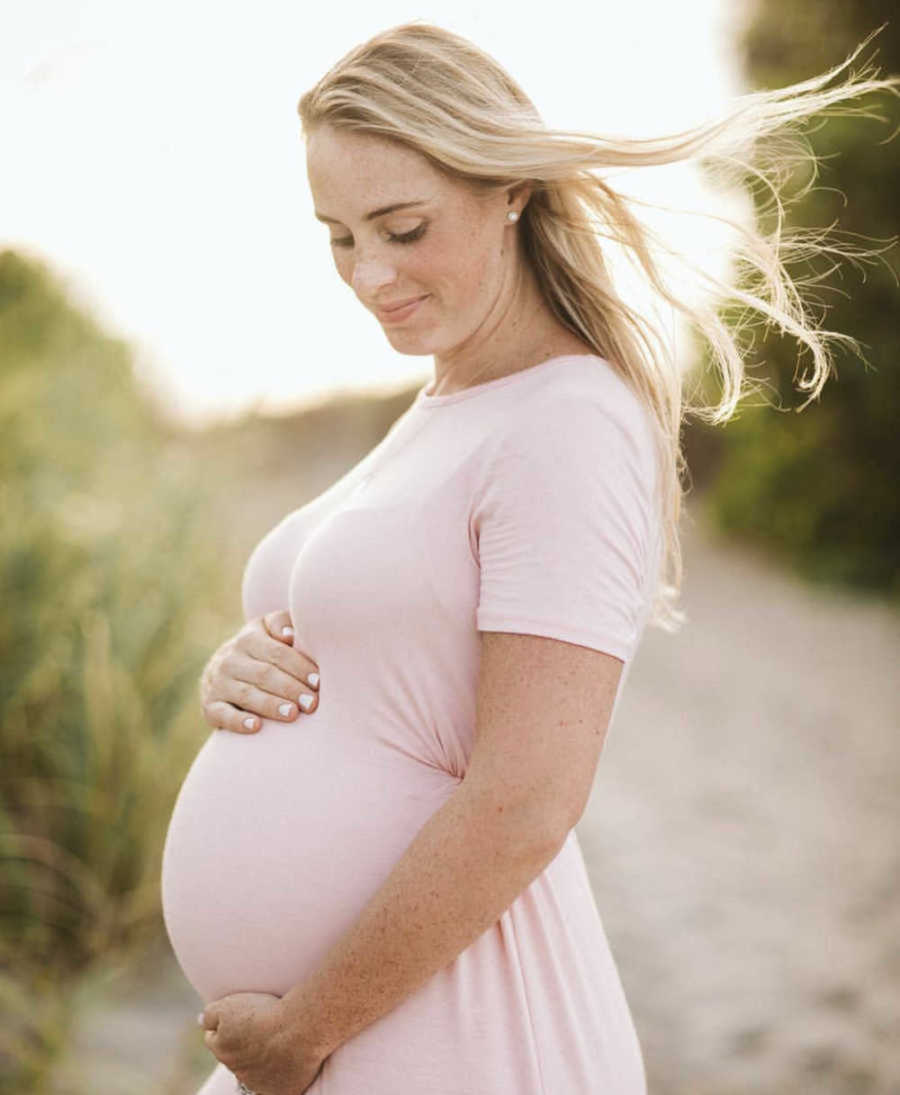
The symptoms started during my pregnancy with my first child, Finn. It was a difficult pregnancy. In hindsight, I believe I had undiagnosed gestational diabetes—Finn was over ten pounds at birth, and I gained a steady seventy‑five pounds. I was swollen, exhausted, and working full‑time twelve‑hour shifts as an RN in the NICU. On top of it all, we lived in Wrigleyville during the Cubs’ World Series run, enduring loud, sleepless nights. Physically and emotionally, I was drained and desperately needed support. Until my due date, I truly believed I had it.
Then everything shifted.
On my due date, my nine‑year‑old cousin was diagnosed with rhabdomyosarcoma, a soft‑tissue cancer in his facial sinus cavity. Devastated doesn’t begin to describe it. My family is incredibly close, and they rallied around my aunt, uncle, and cousins in a way I will never forget.
But for me, I felt… forgotten.
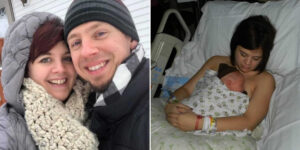
Three days later, Finn was born—ten pounds, one ounce of pure love—and immediately taken to the NICU for meconium aspiration and low blood sugars. He spent his first week of life there. My family split their time between visiting my cousin during his first round of chemotherapy at the adjoining Children’s Hospital (the same hospital where I work) and seeing Finn in the NICU. I slipped quickly into postpartum hypomania—barely sleeping, wired, switching off shifts with my husband, never feeling tired. I told myself I had it under control. This world was familiar to me as a NICU nurse, yet I felt oddly detached, almost as if Finn were a patient and not my baby.
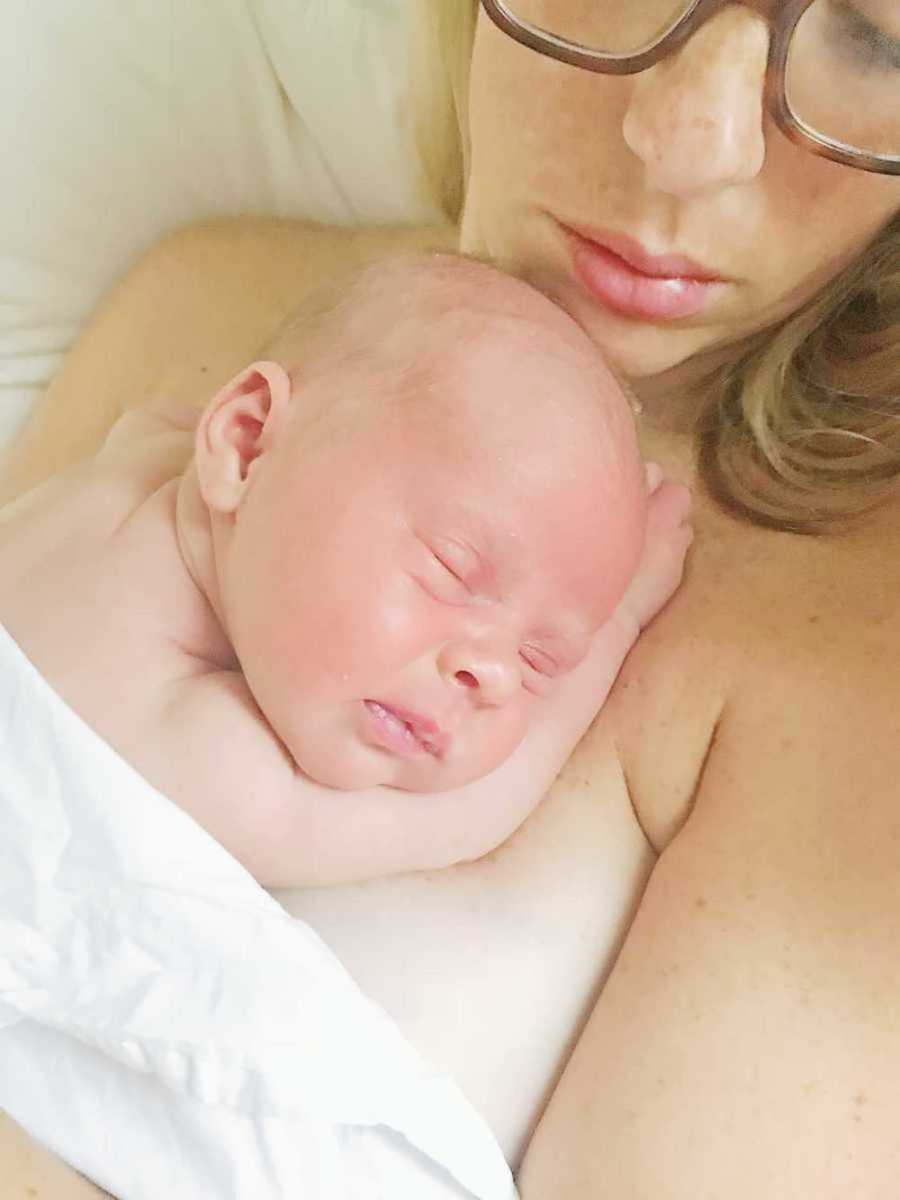
Then—BOOM—we were home.
Finn had a tongue tie. My nipples were raw and bleeding. When I tried to latch him, the pain was so intense I screamed, “GET HIM AWAY FROM ME!” and shoved him toward my husband’s lap. Shame washed over me instantly. I resented myself. I resented Finn. I resented my husband for not instantly bonding. I resented my family for focusing on my aunt’s tragedy. I resented friends without children. And I could not say any of it out loud.
I told myself my pain wasn’t worthy.
“You don’t have cancer. You can get over it.”
“You chose to have a baby—so many people can’t.”
“This is supposed to be the happiest time of your life.”
“You have everything you’ve ever wanted. Why aren’t you happy?”
“Snap out of it.”
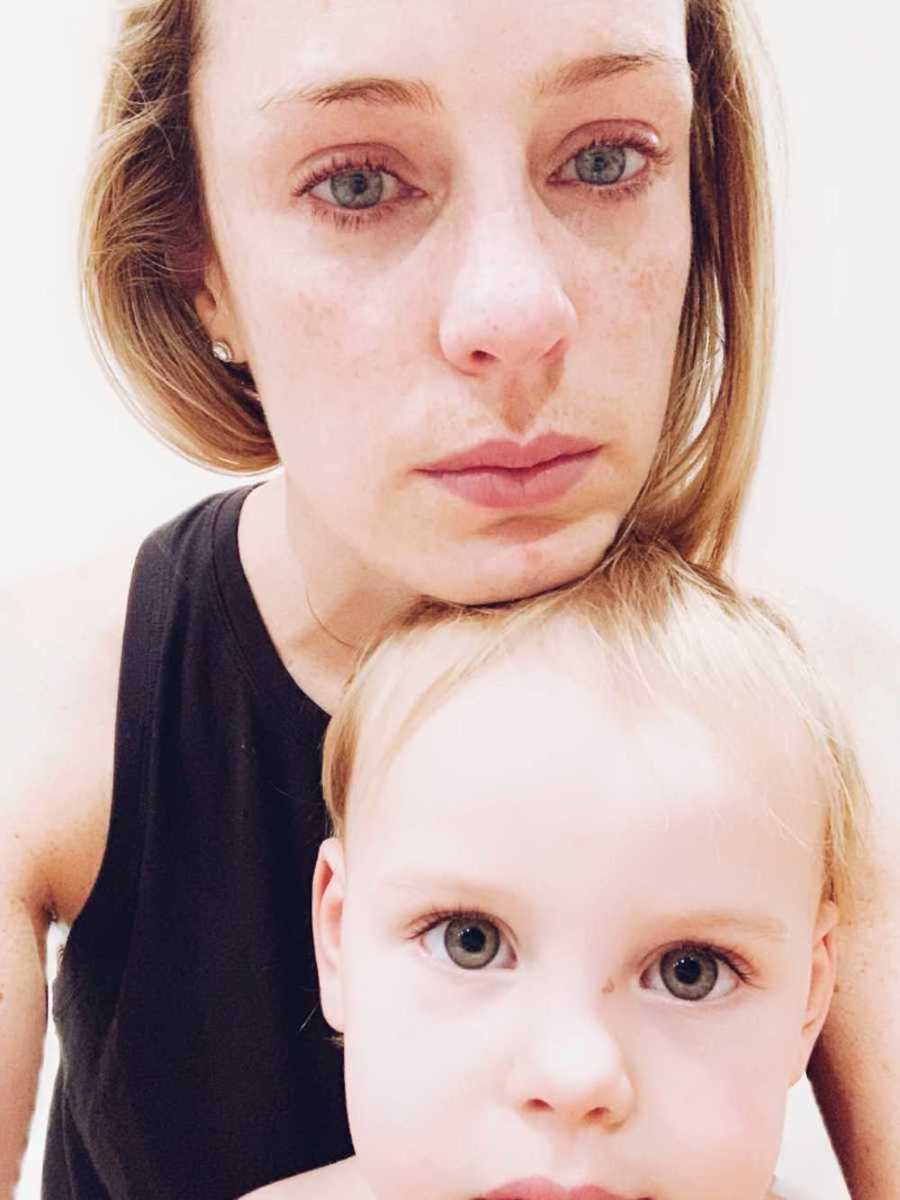
I thought this season was supposed to be joyful. It wasn’t. No one checked on me because on the outside, I looked fine. I always did. I was the one they didn’t worry about. The support system I’d always relied on collapsed beneath me. I felt immense guilt asking for help while watching my family endure such profound loss. I didn’t want to burden anyone further.
When I returned to work, my childcare—my mom—fell through. She couldn’t commit to helping one day a week; she needed to support my aunt. I cut back my hours and eventually resigned from the job that kept me mentally engaged and feeling normal. The walls closed in, and I sank deeper.
Things escalated when I was only working three days a month. My husband was overwhelmed, unsure how to handle my mood swings, irritability, and exhaustion. Then my period returned—and suddenly, relief. Hormones stabilized. Finn slept well. I felt better. Too confident. Pregnant on the first try. Finn was seven months old.
We planned to tell my family. Then the phone rang.
My cousin’s cancer had spread. Chemotherapy wasn’t working. I panicked. I couldn’t do this again without them—but I still couldn’t ask for help. I wasn’t worthy.
I completely shut down. I stopped asking about my cousin. I couldn’t support my family. I was frozen in depression. The two most joyful moments of my life were overshadowed by grief and isolation. Cancer was visible—labs, scans, side effects. My postpartum depression was invisible. I couldn’t find the courage to voice my suffering.
My cousin passed away a month later. My family rallied around my aunt, surrounded her with love and community. And there I stood—a shell, a ghost. I told myself I had no right to feel this way. I still had my child. They didn’t. And yet resentment simmered beneath the guilt.
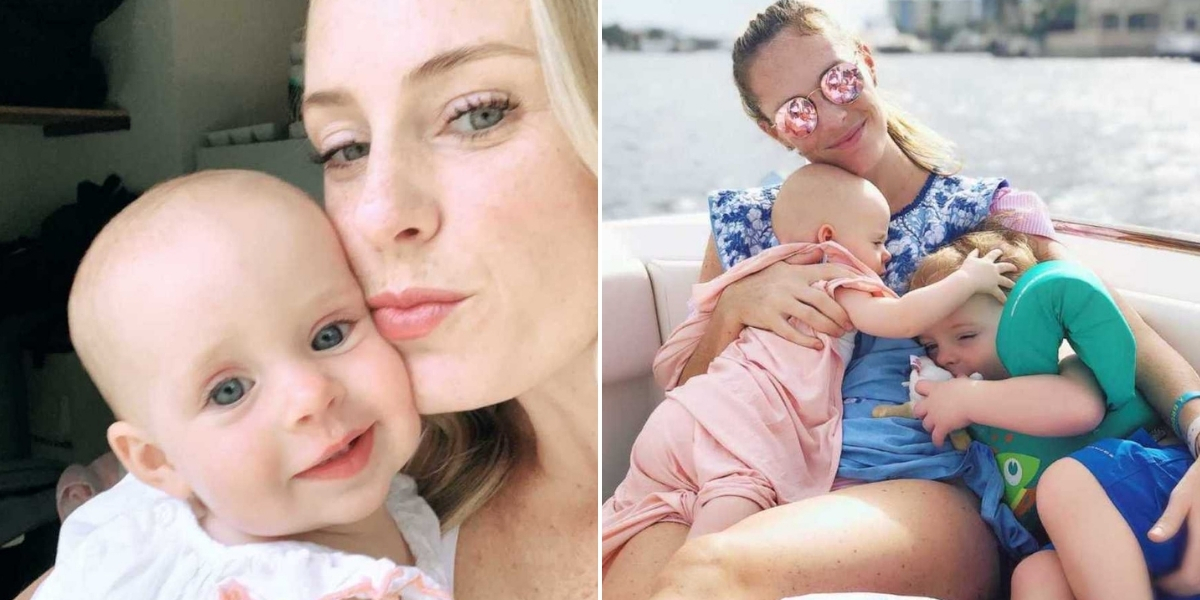
Then my daughter was born. We didn’t know the sex, and when the doctor said, “It’s a girl,” fear flooded me. I didn’t know how to love a girl. What if she turned out like me?
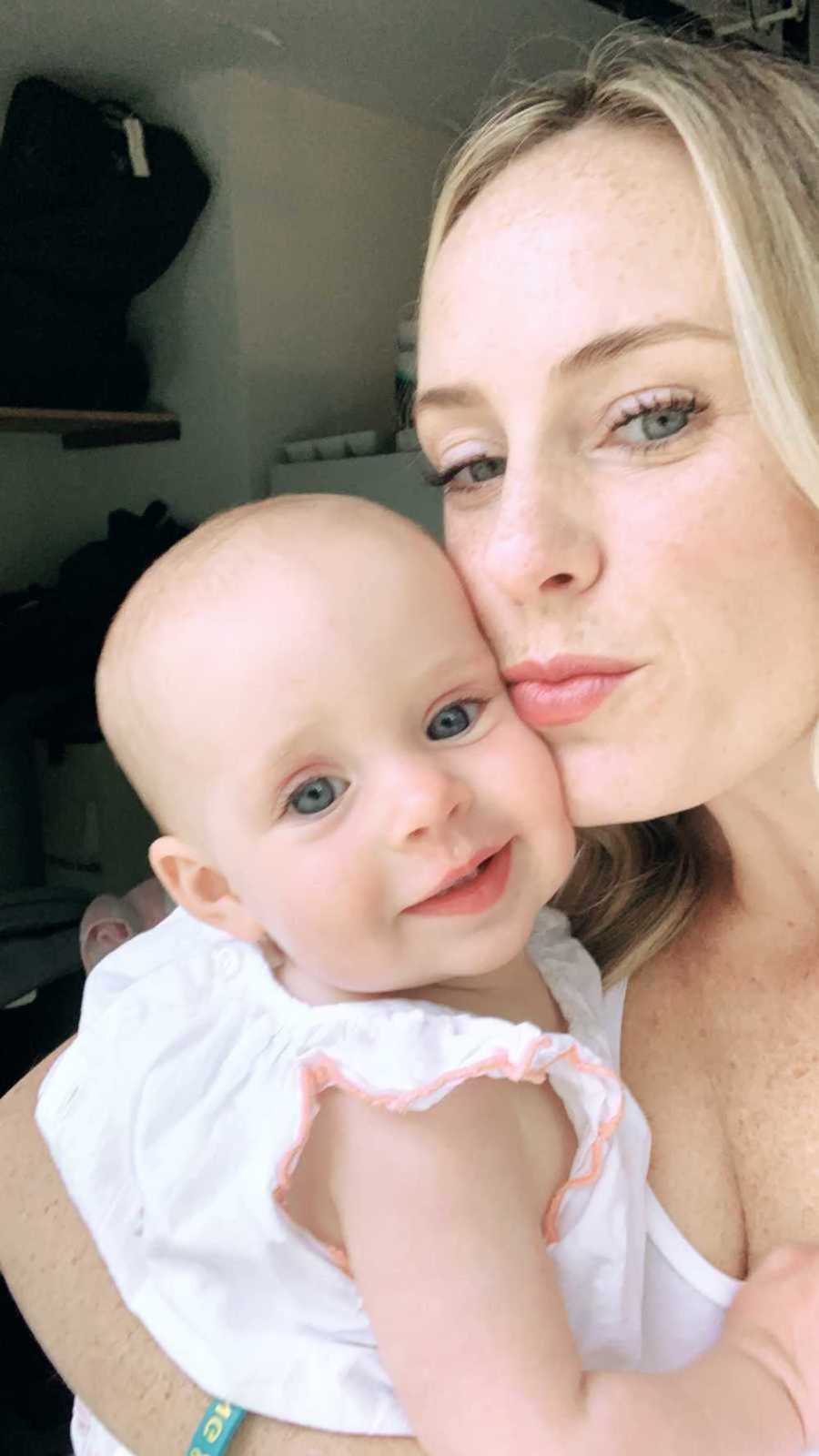
And the cycle repeated. Hypomania. Depression. No bonding. Silence. Crying all day. Crying in the shower. Outbursts. Exhaustion without sleep. Snapping at everyone. Ignoring friends. My behavior screamed for help while my mind whispered, I am not worthy.
Depression settled over me like a heavy comforter—just enough weight to keep me from moving. I forced myself out of the house, only to be consumed by social anxiety and rush back home. I couldn’t look my parents in the eye. No one asked how I was doing. I was still “the one they never worried about.”
At seven months postpartum, my period returned again. The fog lifted slightly. And in that clarity, I knew—I needed help. I called my OB and started antidepressants that day.
I am worthy.
I share this story for anyone who feels their suffering isn’t valid because someone else is hurting more. You are worthy. Postpartum depression does not discriminate. It doesn’t care how much support you have, where you grew up, or how “perfect” your life looks. PPD is ruthless. It convinces you your pain doesn’t matter. It makes you grieve the person you used to be.
PPD is now a part of me—but it does not define my worth.
YOU MATTER, MAMA.
The resentment I carried has slowly loosened its grip. I learned that no one was going to pull me out of the darkness but me. Asking for help was the hardest step—and the most important.
Today, I am forever changed. I will never be the person I was before, and I’m learning to make peace with that. Healing is slow, but every day I see it more clearly.
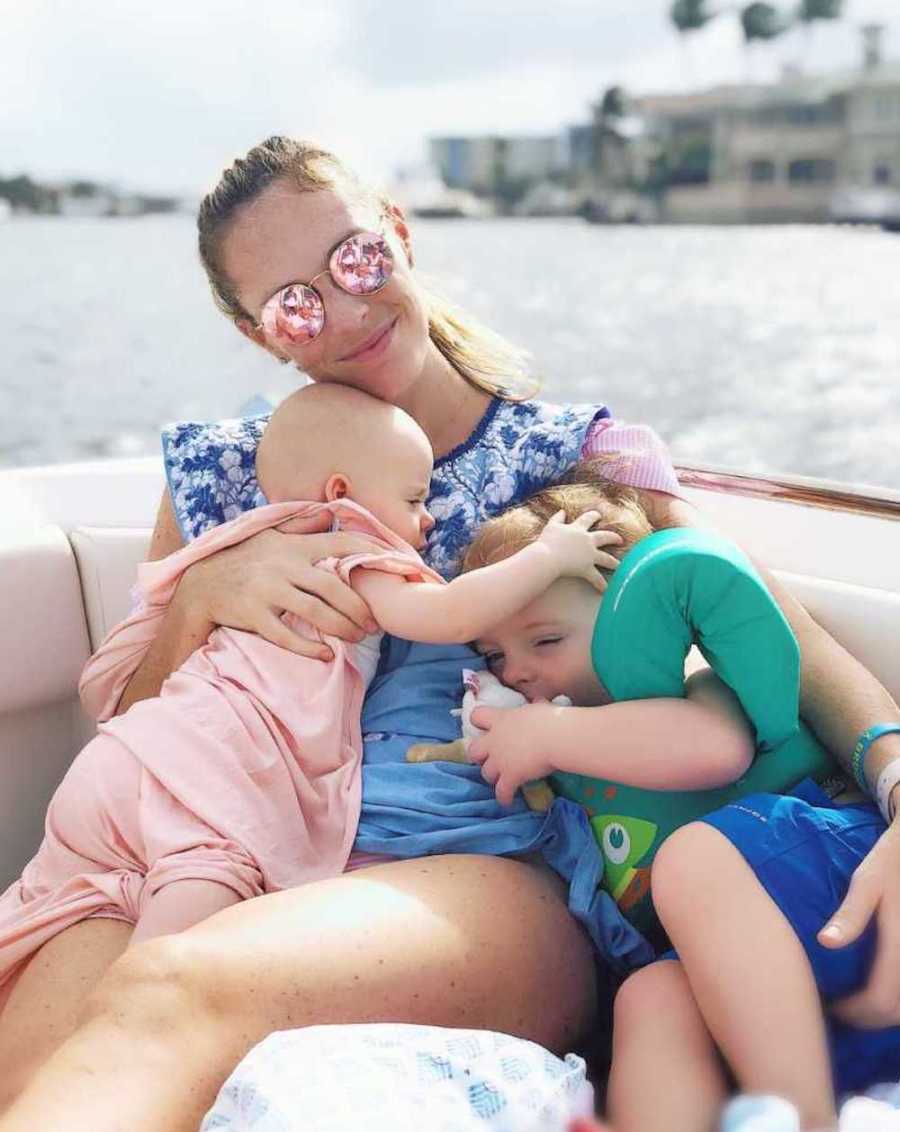
I AM WORTHY.
And mama—you are worthy, too.