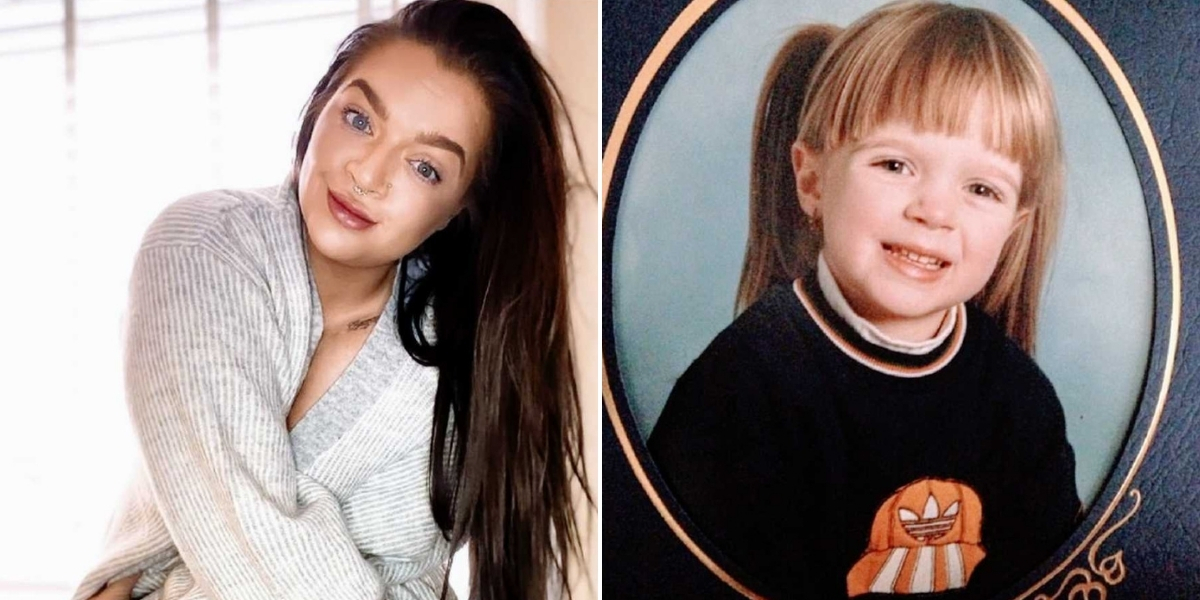
My journey with chronic illnesses began around 14 years ago, when I was just 14 years old. I remember the evenings vividly—every night, as bedtime approached, I would feel overwhelmingly sick. It started with a constant, nauseous feeling that nothing seemed to soothe. Weeks went by, and soon, intense stomach aches followed. These pains were unlike anything I had experienced before. My parents took me to the doctors several times, hoping for answers, but each time we were told there was nothing wrong. I was accused of seeking attention, mainly because they assumed I didn’t want to go to school.
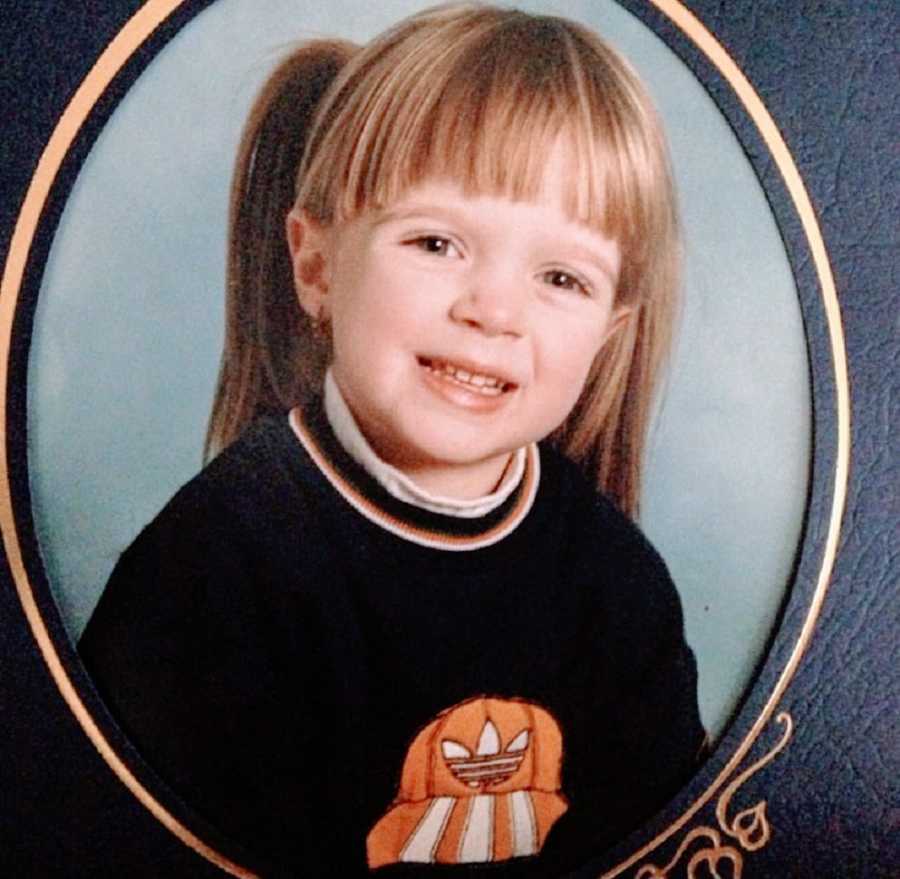
This cycle continued for years. Each time, I’d endure unbearable pain and sleepless nights, only to be dismissed by medical professionals. Being so young and in ninth grade, I felt completely alone. I was navigating mock exams for my GCSEs while struggling every night with relentless pain, with no answers in sight. Thankfully, my parents always believed me and fought to ensure I kept returning to the GP, refusing to accept that I was “making it up.” Once, I was even referred to A&E, where doctors suspected appendicitis—but after being discharged, I was back to square one.
As I grew older, I started visiting the GP on my own, who eventually referred me to a gynecologist. From the age of 16 to roughly 24 or 25, I was under their care. I underwent numerous tests and procedures, trying to uncover why my pain persisted. The pain often felt like contractions, which is why the gynecologist kept me for so long. At one point, I had a laparoscopic procedure and was diagnosed with a condition causing enlarged veins on my womb. But I wasn’t informed about treatment or whether I even needed medication.
For several years, I continued to suffer in silence, unsure why this pain dominated my life. Eventually, I was referred back to gynecology, only to be told the diagnosis was false and that I had no gynecological issues at all. I felt completely deflated and thrown back into darkness, unsure of what to do or why my body felt this way.
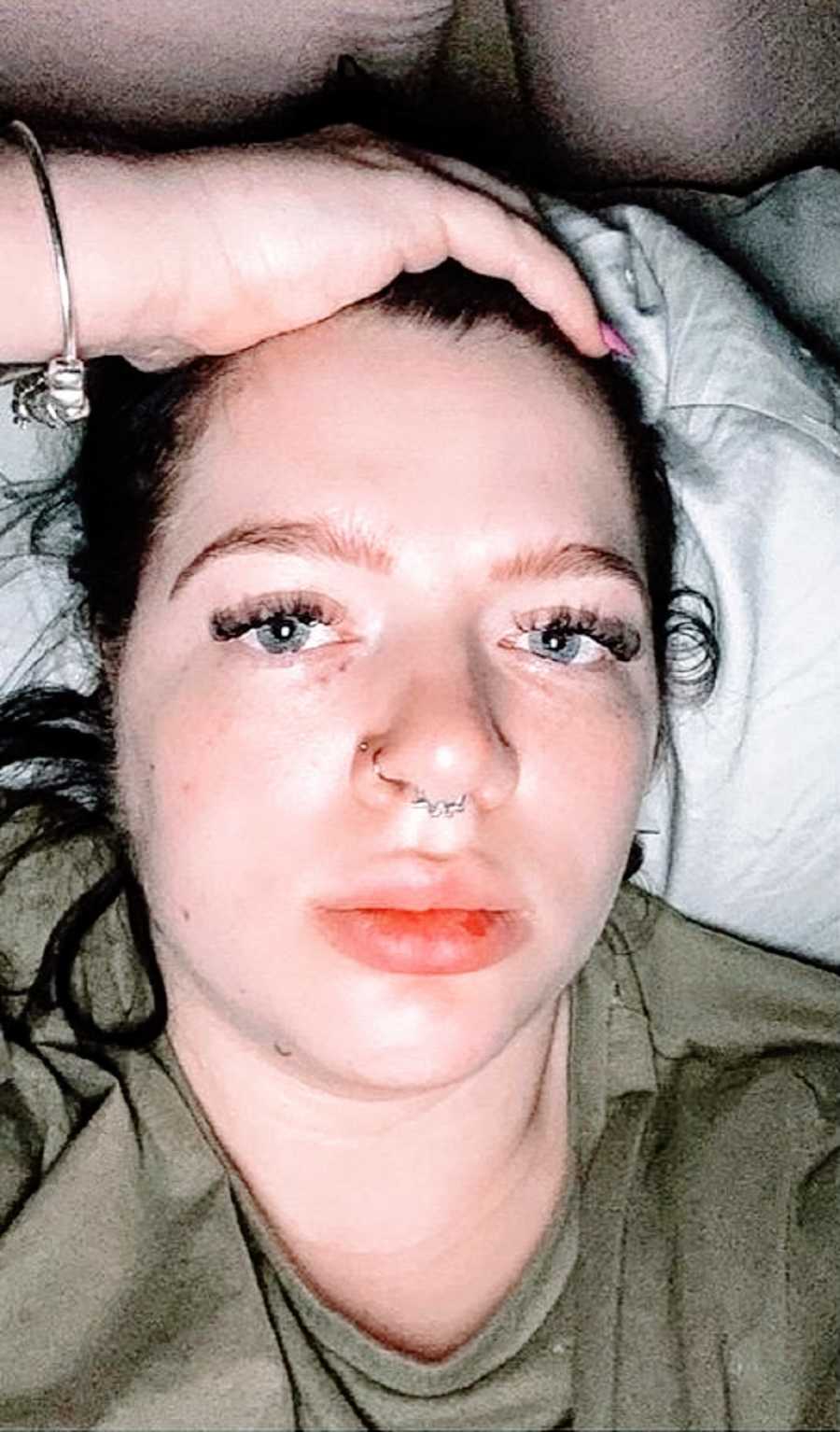
In 2019, desperate for answers, I sought help at a private clinic in London specializing in enlarged veins throughout the body. After thorough testing, they confirmed I did not have that condition but suspected the issue was urological. Years of my life had been lost chasing the wrong diagnosis. I had endured pain for so long, assuming nothing could help. It was soul-destroying to realize that everything I had tried—medications, lifestyle changes, researching my “condition”—was for a problem I didn’t even have. The original diagnosis had also brought concerns about fertility at a time I was in a serious relationship, adding emotional strain for both me and my partner.
When the gynecologist told me I had been misdiagnosed, I was shocked. I argued, insisting I knew the diagnosis was real because I had been told it was. My Nan accompanied me to that appointment, and she was furious, having watched me grow up in constant pain. After the appointment, she urged me to make a private appointment elsewhere, convinced the hospital had failed me. Despite this, I was discharged, once again back to square one.
From the beginning of 2019 to the end of 2020, my symptoms worsened dramatically. I suffered recurring urinary tract infections, needing six courses of antibiotics in six weeks. The pain was severe—kidney and flank pain, bladder and abdominal agony that felt like labor, extreme nausea, and the urgent need to urinate up to 40 times a day. Delays in reaching a toilet caused unbearable pain lasting anywhere from hours to weeks.
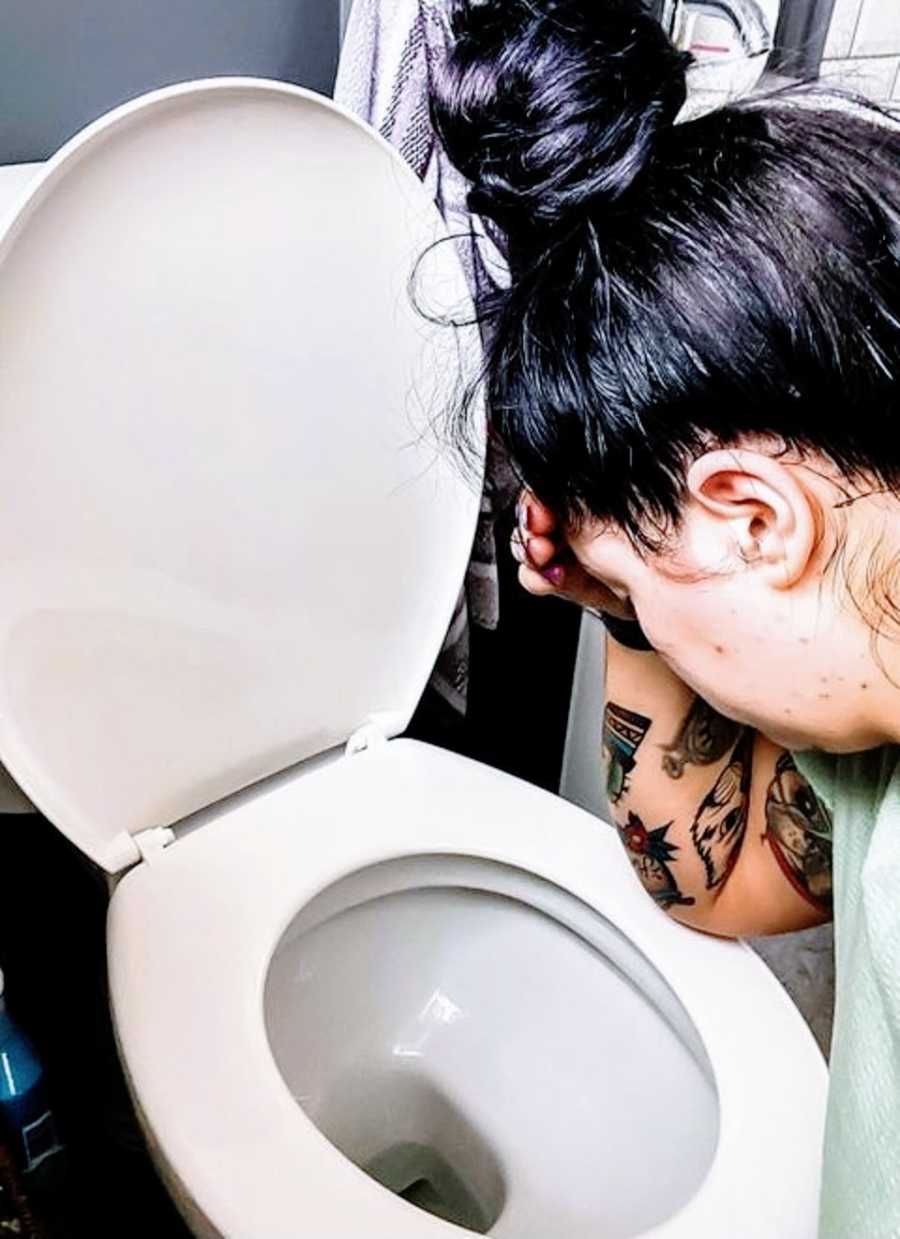
This constant pain began to dominate my life. My relationship eventually ended, and I struggled to maintain work, pushing my body to its limits despite agony. Because I carried on “as normal,” people assumed I was exaggerating, and the isolation was emotionally draining.
My son, Oscar, born on December 1, 2012, became a small source of comfort. For the nine months during my pregnancy, I was symptom-free, which led me to believe the pain might be gynecological. After his birth, symptoms returned. I became a single mother when Oscar’s father left when he was six weeks old. Sleep was scarce, and managing chronic pain while raising a newborn was overwhelming. I was fortunate to have my mother’s help, drawing on her experience raising five children.

As the years went on, my pain increased, and hospital admissions became more frequent. Caring for a young child while depending on others left me with constant guilt, feeling I was burdening those around me. Over time, Oscar became my carer, helping with chores and personal care. Despite the guilt, his love and compassion make my life manageable—he’s a superstar in every sense.
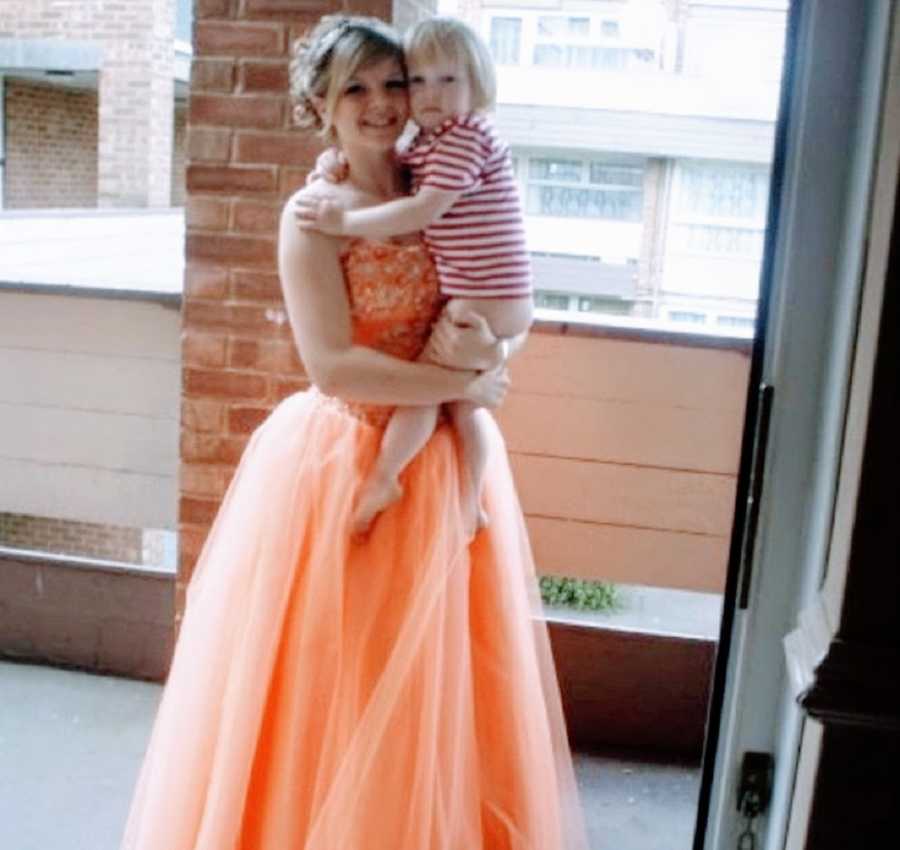
In 2019, when my symptoms were at their worst, a trainee doctor referred me back to urology after my sixth UTI in six months. Initially nervous, I hoped for a different outcome than previous appointments. Finally, a new doctor suspected trigonitis, an inflammation in the bladder’s triangular area influenced by female hormones. In December 2019, I underwent surgery under general anesthesia to remove the inflamed cells. I was hopeful for relief, only to discover the bladder was severely inflamed and covered in lumps. A biopsy revealed I did not have trigonitis. I was devastated.
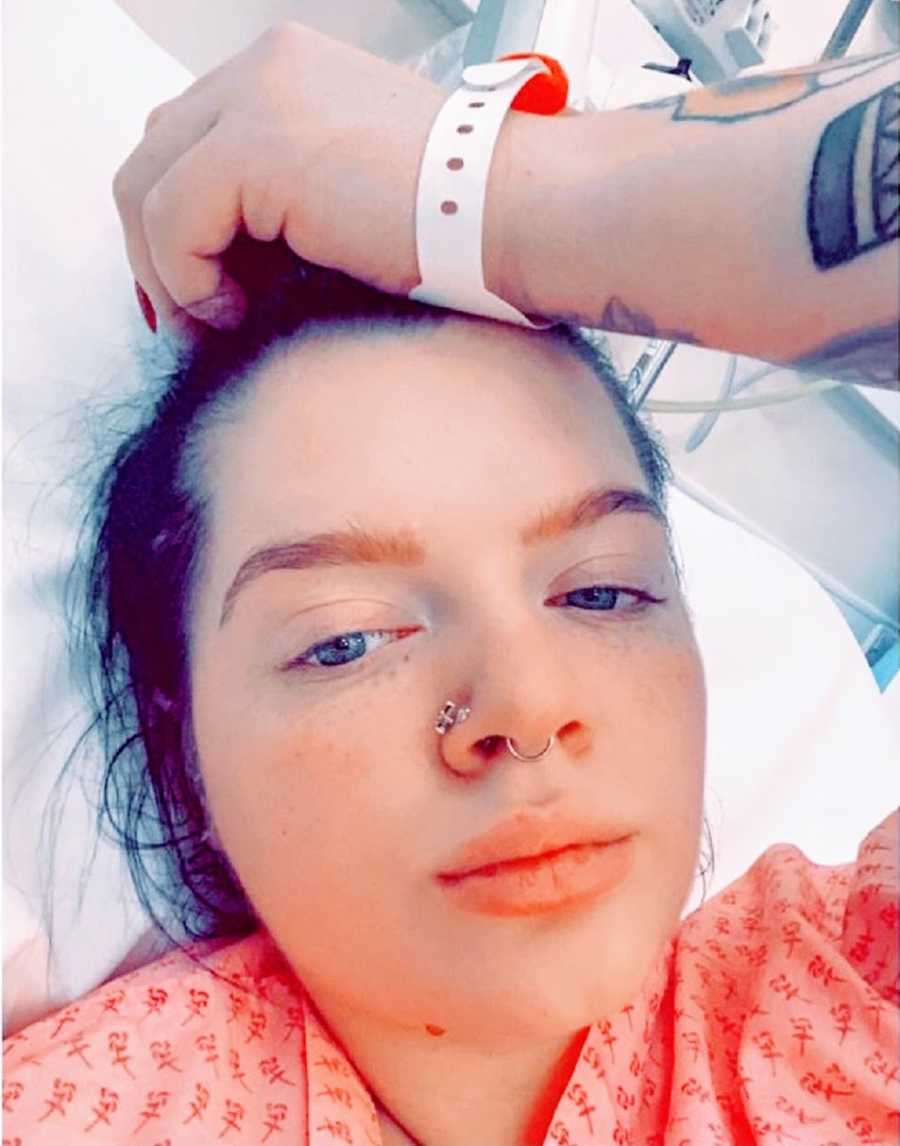
On January 3, 2020, the biopsy confirmed I had interstitial cystitis (IC), a chronic condition causing severe bladder inflammation and pain. There is no cure, only treatments to manage symptoms. I tried multiple medications and bladder instillations, but each attempt failed. Years of misdiagnoses and dismissals by doctors had left me angry and frustrated.
In March 2020, I experienced urinary retention on three occasions and was catheterized for a week each time. By April, I required a permanent urethral catheter, which I lived with until November. That month, I had a suprapubic catheter fitted—more comfortable but still painful and challenging.

Alongside IC, I was diagnosed with fibromyalgia, explaining my chronic fatigue, body aches, and memory problems. February brought another diagnosis: Fowler’s Syndrome, where the bladder muscles do not function properly, explaining my repeated urinary retention. At 28, I now carry three incurable diagnoses and am still undergoing tests to understand my health fully.
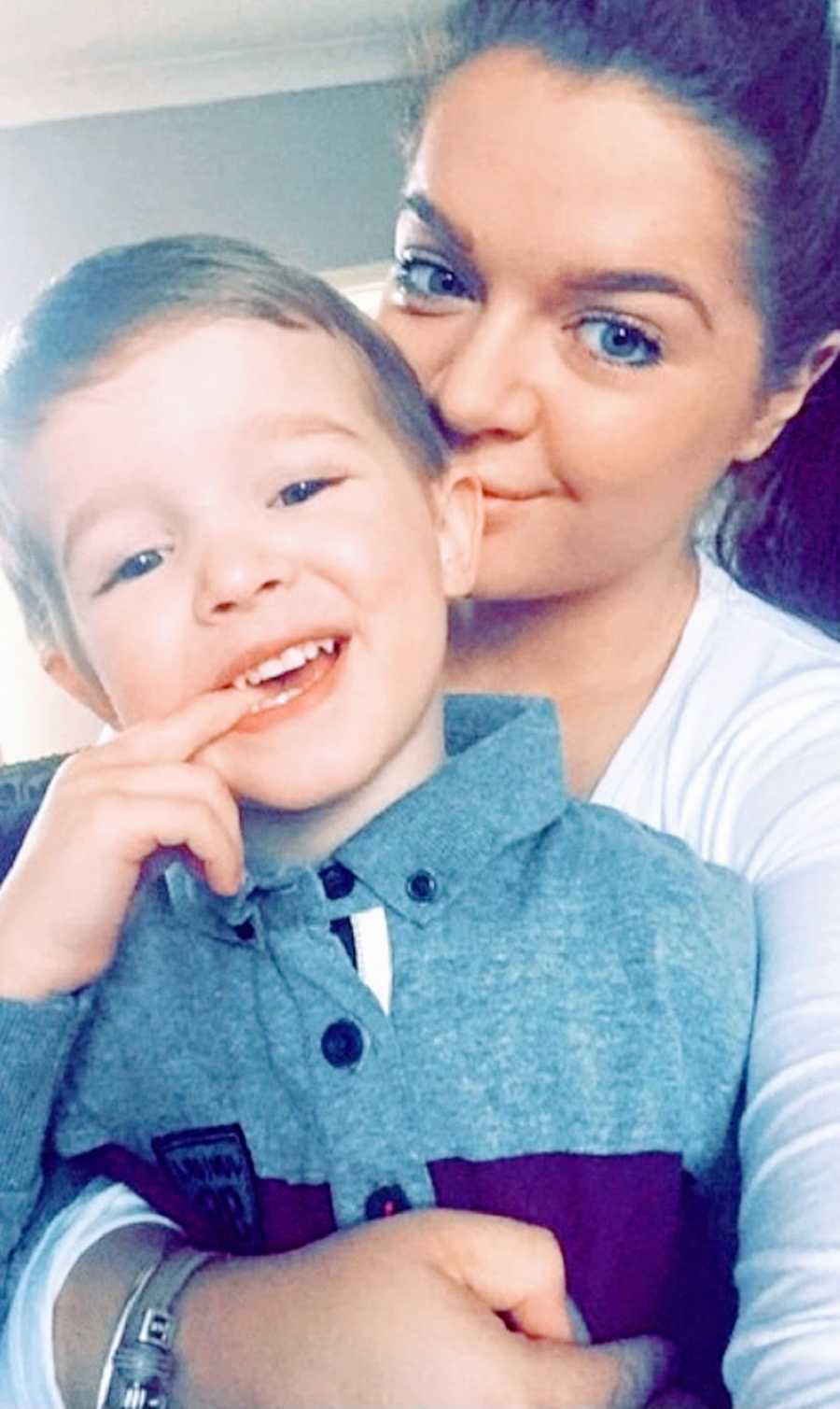
Through it all, my son Oscar remains my greatest support. He helps with chores, medications, and personal care, and his compassion and determination inspire me daily. Together, we share our story on Instagram, raising awareness for chronic illness and catheter users, aiming to help others avoid years of misdiagnosis. My platform also promotes body positivity, showing others that chronic illness does not define your worth or ability to live fully.
Living with chronic illness is challenging, but sharing my journey has given me purpose, confidence, and connection. Though my conditions are life-changing, they are not life-threatening. I remain grateful for my son, for support, and for the small moments of joy. My life may be unpredictable, but through positivity, resilience, and advocacy, I continue to find meaning and hope in every day.