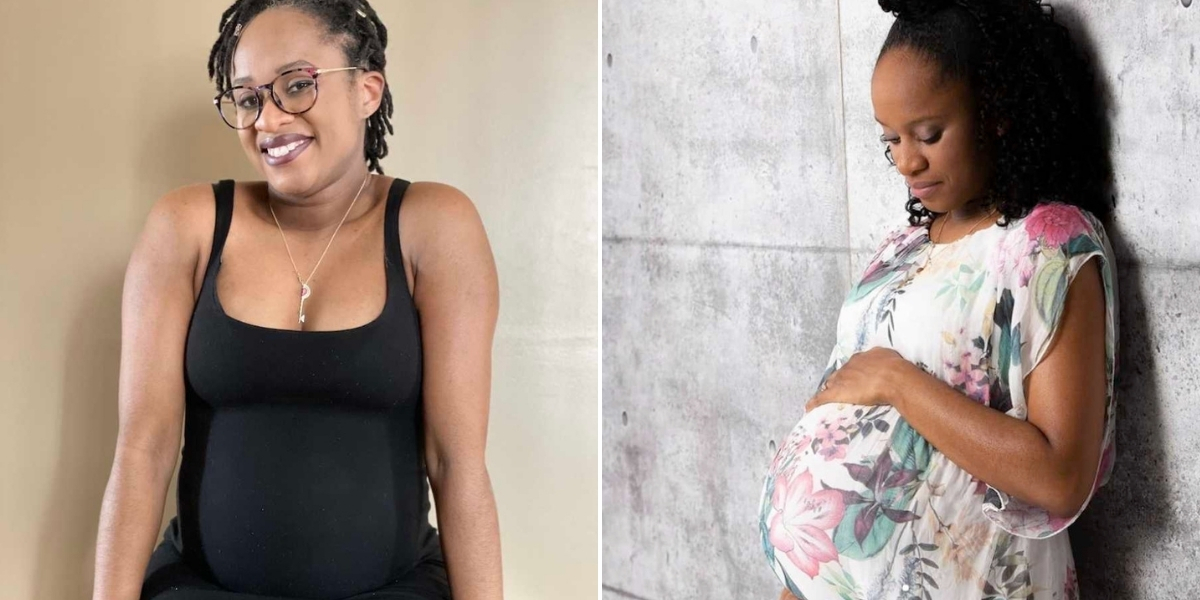
July 2nd, 2018, started like any ordinary day with my husband and friends. I was 11 weeks and 6 days pregnant—happy, proud, and completely in love. I remember the little details vividly: the room, the laughter, the excitement. We were watching a 2018 FIFA World Cup match, and my team—Brazil—was winning. I teased my husband relentlessly because he hates Brazil, and I was on top of the world. That day felt completely normal. And yet, by the end of it, I lost my baby.
Let me take you back to the beginning. I am a professional social worker in child protective services—a demanding, stressful, and emotionally draining field. My job is to help families struggling to provide a safe, nurturing environment for their children. That year, 2018, had been particularly grueling. I was overloaded, attending court at least twice a week, and navigating cases that weighed heavily on my heart. Support at work is minimal; supervisors and clinical specialists are often so busy themselves that you learn quickly to feel alone. And in this line of work, even after you leave the office, the work doesn’t leave you. You never really disconnect.
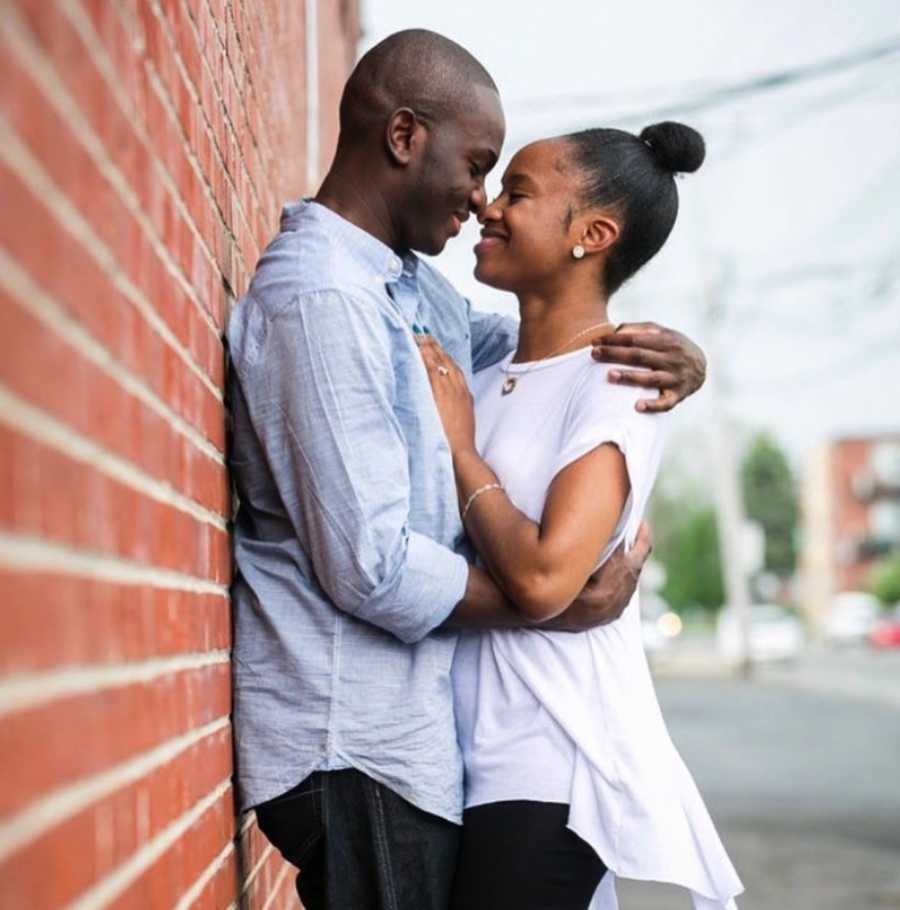
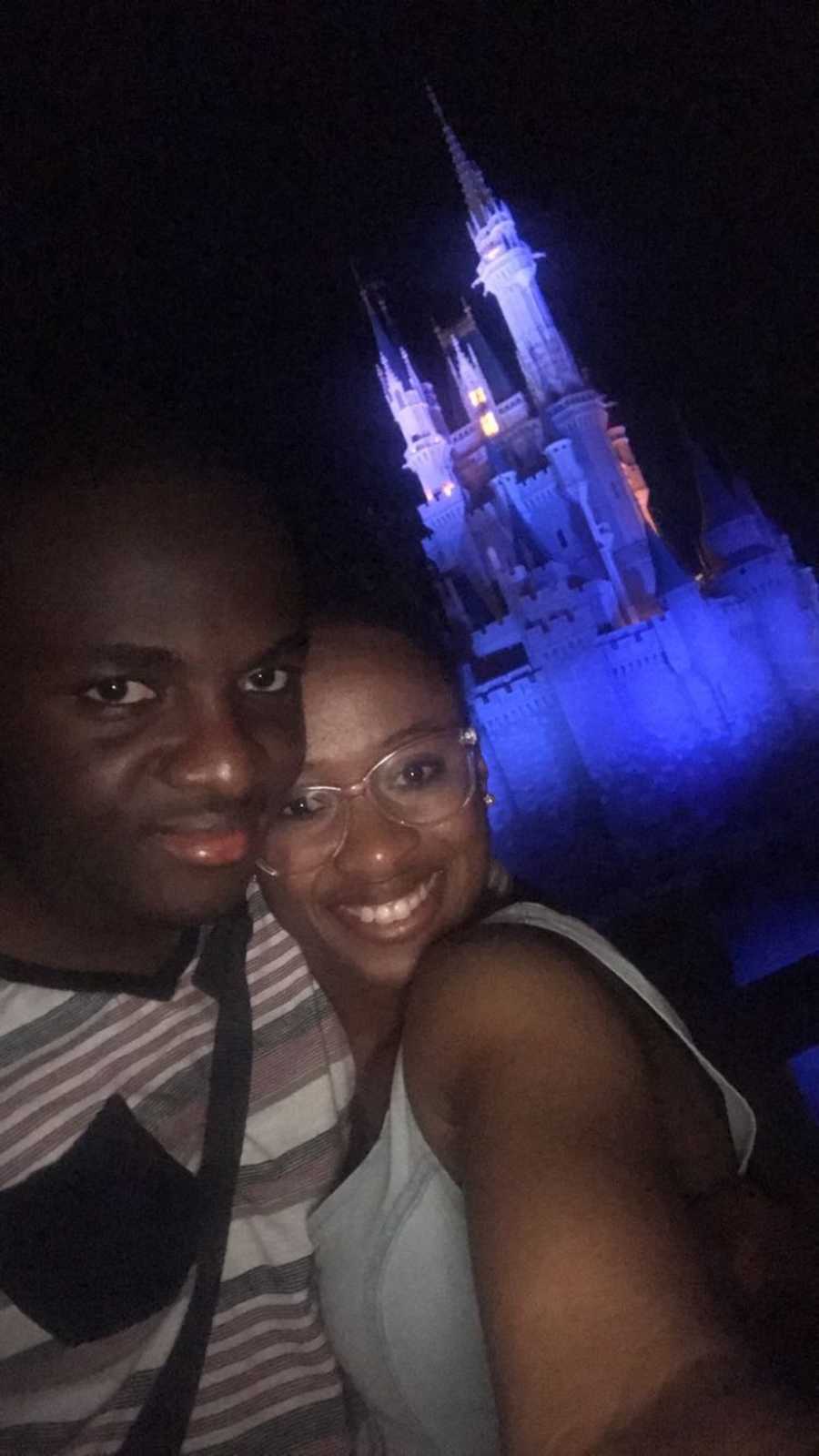
Amidst this stress, my husband and I were quietly hoping to expand our family. We weren’t forcing anything—we just felt ready, letting nature take its course. In April, he surprised me with a trip to… Walt Disney World in Orlando, Florida! I needed that vacation desperately. It was the first time in months I felt truly relaxed, free to laugh, enjoy, and breathe. Perhaps it was that moment of peace that allowed a tiny miracle to enter our lives.
Weeks after Disney, I found out I was pregnant. I can’t describe the joy I felt seeing that positive test. I was going to be a mom! My husband and I were over the moon. My first thought? A little selfish, perhaps—I would finally get a break from work. I knew maternity leave would give me some rest, though I was also aware it meant stepping away from my career for a while. But the excitement overshadowed everything.
We shared the news immediately. Everyone knew—family, friends, coworkers. Normally, we might have waited until after the 12-week mark, but happiness made us feel invincible. Surely nothing could go wrong. Everyone was thrilled for us. After years together, this was the next step. People were eager to see us become parents, and we were eager too, though blissfully unaware of what lay ahead.
Work was still stressful, but the pregnancy brought relief, hope, and joy. On that Sunday, July 2nd, 2018, we were in our basement watching the game with friends. Everything seemed normal. I went upstairs for a snack and to use the bathroom. Afterward, I noticed some pinkish discharge. I wasn’t immediately worried—it seemed minor. Yet, a strange unease settled over me. I Googled “pink discharge pregnant,” scrolling through pages of information, reading that it could be normal. Still, I wasn’t reassured.
After our friends left, the bleeding worsened. It wasn’t pink anymore—it was heavy, enough to fill a pad. Panic gripped me. I told my husband, and we went straight to the hospital where he worked as a nurse. At triage, when asked how I could be helped, I broke down crying. I couldn’t form words—it felt as if acknowledging what was happening made it more real. “I’m pregnant… I’m bleeding,” I managed to say.
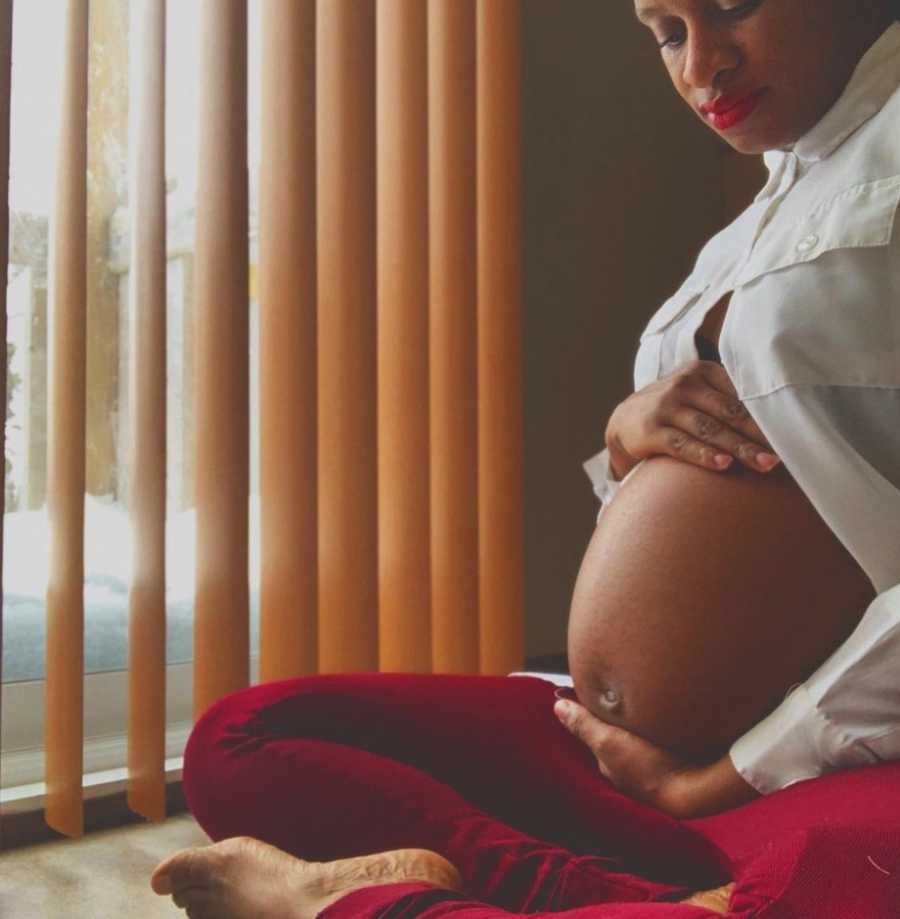
The pain began like severe period cramps. A clot gave momentary relief. Nurses asked questions, took samples, and soon it was clear: I was miscarrying. The pain intensified. Morphine brought little relief. The first ultrasound couldn’t locate the fetus. A transvaginal ultrasound confirmed it. A clot passed, the pain subsided, and the OB quietly told me: “I’m sorry. You’ve had a miscarriage.” I felt detached, numb. My world had shifted in a heartbeat.
During my hospital stay, every question of “How are you?” made me dissolve into tears. People tried to comfort me, citing statistics, saying miscarriages are common, but I couldn’t absorb it. I had lost my child, and nothing else mattered. That evening, I felt empty, exposed, and helpless. My husband stayed by my side, strong for both of us, hiding his grief while I unraveled. I didn’t realize then how deeply miscarriages affect men too.
Grief came next. First shame—I didn’t want to leave the house or talk to anyone. I felt like a failure. Why had this happened to me, a healthy woman in her thirties? My husband had informed everyone, yet I expected personal condolences. None came. Confusion compounded the pain. Then guilt: it must have been something I did—stress, diet, lifestyle, perhaps even intimacy. I scrutinized everything I’d done, unable to accept that sometimes, miscarriages happen without explanation.
I realized my coping mechanism—analyzing everything scientifically—was both a shield and a trap. I sought therapy, learning to balance rational thinking with emotional processing. Through research, forums, and conversations, I discovered that miscarriage is far more common than I’d believed, affecting women across all ages, backgrounds, and health levels. I wasn’t alone. This realization helped me grieve, understand, and eventually heal. Sharing my story became a way to break the silence around miscarriage, to give others permission to acknowledge their pain.
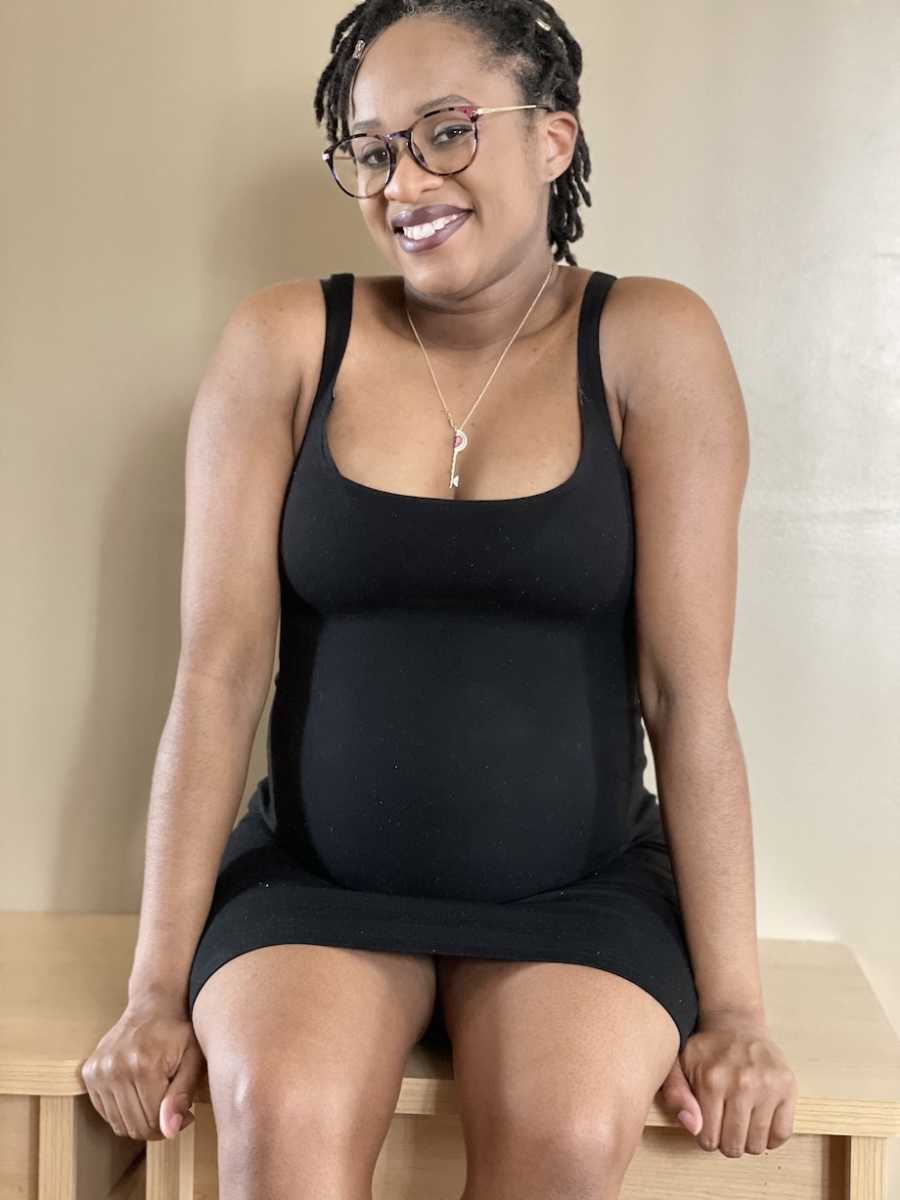
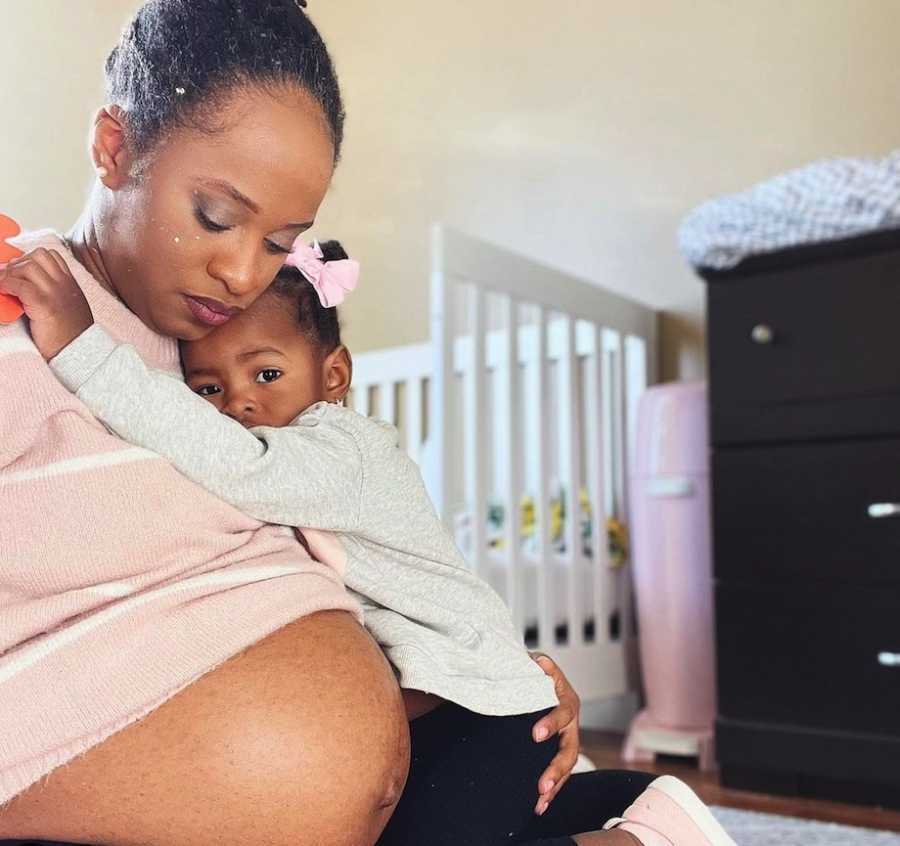
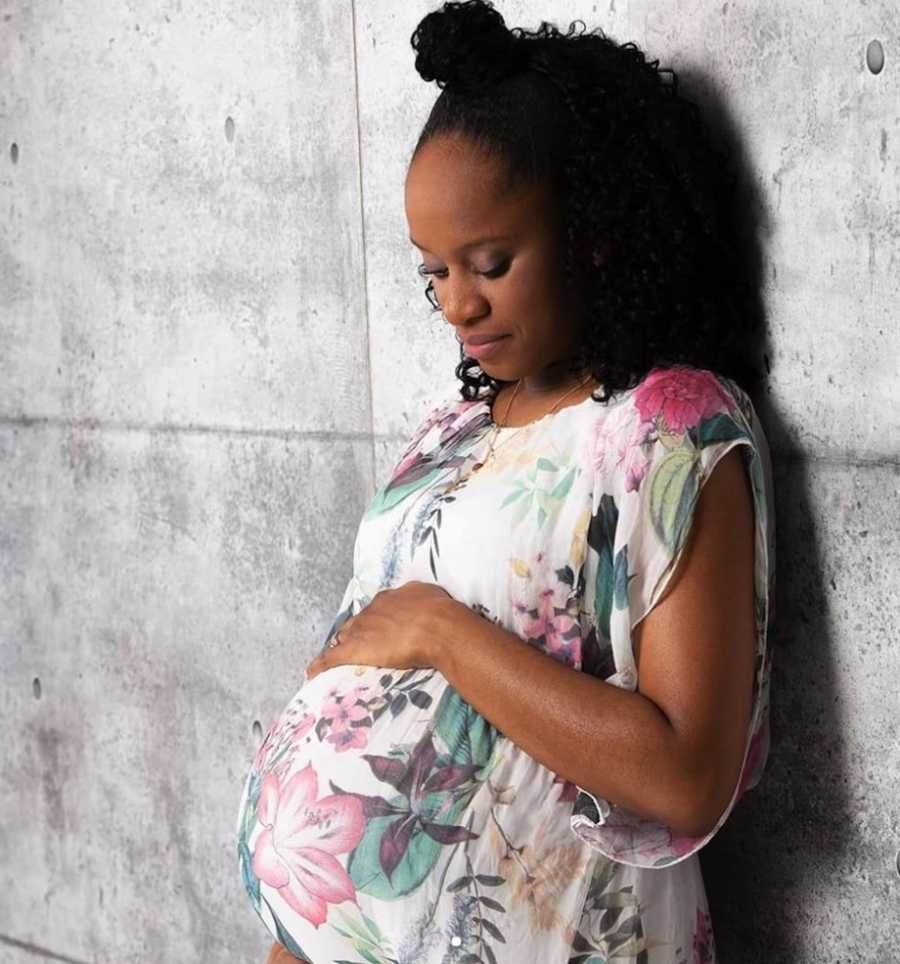
Today, I am blessed with a beautiful 23-month-old rainbow daughter, and I am 33 weeks pregnant with a baby boy. I am filled with love and anticipation. The day I lost my first child is etched in my memory forever, but I’ve learned it’s okay to grieve, to remember, and to heal. Our hearts make room for both sorrow and joy, and I carry both with me.