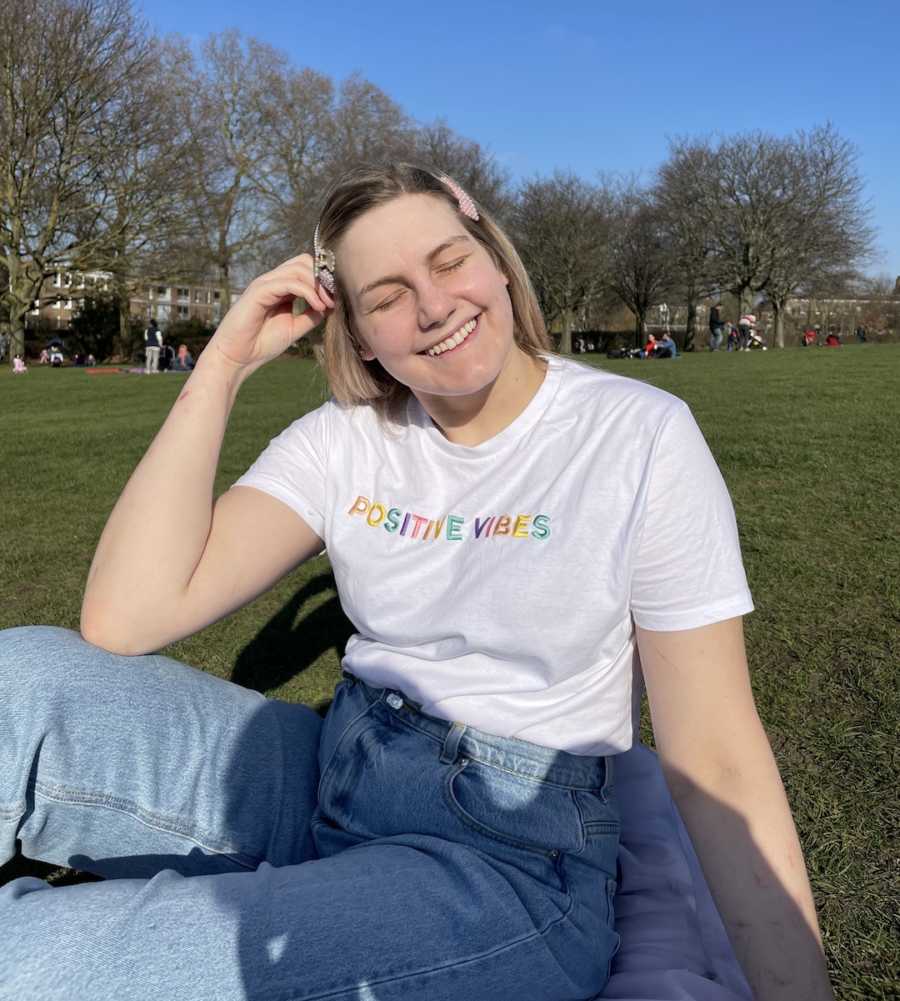
My struggles with anxiety and bipolar disorder ultimately led me to go against society’s expectations and become a 27-year-old, childless housewife in order to finally find happiness and stability.
I wasn’t always aware that I was dealing with mental health challenges. If I’m being honest, about 11 years ago my mom simply thought I was a very moody teenager—and so did I. Mental health issues can be incredibly difficult to identify during adolescence, especially with all the hormonal and emotional changes happening at once. Still, the signs were there. I come from a family with a strong history of mental health struggles. Both of my parents have experienced depression and anxiety, and some more distant relatives have faced more severe conditions, including borderline personality disorder.
Around the age of 16, I began feeling deeply unhappy and disconnected from the people around me. That’s when I started seeing a mood management specialist. I only attended two or three sessions and resisted the process completely. She offered coping strategies for managing my emotions, but I wasn’t open to applying them. I felt misunderstood, isolated, and different from everyone else. Doctors reassured us that it was normal teenage behavior, so I accepted that explanation and stopped searching for answers for the next four or five years.
At 17, I moved to China with my family and began studying medicine. Medical school was intense and overwhelming, and my fear of failure made everything worse. That’s when I experienced anxiety for the first time—although I didn’t understand it at the time. I assumed it was stress because it always seemed tied to specific triggers. Eventually, though, the anxiety appeared without any reason. I would cry, shake, and feel completely out of control. Mental health isn’t openly discussed in China, so I buried everything and kept smiling. I convinced myself that hiding my emotions made me strong. Looking back, I now know that emotions are not weakness—but at the time, I truly believed they were. That habit of hiding everything would come back to haunt me later.
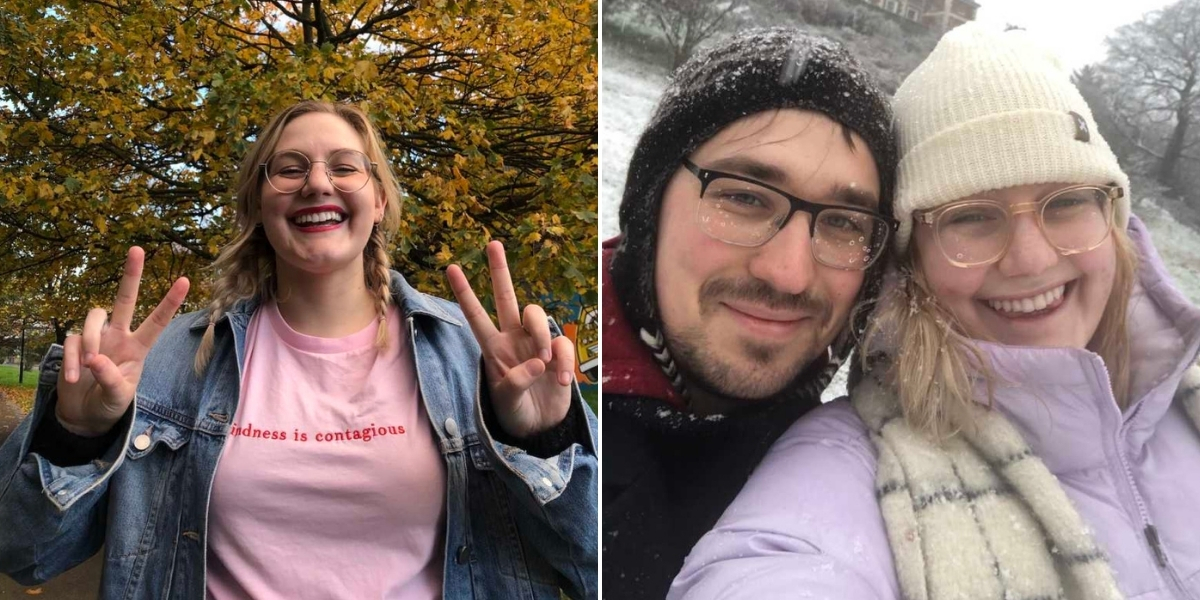
At 19, I moved back to Canada with my partner. We met in high school, and he even followed me to China—something I still find incredibly touching. Together, we decided to move to Quebec City to continue our studies. That year marked a major turning point in my life: for the first time, I chose my mental health over expectations. I decided to leave medical school because the anxiety had become unbearable. I’ll never forget my dad telling me, “Jessika, you need to do something you love. You don’t look like yourself anymore—you look like a zombie. Don’t worry about what others think. Do what feels right.” With my parents’ full support, I quit, and it felt like a massive weight had been lifted from my shoulders.
The next two years in Quebec City were wonderful. I was studying something I loved, working a part-time job I enjoyed, and living in an environment that felt right. For the first time in years, I could breathe. After finishing my degree, my boyfriend and I moved to Paris to continue our studies. I arrived hopeful and optimistic, but just weeks later, my mom called to tell me that someone close to me had attempted suicide. I remember taking that call in my bathroom. I cried briefly, wiped my tears away, and forced myself to keep smiling. That decision—to not let myself feel—was one of the biggest emotional mistakes of my life.
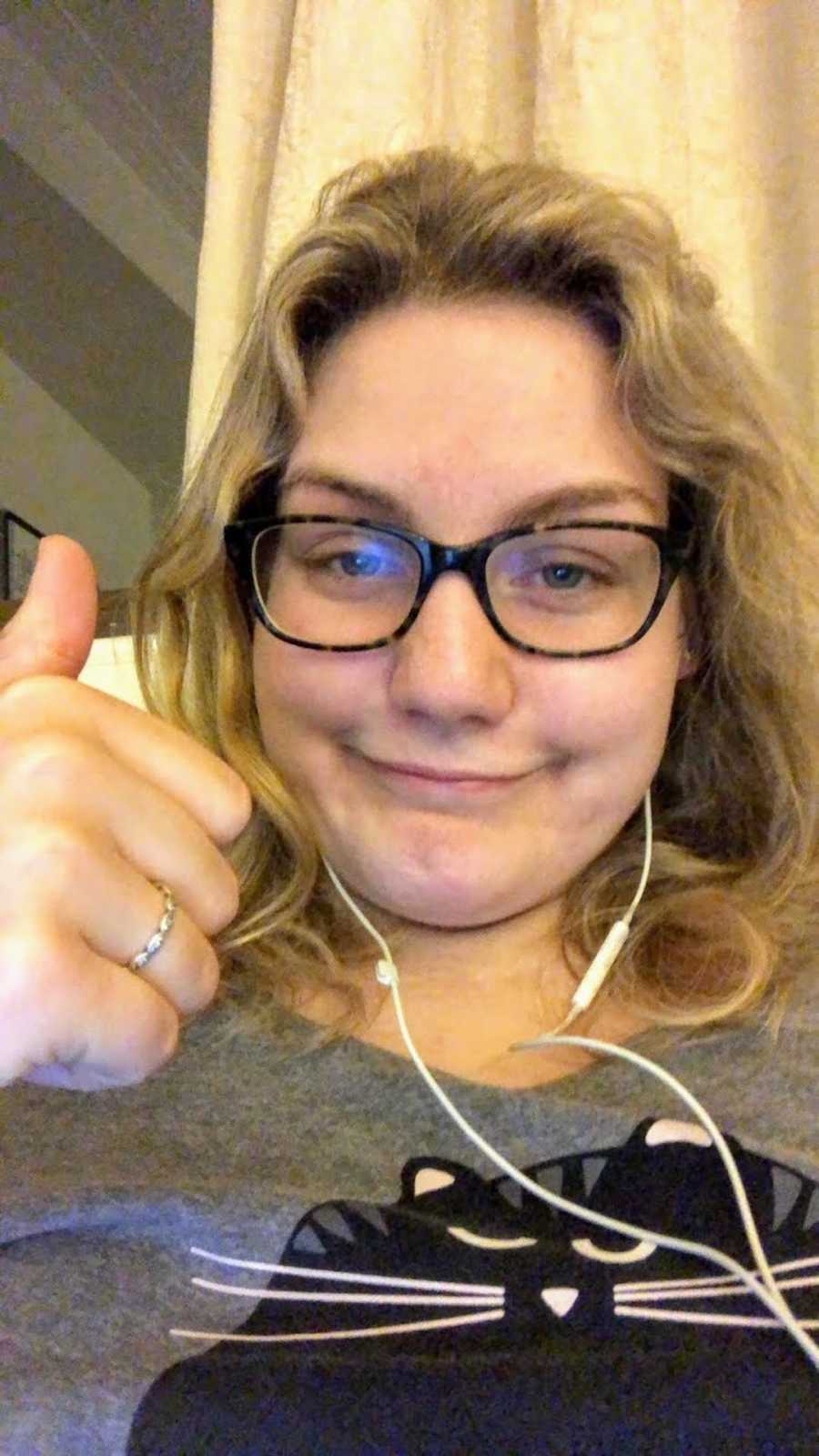
Those unprocessed emotions eventually resurfaced. In the middle of a university presentation, in front of my entire class, I suddenly broke down crying. Everything spilled out at once. That was the moment I finally accepted that I needed professional help. I began seeing a therapist weekly, and the rest of my bachelor’s degree went well. Over the next three years, I excelled academically while continuing therapy.
After graduating, things took a darker turn. I entered a destructive cycle: I’d get a job, last about three months, fall into depression, quit, take time off, and repeat. I always blamed something external—the work environment, a difficult boss, the job itself. Eventually, while freelancing only two days a week, I hit another depressive low. My therapist suggested medication, and after several appointments, a psychiatrist diagnosed me with bipolar disorder. Suddenly, everything made sense—the intense lows, the bursts of energy where I felt unstoppable. While the diagnosis brought clarity, it didn’t solve everything. I was still struggling with anxiety.
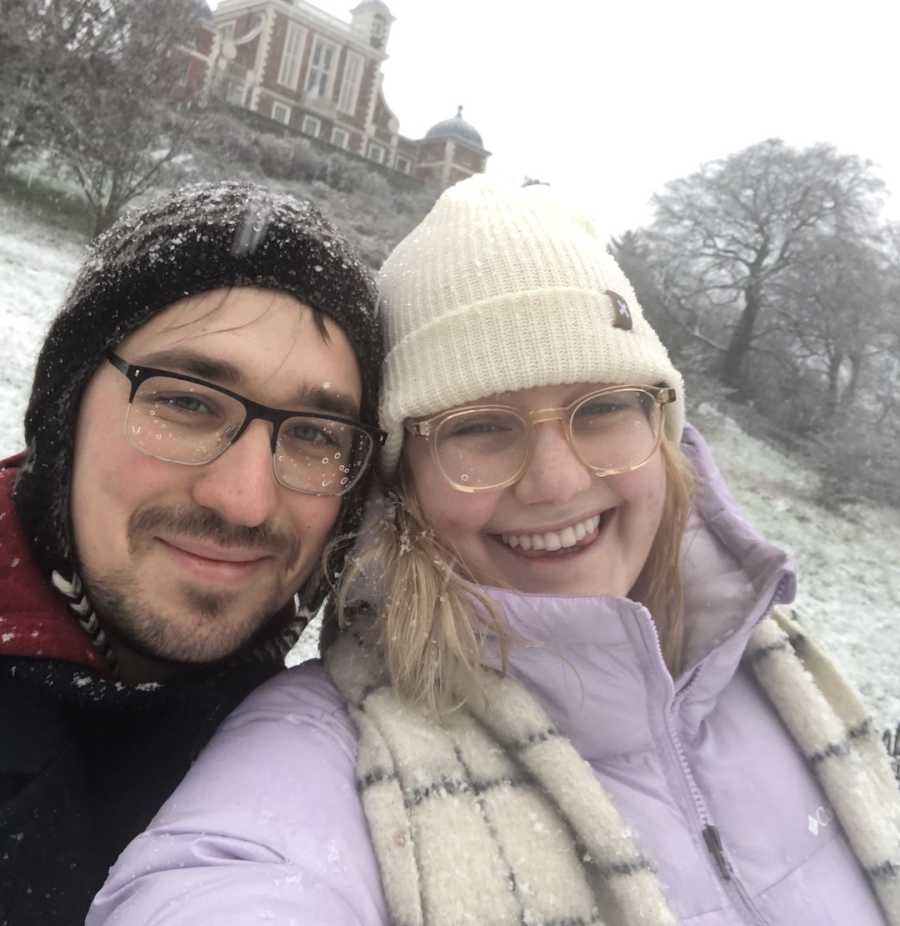
I later found a flexible, work-from-home job in a relaxed environment and felt determined to succeed. But three months in, my anxiety skyrocketed and triggered the worst depressive episode I’d ever experienced. I ended up in the emergency room due to suicidal thoughts and was monitored by my local crisis team for three weeks. Despite everything, I tried to keep working. Then came my first panic attacks. I didn’t recognize them at first—I thought something was wrong with my heart. After several attacks in one week, I finally listened to my therapist and quit my job after a year of pushing myself too hard.
Through therapy, I realized that working for others creates too much pressure for me. That pressure fuels my anxiety, which then triggers depressive episodes tied to my bipolar disorder. After long conversations with my incredibly supportive partner, I made the decision to focus on myself and my healing.
Today, I take an antidepressant, a mood stabilizer, and an antipsychotic every day, prescribed by my psychiatrist whom I see every two to three months. I also still meet weekly with the same therapist I started seeing in Paris. On my own, I meditate daily, prioritize sleep, and give myself permission to rest.
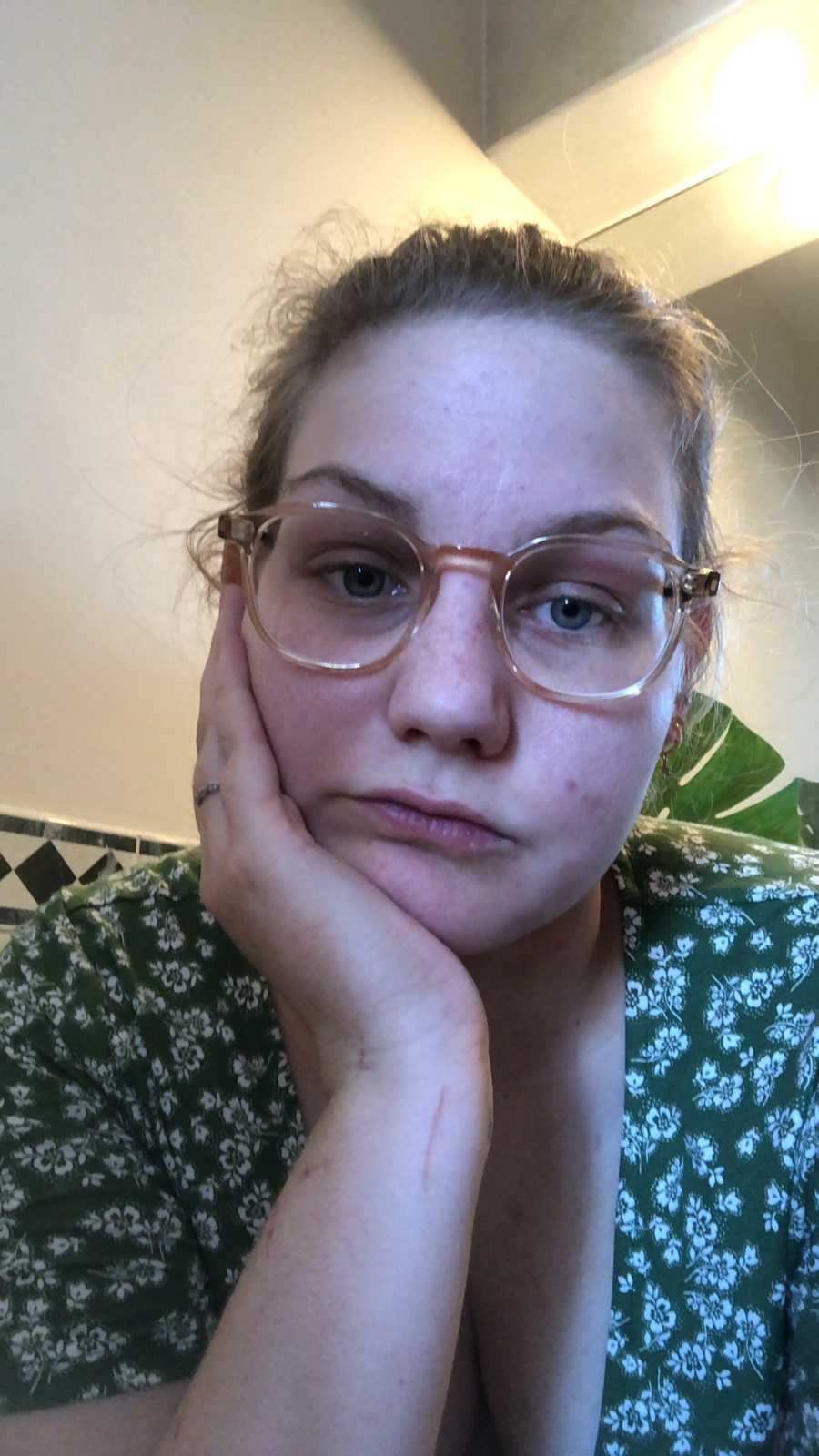
I’ve always been open about my life. If someone asks about my scars, I tell them honestly that they’re a mix of self-harm and an overly playful cat. When I was diagnosed with bipolar disorder, I spoke about it just as casually. But I noticed people reacted differently. Their discomfort came from fear, misconceptions, and stigma—and it confused me. We talk openly about broken bones, so why is mental health treated so differently?
At first, it made me angry. Then I realized it wasn’t malice—it was lack of education. I began having open conversations within my close circle, and slowly the awkwardness turned into curiosity and understanding. That’s when it clicked. I had grown a social media platform of about 10,000 followers, and I realized I could use it for something meaningful. I restructured my page and dedicated it to mental health education, affirmations, joy, and community-building.
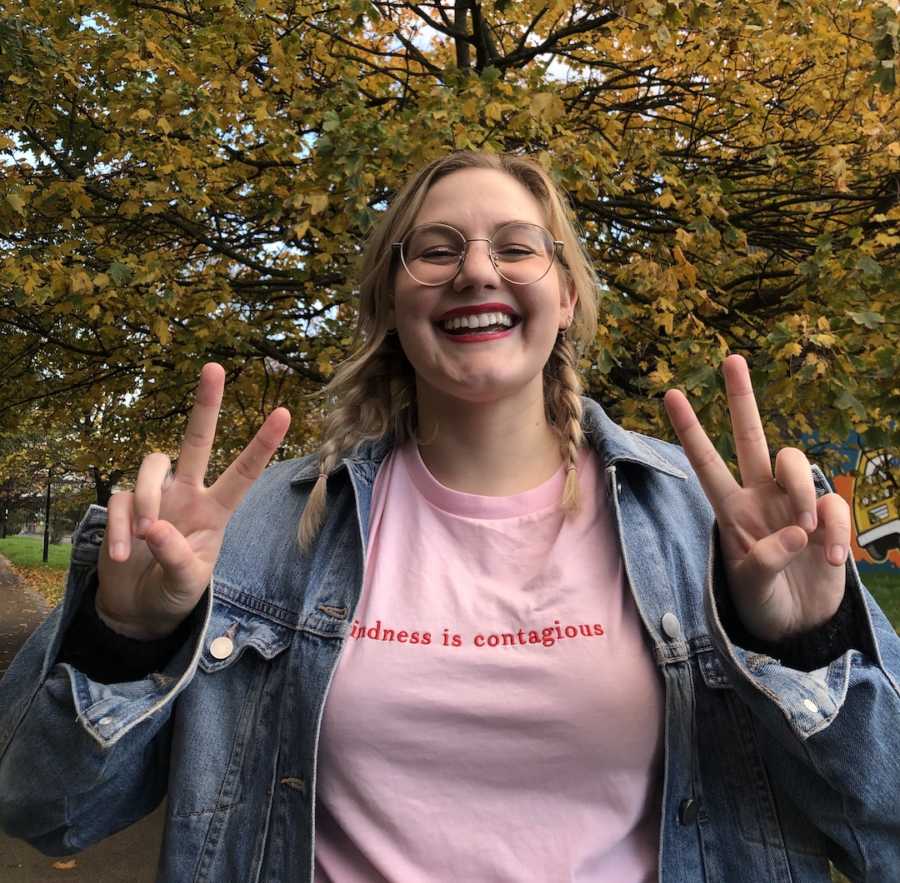
Education truly is the key to breaking stigma. If you’re struggling, please reach out for help. Asking for help does not make you weak—it takes immense strength and self-awareness. If one door closes, knock on another. Someone will listen eventually. Mental health care can be difficult to access, but don’t let that discourage you.
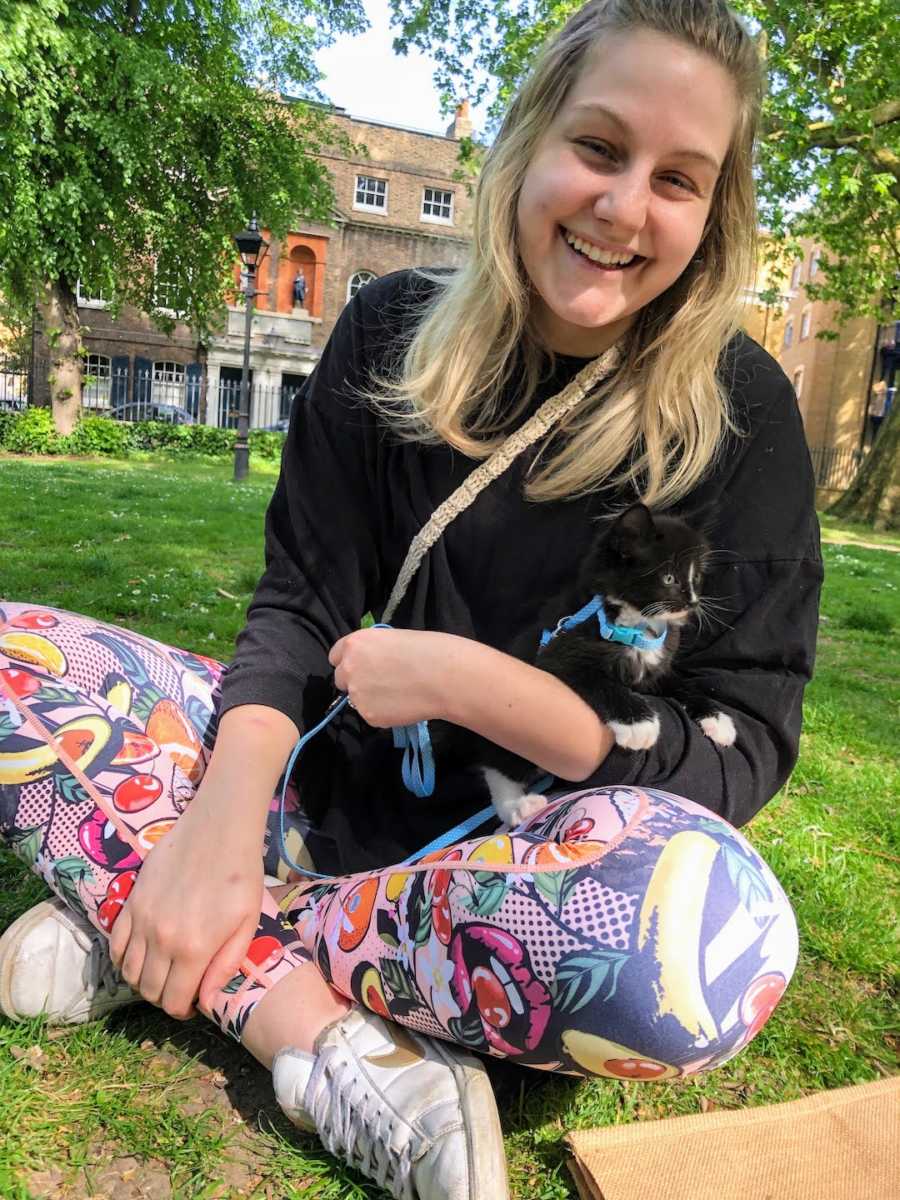
Surround yourself with people who uplift you. True friends listen without judgment and support you. If someone drains your energy, they may not belong in your inner circle. Friendship should feel safe and positive.
Don’t be afraid of medication. I resisted it for over five years, and accepting it changed my life. If you need it, there is no shame.
Most importantly, remember that mental health is a journey. There is no final destination, no perfection to reach. Instead of obsessing over the end goal, learn to find peace in the process. That’s where the real healing happens—and where life begins to feel a little brighter.