December of 2018 was one of the hardest months of our lives. Looking back now, I can see it as the beginning of the end—but also, paradoxically, the beginning of something beautiful. I know this not only because the storm has passed, but because we survived it together. I can recall, with startling clarity, the exact moment I realized the man I loved was an alcoholic. That moment didn’t happen in December itself, yet the month was packed with events that shook me to my core, forcing me to question everything—just as that moment once had.
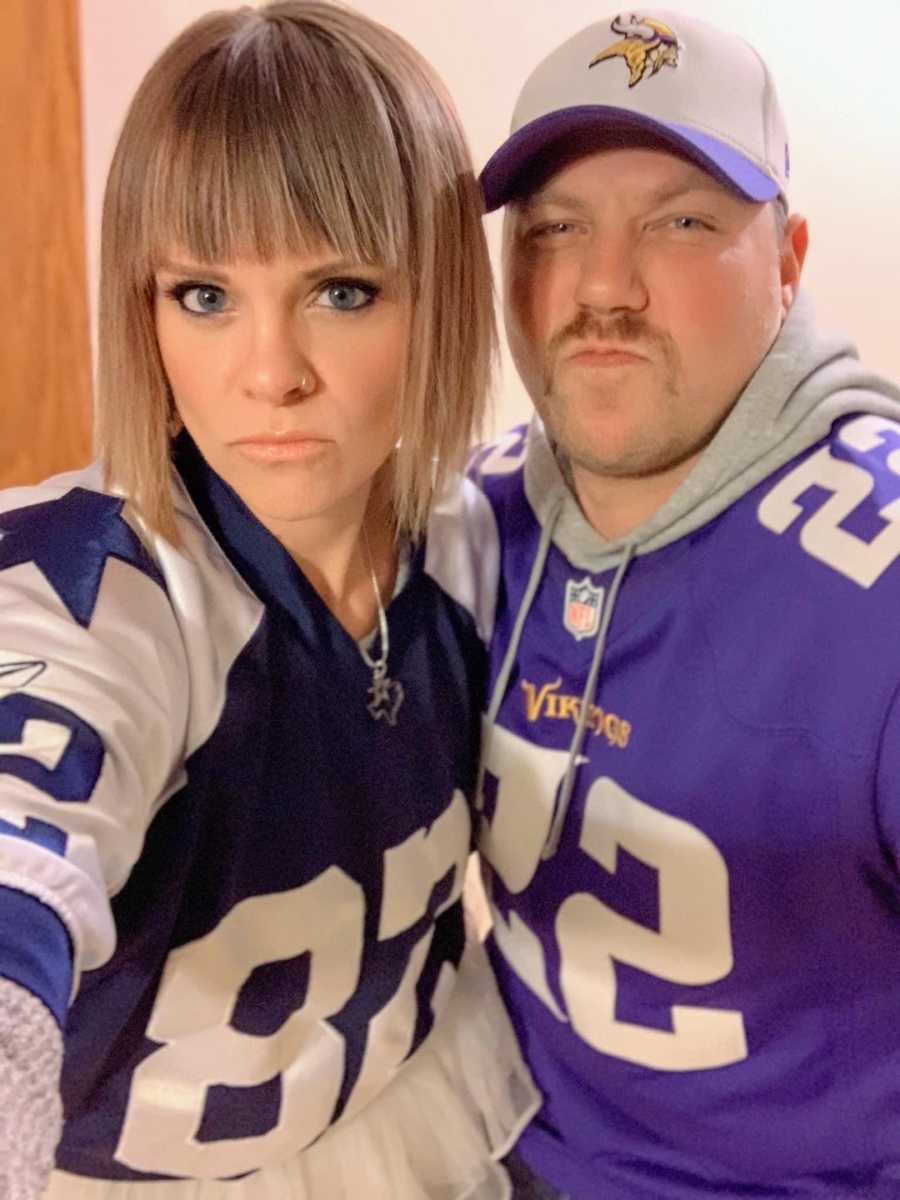
In December of 2018, we were unexpectedly given the opportunity of a lifetime: I was invited to be a guest on the Rachael Ray show. Completely in shock, we were whisked away to New York City for several days, an all-expenses-paid trip that felt like a dream straight out of a movie. I spent much of our time there filming, but we were fortunate to stay right in the heart of Manhattan, close to everything, and we spent every free moment sightseeing and taking it all in. I remember telling Aaron—more times than he probably wanted to hear—that I didn’t want him drinking while we were there. This was unusual for me; I had never tried to control his drinking before.
Aaron was a grown man, and it wasn’t my responsibility to monitor how much he drank. But this time, visions of everything going terribly wrong in New York raced through my mind, and for the most part, he respected my wishes.

On the second day, I was busy filming at Banana Republic and getting a spa makeover, leaving Aaron with the day to himself. I spent those hours in constant worry, wondering which version of him I would encounter when I returned. My phone buzzed with texts as he explored the World Trade Center Memorial, and I felt a fragile mix of relief and happiness that he was experiencing life, not drowning it in alcohol as I had feared.

By the evening, I returned to our hotel, ready for a celebratory dinner. I walked in, fully made up, and found Aaron quietly sitting with a six-pack. “He’s only had a couple,” I told myself, noting his eyes were clear. I whispered a silent prayer of gratitude—because things could have been so much worse. That night, courtesy of the show, we dined at a remarkable restaurant, savoring both the food and each other’s company like we had never done before. We skipped alcohol, lost in the experience, and for a moment, it felt perfect.
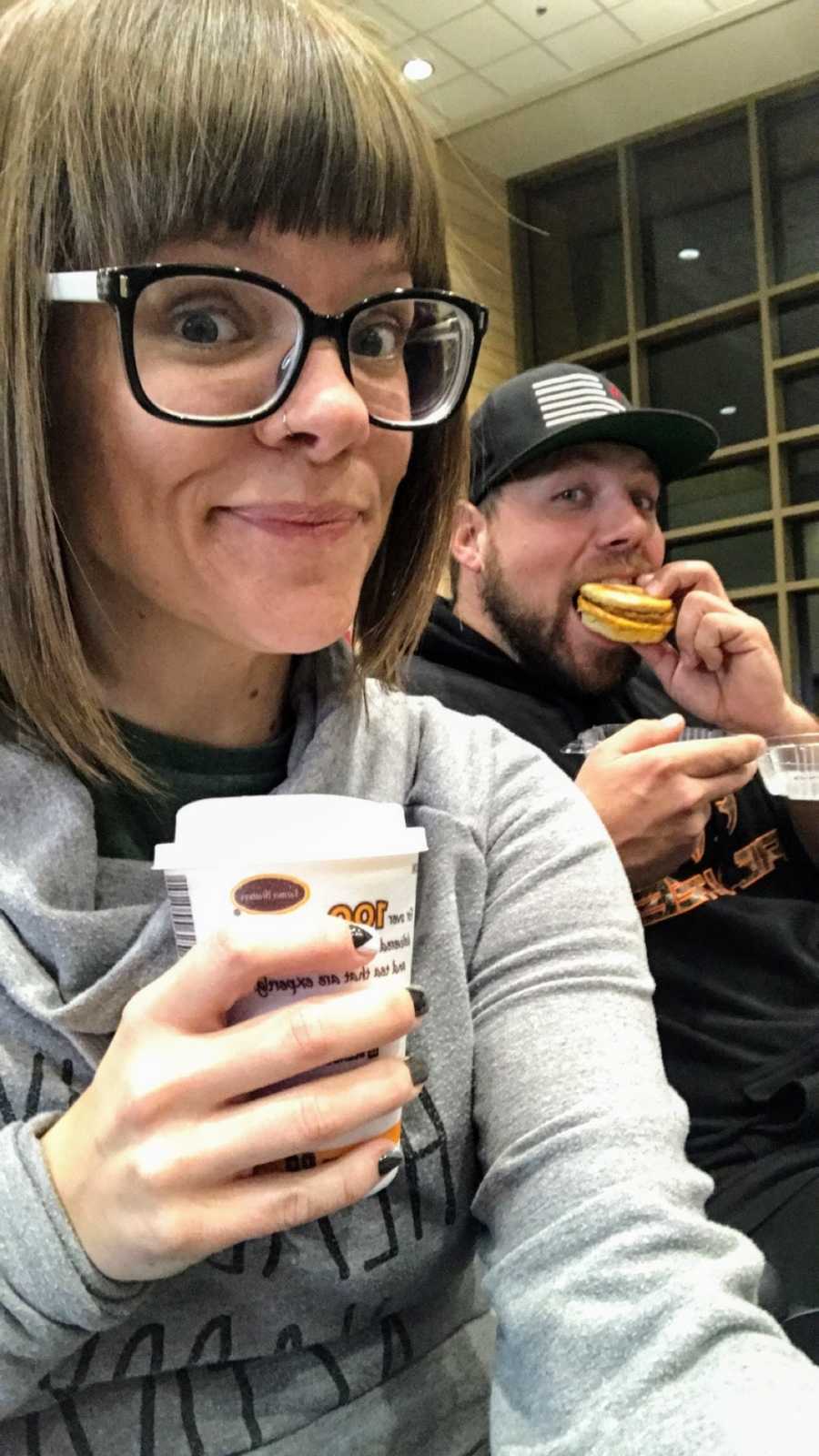
We had planned to visit the Empire State Building after dinner, but first returned to the hotel to drop off leftovers. I went to the restroom, and when I came out, I saw Aaron chugging a beer as if his life depended on it. We had been in the room for only three minutes, yet he desperately tried to consume as much as possible before heading out. Watching him, I felt like I was witnessing a video game character desperately trying to regain extra life before time ran out.
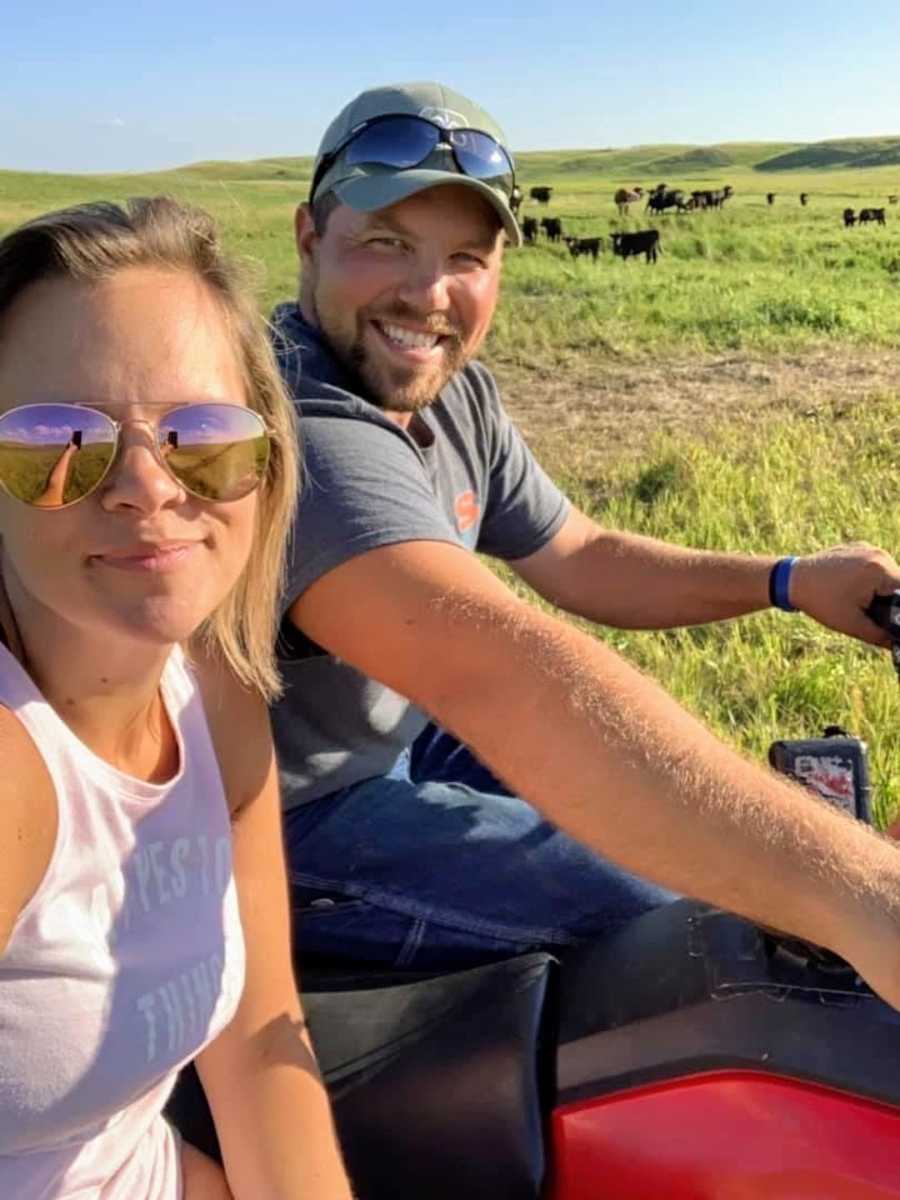
That night, I left the hotel with a sick feeling in my stomach, facing the undeniable truth: Aaron was an alcoholic, and neither of us could continue like this. It felt like the beginning of the end—but, as it turned out, it was actually the start of the most beautiful beginning.
Aaron celebrated his 35th birthday during our second summer together—a milestone he had once believed he would never reach. Watching someone embrace life after accepting the possibility of never seeing another year is surreal, especially at such a young age.
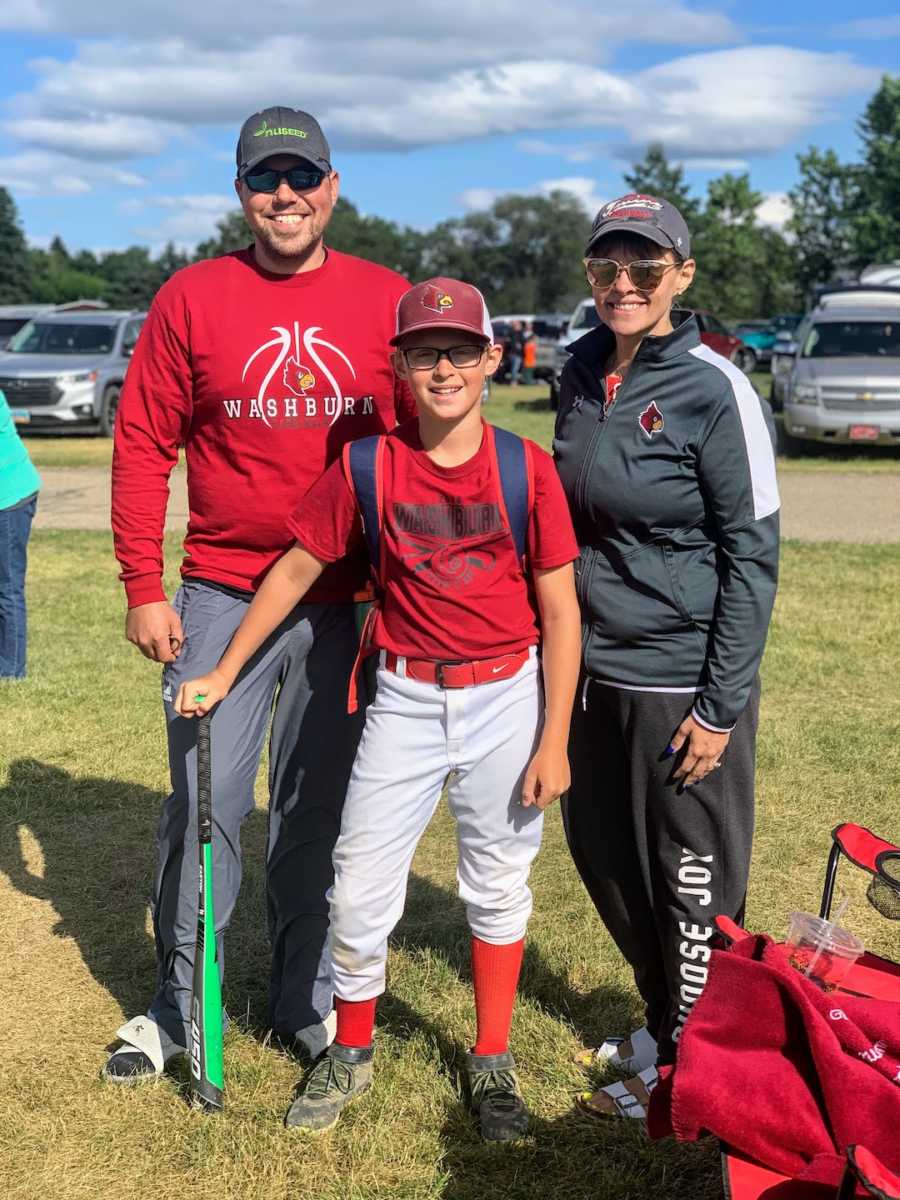
We’ve been open about his battle with alcoholism, but only those closest to him know about his struggle with drugs. From snorting cocaine with his boss to endure long hours, to waking up with the police over bizarre mishaps, falling through a jail ceiling in an escape attempt, surviving a dangerous batch of meth, or being found in the freezing Minnesota winter behind a dumpster—these are realities that shocked everyone who knows the loving, kind man he is today.

His parents lived in constant anxiety, never knowing how he would emerge from each day. Many are surprised to hear these stories, saying, “He doesn’t look like an addict.” But what does an addict look like? In my case, my addict has eyes full of kindness, a smile that touches everyone, and a heart of gold. He treasures his family, treats his mom and me like queens, adores children, and has been the most amazing bonus dad our kids could hope for. He goes to church, loves Jesus, and consistently spreads warmth and generosity—holding doors, carrying bags, tipping beyond measure, and giving his all without hesitation.
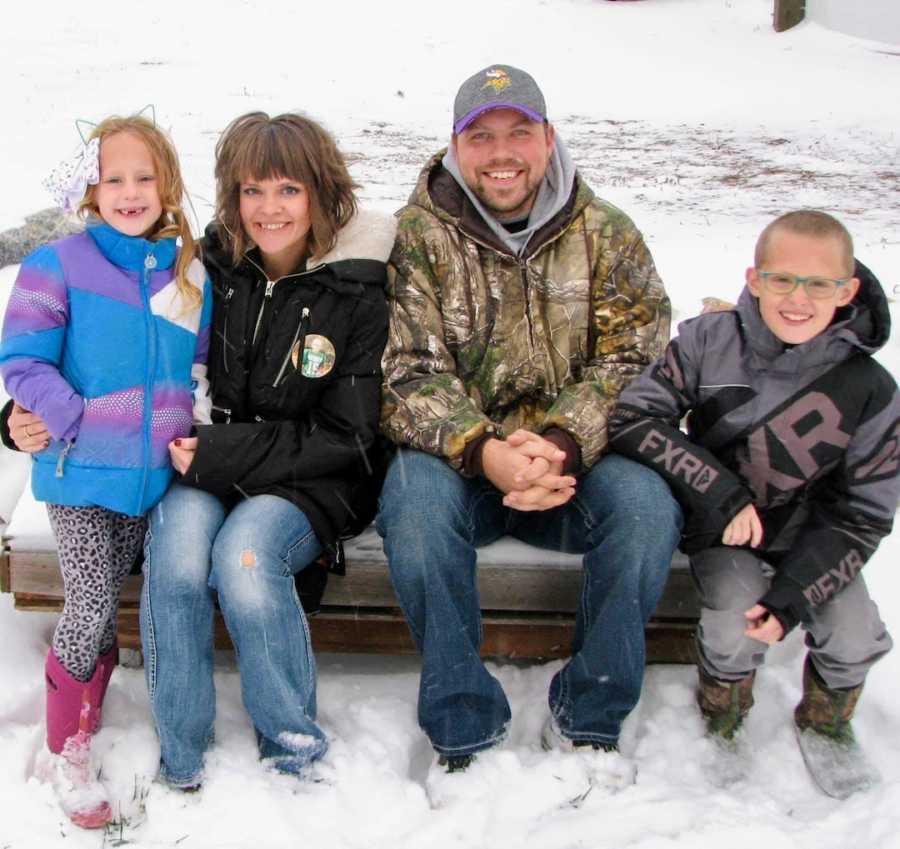
He came into my life and transformed it, even while changing his own. He taught me that addiction is real and that it can affect anyone, regardless of background, trauma, or past mistakes. Addiction is an equal-opportunity struggle, and anyone can be affected—whether as someone who suffers from it or someone who loves an addict. Sharing our journey is about hope, awareness, and letting others know they are not alone. Shame has no place here—it only destroys.
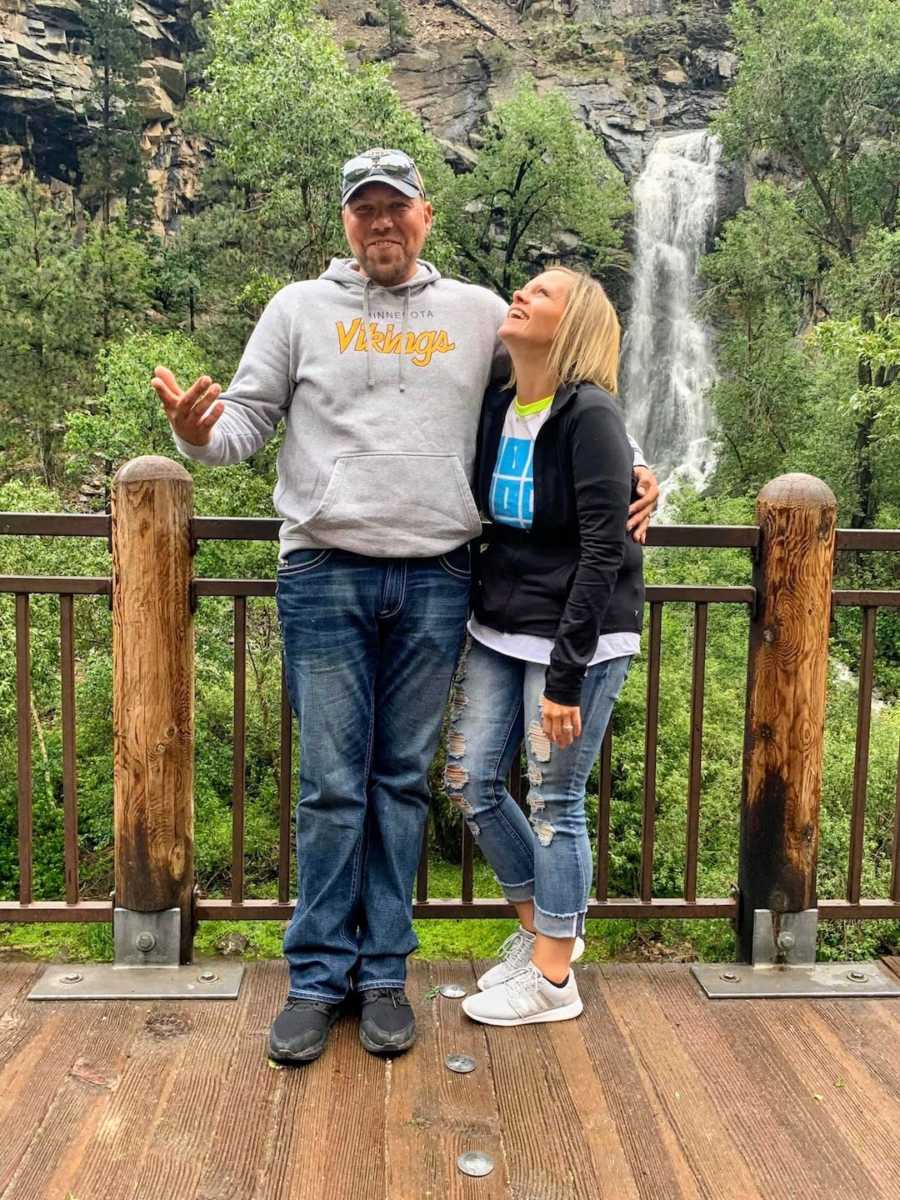
Recovery is possible. We could never have reached this point without God, the love and support of our families, the guidance of those who had walked this path before us, or each other. And as always, we continue walking this journey—one careful, courageous step at a time.