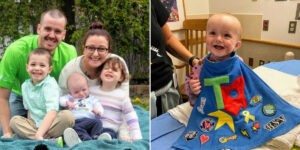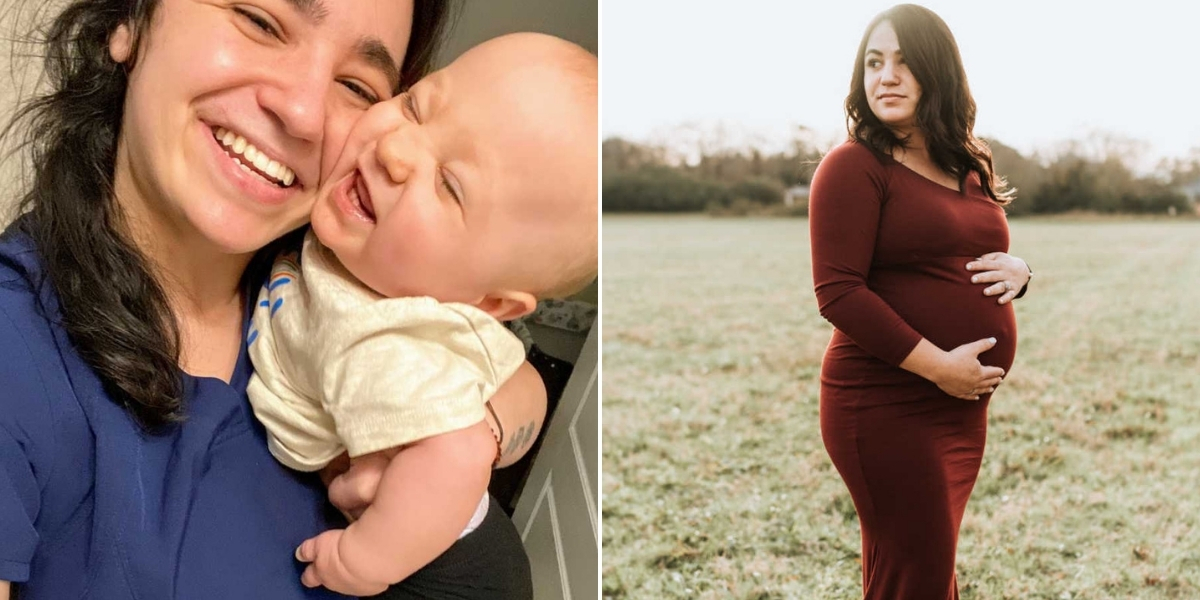
My story is long, winding, and life-changing. I was 24, in my senior year of nursing school, when I told my husband, Dalton, that I was ready to start a family. We had been married for almost three years, and I was on the brink of graduating to work in a career I loved. On paper, it felt like the perfect time to try for a baby.
But life had more challenges in store. I am a type-1 diabetic, and PCOS runs in my family. I had always suspected I might have it, given my irregular periods. Knowing these factors could complicate things, I spoke with my endocrinologist, who referred me to a specialty OBGYN to guide me through this journey.
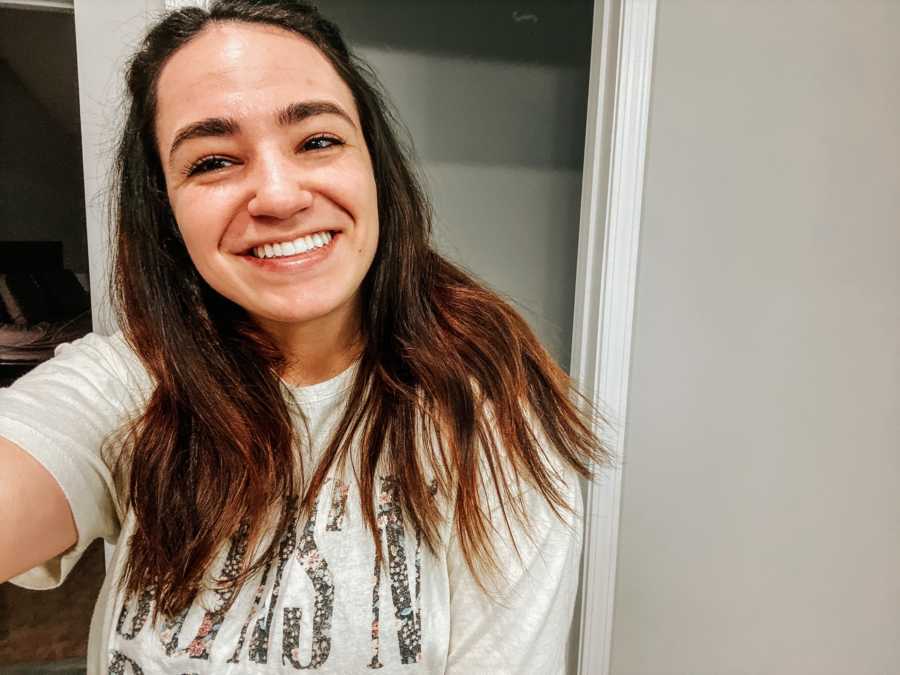
Going into that appointment, I secretly hoped I might already be pregnant—I hadn’t had a period that month. Labs and an ultrasound were done, and the results were not what I expected. I was the furthest thing from pregnant; instead, I was officially diagnosed with PCOS. My new plan was immediate: I was prescribed Clomid to aid fertility, as I was told I ovulated maybe once a year. I thought, “Okay, this will speed things up. This will be great.”
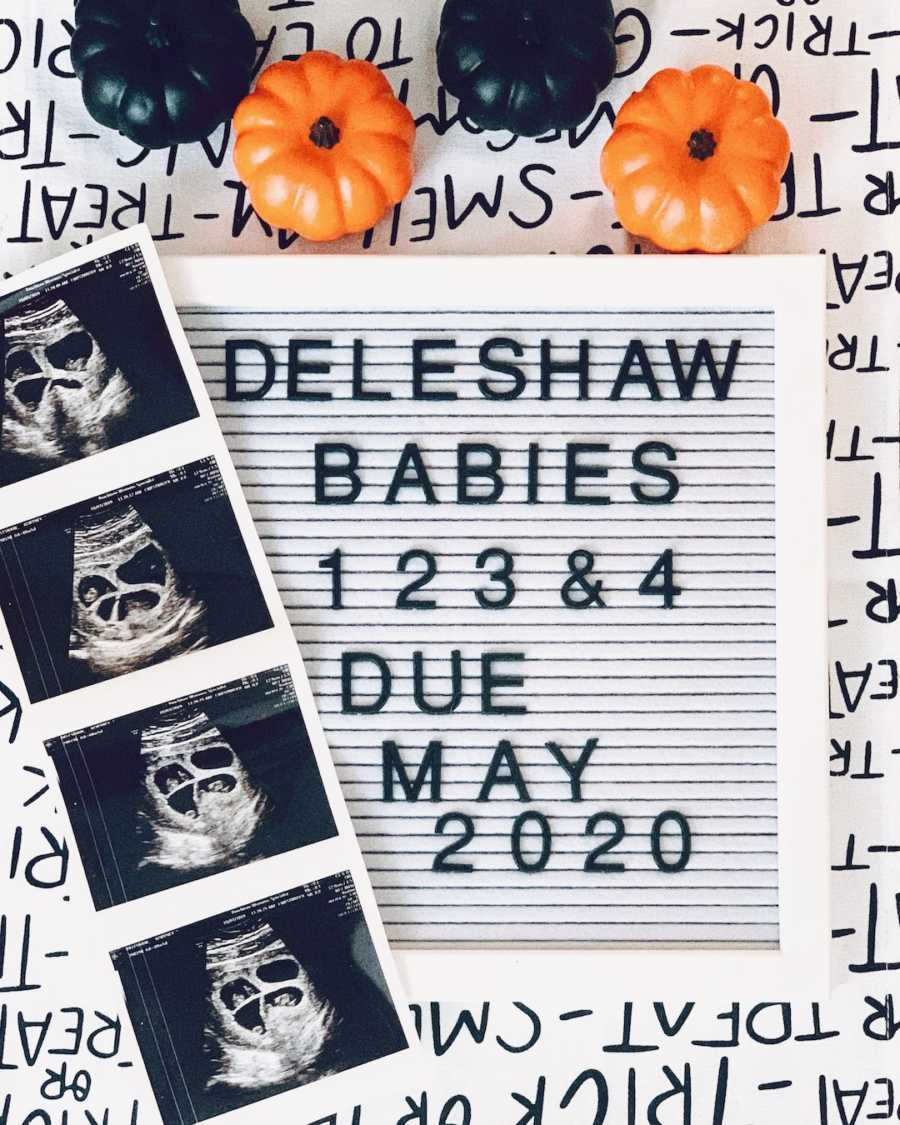
After three rounds of Clomid, a positive pregnancy test changed everything. I couldn’t believe it at first and double-checked with multiple tests. Around 9 or 10 weeks, I went in for an early ultrasound, jokingly thinking I looked “so big” there must be more than one baby inside. The news blew us away. We saw three sacs—triplets! Then the sonographer, double-checking, found a fourth. Quadruplets.
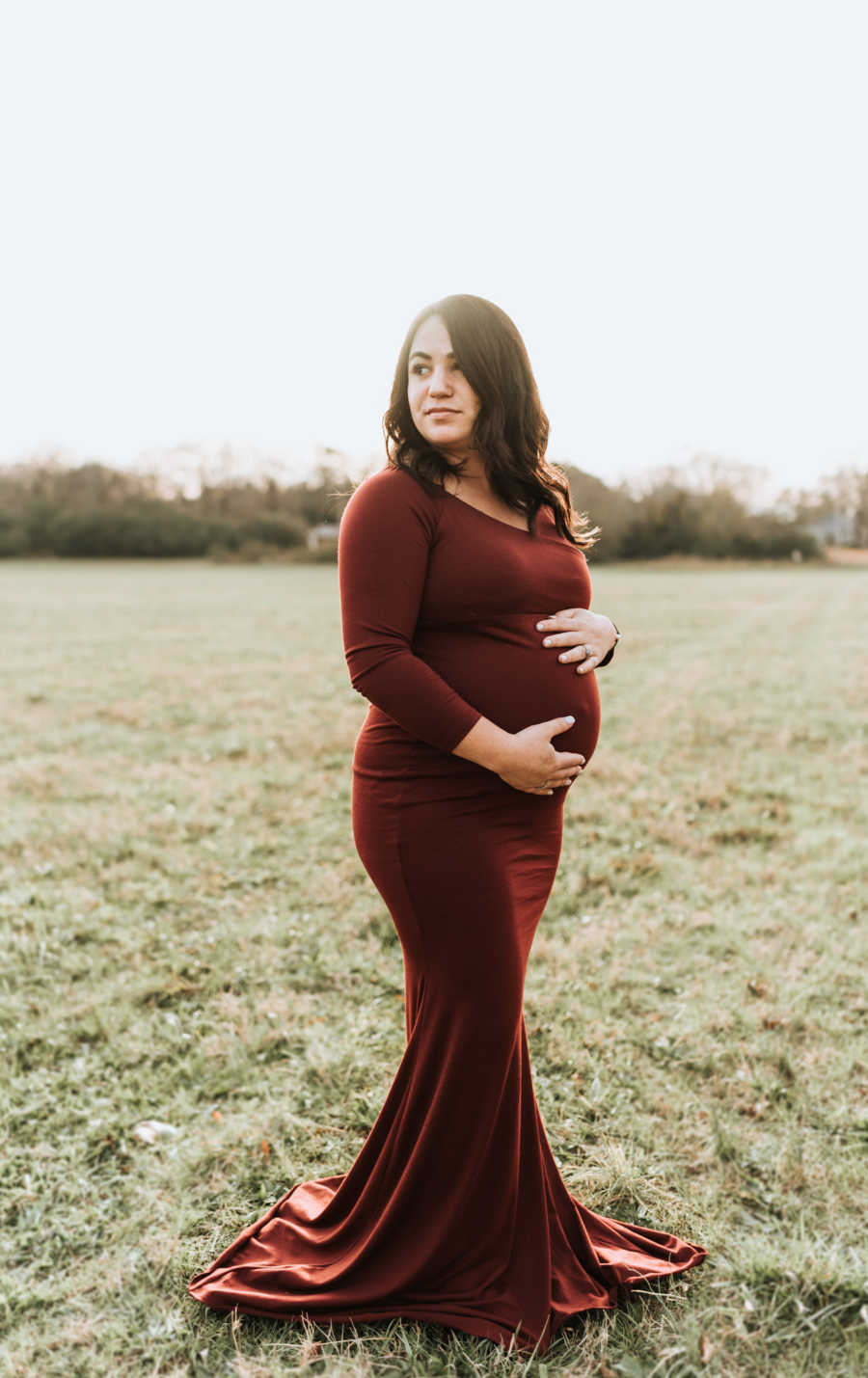
Panic set in immediately. Our lives were about to change in ways we could never have imagined. A new house, a bigger car—everything felt overwhelming. Dalton seemed calmer than I did, and as we shared the news with family and friends, we oscillated between awe, excitement, and sheer terror.
The reactions we got from others added another layer of stress. Some family members frowned at the idea of Clomid. I couldn’t understand why it mattered—these babies were miracles, no matter how they came into our lives. I wrestled with anger, shame, and the heavy pressure of carrying four babies, managing diabetes, and balancing my own fears about mortality, motherhood, and my career.
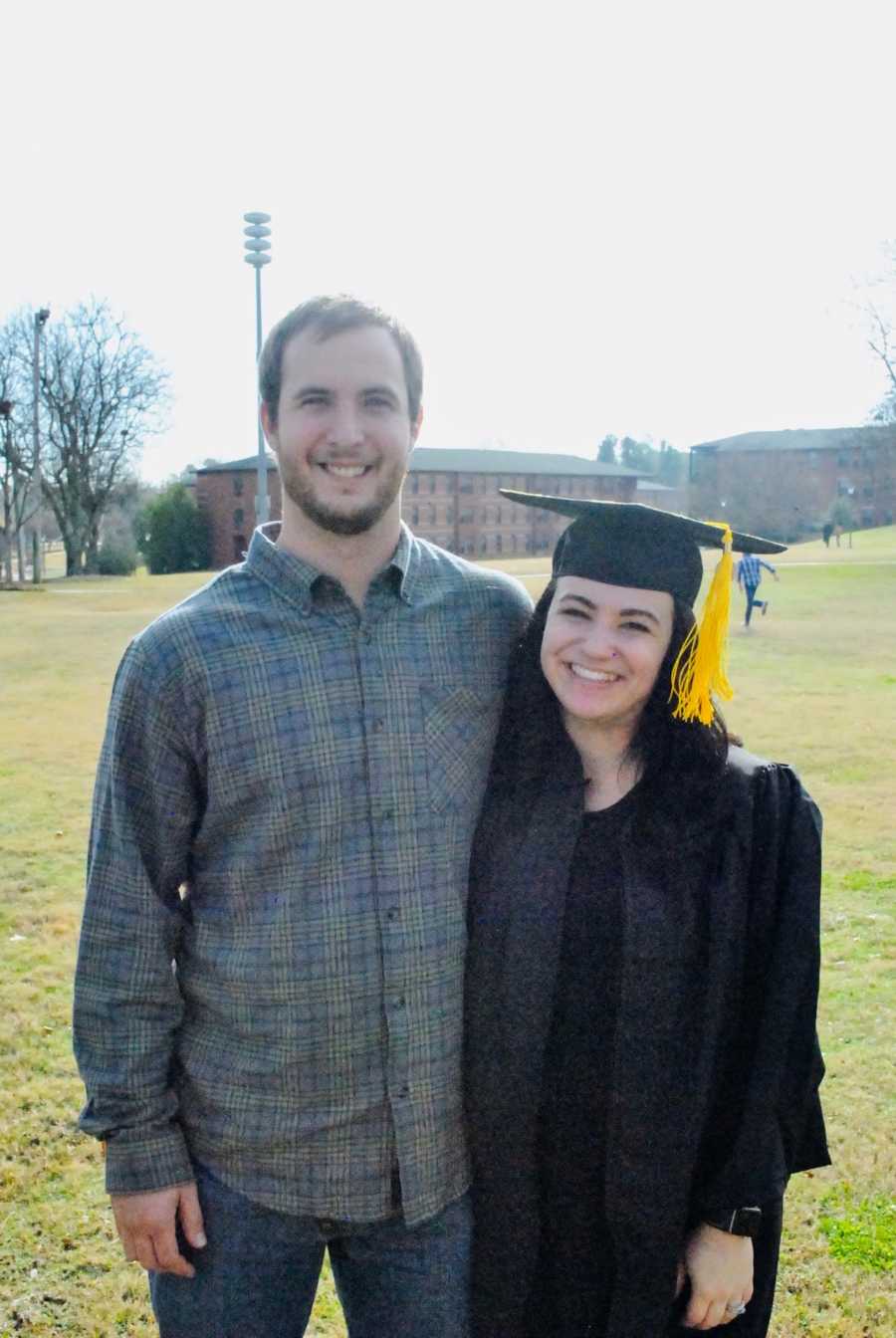
For a time, everything seemed to be going smoothly. I graduated nursing school in December 2019, five months pregnant, with plans to take my boards in January 2020. But the babies had their own plans. My cervix began to shorten, and I was admitted to the hospital on January 3rd. A cerclage wasn’t an option—the risks outweighed the benefits. I had to rely on my body to hold them as long as possible.
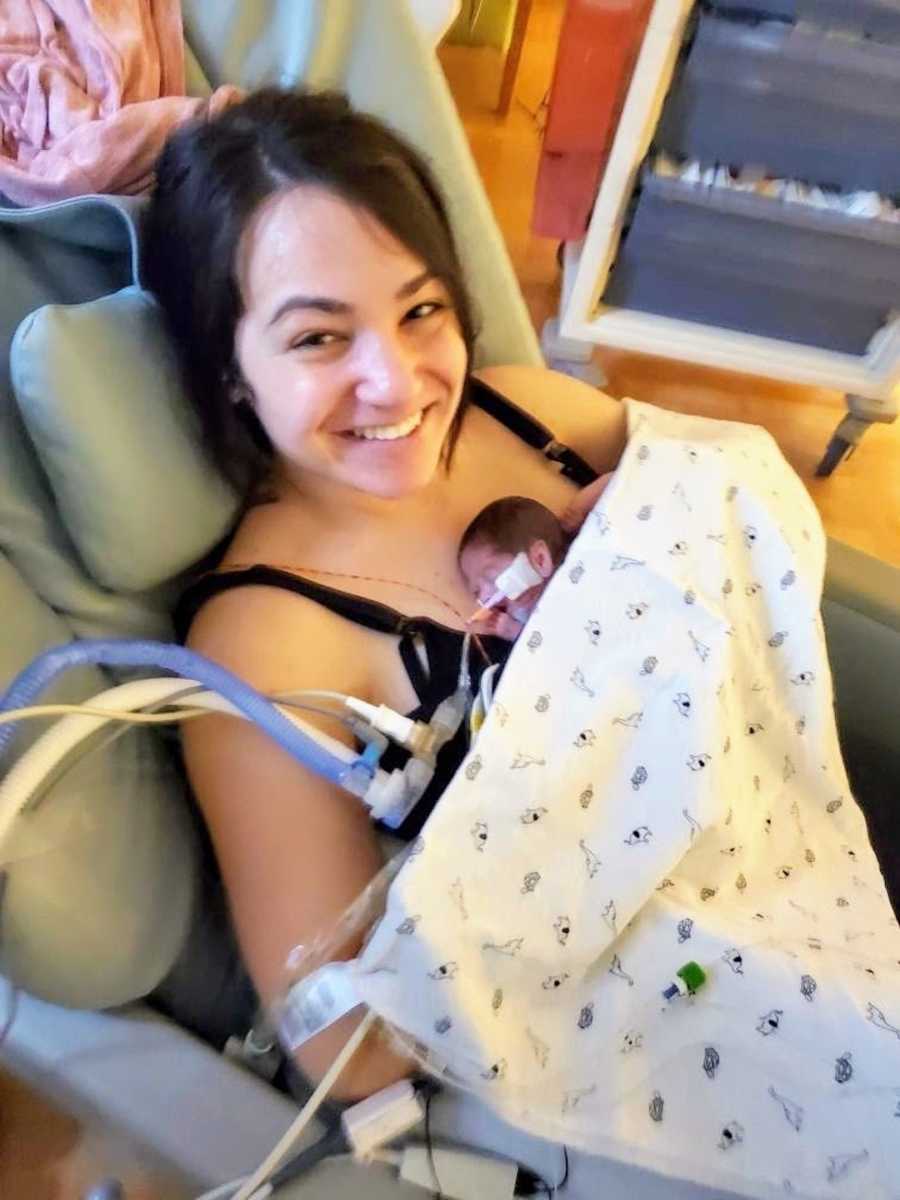
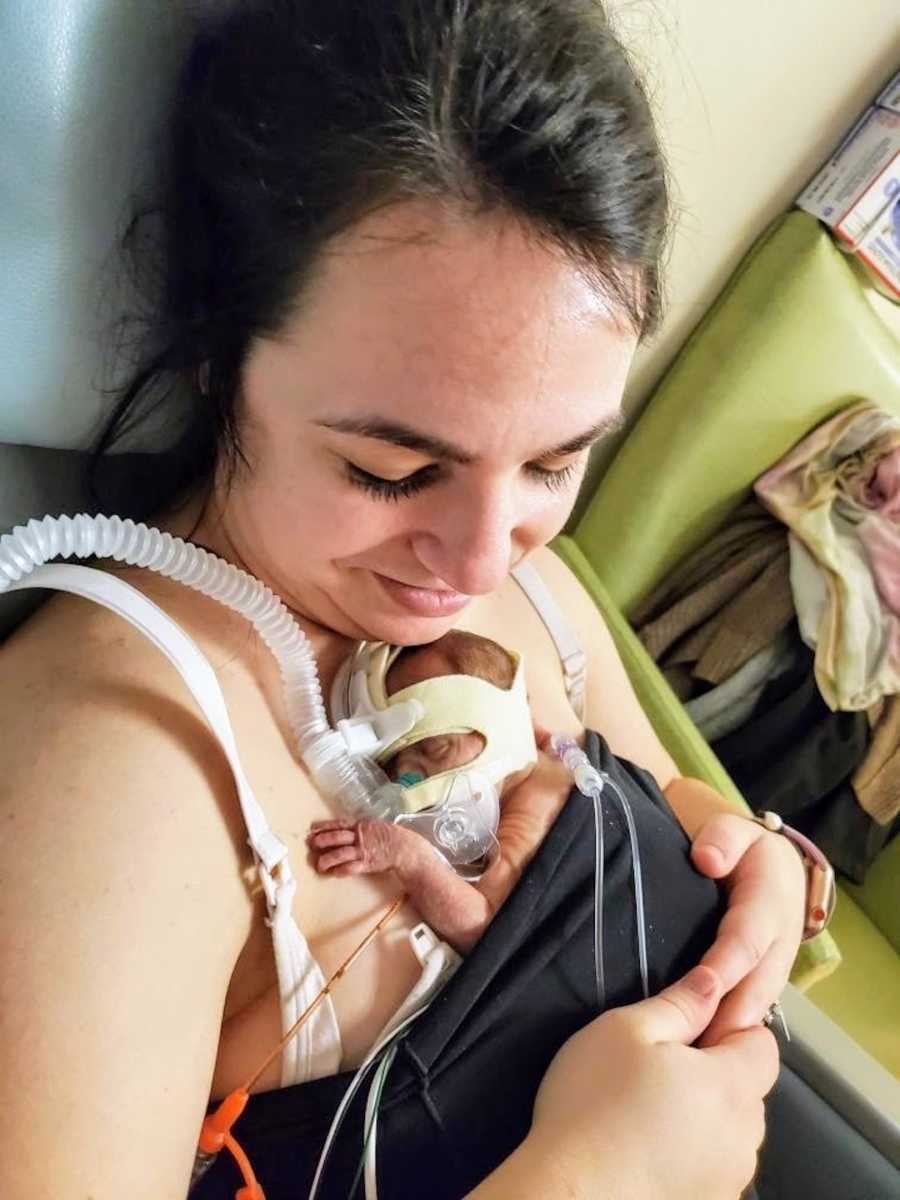
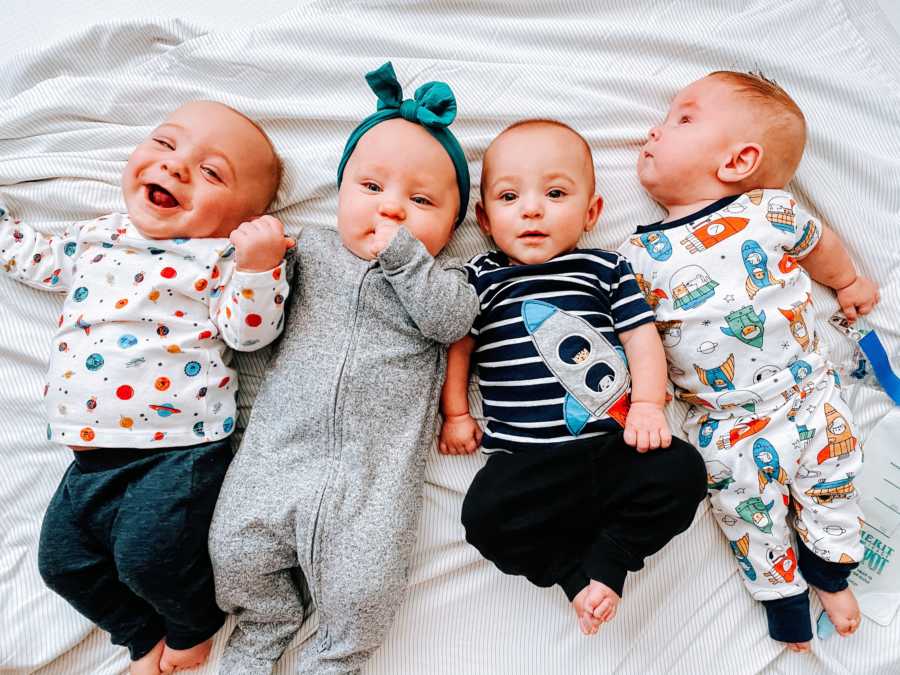
Then, on January 28th at 2:15 p.m., at 24 weeks and 6 days, Aaron, Noah, Owen, and Lizzie entered the world. Each weighed just 1 pound 10 ounces. Tiny as they were, holding them was surreal—pure joy. But the journey had only just begun.
The NICU became our second home. The boys were transferred to CHOA for surgeries and serious health issues, staying for four months, while Lizzie stayed at Atlanta Piedmont for three months, thriving and eventually coming home in early May. The boys followed on June 6, with oxygen tanks, feeding tubes, and careful monitoring. Aaron and Owen flourished without complications, but Noah faced life-threatening challenges due to a grade-4 brain bleed and failing kidneys. He was the one I feared we might lose—the one doctors offered to take off life support for at just four days old. Against all odds, he fought and thrived.
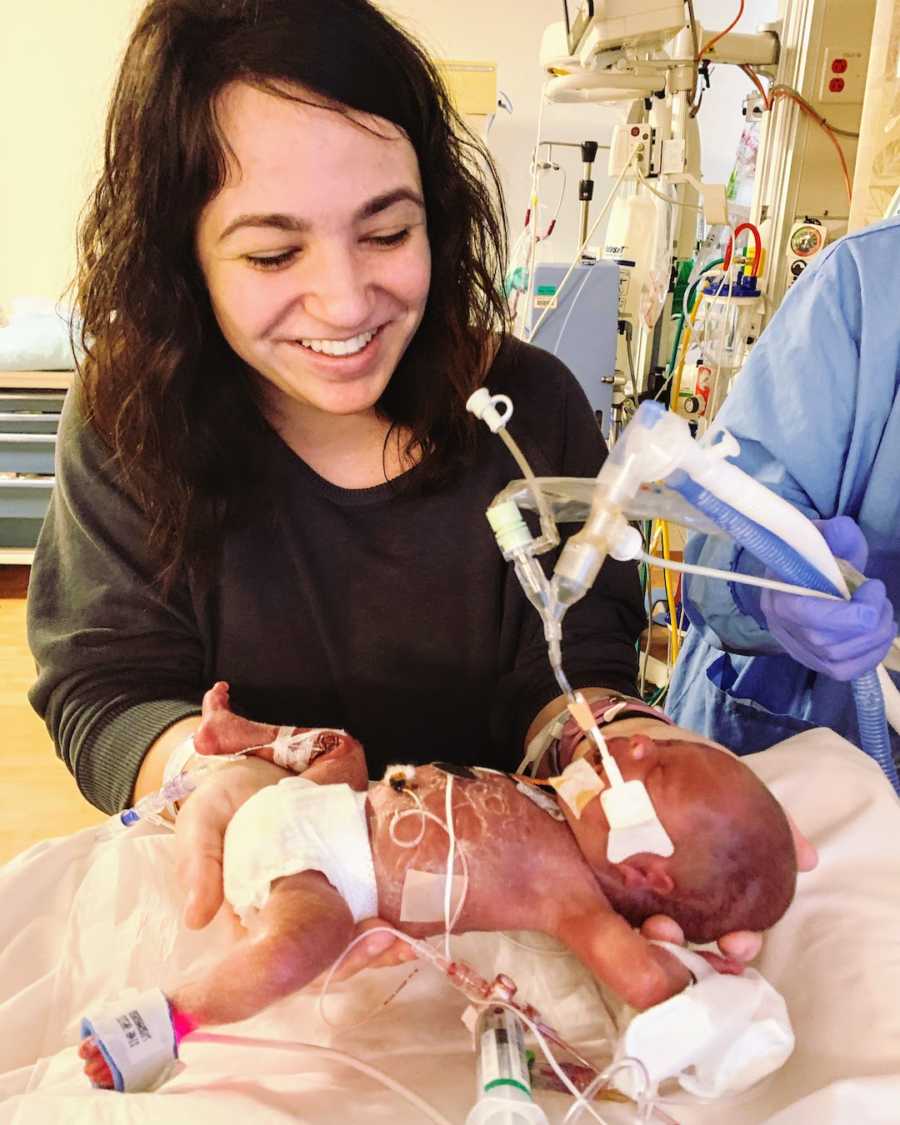
The NICU experience brought an emotional storm. I blamed myself for not holding them longer, I raged, I cried, I questioned God. Even after Noah came home, 2020 was dominated by hospital visits for his complications. There were moments I felt completely lost, overwhelmed by guilt and fear. Family and friends reminded me daily that God has a purpose, that Noah’s life had meaning, and that I needed to forgive myself.
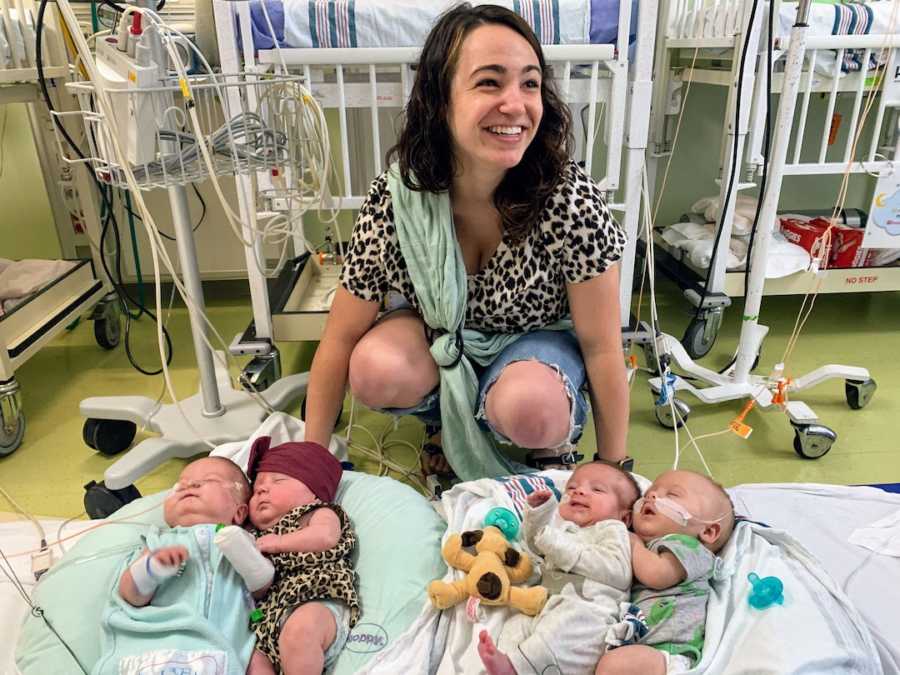
Through it all, I felt I had lost myself in motherhood. My nursing boards had been delayed, but I finally took them in May 2020, after Lizzie came home—and I passed. I was a registered nurse, yet I sat for a year mostly on pause, my attention fully devoted to my children.
By 2021, I tried returning to work at Piedmont, excited and ready to thrive. But reality hit hard. I was stretched too thin. Despite professional success, I wasn’t thriving at home, and the weight of expectation left me feeling like a failure. After much reflection, I realized my calling, at least for now, was motherhood.
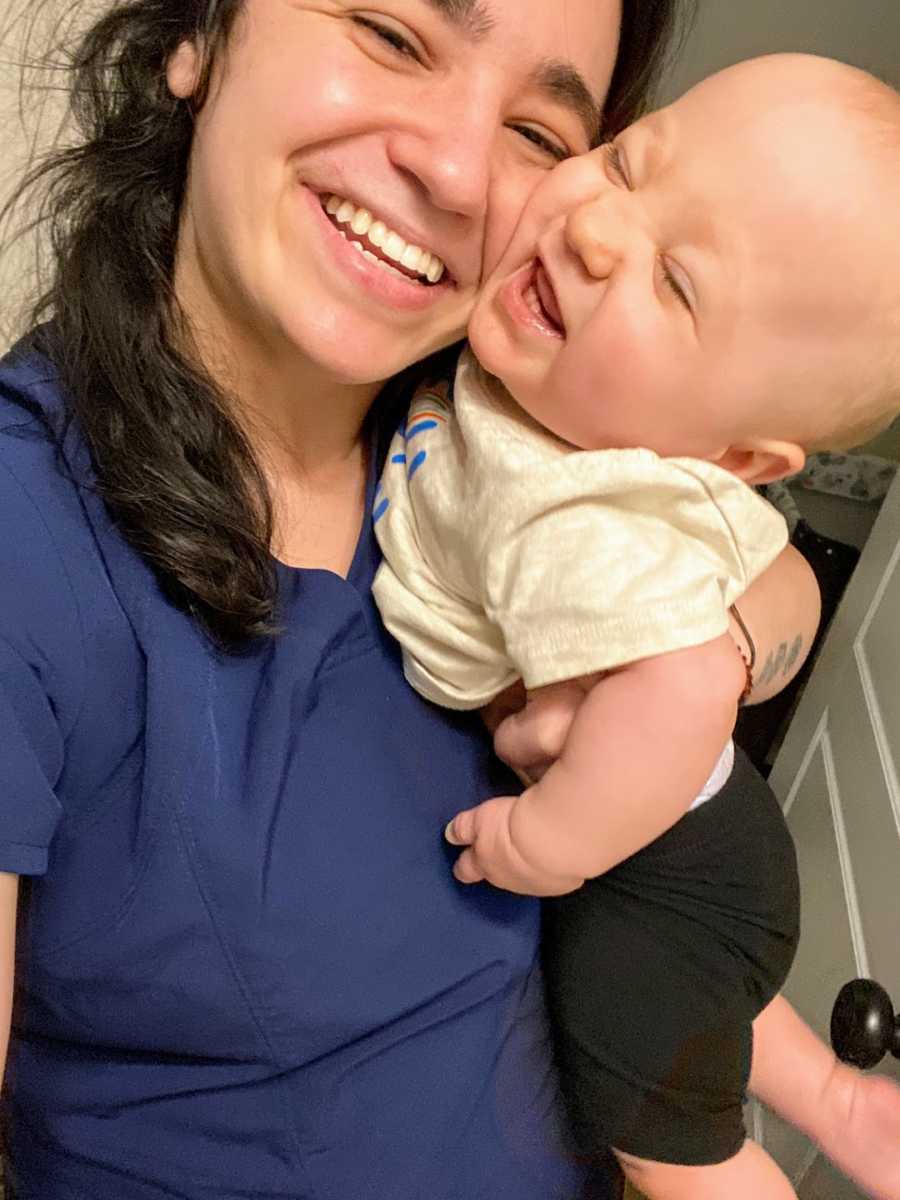
Looking back, this journey taught me so much. You are strong, you are worthy, and you will get through the hardest times. Motherhood is messy, complicated, and emotionally intense, but it is also filled with love and miracles. Lean on your family and friends, because you are never truly alone. You are an incredible mother—even on your worst days.
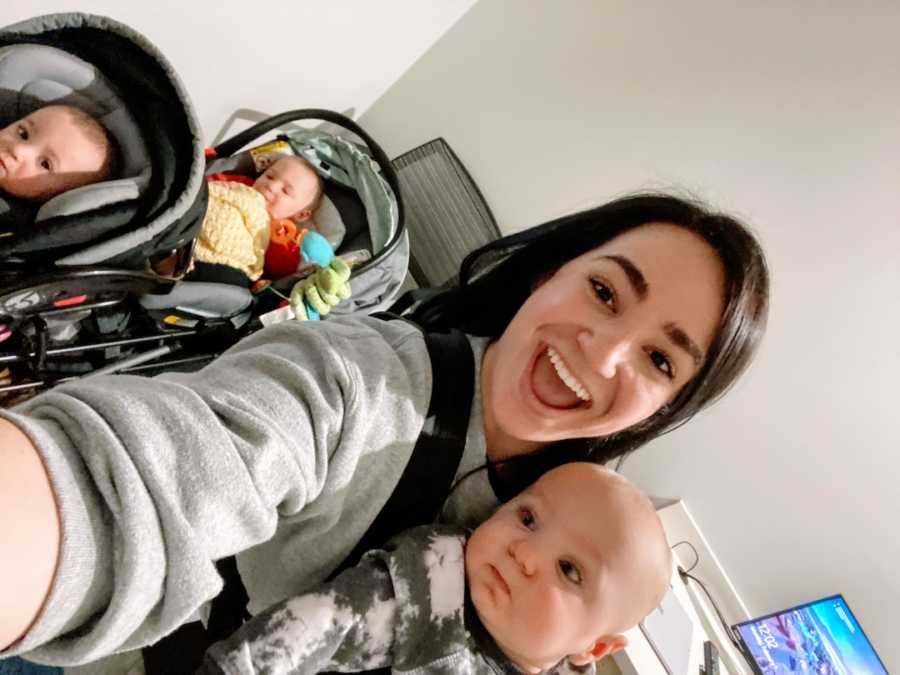
Your children see you as magical, as their world. Ignore outside judgment; your journey is yours alone. Life will throw bumps, but each challenge carries purpose. Embrace every moment, the joyous and the painful, and care for yourself along the way. Motherhood is a wild, beautiful ride—and through it, you will find yourself again.