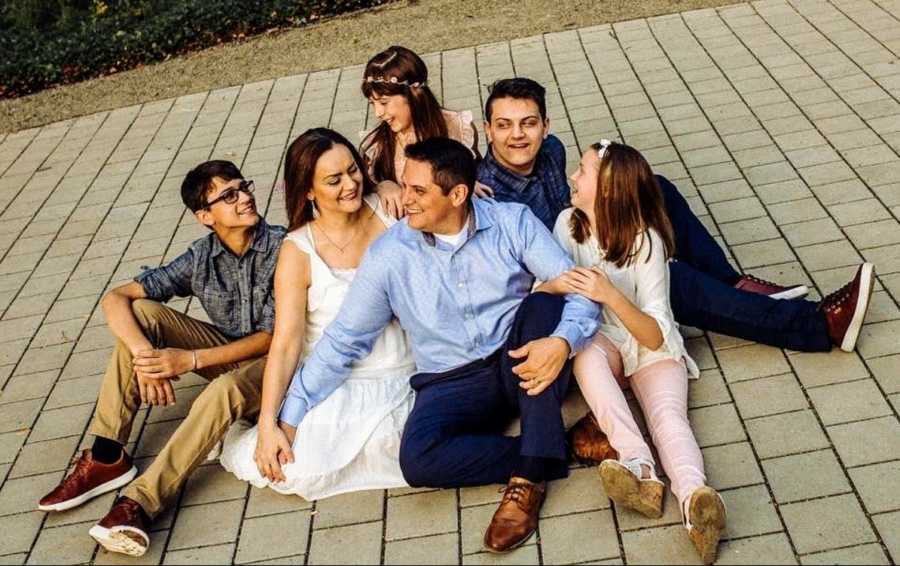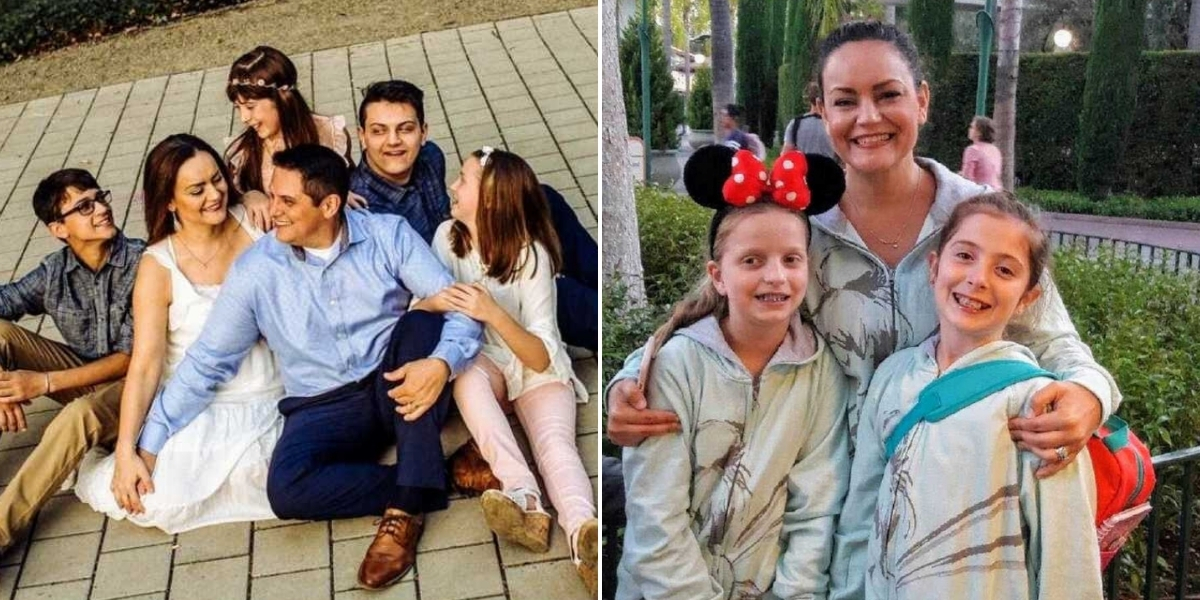
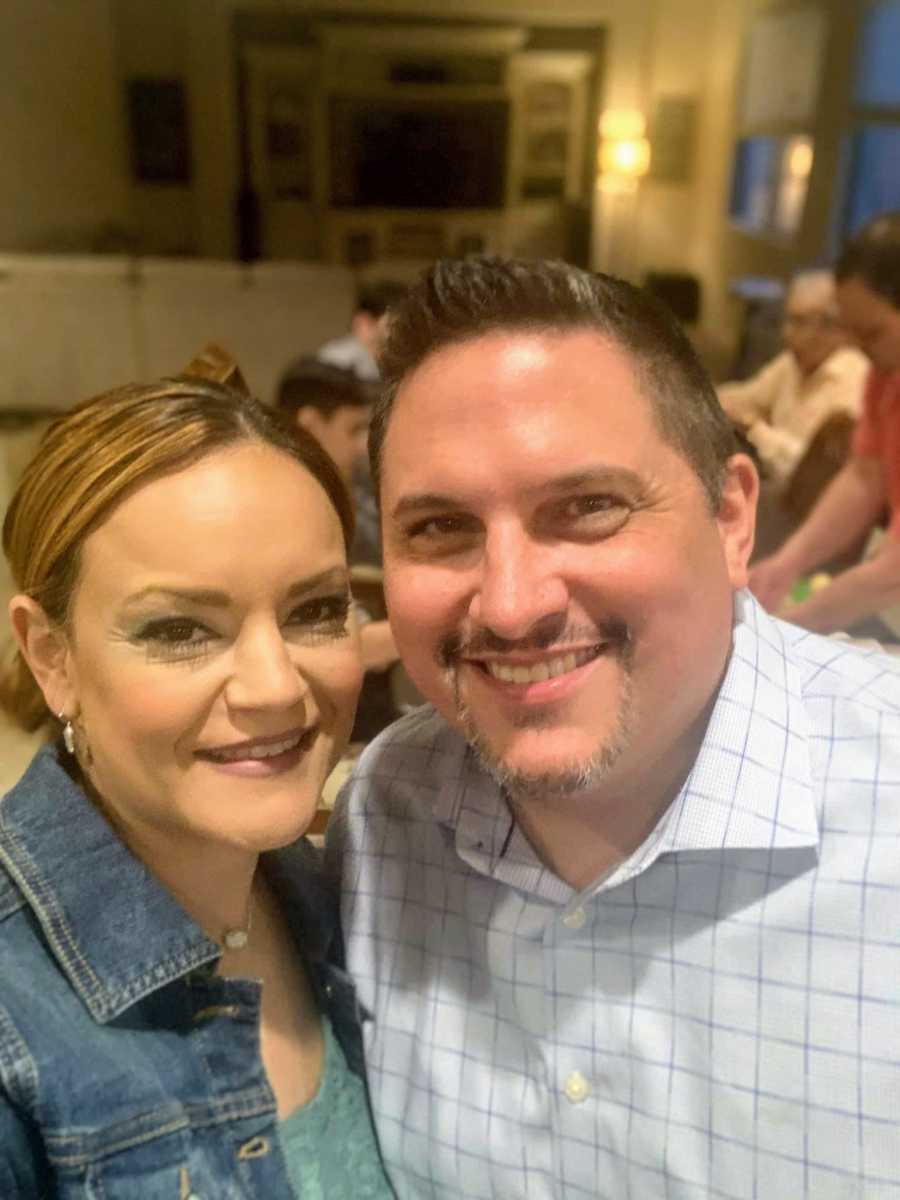
After the birth of our two boys, we were advised not to have any more children, as both pregnancies had been very high-risk. We accepted this guidance with peace and gratitude and spent three joyful years as a family of four. Growing up with three siblings myself, I had never felt a strong desire for a larger family, and I was content with our little household.
Then, in 2007, everything changed. Out of nowhere, a deep longing to have a daughter overcame me. I couldn’t explain it, but the feeling wouldn’t go away. When I told my husband and family, they were understandably confused. Having another child naturally wasn’t an option, so we began exploring adoption. Naively, we started by calling agency after agency, unsure of how the process worked.
After speaking with nearly a dozen private agencies, I was shocked by the steep costs—over $20,000—and disheartened by the long wait times, sometimes up to two years. Then, on the last call, someone mentioned adoption through the Child Welfare system—and it was free. At first, I couldn’t believe it. How could adoption possibly cost nothing? A representative explained that children removed from unsafe or neglectful situations were available for adoption through the state.
We contacted DHS immediately and began the process that same week. I was exhilarated—so quickly everything seemed to be falling into place. Our certification classes started the following week, and just after our second session, DHS called with news that seemed almost too good to be true. They had a 13-month-old Korean girl who was a perfect match for us, healthy, strong, and full of charm. Her mother’s parental rights had been terminated, making her highly likely to be available for adoption.
Bringing her home was pure joy. We rushed to buy a car seat, clothes, and decorate a room just for her, as though she had always belonged. For ten months, we poured every ounce of love into her, embracing her as our daughter, imagining our forever family was finally complete. But then, the unimaginable happened. Out of the blue, we were told she would be returned to her mother, who was entering a rehab center.
The heartbreak was indescribable. After ten months of love and attachment, the shock of losing her was devastating. Confusion, anger, grief, and a fierce maternal protectiveness engulfed me. For the first time, we understood a hard truth about foster care: the ultimate goal is reunification whenever possible. Our fast placement, we later realized, had been influenced by a shortage of foster homes. While well-intentioned, our certifier’s belief that this placement would end in adoption proved wrong.
Yet, the desire for a daughter never faded. With more knowledge and clearer expectations, we decided to continue fostering, this time with the goal of adoption. We hoped for a baby girl, a child likely to become available for adoption. Though initially disappointed that placements tended to be older children with complex trauma, I discovered a deeper purpose: helping children in crisis. I immersed myself in understanding their mental health needs, learning which diagnoses might not be a fit for our family, and setting boundaries.
Over ten years, we fostered 77 children. From those, two girls became part of our forever family. Our youngest came to us at 17 months, born prematurely at 31 weeks with a host of early complications. She had been surrendered by her mother after a traumatic first year. Despite her quiet beginnings, she revealed her intelligence and spirit—singing softly to me the first night she arrived—and quickly became the daughter we had longed for.
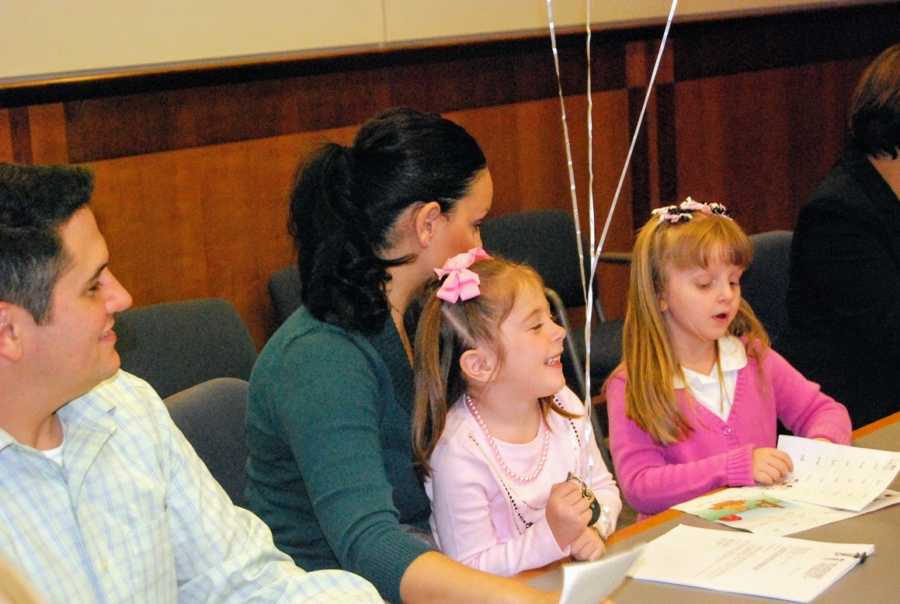
Our eldest daughter arrived at age four, after spending over two years with another foster family. Though the transition was challenging, she adapted beautifully. She had an incredible spirit, a high IQ, and a sweet personality, but as she grew, her behaviors hinted at deeper challenges. By age 11, a psychiatrist diagnosed her with Reactive Attachment Disorder (RAD), now called Disinhibited Social Engagement Disorder (DSED). We learned that children with RAD often struggle to form healthy attachments due to early trauma and neglect, and that loving them isn’t enough to heal the lasting effects.
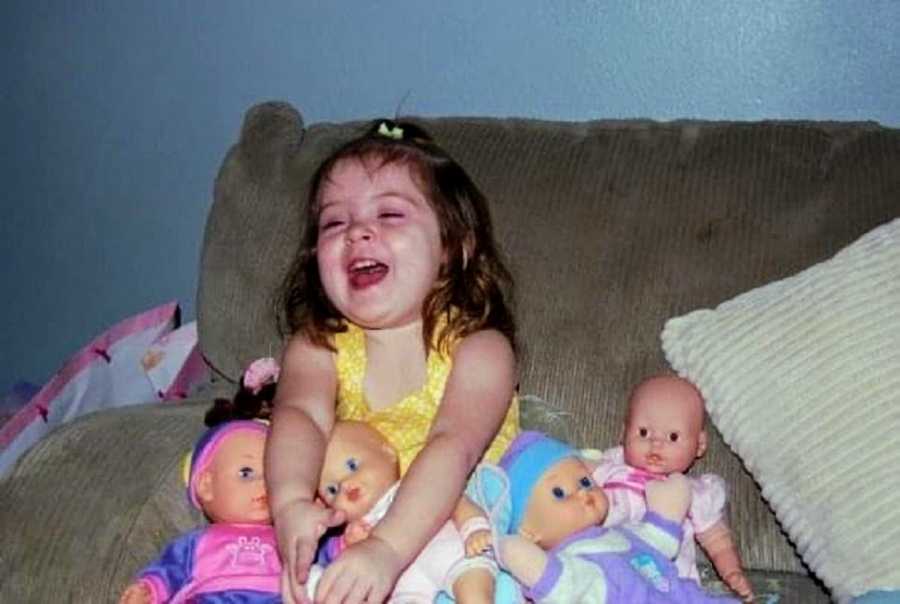
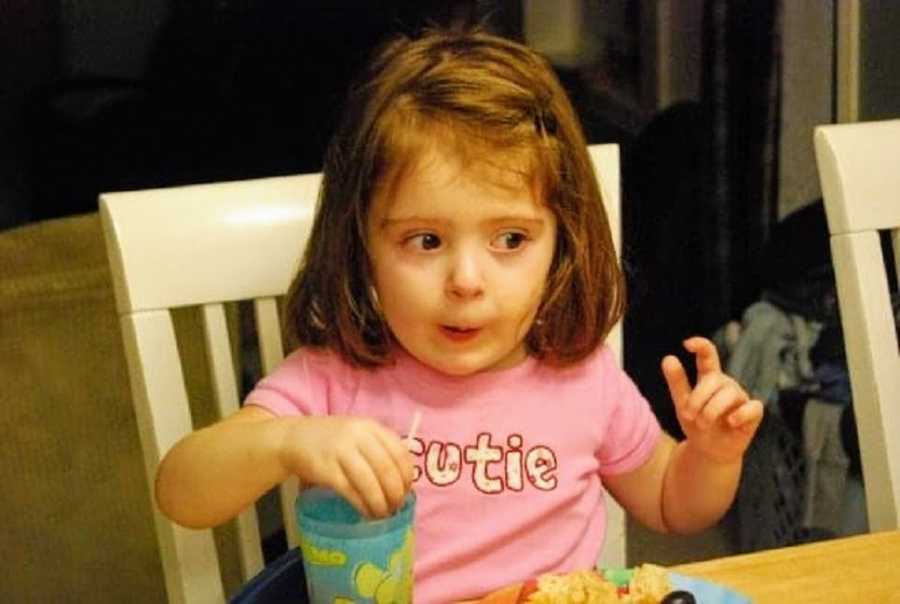
Navigating RAD has been a mix of heartbreak, confusion, and determination. Over the years, we’ve tried therapy, medications, attachment-focused parenting strategies, and countless other approaches. Raising these girls is challenging, and the road ahead includes helping them grow into secure, resilient adults. Yet, we are committed, because their healing, safety, and happiness are worth everything.
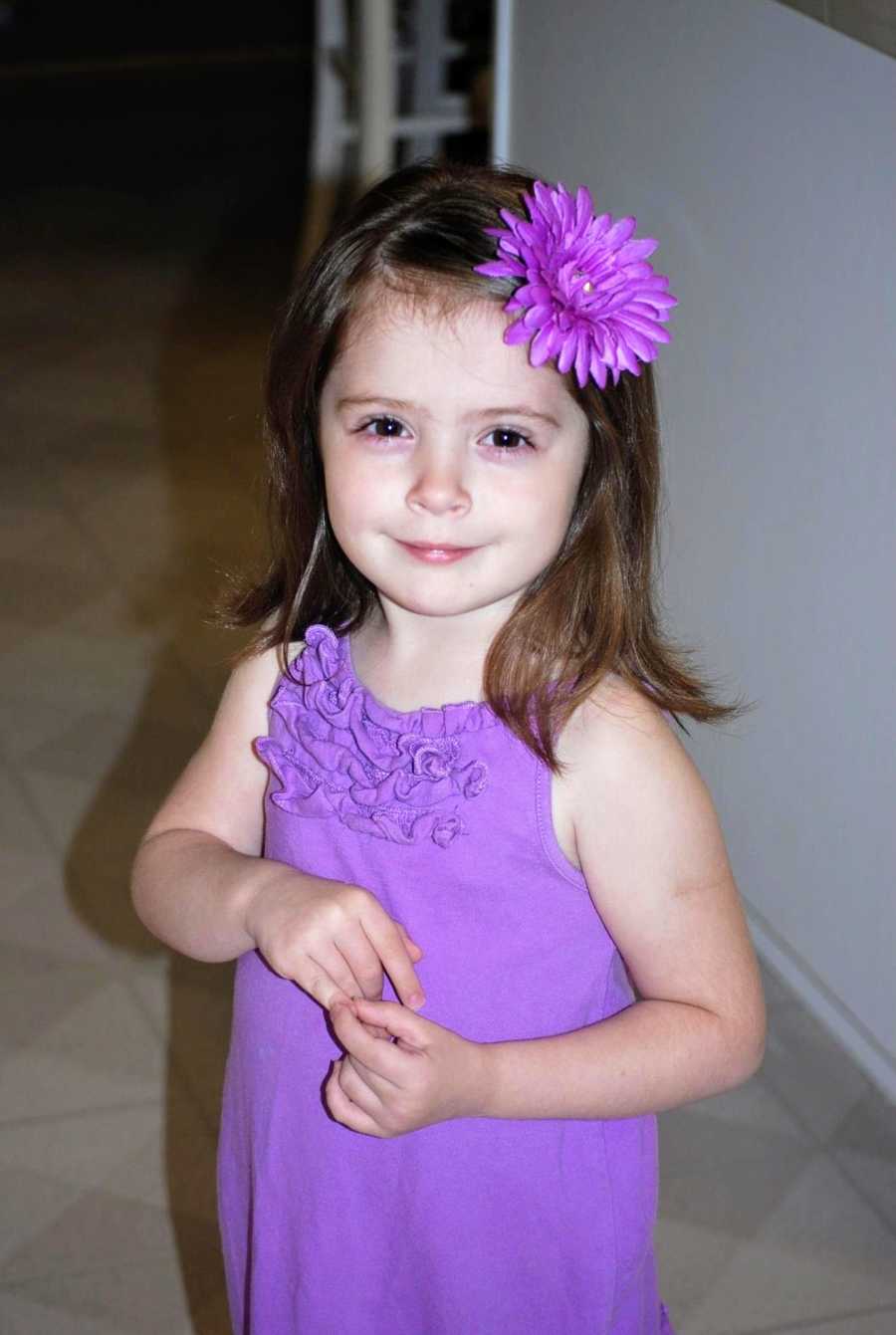
Today, our daughters are 15 and 14. Sharing our story is my way of helping others understand RAD, advocating for families, and creating awareness for children who have suffered trauma. Many adoptive families feel alone, unsure of where to turn or what to expect. I want them to know they are not. There is hope, there is help, and there is love powerful enough to carry these children forward, even through the hardest moments.