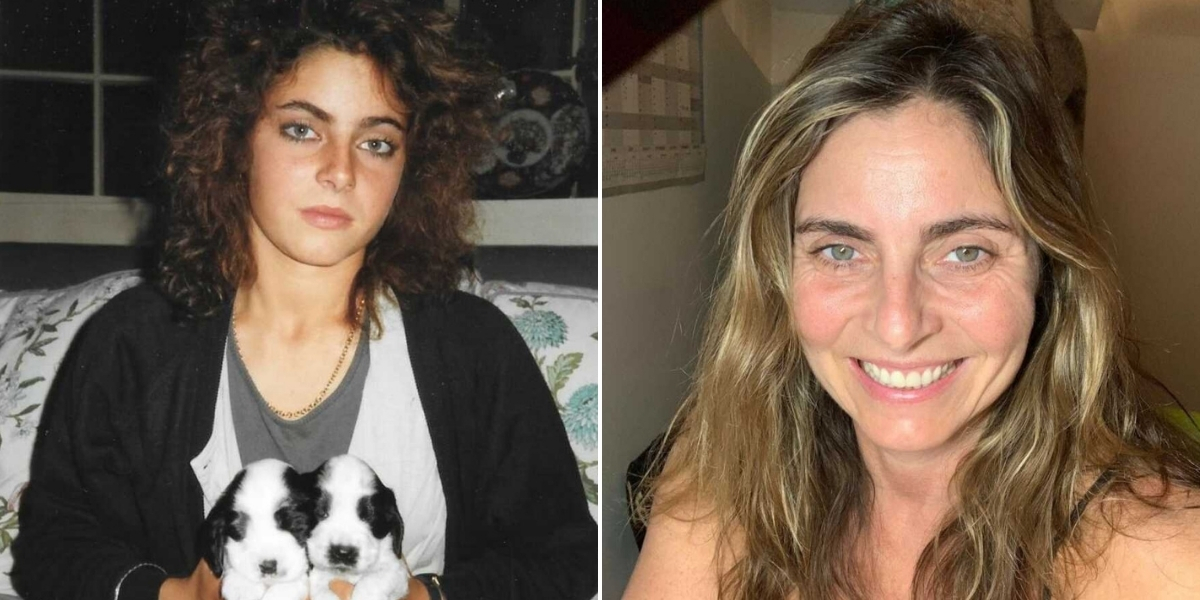
I am a survivor of child sexual abuse and abandonment. I write this story for every survivor, for every child lost in the confusion of trauma, and for every life shattered by the selfish, cruel hands of others. This is my truth, and I hope it offers courage to anyone walking a path I once knew too well.
Today, I am proud of the person I have become and the life I’ve built, despite being told at sixteen that I was a failure—that I was the girl going nowhere. Many around me predicted I would be dead or in prison by twenty. Thankfully, neither of those grim futures came to pass.
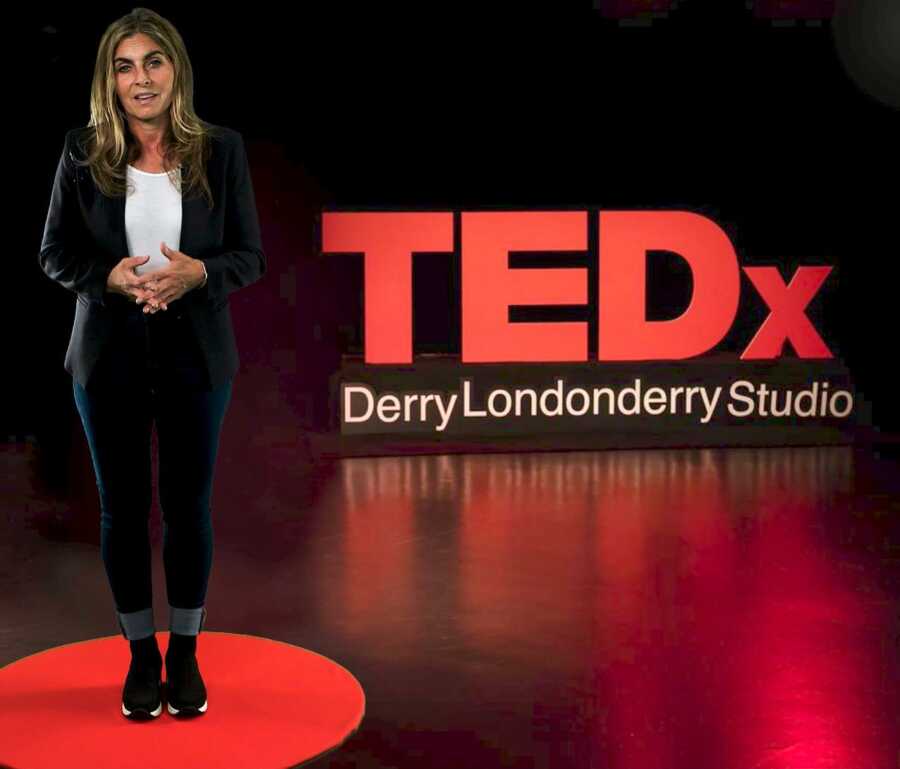
In my professional life, I am an author, speaker, child sexual abuse activist, and founder of The Works Company, Breaking the Silence, and Project 90/10. In 2021, my first TEDx Talk went global. The talk, titled “It’s not just strangers we should be careful of,” made many uncomfortable, but it reflected a truth that too many have ignored. I am also honored to represent the UK as a World Leader in discussions about child sexual abuse, sharing the platform with others dedicated to ending this crime.
As an adult, I have never shied away from speaking up for what is right. I am comfortable engaging in the uncomfortable conversations, whether people want to hear me or not. I make sure my voice is heard. But as a child, the thought of standing up for myself—or even imagining a life where I could support others—was impossible. I had no confidence, and the fear I carried often manifested in physical ways: butterflies in my stomach, shaking hands, blushing cheeks, nausea, and frequent urination. I rarely told anyone what was happening to me, not until I was in my twenties. Only through years of therapy did I begin to build the confidence I needed to speak out.
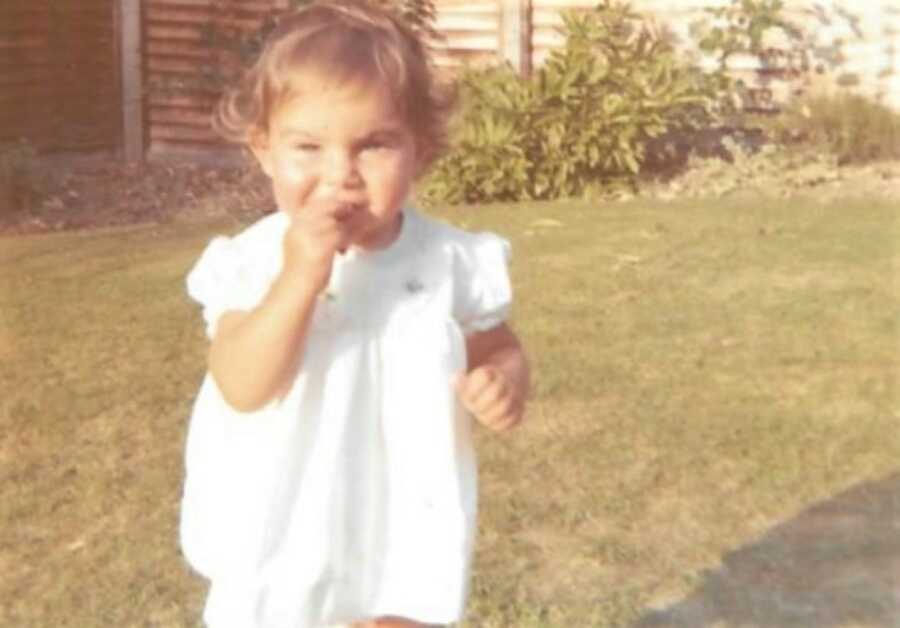
As a child, I was affectionately nicknamed ‘Emmy-loo’ because of my constant need to use the bathroom—a symptom of my nerves being on full alert 24/7. I bathed before bed nightly, trying to wash away the feelings of dirtiness I could not understand. I battled OCD, paranoia, addictions, and night terrors, and the list goes on. Sadly, many children who experience sexual abuse develop physical and emotional struggles that may remain hidden for years, or even a lifetime. Dawn Walton, a therapist and brain reprogrammer, reminded me that our brains don’t fully mature until our mid-twenties. It’s no wonder survivors take time to process, understand, and seek help for what they’ve endured.
I now regularly confront uncomfortable conversations about child sexual abuse. I’ve been invited to represent the UK at the World Leader Summit 2021 and will soon support a new charity in Australia dedicated to raising awareness of this horrific crime. Over the next year, I will take part in a series of extreme challenges to raise funds and awareness for a UK charity focused on reducing child sexual abuse. I am also writing my next book, incorporating voices from survivors, police, support groups, whistleblowers, and even offenders. By listening to these perspectives, we can spark the conversations that drive change.
Through education, young people can learn what healthy relationships look like, recognize the signs of grooming, and gain the tools to remove themselves from dangerous situations before harm occurs. We must ask the hard questions: have we looked deeper into the child who seems different? Have we noticed the subtle changes in a child’s behavior? Sometimes, the child suffering in silence needs an adult to be brave for them.
If we want to make a difference, if we want true change, if we want children to keep their innocence and avoid lifelong trauma, then these uncomfortable conversations are not a hurdle—they are a lifeline. Statistics reveal that 90% of child sexual abuse survivors know their perpetrator. Focusing solely on ‘stranger danger’ leaves millions of children unprotected each year. The misalignment of statistics and education has catastrophic consequences for young lives.
I see the warning signs all the time—behaviors that are not normal for children. It frustrated me deeply that no one asked the right questions when I was a young girl. My behavior changed rapidly, and soon I was labeled a juvenile delinquent, sent to junior psychiatric care, and dismissed as the girl going nowhere.
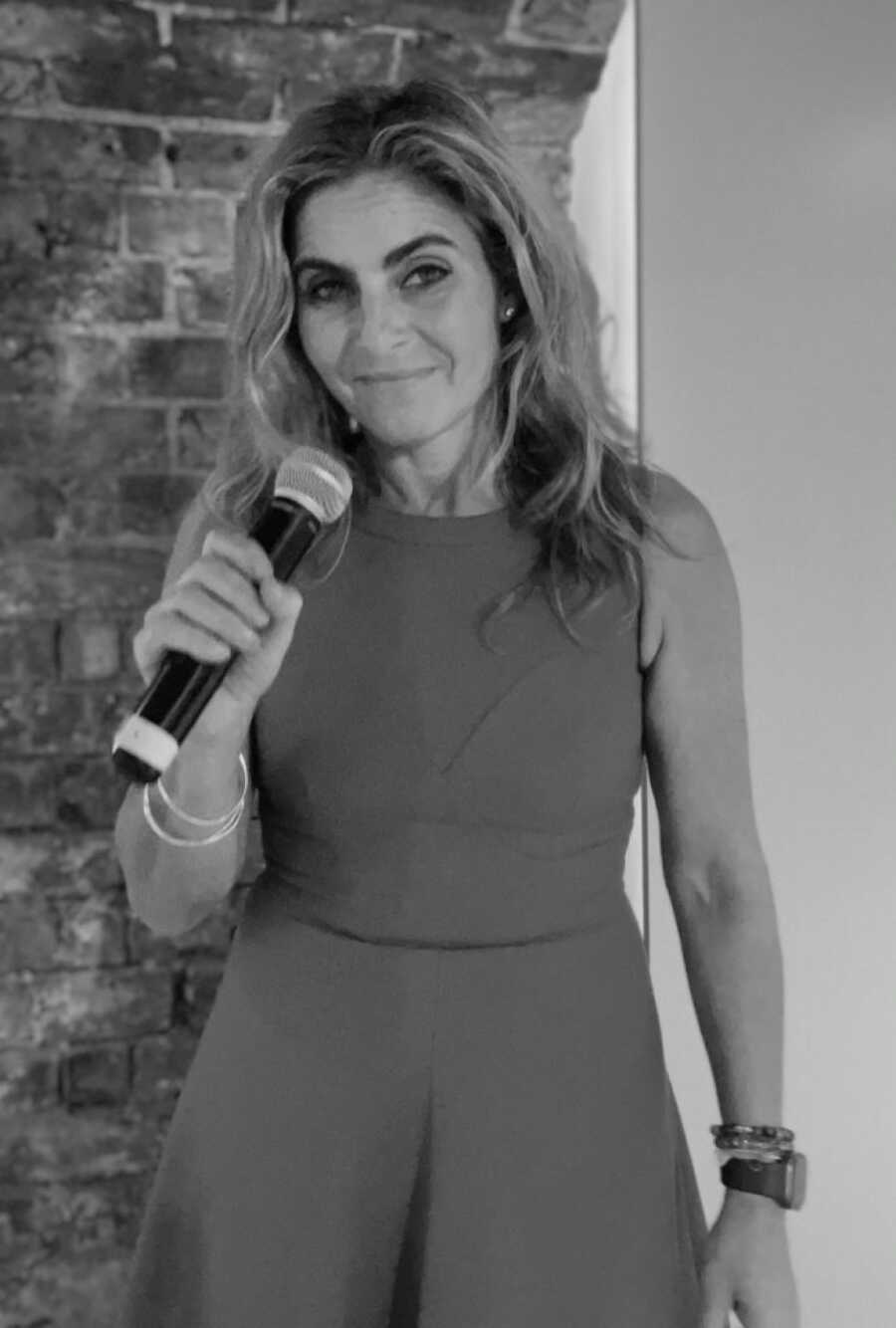
It took years before I shared my story with my family, and many more before speaking publicly. At first, I thought my story was private, meant only for therapy sessions. But then, as the face of The Wellbeing Show on That’s TV (UK), I realized something important: I had Imposter Syndrome. Suddenly, I understood that I had a voice that could help others who were suffering in silence.
Before long, I was speaking in front of large audiences, at football stadiums, in magazines, on TV, national press, Raphael Rowe’s Netflix podcast, and on global platforms. It was overwhelming but incredibly empowering. When my TEDx Talk went global, I felt pride in myself and the courage it took to stand up and fight for others.
I did not achieve any of this without a foundation of therapy and support. I do not recommend anyone speak publicly before they understand themselves, their journey, and the challenges they face. I once thought therapy could fix me in twelve weeks. Thirty years later, I know it is a lifelong process. If you need guidance, my door is always open.
Since speaking publicly, I have been contacted by survivors of all ages, even men and women in their eighties and nineties, sharing their stories for the first time. They experience liberation and relief simply by being heard—proof that it is never too late to tell the truth.
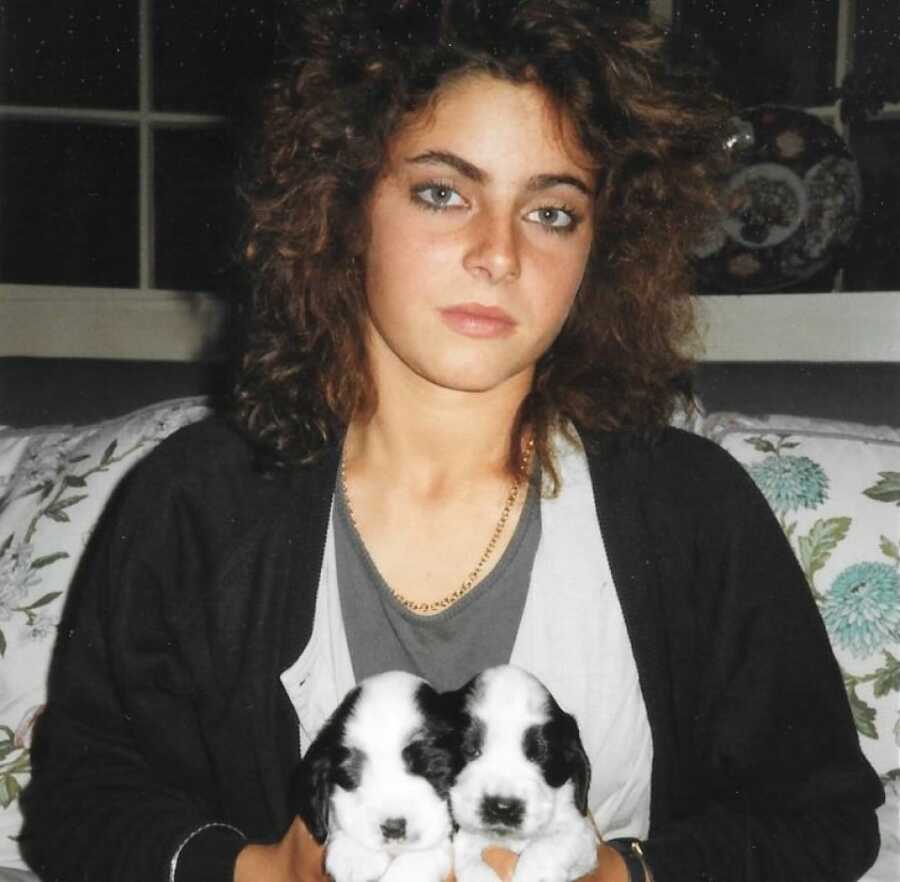
My journey began with a friend who initially showered me with kindness and gifts, but that quickly turned to abuse. Sadly, this is not unique. Millions of children around the world face sexual abuse each year, often by someone they know. My determination to hold uncomfortable conversations is driven by a desire to see children sleep peacefully at night, free from nightmares that steal their childhoods.
Children are taught to respect adults, to be polite, and to trust those who are older. But we need to teach them to protect themselves, to say ‘no’ when needed, and to recognize when secrecy is dangerous. I recently asked fifty children aged 4–16 what ‘trust’ meant. Most did not truly understand it. Misconceptions about trust can put children in danger if they cannot distinguish right from wrong.
Child sexual abuse remains an elephant in the room—many avoid it because it is uncomfortable. But the voices of survivors, the warning signs, and the silent suffering of children demand attention. Once a child is sexually abused, life changes forever. The ‘normal’ that others speak of is lost. We must start having these difficult conversations because somewhere, right now, a child is being abused by someone they know. And it is our duty to speak up, to listen, and to protect them.