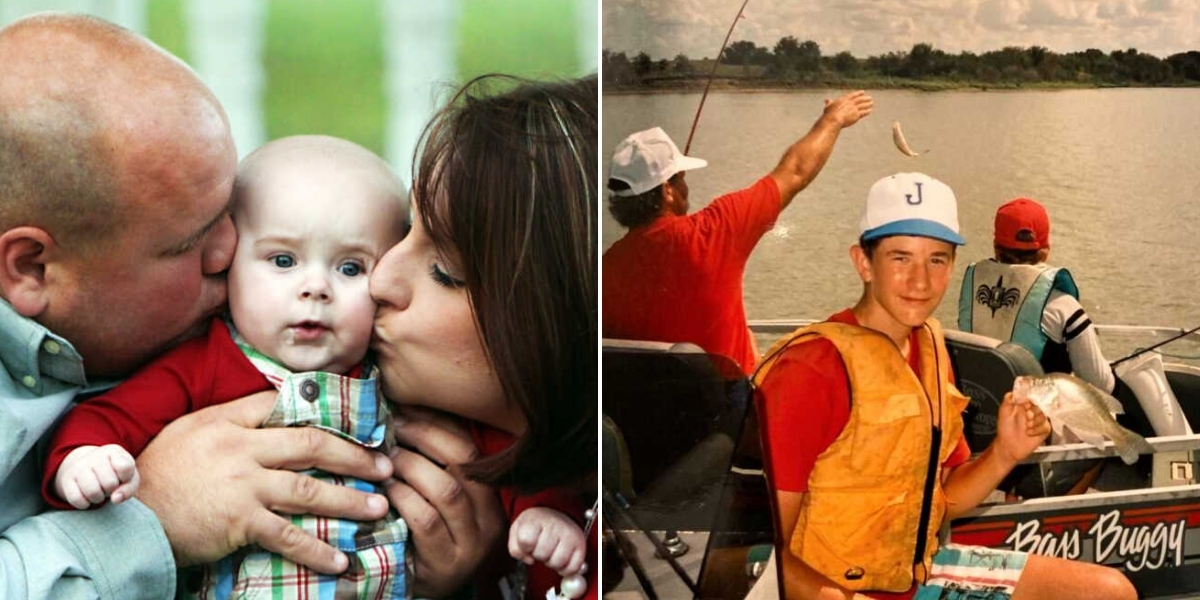
“What about all the things you’ll want to teach Kaleb?” I asked softly. “Hunting. Fishing. The hobbies you loved growing up — the things that matter to you. Who will teach him if you’re not here?”
Without hesitation, he answered, “You’ll meet someone else. Someone who can show him those same things. Someone who will be a better father than I could ever be. I’ll never be enough for Kaleb, because I’ll always be sick. You’ll find someone — and he’ll do what I can’t.”
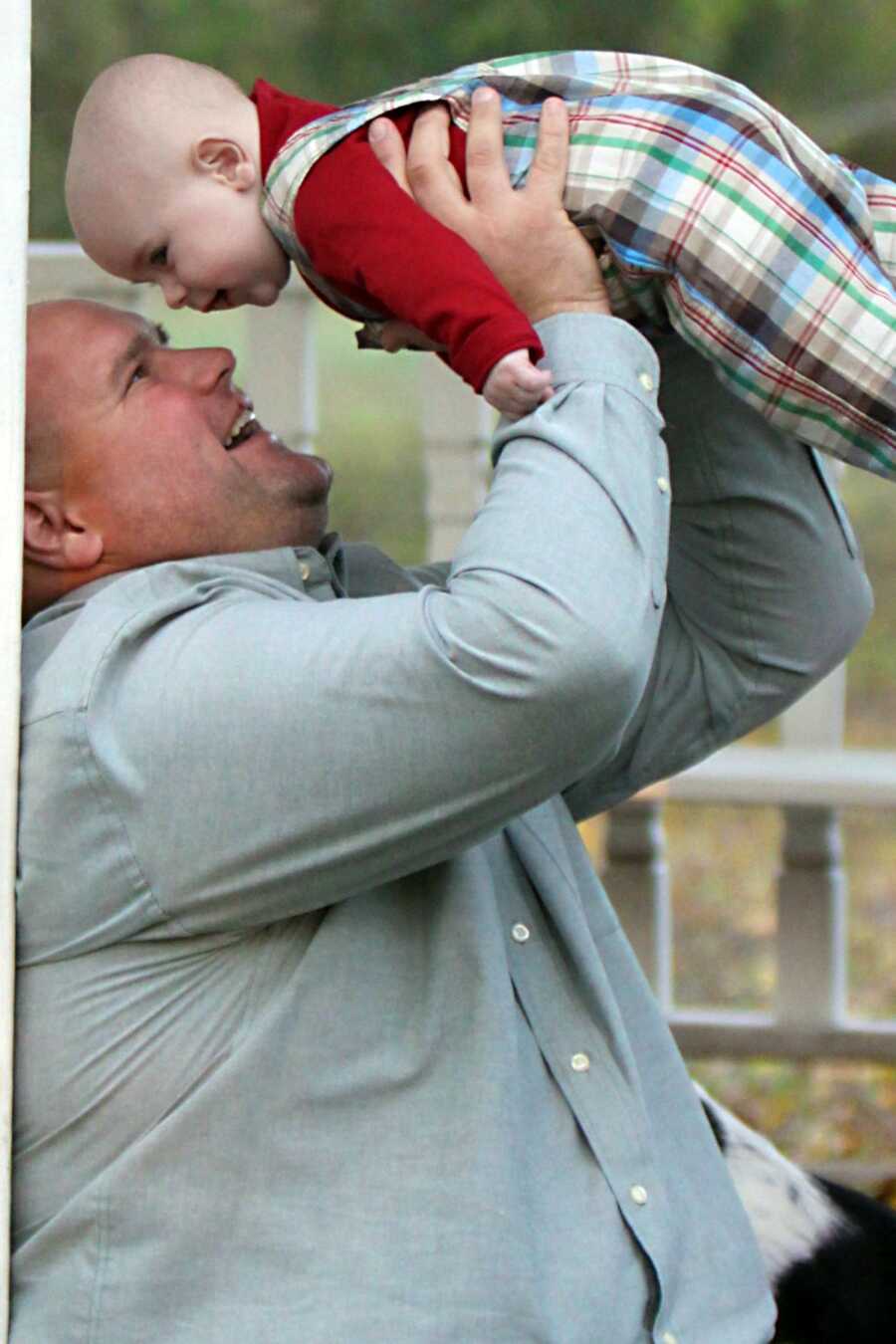
Not long after that two-hour conversation — one filled with pleading, promises, tears, and desperate bargaining — my husband died by suicide. Every word I spoke that day felt powerless in hindsight. He was convinced his bipolar disorder made him unworthy of fatherhood, certain that his absence would somehow give our son a better life. In his mind, Kaleb and I would go on and thrive without him.
I cycled through shock, fury, grief, and betrayal. I mourned the man who believed he was never enough, and I resented that our child received the harshest consequence from a choice that was meant to be “for him.” I replayed those final words endlessly. He spoke as though moving forward — as though replacing a father — would be effortless. And I hated how simple he made it sound.
Years later, I tried dating, realizing very quickly how untrue that idea was. Nothing about “finding someone” felt easy. Being a single mom with deep wounds and schedules full of responsibility made me feel like the odd one out. My anxious, organized side fought the idea of simply “letting life happen,” even while my lonely heart longed for a companion. I could’ve chosen someone just to fill the space — but I knew that wouldn’t be right for Kaleb.
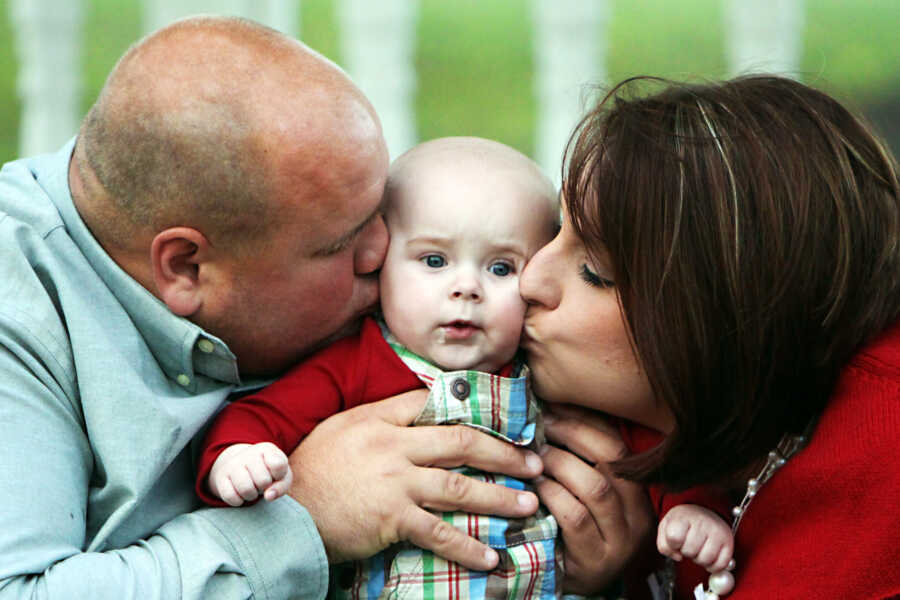
Around five years old, Kaleb began praying for what he called an “Earth Dad.” His prayers weren’t vague — he imagined camping trips, paper airplanes, and time spent together. He was old enough to realize that other children had fathers beside them, and those quiet comparisons broke his heart. I knew one wrong introduction could wound him even deeper — and I refused to risk that.
One afternoon as we left the cemetery, he asked, “Mom, do you think my Heaven Dad is upset that I’m praying for an Earth Dad?” My heart shattered. I assured him his Heaven Dad would want him to feel loved, protected, and seen. That conversation reminded me this journey wasn’t only about my loneliness. It was about a little boy whose prayers mattered deeply.
“You’ll find someone.” Those words haunted me, yet somehow flickered with hope.
People offered their best clichés: It’ll happen when the time is right. Stop looking, and it’ll come to you. But those phrases slid right past me — until, slowly, I began wanting to believe them myself.
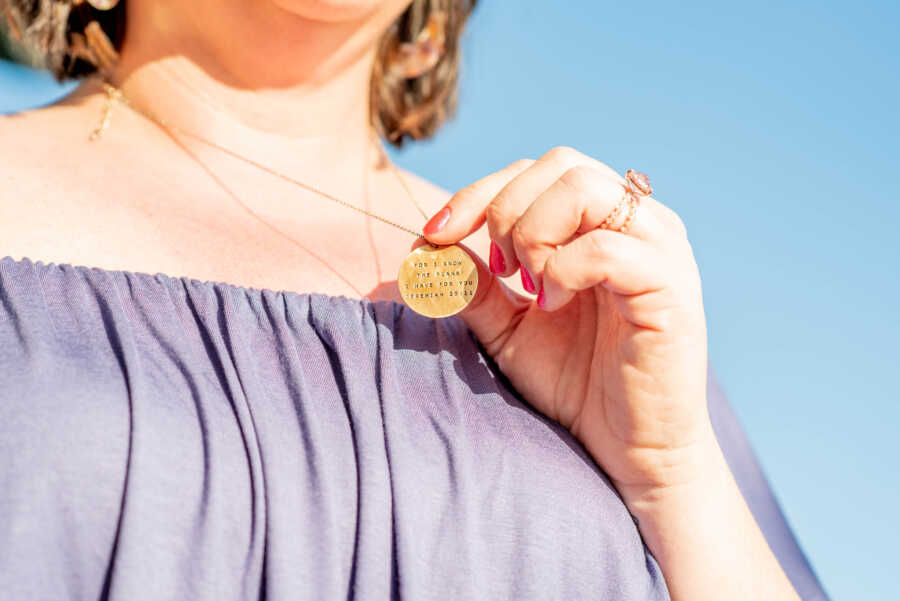
Six years after Charles passed, just before my birthday, I decided to surrender everything — the timelines, the questions, the fear — to God. I let go of dating apps, picked up a pen, and started journaling. What began as brief daily notes grew into pages of prayers. I confessed loneliness, shared Kaleb’s longing, and poured out every fragile piece of my heart onto paper.
In prayer, I let God see my exhaustion and vulnerability. I read scripture about tears being gathered and redeemed, and even found gratitude in the darkness — trusting it would someday illuminate joy. I prayed for the kind of man who would embrace Kaleb gently, understanding his grief while guiding him with love.
I prayed for myself, too — for someone who admired my strength yet offered me a safe place to rest. I prayed intentionally, faithfully, believing God already knew the answer. And for nearly a year, I wrote and released those prayers into His hands.
Then, slowly, life revealed what had been unfolding all along.
The person God had chosen wasn’t a stranger — he had always been there. Russell had grown up near us, spent holidays with our family, crossed the same creek, and shared childhood memories with Charles. He was grieving too — a cousin missing his fishing partner, his lake days companion.
God had been weaving our stories quietly, aligning timing and healing. For years, we crossed paths only briefly at Christmas gatherings, exchanging small talk. But one quiet spring afternoon at the lake, something shifted. A conversation stretched into hours. He shared how he had prayed for my happiness, for Kaleb’s future, and how he hoped we would always be cared for. His words echoed prayers written in my journal — word for word.
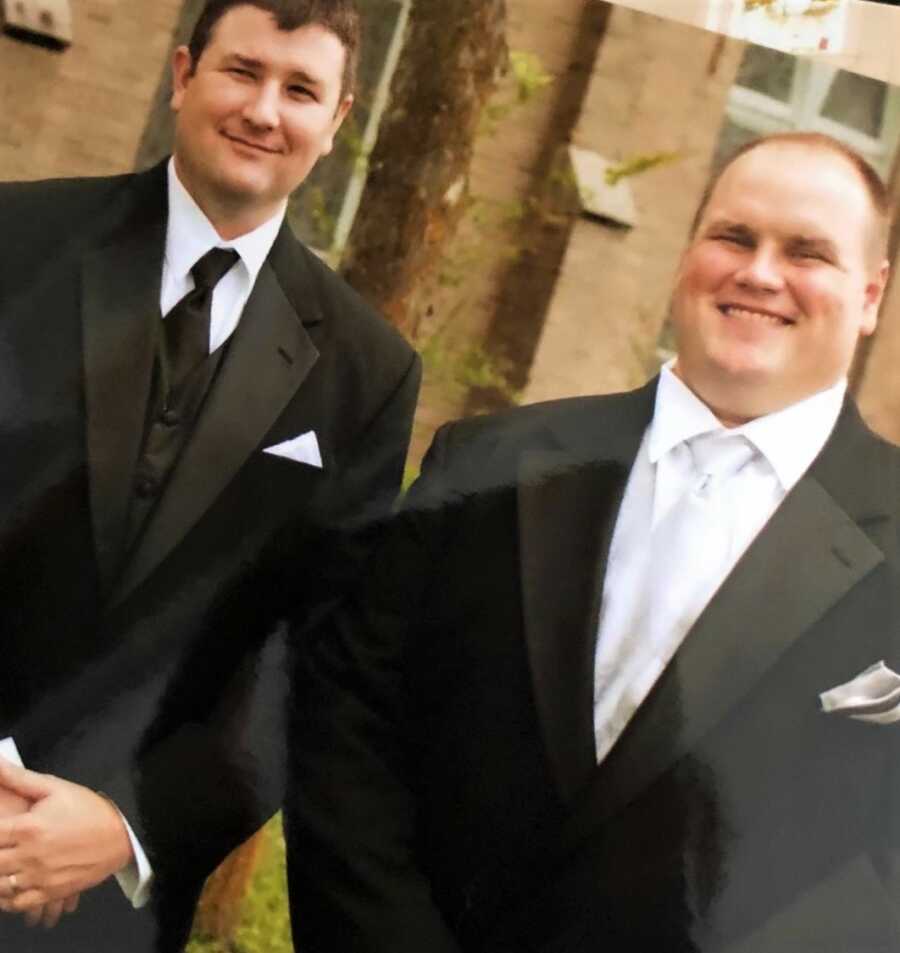
Date by date, clarity blossomed. God had heard me. He had gathered every tear.
On our third date, Russell admitted he admired my strength — then told me I didn’t always have to be strong anymore. My defenses fell. I fell in love differently, and deeper than I ever had.
Introducing him to Kaleb came with nerves and hope. But when Kaleb remembered Russell from family gatherings — then lit up hearing we were going on a date — my heart eased. One night at dinner, when Russell recalled Charles’ favorite potatoes, Kaleb’s eyes shined. He realized this man knew his dad. The comfort that brought him was indescribable.
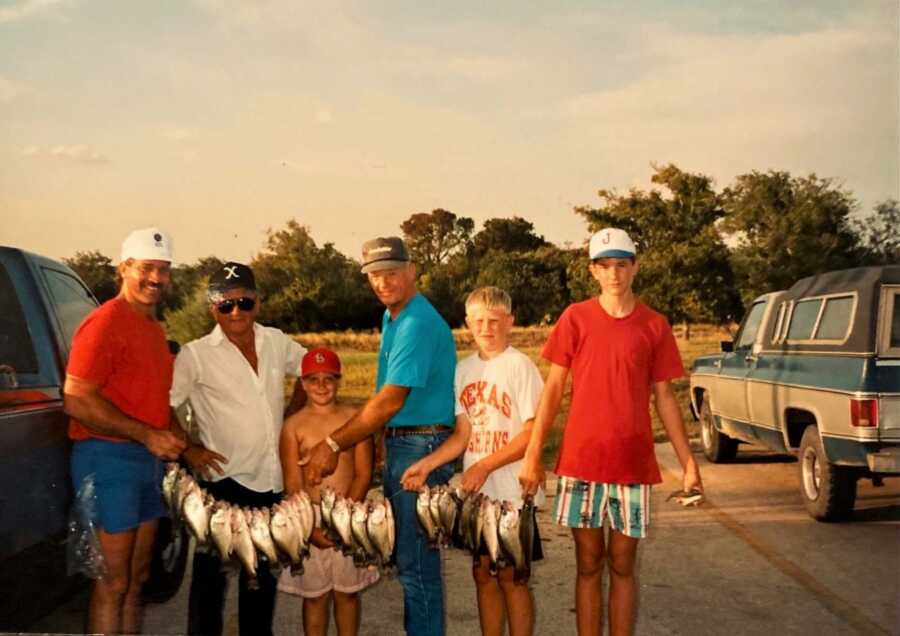
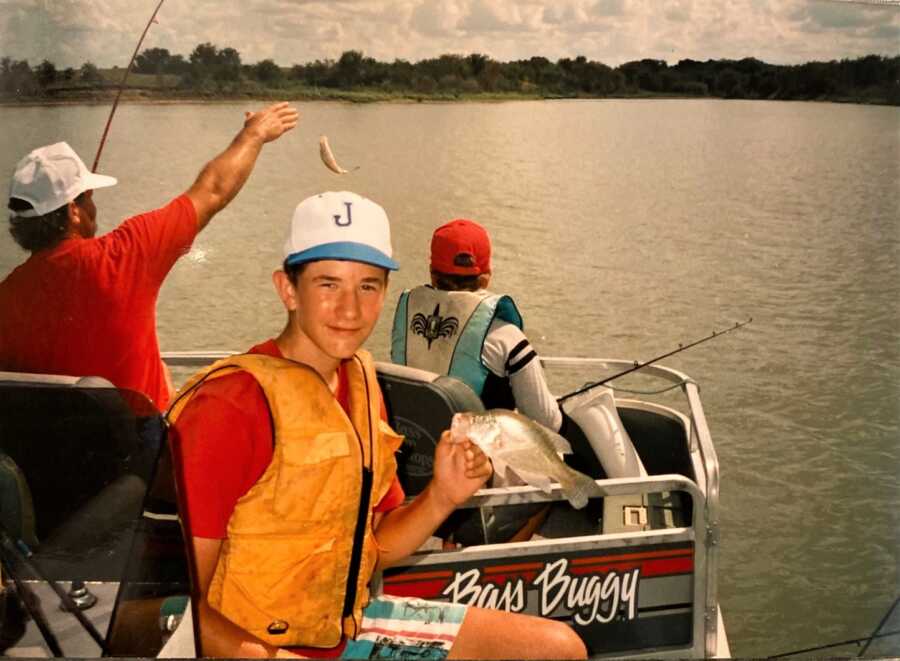
Soon, old photos appeared — Charles and Russell fishing, laughing, celebrating. Memories layered themselves into reassurance: Kaleb would have both love on earth and connection to his father in heaven.
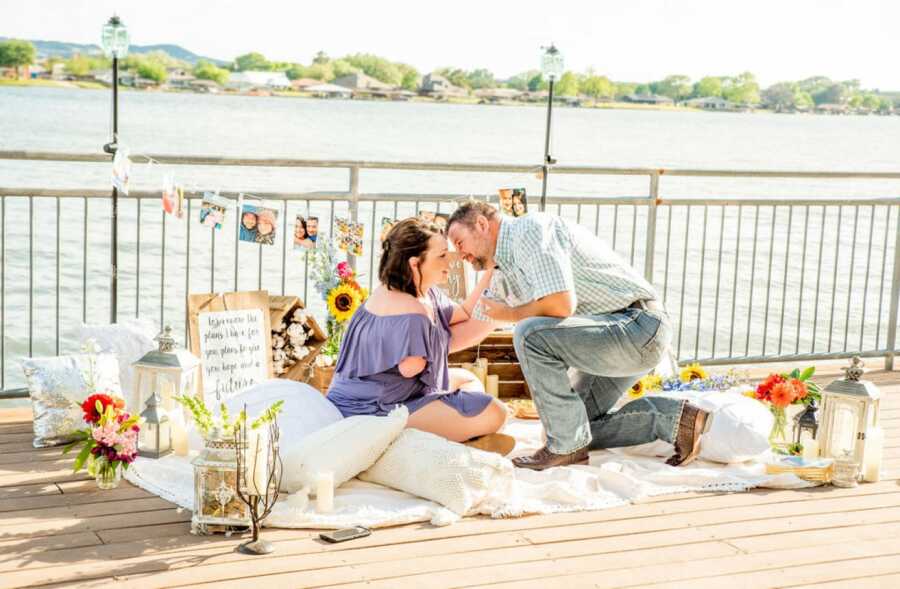
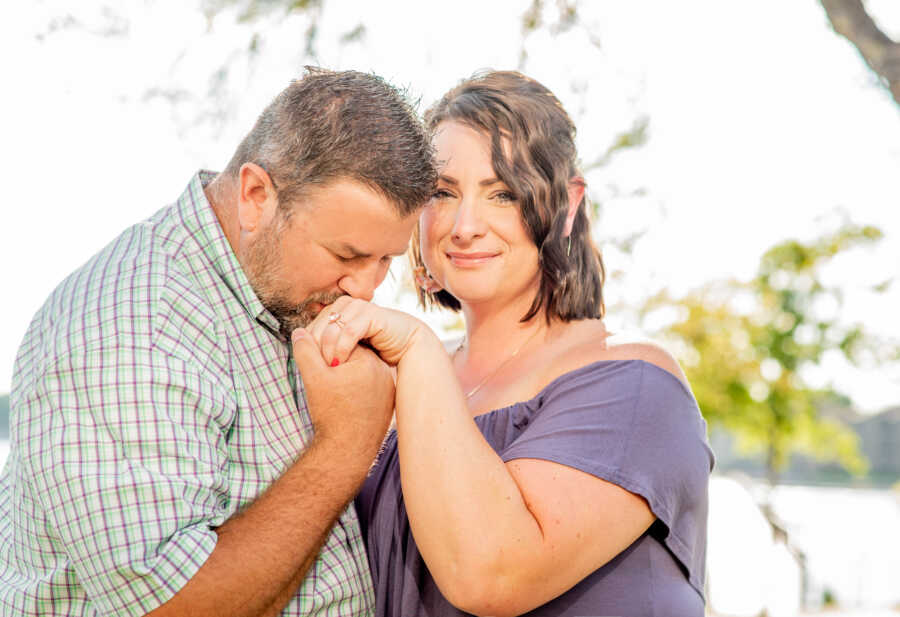
Eight years after loss, I now look at an engagement ring that glitters with promise. Gratitude overwhelms me — not because I “found someone,” but because God authored something I never could have written myself.

Our story is proof: God listens. He restores. He heals at the perfect time. He turns ashes into beauty — every single time.
And in the end, I did find someone… but first, I found God. And He guided me the rest of the way.