Becoming Foster Parents
For years, my husband and I dedicated ourselves to working with youth through our nonprofit outreach program. At the time, he was pastoring a church in the inner city, and it was through that ministry that our outreach began.
Over the next ten years, we witnessed the struggles these children faced firsthand. We met latchkey kids wandering the streets, children facing food insecurity, and those who had been abandoned or neglected. We saw the gaps in the system and realized how desperately these kids needed support and stability.
We knew the statistics all too well—the bleak outcomes for young black boys, the overrepresentation of children of color in the foster care system. And we knew we wanted to do more than just help from the sidelines. With extra room in our home, we made the decision to become licensed foster parents.
When the call finally came, we were ready. Our first placement was a sweet baby boy, and while caring for him was rewarding, we felt a pull in our hearts to do more. Six months later, another call arrived—this time for a little boy entering kindergarten.
He would be a second placement—a “disruption,” as it was officially called. His previous foster grandmother, after two years of devoted care, could no longer provide for him. So where would this little boy, with his dimpled smile and high-pitched, cartoon-like voice, go next?

His caseworker had already contacted three other homes in desperation. He needed a safe place, a home. He was adorable, but his age and background made him increasingly difficult to place. From the very beginning, his worker made it clear: we had to act fast. She needed a “pre-adoptive” home, and if we hesitated, she would find another family.
We understood immediately. Black boys, especially as they grow older, are harder to place. We knew his needs and the stakes. And so, we said yes.
From day one, it was clear there was something extraordinary about him. Beyond his charm and sweetness, he had potential. His previous foster grandmother had done a phenomenal job academically, keeping him on track and thriving in school.
The Challenges of Fostering
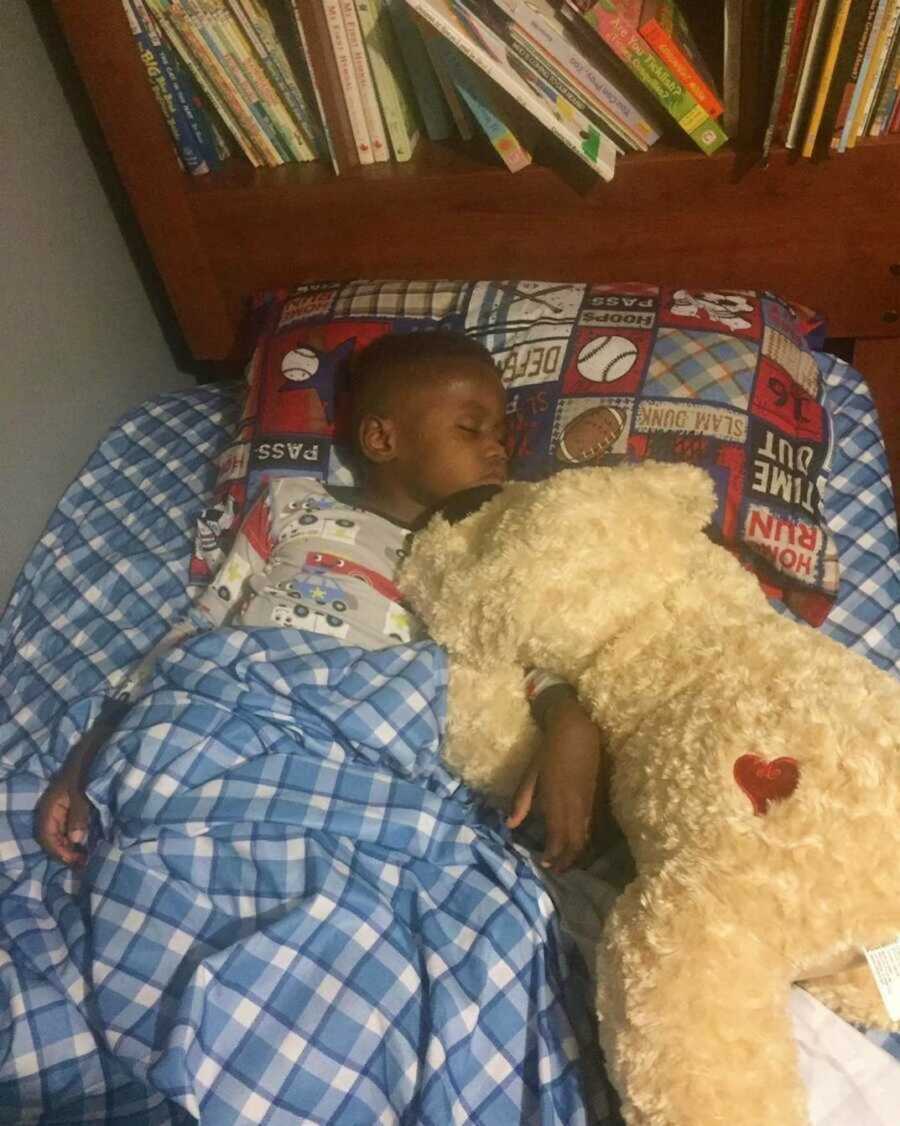
But the road ahead was far from easy. Suddenly, we had two placements—two little boys, two sets of challenges, two caseworkers, double the appointments, therapy sessions, and court dates. It was overwhelming at times, yet every moment felt worth it because he was finally home.
He longed for permanence, and we longed to give it to him. He had questions that no kindergartner should have to ask: “Will I move again? Will I see my family?” Those early days—the so-called “honeymoon period”—were a true test of our dedication, of our commitment to him.
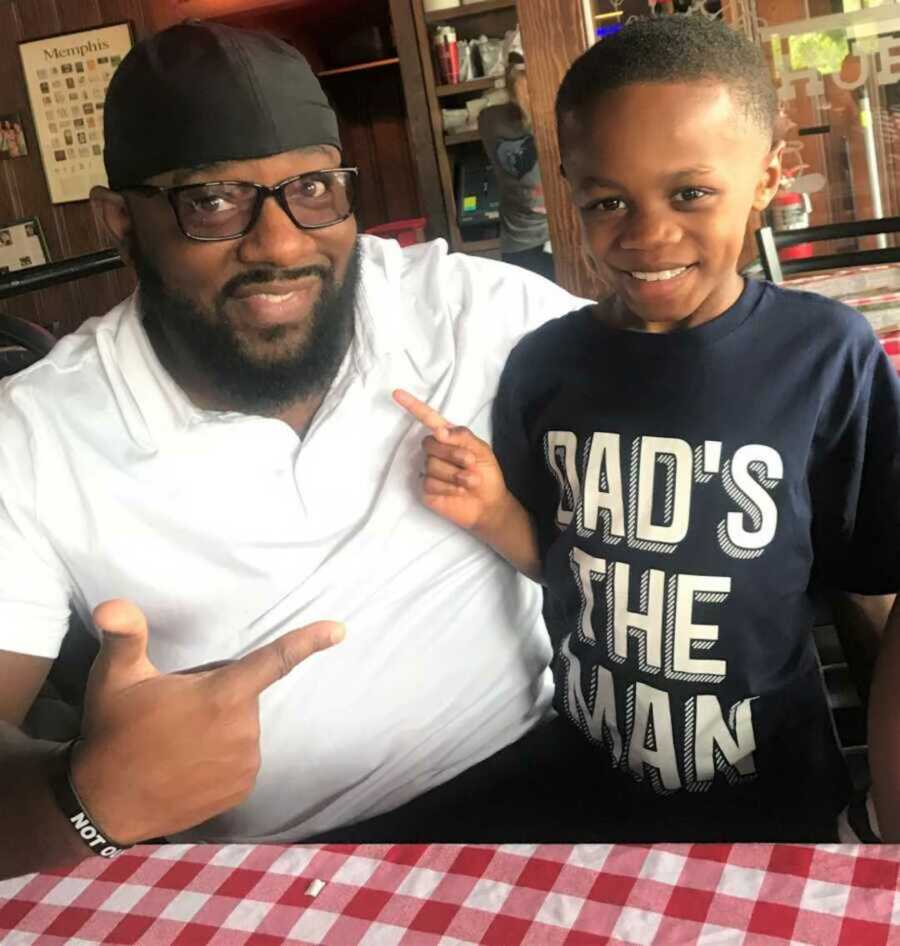
Parenting is hard. Parenting children from hard places can be even harder. Yet this little boy, with his big heart and irresistible smile, quickly captured ours. Within a week, he was calling my husband “Dad.” It took longer for him to call me “Mom,” and that was okay. We were slowly peeling back the layers—undoing old fears and replacing them with love and stability.
Foster parenting isn’t just about love. As we learned in our training, empathy, patience, and understanding are essential. Many children in foster care come from trauma. Your love alone isn’t enough—you must also be educated, prepared, and willing to navigate the challenges alongside them.
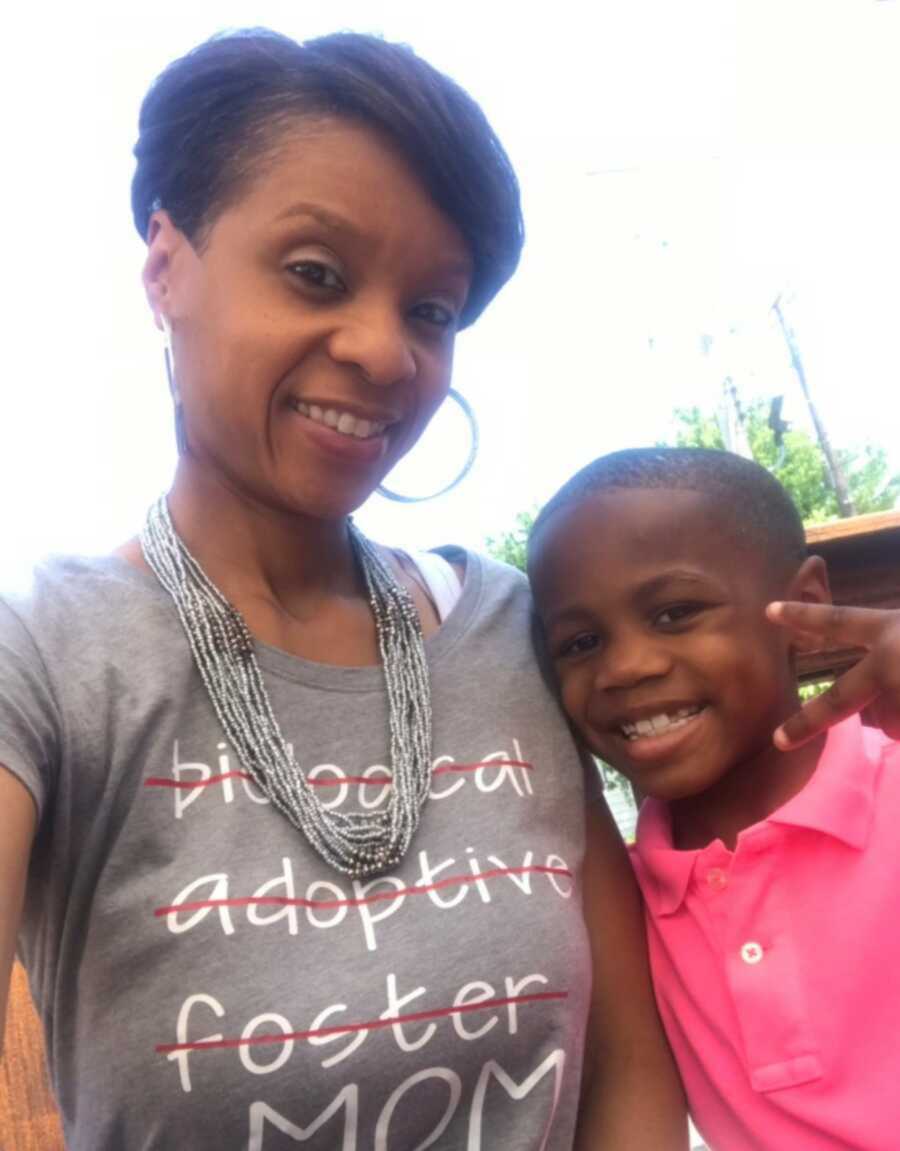
And slowly, it worked. Healing happened. Wholeness began to emerge. We were becoming a family, together.
Adopting Dwayne
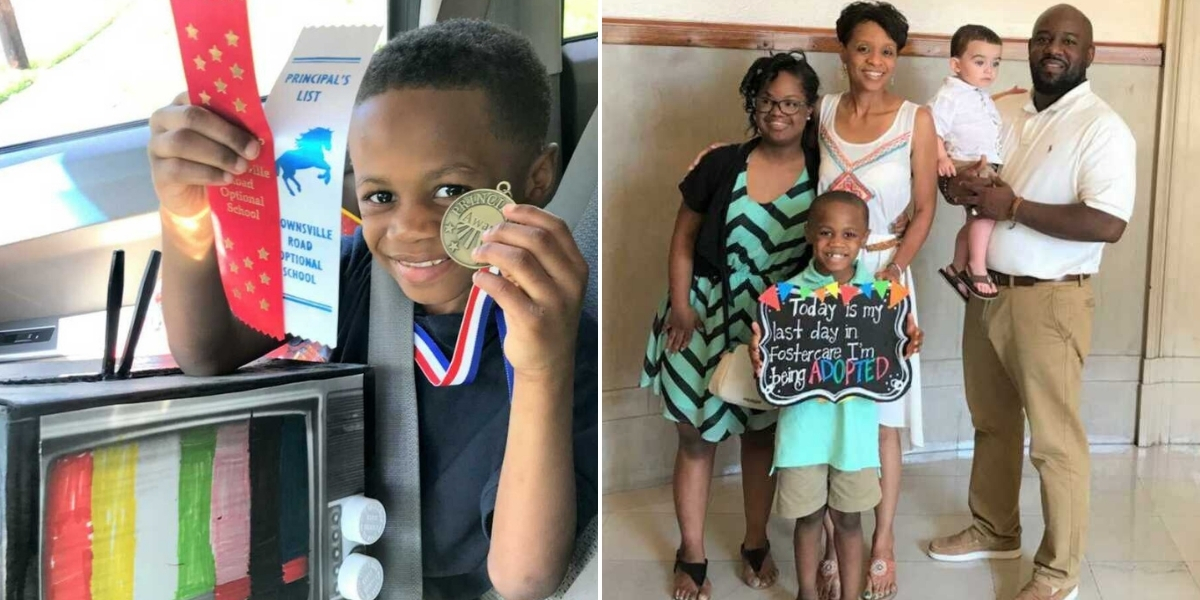
Six months later, we received the call that he was free for adoption. There were no hurdles, no major obstacles. It felt like a collective sigh of relief—from the system, from him, and from us. Ten months after joining our home, Dwayne was officially adopted. No more disruptions. No more moving. He had a permanent home.
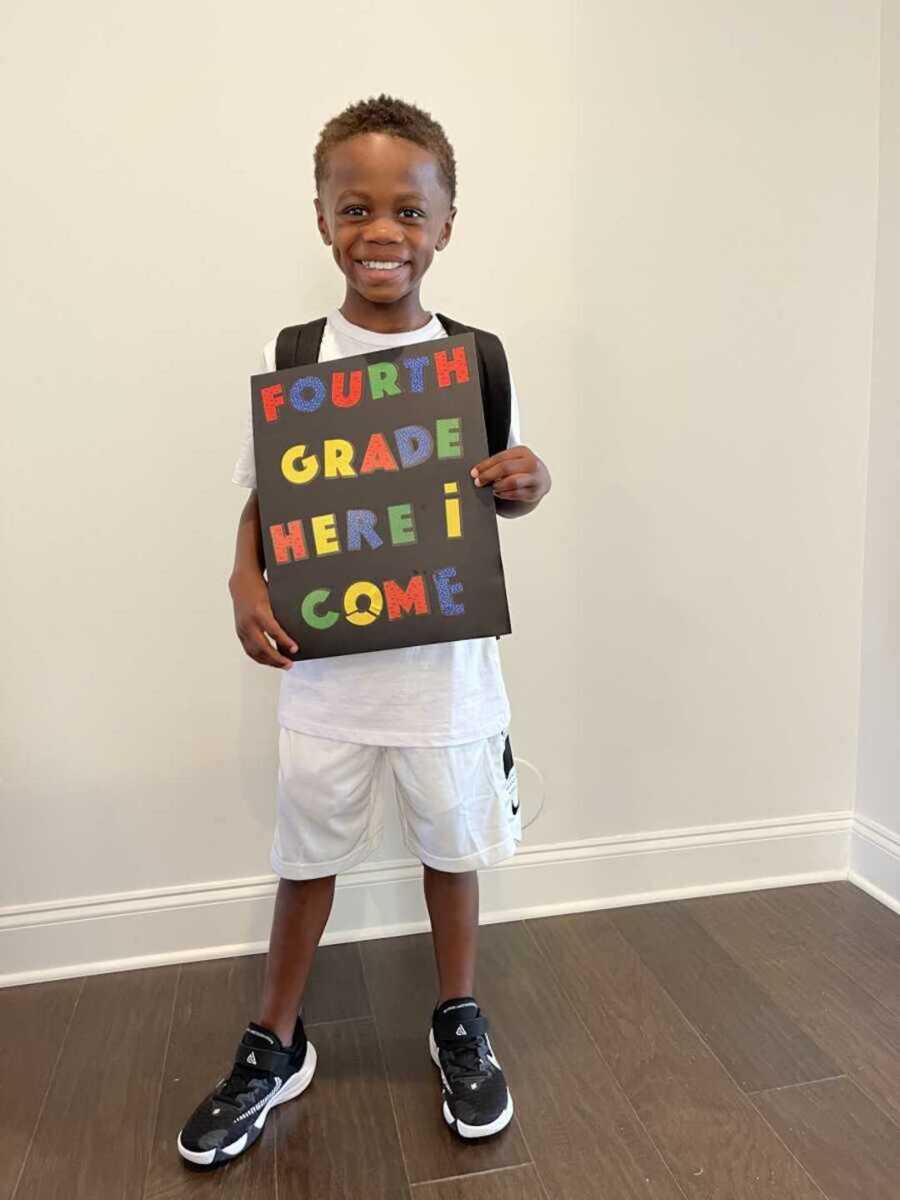
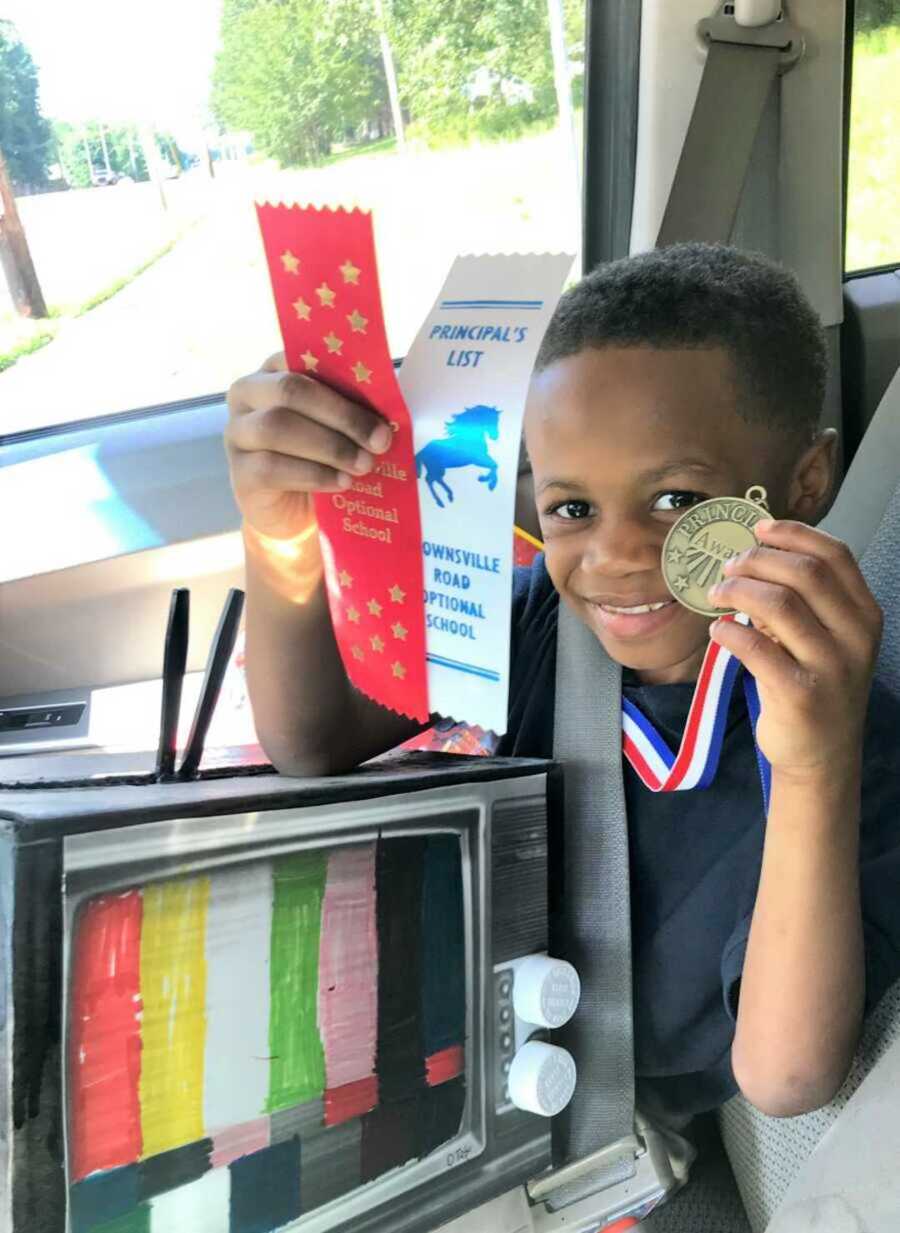
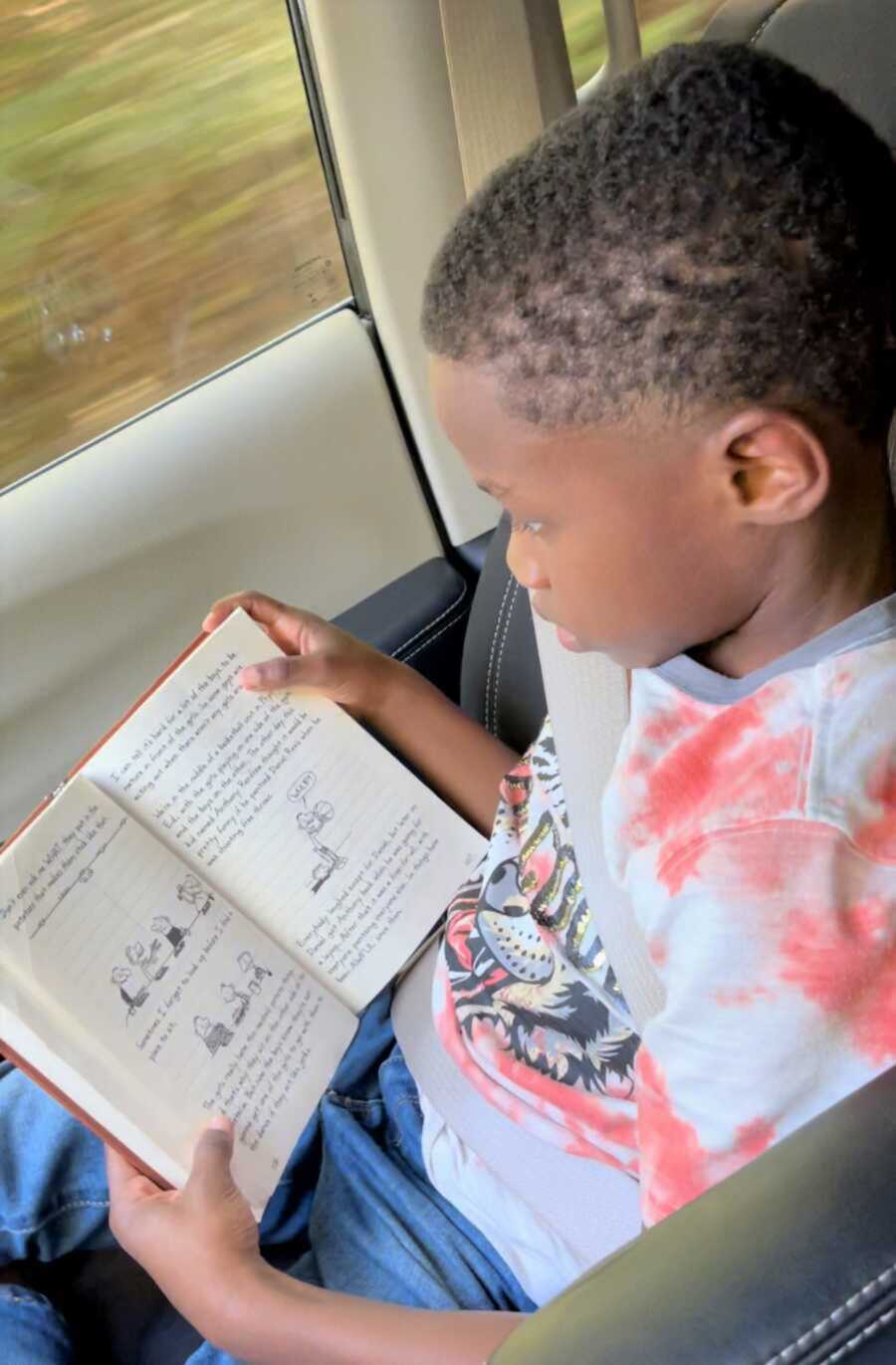
Four years have passed, but it feels like yesterday. The little boy who once needed a home had found his place. Today, Dwayne is a thriving fourth grader, an avid reader, and a young boy who continues to exceed expectations and defy statistics.
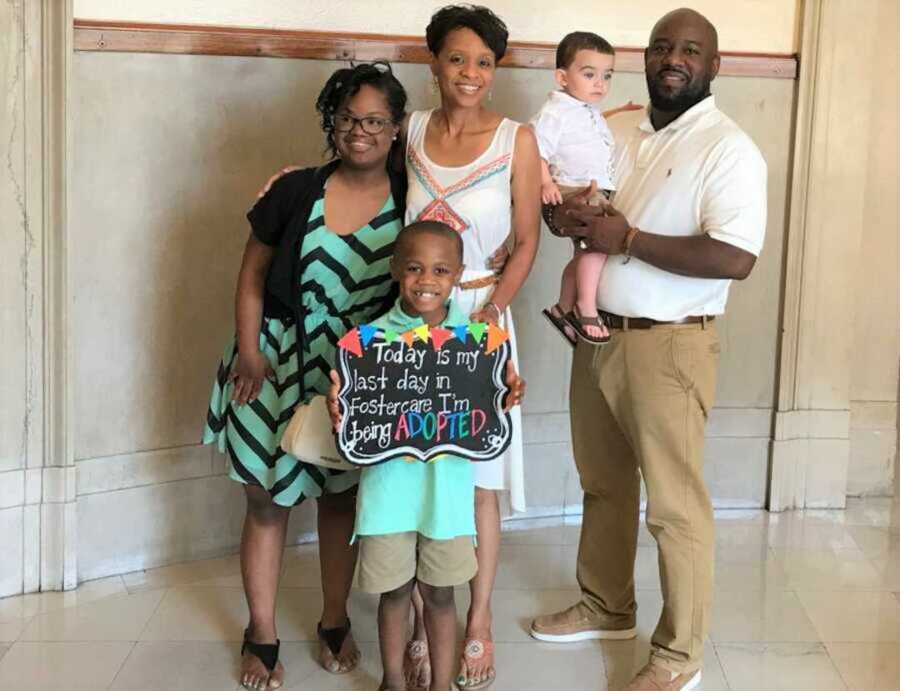
I tell anyone considering fostering to look beyond babies and toddlers. Consider the older children—the ones often overlooked. Look past your own preferences and imagine fostering love into a child’s future.
What matters most is not age, not background, but the resilience and love that lives in the hearts of these children. And sometimes, all it takes is opening your home—and your heart—to let it flourish.