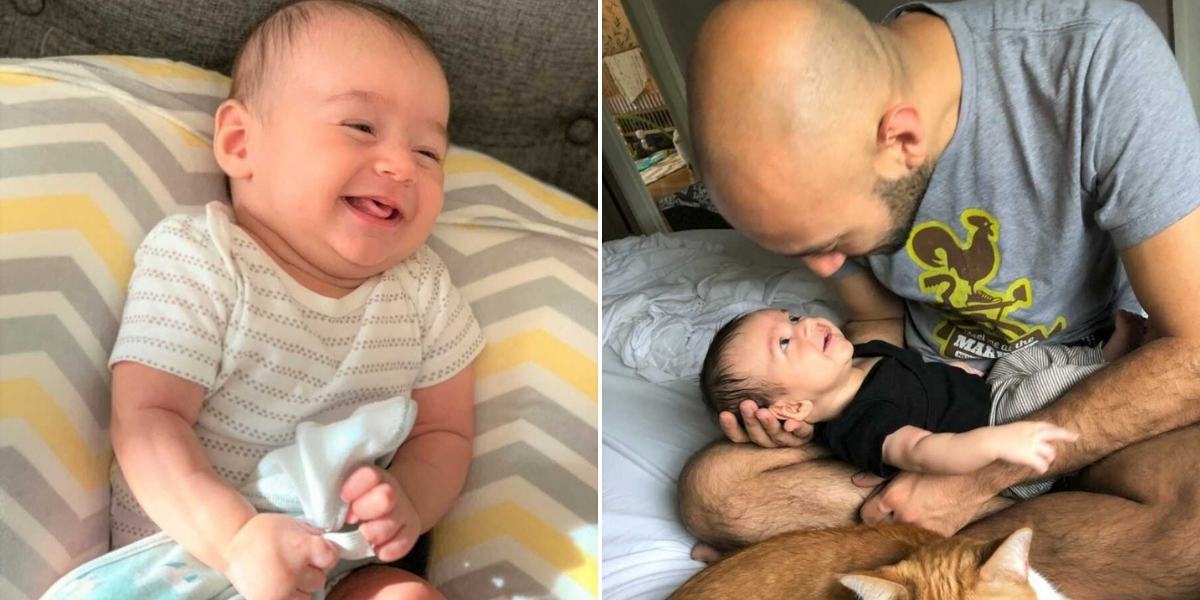
My husband and I met the old-fashioned way—on Tinder—while living in Iowa City in the fall of 2017. Faris, originally from Jordan, had just moved to the U.S. as a pediatrics resident, and I was deep in my PhD program. After a few weeks of scheduling around busy lives, we finally met, and we’ve been inseparable ever since. In December 2018, we were engaged for only four days before eloping; we were too excited to wait to begin our life together. Shortly after, we moved to Cincinnati, Ohio, where Faris matched into a neonatology fellowship.
Being a baby doctor, Faris and I always knew we wanted children. But while we were still dating, I received a shocking diagnosis: cervical adenocarcinoma. After consultations with my oncologist and a surgery to remove the cancer, I began to think urgently about my reproductive future. A few months after our wedding, we started trying to conceive, and in the fall of 2019, we discovered I was pregnant.
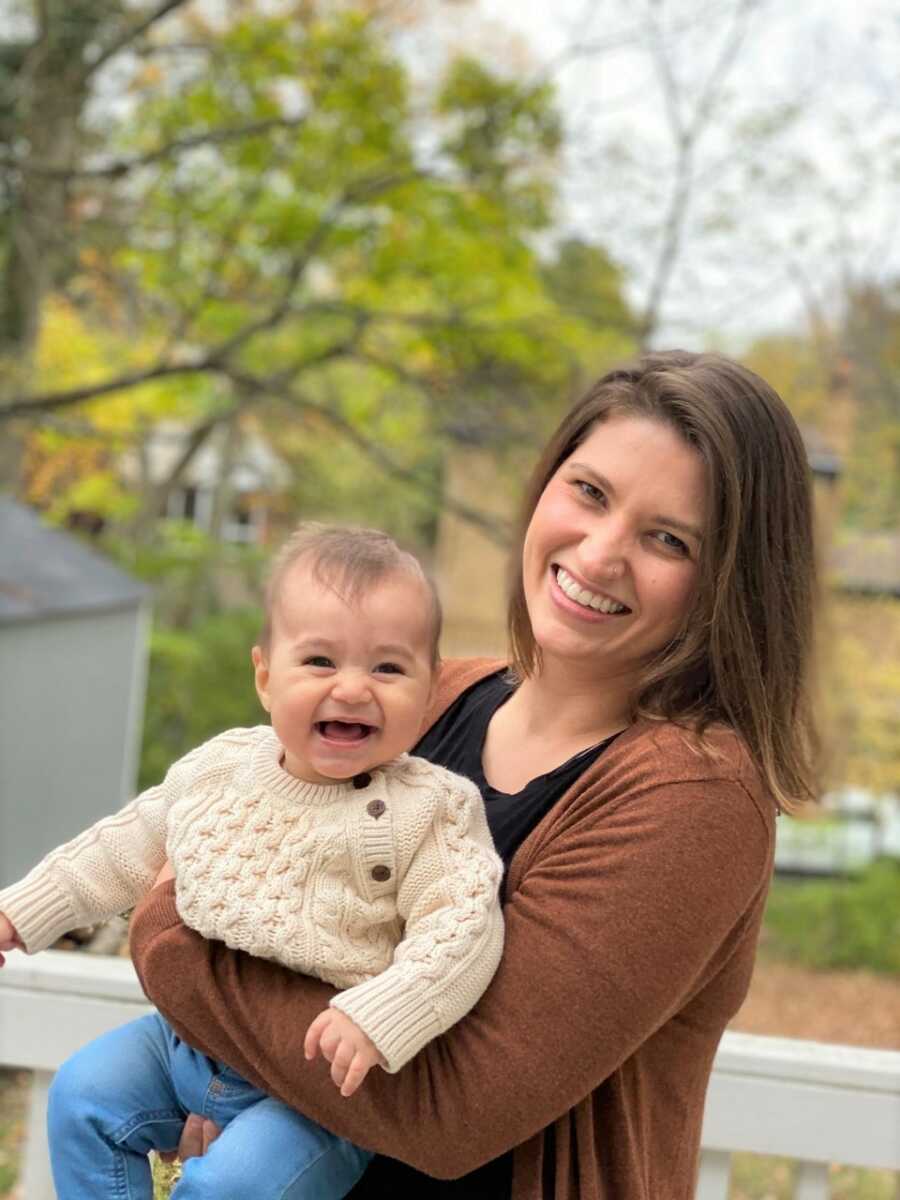
Balancing a full-time PhD dissertation, a new adjunct professor position, and a growing pregnancy was intense. It was a race to finish my dissertation, but I successfully defended and earned my PhD from the University of Iowa while heavily pregnant—a personal triumph I’ll never forget. My pregnancy was mostly smooth aside from severe first-trimester nausea. Labor came during the pandemic, so I wore a mask through delivery, but thanks to an epidural, I managed just fine. Sami arrived exactly on his due date, May 6, 2020. We hadn’t chosen his name or found out the gender, so the anticipation in the room was electric. When we first saw him, we instantly knew he was Sami—a name that resonated in both Arabic and English, perfectly bridging our worlds.
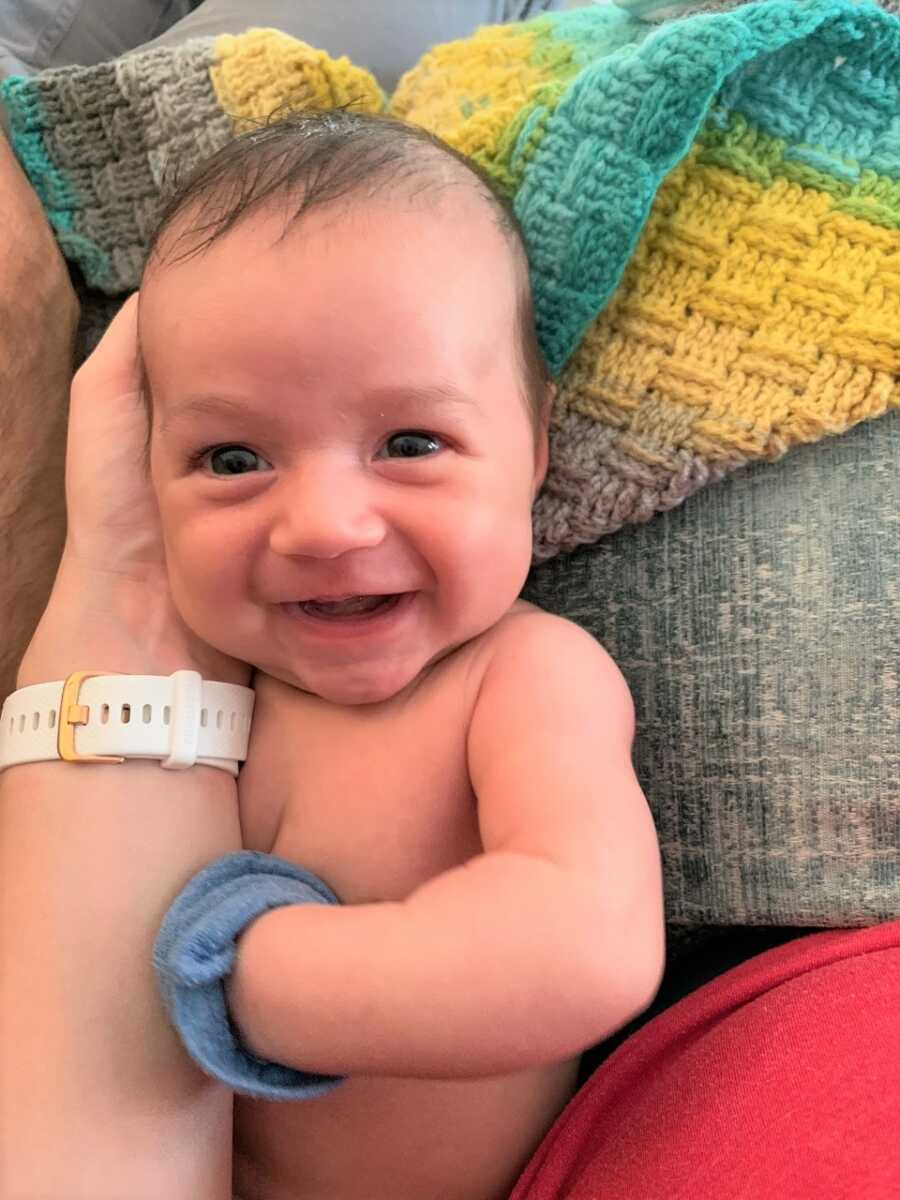
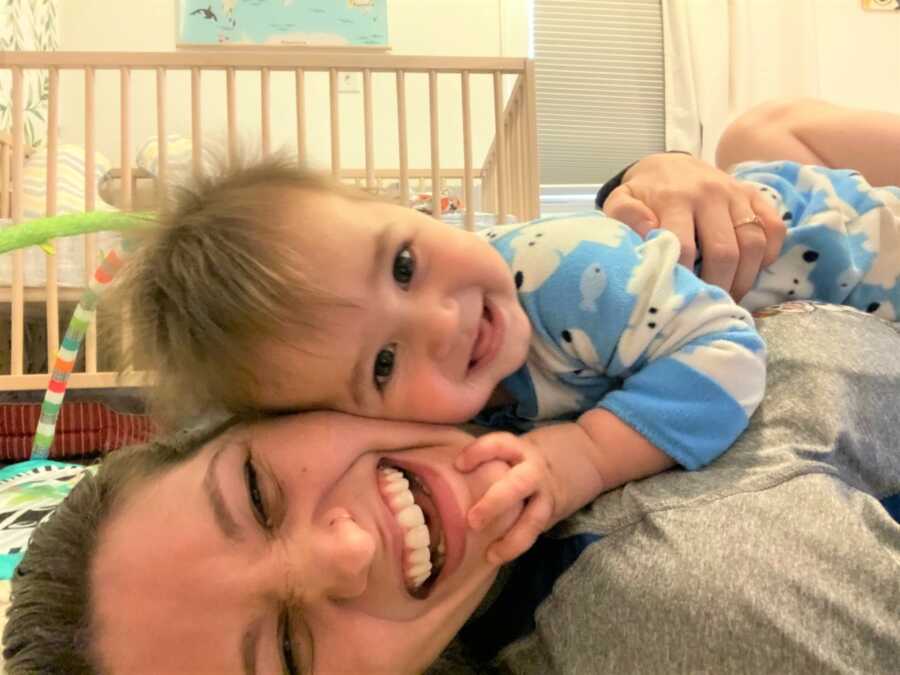
Sami wasn’t what you’d call an “easy” baby (are any really?), but he was pure light. He was colicky, a true velcro baby, and rarely slept more than three hours at a stretch. Those nights felt endless—feeding, rocking, soothing—but looking back, I treasure every single moment. Those sleepless hours gave us extra time to hold him, to connect. As he grew and began sitting up, babbling, and exploring, his joy became infectious; the frustration he must have felt before, unable to move or communicate, melted away into laughter and delight.
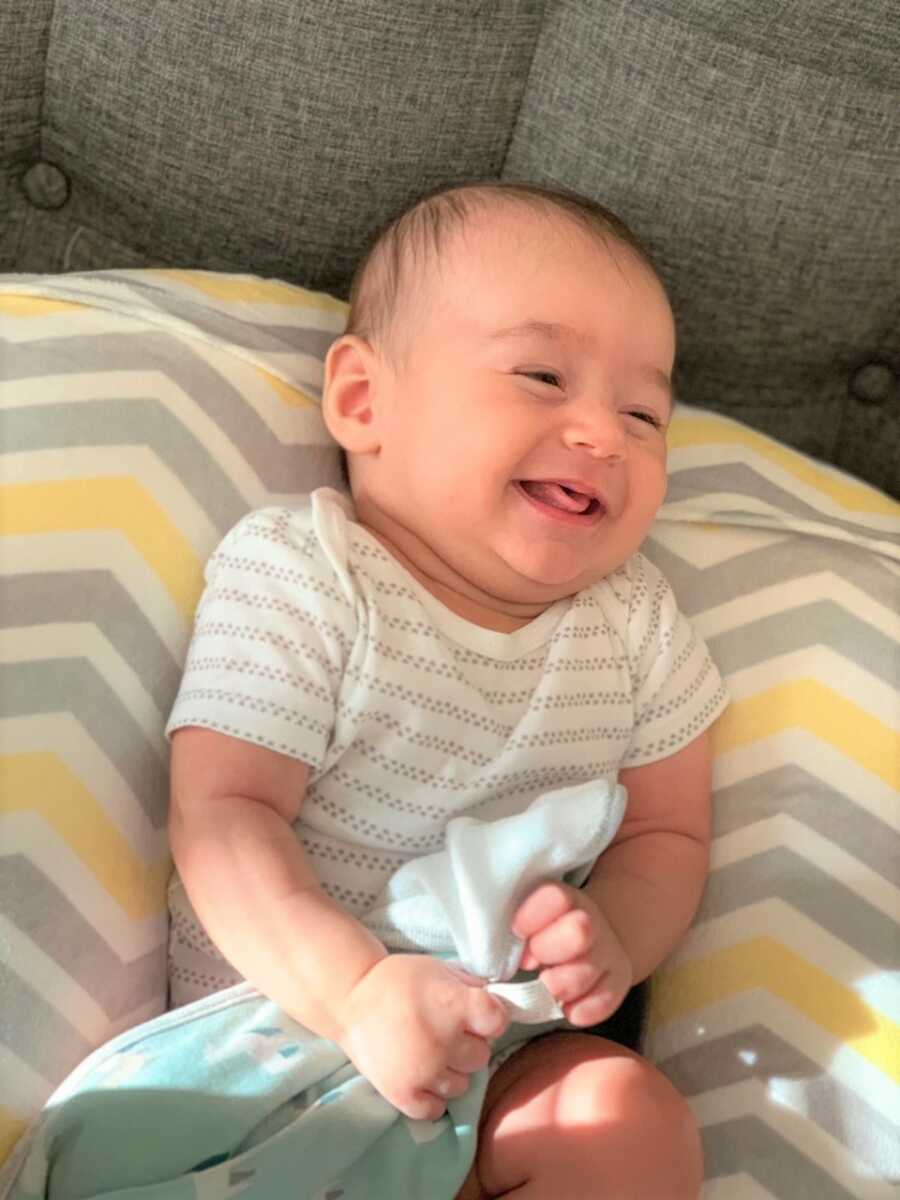
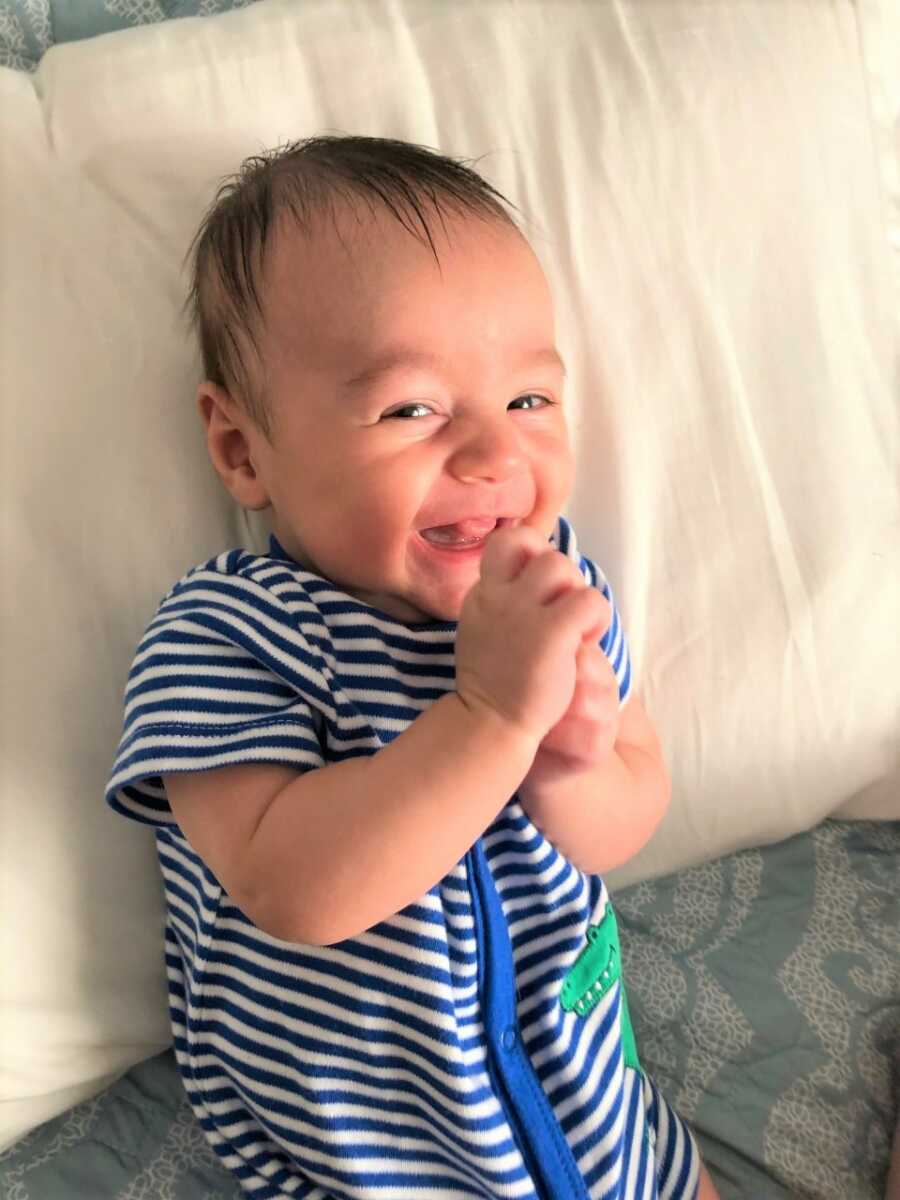
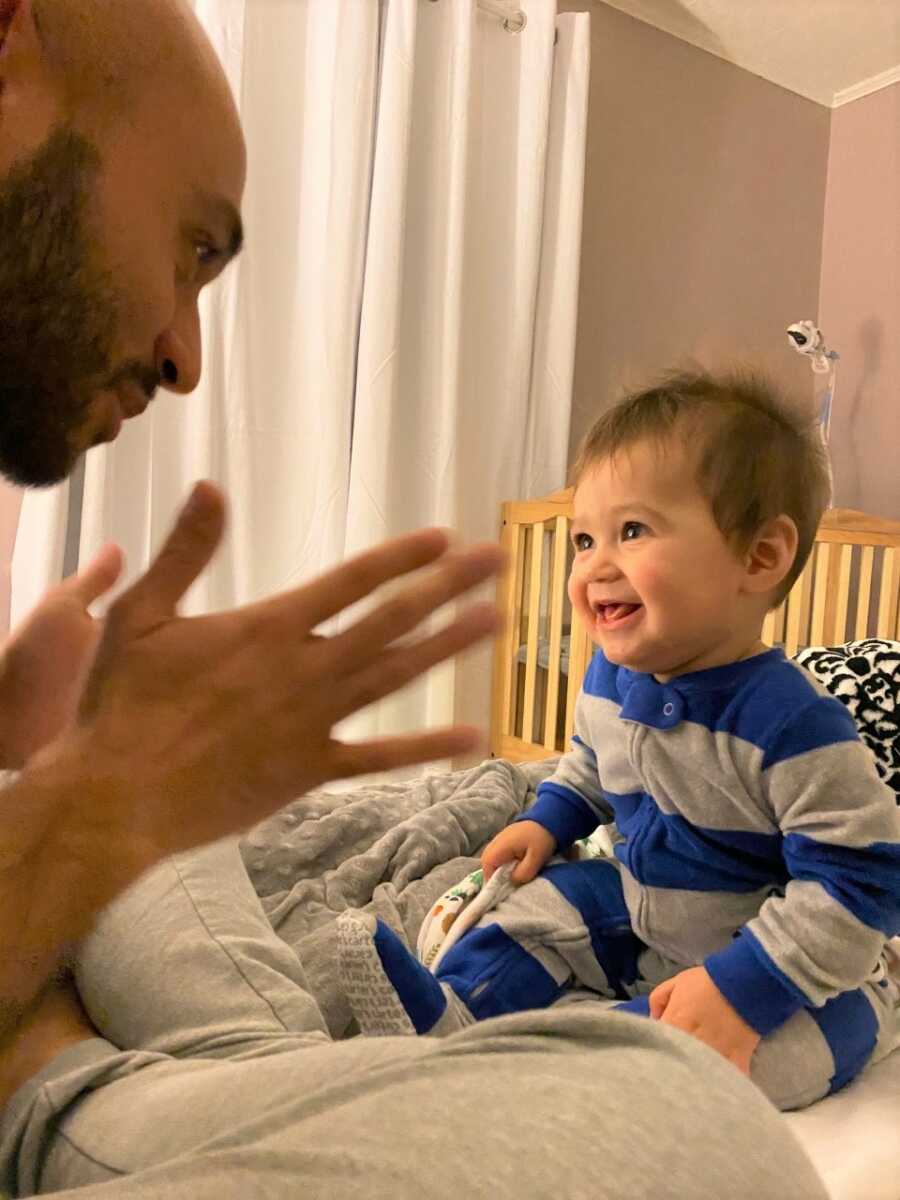
Sami was endlessly curious, bright, and full of personality. He loved saying “dada” (but never “mama”) and practicing “cat.” He adored crawling after our three cats and, surprisingly, was gentle from the start. His laugh could fill a room; he loved tickles, puppets, and Halloween decorations, especially yard inflatables. So dedicated was he to Halloween that neighbors gifted him his very own giant ghost popping from a pumpkin, just for him to watch every day. That year, both sets of vaccinated grandparents could finally gather safely, and Sami relished being the center of attention.
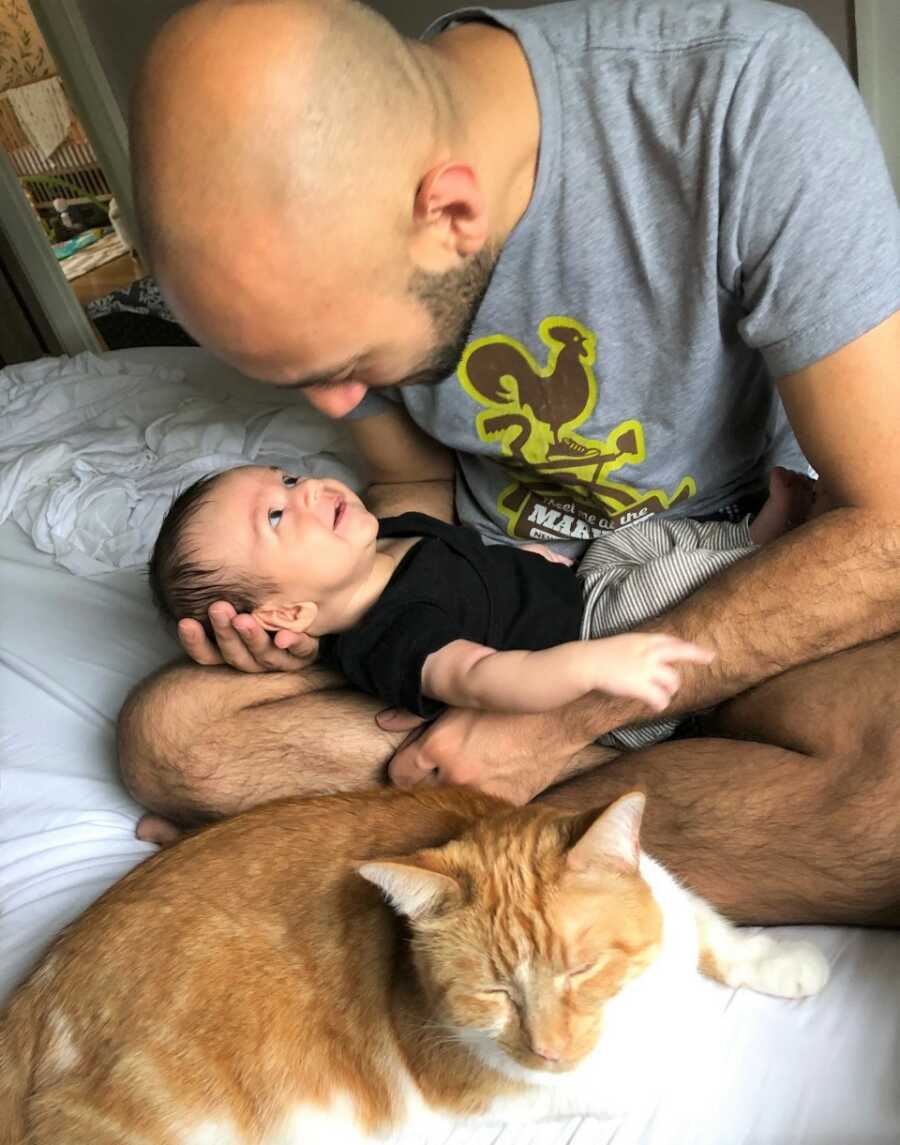
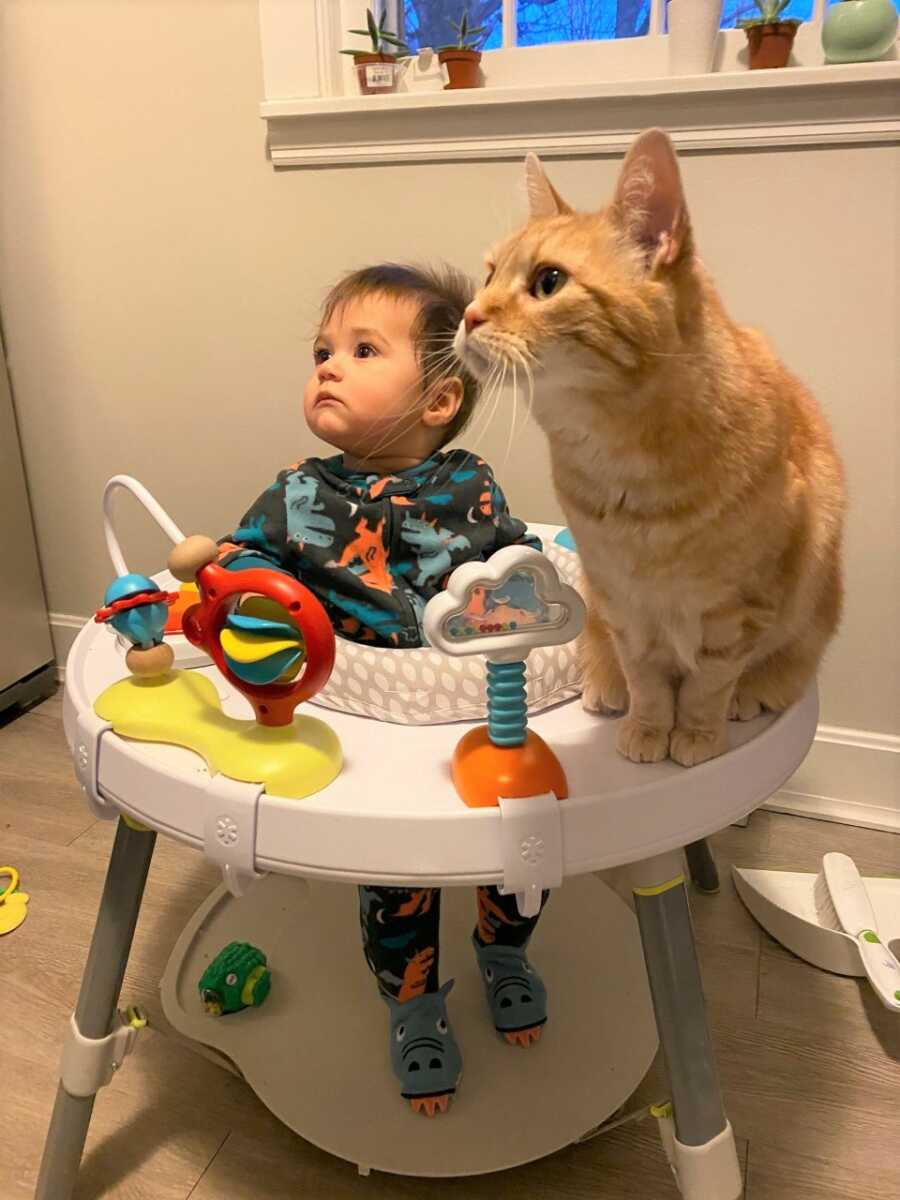
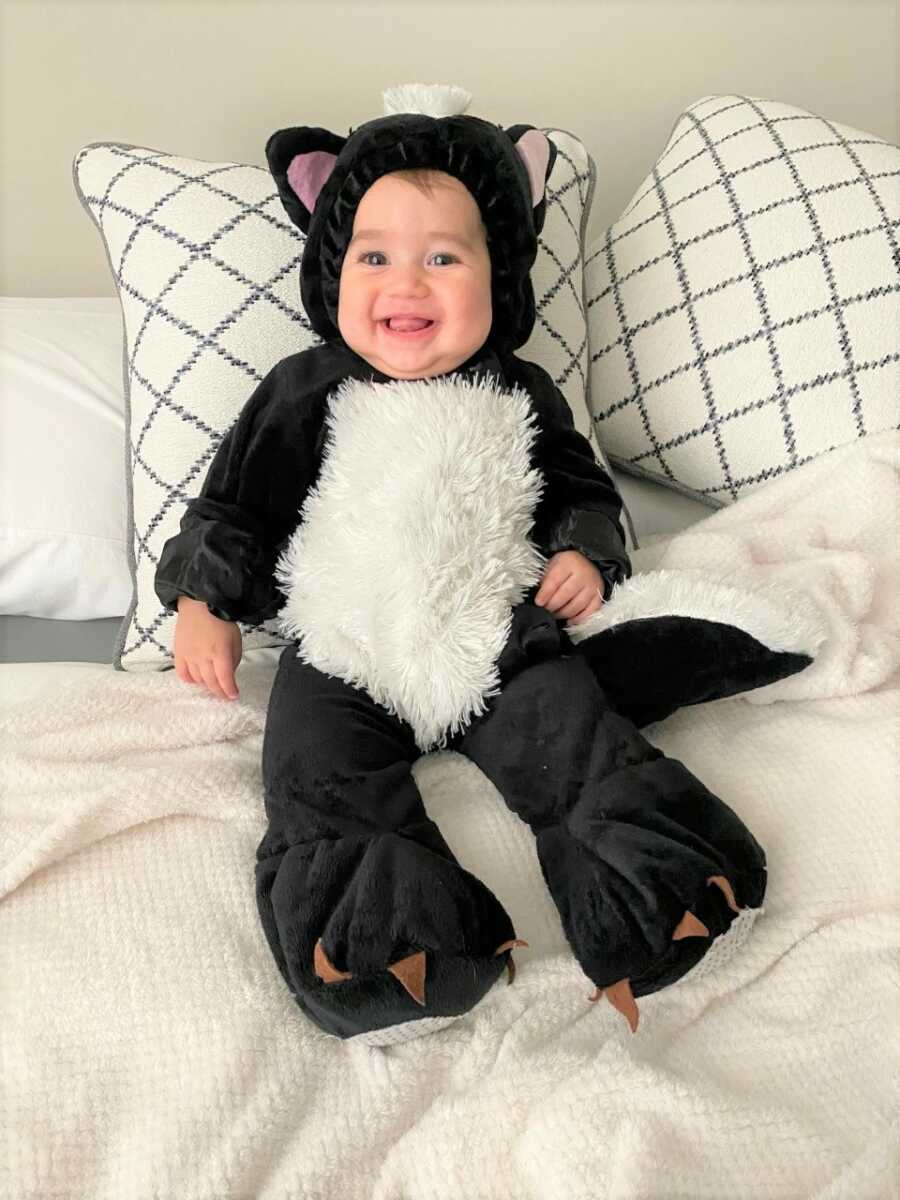
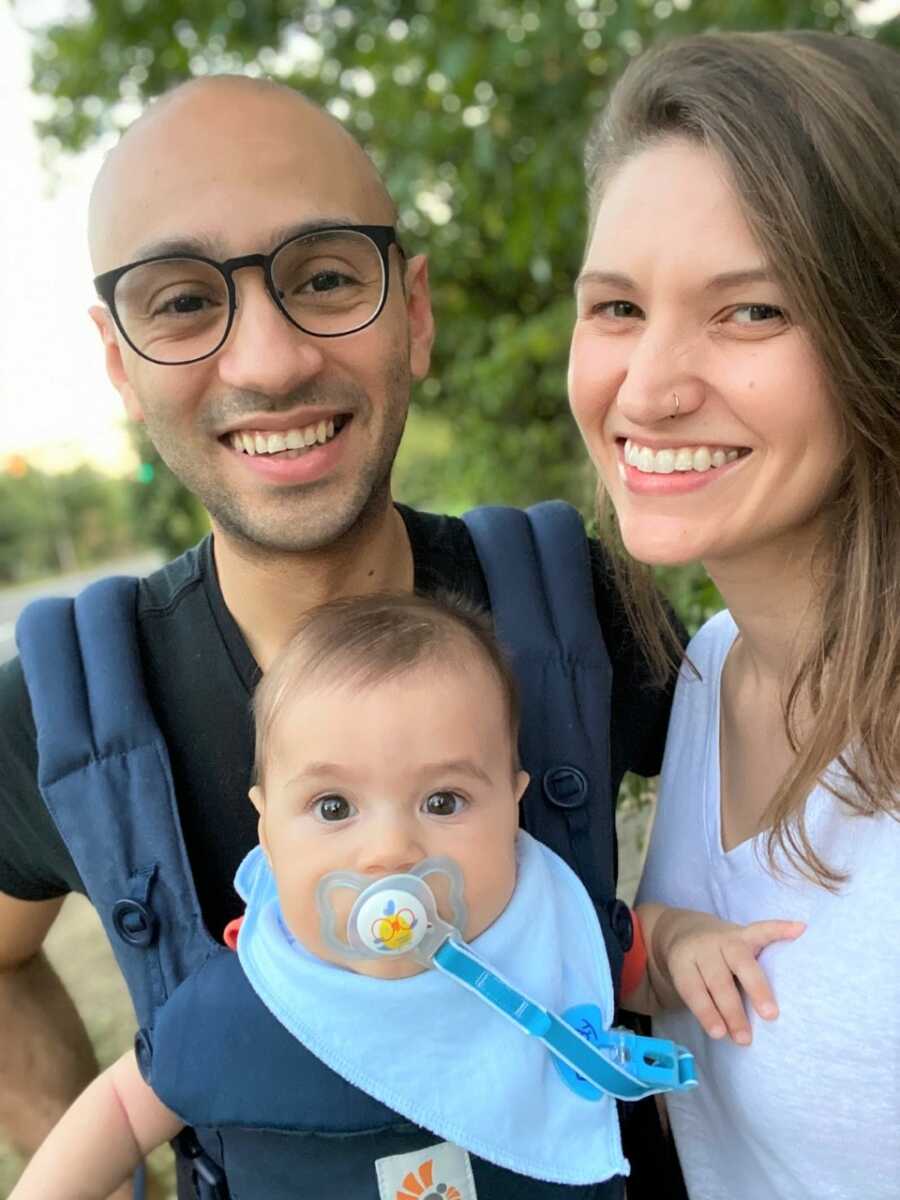
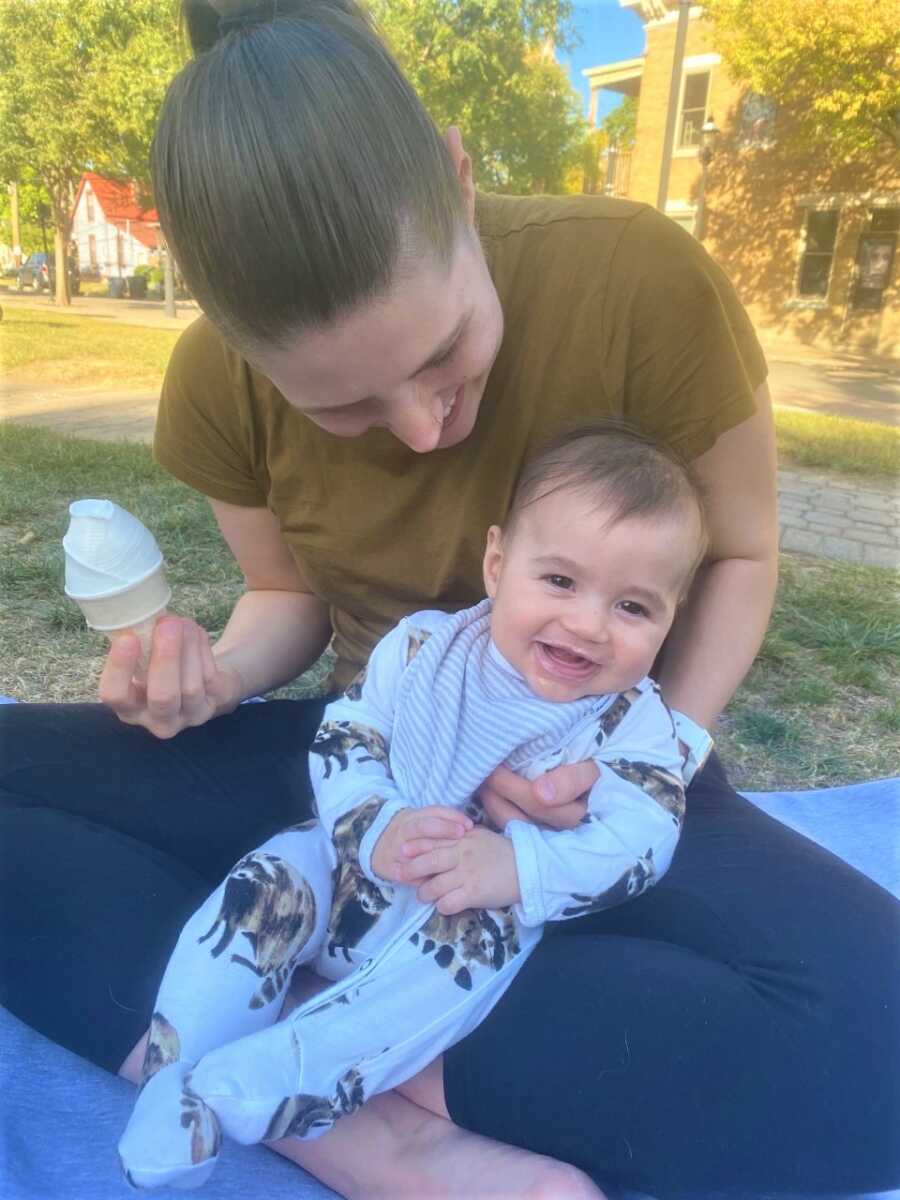
Being a pandemic baby didn’t stop him from exploring. We carried him outward-facing in a baby carrier on daily walks, letting him take in the world. Trips to the Cincinnati Zoo were a favorite—he marveled at giraffes, his absolute favorite, and the sheer number of people. One of our family’s simplest joys was visiting the Village Green, a local park, where he could sit in the grass, hear live music, and even taste a bit of ice cream (a treat he wasn’t technically old enough for, but we couldn’t resist).
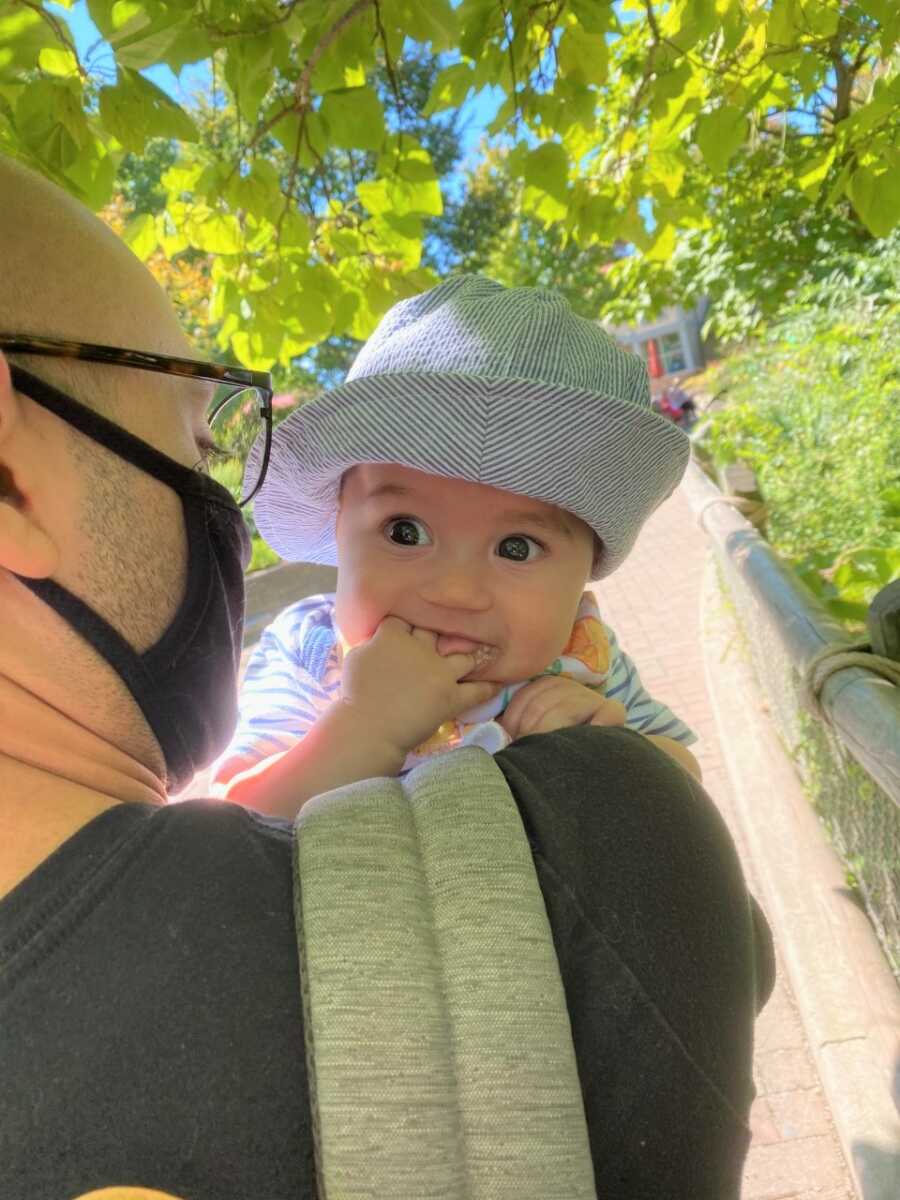
Tragically, Sami passed away just over eight months old, on January 12, 2021. We had arranged a nanny share for when I returned to teaching part-time, and the first week had been a challenging adjustment. The following week, I stepped out for a brief hour while he ate yogurt happily in a high chair with his baby friend. Moments later, I received texts that he wasn’t breathing and CPR was underway. I raced across town, calling Faris. He met the EMTs and Sami at the hospital, where we watched a team of doctors—including Faris’ colleagues—try desperately to save him. Nothing worked. Sami was gone.
The cause remains unknown. He had been awake, so it wasn’t SIDS. All tests came back normal, despite sleeping with an Owlet monitor nightly and the meticulous care of his pediatrician father. Months later, with a full genetic panel for all three of us, we still have no answers. How can we prevent this in the future when there is no explanation? The uncertainty is agonizing.
In the aftermath, our house was eerily silent. We impulsively got a pandemic puppy, Captain, to bring life back into our home. I bought a treadmill and began a running streak on Valentine’s Day, running at least a mile every day for 252 days—the number of days Sami was alive. It was a physical way to process grief and a reminder that my body, somehow, could keep going when my heart felt like it shouldn’t.
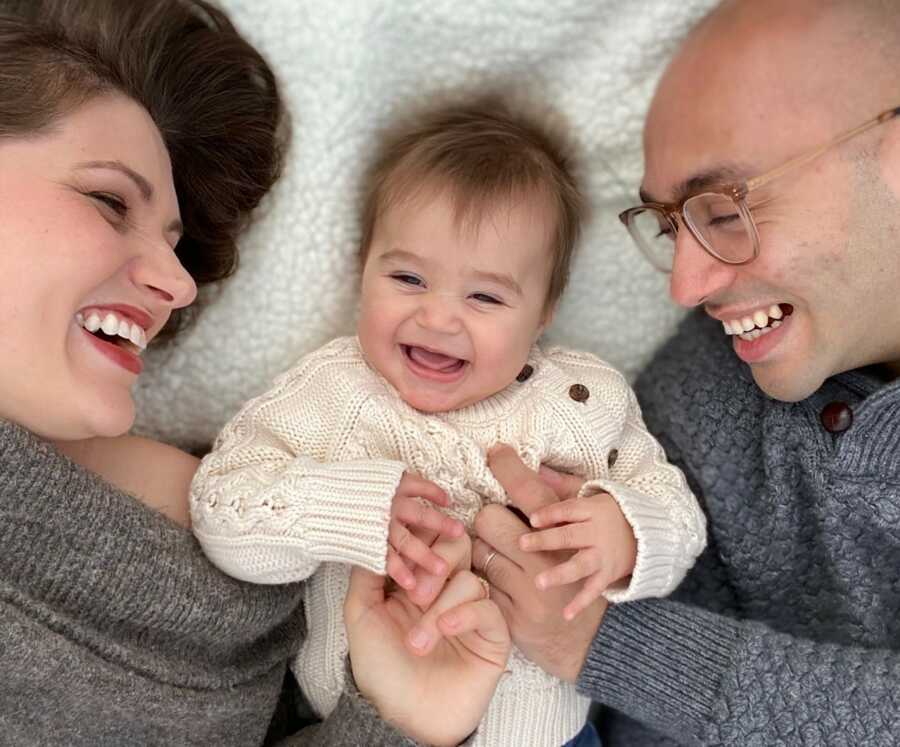
We found support in small but meaningful ways. My cousins, who also lost a child years earlier, and my family sent necklaces with Sami’s photo, inscribed, “Some people only dream of angels… I held one in my hands.” We signed up for pottery classes and slowly built routines to reclaim fragments of normalcy. Mental health care was challenging to navigate, but we eventually connected with a bereavement specialist who truly listened, then found a permanent therapist to help us through the darkest days.
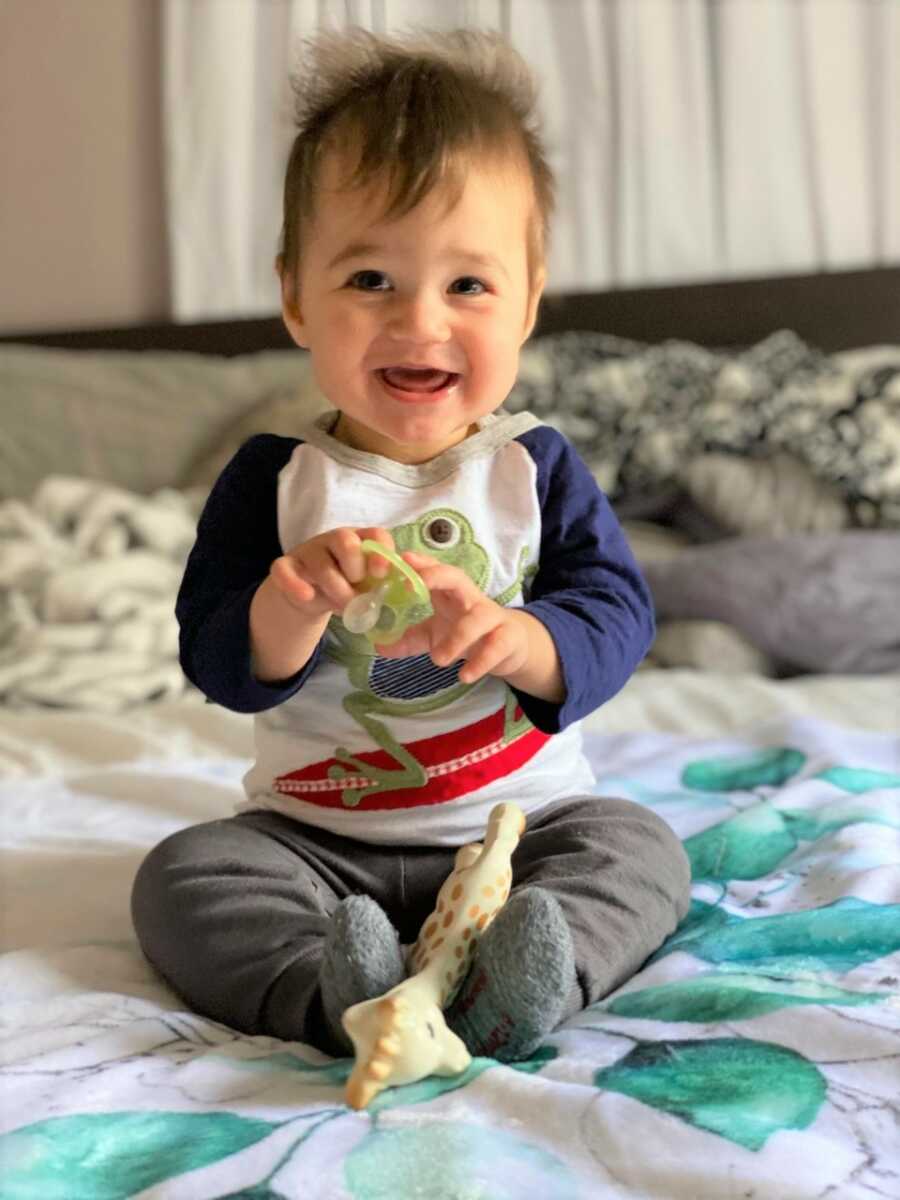
We are acutely aware that our access to resources—supportive employers, therapists, family, and friends—is a privilege. We’ve leaned heavily on them to survive. Yet grief is relentless and doesn’t make anyone “better.” Sami was already the best part of our lives. Now he is gone, and the resilience we muster is simply a testament to carrying on after the unthinkable. Acts of kindness from strangers, like donations to Sami’s memorial fund, remind us that his legacy—joy, love, and community—still radiates.
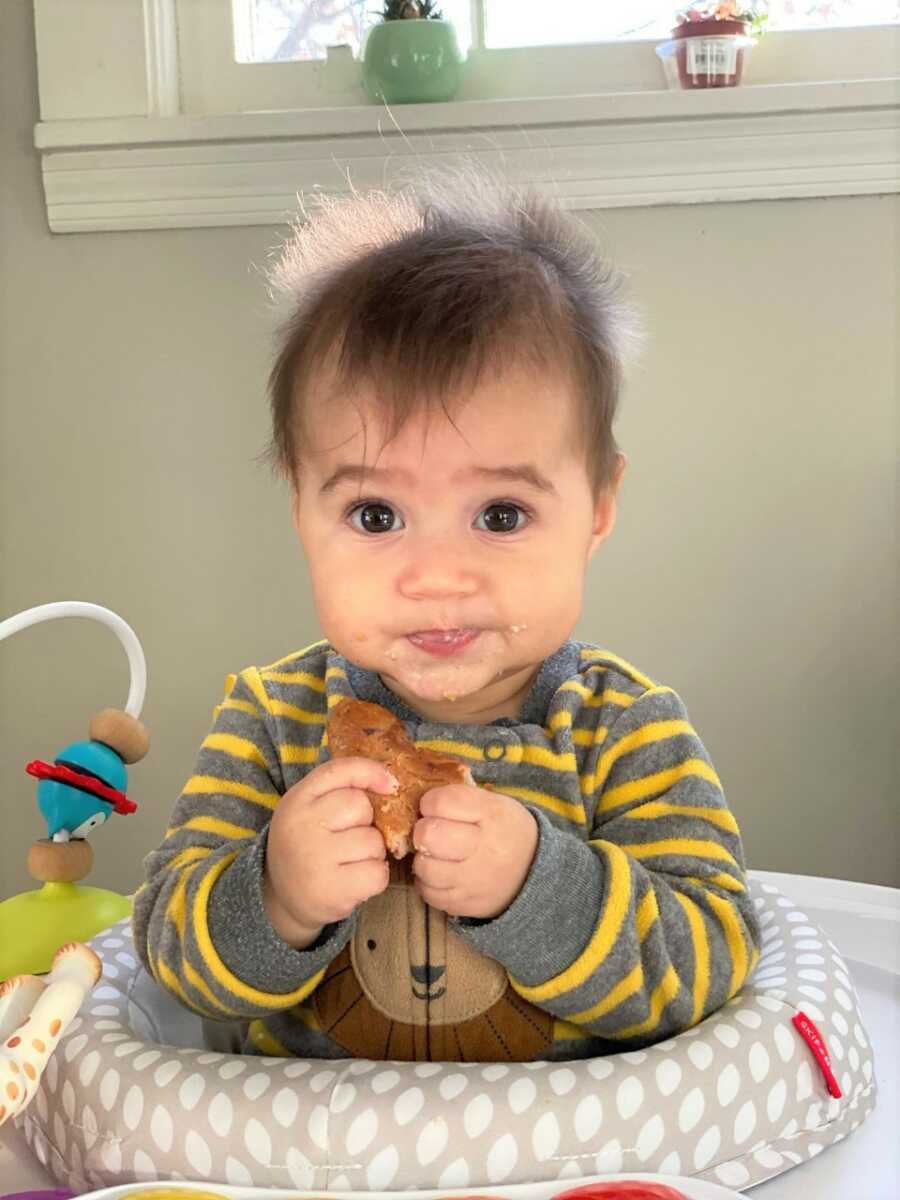
Through the Sami Colpean Al-Gharaibeh Memorial Fund, we support a community garden and Village Green revitalization, ensuring public spaces thrive as a reflection of the joy he brought us. On his birthday, we created #ShineOnSami, distributing cards across the country and internationally, encouraging small acts of kindness. Seeing children and neighbors continue that cycle of generosity has been profoundly healing.
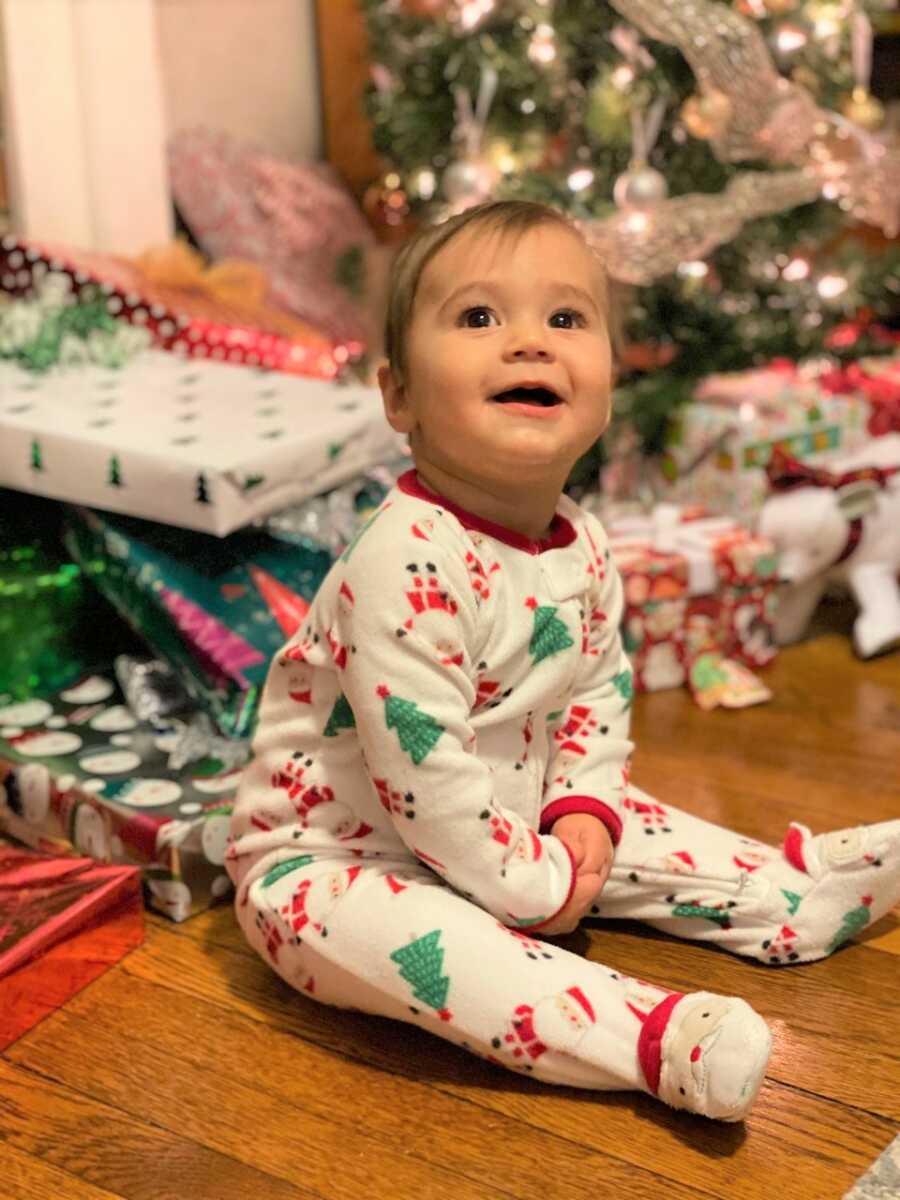
We honor Sami’s memory by keeping his spirit alive in every corner of our lives—through community, creativity, and simple daily joys. Grief is not linear, and survival mode is enough. We focus on protecting ourselves, our marriage, and each other, and in that, we find a path forward. Sami may no longer be with us physically, but through his laughter, curiosity, and the kindness he inspired, he continues to shine.