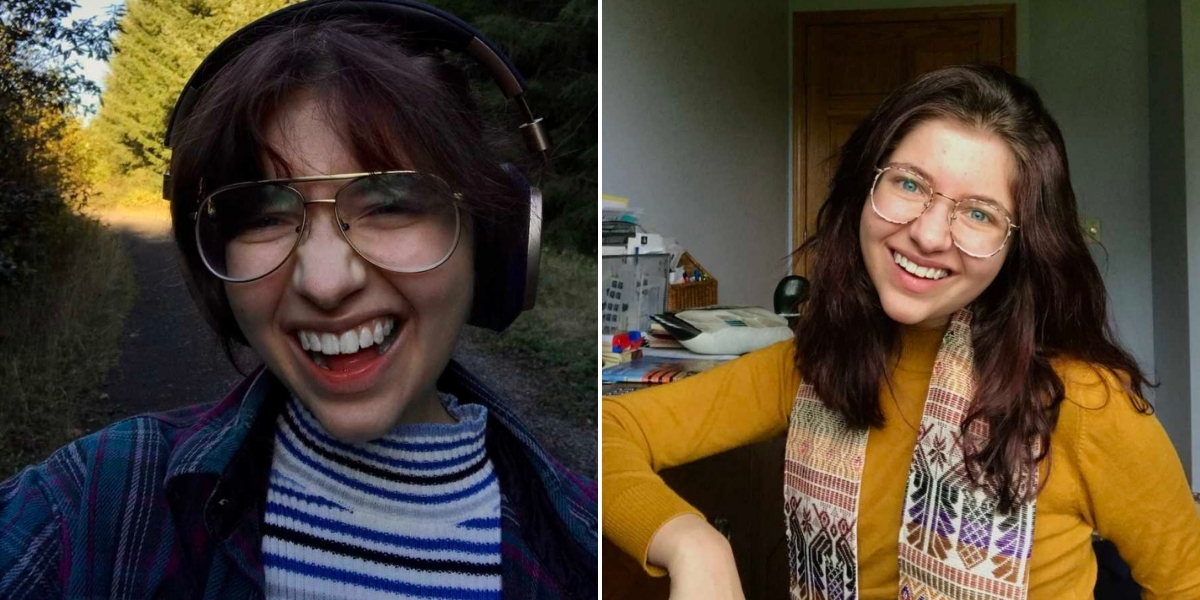
If I’ve learned anything in my life so far, it’s that change is the only constant. No matter how carefully we plan, life rarely unfolds the way we imagine. And while that can be frightening, unpredictable, and sometimes painful, it’s also what makes life so surprising, challenging, and beautiful.
My childhood, by most measures, was normal. I had wonderful parents, an older brother who remains my best friend, and grandparents I visited every week—people who, in many ways, served as a second set of parents. I have so many fond memories from those early years, and I truly feel blessed for the love and support surrounding me.
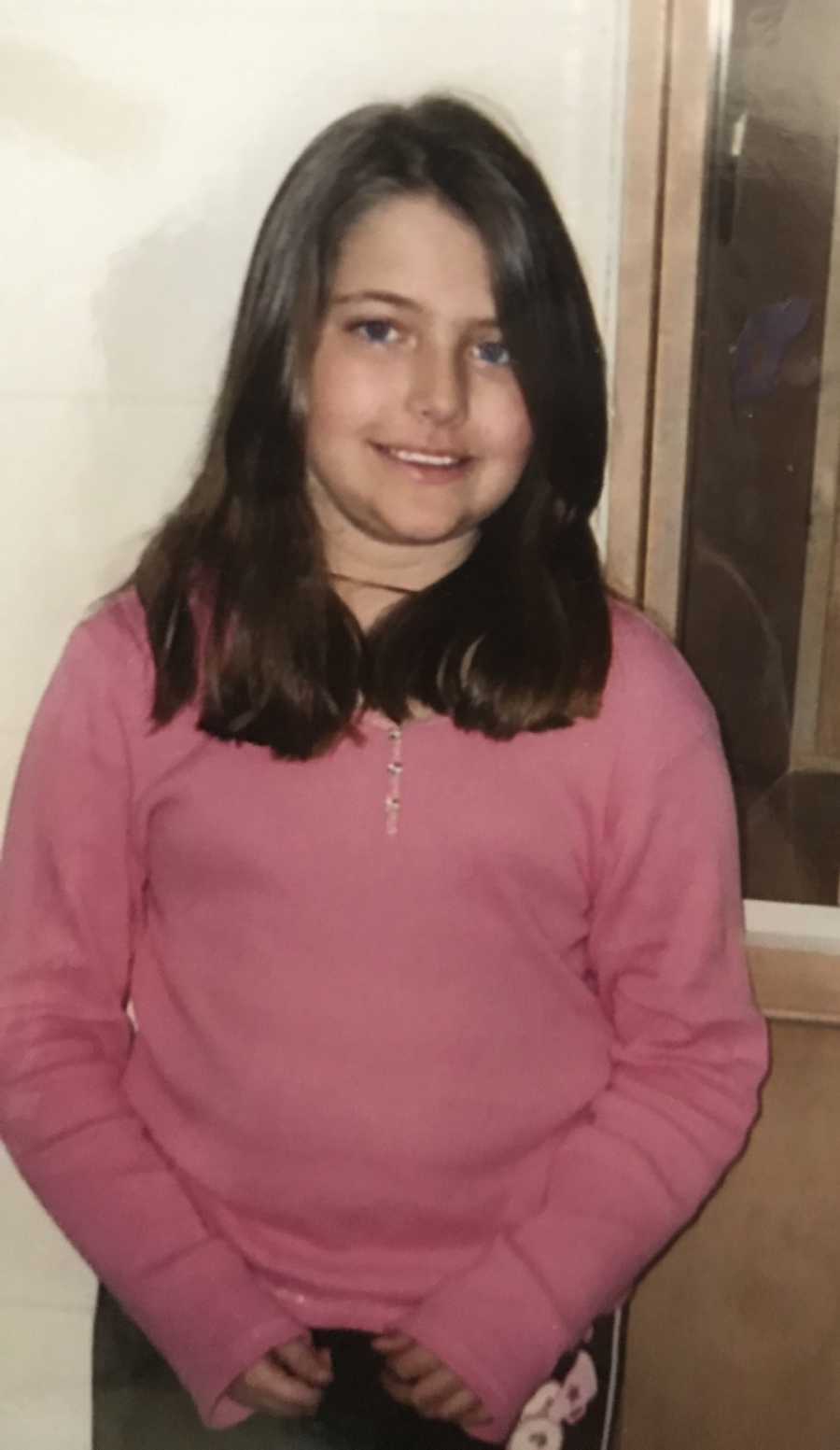
Yet, looking back, I realize that even then, I noticed I was different. My peers moved through the world with an effortless social ease, naturally forming groups and friendships. For me, those dynamics felt foreign. And at every turn, teachers, parents, and adults emphasized the importance of socializing, making friends, and hosting playdates. “Be friendly. Join in. Fit in,” they urged.
From a very young age, I learned to wear a mask. I watched how other girls acted, absorbed what was considered “normal,” and adopted those behaviors as my own. How was everyone else acting? What interests did they have? How could I blend in and stop feeling like there was a secret everyone else shared but I didn’t?
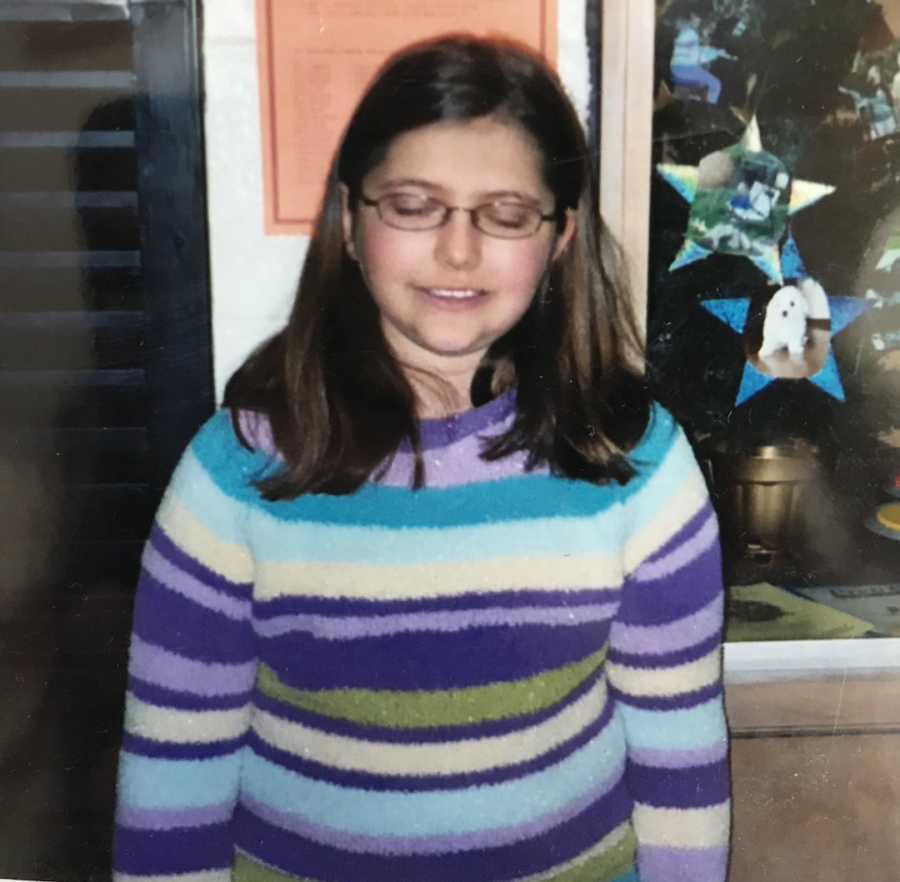
As the years passed, the mask grew heavier. Throughout school and into adolescence, I watched others define themselves and carve out their identities, while I felt left behind. I despised who I was and longed to be anyone else. I craved validation, hoping to feel like I mattered and that my story had a place in the world.
During those years, I struggled deeply. Severe bouts of anorexia, depression, and social anxiety became constant companions. I clung to unhealthy ways of exerting control over my life, desperate to excel at something, to be recognized for anything, but nothing ever felt enough.
College was supposed to be a fresh start—the pinnacle of independence and personal growth—but it brought its own disappointments. The summer before graduation, after being unexpectedly fired from a prestigious internship, I felt hopeless. Amid that despair, a quiet whisper emerged: ministry. Seminary. A path I had never considered began to take root within me. I wasn’t a regular churchgoer, and faith had always been distant, but the thought stirred something inside I couldn’t ignore.
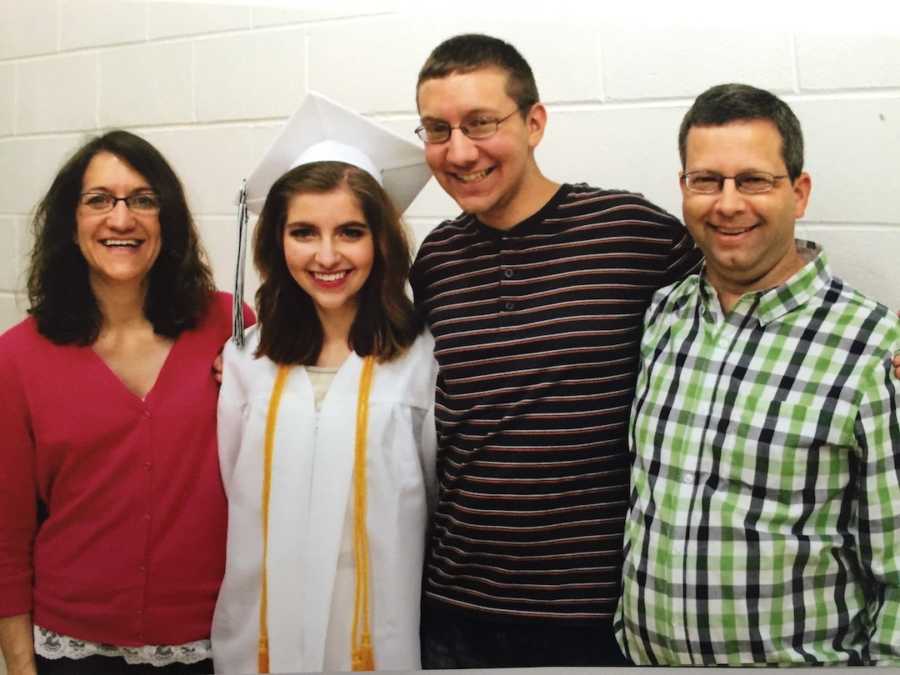
Despite this newfound curiosity, I didn’t rush into ministry. Instead, I chose a year abroad, teaching elementary school in American Samoa. I needed a space to grow, to escape the persistent “what’s next?” questions, and to immerse myself in an entirely different world. That year tested me in every way but also gave me some of the most rewarding experiences of my life.
By the end of that school year, the calling to ministry had not faded. One conversation on Zoom with the dean of The Chaplaincy Institute in Berkeley, California—a two-year interfaith seminary—made it clear: I needed to go. Within weeks, I moved across the country to a city I’d never lived in, ready to pursue this new chapter.
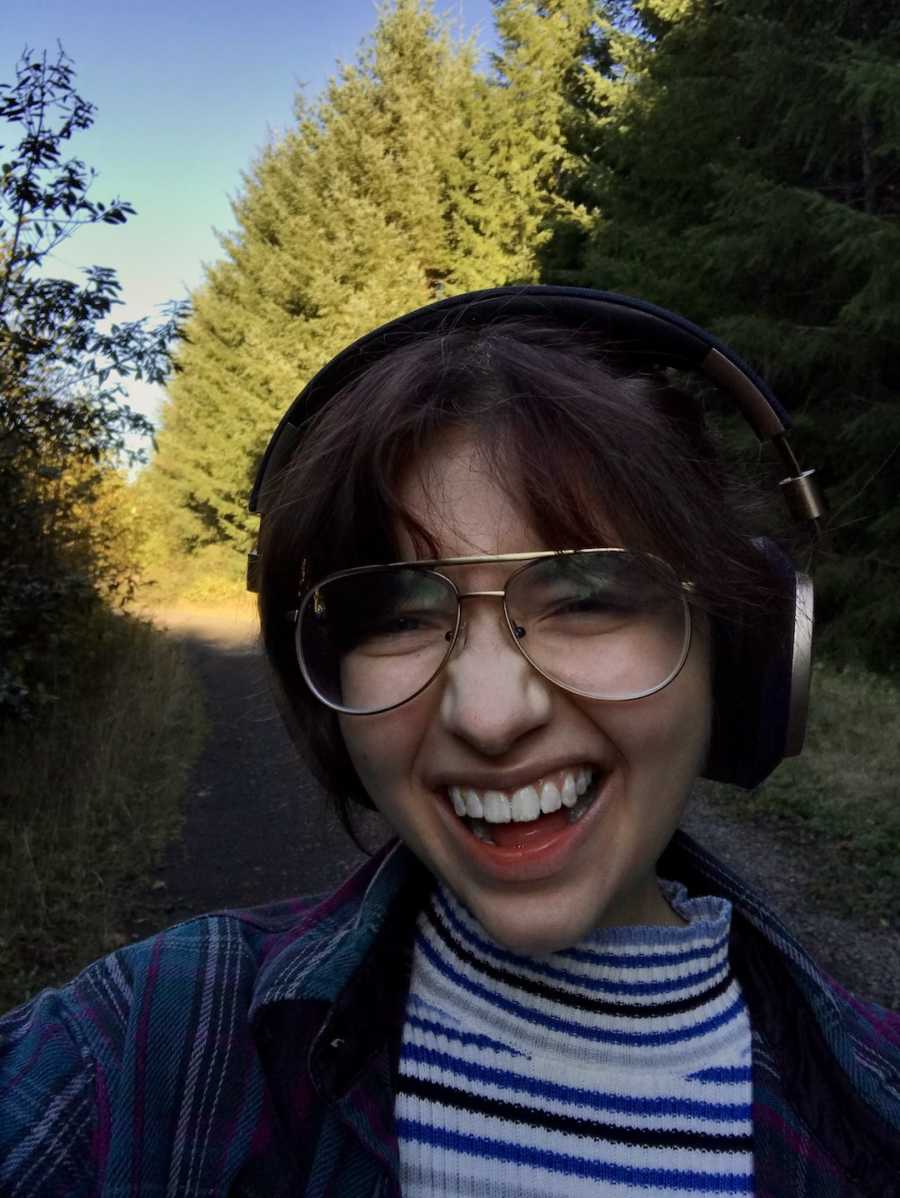
Those Bay Area years became some of the most formative of my life. Shortly before my move, my older brother was diagnosed with autism. While the diagnosis wasn’t shocking—his unique social patterns, intense focus on specific interests, and one-track thinking had always stood out—it was the confirmation we needed.
Once I settled in California, he offered a simple but powerful insight: “It’s very common for those with autism to have siblings who are also autistic. Have you ever looked into autism in women?” Up until that moment, my knowledge of autism was limited to stereotypical images of boys struggling socially. I didn’t see myself reflected in those portrayals, yet his words sparked a curiosity I couldn’t ignore.
I dove into research. I devoured every article, book, and study I could find on autism in women. I discovered that most diagnostic tools were designed for boys. Women often go undiagnosed because they can mask their differences, adapting to meet societal expectations, all while silently burning out from the effort. Suddenly, so many traits I thought were just “quirks” of my personality had names, explanations, and communities that understood them.
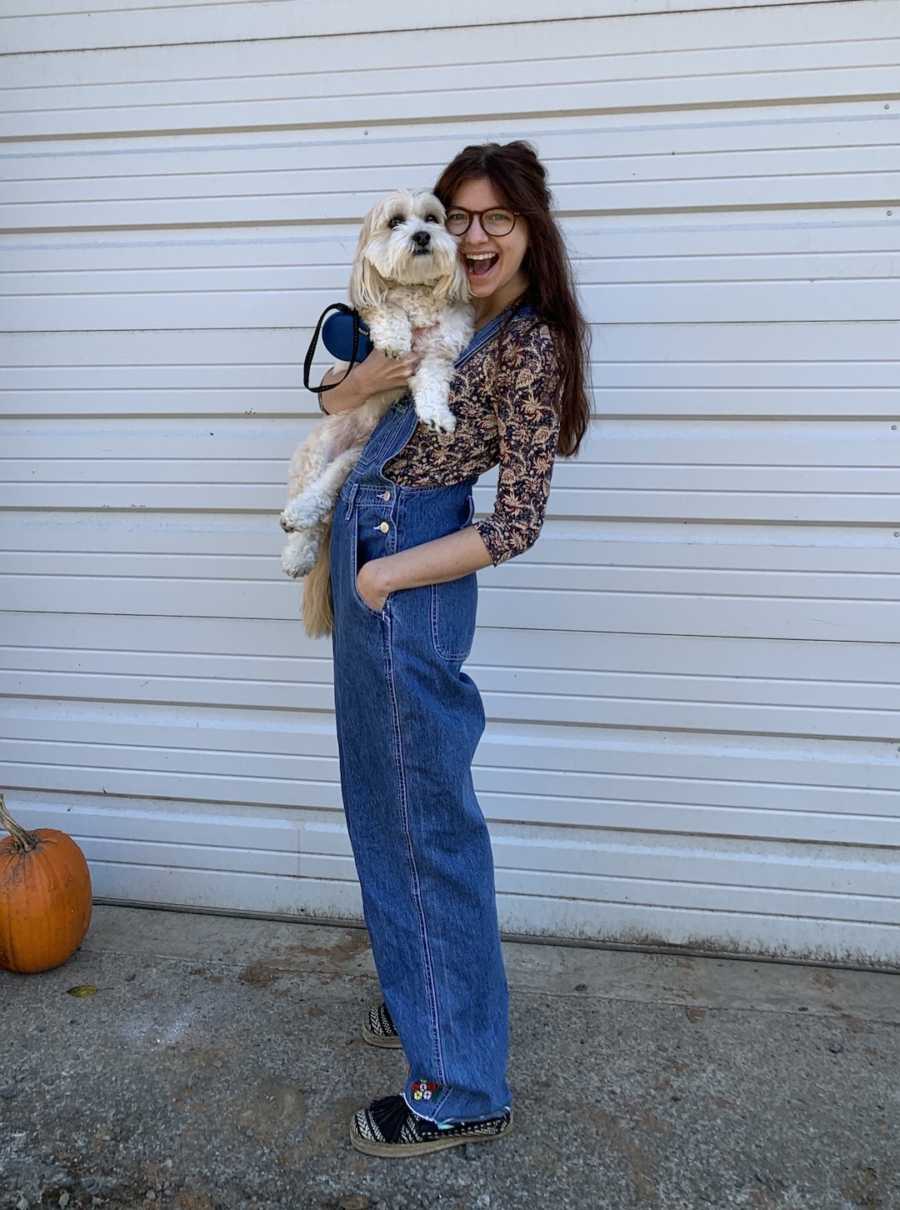
The realization hit me like a lightning bolt: I fit the profile. All the traits identified in autistic women were mine, even though outwardly I appeared to navigate the world well. No one would suspect I was autistic. I had met developmental milestones, seemed socially adept, and maintained relationships. Yet, internally, I had spent decades masking, struggling, and feeling disconnected from myself.
Eventually, I pursued an official diagnosis. After thousands of dollars and countless hours of testing, the results were clear: I had Autism Spectrum Disorder. The wave of emotion I felt was indescribable. Liberation. Relief. Recognition. For the first time, I understood myself. All those years of mental illness, anxiety, and self-loathing weren’t failures—they were signs of exhaustion from masking my true self. Life had been challenging not because I was broken, but because I had been trying to fit into a world that wasn’t built for my brain.
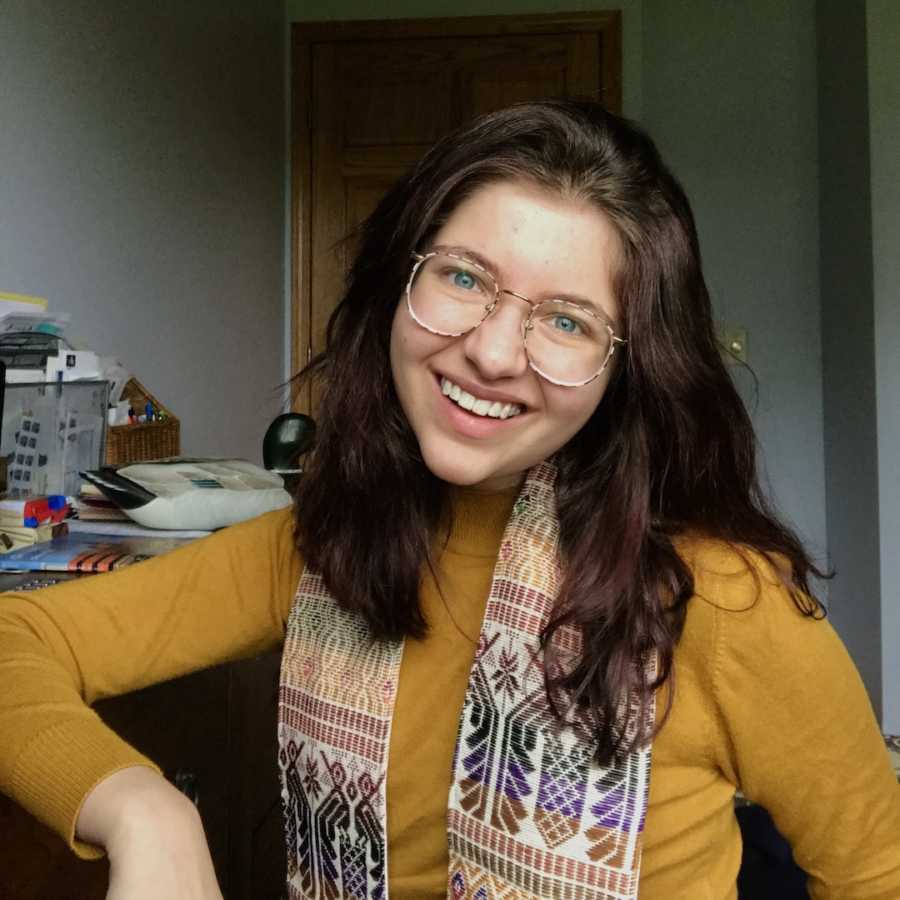
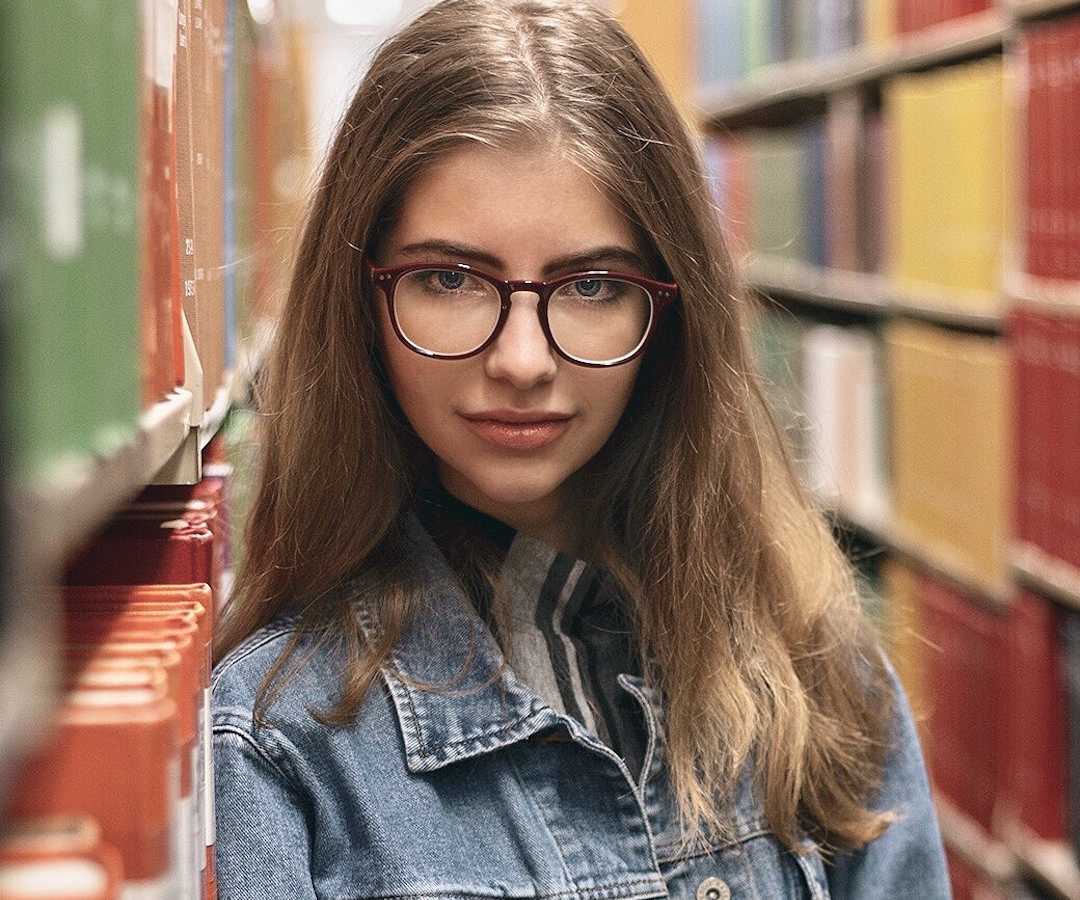
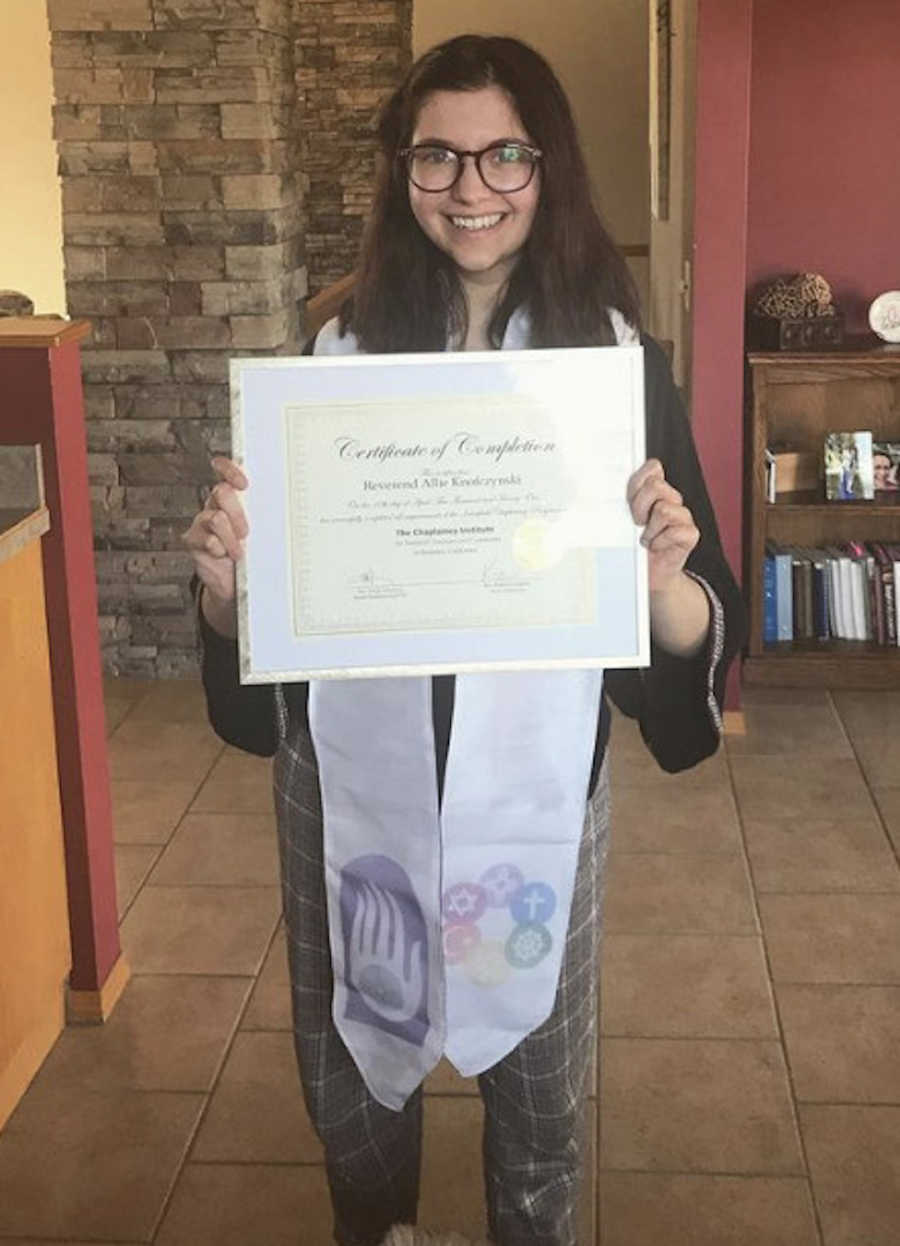
Receiving my diagnosis was life-changing, but not without challenges. Many people doubted me. Employers, doctors, and acquaintances often questioned the validity of my autism, and requests for accommodations were sometimes dismissed outright. Yet, I also recognized the beauty of my unique path. I am an autistic woman who loves serving others, who thrives in ministry, who enjoys discussing abstract ideas and hypothetical scenarios—contradictions that reflect the breadth of human experience. Recently, I was ordained as an interfaith minister, a dream I had never imagined possible for someone like me.
Awareness and acceptance of neurodiverse individuals—autism, ADHD, learning disabilities, Tourette’s, and other conditions—remain crucial. Invisible disabilities are real and profoundly impactful. Through my work on social media as Autistic Allie, I hope to give those who feel lost, unseen, or misunderstood a sense of belonging, wisdom, and hope that I wished I had during years of struggle.
It has been just over a year since my diagnosis, and I’ve also come to understand that I have ADHD. I’m proud of what I’ve accomplished and excited for the future: beginning a Master of Divinity program this fall, continuing to grow my online presence, and cultivating meaningful relationships. Most importantly, I finally know who I am. Each day, I unmask a little more, shedding the layers I wore for so long.
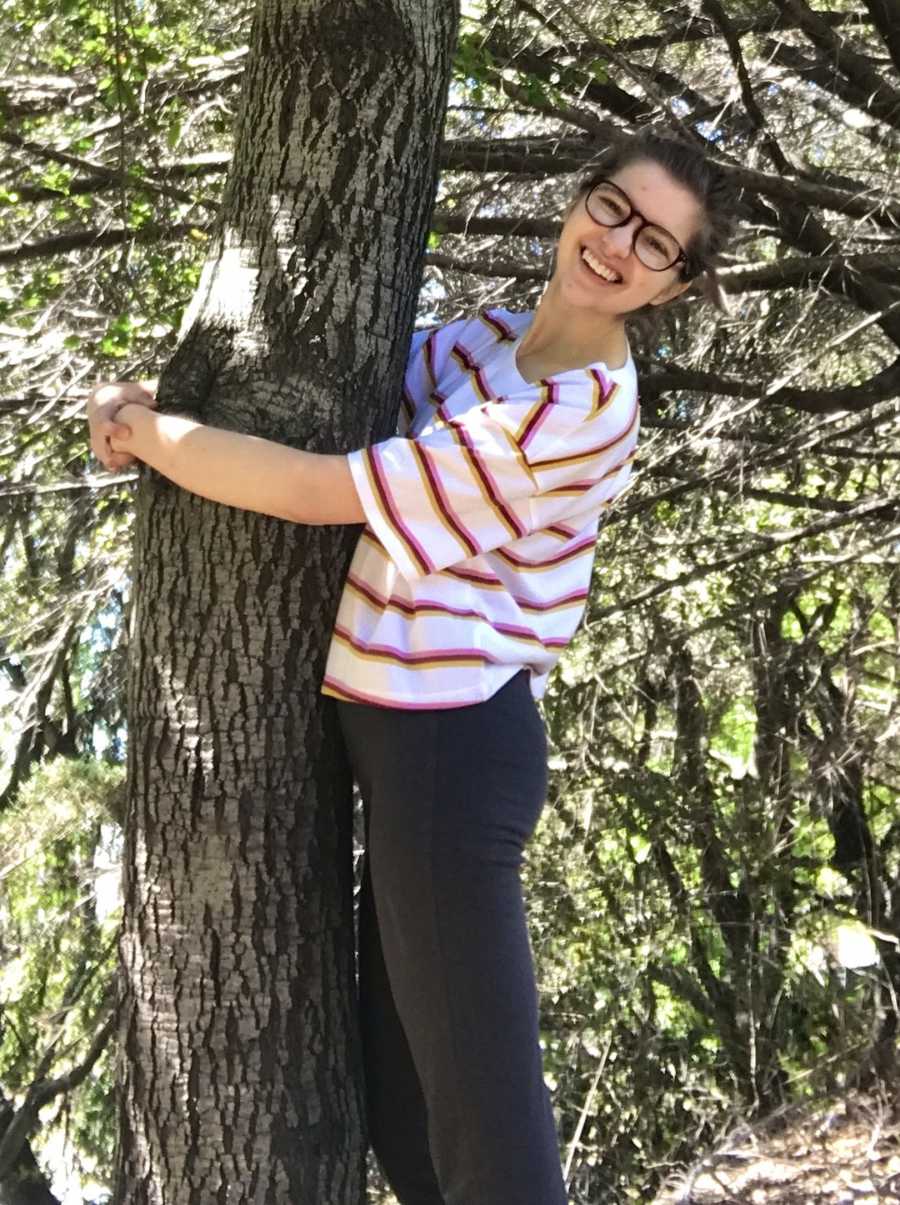
Being autistic and having ADHD comes with ongoing challenges. I still navigate employment struggles, executive functioning difficulties, and financial pressures. Antidepressants remain a part of my life. Living in the gray space between neurotypical and neurodiverse means I often slip through societal cracks—a reality far too many disabled people face. Awareness, equity, and inclusion are essential, because disabled individuals bring perspectives and talents the world desperately needs.
So, to anyone reading this: I see you. I hear you. I understand. You are not alone. You deserve care, accommodations, and the freedom to exist as your authentic self, fully and unapologetically. The world may ask you to mask, but your truth is your power.
My story is still unfolding. And so is yours. I can’t wait to see all that’s ahead for us.