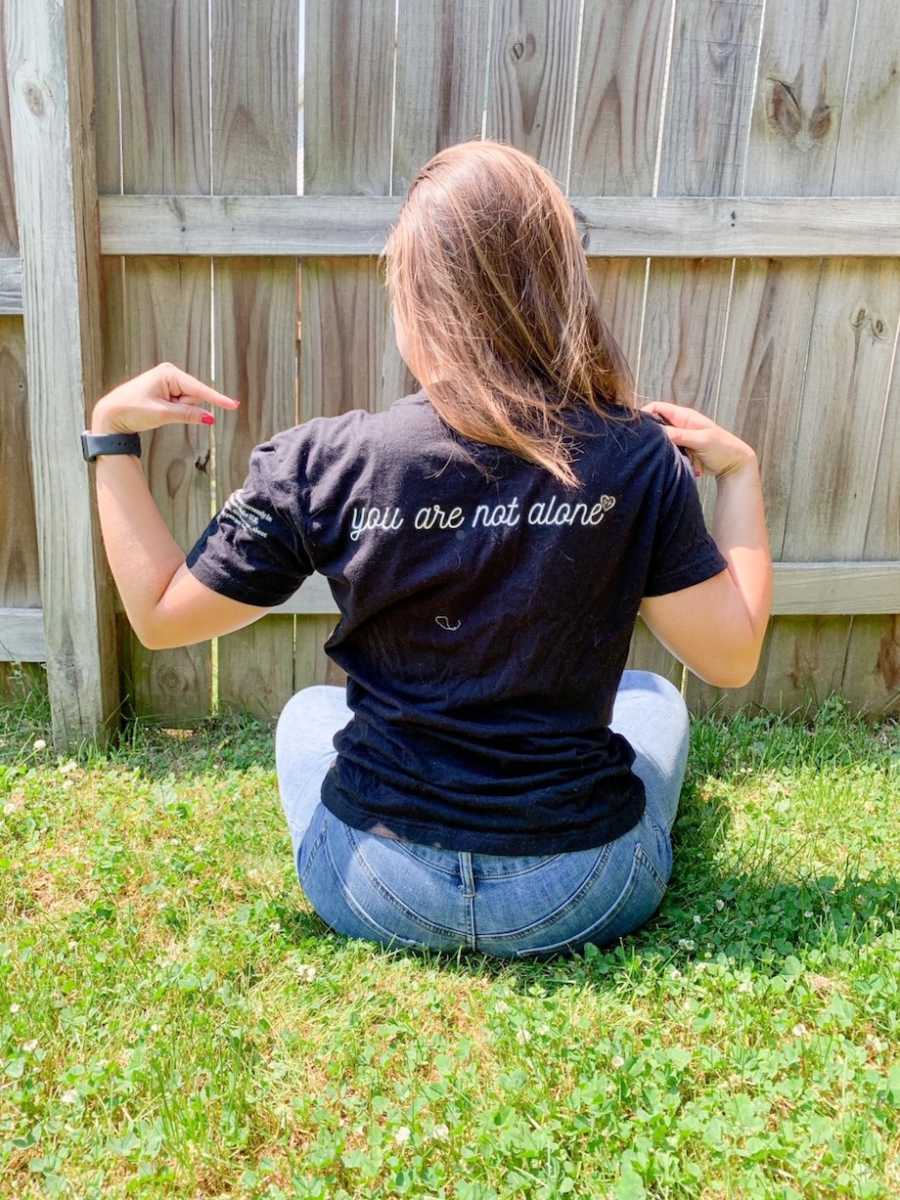
If you were diabetic, you’d take your insulin. If your blood pressure was dangerously high, you’d take the medication your doctor prescribed. Most of us wouldn’t hesitate. So why, when it comes to mental illness, do so many people resist the very treatment that could help them heal?
I live with a mental illness — and it took years for me to be able to say that out loud. For so long, I refused to admit I had anxiety, even to myself, let alone speak openly about it. I got tired of hiding and exhausted from carrying around shame for something completely beyond my control. We don’t get to choose a diagnosis, but we do get to choose how we care for ourselves once we have one.
I’ve always been a worrier, someone who holds on to every little thing and replays it endlessly. I would lie awake all night, dissecting conversations and imagining every worst‑case scenario. I cried easily, overthought constantly, and pushed myself until I felt physically sick — assuming it was “normal” stress. It never crossed my mind that there was something deeper going on, that what I was actually feeling was clinical anxiety.
When I was 21, my best friend of ten years died suddenly in a car accident. After that, intrusive, obsessive thoughts began to take over. That was when my OCD quietly showed up. I thought OCD meant perfectly organized closets or counting rituals. I never knew it could live inside your mind — looping terrifying thoughts until they drown out everything else. I had no idea OCD could look like me.
At 24, I finally received an official diagnosis of anxiety and OCD, even though I now realize I’d been suffering most of my life. Looking back, I see the panic attacks, the nights I couldn’t sleep, the tests I worried about until I vomited or broke out in hives. I told myself I just “wasn’t good with nerves.” When my therapist gently suggested medication, I refused. I wasn’t ready to face what it meant.
Taking medication made the diagnosis feel real. I told myself I should be able to handle it alone, and I was terrified that I couldn’t. On top of that, stigma clung to every thought. I barely told anyone I was even in therapy. Would my employer still trust me? Would my friends tiptoe around me? Would I suddenly become “the girl with anxiety”? I couldn’t stomach the idea of being labeled.
Growing up, no one talked openly about mental health. There were no awareness weeks, no honest conversations about how common mental illness is or how different it can look. Instead, if you had a diagnosis, people assumed you were “crazy” or needed to be locked away. Many of us learn about mental health only when we’re already struggling with it — and the people suffering most often hide it best.
In photos throughout my life, you see smiles, achievements, and the girl who loves being center stage. What you don’t see is the girl shaking behind the wheel in city traffic, or rereading one text message for hours, terrified she said the wrong thing.

Eventually, I felt like I had things mostly under control — until 2020 came crashing in. Overnight, the world shut down and I was suddenly at home with a toddler, isolated, overwhelmed, and scared. I worried constantly about illness, about my husband at work, about money and lost opportunities. My anxiety spiraled, my OCD roared to life, and my body reacted with hives, nausea, and constant tears. Every day felt like walking through fog on the brink of a panic attack.
Then I finally broke. I turned to my husband and said, “We need to get me help.” I restarted therapy virtually, but after several sessions, I could tell it wasn’t enough. Saying the words “I think medication may be what I need” terrified me — and somehow also felt like letting go of a massive weight. I just wanted the chance to feel like myself again.

Medication wasn’t magical. I wanted instant relief and a carefree life. Instead, after a few weeks of symptom relief, another side effect crept in: weight gain. I blamed holiday treats at first, but even after exercising harder than ever and eating well, the pounds kept adding up — nearly 15 in less than two months. I felt trapped between feeling mentally stable but uncomfortable in my own skin, or anxious but thin. For the first time, depression began creeping in with it.
Part of me wanted to throw the medication away and scream, “See? I knew this was a mistake!” But deep down, I also knew the meds were helping my anxiety. With my therapist’s support, we tried different options — and after a couple of changes, we finally found the right fit. Slowly, the extra weight started coming off, but the heavier burden — the relentless fear and panic — finally lifted too.
Medication hasn’t “cured” me. I still have anxious days. I still get intrusive thoughts. Panic still visits sometimes. But I don’t wake up suffocating. I don’t feel constantly on edge. Medication didn’t drag me ashore — it gave me a life raft. And I needed it.
It doesn’t make me foggy or robotic. I am still me — just steadier, healthier, and able to live fully. I spent years suffering silently because I was worried what others might think. I let stigma dictate my health.

We have to stop assuming that needing medication makes someone weak. Talking about mental health doesn’t make you broken — it makes you brave. Getting help makes you strong. It makes you healthy. It helps you become the version of yourself the world deserves to see.
When I finally shared my journey on Instagram, messages flooded in: “I never would have guessed. You don’t seem like someone who has anxiety.” At first, it stung. But what it really meant was that I’d become skilled at hiding it — like so many others living with high‑functioning anxiety every single day.
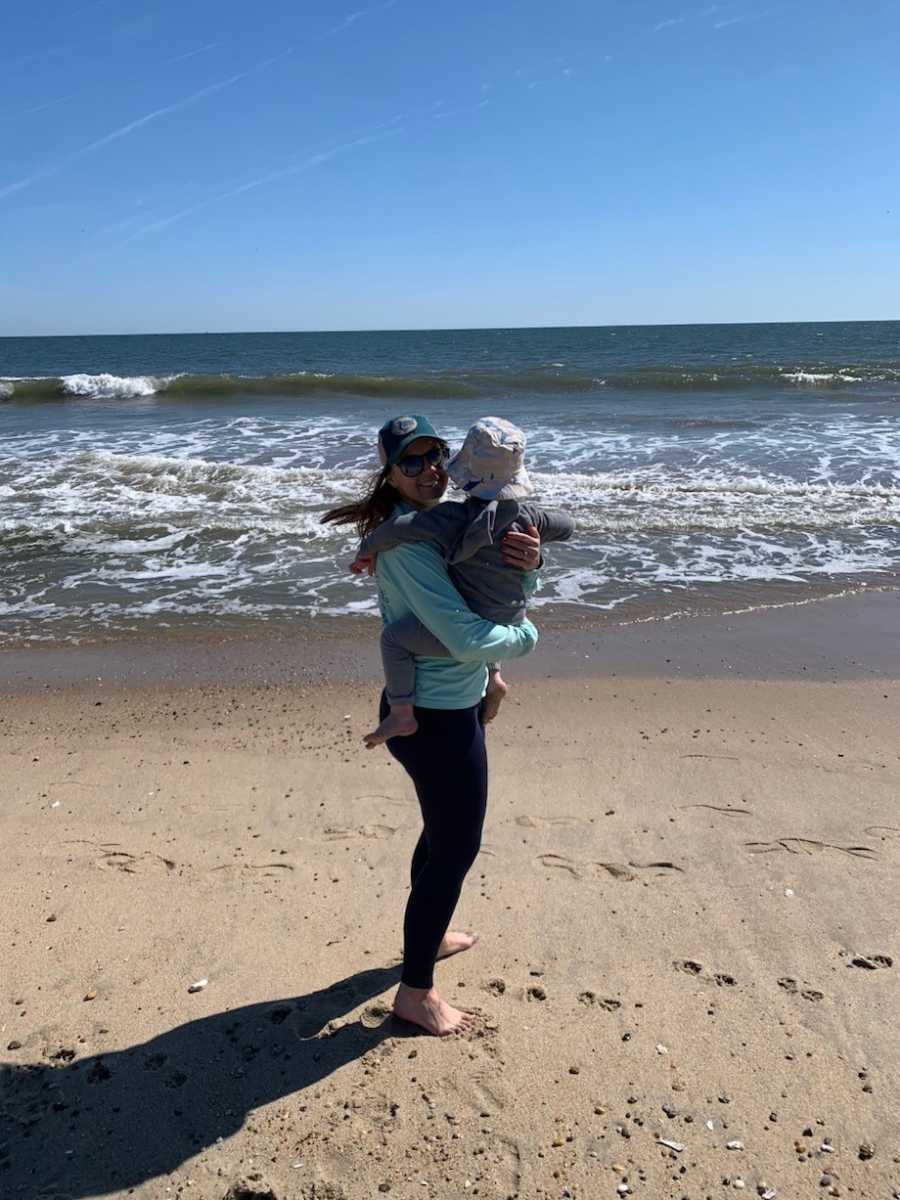
And something beautiful happened. People began opening up to me too. Old friends, acquaintances, and even younger people reached out saying, “Thank you. I think I need help.” Suddenly, none of us felt so alone.
I’m not saying medication is the answer for everyone. I’m saying mental health should no longer be whispered about in shame. When we talk openly, we break stigma, and we make it safer for others to ask for help.

Start the conversation. Check in on the people you love. You may never know how much they need it — and together, we truly can save lives and change the way the world sees mental illness.