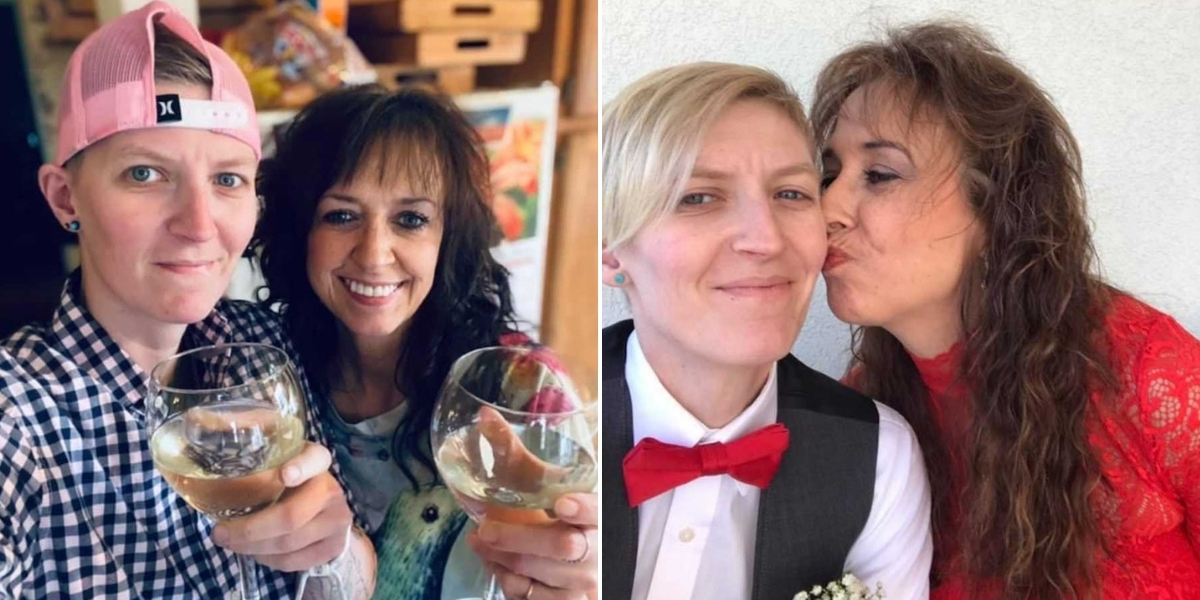
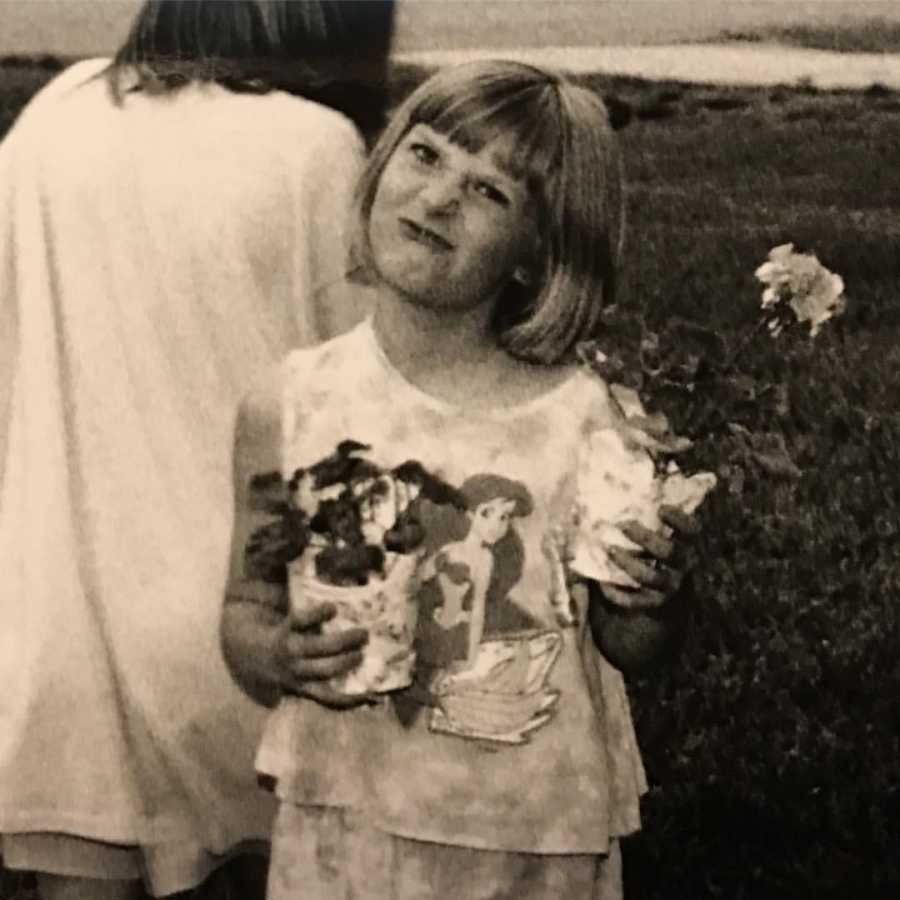
Growing up in a small southern town, Yadkinville, NC, I was raised in a deeply Christian household that blended Pentecostal, Evangelical, and Southern Baptist traditions. Church was a constant presence in my life. I was dressed in frilly dresses, patent leather shoes, and pushed into the mold of a “proper girl.” Yet, I was a tomboy at heart, eagerly playing any sport my parents allowed me to, feeling restless in the confines of traditional femininity. From an early age, I knew I was different—I just didn’t know why.
While my childhood may sound familiar to others, I never felt like a girl. I hated every second of the dresses and the societal expectations tied to my gender. Back then, discussions about the LGBTQIA+ community were whispered and shrouded in fear. I didn’t know any openly queer people. I simply knew I was different. I couldn’t understand why I admired Lita Ford the way I did or why dating boys felt obligatory rather than genuine. All I wanted was love and acceptance, to be like everyone else.
My first real revelation came unexpectedly. I was about 20, watching an episode of Top Chef, when a woman shaved her head and openly identified as a lesbian. Suddenly, everything clicked. The next day, I cut my shoulder-length hair short, embracing a small but powerful symbol of change. Two months later, I came out—not on my own terms, but because a message on my MySpace page was accidentally discovered by a family member. That conversation was one I wasn’t prepared for, and yet it became a defining moment in my life.
Coming out at 20, shortly after graduating college with my AA, was terrifying. I was deeply involved in my church—I played drums in the band, taught children in AWANA, led youth camps, and even guided adult women’s studies. I can still see myself standing in the church parking lot, tears streaming, telling someone I trusted, “Miss Savannah, I’m a lesbian. I’m gay. I don’t think you’ll let me come back to church.” And I was right. I was cornered, hurt, and told by someone I loved the most that I had never really been a Christian. That kind of pain—the so-called “church hurt”—is, without exaggeration, the worst kind of hurt. Today, I identify as Agnostic, a reflection of the deep wounds and lessons I endured.
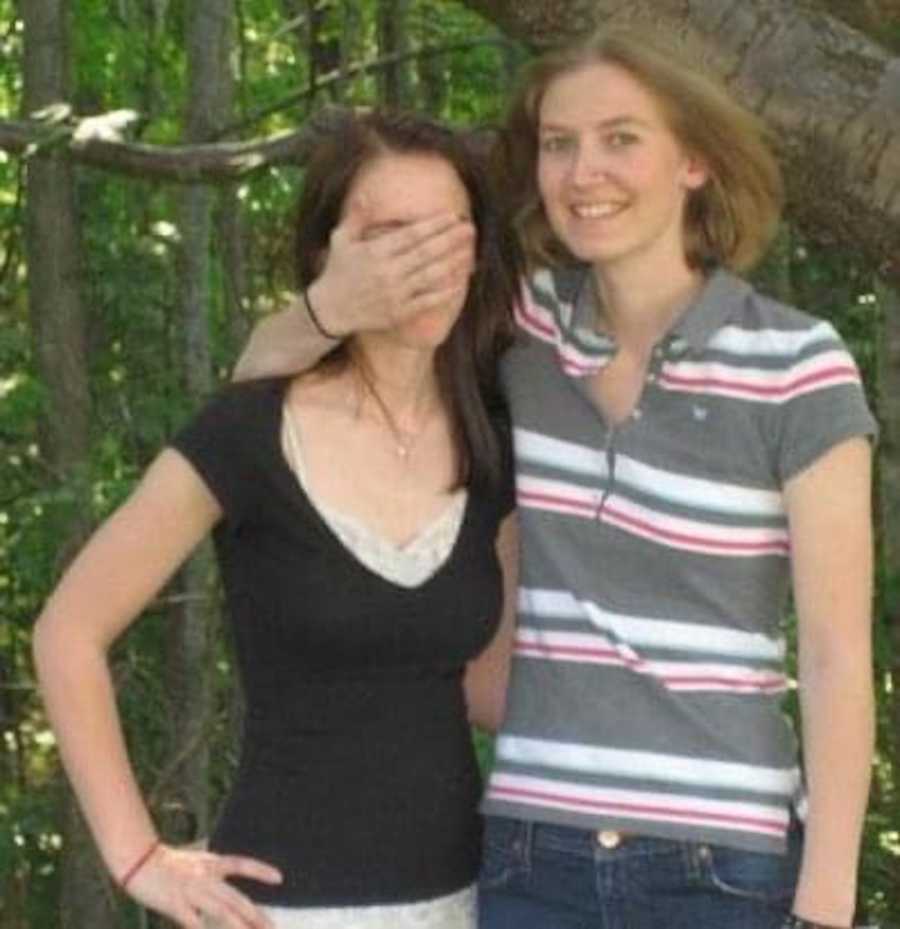
Friends reacted similarly. My best friend, also from church, played me P!nk’s “Who Knew,” a song he used to express disappointment and hurt. Even now, 14 years later, I can’t hear it without recalling that moment. In the span of 24 hours, I lost almost everything: my church family, friends, and much of my extended family—though my sister and dad stayed by my side. My mom eventually came around, and we now have the most honest, open, and loving relationship we’ve ever shared. But at that moment, I felt utterly alone. I found solace at the bottom of bottles, a paradoxical freedom amidst overwhelming pain. That first Christmas Eve post-coming out was a nightmare; a self-proclaimed Christian family member told me I was going to hell. My first year out was, in every sense, hell.
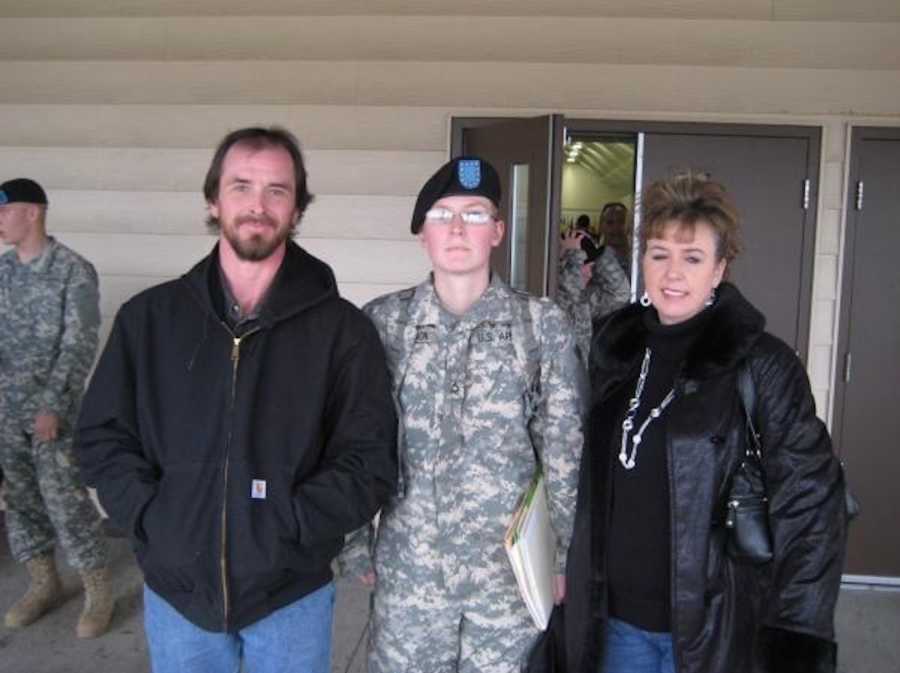
Life didn’t get easier overnight. I moved from North Carolina to Virginia, then joined the Army and relocated to Missouri to escape a toxic relationship. Within the LGBTQIA+ community, domestic abuse exists quietly, and I experienced that firsthand. On entering the Army, I hid my identity under “Don’t Ask, Don’t Tell,” which was excruciatingly painful. Just a month before deployment, I suffered a severe injury, shattering long-term plans I had dared to make. Returning home felt like defeat; I struggled again, seeking answers at the bottom of bottles instead of within myself. Those early twenties were spent navigating heartbreak, loss, and the harsh realities of coming out in a world that wasn’t ready for me.
Despite the pain, I survived—and I grew. Therapy, tears, and hard-earned self-love gradually built me into the person I am today. I learned that the cost of becoming myself wasn’t mine alone—it was borne by relationships I outgrew and people who walked away. Those losses taught me lessons I cherish now: I don’t need anyone to merely tolerate me, and the version of myself I’ve fought to become is more than enough. I am strong-willed, stubborn, fiercely loving, and unapologetically me.
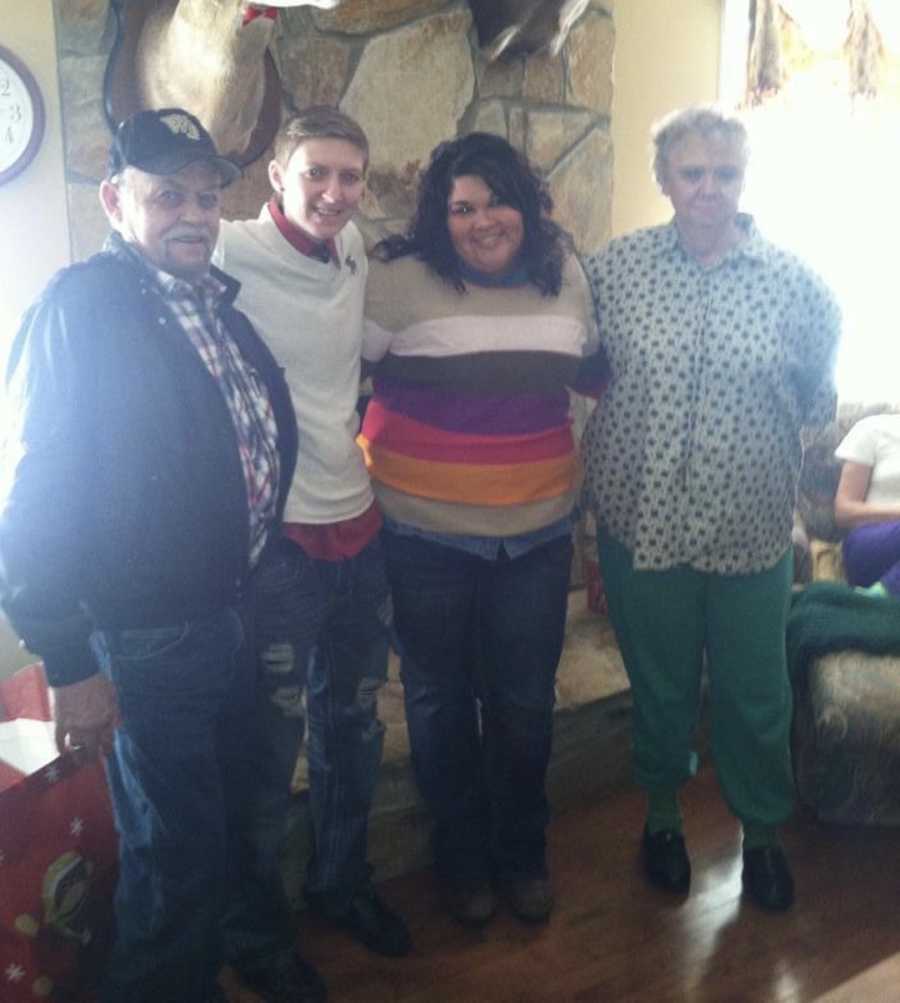
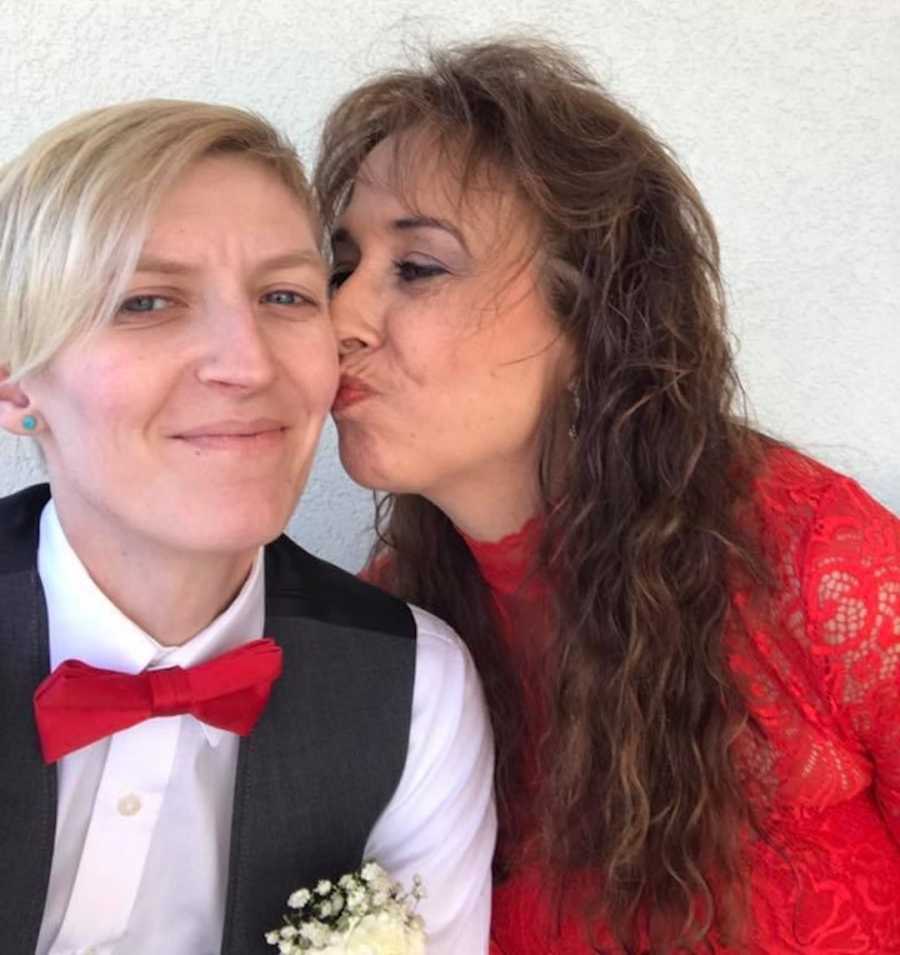
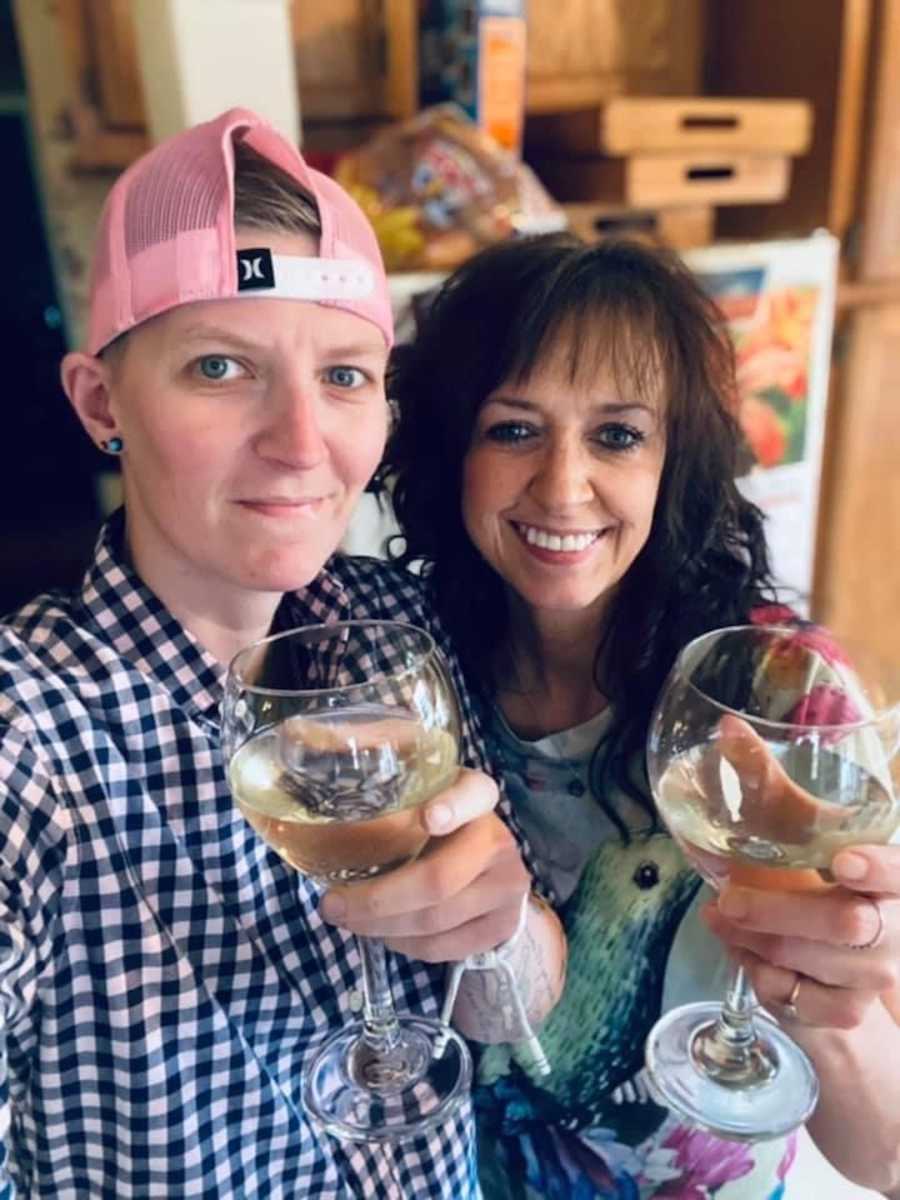
Today, at nearly 34, I am a non-binary queer person living my best life. I run a Bookstagram account and have built a chosen family around shared love for literature and community, particularly LGBTQIA+ representation. Books have always been my safe place, and now that sanctuary has expanded into friendships and connections that feel like home. Home, I’ve learned, isn’t a building—it’s where you feel safe, seen, and loved.
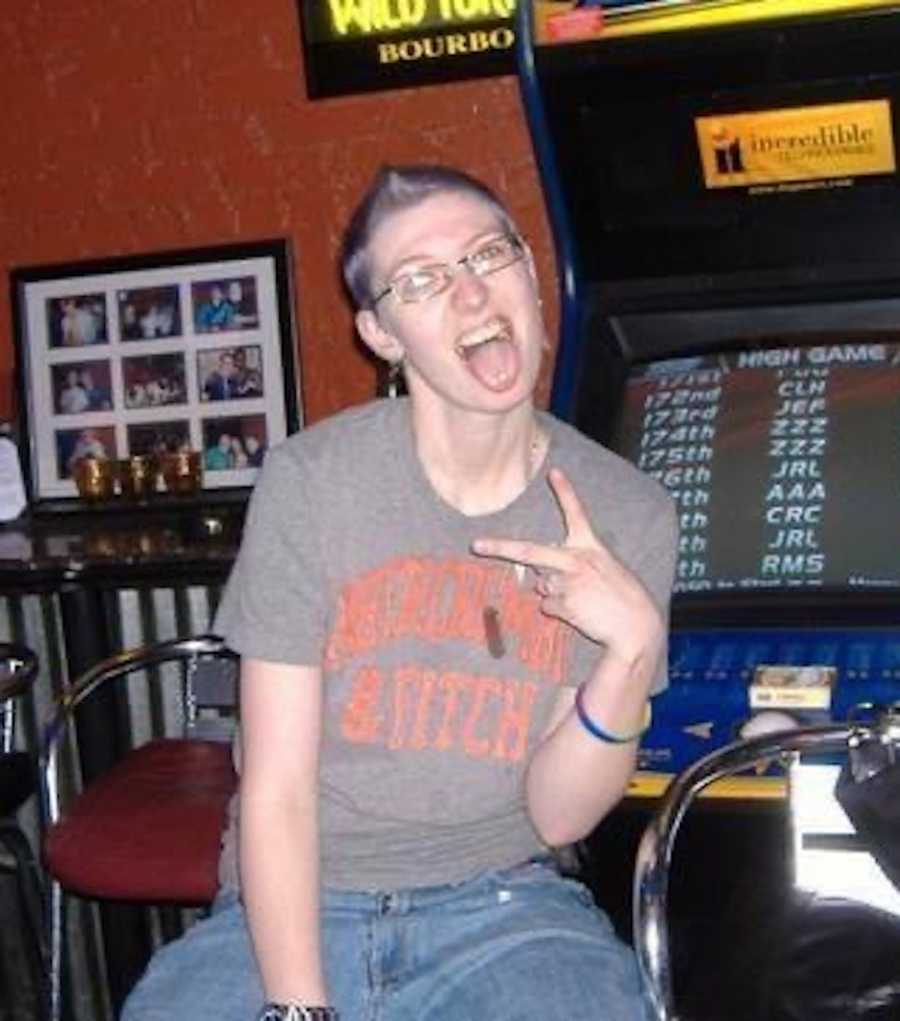
I won’t say “it gets better,” because pain doesn’t magically vanish. Losing people you love leaves scars. But you—you—get better. You awaken every day to a stronger, more complete version of yourself, and that peace is priceless. When you’re ready to come out, you will know. And even if you never do, you belong. You are seen, celebrated, and never truly alone. One day, you’ll be the person offering guidance, love, and reassurance to someone else who is struggling. And I promise: when that day comes, you will understand that the love around you—sometimes quiet, sometimes unexpected—is what carries you forward.
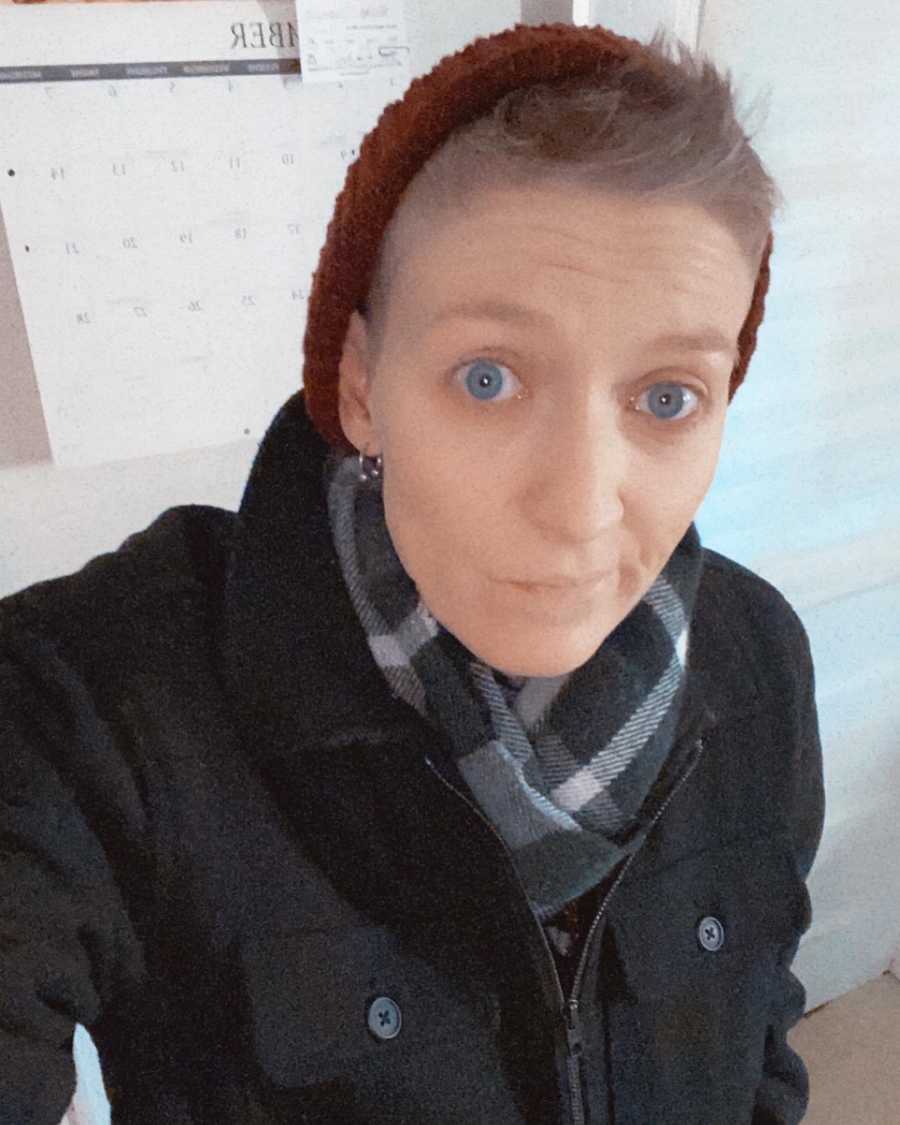
Coming out was the hardest, most painful, and yet most transformative thing I have ever done. And I wouldn’t trade it for anything.