Trigger Warning: This story contains mention of miscarriage and pregnancy loss that may be triggering to some.
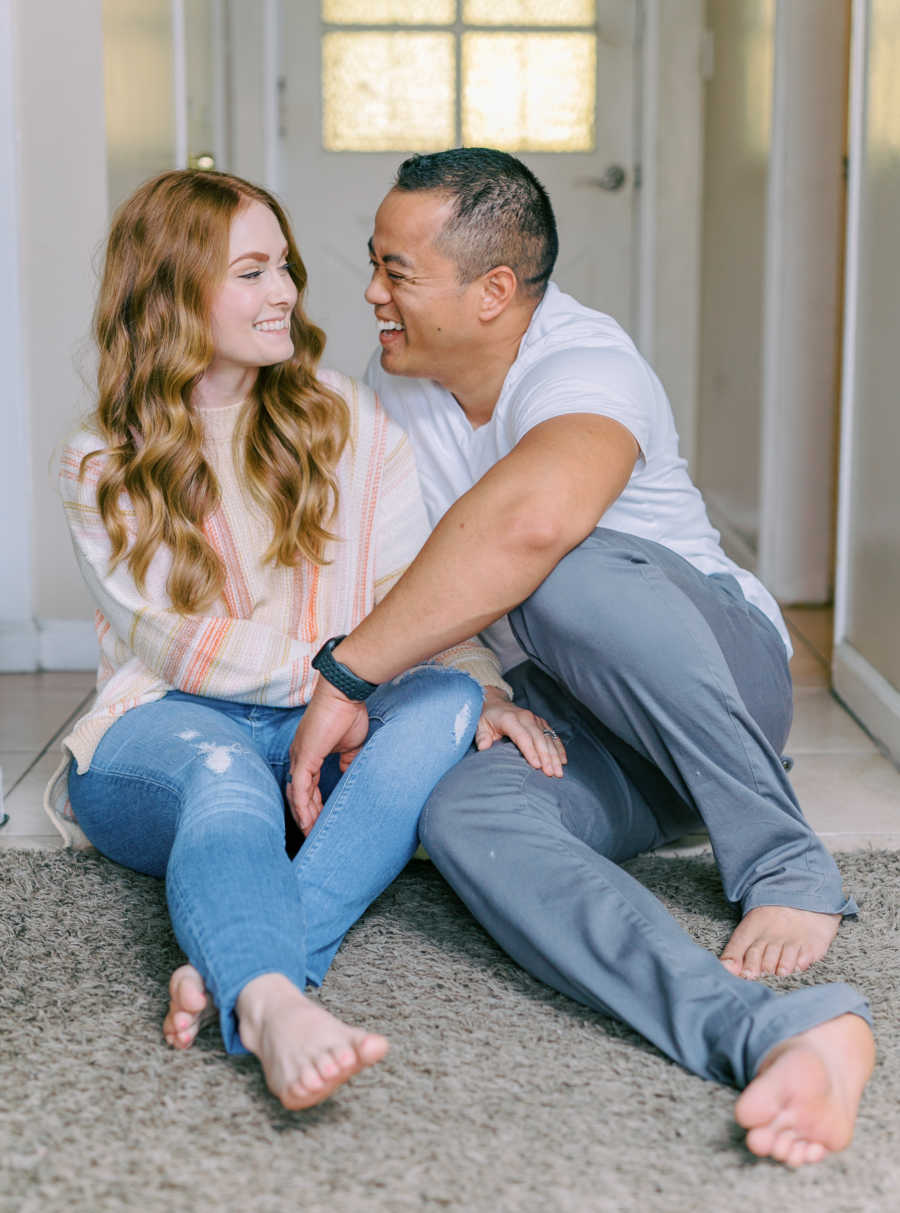
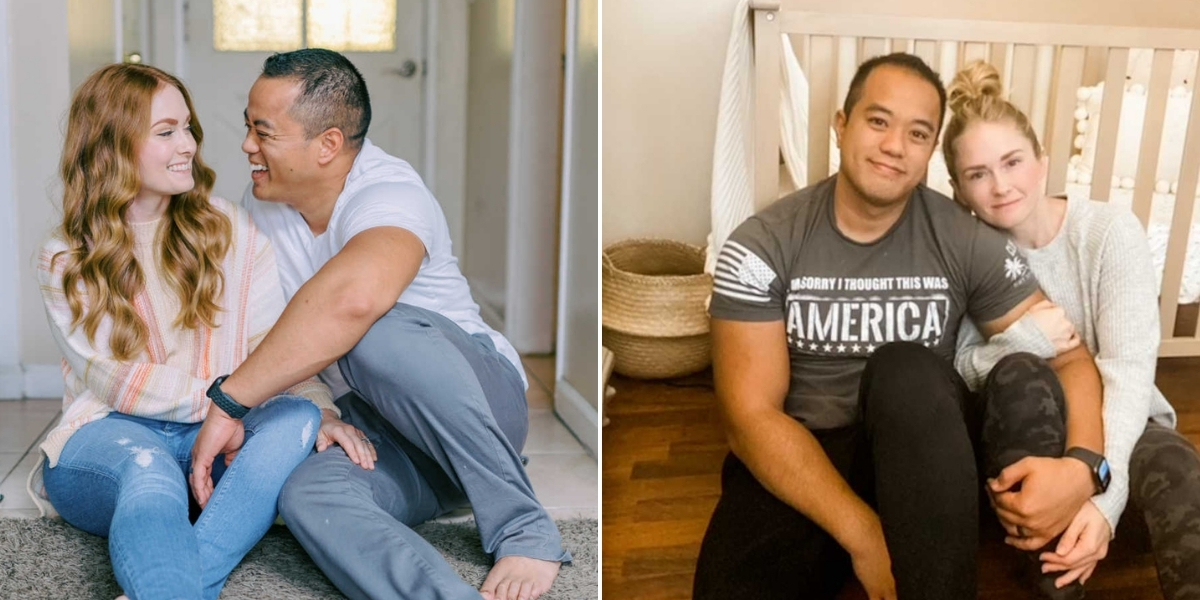
“‘First comes love, then comes marriage, then comes a baby in a baby carriage…’ Growing up, I remember hearing this rhyme on the school playground. Whenever someone had a crush, this song would pop up, almost like a soundtrack to childhood infatuations. It was lighthearted and simple then, but somehow, the words have stayed with me into adulthood. I found love, I got married, but when it came to the ‘having a baby’ part, life turned out to be far more complicated than any childhood rhyme could prepare me for.
At first, the questions were sweet and exciting: Who would our children resemble? What names would we choose? Would it be a boy or a girl? I asked myself these same questions over and over, imagining a future full of tiny hands and laughter. But gradually, those hopeful questions were replaced with heavier ones: Will we ever have children? Why do we keep miscarrying? How will we afford fertility treatments? Reality hit—and it hit hard.
Our first pregnancy came eight months after we started trying. The joy of seeing those two lines on the test was unforgettable—but so was the heartbreak that followed. That pregnancy ended in our first miscarriage. No one can truly prepare you for the first time you see blood after seeing a positive test. Excitement and hope give way to sorrow and fear. I remember walking into the doctor’s office, knowing deep down what was coming. The words, ‘I’m sorry, I don’t see anything,’ will stay with me forever. I was just four to five weeks along.
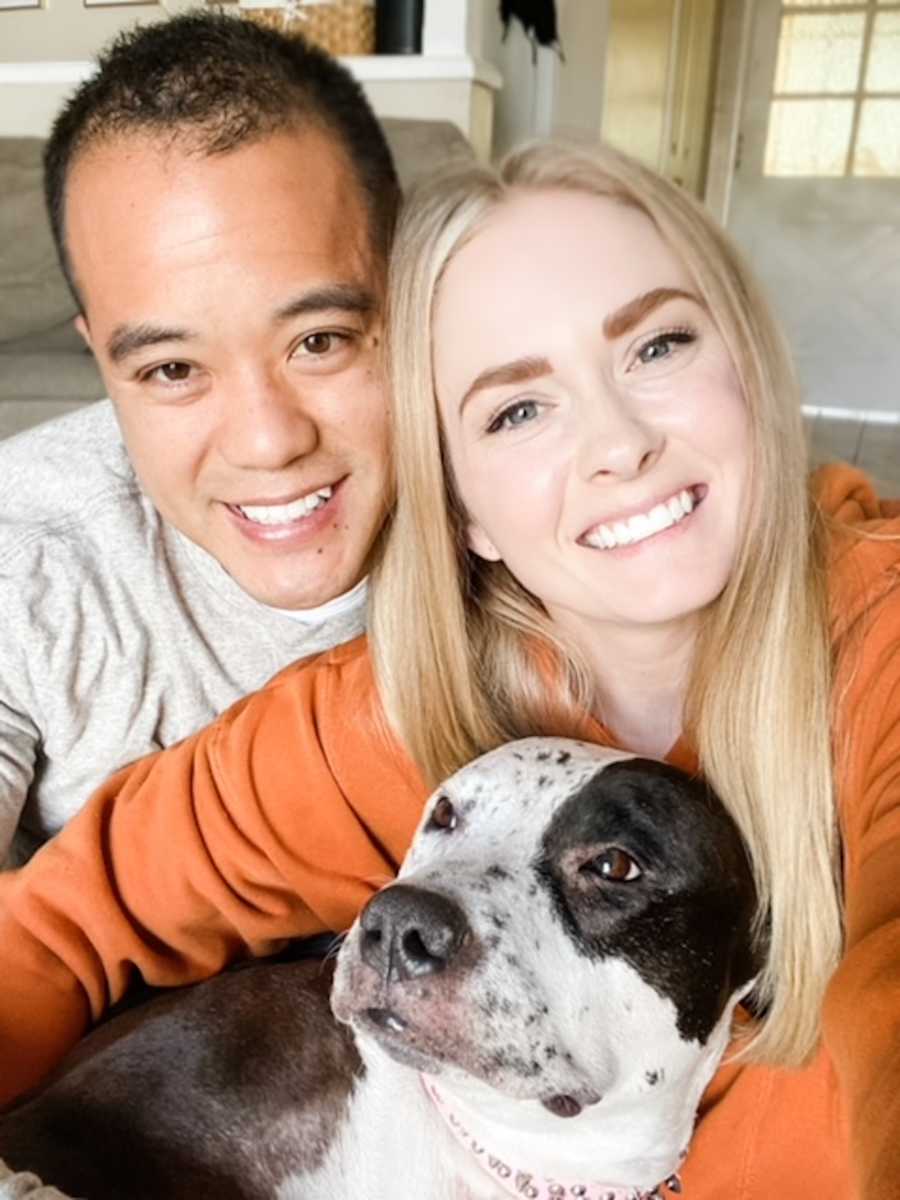
We were told that first-time miscarriages are common, so we tried again. In some ways, jumping back in so quickly was a way to bury the grief, to keep moving forward. I wasn’t ignoring my pain consciously; it was simply a way to cope at the time. But grief has a way of lingering. It doesn’t vanish—it becomes a quiet part of your heart that, over time, you learn to carry more gently.
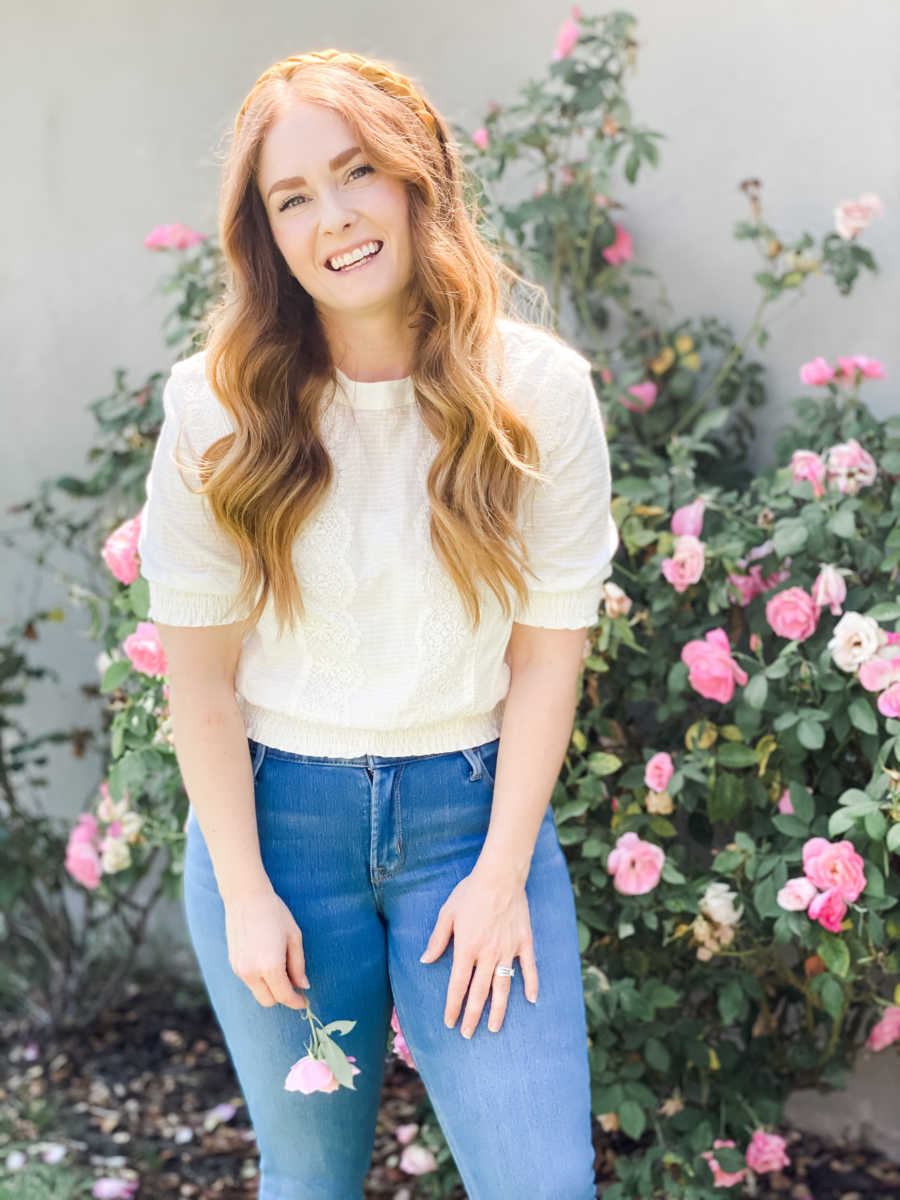
So there I was, back in the OB’s office for more tests, convincing myself that the next pregnancy would be the one. But it wasn’t. Miscarriages continued over the years, each loss carving a deeper space in my soul. One of our most painful moments happened when I was nine weeks along. I went into labor on our bathroom floor, Lance by my side. I was vomiting, having contractions, and he held my hand as tightly as he could, whispering, ‘It’s going to be okay,’ though we both knew it wasn’t. With tears streaming down our faces, we said goodbye to another child, alone together in that small space.
People often ask how we cope with infertility and loss. There isn’t a simple answer. Some days, sadness still hits like a wave, and doubt creeps in: Will this ever happen for us? Why keep trying? What we’ve learned is that healing can begin through faith. Even in moments of anger, even when I’m screaming at God for making us endure loss after loss, there is a sense that we are not alone. I feel His presence, grieving alongside us and quietly helping us hold on.
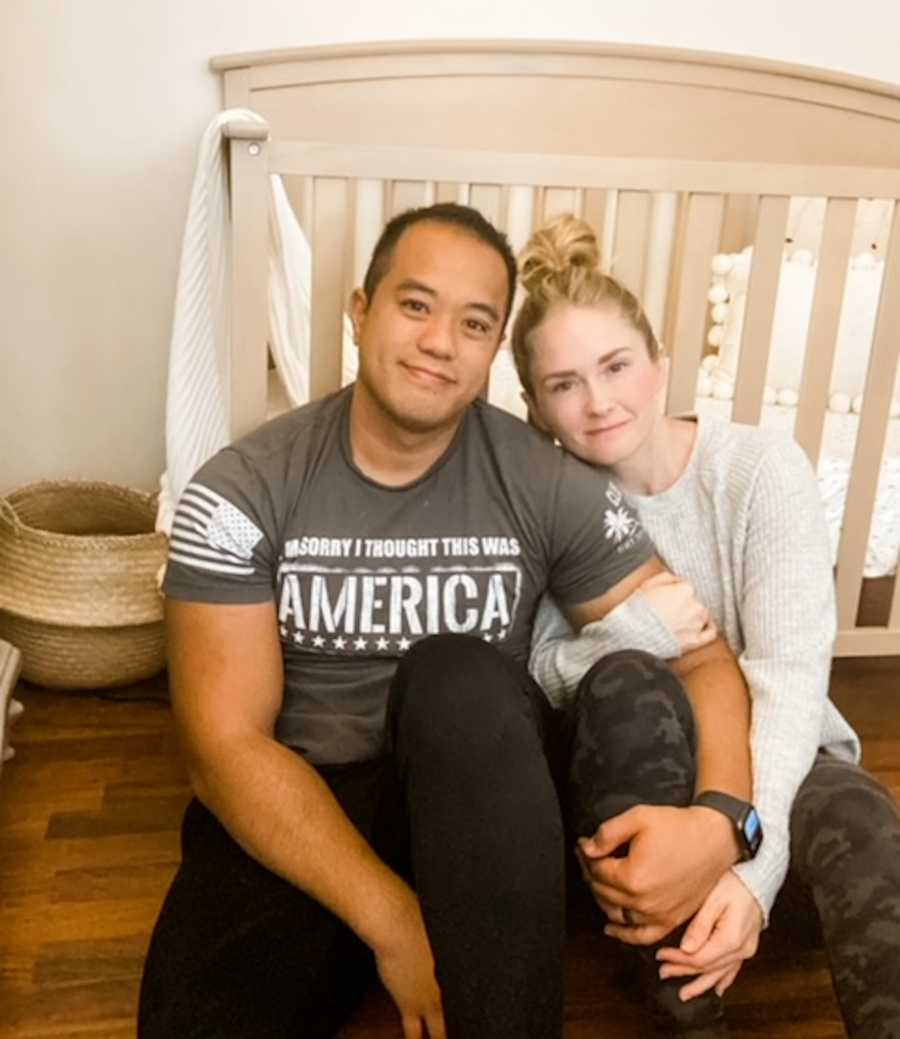
Over eleven years, we have experienced eight losses, including an ectopic pregnancy where I couldn’t carry to full term. I remember each day as if it were etched into my soul—the emptiness, the sorrow, the heartache that comes with saying goodbye, whether through surgery or natural miscarriage. There is a raw emptiness that feels like part of your soul has been ripped away.
Yet, in that emptiness, I have also felt the presence of our babies spiritually. They comfort me, and I believe they are safe, watched over, and cheering us on from above. Though they are not with us physically, they have shaped our lives in ways we can feel every day.
Those heartbreaks, as painful as they were, eventually led us to pursue adoption—a decision that has brought us hope and peace. Before that, after an egg retrieval and overcoming some health challenges, we were finally able to transfer one of our male embryos in 2019. I was pregnant. We imagined our life with a son. Lance, a devoted hockey fan, couldn’t wait to share the sport he loves with him. Our hearts were full of hope.
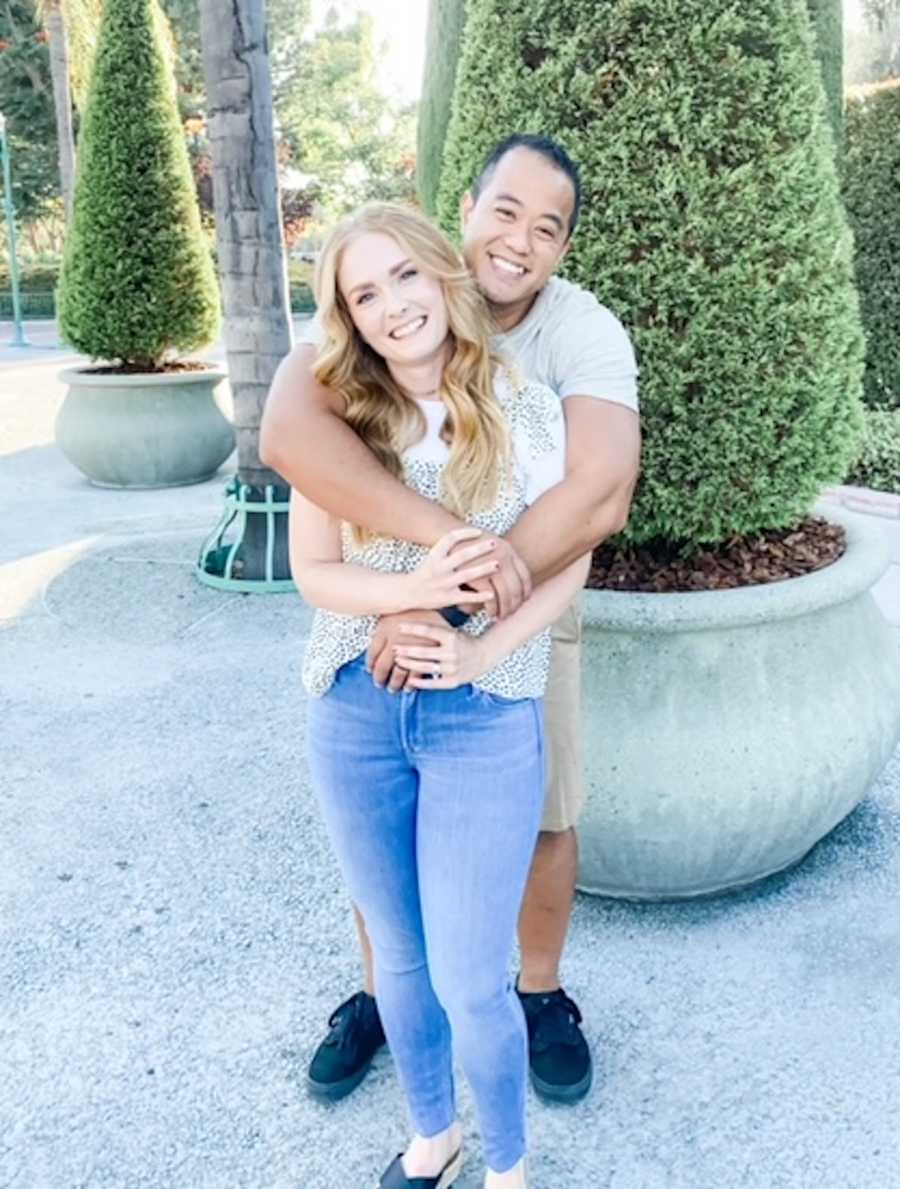
But hope can be fragile. While at a friend’s baby shower, I began to bleed heavily. Sitting there, I felt dread—knowing I might hear the words, ‘I’m sorry.’ The next morning, at the doctor’s office, I braced for heartbreak. Instead, I heard, ‘Oh my goodness, it’s twins!’ Relief, joy, and gratitude washed over us, though tempered by the discovery of a blood clot that was causing the bleeding. Those following weeks were a mixture of hope and fear. Sadly, one twin was lost, and shortly after, the other followed. My body had failed us again.
The journey took a toll on my body, our mental health, and our finances. It was a turning point. After a D&C procedure, I awoke, heartbroken, sobbing as I felt that familiar emptiness. Lance, tears in his eyes, quietly said, ‘I can’t do this anymore.’ In that moment, we realized it was time to release one dream and open our hearts to another. Adoption became our new path, a decision that felt full of hope and peace in a way we hadn’t felt for years.
The adoption journey has been full of its own ups and downs—scammers, disappointments, and delays—but it has also reignited our hope. We now feel at peace, certain that this is the right path for our family. We look forward to sharing our love, our home, and our lives with a child who needs us, just as we have longed for them.
Our story is one of deep grief, yes, but also of beauty, resilience, and hope. Hope was present when we began IVF, when we saw those two lines on a pregnancy test, and in every memory of our angel babies. Hope is knowing that one day we will hold a child in our arms, and that our babies are cheering us on until that day comes. Through all the sorrow, love and hope endure—and they carry us forward, step by step, toward the family we dream of.”