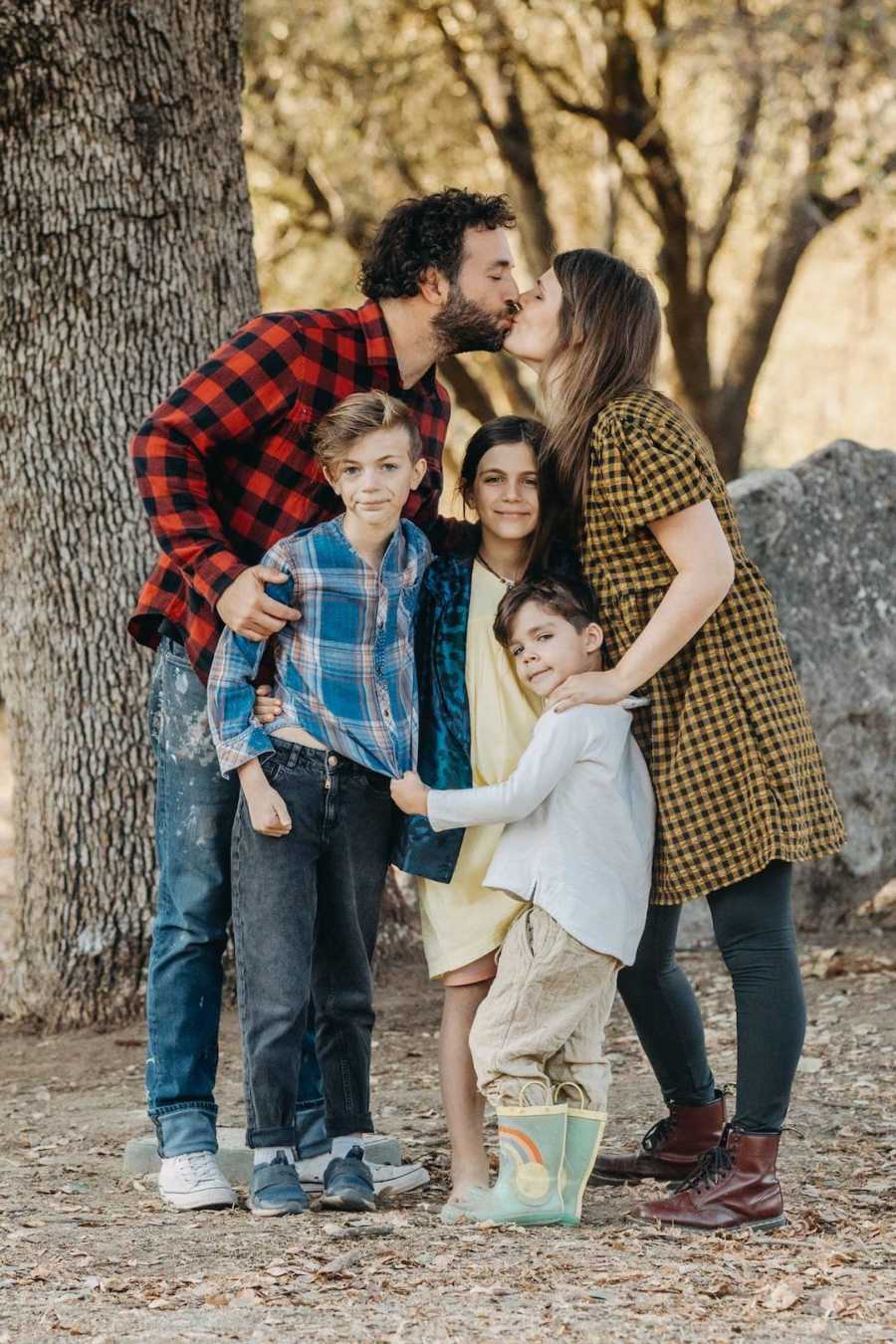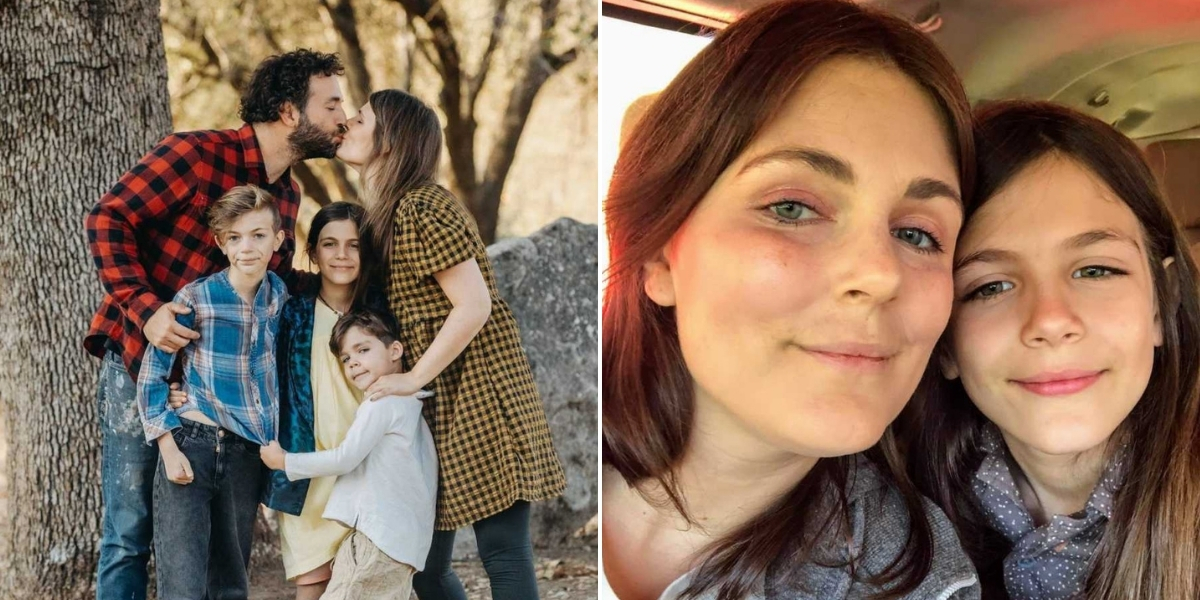
“But I can’t wear a dress, right?” My 5-year-old child asked one afternoon, looking up at me with eyes brimming with hopeful expectancy. In that single moment, a sudden and sobering realization washed over me: the immense and precious power I held in that answer. They weren’t just seeking approval, as children often do—they were seeking permission to express something that had always been a part of them. Their question wasn’t a lifelong declaration of identity, but I knew the weight of my response could either nurture their confidence or unintentionally rob them of the freedom to explore themselves fully.
I looked into their eyes, letting my heart guide me, and said, “Of course you can wear a dress! Anyone can wear a dress!”
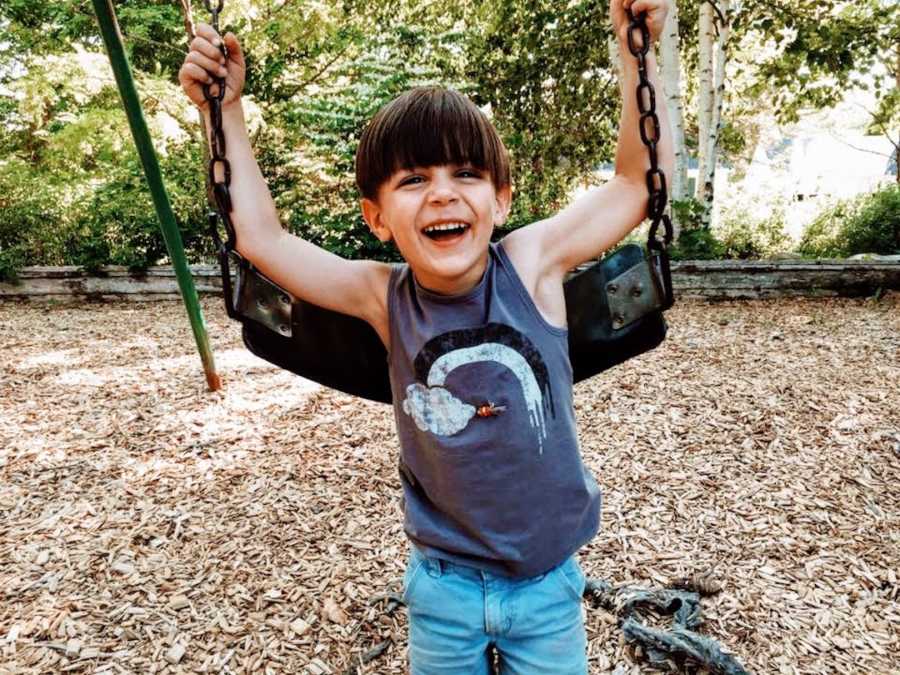
I went to my room, found a soft pink sundress, and handed it to them. “This is now yours,” I said. And they lived in it for weeks, only removing it to sleep. Soon after, curiosity led them to ask if they could play with my makeup. Their interest had always been there—watching me, asking questions about colors and shades—but now it had room to bloom. The next trip to Target yielded their very own glittery eyeshadow. They dove in joyfully, experimenting with colors, then bolted to the backyard to spin in their dress until they nearly toppled over, reveling in the freedom to be fully themselves.
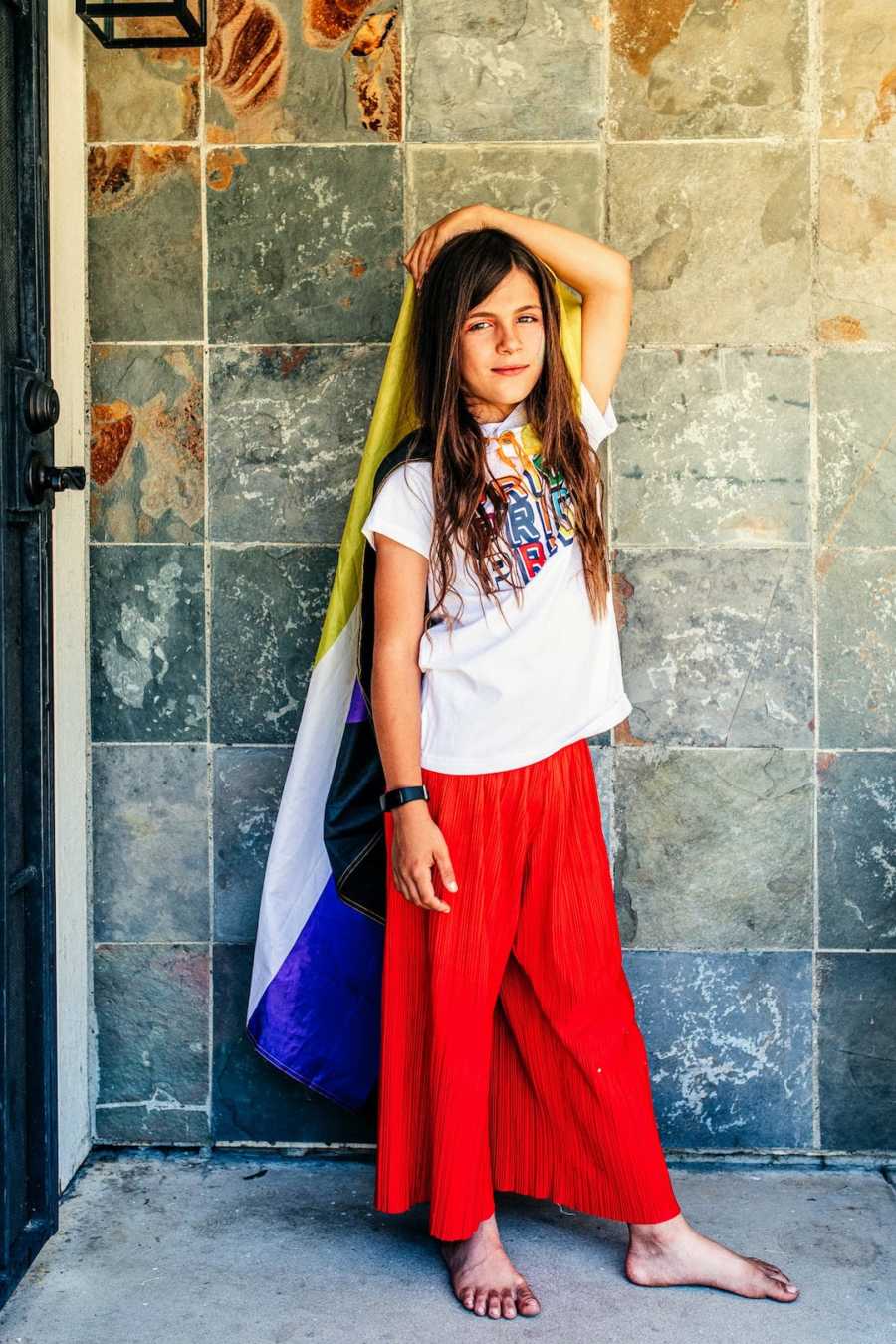
My husband and I watched in awe, fascinated by their joy, while also holding space for all we didn’t yet know. At first, we kept our observations private, lacking the language to describe what was emerging. We didn’t yet know what “non-binary” fully meant, nor how pronouns could reflect identity beyond the traditional binary. We simply knew our child loved dresses and makeup and that we had a responsibility to protect that joy. Their desire wasn’t fleeting play—it was authentic self-expression, a declaration of who they were and wanted to be in the world.
Around that time, Netflix released the reboot of Queer Eye. We were immediately introduced to the effervescent Jonathan Van Ness. Watching my child stare, wide-eyed, at someone who wore dresses confidently and defied binary expectations was transformative. Seeing themselves reflected on screen—joyful, radiant, and unapologetic—highlighted the vital importance of representation for non-binary youth. It became crystal clear to me that when children feel invisible in their schools or communities, representation on screen can be a lifeline, a powerful affirmation of their existence.
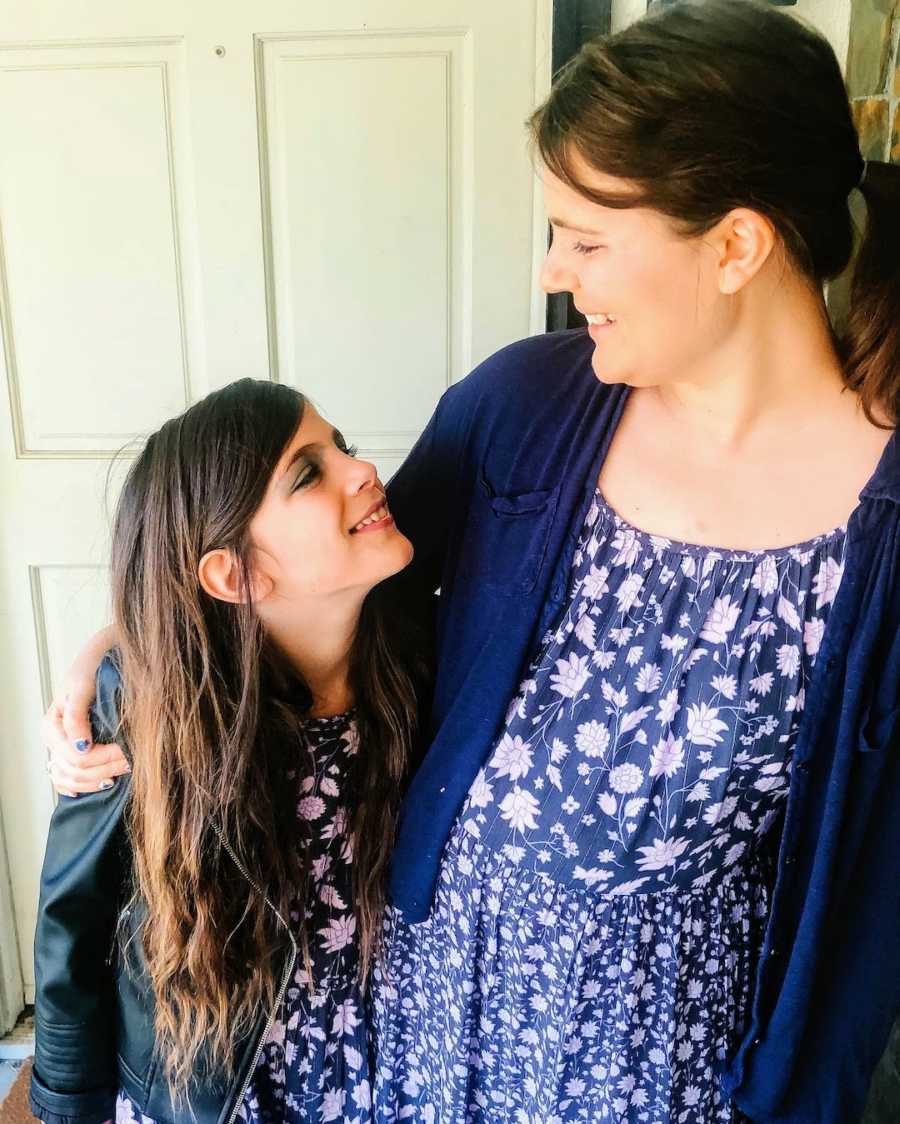
We began sharing aspects of our child’s life—their interests, hobbies, and joy—always with their permission. They wanted other kids to see that exploring gender and self-expression is normal and healthy, even at a young age. The weight of their request was profound, and I felt its significance deeply.
Not long after, in a quiet kitchen moment, they whispered, “Mommy? I think I want to start using both they/them and he/him pronouns.” Again, I felt that familiar sobering weight—the realization that my response could profoundly impact them. Without hesitation, I said, “Of course!” And just like that, we became a family with two boys and one sometimes-boy, sometimes-neither—a simple, loving shift that felt monumental.
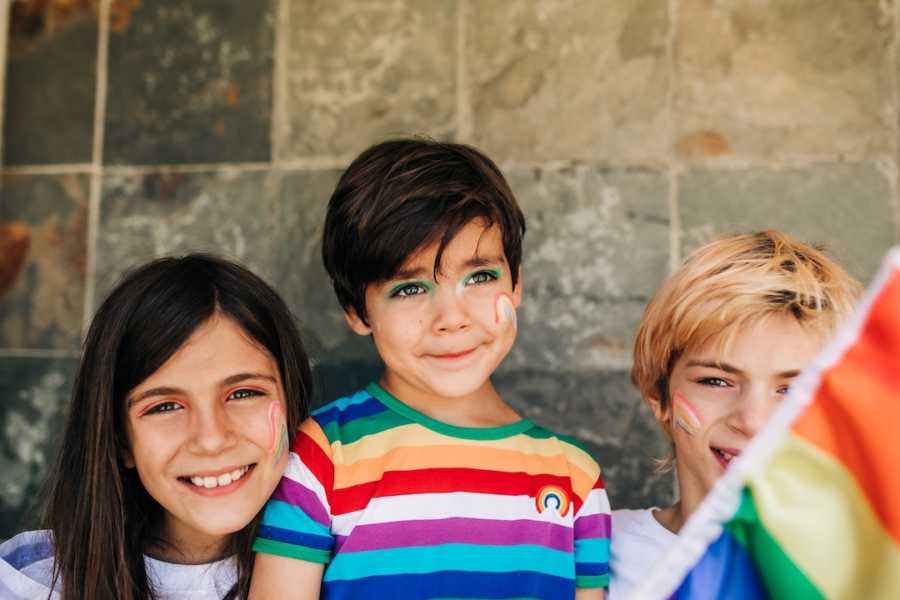
They kept their long hair, continued experimenting with makeup, and preferred shopping in the “girl’s” section more often than not. We embraced it fully. Life became a tapestry of self-expression and authenticity, punctuated by questions from peers, assumptions, and a few experiences that were deeply painful—some even better left unsaid. Pushback appeared, even from family members who struggled to accept dresses, long hair, and makeup. Communication faltered, and yet, through every challenge, I never doubted my child’s understanding of themselves.
Then came another pivotal moment: She-Ra and the Princesses of Power. The character Double Trouble—a mischievous, non-binary hero—gave our child another sense of belonging in a vivid, colorful world. Storytelling has a magical way of letting children see themselves reflected in adventures, in bravery, in joy. For our child, representation was not just entertainment—it was validation, reassurance, and inspiration.
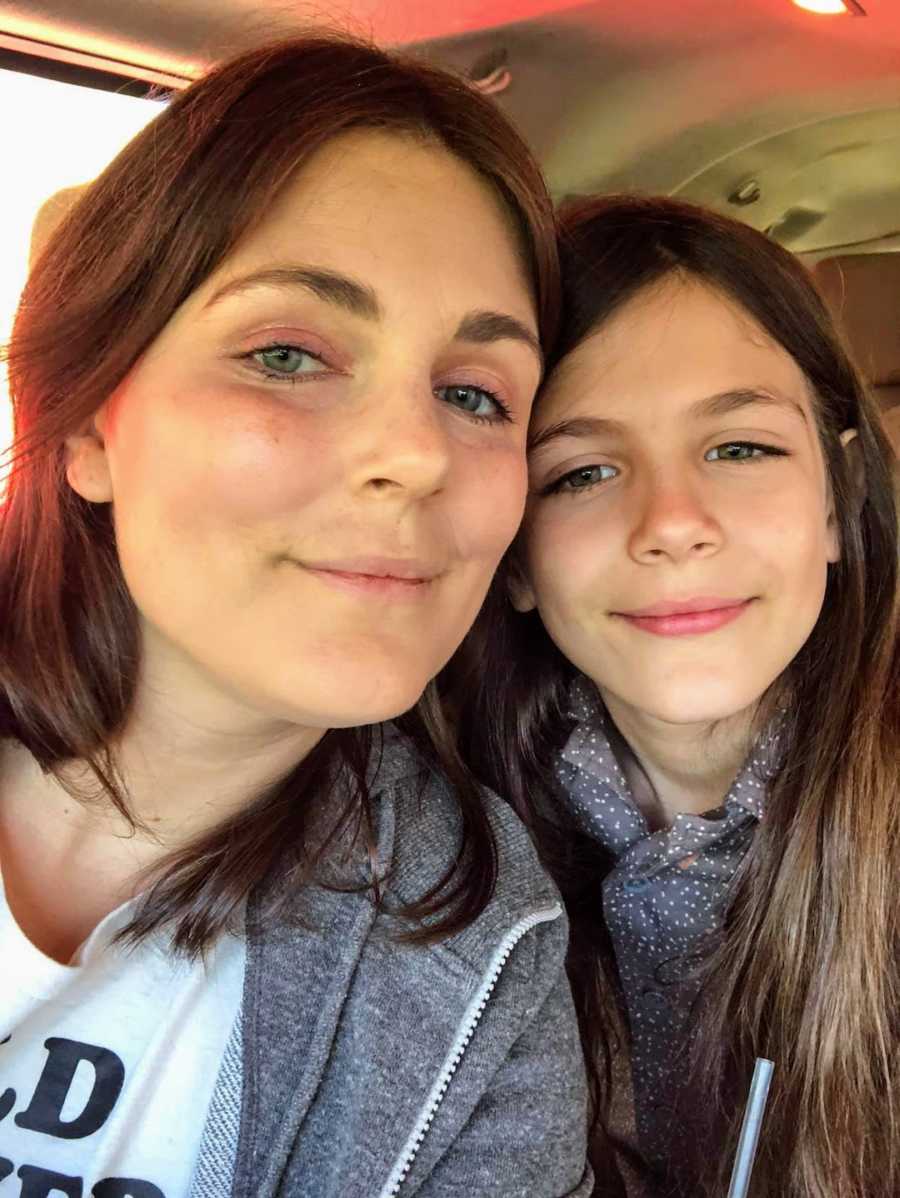
Representation matters. Today, as anti-trans youth laws rise across the country, its importance is amplified. Visibility is not just about making kids feel seen—it’s about reclaiming history, ensuring LGBTQIA+ people are acknowledged and celebrated in every sphere of life, from art to science. Exposure fosters understanding, and early exposure to diverse, joyful representations of gender non-conformity helps dismantle fear and prejudice before it takes root.
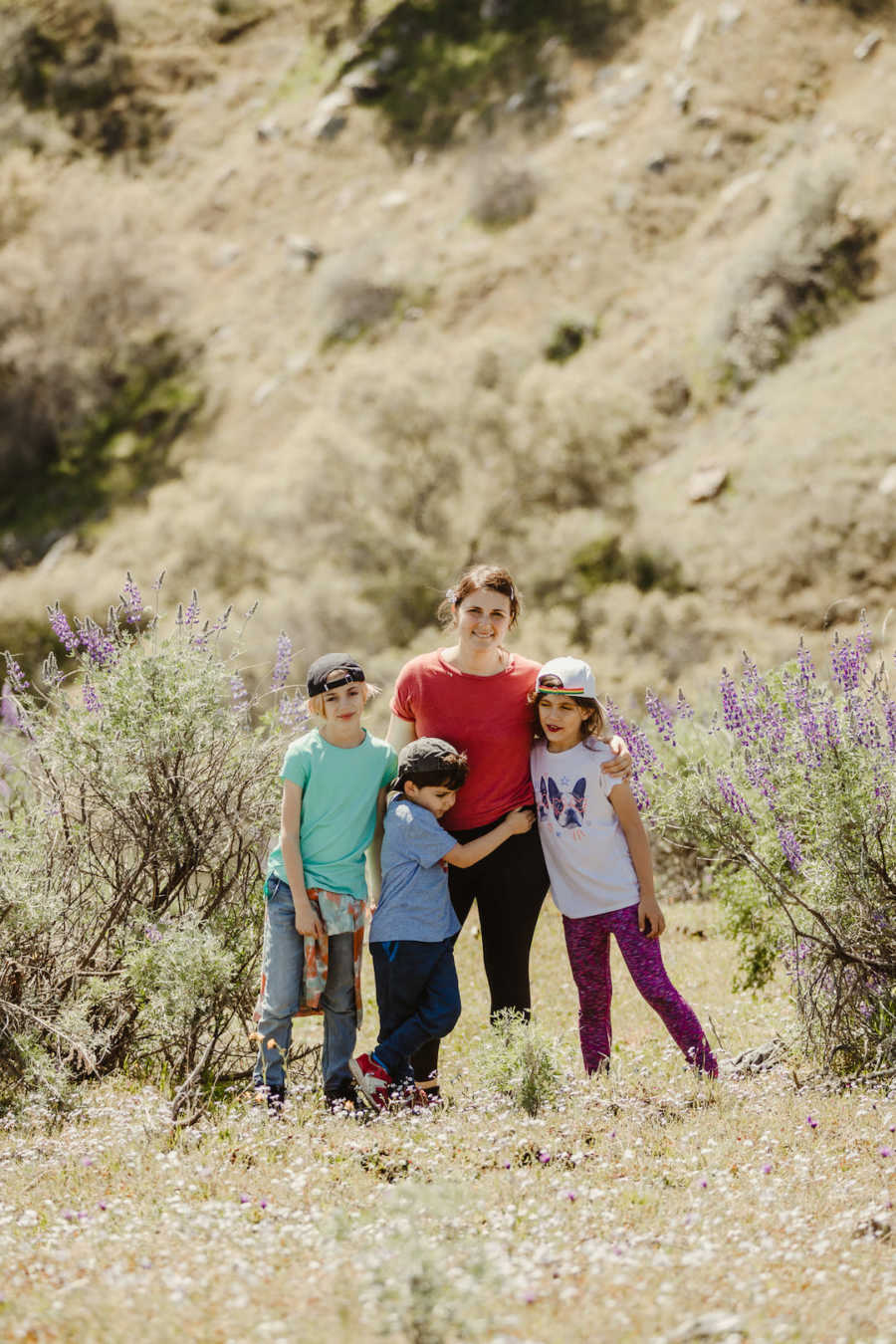
I’ve seen it in my own life. Moving away from religious affiliations expanded my understanding of the LGBTQIA+ community. The connection between visibility and acceptance is undeniable. Parents often ask how to be better allies, and my answer is simple: provide exposure. Let children witness joy, authenticity, and self-expression. Allow them to explore their identities without judgment. Let them know it’s okay to experiment with clothing, pronouns, and presentation. Representation starts at home but ripples outward, shaping communities.
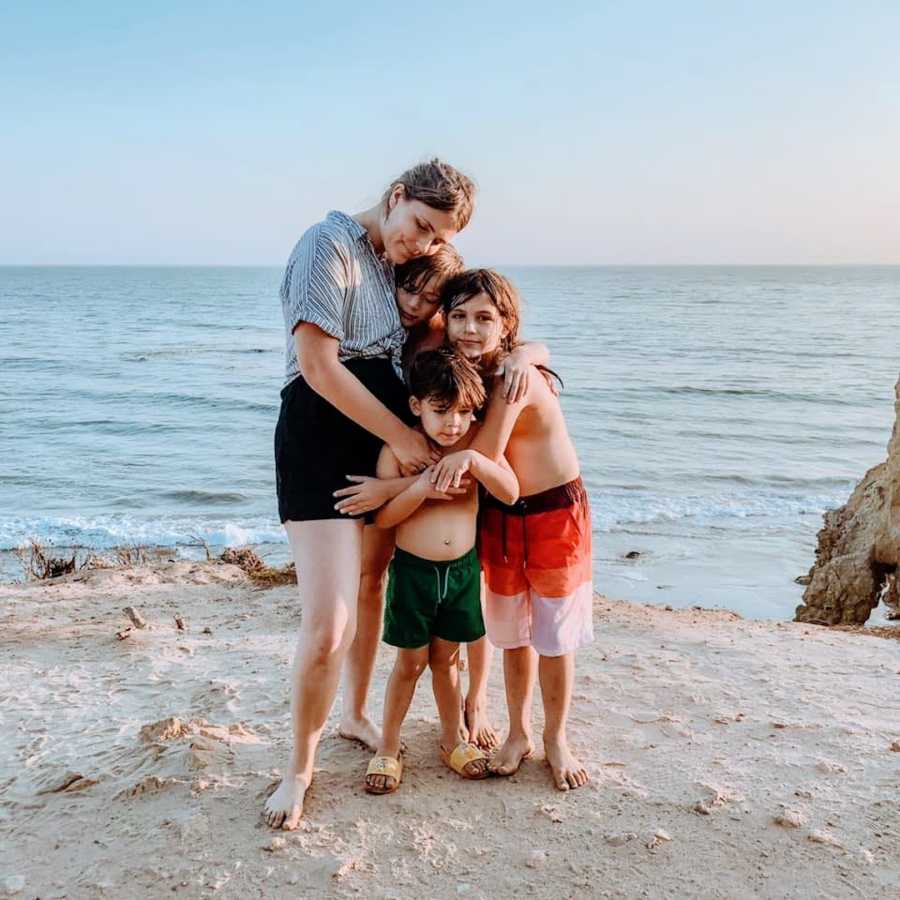
Even with love and support, challenges remain. Not everyone in our lives is accepting, and navigating this has required balancing safety with advocacy. We tell our child, “It’s okay if not everyone understands you. Questions and confusion are normal. But above all, you deserve to feel safe, always.” Sadly, some family members have proven unsafe, and their silence during our child’s pronoun announcement was deafening.
Yet, my child is whole. Their identity is not separate from them—it is them. Leaving religion at the same time they came out shielded us from imposing limitations or judgment. We became their safe place. Myself, my husband, and our other children form a fortress around them—a space where they can explore, grow, and flourish without fear.
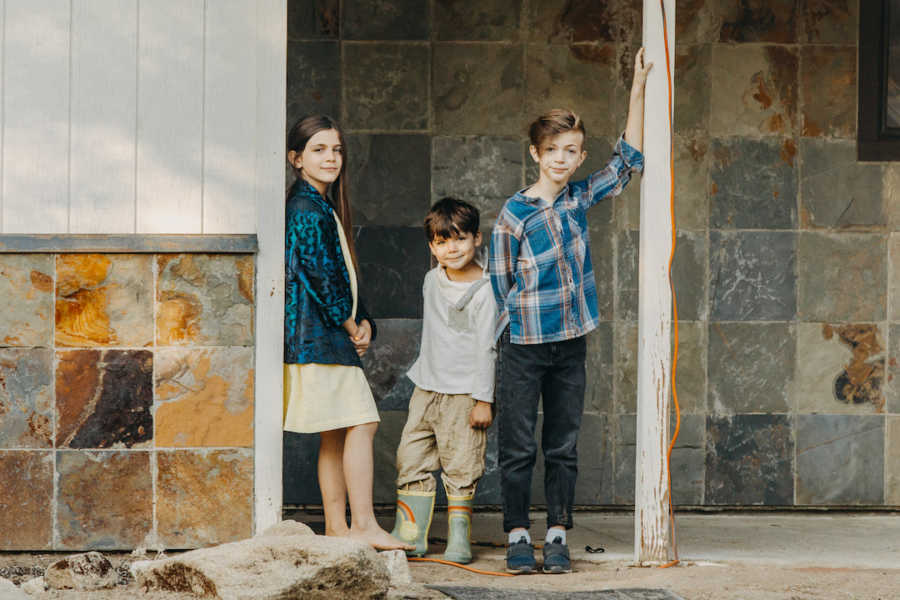
As they move through adolescence and eventually adulthood, they will always have a foundation of belonging, affirmation, and love. We will always celebrate them, their pronouns, their expression, and the beauty of who they are. In a world that can feel unkind and confusing, we strive to ensure they never feel unseen. Our family is their anchor, their home, and their sanctuary—and that is a gift we will protect forever.